
The usual images of Uzbekistan might be the blue domes of Samarkand or the ancient city walls of Bukhara, but Tashkent offers a different story entirely — a fascinating blend of Soviet-era grandeur, Silk Road echoes, and a burgeoning modern Central Asian identity. For those interested in Tashkent’s cultural house museums or the city’s new white marble mosque, this guide reveals what’s genuinely possible when you leave the airport.
Tashkent, Uzbekistan’s vibrant capital, continually reinvents itself while preserving deep-rooted traditions. It’s a city where monumental Soviet architecture stands alongside intricate Islamic madrasahs and lively bazaars, providing a distinct cultural tapestry.
A personal note: I remember a particularly hot layover in Tashkent, back when the Ming Urik Settlement was just a rumour of ancient history, not a visible site. I was wandering near Chorsu Bazaar and somehow, my wallet slipped out of my pocket. I realised it only after a few minutes of browsing spices. A local vendor, who had been watching me, simply walked over, handed it back, and smiled. No fuss, no drama, just a quiet honesty that stuck with me. It’s a small detail, but it speaks volumes about the people you meet here.
Before you leave the airport
Storing your luggage
Tashkent International Airport (TAS) – International Terminal
– Location: Basement floor of the departures terminal (near the 4th exit)
– Price: 15,000 – 40,000 UZS per hour (depending on size)
– Hours: 24/7
– Notes: Automatic lockers. Standard cell: 60x50x80 cm, Medium: 90x50x80 cm, Large: 180x50x80 cm. Payment via cash (national currency) or bank card.
Tashkent International Airport (TAS) – Domestic Terminal
– Location: Inside the terminal between the departure and arrival halls
– Price: 10,000 UZS per hour (single rate)
– Hours: 24/7
– Notes: Automatic lockers. Small cell: 43x50x34 cm, Standard cell: 60x50x80 cm. Payment via cash (national currency) or bank card.
Qeepl Luggage Storage (Various Locations)
– Location: 7 locations in Tashkent, including near the airport
– Price: From 36,900 UZS per day
– Hours: Varies by location (check specific ‘store’ hours)
– Notes: Online booking recommended. Offers secure storage for suitcases and bags.
Do you need cash?
Yes, cash in Uzbekistani Som (UZS) is essential for many transactions in Tashkent, especially at local bazaars, smaller cafes, and for taxi rides. While major hotels and modern restaurants increasingly accept Visa and Mastercard, it’s wise to carry sufficient som for daily purchases.
ATMs are widely available at banks like NBU, Ipak Yoli, and Kapitalbank, as well as in shopping malls. Exchange foreign currencies like USD or EUR at official banks or exchange offices; avoid street exchanges. Airport exchange rates may be less favourable, so consider exchanging only a small amount there if needed.
24 hours in Tashkent: what to do
1. Dive into local life at Chorsu Bazaar
Underneath its iconic blue dome, Chorsu Bazaar is the beating heart of Tashkent’s local life, a sensory explosion of sights, sounds, and smells. Here, you’ll find everything from mountains of fresh produce to fragrant spices and intricately designed carpets.
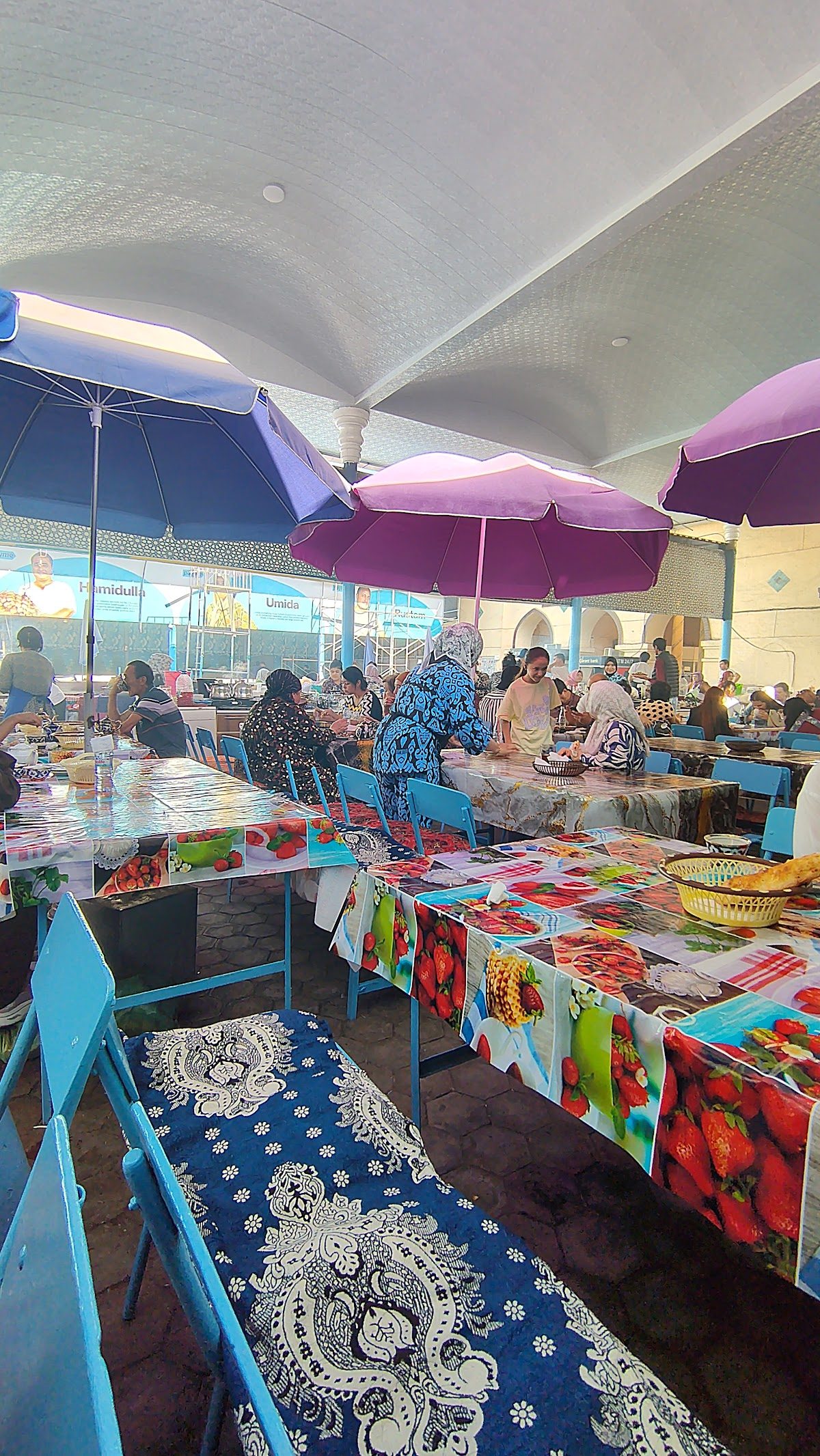
Beyond the main dome, wander into the surrounding alleys to discover the famous bread corner, where obi non is baked in traditional tandoor ovens. Head to the ‘food rows’ for authentic street food, where you can watch local dishes being prepared on the spot.
2. Journey through art and history in Tashkent’s Metro Stations
Tashkent’s metro is more than just a transportation system; it’s an underground art gallery, a relic of Soviet-era grandeur. Each station boasts unique architecture, intricate mosaics, and grand designs that tell a visual story.
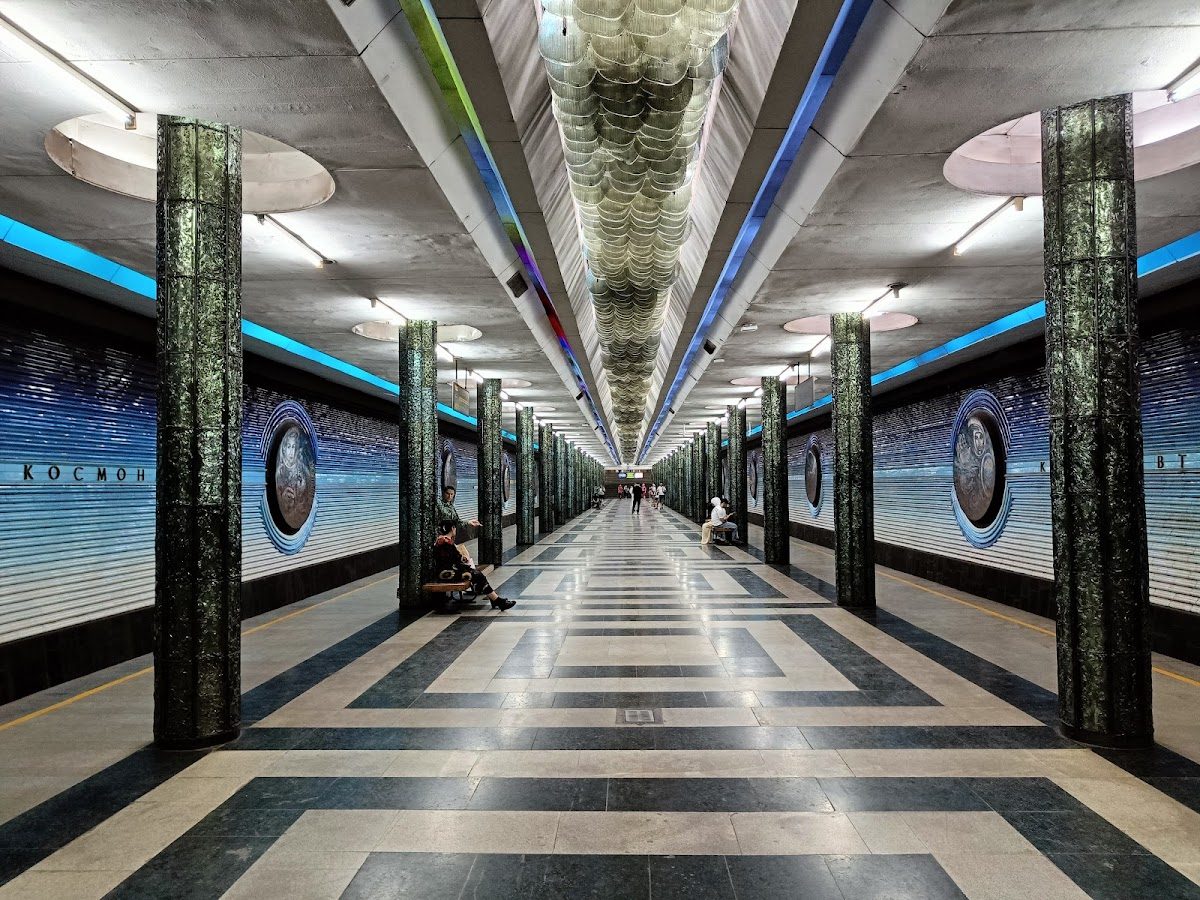
Key stations like Kosmonavtlar (cosmonaut-themed), Alisher Navoi (Islamic architecture), and Mustakillik Maydoni (Independence Square) are highlights. A single ride is an affordable way to experience this unique blend of history and art.
3. Step into Tashkent’s spiritual heart at Khast Imam Complex
The Khast Imam Complex offers a profound glimpse into Uzbekistan’s Islamic heritage, a serene collection of mosques, madrasahs, and mausoleums. Some structures here date back to the 16th century, providing a quiet contrast to the city’s modern pulse.
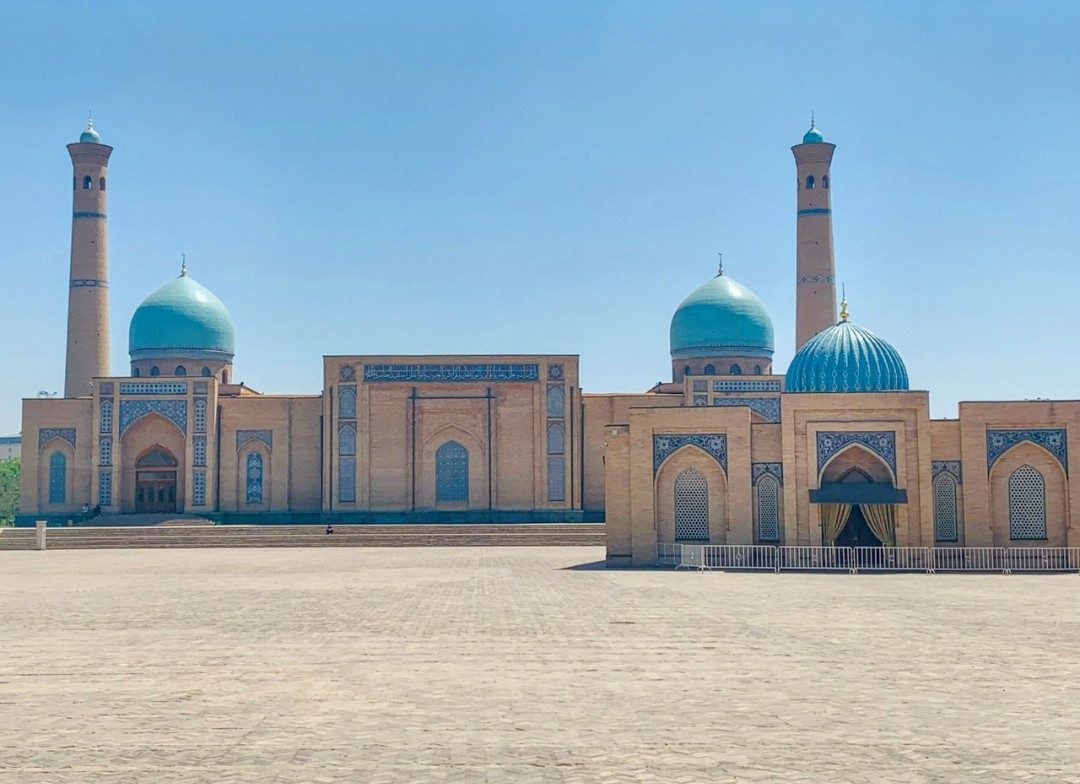
Within the complex, the Muyi Mubarak Library houses one of the world’s oldest Qurans, a significant historical artifact. This area is particularly beautiful in the soft light of early morning or late afternoon, offering a peaceful retreat.
4. Savor Uzbekistan’s national dish at Besh Qozon (Central Asian Plov Centre)
For the quintessential Uzbek culinary experience, head to Besh Qozon, known for serving some of the best plov (osh) in Tashkent. Here, you can witness massive cauldrons (qazans) where this national dish of rice, lamb, carrots, and spices is slow-cooked over open flames.
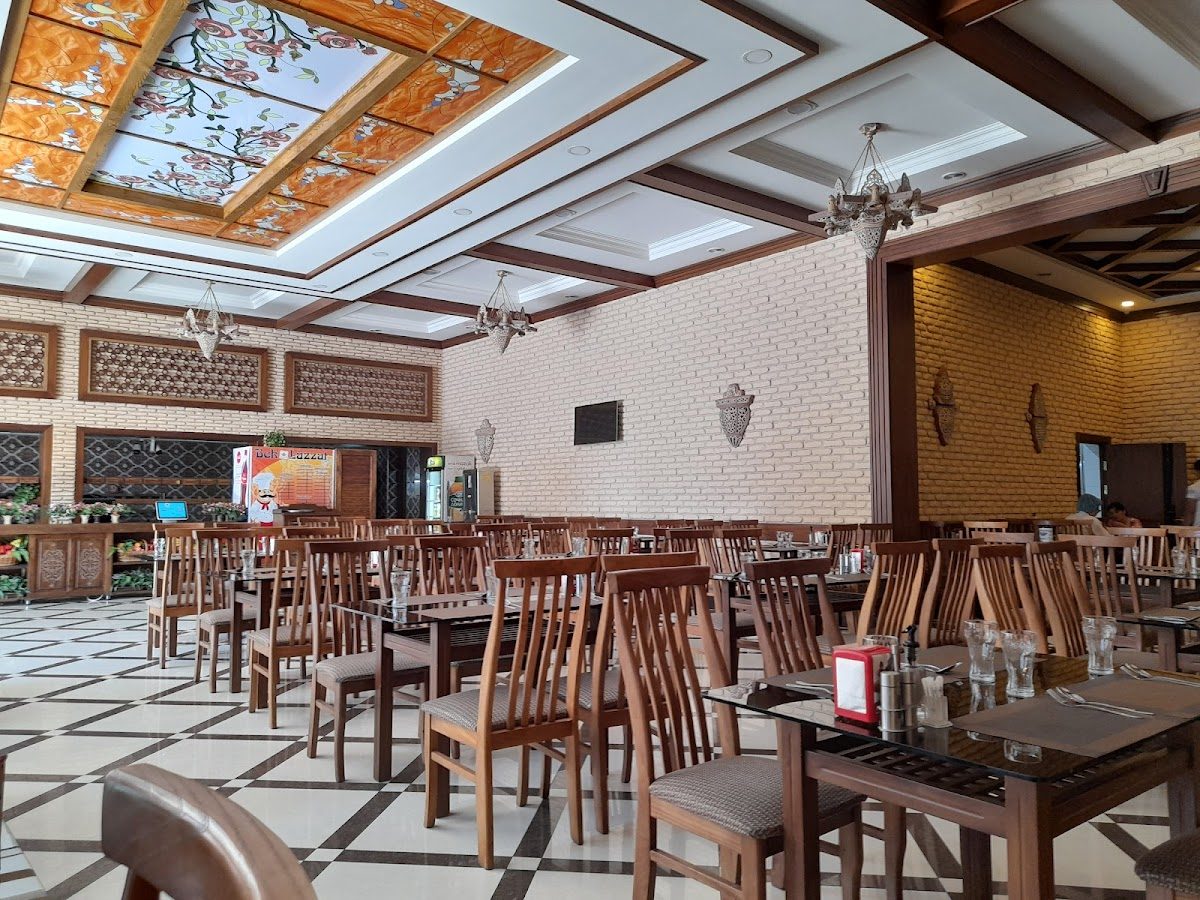
This bustling, authentic local eatery is especially popular during lunchtime, a vibrant scene filled with locals. Arrive early to ensure you get a taste before it sells out.
5. Admire the modern elegance of the Minor Mosque
The Minor Mosque is one of Tashkent’s newest and most striking religious sites, an elegant structure built entirely of white marble. Its serene setting on the banks of the Ankhor Canal provides a peaceful retreat from the city.
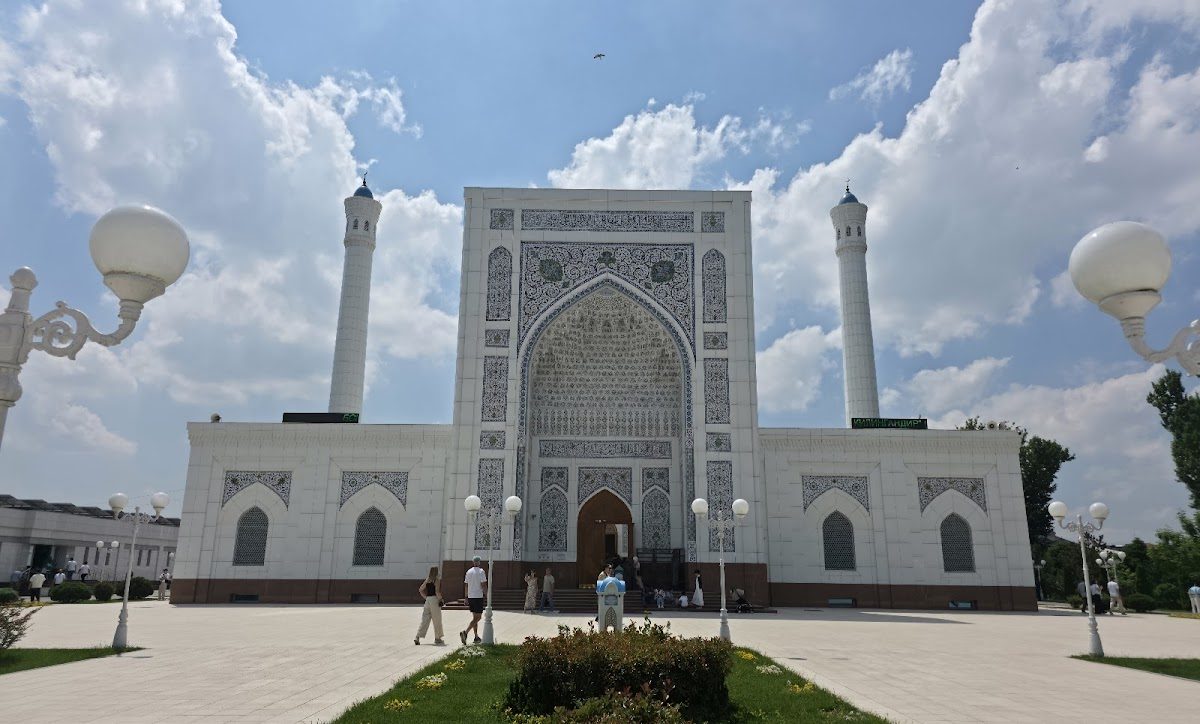
This mosque offers stunning photo opportunities, especially as the sun begins to set and the white marble glows. It’s a beautiful example of modern Islamic design, reflecting a contemporary facet of Tashkent’s spiritual life.
6. Discover exquisite Rishtan ceramics at Art Miras Gallery
For culturally curious travelers, a visit to Art Miras Gallery offers an exploration into the exquisite world of Rishtan ceramics. This gallery showcases handmade jugs, plates, and dishes by masters from the Fergana Valley, crafted using traditional techniques.
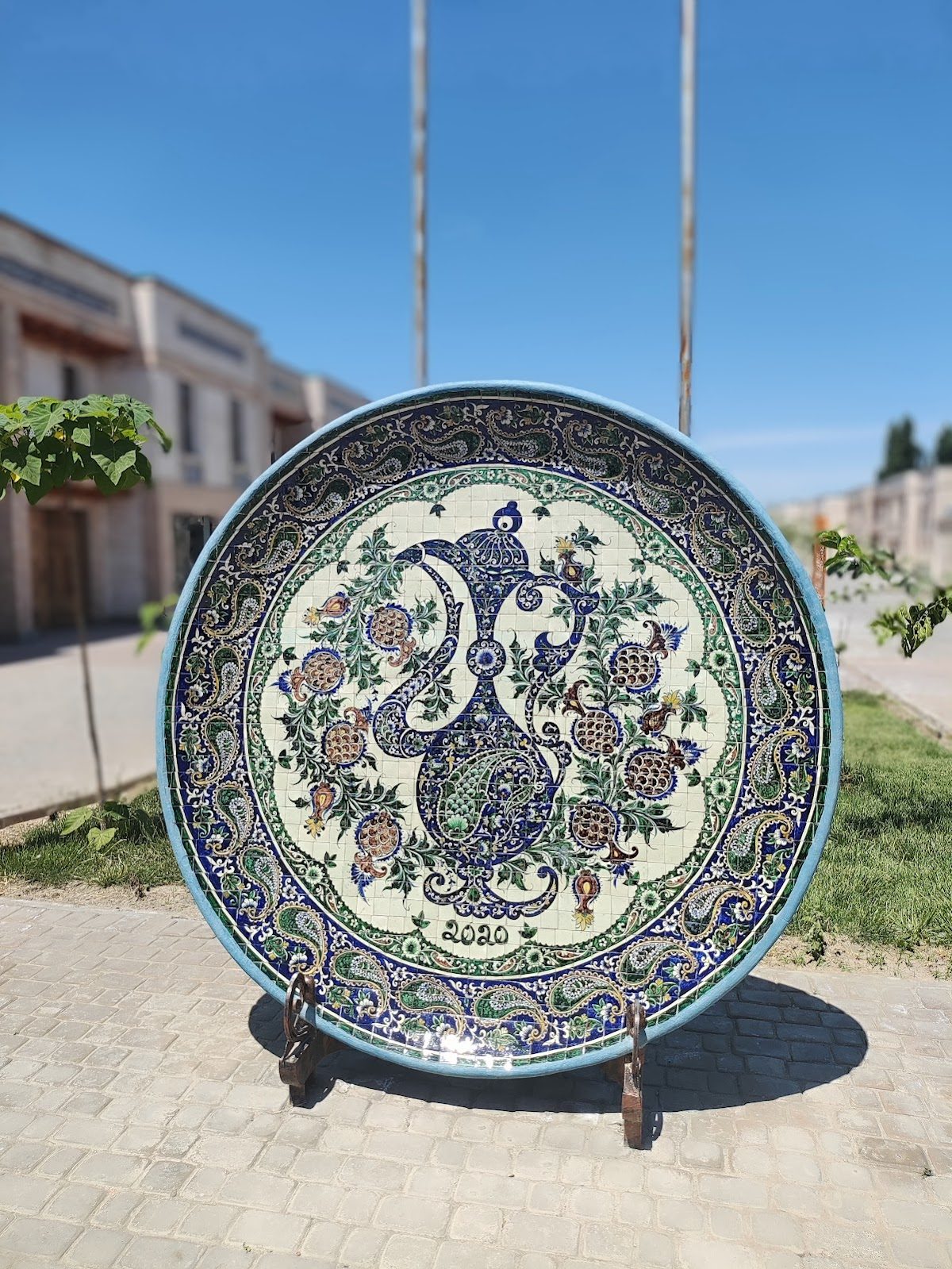
You’ll find pieces with distinctive deep blue glazes and ornamental painting, ranging from unique collectible items to more affordable souvenirs. It’s a perfect spot to find authentic Uzbek craftsmanship.
7. Source authentic fabrics at Adraschi Amaki within Chorsu Bazaar
Within the bustling confines of Chorsu Bazaar, Adraschi Amaki is a specific stall renowned for its selection of traditional Uzbek fabrics. Here, you can find authentic, handwoven textiles like adras, atlas, and bakhmal.
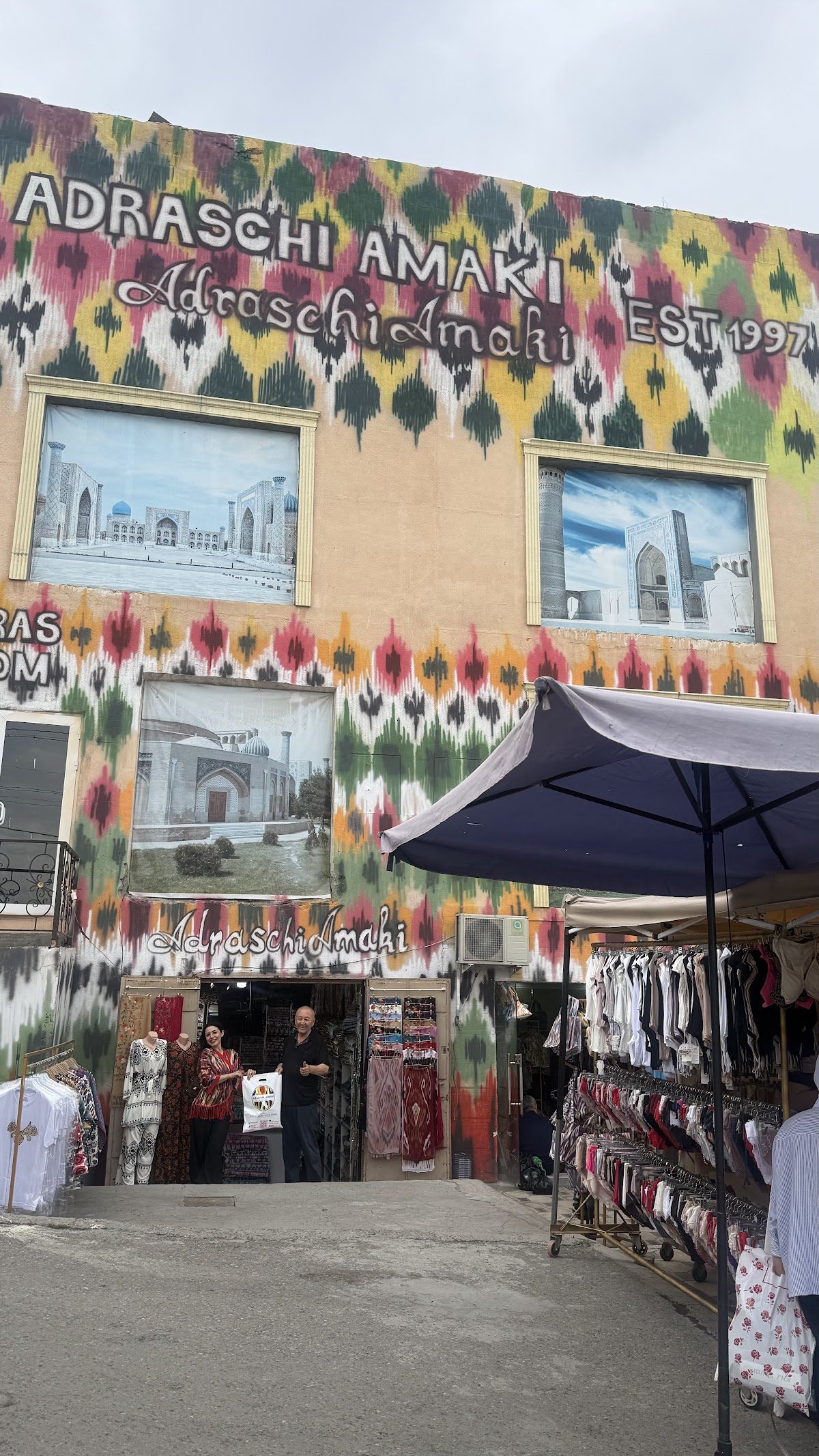
This is an excellent opportunity to acquire textiles that reflect Uzbekistan’s rich ornamental and weaving traditions, distinct from mass-produced souvenirs. Take your time to examine the patterns and feel the quality.
8. Gain perspective at the House-Museum of Islam Karimov
For a truly personal glimpse into Uzbek history, visit the House-Museum of Islam Karimov, dedicated to Uzbekistan’s first president. This offers a unique historical and cultural context, often missed by mainstream tours.
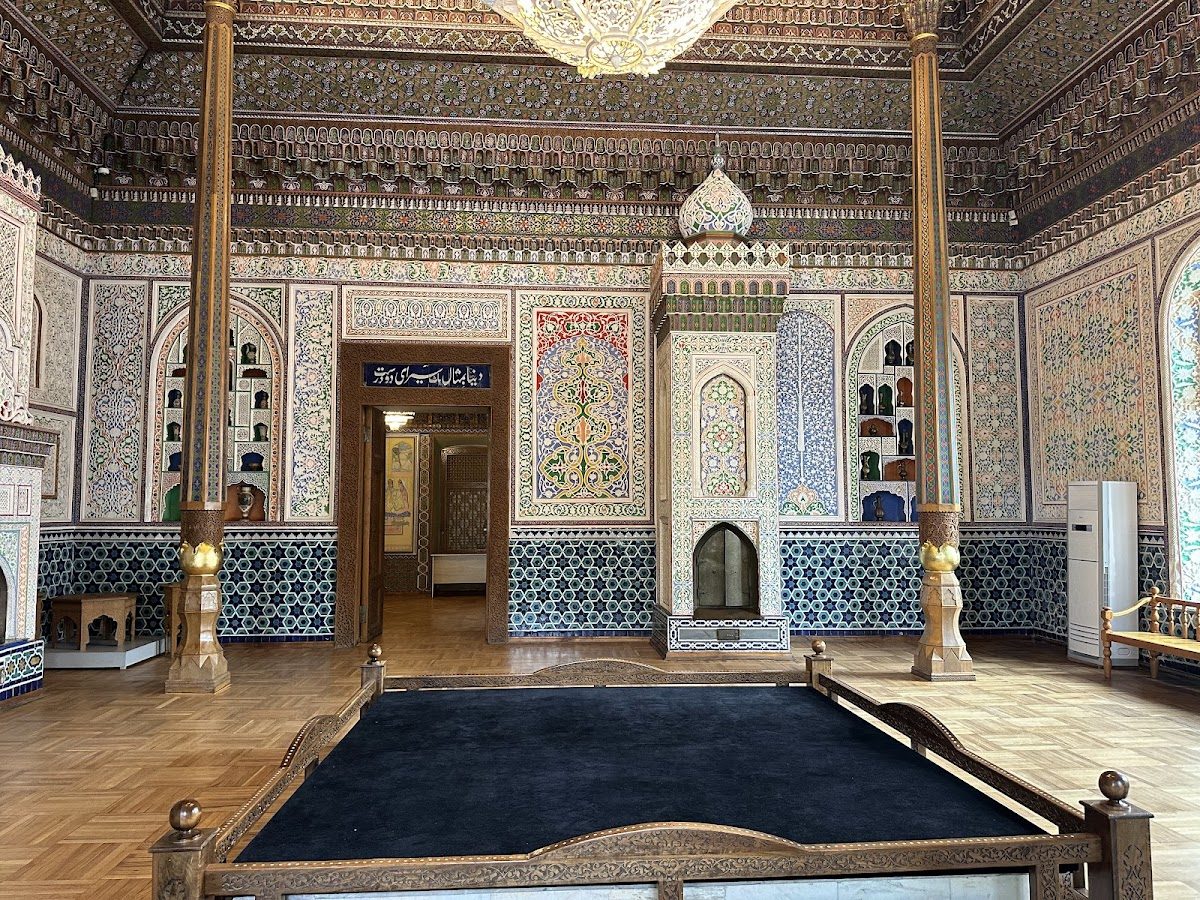
These house-museums offer a more intimate understanding of Uzbek history and culture than larger institutions. You’ll find personal effects and exhibits that provide insight into the life and work of a significant national figure.
Final word
Tashkent, with its blend of Soviet history, Islamic heritage, and vibrant local life, offers a layover experience unlike any other. It’s a city that rewards curiosity, inviting you to look closer and uncover a Central Asian culture that is both ancient and ever-evolving.
All practical information was verified at the time of writing. Please confirm hours and prices before you go.