
A Tokyo layover for 24 hours might seem too short to genuinely experience this sprawling metropolis, but the truth is, you can go beyond the predictable. Forget the endless malls and crowded intersections; recent searches show a growing interest in Tokyo’s hidden gems and authentic local culture, and this guide focuses on just that.
This guide is for the traveller with a 24-hour layover in Tokyo who wants to step outside the airport and experience the city’s quieter, more traditional side. You’re looking for genuine connection, not just checkboxes, and you’re willing to explore beyond the usual tourist routes.
Tokyo is a city of elegant contrasts, where meticulously maintained gardens sit beneath towering skyscrapers and ancient Shinto shrines are a short walk from bustling markets. It is this unique blend of order and chaos, tradition and innovation, that truly defines its character.
A personal note on Tokyo
My years flying through Tokyo often meant quick layovers, and after the first few times in Shibuya and Shinjuku, I started looking for different corners of the city. I remember one particular 24-hour stop where a local colleague suggested I explore the residential areas. I found myself walking through Todoroki Ravine, a surprising natural gorge hidden amongst the city’s concrete, followed by a visit to the Kyu Asakura House in Daikanyama. These weren’t “hidden gems” in the sense of being totally unknown, but they were my quiet discoveries, places that felt truly local and offered a sense of peace many visitors miss. It taught me that even in a city as vast as Tokyo, there’s always a quiet corner waiting.
Before you leave the airport
Storing your luggage
For a 24-hour Tokyo layover, you’ll want to store your luggage. Both Haneda Airport (HND) and local services offer options.
Haneda Airport (HND) Coin Lockers are available on multiple floors of Terminal 1, with prices ranging from ¥300-500/day for small bags and ¥600-1,000/day for suitcases. Availability can be tight, especially for larger items during peak hours.
For more reliable storage, particularly for larger suitcases, consider using Ecbo Cloak or Radical Storage. Ecbo Cloak partners with various shops and cafes, costing ¥500/day for bags under 45cm and ¥800/day for larger suitcases. Radical Storage offers similar services from ¥750/day. Both require online booking through their respective apps or websites and offer insurance for your belongings.
Do you need cash?
Yes, you will absolutely need Japanese Yen (JPY) for this kind of authentic Tokyo experience. While major stores accept cards, many traditional ramen shops, izakayas, street food stalls, and local market vendors operate purely on cash.
Carry at least ¥10,000 to ¥20,000 for your day’s expenses. The most reliable place to get cash is from 7-Eleven ATMs, which are widespread, open 24/7, and accept most international cards. Always decline Dynamic Currency Conversion (DCC) if offered, to ensure a better exchange rate.
24 hours in Tokyo: what to do
1. Find tranquility among the torii gates at Nezu Shrine
Step into a serene world at Nezu Shrine, a beautiful Shinto sanctuary known for its tunnel of vermillion torii gates. This spot offers a peaceful alternative to more crowded shrines, making it a true Tokyo hidden gem for those seeking a quiet cultural immersion.
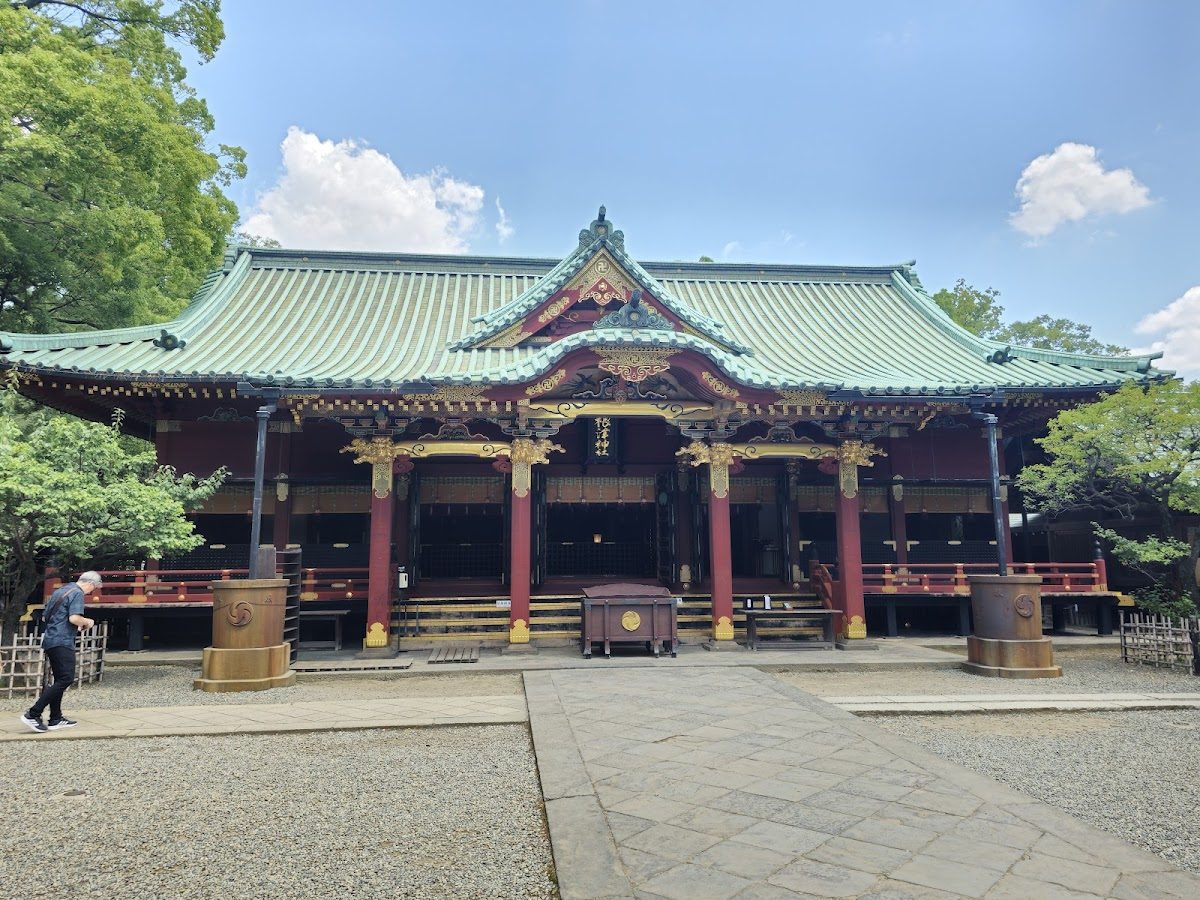
Wander through the main complex, admiring the intricately decorated buildings and the tranquil carp pond. The path through the torii gates leads up a small hill, offering a sense of discovery and a quiet moment for reflection, especially in the early morning light.
2. Step back in time on Yanaka Ginza Shopping Street
Experience a slice of old Tokyo at Yanaka Ginza, a charming shopping street that feels wonderfully untouched by modern development. This is where locals shop, eat, and socialize, offering a genuine glimpse into Tokyo’s past.
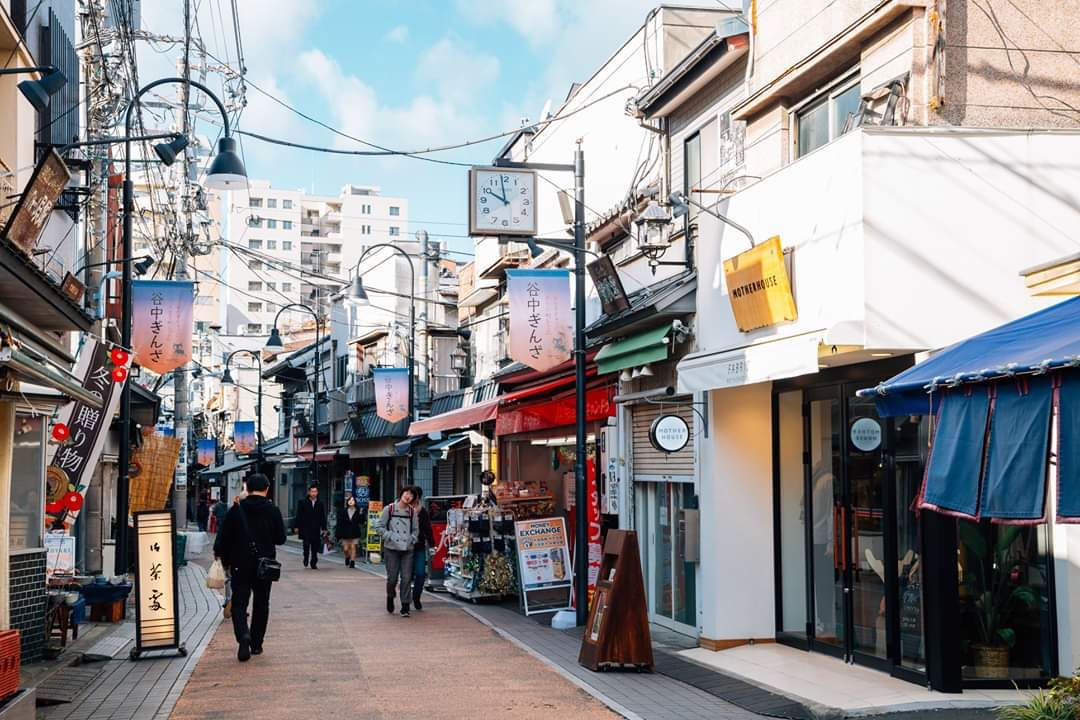
Browse the small, independent shops selling everything from traditional snacks and fresh produce to handmade crafts and quirky souvenirs. Don’t miss the chance to sample delicious street food like menchi katsu (fried minced meat cutlet) or freshly baked taiyaki (fish-shaped cake with filling).
3. Explore the artisanal world of Nippori Textile Town
For those with an eye for crafts, Nippori Textile Town is a unique district dedicated entirely to fabrics and sewing supplies. It is a fascinating place to explore Japanese textile culture, whether you’re a seasoned crafter or just curious.
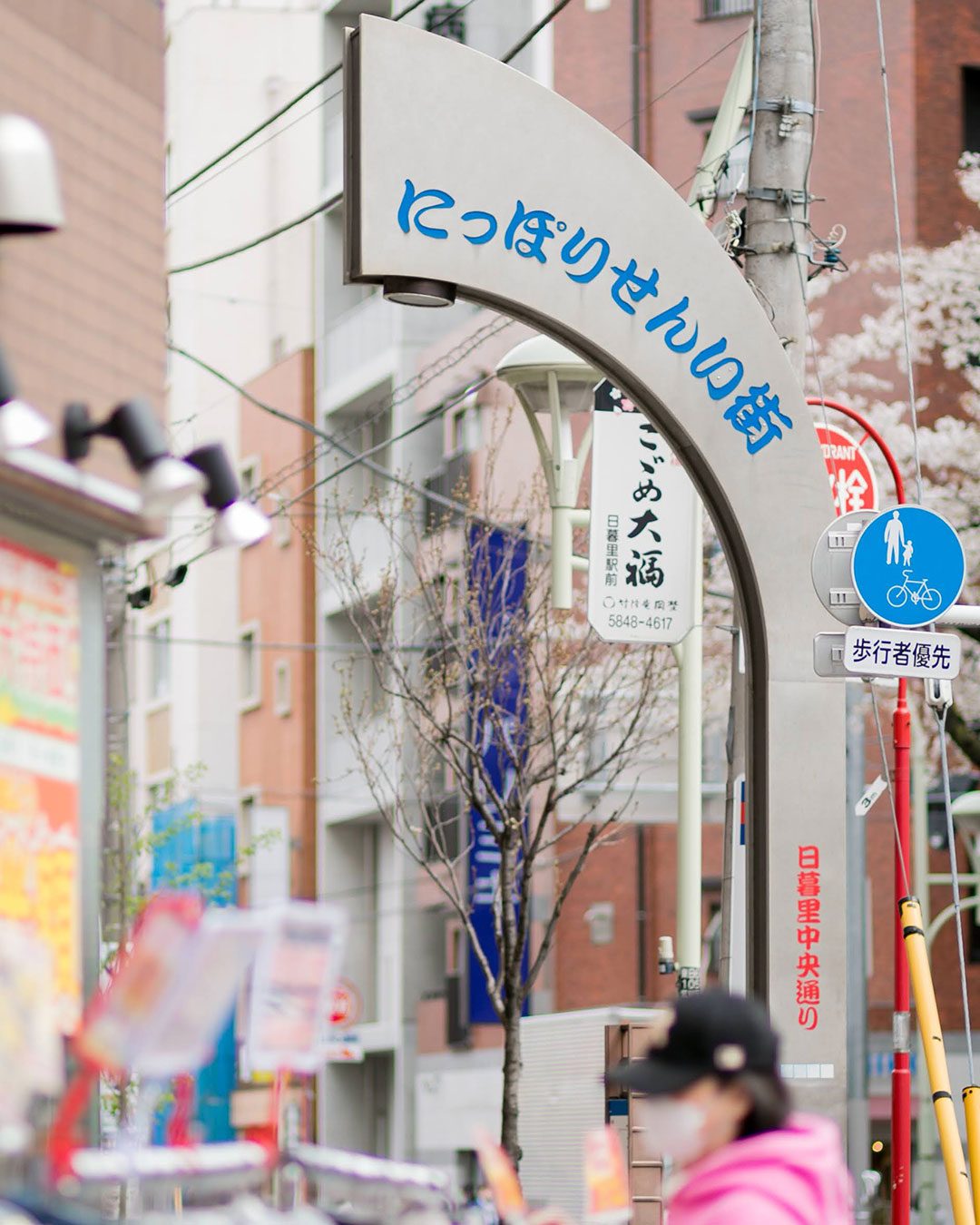
Over 80 shops line the streets, offering an astonishing array of materials, from traditional kimono fabrics and delicate silks to modern prints and haberdashery. Even if you’re not planning to buy, the sheer variety and vibrant displays make for an engaging walk.
4. Taste Tokyo’s freshest seafood at Tsukiji Outer Market
Even after the main wholesale market moved, Tsukiji Outer Market remains an essential stop for food lovers. This bustling area is where you can truly taste the pulse of Tokyo’s culinary scene, with an emphasis on incredible fresh seafood.
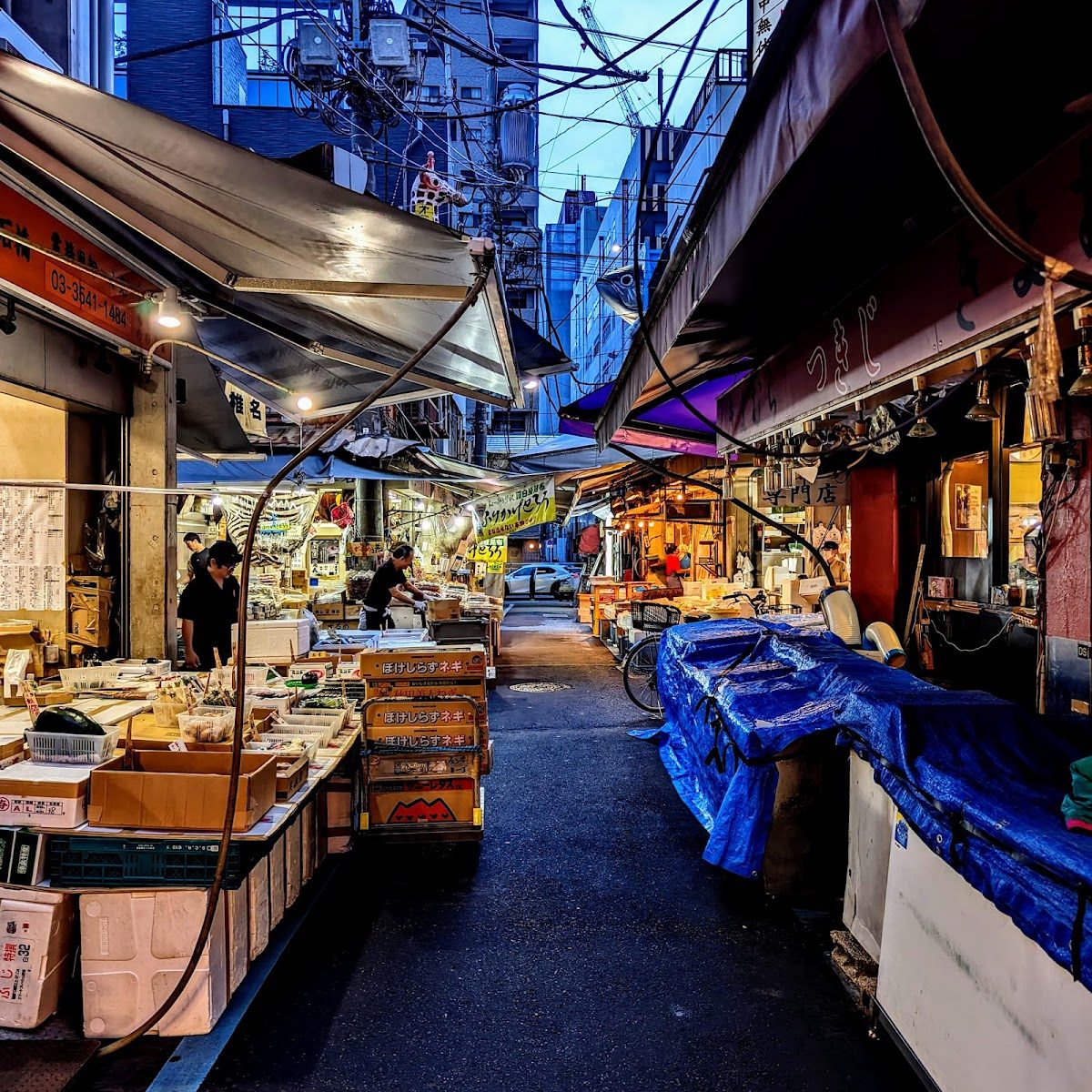
Graze your way through the countless stalls offering everything from grilled scallops and fresh oysters to steaming bowls of ramen and delicate tamagoyaki (sweet egg omelette). Many small eateries here offer authentic sushi breakfasts and donburi bowls.
5. Immerse yourself in history at Asakusa’s Senso-ji Temple
Senso-ji Temple is Tokyo’s oldest temple and a powerful anchor of traditional Japanese culture. While popular, a mindful visit offers a profound connection to the city’s spiritual heart.
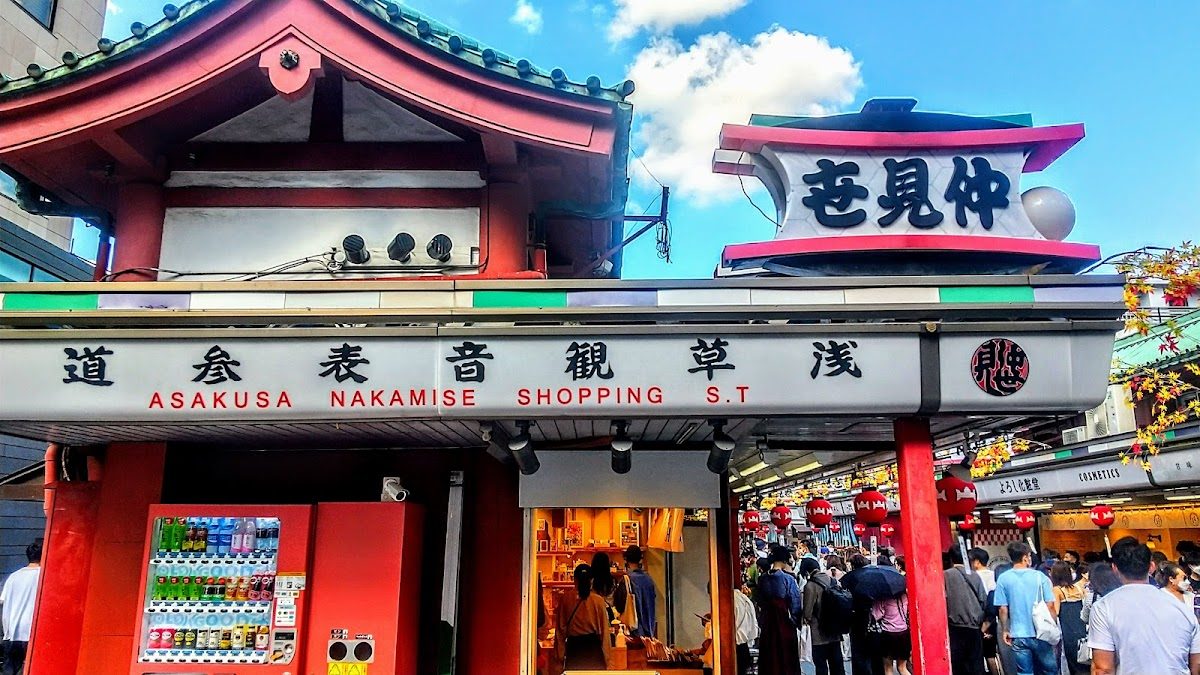
Approach through Nakamise-dori, a traditional shopping street leading to the main temple, where you can find local snacks, charms, and souvenirs. Spend time exploring the temple grounds, watching locals offer prayers, and admiring the grand architecture of the main hall and five-story pagoda.
6. Discover everyday beauty at Takumi (Traditional Crafts Shop)
For a refined shopping experience focused on authentic Japanese artistry, visit Takumi in Ginza. This established shop specializes in mingei, or folk crafts, showcasing the beauty of handmade items for everyday use.
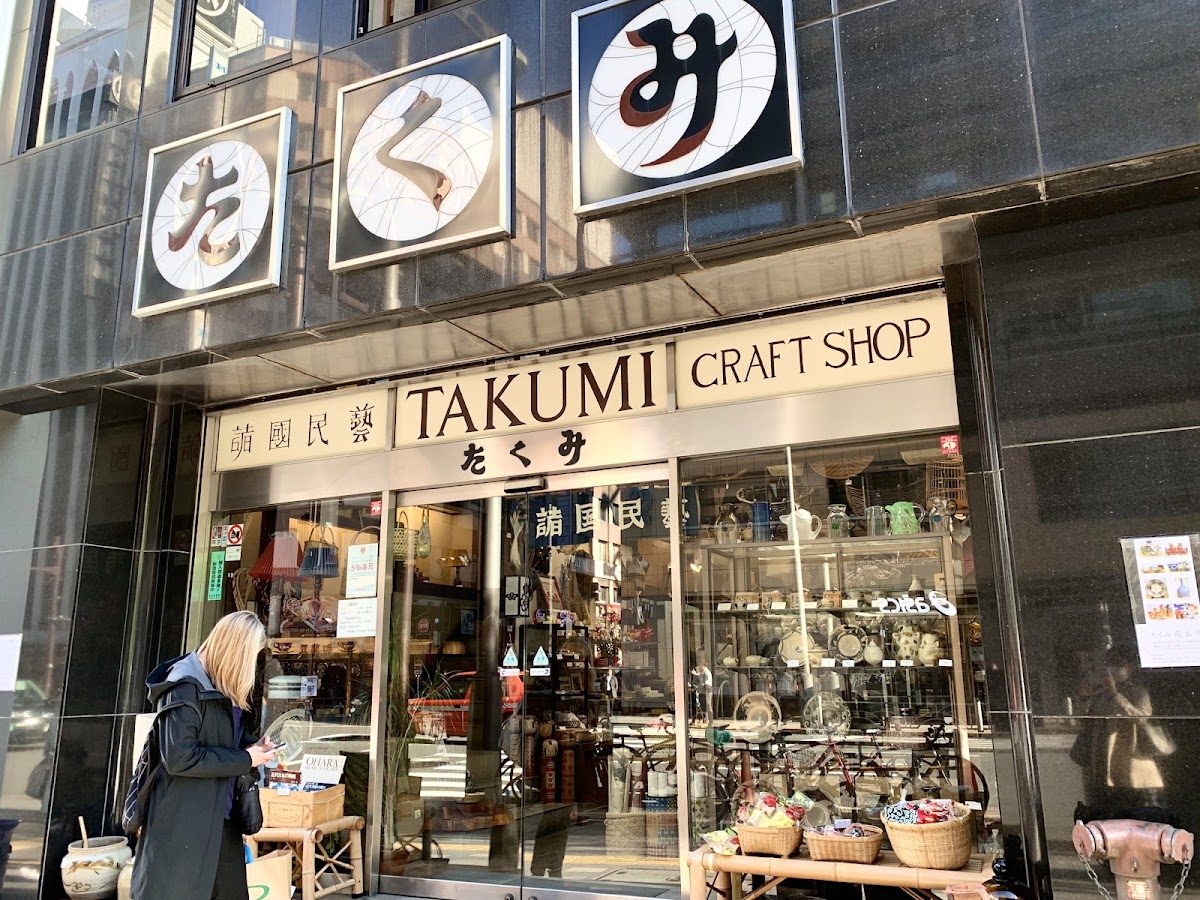
Inside, you’ll find a curated selection of pottery, textiles, lacquerware, and paper items, all made by artisans from across Japan. Each piece tells a story of regional traditions and careful craftsmanship, offering a meaningful souvenir.
Final word
A 24-hour layover in Tokyo is not just a stopover; it is an opportunity to peel back a layer of this incredible city and connect with its authentic spirit. By stepping away from the immediate airport bubble, you will discover a Tokyo that is both deeply traditional and wonderfully welcoming, leaving you with more than just memories, but a desire to return.
Practical information verified at time of writing. Please confirm hours and prices before you go.