
New Delhi is a city that demands your attention, a place where the past is not just preserved but lived amidst the everyday chaos. While many travellers use Indira Gandhi International Airport (DEL) as a transit point, the city itself offers a dense tapestry of experiences far beyond the standard tourist circuit, especially with the growing interest in Old Delhi food walks and Lodhi Art District murals as breakout search terms. This guide pushes you to go deeper than the usual stops.
This guide is for those with 24 hours in New Delhi who want to step out of the airport and into the city’s authentic pulse. You’re looking for a genuine taste of India, from historic lanes to evolving art scenes, not just another shopping mall.
New Delhi is a sprawling metropolis where ancient history intertwines with a vibrant modern pulse. It’s a city of stark contrasts, where grand colonial boulevards lead to labyrinthine old city lanes, each turn revealing layers of culture, cuisine, and craft in neighbourhoods like Old Delhi and Hauz Khas.
A personal note
During my many layovers through Delhi, I’ve learned that first impressions can be misleading. While online images of hotels might look appealing, especially on sites like Booking.com, they can often be far from reality. Always cross-reference with recent reviews and look for photos from actual guests before committing. The city rewards curiosity, but it also demands awareness. Stick to bottled water, always, and be cautious about where you eat, especially when trying street food — look for stalls with high turnover and locals queuing.
Before you leave the airport
Storing your luggage
You will want to be free of your bags to navigate New Delhi.
The Delhi Airport Cloakroom at the Airport Connect (DMRC) Metro Building at Terminal 3 offers 24/7 storage. Prices range from ₹300 for small bags (under 7 kgs) to ₹600 for large bags (above 20 kgs) for 8-24 hours.
Alternatively, services like LugBee and SafeGodown provide off-airport storage with multiple city locations. LugBee starts at ₹10 per hour or ₹80 per day, while SafeGodown charges vary from ₹150-₹200/day for small bags up to ₹350-₹450/day for large baggage. Both offer security and insurance, and SafeGodown is particularly convenient with locations near major transit hubs like Connaught Place and New Delhi Railway Station.
Do you need cash?
Yes, cash is essential in New Delhi. While larger hotels and upscale restaurants accept cards, you will need Indian Rupees for local markets, street food, and auto-rickshaws.
Carry small denominations like ₹10, ₹20, ₹50, as vendors often struggle with change. Stick to bank-affiliated ATMs like SBI, HDFC, and ICICI for withdrawals. Most ATMs have a per-transaction limit of around ₹10,000. Avoid airport money changers for better rates.
24 hours in New Delhi: what to do
1. Immerse yourself in the sensory overload of an Old Delhi food and heritage walk
Step into the labyrinthine lanes of Old Delhi for a journey back in time, where history is tasted as much as it is seen. The air here is thick with the scent of spices, frying jalebis, and exhaust fumes, a true immersion into Delhi’s heart.
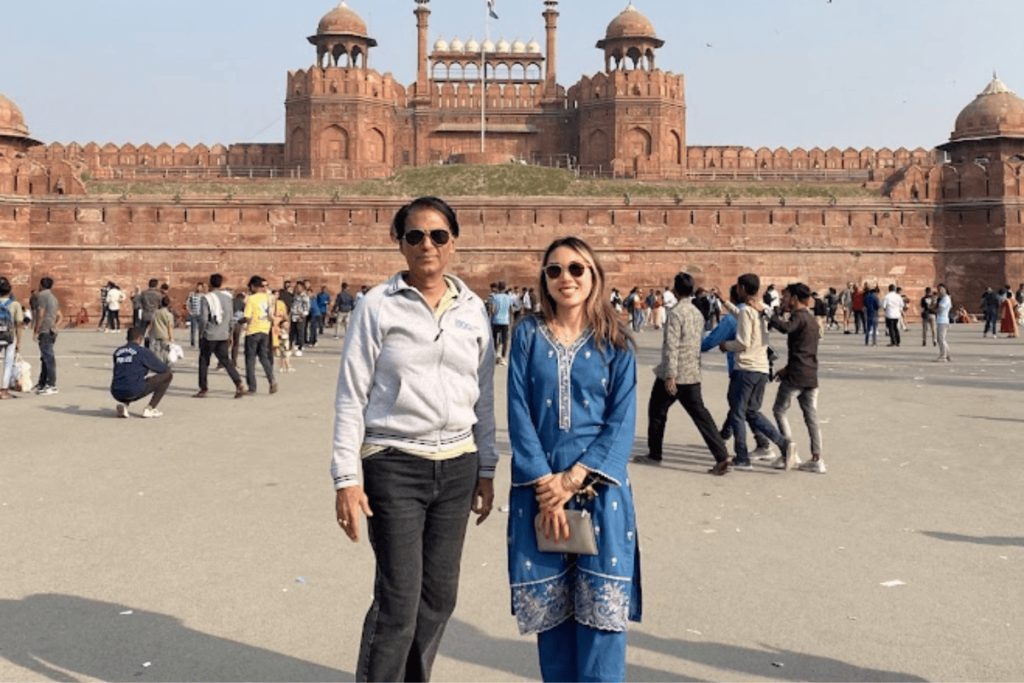
This experience combines a traditional rickshaw ride through historic streets like Chandni Chowk with a guided food walk, allowing you to sample authentic street food from legendary stalls. Think parathas, kebabs, and sweet treats.
It’s a vibrant fusion of traditional Indian culture, history, and culinary delights that you won’t find anywhere else. The energy is palpable, a true reflection of the city’s enduring spirit.
2. Discover regional crafts and cuisine at Dilli Haat
Dilli Haat offers a unique opportunity to explore handicrafts, textiles, and regional cuisine from across India in an open-air market setting. It’s designed to resemble a traditional village, a deliberate contrast to the urban sprawl outside.
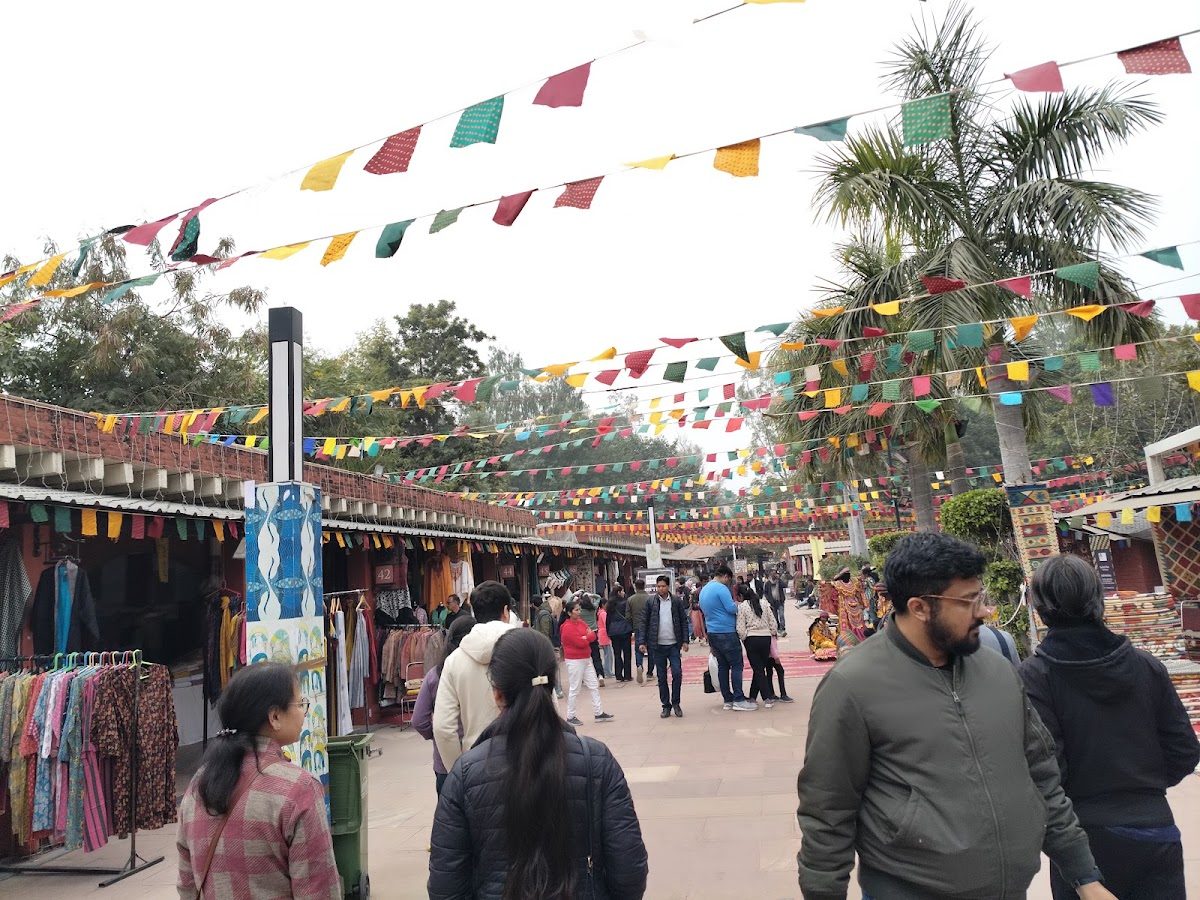
Stalls frequently change, providing a platform for different artisans to sell their products directly, ensuring an authentic and diverse cultural shopping experience. You might find anything from Kashmiri shawls to Naga jewellery.
This is a great spot to find unique, ethically sourced souvenirs and interact directly with the makers, understanding the stories behind their crafts. Don’t miss the chance to try food from different Indian states.
3. Explore India’s first open-air art district in Lodhi Colony
The Lodhi Art District has transformed the walls of residential buildings into vibrant murals by global artists. It’s a free, evolving art experience that feels lived-in and authentic, a far cry from a traditional museum setting.
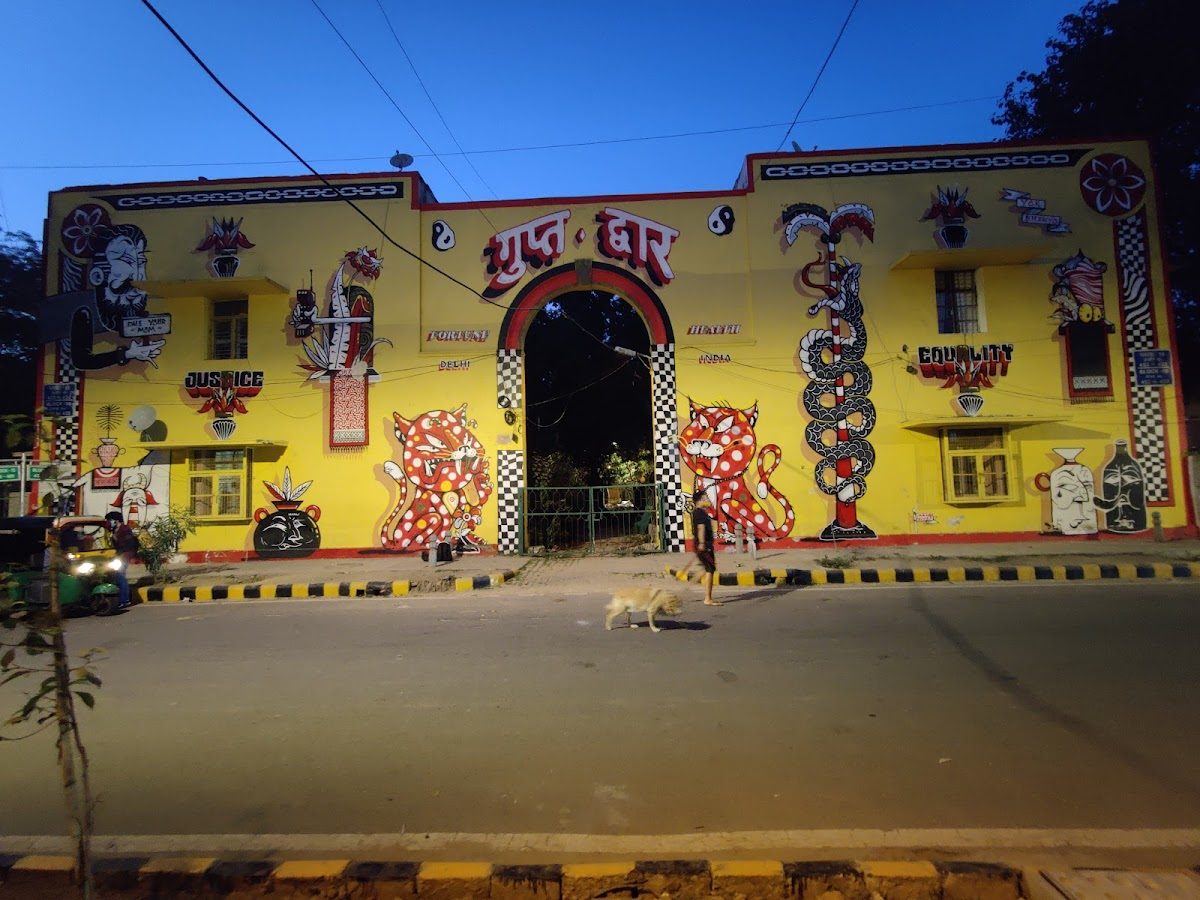
This walkable neighbourhood offers a chance to see contemporary art integrating seamlessly into daily life. Each mural tells a story, changing the urban landscape with colour and message.
Pair your art walk with a coffee stop at one of the nearby cafes. Weekday visits are generally quieter, allowing for a more reflective experience.
4. Witness ancient ruins and bohemian vibes at Hauz Khas Village & Fort
Hauz Khas Village offers a captivating blend of 14th-century ruins and a trendy, bohemian atmosphere. The fort complex, with its reservoir, tombs, and madrasa, provides a quiet escape from the city’s rush.
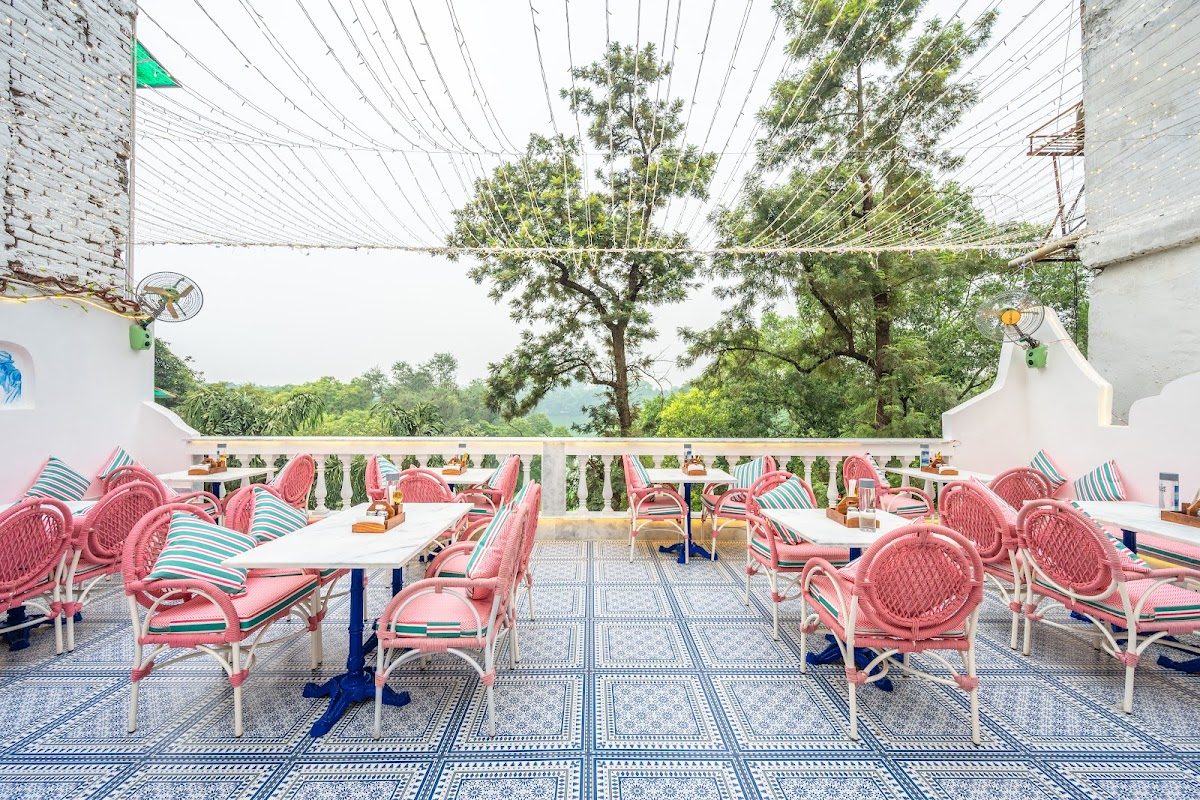
After exploring the medieval fort, wander through the village’s narrow lanes. These are filled with boutique shops, art galleries, and rooftop cafes overlooking the historic site, creating a unique contrast.
Visit in the late afternoon to explore the fort in softer light, then enjoy dinner at one of the rooftop cafes for views of the illuminated ruins. It’s a perfect blend of history and contemporary culture.
5. Delve into the lesser-known history of Mehrauli Archaeological Park
Beyond the well-known Qutub Minar, Mehrauli Archaeological Park offers a sprawling, less-trodden path through crumbling tombs, forgotten stepwells like Rajon Ki Baoli, and overgrown pathways. It’s a place for quiet discovery.
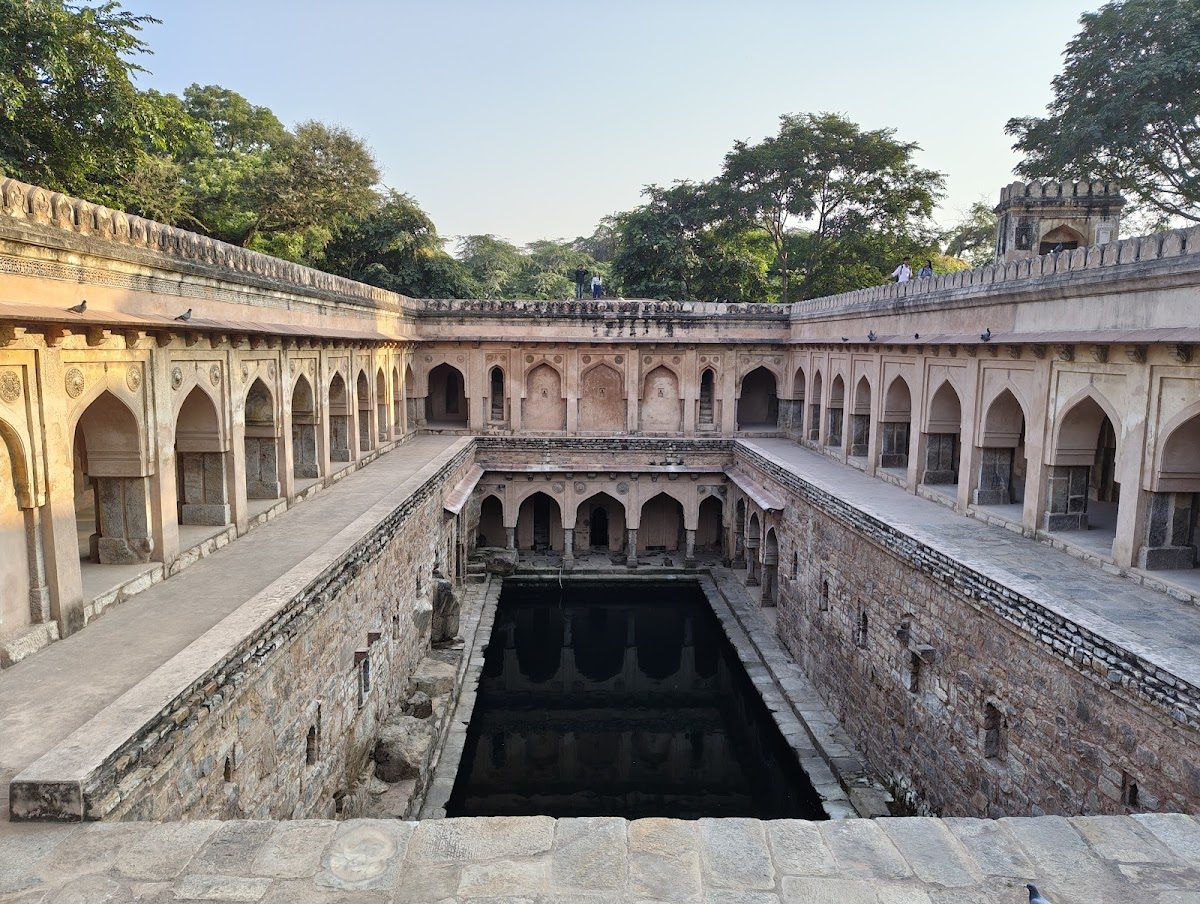
Here, you can drift and discover structures like Jamali Kamali Mosque and Balban’s Tomb without the usual crowds. It provides a raw and under-visited historical experience, revealing layers of Delhi’s past.
Wear comfortable shoes as you’ll be walking on uneven paths. Carry water, especially during warmer months, and allow yourself to wander without a fixed route to truly explore this hidden gem.
6. Unwind in the creative enclave of Champa Gali
Considered one of Delhi’s best-kept secrets, Champa Gali is a hidden artistic enclave tucked away in Saket. It features colourful graffiti, several coffee shops, independent restaurants, and art galleries.
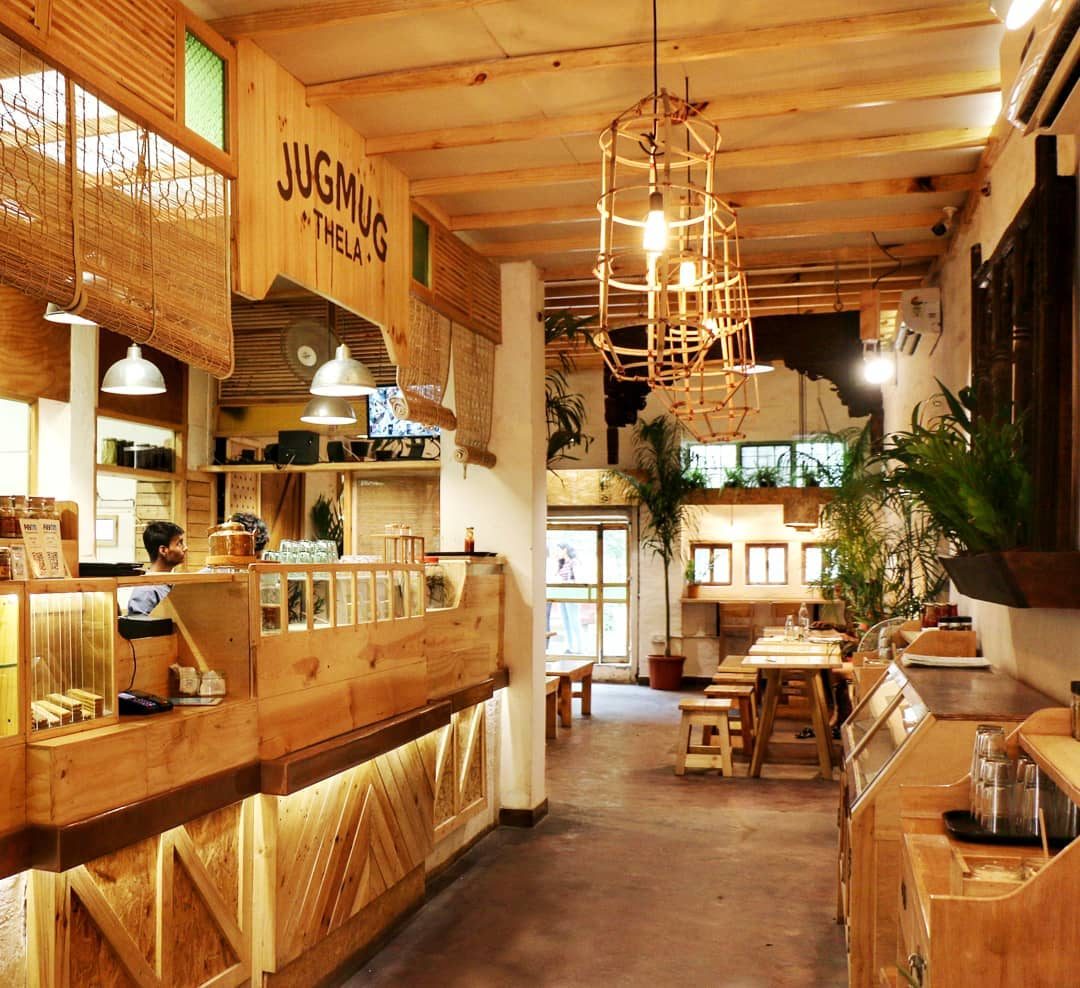
This spot offers a relaxed and creative vibe away from the city’s usual hustle, a refreshing change of pace. It’s an ideal place for a quiet afternoon.
It’s a great spot for a relaxed afternoon coffee or an evening meal in a unique setting. Look for the vibrant street art as you approach.
7. Taste iconic Mughlai cuisine at Karim’s near Jama Masjid
Karim’s is an iconic culinary institution that has been serving authentic Mughlai cuisine since 1913. Located near Jama Masjid, it offers a taste of Delhi’s rich gastronomic heritage.
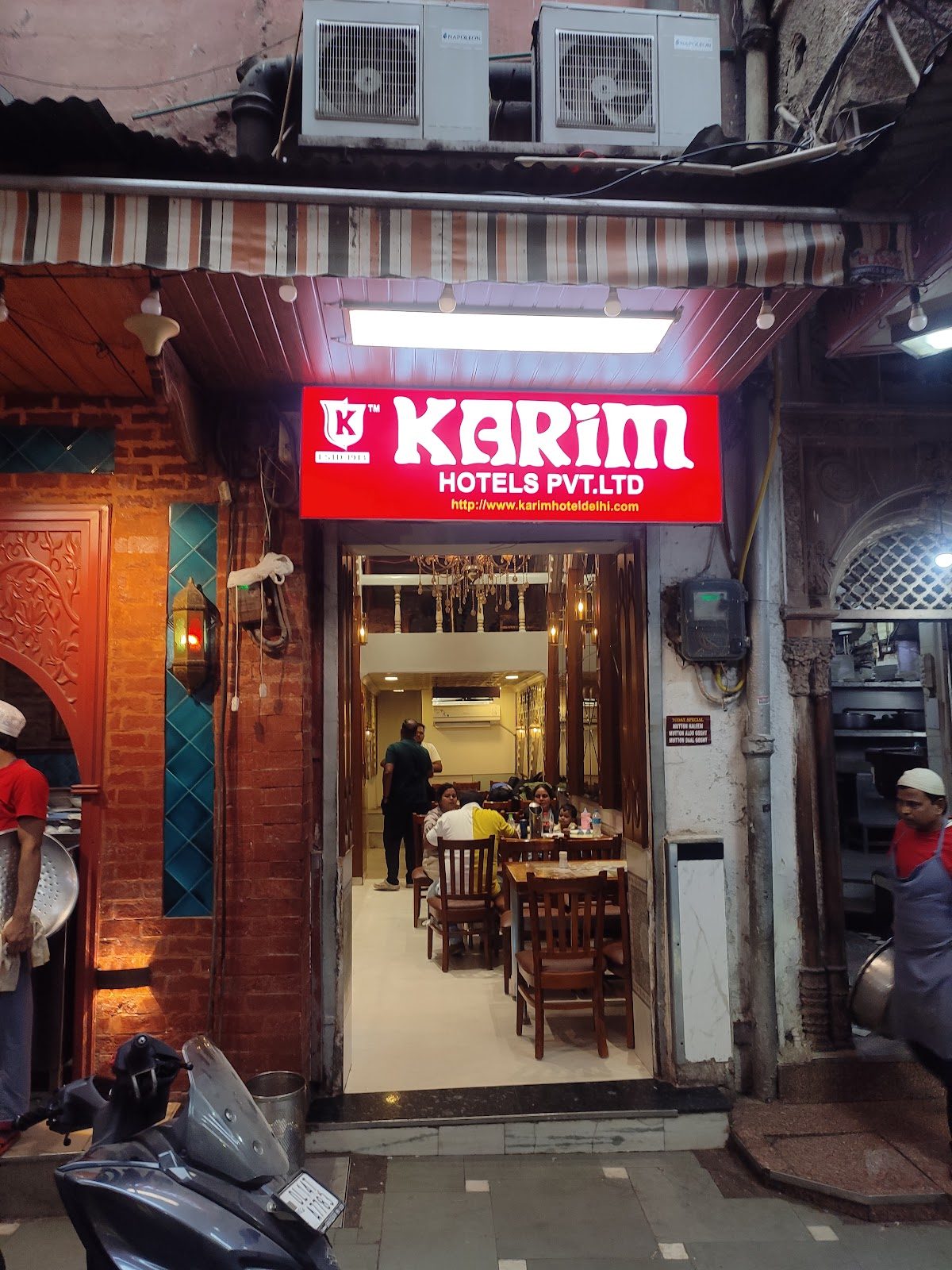
Try dishes like mutton burra kebab, seekh kebab, and various curries, providing a truly local and historical dining experience. The flavours are rich and deeply rooted in tradition.
It can get very crowded, especially during peak meal times, so be prepared for a bustling atmosphere. This is a culinary pilgrimage for many locals.
Final word
New Delhi on a 24-hour layover is not about seeing everything, but about experiencing its depth and contrasts. It’s a city that challenges and delights in equal measure, leaving you with a richer understanding of India than any airport lounge ever could. Embrace the chaos, seek out the quiet corners, and let the city’s layers unfold.
All information was verified at the time of writing. Please confirm opening hours and prices before you go.