
Jeju is not just a domestic getaway for Koreans; it is a volcanic island that holds a distinct cultural heritage often overlooked by transit passengers. With Netflix K-dramas boosting interest in the island’s unique Haenyeo culture and its coastal cafes, there is more to this South Korean hub than simply connecting flights.
This guide is for those with an 8-hour layover in Jeju, looking to step outside the airport and experience the island’s authentic markets and culinary scene, or perhaps a glimpse into its unique heritage, without feeling rushed. Think of it like an 8 Hours in Porto or 8 Hours in Belgrade experience, but with a distinct East Asian island twist.
Jeju is a UNESCO World Heritage site, celebrated for its dramatic landscapes, from Hallasan Mountain to extensive lava tube systems. It is an island where nature and culture are deeply intertwined, visible in everything from its basalt stone buildings to its unique food.
A personal note
Over many years as cabin crew, Jeju became one of those recurring stops where I started to notice the rhythm of the place. Stepping out of Jeju International Airport (CJU), the air always felt different — a mix of sea breeze and volcanic earth. I remember the shifting crowds at Dongmun Market, from the early morning calm when vendors were setting up their stalls, to the late afternoon buzz as families gathered for fresh seafood. The Haenyeo, the legendary female divers, were always a quiet, powerful presence in the background, a reminder of the island’s resilient spirit, even before the recent surge in K-drama popularity brought them to wider attention.
Before you leave the airport
Storing your luggage
Leaving the airport for an 8-hour layover means you need to shed your bags. Jeju International Airport has a Left Luggage Facility on the 1F, landside.
- Jeju International Airport Left Luggage Facility: 1F, landside, Jeju International Airport (CJU)
- Price: 5,000 – 10,000 KRW per bag per 24-hour period
- Hours: 6:30 AM – 9:00 PM
- Tip: Rates vary by bag size. It is conveniently located before security.
If you prefer a digital option, consider Radical Storage or Nannybag partners in Jeju City Center. These require online booking and offer various hours.
- Radical Storage / Nannybag Partner Locations: Various shops, cafes, hotels in Jeju City Center (book online)
- Price: From ₩5,100 – ₩7,000 per bag per day
- Hours: Vary by partner location (e.g., 9:00 AM – 6:00 PM, 10:00 AM – 8:30 PM, some 24 hours)
- Tip: Check specific location hours and proximity to your planned activities.
Do you need cash?
While South Korea is largely card-friendly, you will want some Korean Won (KRW) for an authentic Jeju experience. Smaller purchases, street food at markets, and some local taxis often prefer cash.
8 hours in Jeju: what to do
1. Dive into local life at Dongmun Traditional Market
Dongmun Market is one of Jeju’s oldest and largest traditional markets, offering a vibrant sensory experience with fresh seafood and local specialties. It is where the island’s culinary heart truly beats, a place where the scent of the sea mingles with spices.
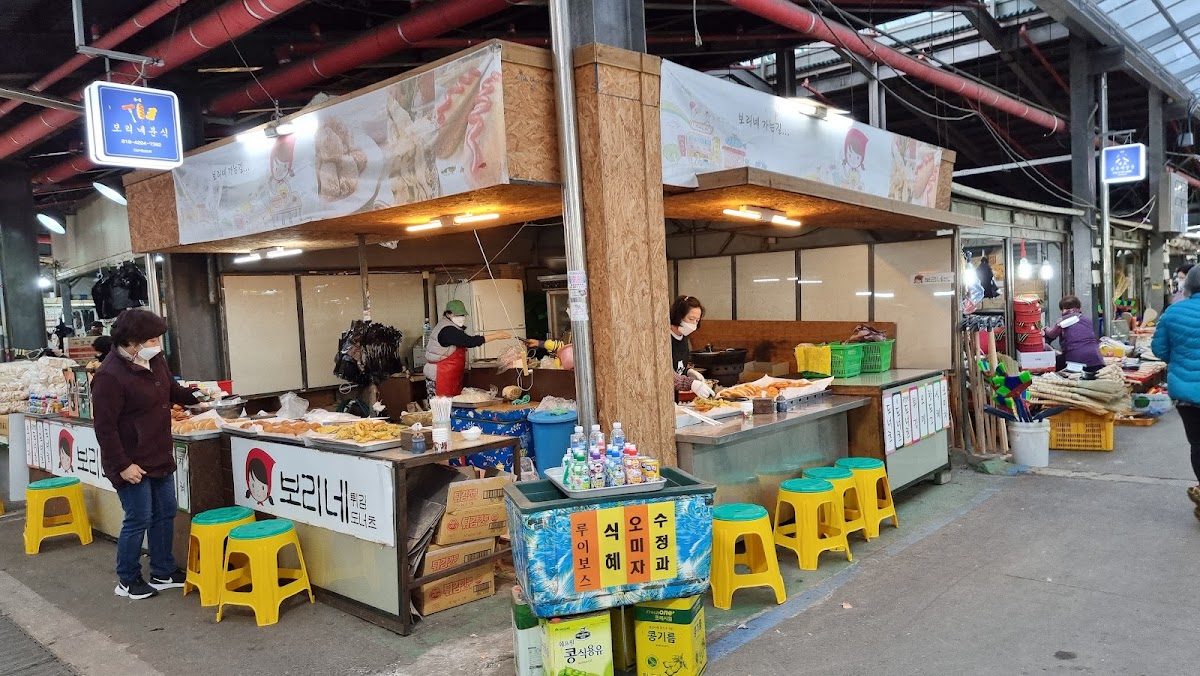
You can sample authentic street food like tteok-bokki, sundae, and gimbap from various stalls. The market transforms in the late afternoon, with a dedicated night market section coming alive with even more food options. I always find myself drawn to the energy of the seafood section, where the day’s catch is proudly displayed.
2. Savor Jeju’s famous black pork on Black Pork Street
Adjacent to Dongmun Market, Jeju Black Pork Street is a dedicated area for one of Jeju’s most celebrated delicacies. This unique pork is known for its chewy fat and rich flavor, a result of the island’s specific breed of pig.
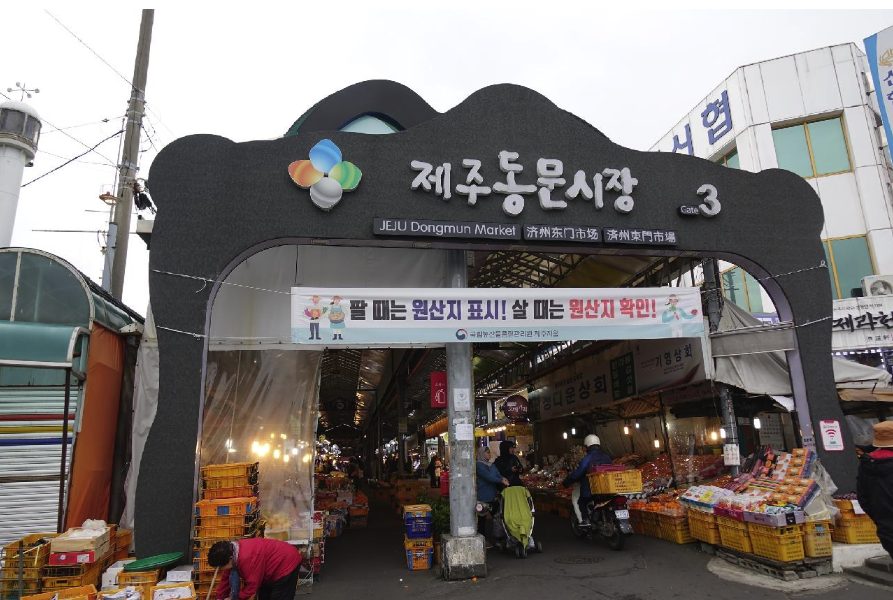
Numerous restaurants here specialize in grilling this black pork over charcoal, often served with meljeot (salted anchovy sauce). It is a communal dining experience, where sizzling meat, crisp kimchi, and various small dishes fill the table.
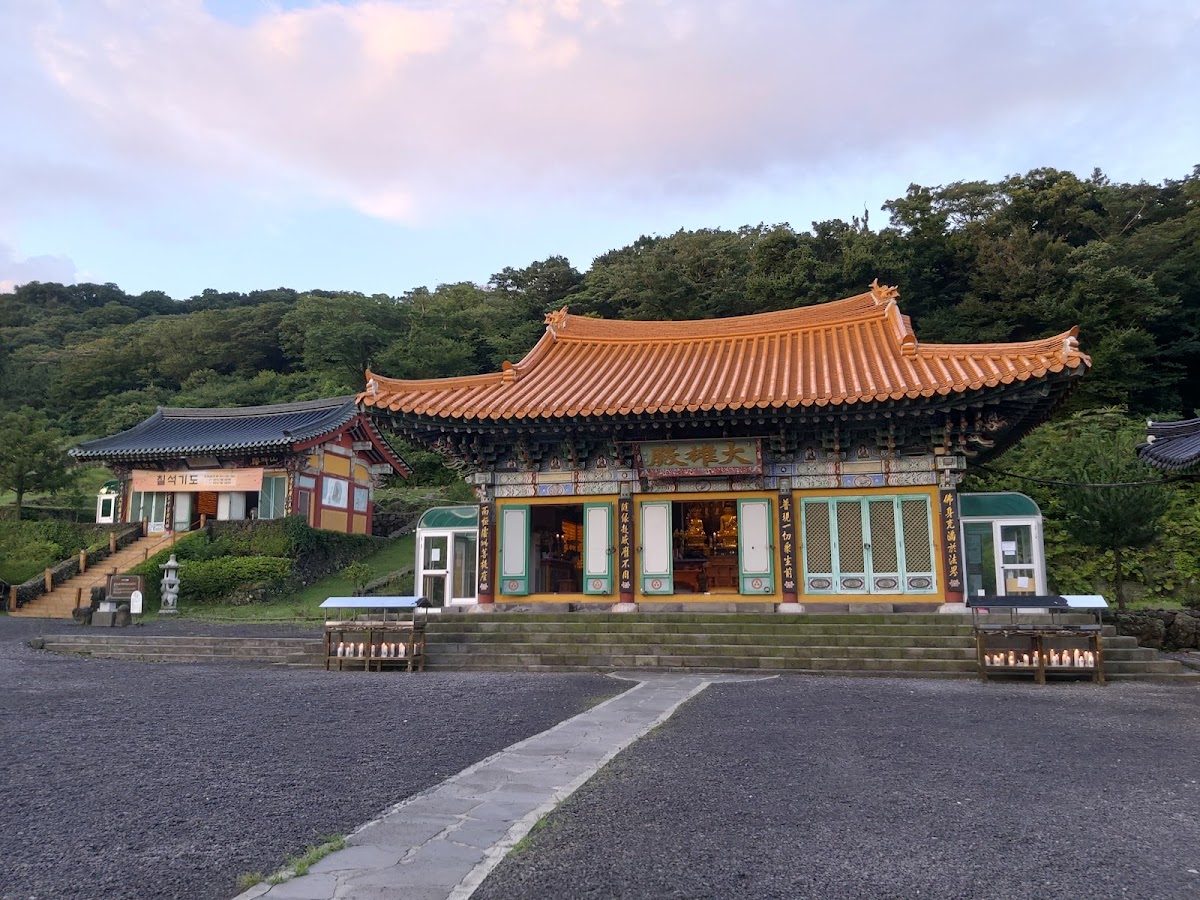
3. Explore the ancient quiet of Gwaneumsa Temple
Nestled on the northern slopes of Hallasan Mountain, Gwaneumsa Temple is one of Jeju’s oldest and most significant Buddhist temples. It offers a serene and less-crowded spiritual experience compared to some of the island’s more touristy spots.
The temple’s tranquil setting amidst lush forests provides a peaceful escape, allowing visitors to explore ancient structures and enjoy the natural beauty. You might even spot local wildlife, such as Roe Deer, wandering through the grounds.
4. Witness the heritage of Jeju’s Haenyeo at their museum
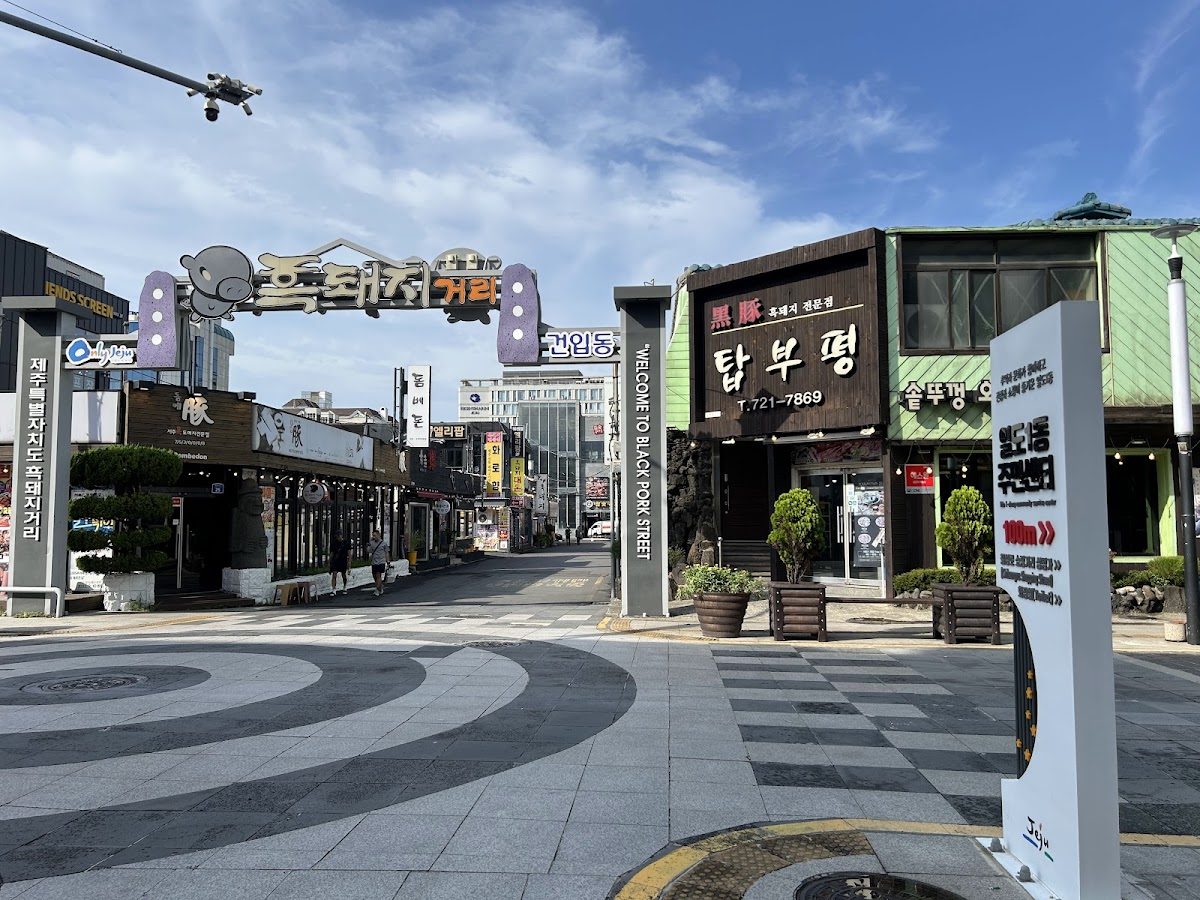
The Jeju Haenyeo Museum celebrates the unique culture of Jeju’s legendary female free divers, who harvest seafood without breathing apparatus. This tradition has gained renewed interest recently due to its feature in a popular Netflix K-drama.
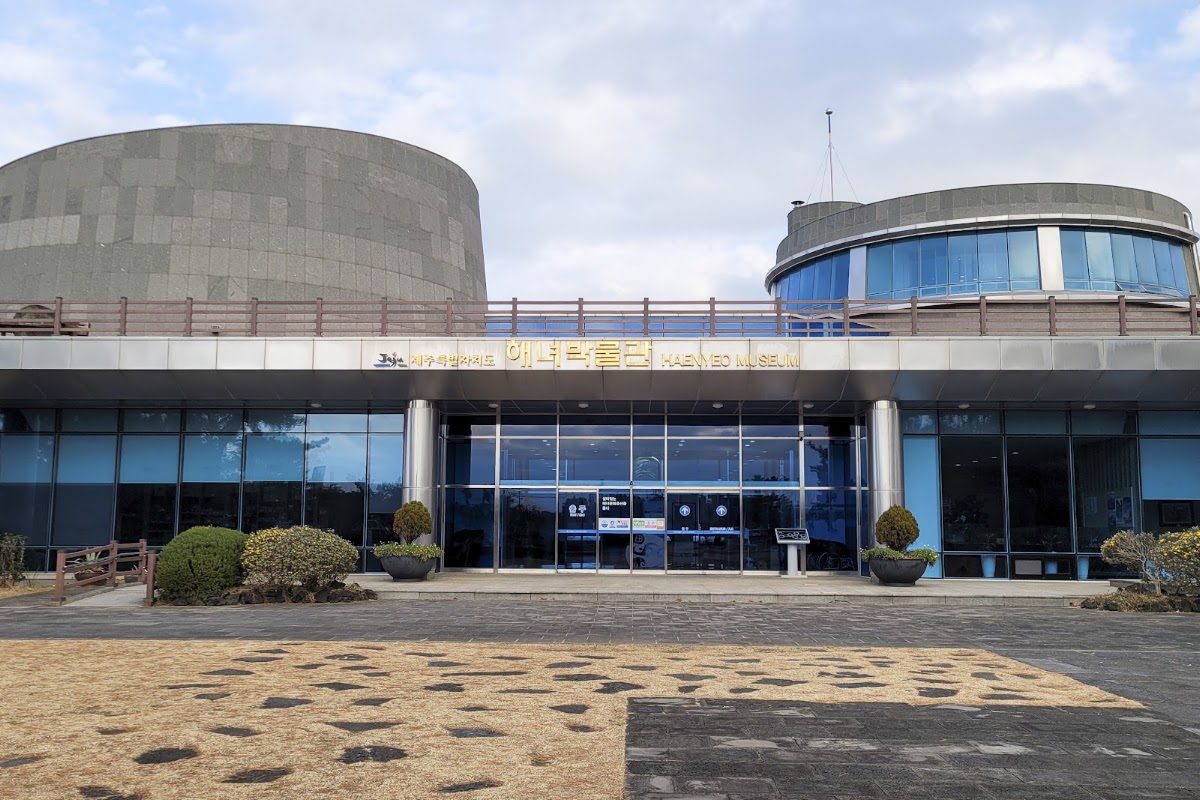
The museum provides a profound insight into their challenging lives, traditions, and their significant role in Jeju’s history. It is a powerful testament to resilience and a way of life that is slowly disappearing.
5. Relax at a unique coastal cafe on Aewol Cafe Street
The Aewol Coastal Cafe Street is a trending spot known for its unique cafes perched along the picturesque coastline, offering ocean views. These cafes often feature distinctive architecture or are set in converted basalt stone buildings.
This area provides a perfect opportunity to experience Jeju’s vibrant cafe culture while enjoying local treats and beverages. It is a popular spot for both locals and visitors to unwind and soak in the island’s natural beauty.
Final word
An 8-hour layover in Jeju offers a genuine taste of South Korea’s unique island culture, far beyond the airport terminal. It is a chance to connect with local traditions, savor distinct flavors, and feel the island’s pulse, a stark contrast to many more developed urban hubs. Like a visit to 6 Hours in Jaipur, it’s about experiencing the local rhythm.
All practical information was verified at the time of writing. Please confirm hours, prices, and transit options before your visit.