
Wuhan, a sprawling city at the heart of China, is rapidly gaining recognition for its authentic local experiences, with Jiqing Street’s vibrant food scene and Gude Temple’s unique architecture emerging as top interests for travellers. If you have a layover here, you can experience a slice of real Chinese life far from the well-trodden tourist paths, especially with the growing interest in authentic “city walk” explorations. This guide cuts through the noise to show you what is genuinely possible.
This guide is for those with a 6-hour layover in Wuhan, looking to step outside the airport for an authentic cultural immersion rather than just a transit stop. It focuses on the city’s unique charm and renowned local experiences, especially its famous food culture.
Wuhan, nestled by the Yangtze River, is a metropolis celebrated for its distinctive breakfast traditions and a rich tapestry of history, blending old-world charm with a modern pulse. Its Jianghan Road area offers a glimpse into both its colonial past and its thriving local commerce.
A personal note on Wuhan
Wuhan has been a recurring stop for me over the years as cabin crew, a city I have seen at all hours. What struck me each time was its uncompromising local character; it is a city that feels built for its own people first. I have walked through its markets as the first light hits the stalls, smelling a mix of spices and fresh produce, and navigated its busy streets where the pace never really slows. You see the city’s pulse in the way families gather for breakfast at street stalls, or how the old tea houses still draw a crowd. It is a place that grounds you with its authenticity, without any pretense.
Before you leave the airport
Storing your luggage
For your 6-hour layover, leaving your bags at the airport is essential.
Wuhan Tianhe International Airport Luggage Storage is located in Terminal 3 (T3), Level 1 (L1), near Gate 10. Prices are approximately ¥10 per day for small bags and ¥20 per day for large suitcases. The counter is staffed and operates from 7:00 AM to 10:00 PM.
Do you need cash?
While Alipay and WeChat Pay are the dominant payment methods across China, carrying some Chinese Yuan (RMB) is highly recommended for a layover in Wuhan. Many small street vendors, older shops, and taxis may still prefer or only accept cash.
I suggest having about ¥500-1000 RMB on hand. You can find ATMs, particularly from ICBC and Bank of China (BOC), which generally accept foreign cards. Be mindful of potential transaction fees, usually around ¥20-30. Always withdraw in local currency to avoid unfavourable conversion rates.
6 hours in Wuhan: what to do
1. Immerse yourself in Wuhan’s breakfast culture at Jiqing Street
Step into Jiqing Street, a lively hub that offers a true taste of Wuhan’s famous breakfast traditions and local culture. This street buzzes with activity, drawing you into an authentic “city walk” experience, especially if you arrive early.
Here, you can sample local delicacies like the renowned hot dry noodles (reganmian) and doupi, a savoury glutinous rice dish. Sometimes you will catch folk performers adding to the street’s vibrant atmosphere, creating a memorable morning scene. Last time I was here I ended up at a corner stall eating char kway teow at 7am with a group of road workers — the best version I have had in the city.
This is a prime spot to experience Wuhan’s culinary heart without any tourist-trap embellishments, offering a genuine glimpse into daily life.
2. Wander through the history of Jianghan Road Pedestrian Street
Take a “city walk” along Jianghan Road Pedestrian Street, a historical artery lined with well-preserved architecture from the late Qing Dynasty and Republican era. It is a fascinating area to observe local life and admire the blend of Eastern and Western influences.
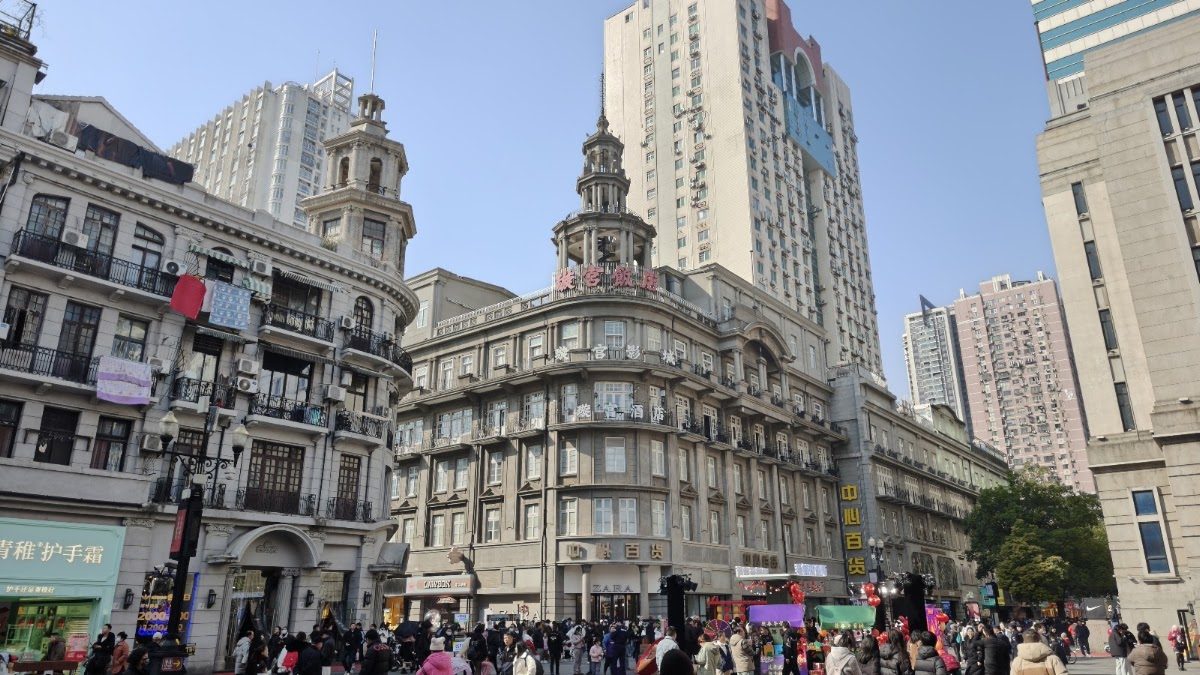
Beyond the architecture, you will find specialty tea shops selling regional blends and stores offering traditional Hubei crafts. Explore the nearby antique markets, where you might uncover unique ceramics, intricate woodblock prints, or delicate embroidery that speak to the region’s artistic heritage.
This area provides a rich cultural contrast to the airport, allowing you to quickly connect with Wuhan’s historical and commercial heart. For other historic urban centres with strong local market cultures, you might enjoy a visit to 8 Hours in Porto: Azulejos, Markets & Authentic Local Charm.
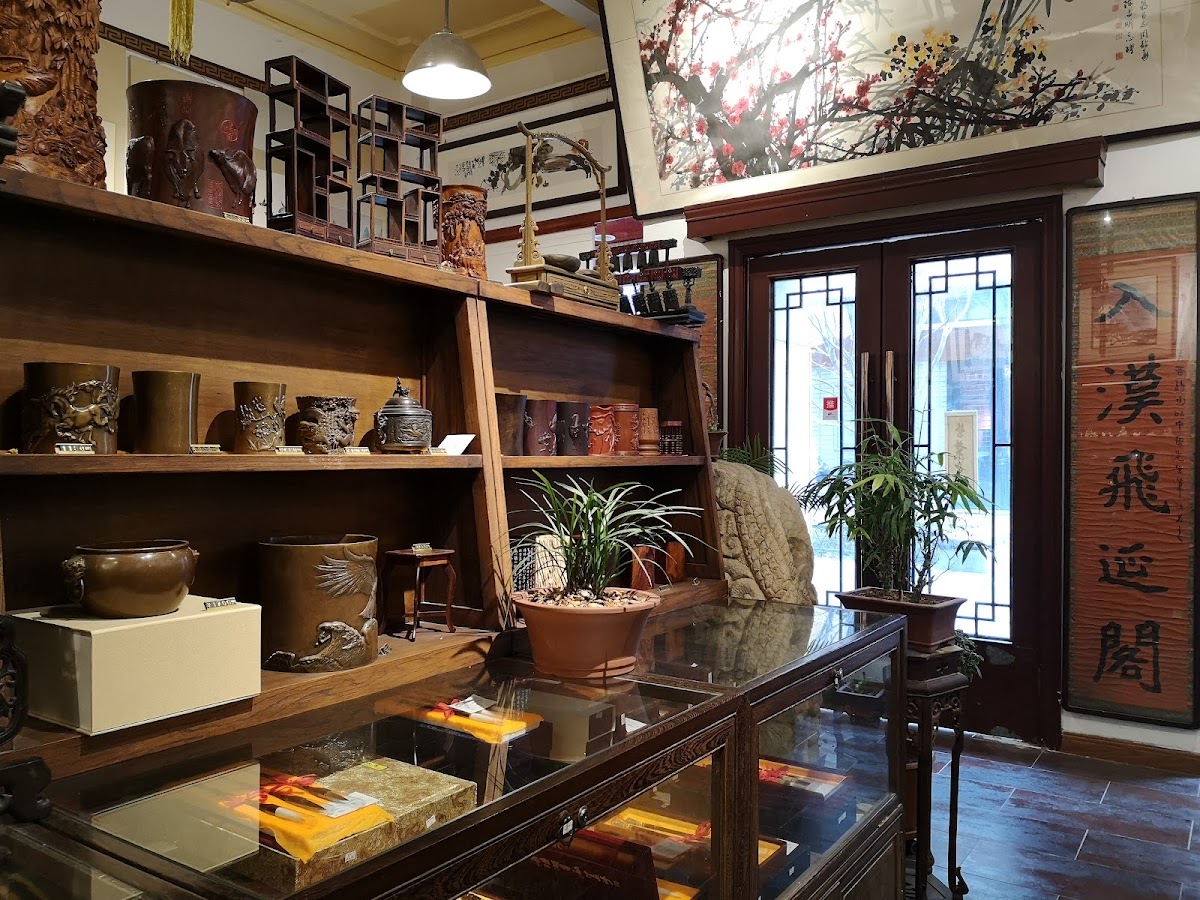
3. Discover unique artistry at Wuhan Kaiyuan Culture Utensils Wholesale Department
For a deeper dive into traditional Chinese artistry, seek out the Wuhan Kaiyuan Culture Utensils Wholesale Department in the Hankou District. This is less a tourist attraction and more a functional hub for artisans and enthusiasts.
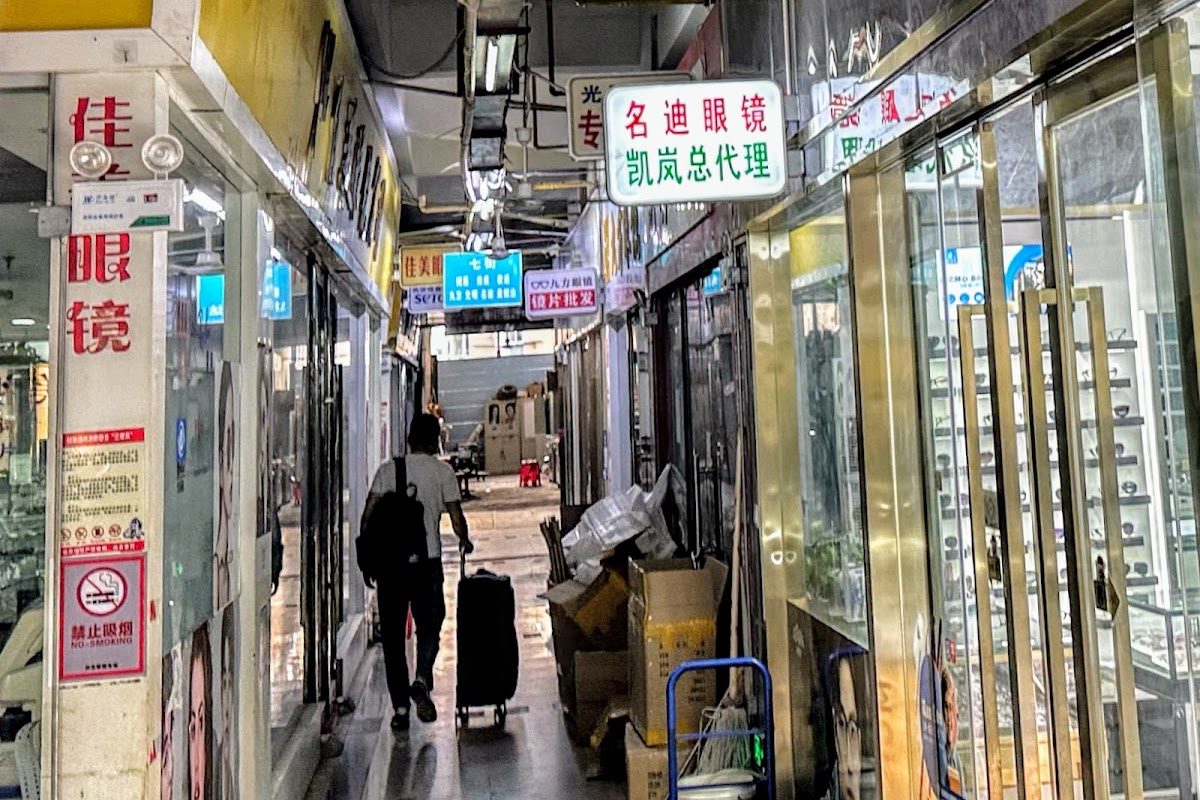
You will find a wide array of cultural utensils and traditional crafts, from intricately designed tea sets to beautifully crafted calligraphy tools. It is a place where local heritage is still actively practiced and sold, offering a glimpse into a world of dedicated craftsmanship.
This off-the-beaten-path spot is ideal for picking up authentic, locally-made items that carry a story, far from mass-produced souvenirs.
4. Find serenity and unique architecture at Gude Temple
Escape the city’s hustle at Gude Temple, an off-the-beaten-path Buddhist temple renowned for its distinctive blend of Eastern and Western architectural styles. It is a surprisingly tranquil space.
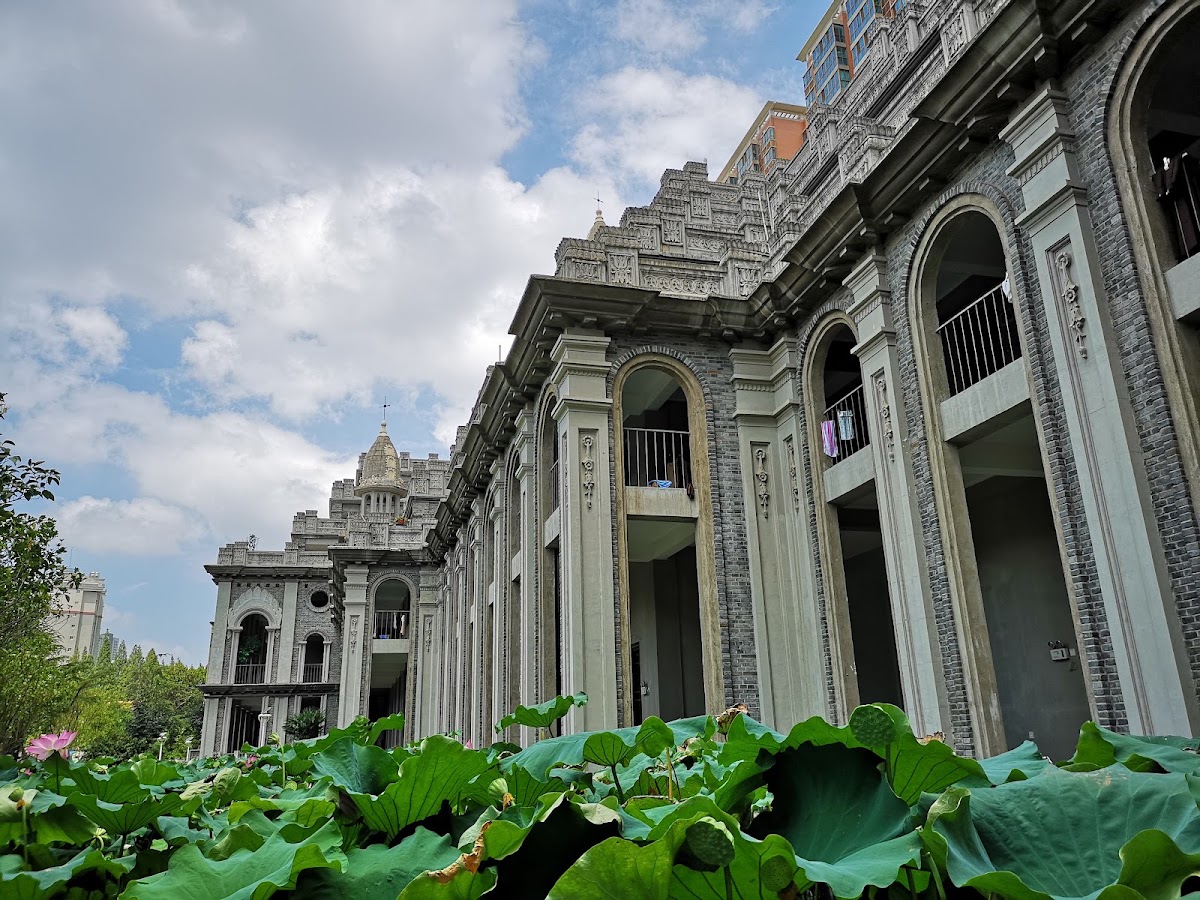
The temple’s unique visual appeal makes it a popular spot for photography among locals, offering a serene contrast to the busy streets outside. You will notice intricate details that set it apart from typical Chinese temples, a quiet marvel.
This temple provides a peaceful cultural experience that few layover visitors encounter, giving you a quiet moment to reflect before your next flight.
5. Explore Hubei’s dark tea tradition at Jianghan Road Tea Market
Within the bustling Jianghan Road commercial area, the Jianghan Road Tea Market specializes in the distinctive dark teas of Hubei province. This is your chance to dive into a specific regional tea culture.
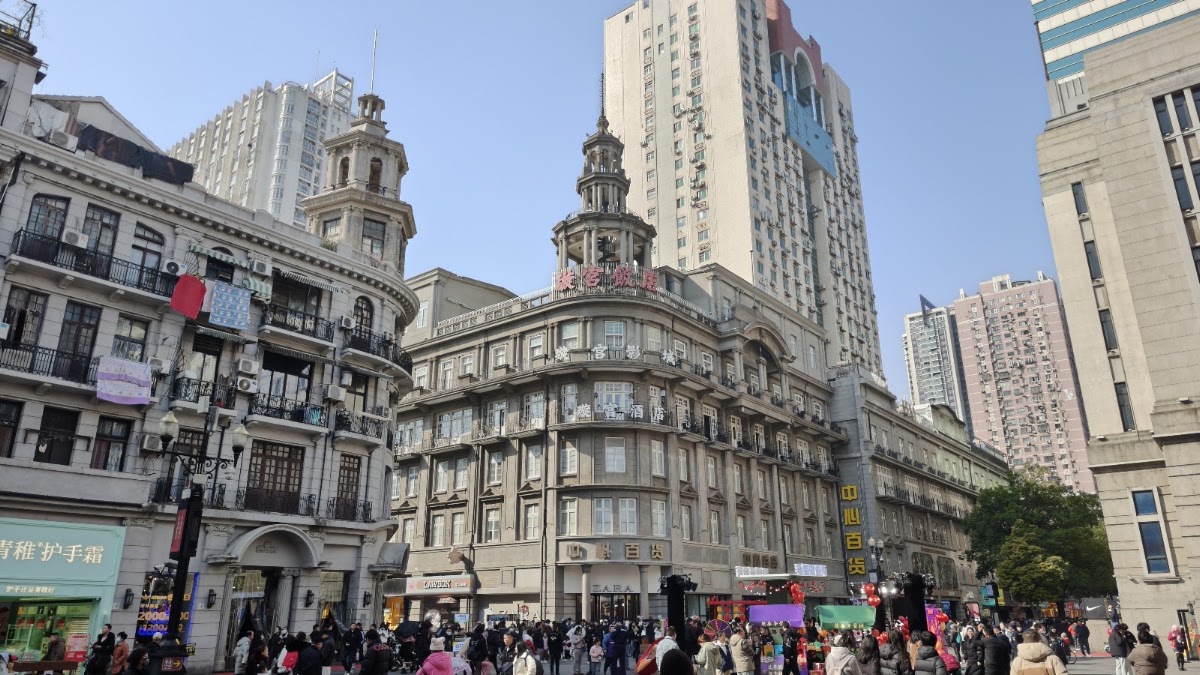
Here, you can sample and purchase renowned Yizhuan and Quyuan varieties, learning about their unique characteristics. It is an excellent place to understand the local tea rituals and to acquire authentic Hubei tea at local prices, much like exploring the artisanal food markets you might find in 12 Hours in Kota Kinabalu: East Malaysian Culture & Market Finds.
Engaging with the vendors here offers a genuine connection to a cherished local tradition, allowing you to bring a piece of Wuhan’s rich culture home.
Final word
Wuhan, even on a brief 6-hour layover, offers a surprisingly rich and authentic experience beyond the airport gates. It is a city that showcases its culinary heritage and local life with an unpretentious confidence. You leave with a sense of its genuine pulse, something often missed by those who only transit through.
All practical information was verified at the time of writing; please confirm hours and prices before your visit.