
Tashkent, Uzbekistan is shedding its image as a mere transit point, transforming into a culturally rich destination for travellers with an eye for history and emerging trends. With rising global interest and a surge in tourism, particularly for those exploring Central Asia, a layover here offers a genuine dive into a city evolving between its Silk Road past and a modern future. Forget the airport lounge; this is a city that rewards those willing to leave the airport and explore.
This guide is for the curious traveller with 12 hours in Tashkent, looking to experience the city’s unique blend of Soviet-era grandeur, ancient bazaars, and trending cultural sites beyond the usual tourist trail. If you appreciate cities with layered histories and vibrant local life, you will find something truly memorable.
Tashkent stands as Central Asia’s largest city, a fascinating mosaic where the ancient echoes of the Silk Road meet the imposing architecture of the Soviet era and the dynamism of contemporary development. It’s a place of striking contrasts, from the serene courtyards of Islamic complexes to the organised chaos of its markets.
A personal note
My early layovers in Tashkent as cabin crew were often about finding the quiet corners, away from the main thoroughfares. I remember the smell of fresh non bread baking in the morning, the way the light hit the intricate tilework in the madrasahs during the golden hour, and the unexpected conversations with vendors at Chorsu Bazaar over cups of chai. The city has changed, but its core rhythm, its generous spirit, and the quiet dignity of its older neighbourhoods remain. It’s a place that slowly reveals itself, especially when you step off the main path and into the everyday flow of its people.
Before you leave the airport
Storing your luggage
Tashkent International Airport (TAS) offers convenient storage options in both terminals.
At the International Terminal (Terminal 2), head to the basement floor near the 4th exit. They have automatic lockers in standard, medium, and large sizes, costing 15,000 – 40,000 UZS per hour depending on size. They accept both cash (UZS) and bank cards, and are open 24/7.
For the Domestic Terminal (Terminal 3), lockers are inside, between the departure and arrival halls. These automatic lockers are smaller (small and standard sizes) and have a single rate of 10,000 UZS per hour. They also accept cash or card and operate 24/7.
Alternatively, Nannybag offers storage at various partner locations across Tashkent, typically hotels or boutiques. Prices start from 71,700 UZS per day, but hours vary, so check their app or website.
Do you need cash?
Yes, cash in Uzbekistani Som (UZS) is essential in Tashkent. While larger establishments in the city centre accept major credit cards like Visa and Mastercard, you will need UZS for local markets, street food stalls, independent shops, and most taxi rides (especially if not using an app like Yandex Go).
ATMs are widely available in urban areas and dispense UZS. When exchanging foreign currency, ensure you bring crisp, unblemished USD or EUR notes and use official exchange booths to avoid any issues.
12 hours in Tashkent: what to do
1. Immerse yourself in the sensory overload of Chorsu Bazaar
Step beneath the iconic blue dome of Chorsu Bazaar, a market that has been the beating heart of Tashkent’s trade for centuries. This vibrant hub is a riot of sights, sounds, and smells, offering everything from mountains of fresh produce to intricate textiles. It is a living, breathing connection to the city’s ancient Silk Road heritage.
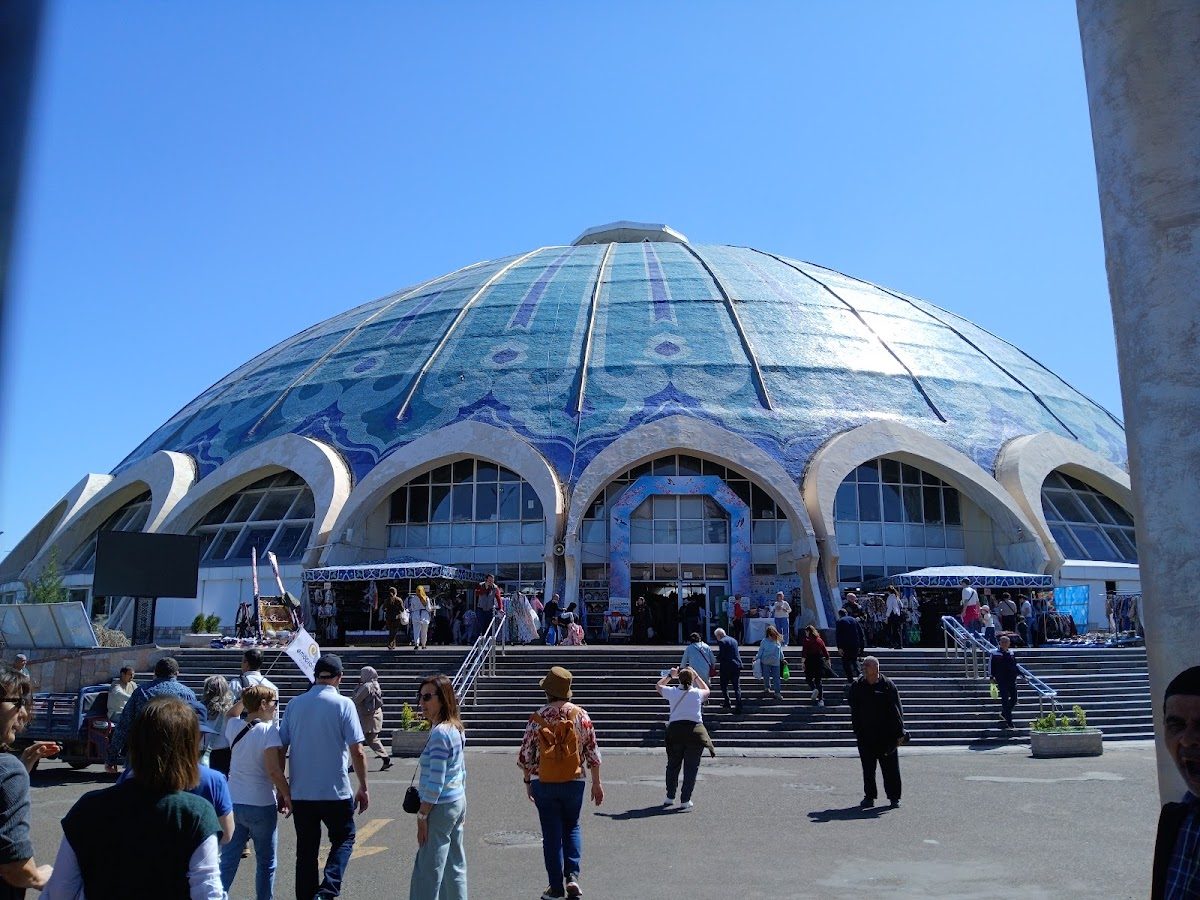
Wander through stalls piled high with spices, nuts, and traditional non bread, watching locals haggle for daily provisions. Beyond the main dome, the surrounding streets hide smaller workshops where artisans continue their crafts, and you can find authentic street food like plov and shashlik.
This market offers a raw, unfiltered glimpse into local life, reminding you that Tashkent is a city where tradition thrives alongside modernity.
2. Discover the spiritual heart at Hazrati Imam Complex
The Hazrati Imam Complex is a serene oasis in the Old City, comprising a collection of historic madrasas, mosques, and mausoleums. Home to the 16th-century Barak-khan Madrasah and the Tilla-Sheikh Mosque, it also houses the revered Uthman Quran, one of the oldest Qurans in the world, making it a pivotal site for Islamic scholarship.
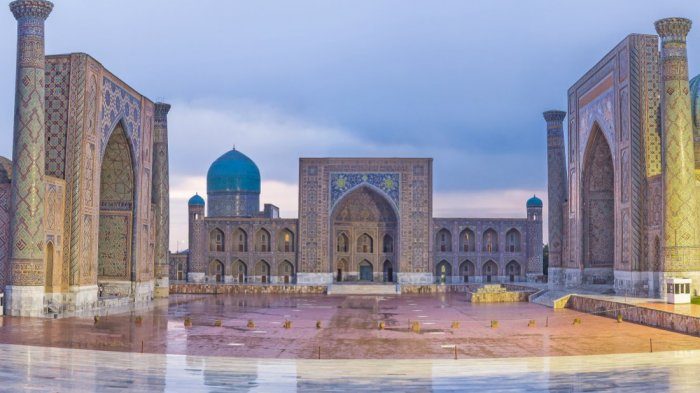
Walking through the courtyards, you can feel the weight of history and devotion. Take your time to admire the intricate tilework and the quiet contemplation found within these ancient walls. Remember to dress respectfully, with shoulders and knees covered, and women should bring a scarf for head covering.
This complex offers a profound insight into Uzbekistan’s rich Islamic heritage, a calming counterpoint to the city’s bustling energy.
3. Ride Central Asia’s underground art gallery: Tashkent Metro
The Tashkent Metro is not just a mode of transport; it is an underground art gallery, a testament to Soviet-era design and ambition. Each station boasts unique architectural themes, from intricate mosaics and marble to grand chandeliers, making a simple journey an exploration of art.
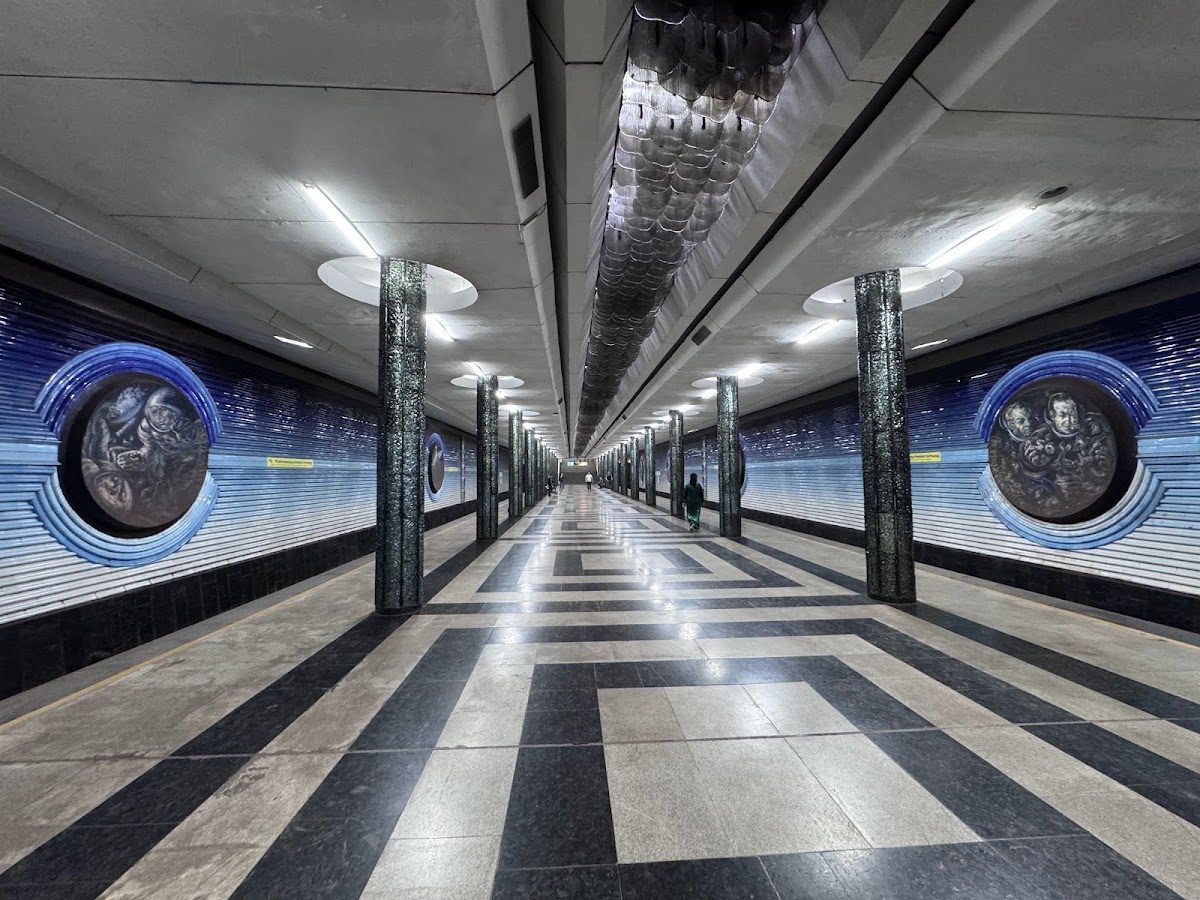
Stations like Kosmonavtlar (Astronauts), Alisher Navoi, and Mustaqillik Maydoni are particularly stunning, each telling a story through its design. You can easily spend an hour or two just riding between a few key stations, stepping out to admire the details.
This efficient and beautiful metro system offers a practical and aesthetically pleasing way to see the city’s unique blend of culture and history, much like 8 Hours in Porto: Azulejos, Markets & Authentic Local Charm highlights the beauty of public transport as art.
4. Taste authentic Uzbek plov at Besh Qozon
No visit to Tashkent is complete without experiencing plov, Uzbekistan’s national dish, and Besh Qozon (Central Asian Plov Center) is the place to do it. Meaning ‘Five Cauldrons,’ this institution is famous for cooking vast quantities of plov in giant outdoor cauldrons over wood fires, serving hundreds of locals daily.
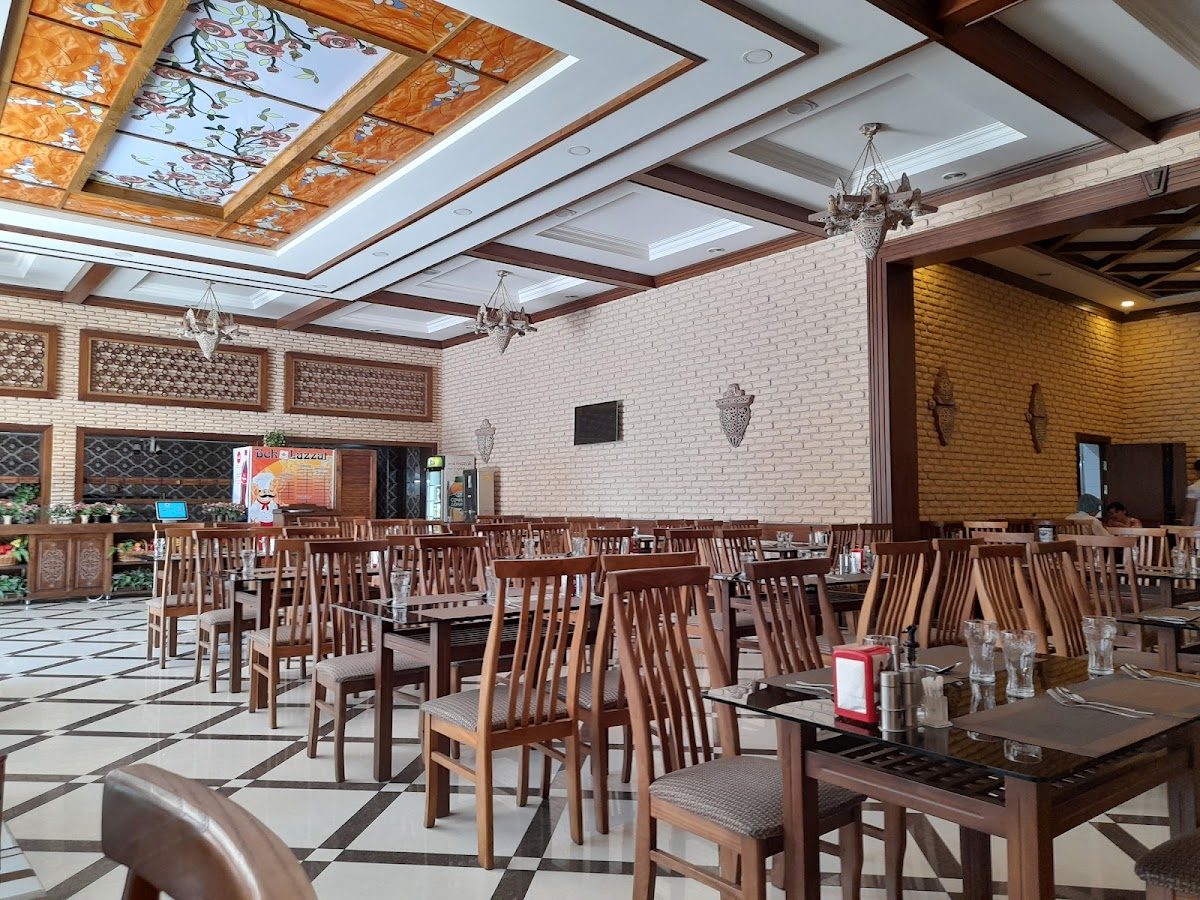
The aroma of slow-cooked rice, tender lamb or beef, carrots, and chickpeas fills the air. You’ll be served a generous portion of this hearty, flavourful dish, a true taste of Uzbek culinary tradition. I often found myself drawn to the simple, honest flavour of plov cooked in these massive cauldrons, a taste you don’t easily forget.
This is a quintessential local experience, offering not just a meal but an immersion into a communal dining tradition that defines Uzbek culture.
5. Engage with artisans at Abdulkasim Madrassah
The 19th-century Abdulkasim Madrassah has transformed from a theological school into a vibrant hub for traditional Uzbek applied arts. Now home to the ‘Hunarmand’ Craftsmen’s Association, it is where you can witness artisans at work, preserving ancient skills.
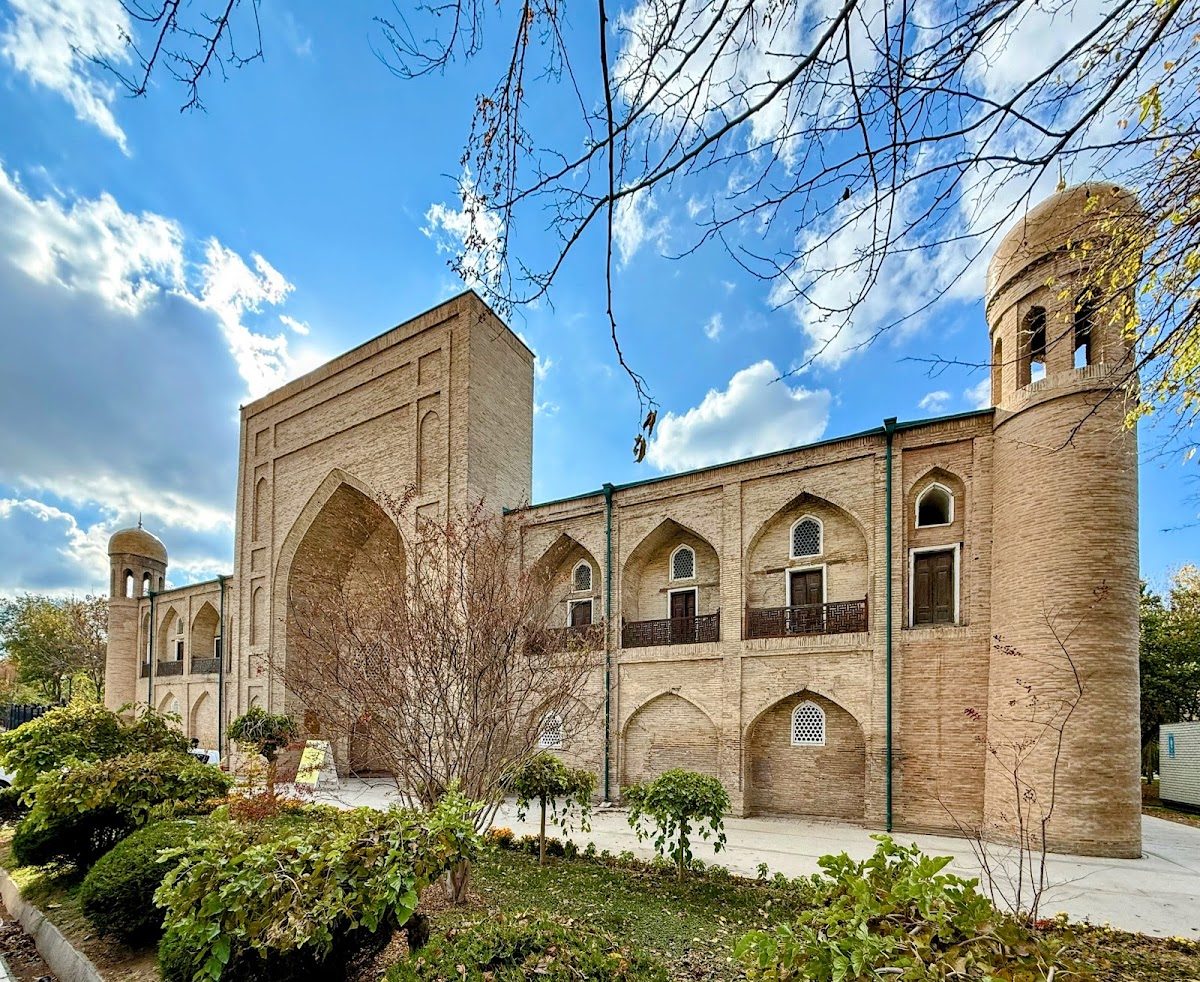
Walk through the cells that once housed students, now alive with the creation of intricate miniatures, delicate wood carvings, vibrant ceramics, and unique jewelry. You can observe the artisans’ meticulous processes and purchase authentic, handmade souvenirs directly from their workshops.
This offers a chance to connect directly with the cultural heritage of Uzbekistan and find meaningful, handcrafted items, much like exploring the craft traditions on a 12 Hours in Kota Kinabalu: East Malaysian Culture & Market Finds layover.
6. Immerse in new heritage at the Islamic Cultural Center [Trending]
Reflecting Uzbekistan’s travel trends, the Islamic Cultural Center, opened in March 2026, is a significant new addition to Tashkent’s cultural landscape. This ambitious museum and research hub celebrates the country’s profound contributions to Islamic civilization and world science through its stunning architecture and extensive exhibits.
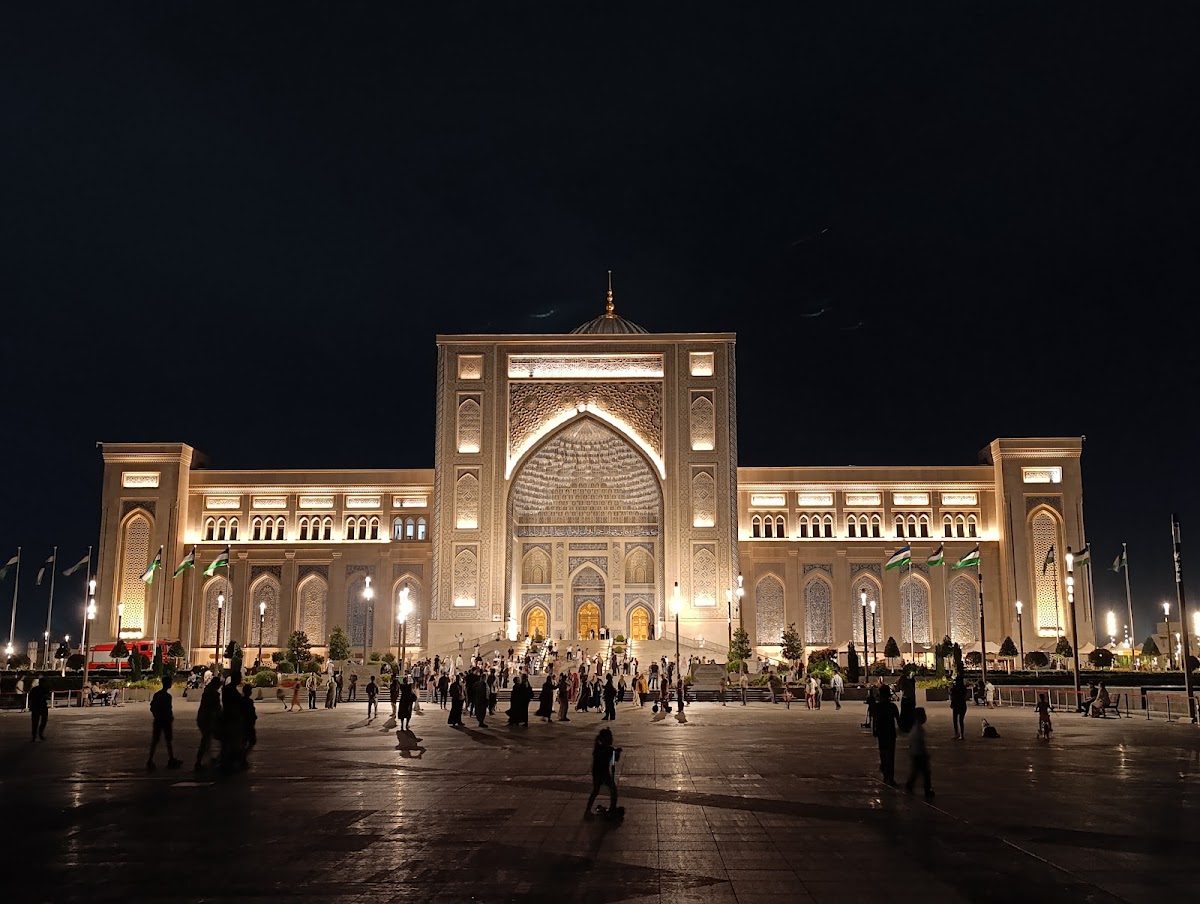
The centre’s design echoes the medieval grandeur of Samarkand, and it houses over 2,000 exhibits, including a rare 7th-century Uthman Quran. This space offers a deep dive into the intellectual and spiritual legacy of the region.
Visiting this new cultural landmark provides a fresh perspective on Tashkent’s ongoing commitment to showcasing its heritage, making it an excellent stop for those interested in rising searches Tashkent tourism.
Final word
Tashkent, with its blend of Soviet history, ancient Silk Road markets, and burgeoning modern cultural institutions, offers a surprisingly rich and accessible layover. It’s a city that challenges expectations and rewards the curious, providing a genuine taste of Central Asian life that most travellers simply fly over.
All practical information was verified at the time of writing. Please confirm opening hours and prices before your visit.