
Buenos Aires is a city that hides its soul in plain sight, often misjudged as just a stopover for Patagonia-bound travellers. But with 12 hours here, you can push past the grand European facades to find the authentic pulse of Porteño life in its markets and street art. Recent searches for “Buenos Aires authentic experiences layover” show people are ready to dig deeper than just a quick tango show.
This guide is for the pragmatic explorer with 12 hours in Buenos Aires, keen to step out of Ezeiza Airport and into the city’s living culture. You want to see how locals truly live, eat, and express themselves, without getting caught in tourist traps.
Buenos Aires is a city of elegant decay and vibrant energy, where Italian culinary influences meet Latin American rhythm. It is a place of grand boulevards and hidden pasajes, always inviting you to look a little closer.
I have passed through Buenos Aires more times than I can count during my years flying. The city always felt like a familiar friend, even if I was only there for a few hours. I learned to navigate its Subte lines and its late-night rhythm, seeing how the light changes the feel of Palermo’s streets from a quiet morning to a lively evening. The small moments — the smell of grilling chorizo on a corner, the intensity of a tango class glimpsed through an open door, the sheer scale of the street art — are what always stuck with me, a reminder of the city’s layered character.
Before you leave the airport
Storing your luggage
Leaving your bags at the airport is always the smartest move for a short layover. Ezeiza International Airport (EZE) offers official self-service lockers in the International Arrivals area, near Gate H. They are open from 6:00 AM to 10:00 PM and can be booked and paid for online.
Alternatively, services like Stasher and Bounce offer multiple locations across the city. Stasher has over 60 points near major landmarks like Teatro Colón or in neighbourhoods like Palermo, starting from around $1.49 USD (approx. 1,350 ARS) per bag per day. Bounce offers similar coverage with 80+ locations, from $1.80-$4 USD (approx. 1,620-3,600 ARS) per day. Always confirm opening hours online for city locations.
Do you need cash?
Yes, cash is king in Buenos Aires. Many smaller establishments and local shops prefer it, and you can often secure discounts by paying with Argentine Pesos (ARS). While credit cards are accepted in larger venues, always ask first.
ATMs are available but often come with high fees and unfavourable exchange rates, so they are best for emergencies. It is highly recommended to bring crisp US$100 notes and exchange them at official exchange houses in the city for better rates. Remember, tipping (around 10%) is always done in cash, and you will need a SUBE card for public transport, which can be purchased at Subte stations.
12 hours in Buenos Aires: what to do
1. Explore the historic Mercado de San Telmo
Step into the Mercado de San Telmo, a captivating 19th-century indoor market in the heart of the historic district. Its grand wrought-iron architecture provides a dramatic backdrop to a diverse collection of antique stalls and small, independent food vendors.
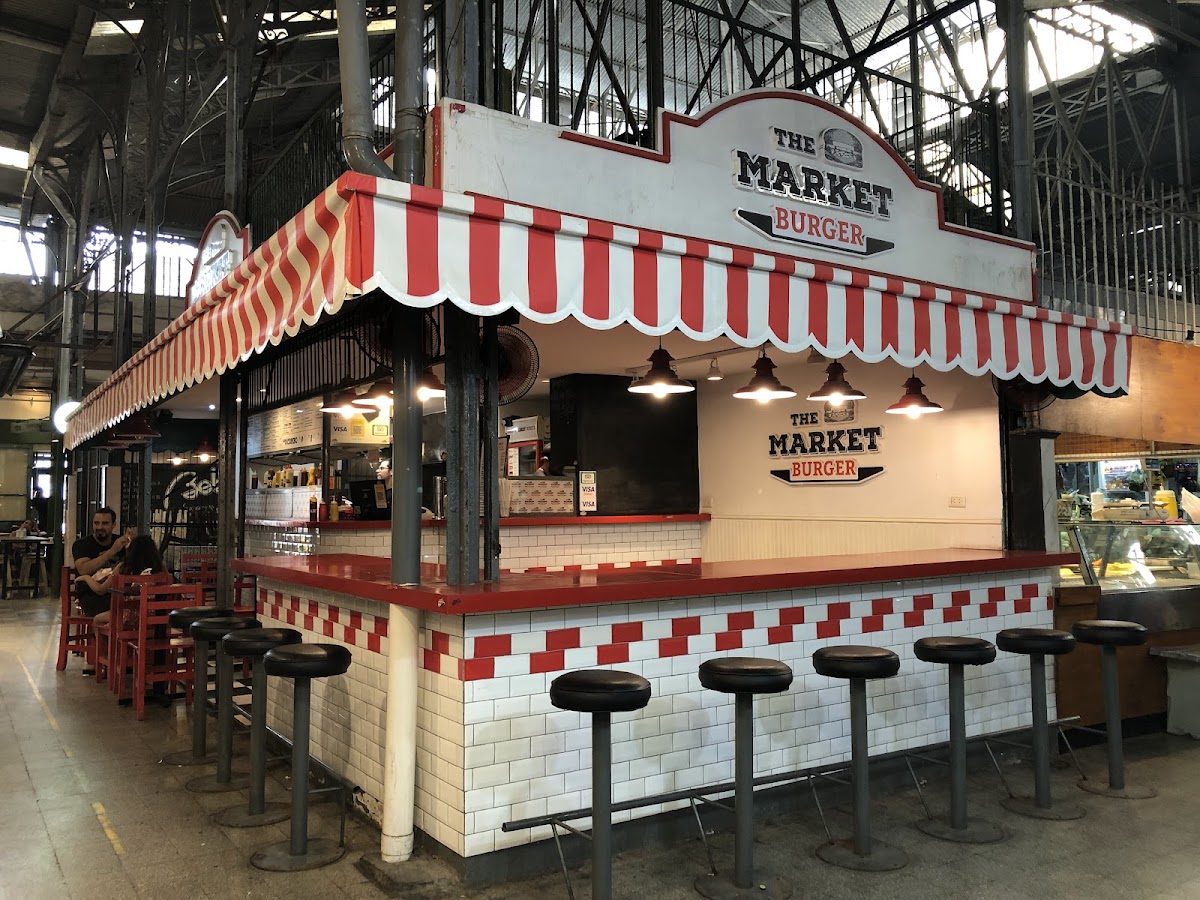
On weekdays, the market offers a more relaxed pace than the famous Sunday street fair, allowing you to browse unique vintage finds and soak in the atmosphere. It is a true glimpse into Buenos Aires’ past, still very much alive today.
2. Grab a traditional Choripán at a choripanería
Inside the Mercado de San Telmo, seek out a Choripanería al Paso for an authentic taste of Porteño street food. A choripán is a grilled chorizo sandwich, served hot with a generous dollop of chimichurri or salsa criolla.
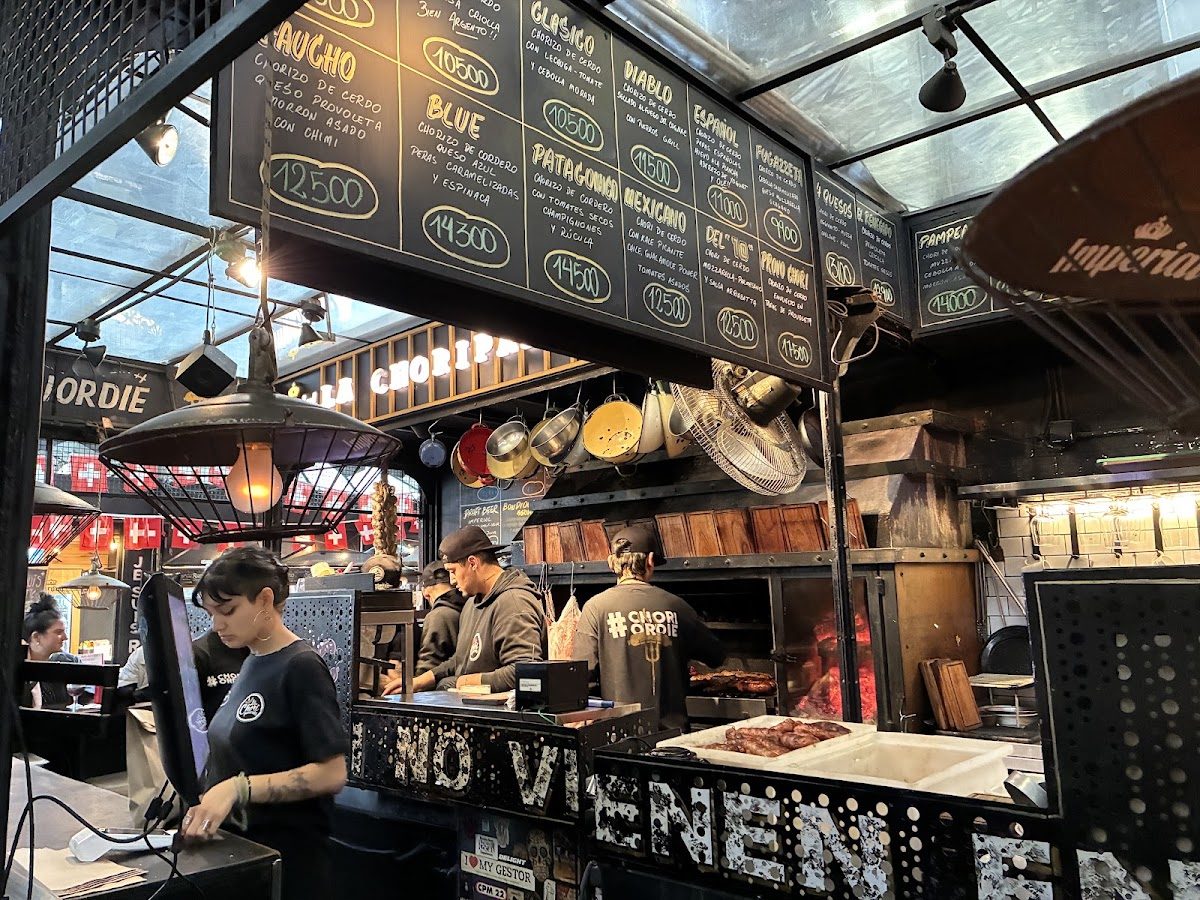
This casual, standing-room-only experience is a local favourite, offering a delicious, affordable, and quick bite that embodies the spirit of Buenos Aires. I have fond memories of standing elbow-to-elbow with locals, the smell of grilled meat in the air, a simple joy that always felt uniquely Argentine.
3. Indulge in classic Argentine comfort food at El Preferido de Palermo
Head to El Preferido de Palermo for a taste of traditional Argentine comfort food in a charming neighbourhood setting. This restaurant, from the team behind the renowned Don Julio, is celebrated for its perfectly breaded and fried milanesa.
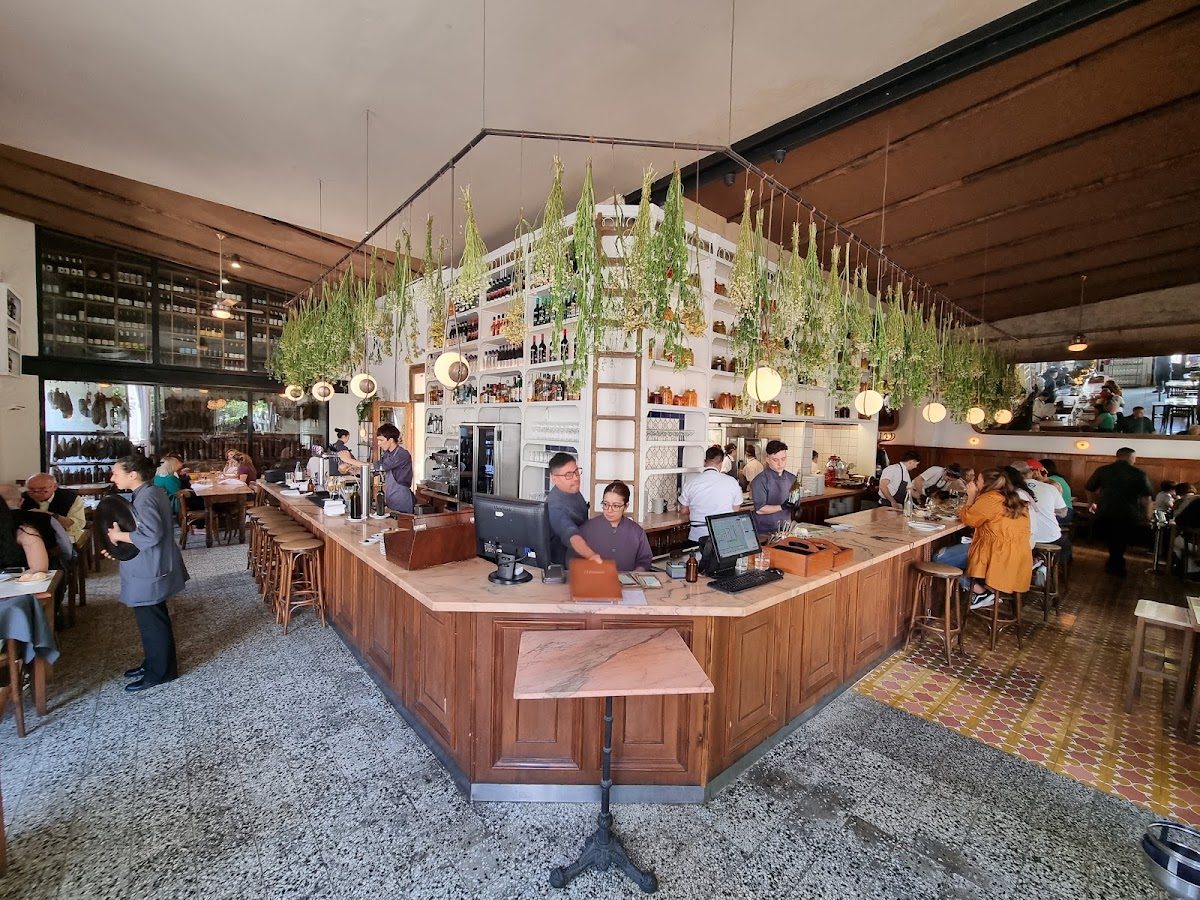
The ambiance blends classic Buenos Aires cantina vibes with a modern touch, featuring pastel-pink walls and a nostalgic feel. Portions are generous, making it a satisfying stop for a genuine local meal.
4. Experience trending culinary delights at Mercat Villa Crespo
Discover Mercat Villa Crespo, a modern, industrial-style food hall that embodies the trendy energy of the Villa Crespo neighbourhood. This spot is a hit with younger locals, reflecting the growing interest in “12 hour layover Buenos Aires local food” beyond traditional fare.
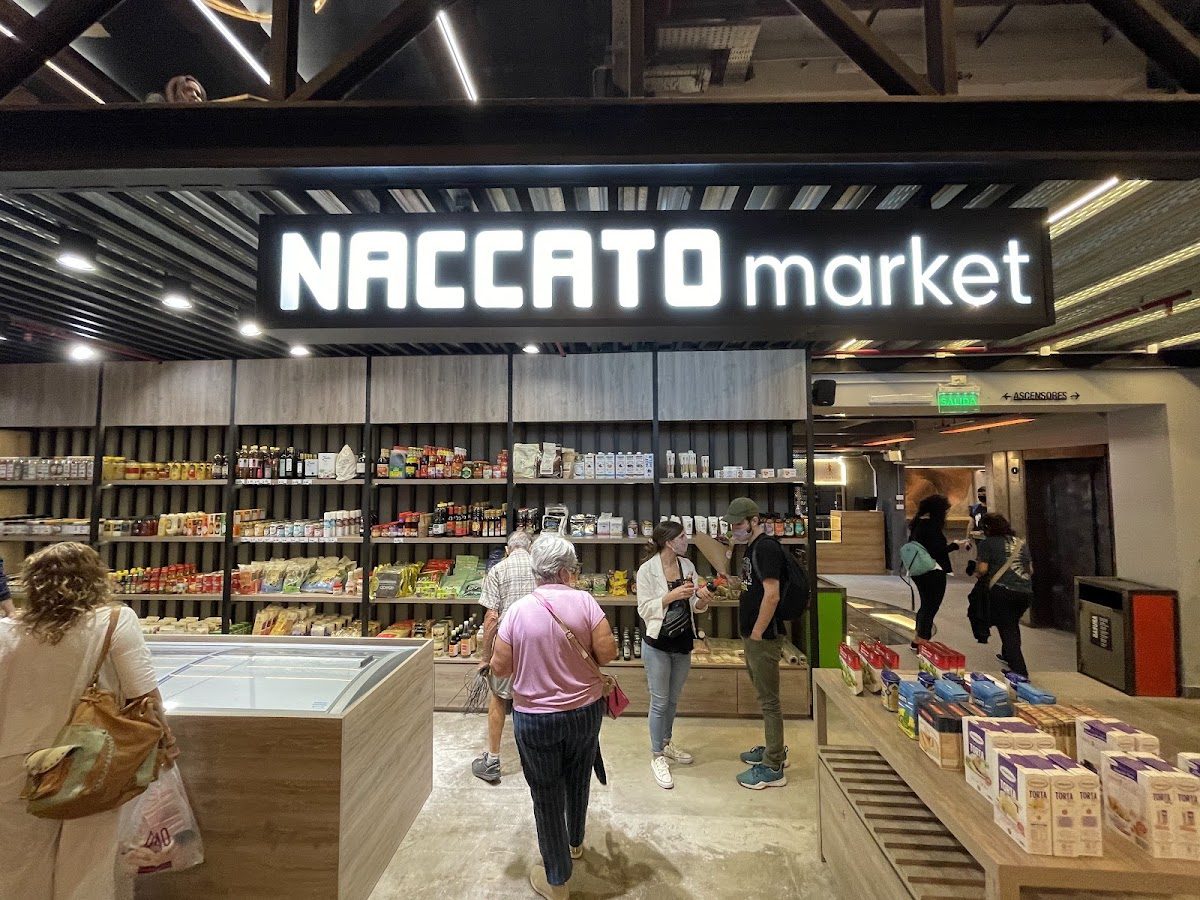
The diverse array of food stalls ranges from Asian dishes like ramen and dumplings to vegan ice cream, specialty coffee, and regional Argentine sandwiches. It showcases the city’s evolving contemporary culinary scene in a lively, social atmosphere.
5. Step back in time at Confiteria Ideal
Visit Confiteria Ideal, a grand café that has been a fixture in Buenos Aires since 1912. With its high ceilings, ornate decorations, and expansive dance floors, it feels more like a living museum than just a café.
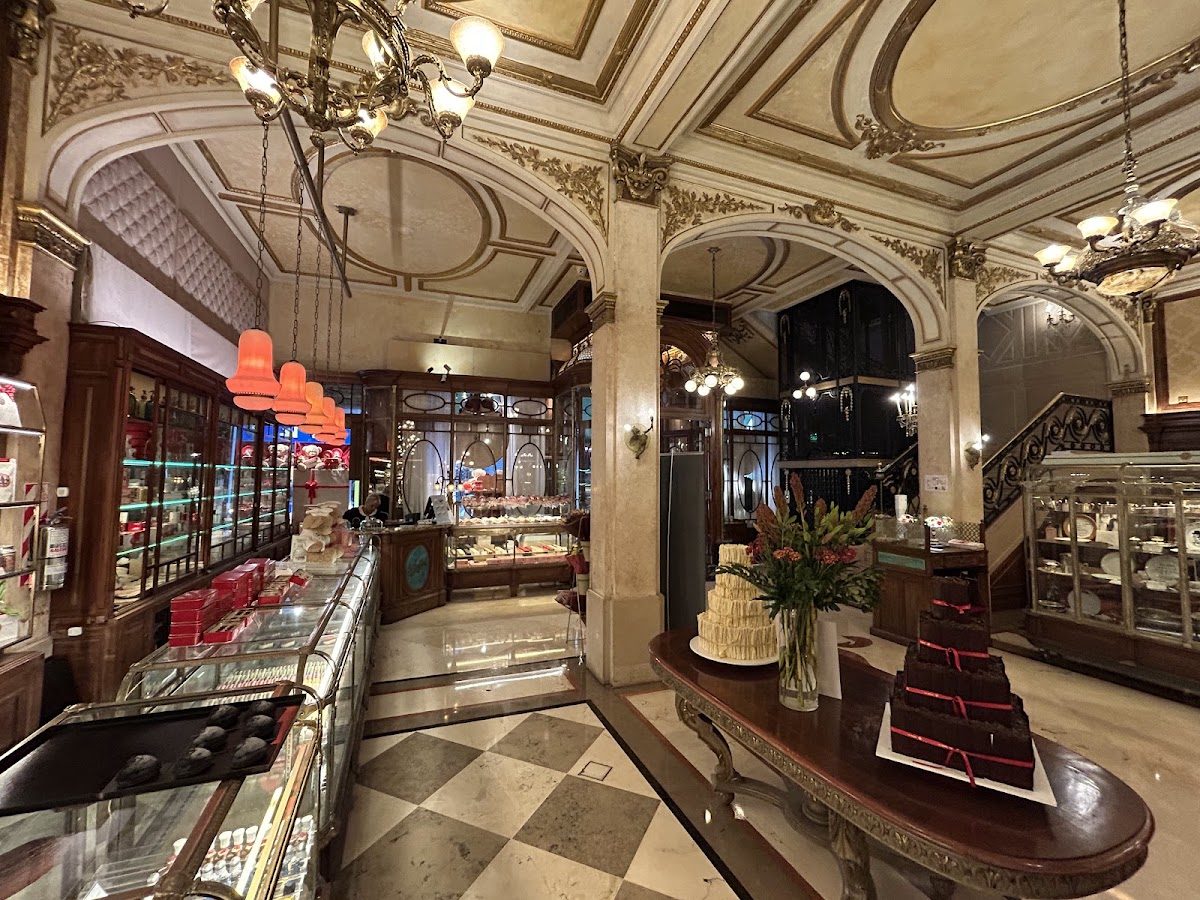
It offers a glimpse into the city’s rich cultural fabric, providing a perfect spot for traditional pastries and coffee. Even if you do not take a tango class, try to peek at the upper floors where milongas often take place, adding to the historic ambiance.
6. Immerse yourself in Street Art Exploration (Palermo/Villa Crespo)
Embark on a self-guided exploration of the vibrant street art and graffiti that adorns the walls of Palermo and Villa Crespo. These neighbourhoods are massive canvases for local and international artists, showcasing a dynamic and ever-evolving aspect of Buenos Aires’ contemporary culture.
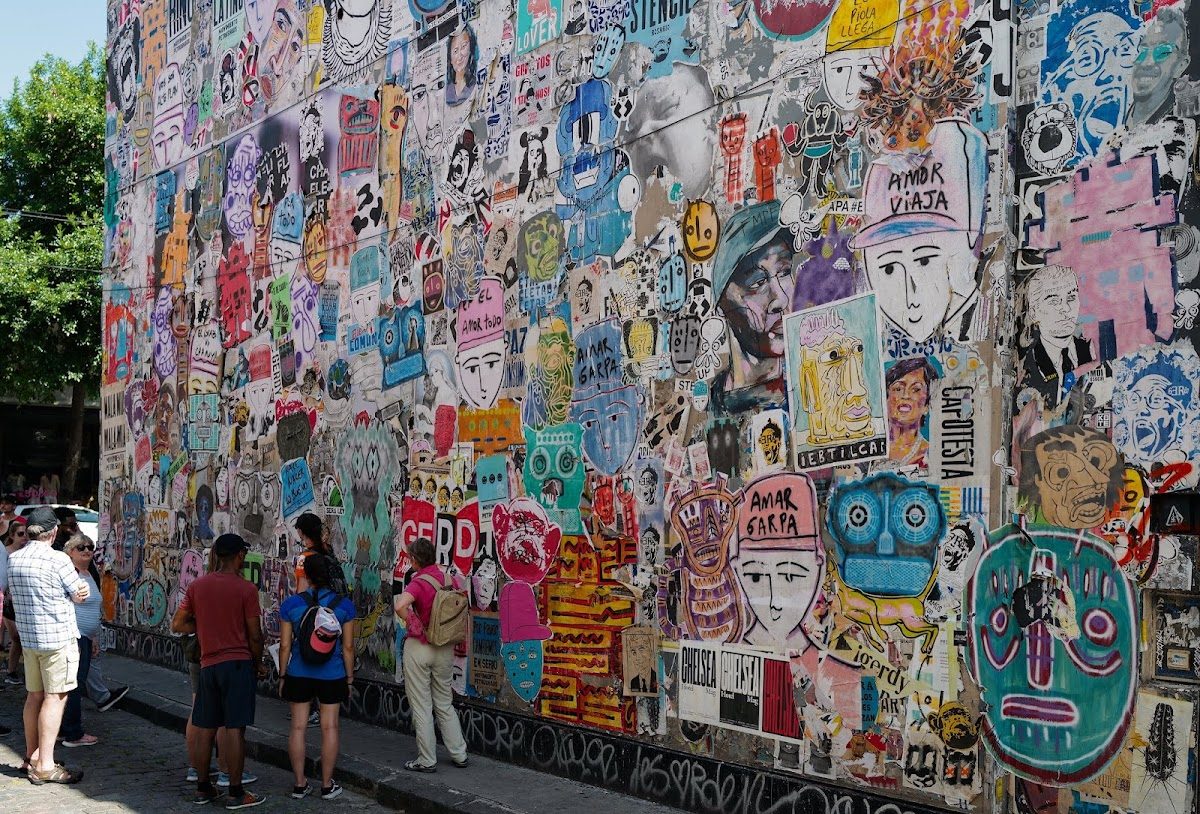
This activity reflects a rising interest in discovering the city’s artistic pulse beyond traditional museums, aligning with searches for “off-the-beaten-path Buenos Aires short trip“. It is a free, engaging way to see how art intertwines with urban life.
Final word
A 12-hour layover in Buenos Aires is more than enough time to move beyond the airport and truly connect with the city’s layered identity. You will find a blend of European grandeur and raw, authentic energy, from the bustling markets to the vibrant street art. This is a city that rewards those willing to look a little deeper, much like exploring the crafts in 6 Hours in Samarkand: Silk Road Crafts & Culinary Delights or the markets in 12 Hours in Hangzhou: Local Markets, Tea & Traditional Crafts.
All practical information was verified at the time of writing. Please confirm hours and prices before you go.