
It seems everyone is talking about Hangzhou these days, with search interest in authentic local food markets and trending things to do through its tech-driven neighbourhoods on the rise. Most people think of West Lake when they hear Hangzhou, but after many layovers, I can tell you the real character of this city, especially its culinary depth in places like Damalong, is often overlooked. This guide will show you how to peel back those layers.
This guide is for the traveller with a 12-hour layover in Hangzhou who wants to get a real feel for the city beyond the airport, diving into culture, food, and craft rather than just ticking off the main sights.
Hangzhou has always struck me as a city that gracefully bridges centuries. It is a place where ancient imperial heritage and vibrant tea culture blend seamlessly with a modern push for technological innovation. You feel the history in the quiet temples, but see the future in the way its traditional markets are evolving.
A personal note on Hangzhou
Over the years, passing through Hangzhou as cabin crew, I have seen the city change. The airport has grown, the metro lines have extended, but the core rhythm of daily life in places like Qinghefang Ancient Street and the hidden lanes around Damalong remains. I always made it a point to head into the city, often seeking out the smaller tea houses and local noodle stalls that felt untouched by the tourist brochures. There is a sense of calm here, even amid the bustle, especially if you know where to look — early mornings by the lake, or deep inside a quiet tea plantation.
Before you leave the airport
Storing your luggage
Hangzhou Xiaoshan International Airport (HGH) offers convenient luggage storage.
In Terminal 3, you will find facilities on the Departure Hall F East side (near domestic security) and in the Arrivals Hall. Prices are ¥10/piece for up to 8 hours, ¥15/piece for 8-16 hours, and ¥20/piece for 16-24 hours. They are open from 6:30 AM to 11:00 PM, with touch-screen instructions available in English.
Terminal 4 also has storage in the Departure Hall with similar pricing. For quick trips, city-centre smart lockers are available at various metro stations, typically ¥2-5/hour for small items, with daily caps around ¥20-40.
Do you need cash?
While Alipay and WeChat Pay are the dominant payment methods across Hangzhou, it is still wise to carry some Chinese Yuan (CNY) cash. Smaller local markets, street vendors, and some older luggage facilities might still prefer cash. ATMs are readily available at HGH and throughout the city; Bank of China ATMs are often a good bet for foreign card withdrawals without extra fees. Currency exchange counters are in HGH T3 Arrivals and T4 Departures, open from 7:00 AM to 10:00 PM.
12 hours in Hangzhou: what to do
1. Immerse yourself in Hangzhou’s tea culture at Meijiawu Tea Plantation
Escape the city’s hum for the serene landscape of Meijiawu Tea Plantation, a village famed for its authentic Longjing (Dragon Well) tea. Here, you can walk through verdant rows of tea bushes, observe the meticulous process of tea cultivation, and truly connect with Hangzhou’s deep-rooted tea heritage.
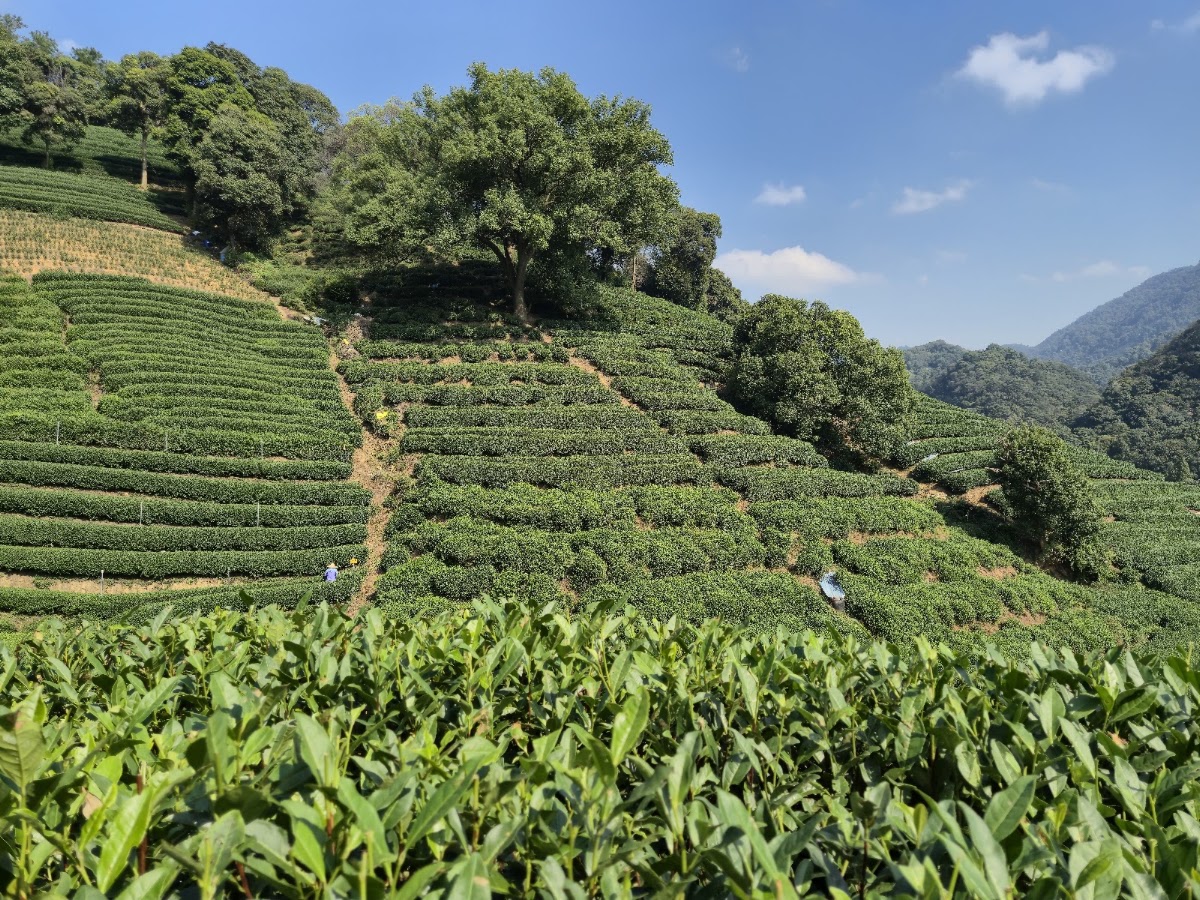
Many local families run small tea houses where you can experience a traditional tea ceremony and taste freshly brewed Longjing. It is a peaceful contrast to the urban pace, offering a quiet glimpse into a practice that has defined this region for centuries. The experience feels genuine, not staged.
2. Wander through the historical lanes of Qinghefang Ancient Street
Step back in time on Qinghefang Ancient Street, a pedestrian thoroughfare that preserves the architectural styles of the Southern Song and Ming-Qing dynasties. It is a lively hub where traditional shops sell local crafts like silk, tea, and fans, alongside numerous snack stalls and teahouses.
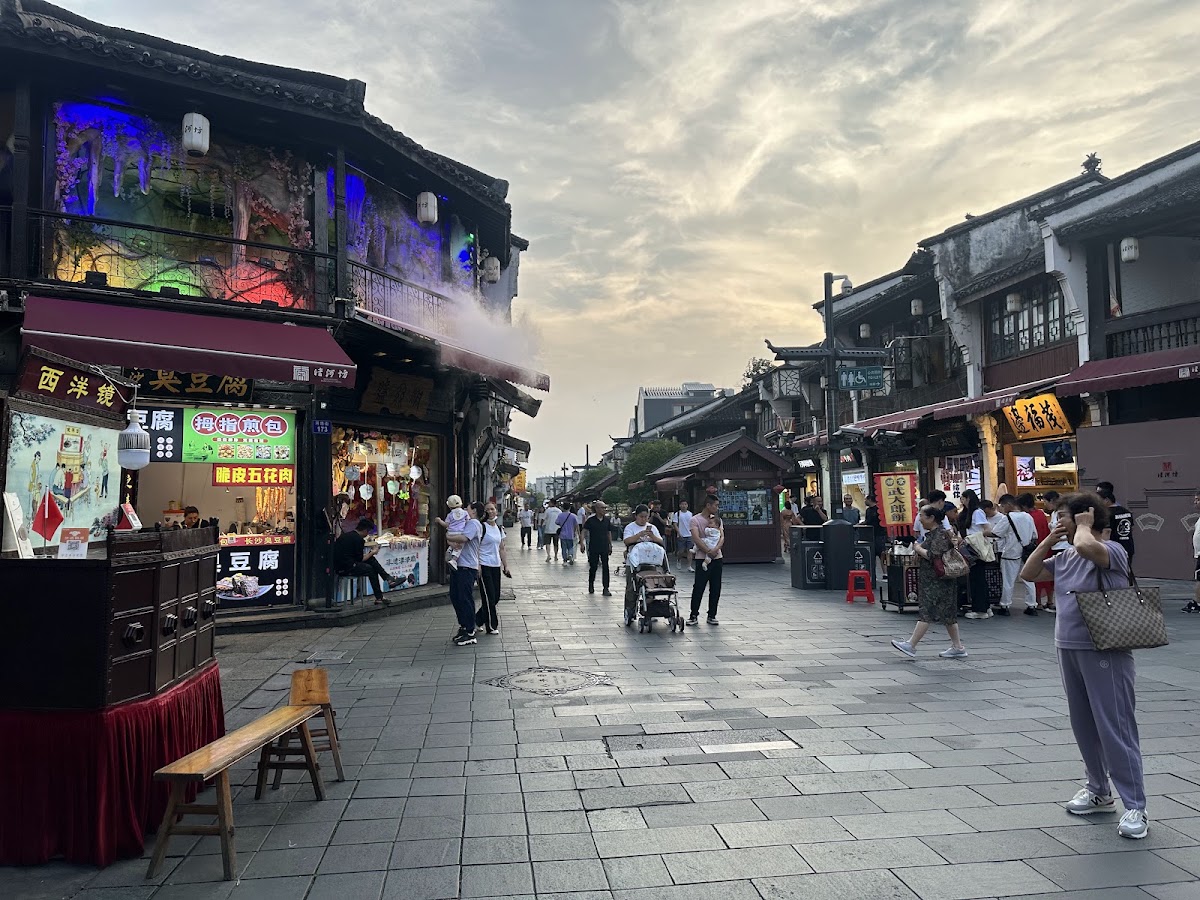
Beyond the main street, smaller side alleys reveal more authentic shops and fewer crowds. This is the place to try traditional Hangzhou snacks like Cong Bao Hui (scallion wrapped fried dough stick), or simply soak in the atmosphere of a bygone era still very much alive. I’ve often found myself wandering these lanes, picking up small, handcrafted items that feel distinctly Hangzhou.
3. Discover authentic Hangzhou flavours at Damalong Local Food Market
For a true taste of local life, head to Damalong Local Food Market, a narrow lane bursting with everyday Hangzhou culture and a tangible Southern Song Dynasty vibe. This is where locals come for their daily provisions and ready-to-eat street food.
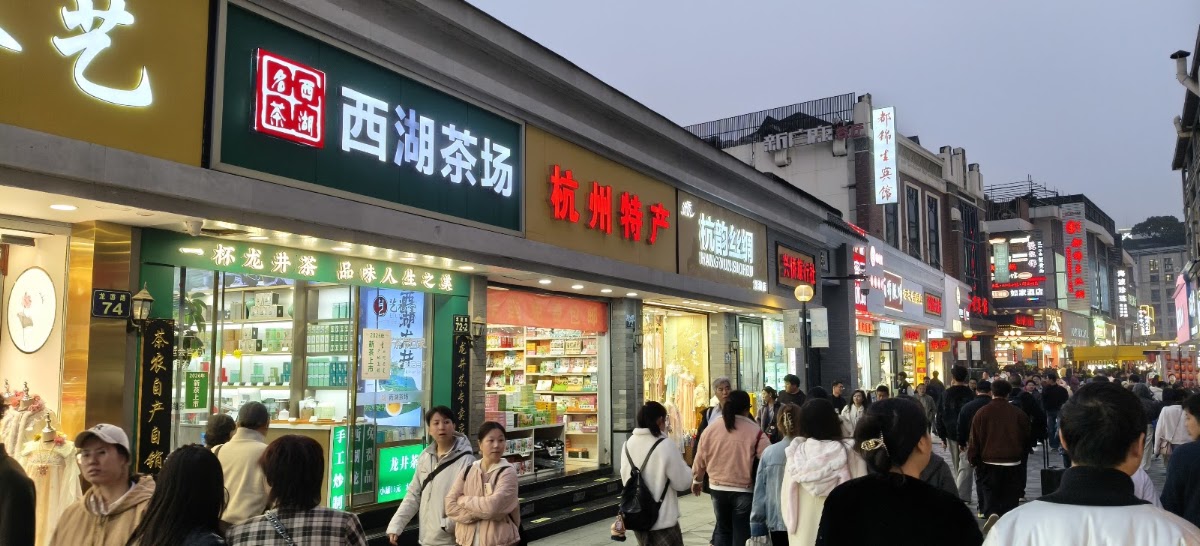
You will find an array of fried snacks, handmade dumplings, and seasonal cured meats. It is a fantastic place to experience the city’s culinary traditions firsthand, often at incredibly affordable prices. The longest queues usually point to the best stalls, especially for fried fish and Scallion Wrapped Fried Dough Stick.
4. Experience modern market culture at Wener Market Life
Wener Market Life offers a contemporary, trending take on the traditional Hangzhou food market, perfect for those seeking a more curated yet authentic experience. This renovated space combines fresh produce stalls with trendy cafes, bakeries, and specialty snack shops.
A unique feature here is the “processing service” – buy fresh ingredients and have them cooked on the spot, ensuring the freshest meal possible. Do not miss Fang Lao Da, a Michelin Bib Gourmand recognised stall, for their exceptional Ban Chuan or Pian’er Chuan noodles. It is a great place to see how Hangzhou is blending its food heritage with modern urban life.
5. Seek serenity at Lingyin Temple and Feilai Peak
For a profound spiritual and scenic experience, visit Lingyin Temple, one of China’s most ancient and significant Buddhist temples, nestled amidst a lush forest. The adjacent Feilai Peak (Flying Peak) is adorned with hundreds of ancient Buddhist rock carvings and grottoes.
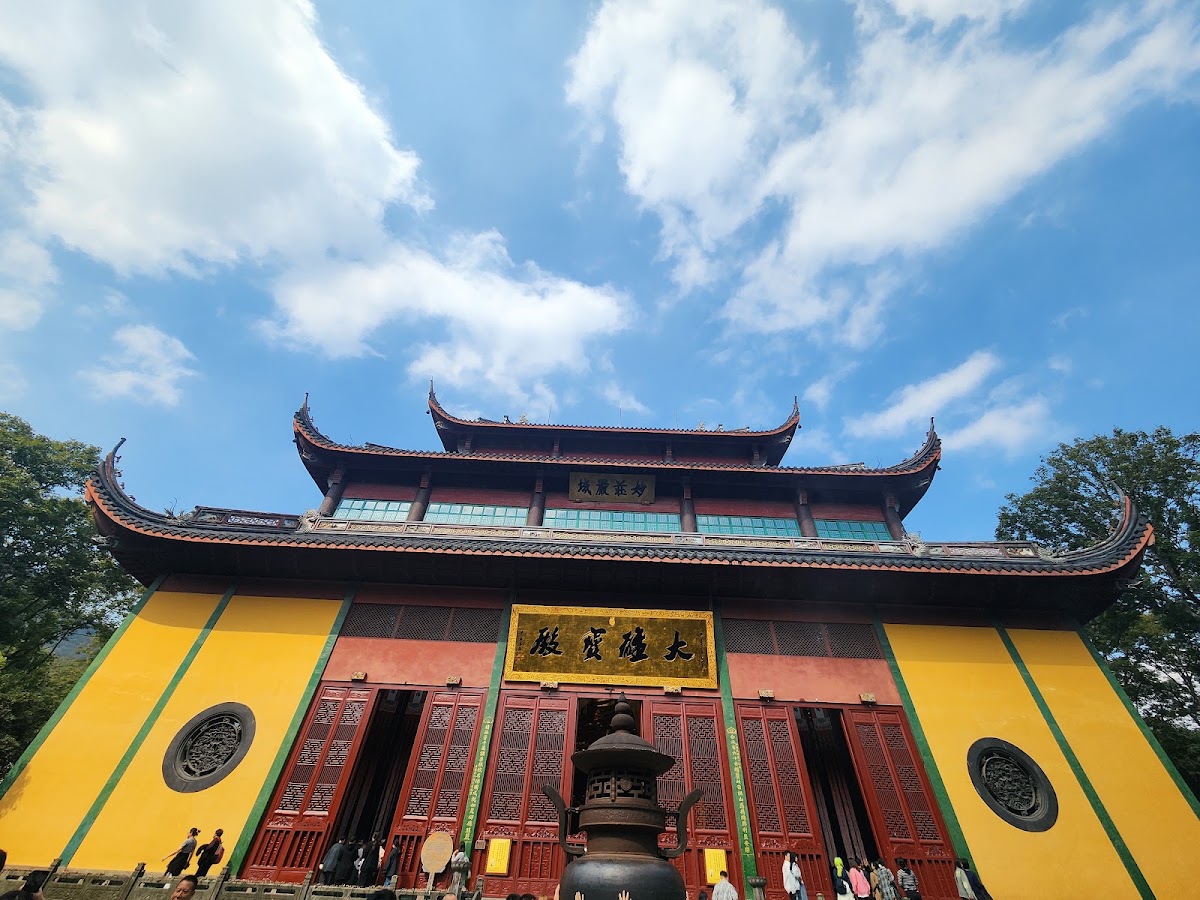
This area provides a serene escape from the urban hustle, offering a rich blend of cultural heritage and natural beauty. The sheer scale and age of the carvings on Feilai Peak are remarkable, providing a powerful sense of history. Walking through the temple grounds, even with other visitors, there is a distinct calm that settles over you.
Final word
Hangzhou, even on a short layover, offers a richness that goes beyond its famous lake. It is a city of intricate crafts, deep tea traditions, and evolving food markets that truly reflect its past and present. If you step outside the airport, you will find a blend of serenity and vibrant local life that is uniquely Chinese, yet distinctly Hangzhou.
Practical information verified at time of writing. Please confirm opening hours and prices before your visit.