
Cebu, the Queen City of the South, often gets overlooked as a destination in itself, usually serving as a quick transfer point to the Philippines‘ many islands. Yet, with recent trends showing an increase in searches for immersive cultural experiences and local food tours in the region, there is a clear demand to look beyond the airport. This guide cuts through the noise, offering an authentic experience for those with 8 hours to spare in Cebu City.
This guide is for the pragmatic traveller with an 8-hour layover in Cebu who wants to experience the city beyond the airport, diving into its rich history and authentic local life.
Cebu stands apart with its deep Spanish colonial roots, evident in its historic landmarks, alongside a thriving local scene known for authentic cuisine and traditional craftsmanship in areas like Carbon Market and Parian. It’s a city of contrasts, where tradition meets everyday urban energy.
A personal note on Cebu
Over years of layovers through Mactan-Cebu International Airport, I’ve seen the city shift, but its core remains. Early mornings always held a particular charm, with the air thick with the smell of roasting lechon and the slow hum of tricycles starting their day. I always gravitated towards the older districts, where the architecture tells a story of Spanish influence intertwined with local life, a stark contrast to the modern malls that have sprung up. It’s a city that asks you to slow down and absorb its rhythm, especially away from the main thoroughfares.
Before you leave the airport
Storing your luggage
Leaving your bags at the airport is always the first step to enjoying a layover. You have a couple of reliable options at Mactan-Cebu International Airport (MCIA).
Bounce – Mactan Airport is conveniently located in Terminal 2, just a 2-minute walk from arrivals. It operates 24/7, offering a straightforward daily rate from 182 PHP (approx. $3.25 USD).
LuggageHero provides a more flexible solution with over 17 locations near Cebu Airport, SM City Cebu, and Ayala Center Cebu. Prices start from 83 PHP/hour or 274 PHP/day, plus a one-time service fee of 90 PHP per bag.
Do you need cash?
Yes, cash is absolutely essential for navigating Cebu City, particularly for local eateries, market stalls, and public transport like jeepneys and tricycles. While major establishments accept cards, smaller, more authentic spots rely on cash.
ATMs are widely available in Cebu City, dispensing up to 10,000 PHP per transaction with a typical 200 PHP bank fee. For fee-free withdrawals, look for ATMs specifically at Ayala Center Cebu.
8 hours in Cebu: what to do
1. Immerse yourself in Cebuano history at the National Museum
Opened in 2023, the National Museum of the Philippines in Cebu offers a comprehensive and free exploration of the island’s natural history, archaeology, and art. This aligns with a growing interest in immersive cultural experiences and is a fresh perspective on the city. It is housed in the historic Aduana building, showcasing artifacts from sunken ships, geological wonders, and works by local artists.
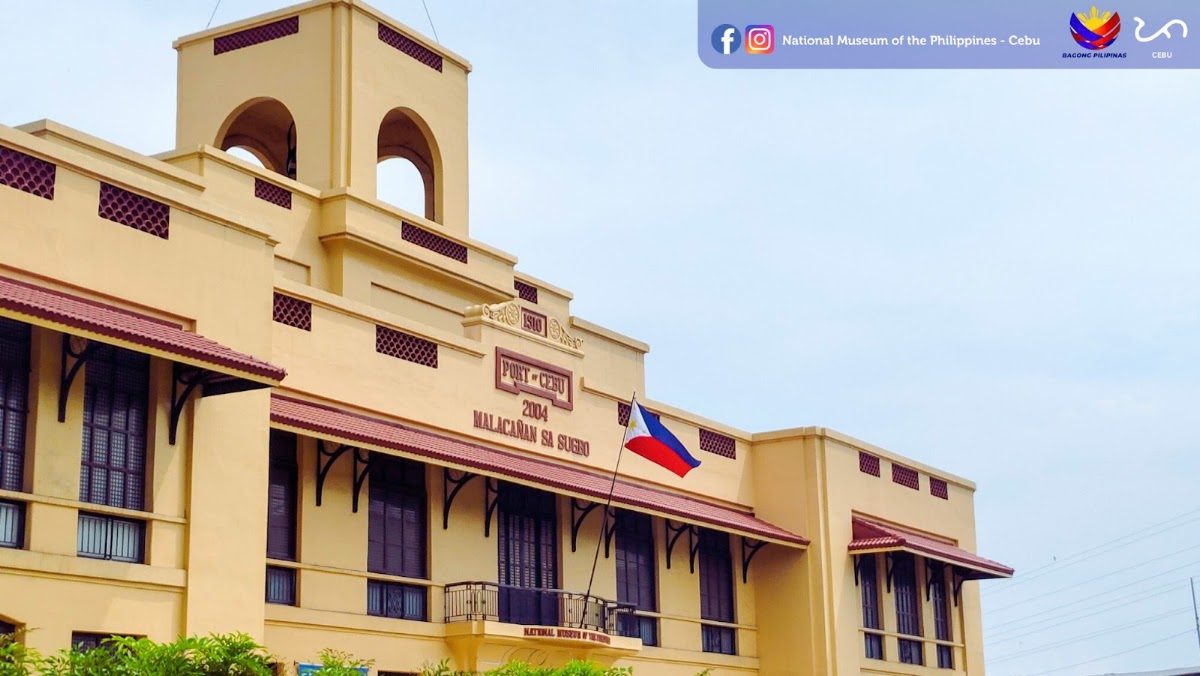
The museum’s galleries offer a quiet retreat into Cebu’s past, from prehistoric finds to contemporary art. You can trace the island’s unique geological formations and appreciate the craftsmanship of ancient tools. Look for the sections detailing maritime history for a particularly unique insight into trade and conflict.
2. Step back in time at Fort San Pedro
Just a short walk from the museum, Fort San Pedro stands as the oldest and smallest fort in the Philippines. This triangular Spanish fortress, built in 1738, offers a tangible glimpse into Cebu’s colonial past. Today, it’s a peaceful garden and museum, providing a quiet space amidst the city’s energy.
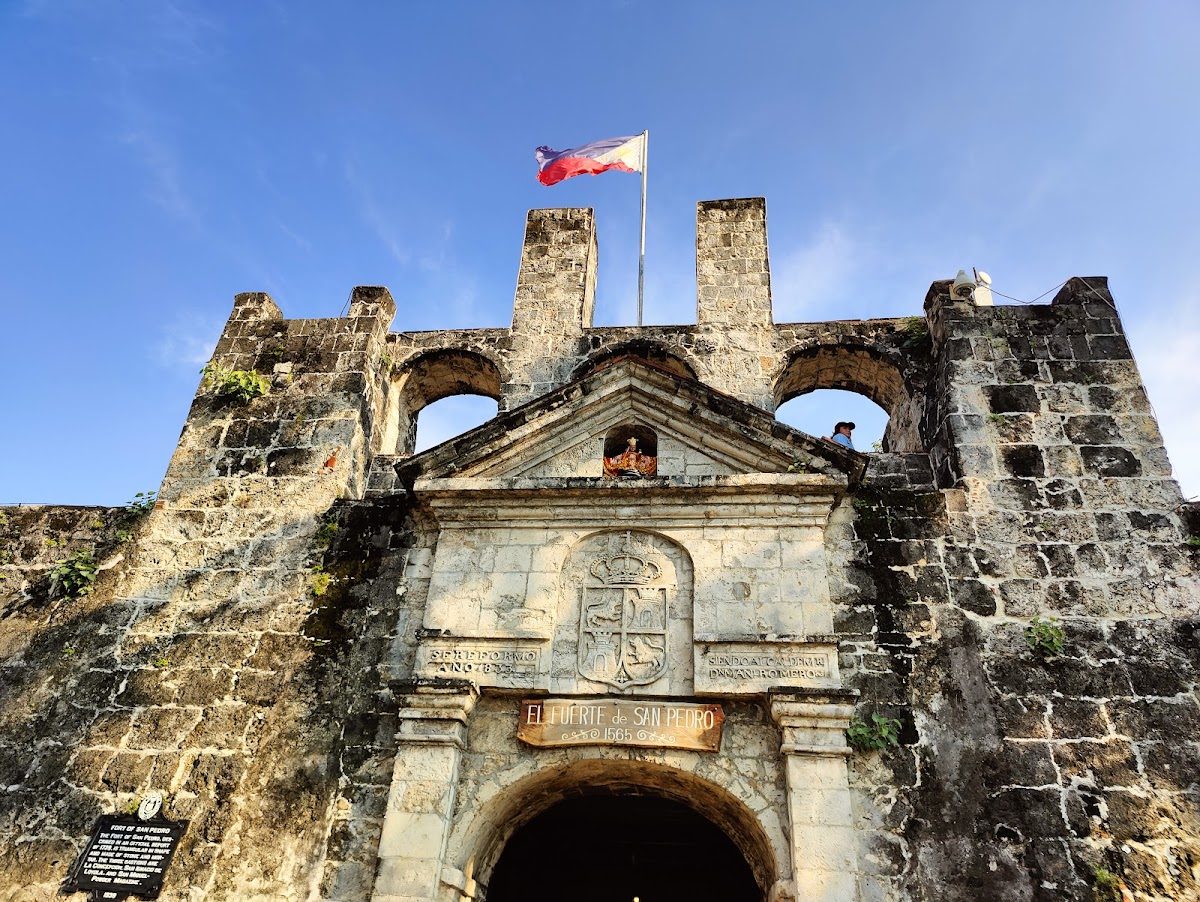
Wander through the fort’s grounds, admiring the thick coral stone walls and the cannons still pointing out to sea. The small museum inside details its military history, from Spanish to American occupation. It’s a compact site, easy to explore without feeling rushed.
3. Discover colonial life at the Yap San Diego Ancestral House
For a deeper, more intimate look at Cebu’s heritage, visit the Yap San Diego Ancestral House. Dating back to 1675, this is one of Cebu’s oldest residential structures, offering an off-the-beaten-path peek into colonial-era life. It’s a blend of Spanish, native, and Chinese architectural influences.
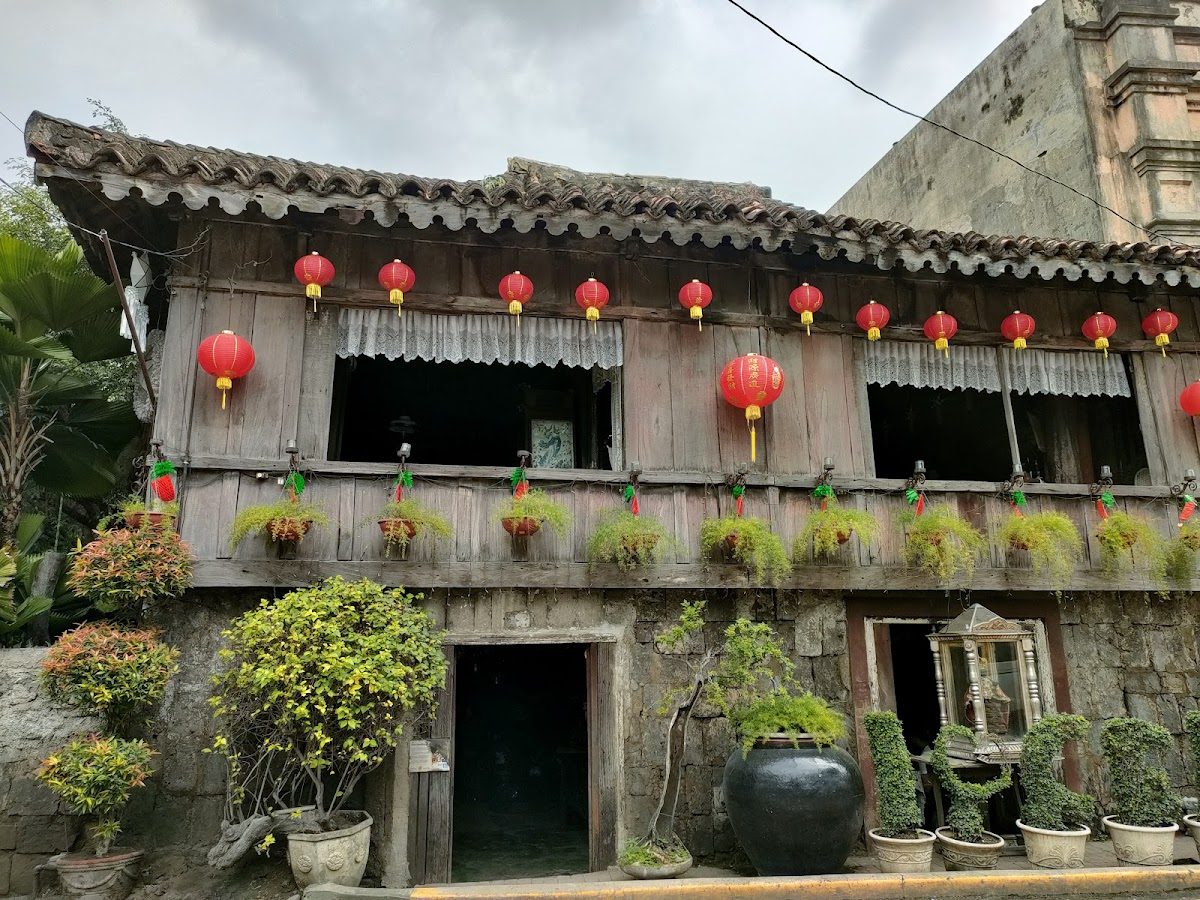
Inside, the house is filled with antique furnishings, religious relics, and family heirlooms, all meticulously preserved. It feels less like a museum and more like stepping into someone’s home from centuries past. The caretakers are often descendants of the original family. I always find their stories about the house’s history illuminating, giving context to the objects and architecture.
4. Experience local life at Carbon Market
Cebu’s oldest and largest public market, Carbon Market, is a bustling, authentic hub of local life, far removed from typical tourist traps. This is where you find the real rhythm of the city. You will see everything from fresh produce and seafood to traditional handicrafts like woven baskets and local delicacies.
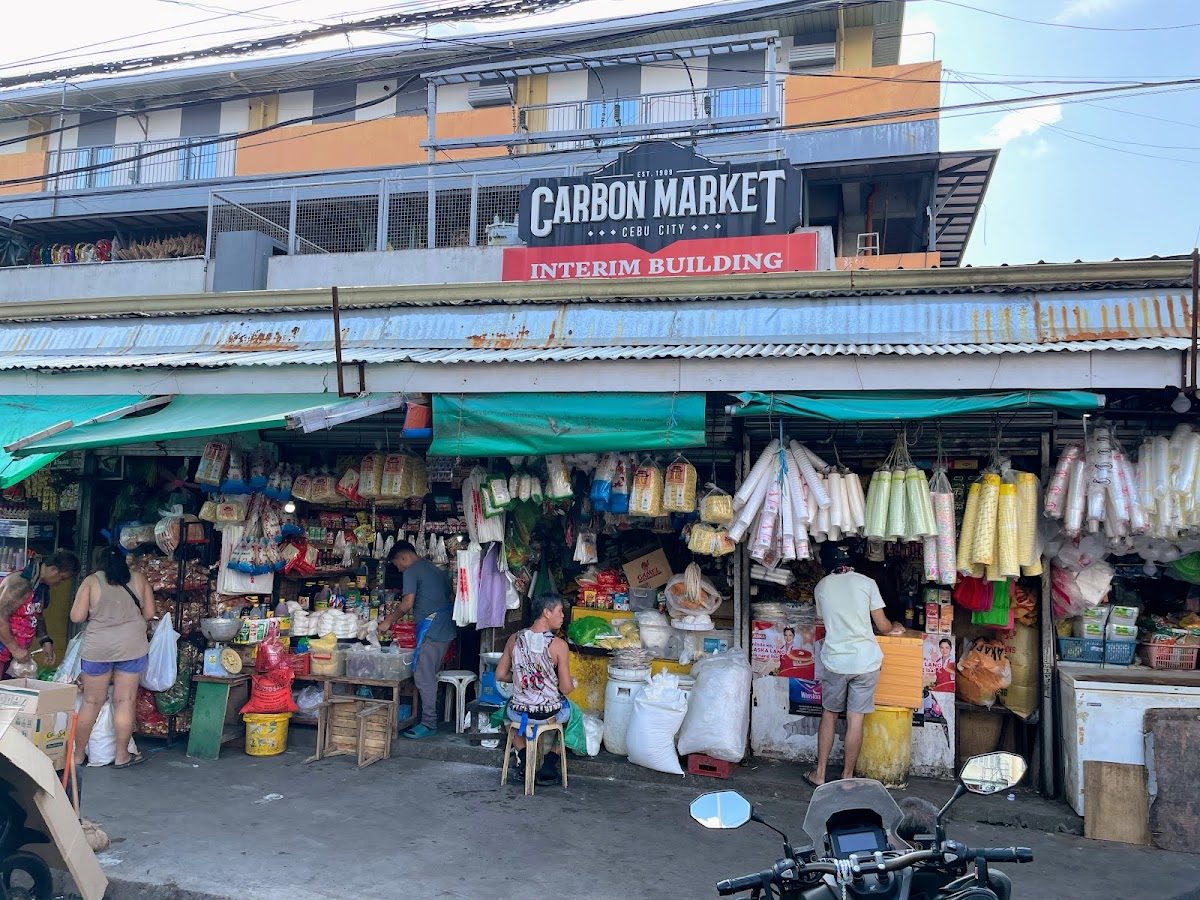
The market is a sensory explosion: the vibrant colours of fruits, the calls of vendors, the smell of fresh spices, and the sheer energy of daily commerce. It’s an immersive cultural experience, particularly lively in the mornings and late afternoons. Head to the second floor of the Carbon Market Interim Building for a dedicated indigenous handicraft store.
5. Savor authentic street food at Pungko-Pungko sa Fuente
Embrace a truly local culinary tradition at Pungko-Pungko sa Fuente, a trending spot that highlights local food tours and authentic experiences. Here, you sit on small benches and pick from a variety of freshly fried Filipino dishes. This is a quintessential Cebuano experience.
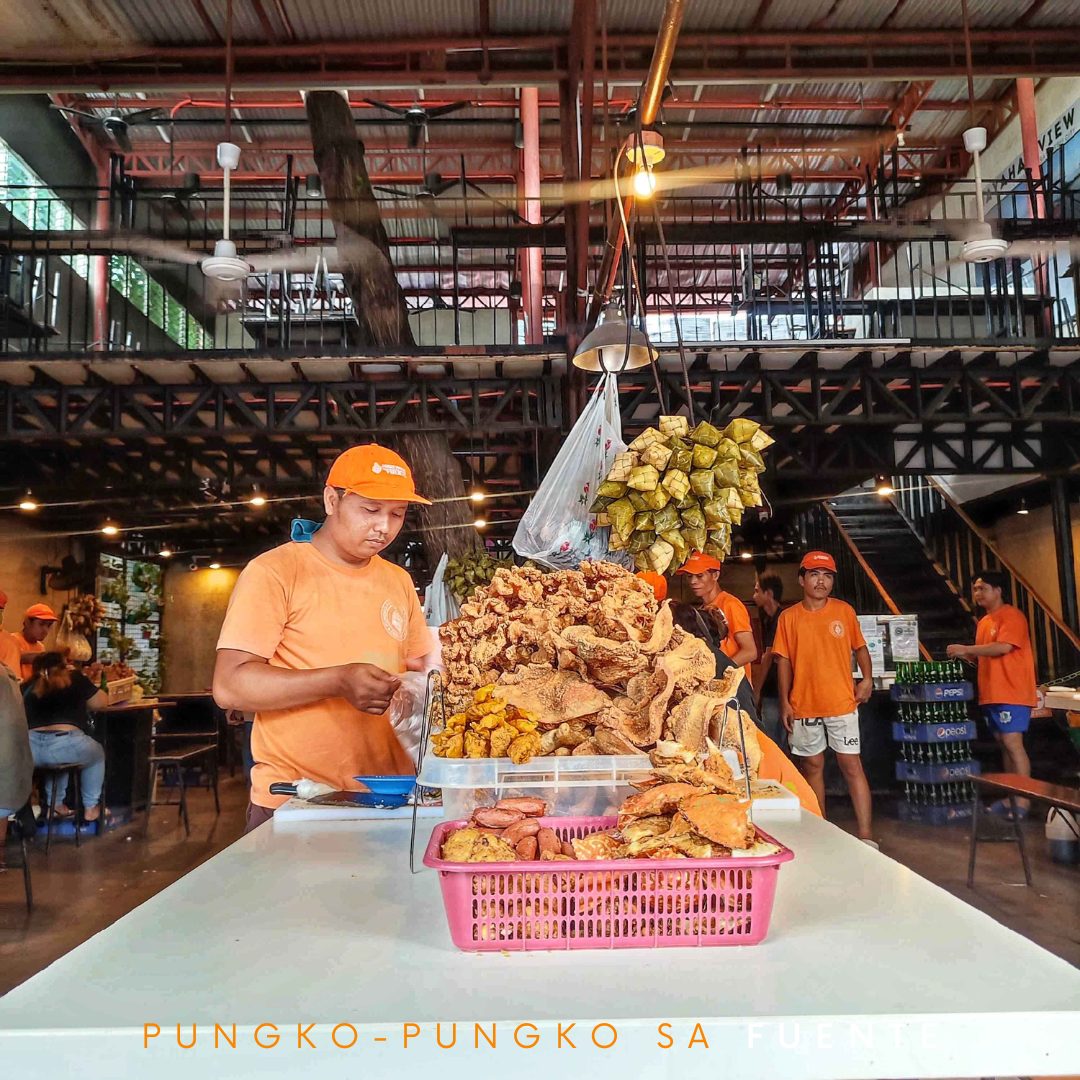
Choose from ginabot (fried pork intestines), lumpia (spring rolls), and ngohiong (Cebuano spring rolls), among other deep-fried delights. Don’t forget to try the puso (hanging rice) and the spicy vinegar dip, which perfectly complements the fried dishes. It’s a fast, delicious, and incredibly affordable meal.
6. Indulge in Cebu’s iconic Lechon at House of Lechon
No visit to Cebu is complete without trying its world-famous lechon (roasted suckling pig). House of Lechon offers a delicious ‘Carcar style’ lechon, known for its incredibly crispy skin and juicy, flavorful meat that often doesn’t even need sauce. It is a quintessential Cebuano culinary experience.
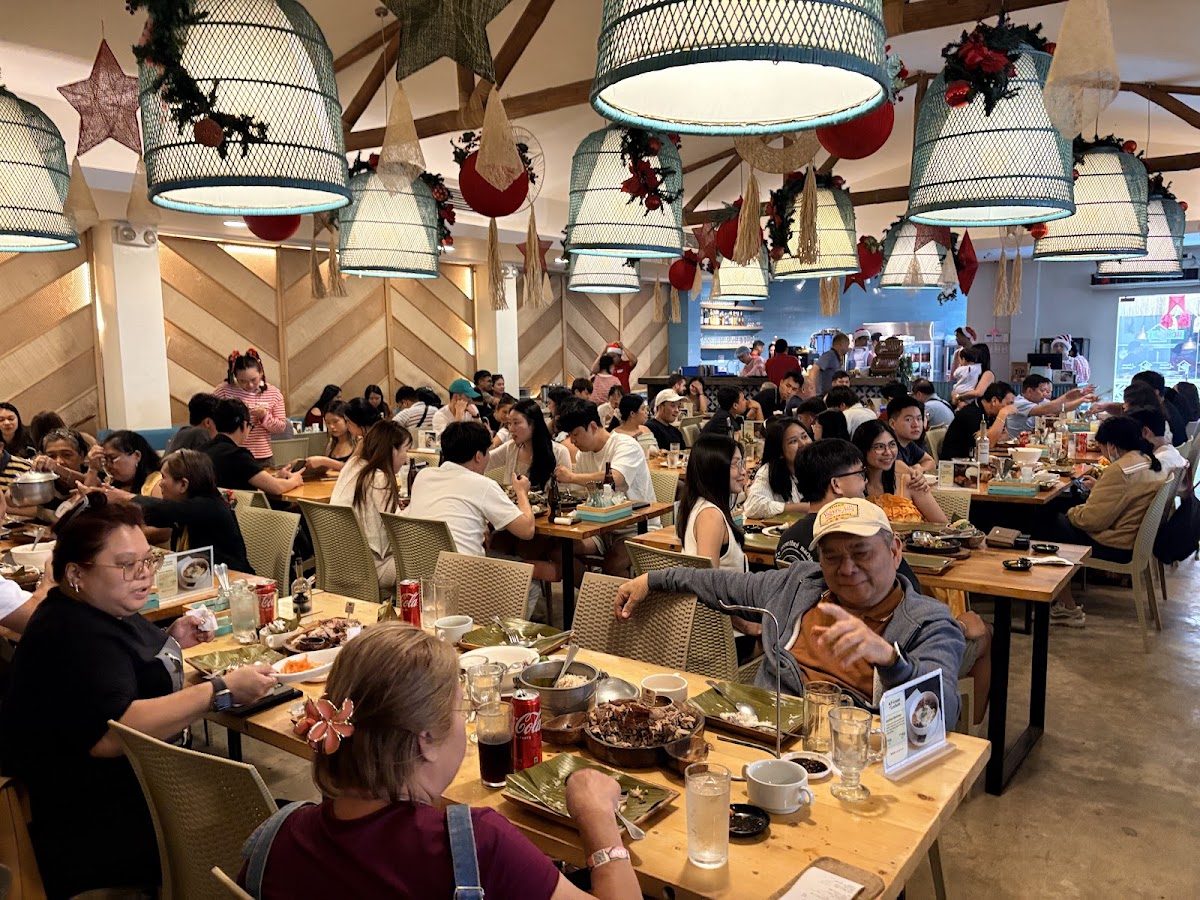
The rich, savoury flavour of the lechon here is a benchmark for the dish. Order the ‘spicy’ lechon if you enjoy a kick; it’s a local favourite and adds another layer of flavour to the already perfect pork. This is the meal to cap off your short but flavourful layover.
Final word
An 8-hour layover in Cebu might seem short, but it’s enough time to taste the city’s heart and history if you focus your efforts. This guide offers a genuine glimpse into why Cebu is more than just a transit point, providing a rich, unvarnished experience of local life and culture.
All practical information was verified at the time of writing. Please confirm hours, prices, and availability before you go.