
Marrakech is often painted with broad strokes: a whirlwind of souks and snake charmers. Yet, the true pulse of the Red City lies not in its curated tourist spots but in the quiet rhythm of its artisan workshops and the genuine hospitality of places like Amal Women’s Training Center, places that offer truly authentic local experiences.
This guide is for those with a 12-hour layover in Marrakech who want to step beyond the airport lounge and the immediate tourist traps. You will discover the city’s craft traditions, savour local flavours, and find moments of unexpected calm, even with limited time.
Marrakech is a city of vivid contrasts, where the ancient Medina’s labyrinthine alleys give way to the European-influenced avenues of Gueliz. It’s a place where tradition holds strong amidst a growing contemporary art and design scene.
A personal note on Marrakech
Stepping out of Marrakech Menara Airport (RAK), the air always carries that distinct Moroccan scent: a mix of spices, dust, and something earthy, promising a different pace. Over many layovers as cabin crew, I’ve seen the city shift. The Medina at dawn is a world away from its evening bustle, with vendors slowly setting up, the air cool and calm before the heat builds. You learn to appreciate the shaded courtyards, the quiet determination of artisans, and the generous spirit of the locals, who are often more curious about you than you are about them, especially when you venture away from the main square. I’ve often found myself gravitating towards the quieter craft souks or the unassuming local eateries, where the food is honest and the conversation is unhurried.
Before you leave the airport
Storing your luggage
Marrakech Menara Airport (RAK) does not offer direct luggage storage, so you will need to use an external service.
Stasher provides convenient options across the city, including locations in the Medina, Gueliz, and Hivernage. You book online, and your bag is stored in vetted local businesses like hotels or shops, with prices starting from about 15 MAD per hour or 49 MAD per day.
Alternatively, Safe Bag Box offers self-service lockers in Gueliz (Rue Loubnane) and at Medina Mall. Hourly rates start from 20 MAD for a small locker, with daily rates from approximately 80 MAD. These are monitored 24/7 and accessed via a personal code.
Do you need cash?
Yes, Moroccan Dirhams (MAD) are essential for a genuine Marrakech experience. Many smaller vendors, local taxis (petit taxis), street food stalls, and traditional souk shops operate on cash.
You can exchange foreign currency or withdraw from ATMs at the airport upon arrival. Be aware that ATMs in Morocco often charge a local fee, usually 20-40 MAD, and have withdrawal caps of 2,000-4,000 MAD. Always choose to be charged in MAD to avoid unfavourable conversion rates.
It’s wise to carry 200-500 MAD in small denominations, such as 20 and 50 MAD notes, as change for larger bills can be an issue.
12 hours in Marrakech: what to do
1. Support local artisans at Ensemble Artisanal
Start your layover with a visit to Ensemble Artisanal, a government-sponsored centre that offers a curated, hassle-free introduction to Moroccan crafts. Here, you can watch artisans meticulously at work, crafting leather goods, textiles, pottery, and woodwork. The prices are fixed, allowing you to appreciate the quality without the pressure of haggling.
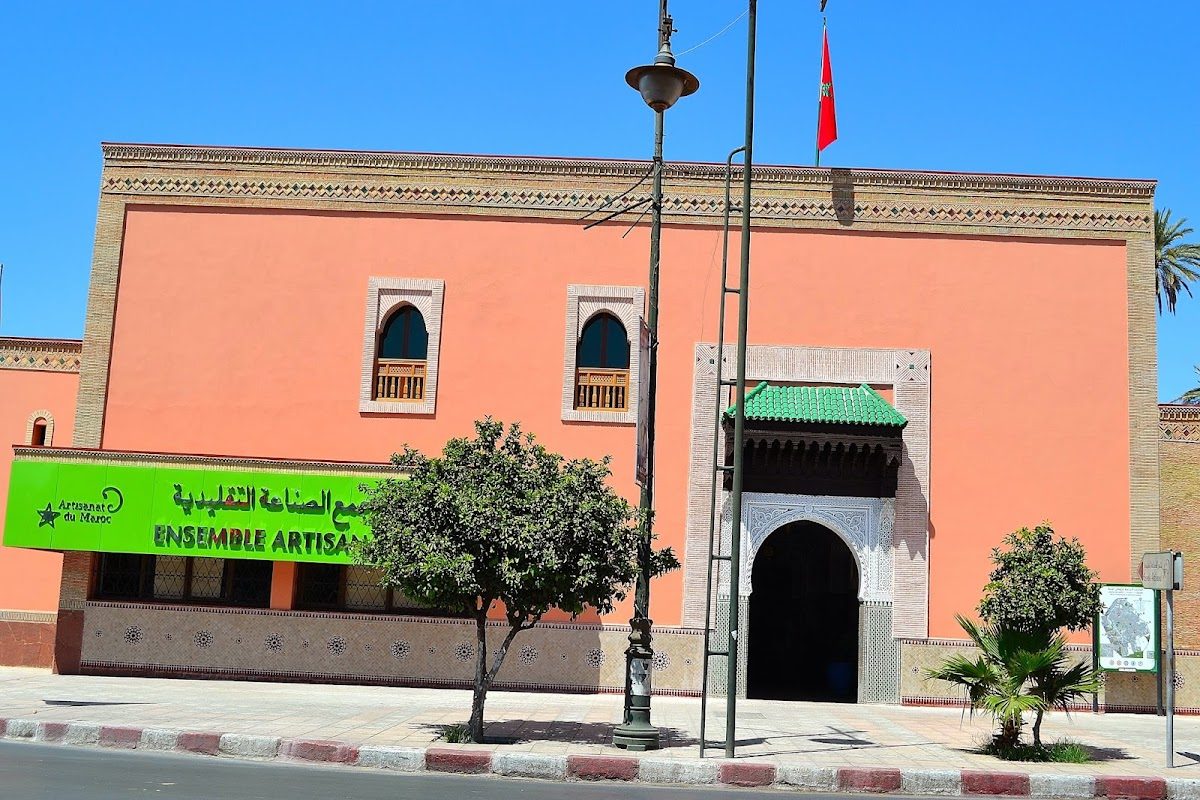
This centre provides a valuable benchmark for fair prices before you venture into the more intense atmosphere of the souks. It is a place that directly supports local craftspeople, ensuring traditional skills endure. It’s also one of the locations that search trends are highlighting for authentic local experiences.
2. Discover historical photographs at Maison de la Photographie
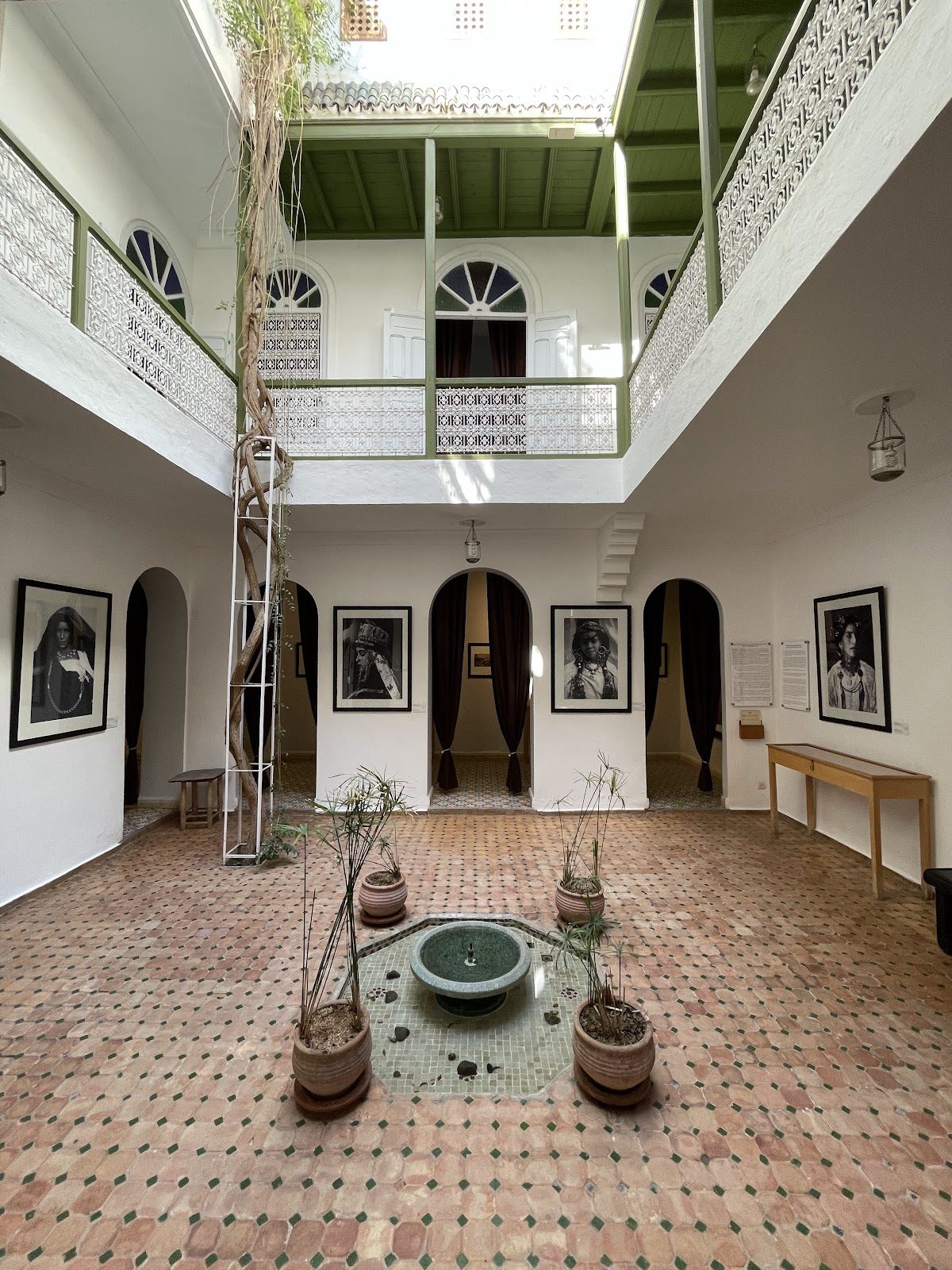
Step back in time at the Maison de la Photographie, a private museum housed in a beautifully restored riad in the heart of the Medina. It showcases a captivating collection of historical photographs of Morocco from 1879-1960, offering a unique visual journey through the country’s past. The calm atmosphere is a welcome contrast to the bustling streets outside.
The museum provides a fascinating glimpse into Moroccan culture, everyday life, and the landscapes of a bygone era, particularly focusing on Berber life. Make sure to visit the rooftop cafe for a refreshing drink and panoramic views of the city and the distant Atlas Mountains.
3. Seek tranquility at Le Jardin Secret
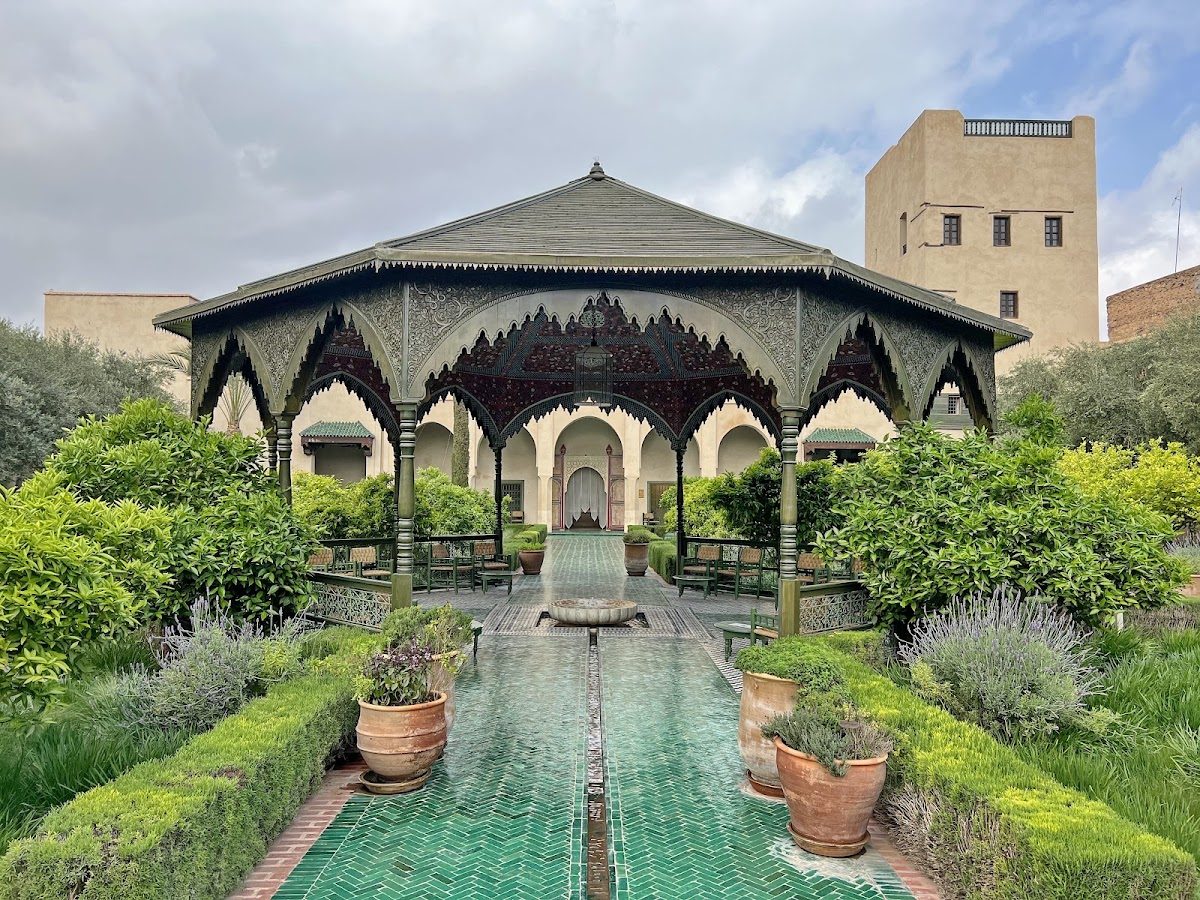
Escape the city’s energy within the serene walls of Le Jardin Secret, a beautifully restored 19th-century riad garden. This tranquil oasis in the Medina features both exotic and Islamic gardens, reflecting centuries of Moroccan garden design principles. The traditional architecture and the peaceful courtyards offer a welcome respite.
Climb the tower for an unparalleled 360-degree view of the sprawling Medina rooftops and, on a clear day, the majestic Atlas Mountains beyond. It’s a fresh perspective on the city’s scale and structure.
4. Taste authentic Moroccan cuisine at Amal Women’s Training Center and Restaurant
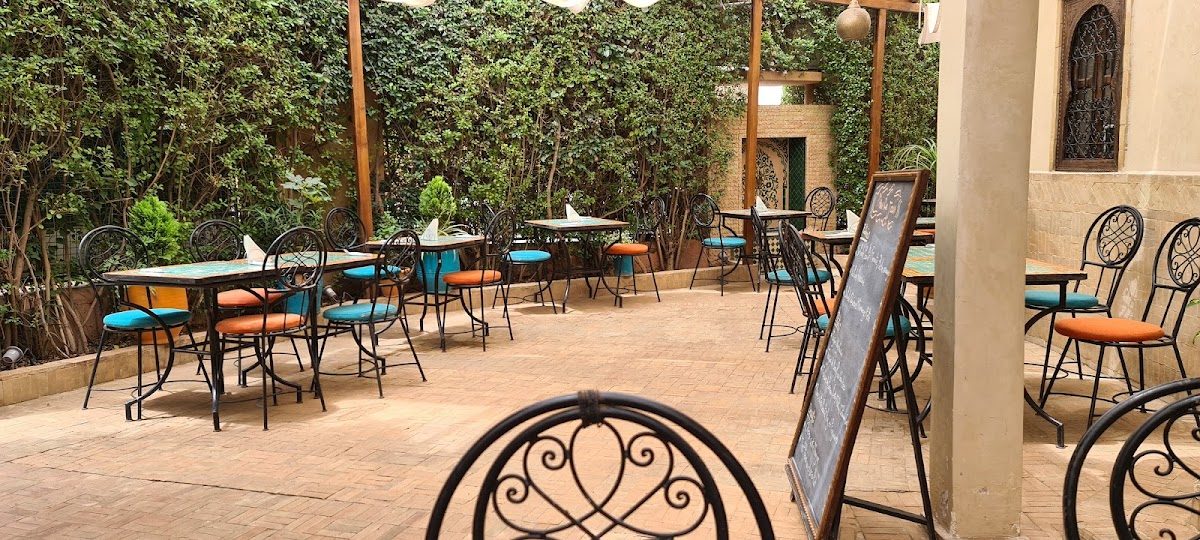
For lunch, head to the Amal Women’s Training Center and Restaurant, a non-profit organization dedicated to empowering disadvantaged Moroccan women through culinary training. This place is not just about a meal; it’s about a mission, and it is a trending destination for ethical tourism. The restaurant serves delicious, authentic Moroccan and international cuisine with a daily changing menu.
The food is genuinely home-style, prepared with care. If your layover falls on a Friday, this is the place to try traditional couscous, a weekly staple that draws a crowd of both locals and visitors. I’ve always found the atmosphere here to be genuinely warm, a real contrast to some of the more performative tourist spots.
5. Witness traditional craftsmanship at Souk Haddadine (Blacksmiths’ Souk)
Dive into the raw energy of traditional Moroccan metalwork at Souk Haddadine, the blacksmiths’ souk. This area is less about selling to tourists and more about the craft itself, offering an authentic glimpse into an age-old trade. The air hums with the rhythmic clang of hammers against metal, and the heat from the furnaces creates a visceral experience.
Here, artisans create everything from elaborate wrought-iron gates to intricate lanterns, using techniques passed down through generations. It is a loud, active space that engages all the senses and reminds you of the enduring craft culture in Marrakech.
6. Explore the grandeur of Bahia Palace
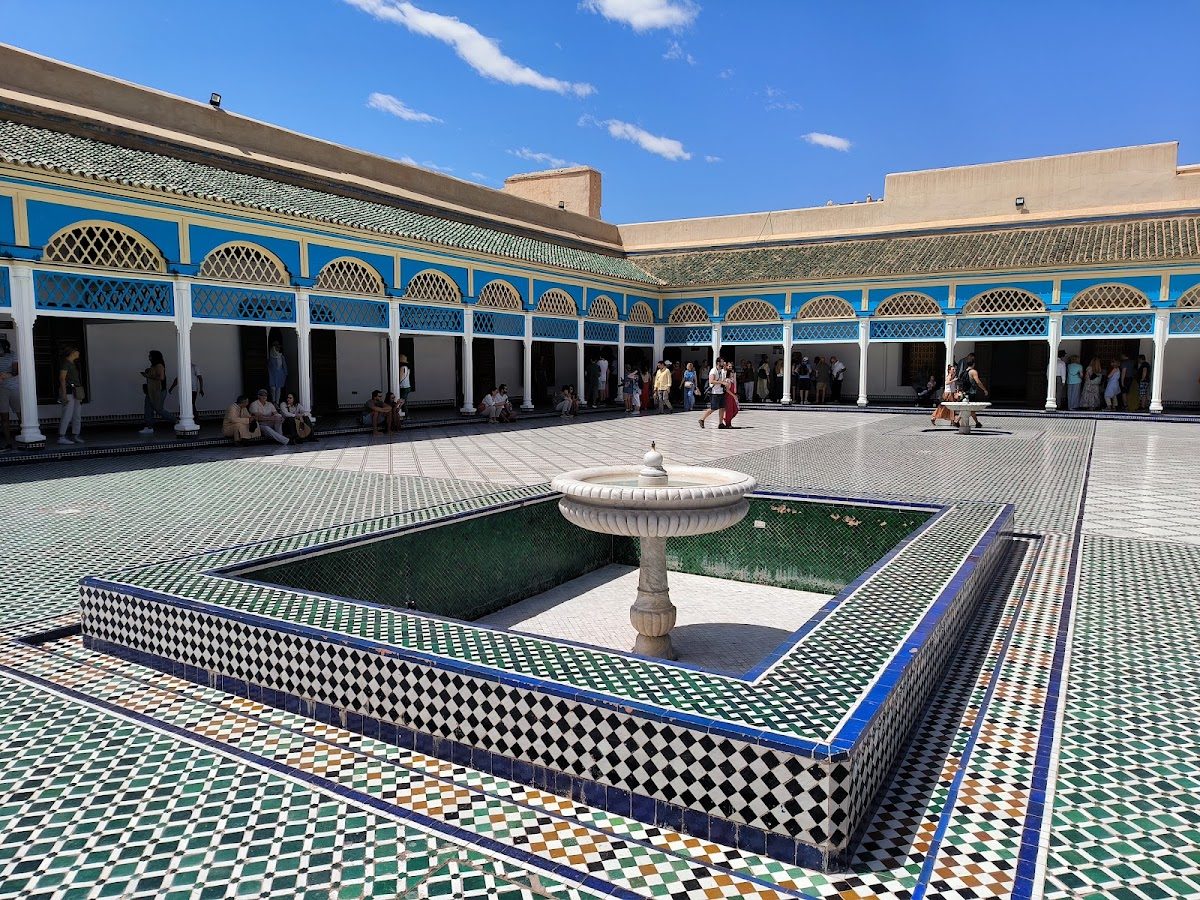
Conclude your layover with a visit to the Bahia Palace, a sprawling 19th-century palace complex renowned for its exquisite Moroccan and Islamic architecture. While popular, arriving later in the afternoon or right at opening allows for a more serene experience of its vast, largely unfurnished rooms. The palace is a testament to decorative artistry, with intricate mosaics, carved cedarwood ceilings, and beautiful courtyards.
The sheer scale and detail of the palace offer a window into the opulent lives of its former inhabitants. It’s a chance to walk through history, appreciating the craftsmanship that defines Moroccan heritage.
Final word
Marrakech, even on a short layover, offers more than just the postcard images. It is a city of layers, where genuine cultural experiences are woven into the daily rhythm of craft, food, and quiet contemplation. Step beyond the immediate and you will find a truly rewarding taste of Morocco.
All practical information was verified at the time of writing. Please confirm opening hours and prices before your visit.