
Busan often gets overlooked for Seoul, but this coastal city holds a distinct charm that is quickly capturing global attention. With Busan’s rising popularity, especially among those searching for Huinnyeoul Culture Village walks and local culinary explorations, a layover here offers a genuine slice of South Korean life away from the capital’s rush. It is a city that rewards those who venture beyond the usual tourist circuit, revealing its quiet corners and vibrant markets.
This guide is for travellers with a 10-hour layover in Busan who want to step out of Gimhae International Airport and experience the city’s unique character. You are looking for an authentic immersion into its culture, food, and coastal beauty, not just a quick stop. This is for those willing to engage with the city on its own terms.
Busan is South Korea’s dynamic second city, a captivating blend of rugged coastal beauty and vibrant urban energy. Unlike the bustling capital, it presents a more relaxed pace, inviting you to explore its unique hillside villages and serene seaside temples. Its defining quality is the way the mountains meet the sea, creating dramatic landscapes and a distinct local culture.
A personal note
Over the years, passing through Busan as cabin crew, I have seen this city reveal its layers. It is not always about grand sights; it is in the small details. The way the smell of fresh seafood from Jagalchi Market mingles with the salty sea air, even early in the morning. Or the quiet climb up the winding paths of a hillside village, only to find a small café with an unexpected view of the ocean. Each visit reaffirms that Busan is a city of contrasts: the raw energy of its markets against the serene calm of its temples, the concrete of the city giving way to dramatic coastlines. It always feels lived-in, authentic.
Before you leave the airport
Storing your luggage
Leaving your bags at the airport is the most practical choice for a short layover in Busan. Both terminals offer convenient options.
- CJ Korea Express Baggage Storage
- Location: Gimhae International Airport (PUS) – International Terminal, 2nd Floor & Domestic Terminal, 2nd Floor
- Price: 5,000 – 10,000 KRW per item per 24 hours
- Hours: International Terminal: 6:00 AM – 9:00 PM; Domestic Terminal: 8:30 AM – 8:30 PM
- Tip: Check which terminal you arrive and depart from to choose the most convenient storage.
If you prefer to drop your bags closer to the city centre, consider Radical Storage:
- Radical Storage
- Location: Nampo-dong area (near Nampo Subway Station)
- Price: From 2,900 KRW per day
- Hours: Flexible, many locations offer extended or 24/7 access
- Tip: Book via their app or website. This option works well if your activities are concentrated around Nampo-dong.
Do you need cash?
While credit cards are widely accepted in Busan, carrying some Korean Won (KRW) cash is essential for certain transactions. Public transportation, especially topping up a T-money card for subway and bus use, typically requires cash at convenience stores like CU or GS25. Smaller street food vendors and traditional market stalls may also prefer or only accept cash. ATMs are available, but be aware that some may charge fees for foreign cards.
10 hours in Busan: what to do
1. Immerse yourself in the sensory overload of Jagalchi Fish Market
Step into the heart of Busan’s port-city energy at Jagalchi Fish Market, Korea’s largest seafood market. The air hums with the calls of vendors and the fresh scent of the sea, a vibrant spectacle that immediately grounds you in the local rhythm. You will see everything from live octopus to massive king crabs in tanks.
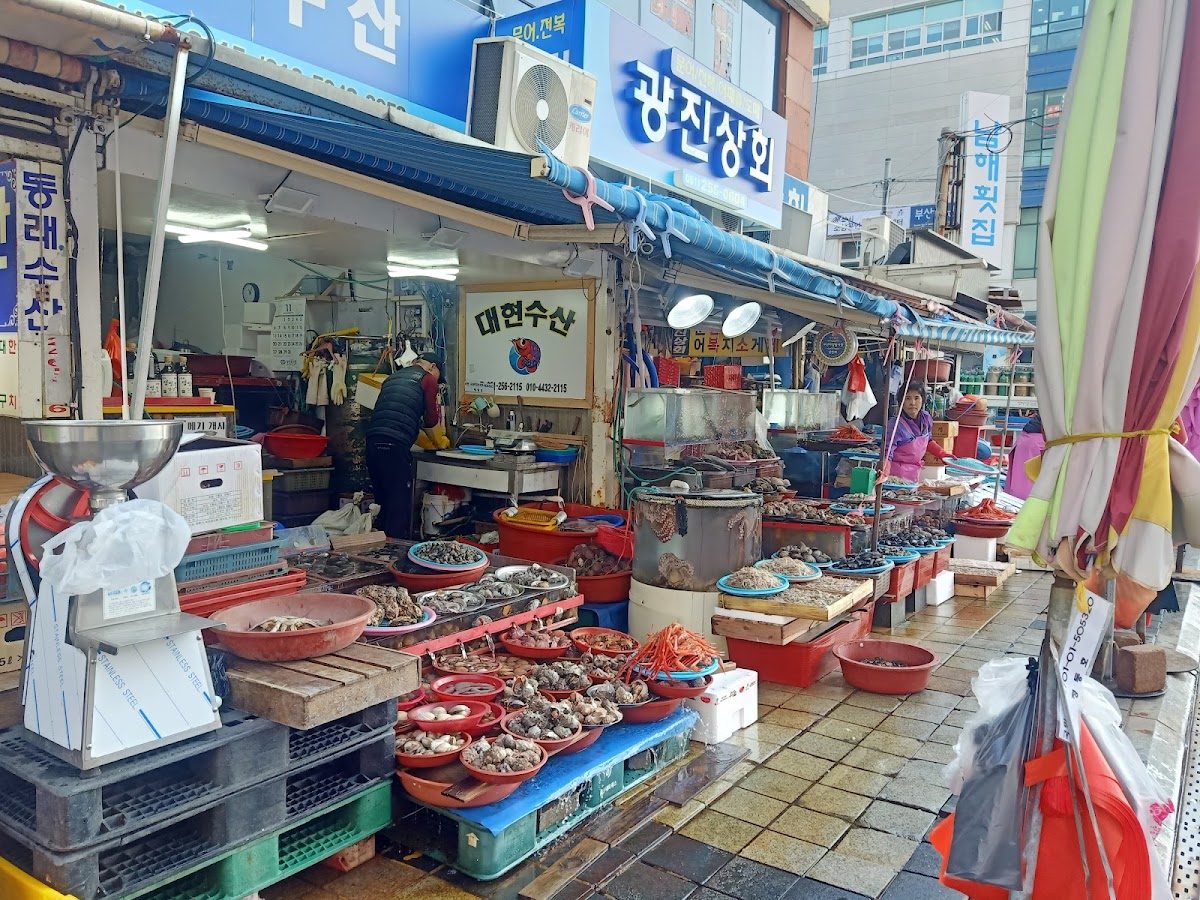
On the ground floor, you can pick your preferred catch directly from the bustling stalls. Head upstairs, and a restaurant will prepare it hoe (raw fish) style with spicy sauces, or steamed, grilled, or fried, right before your eyes. It is an honest, unvarnished look at Busan’s culinary soul.
This market is a fantastic starting point for your layover, giving you an immediate, tangible connection to the city’s identity as a major port. It is about more than just food; it is about the living culture of the place.
2. Explore the interconnected alleys of Gukje Market & Bupyeong Kkangtong Market
Just a short walk from the seafood market, you will find yourself in a labyrinth of traditional stalls at Gukje Market and its adjacent Bupyeong Kkangtong Market. These are not simply places to buy things; they are historical canvases, with Gukje Market retaining the charm of post-war family businesses. You will find everything from traditional ceramics and wood carvings to vintage goods.
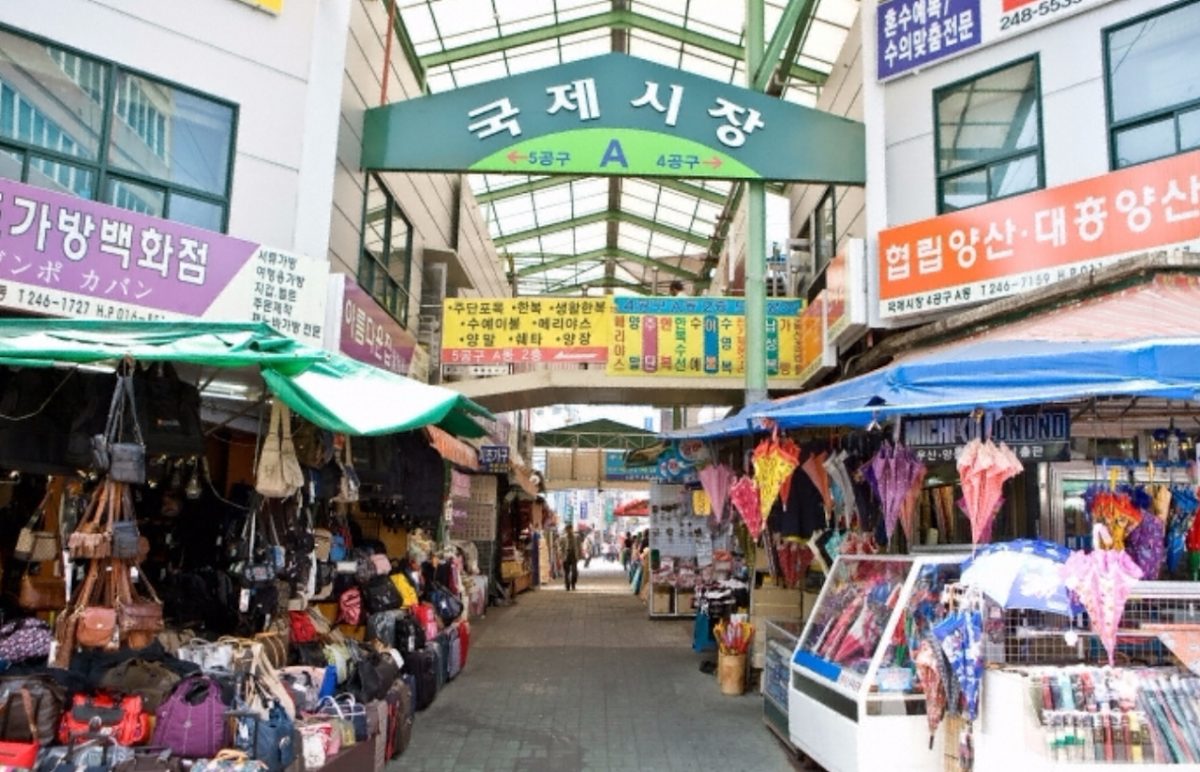
Kkangtong Market, meanwhile, offers a more retro shopping experience, particularly lively in the evening with its diverse street food. Wander through the narrow aisles, letting the sheer variety of goods and the local chatter envelop you. It is easy to lose track of time simply observing the daily commerce.
This pair of markets offers a stark contrast to the modern cityscape, providing a glimpse into Busan’s enduring mercantile spirit. It is a place where you can find unique, handmade souvenirs that tell a story.
3. Wander the colourful lanes of Huinnyeoul Culture Village
This charming hillside village, a trending search term for Busan visitors, has undergone a remarkable transformation from a wartime refuge to a vibrant art village. Its colourful murals, sculptures, and winding alleyways create a captivating atmosphere. The coastal walk here offers truly breathtaking sea views, a refreshing contrast to the market’s energy.
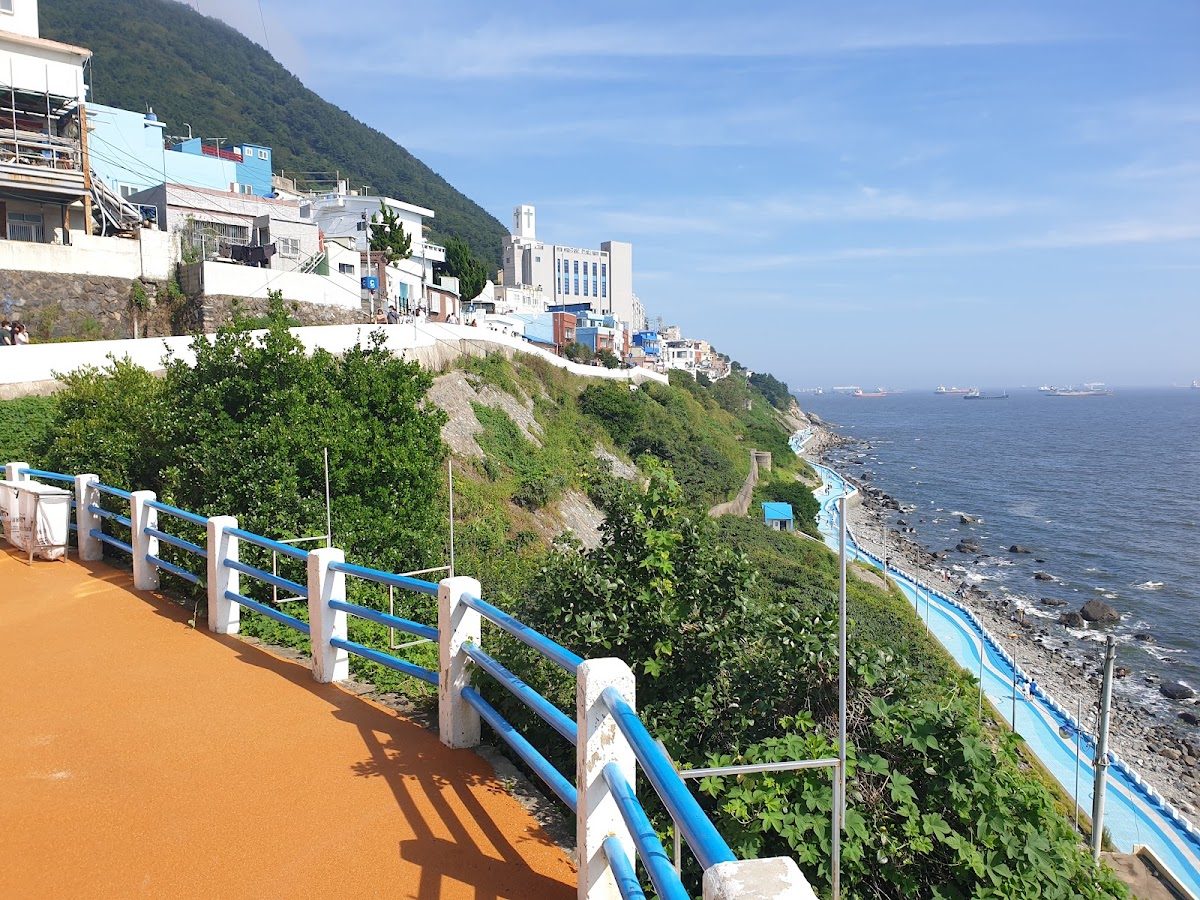
As you ascend, you will discover hidden staircases and small, independent cafes tucked into the village, many offering unparalleled ocean vistas. It feels more authentic and less overtly touristy than some other cultural villages in Korea, allowing for a more reflective experience. I remember the quiet hum of the sea as I walked these paths one afternoon, feeling a sense of calm distinct from the city below.
Visiting Huinnyeoul provides a unique insight into a resilient community that has redefined itself through art and culture. It is a perfect spot for appreciating Busan’s natural beauty and artistic spirit.
Final word
Busan, even on a 10-hour layover, offers a rich experience beyond the airport lounge. Its blend of traditional markets, artistic hillside villages, and compelling coastal views provides a genuine taste of South Korean culture. You can really get a sense of its unique rhythm and character, leaving with more than just a memory of transit.
Please note: all practical information was verified at the time of writing. Always confirm opening hours and prices before you go.