
Kolkata is not a city that reveals itself easily, especially if you stick to the typical tourist circuits. But with 12 hours here, you can dive deep into its cultural heart, moving beyond the grand colonial facades to discover the city’s authentic rhythms and artisanal spirit. Recent searches for “Kolkata offbeat cultural experiences” and the increasing interest in destinations like Kumartuli show a clear shift towards seeking out these genuine encounters.
This guide is for the traveller with 12 hours in Kolkata who wants to experience the city’s unique cultural pulse, exploring traditional crafts, historic markets, and authentic local life away from the airport.
Kolkata, often called the “City of Joy,” blends a rich colonial past with a dynamic contemporary culture, standing apart with its deep intellectual traditions and an incredible street food scene.
A personal note
Over many years of layovers through Kolkata, I have learned that the city thrives on its own schedule. The mornings are for markets and street food, a sensory overload under the Howrah Bridge as vendors arrange their blooms or the scent of Chinese breakfast fills Tiretta Bazaar. As the day progresses, the focus shifts to the quieter, dedicated spaces — the intellectual hum of College Street, the careful craft of Kumartuli‘s artisans, or the deliberate pace of a heritage tram ride. It is in these transitions, watching the city shift gears, that you truly begin to feel its pulse.
Before you leave the airport
Storing your luggage
Netaji Subhash Chandra Bose International Airport (CCU) offers a Left Luggage Facility conveniently located at the Arrivals, Counter 18 (near Gate 3C) or at the Airport Manager’s office in Departures, also near Gate 3C. The cost is ₹20 per bag for up to 24 hours, increasing to ₹40 per bag per day beyond that. Your luggage will be X-rayed and may be subject to random hand searches.
Do you need cash?
Yes, cash is highly recommended in Kolkata, especially for street food, local markets, and smaller shops, as foreign credit cards can sometimes face processing issues. While contactless payments are becoming more widespread, it is always wise to carry a good amount of Indian Rupees. You can withdraw cash from ATMs at the airport upon arrival or at various bank branches throughout the city.
12 hours in Kolkata: what to do
1. Start with an authentic Chinese breakfast at Tiretta Bazaar
Kolkata’s historic Chinatown comes alive in the early hours, offering a truly authentic culinary experience. Here, Indo-Chinese families serve traditional breakfast items from roadside stalls, a scene that feels almost frozen in time.
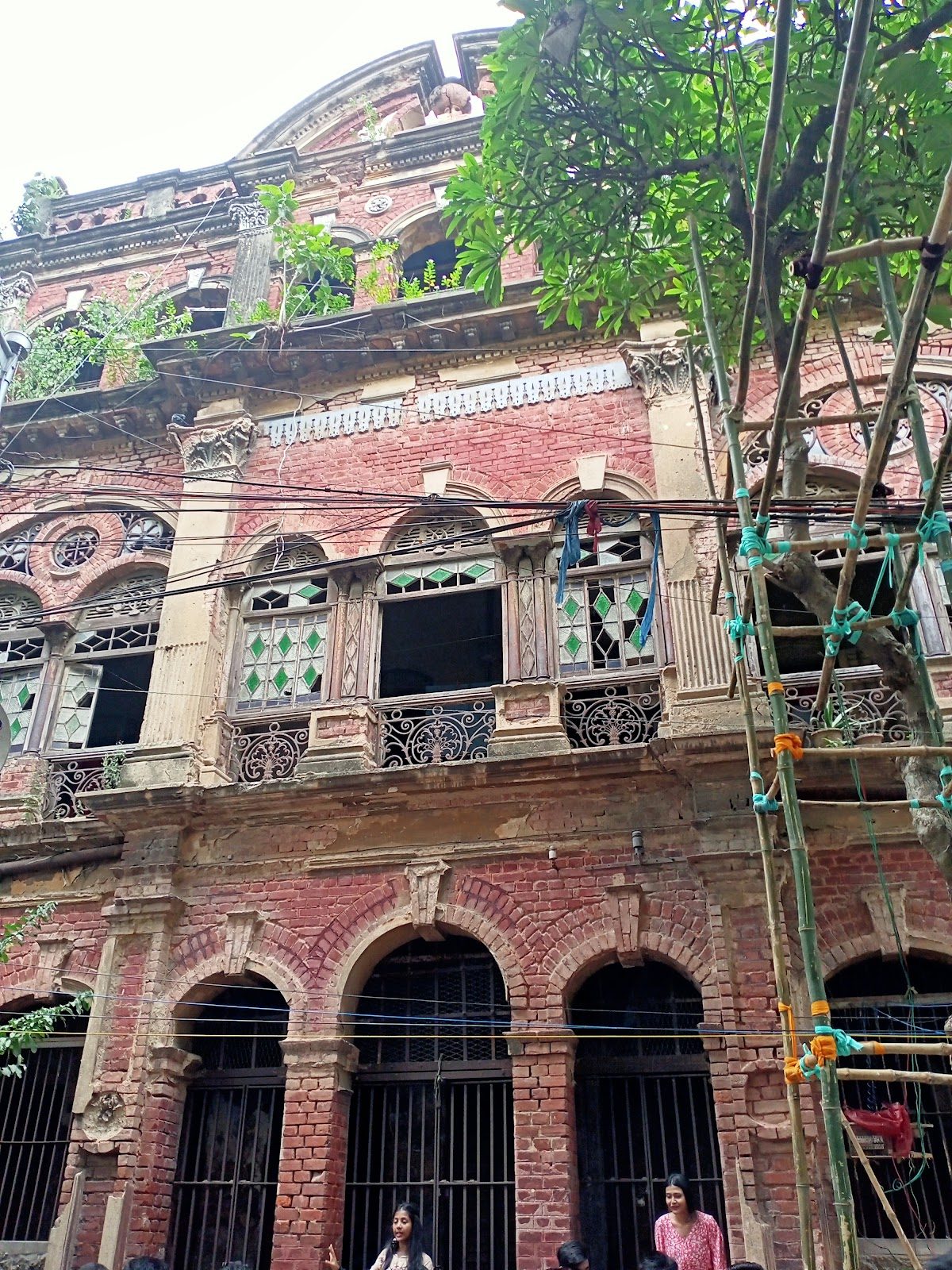
You can find delicious momos, steamed baos, and warming wonton soup, all prepared with generations of culinary heritage. This market operates for only a few hours each morning, making it a fleeting yet memorable experience.
2. Witness the artisans at work in Kumartuli
Step into Kumartuli, a unique artisan village where skilled potters and sculptors meticulously craft intricate clay idols. This is primarily for the Durga Puja festival, but the workshops are active year-round.
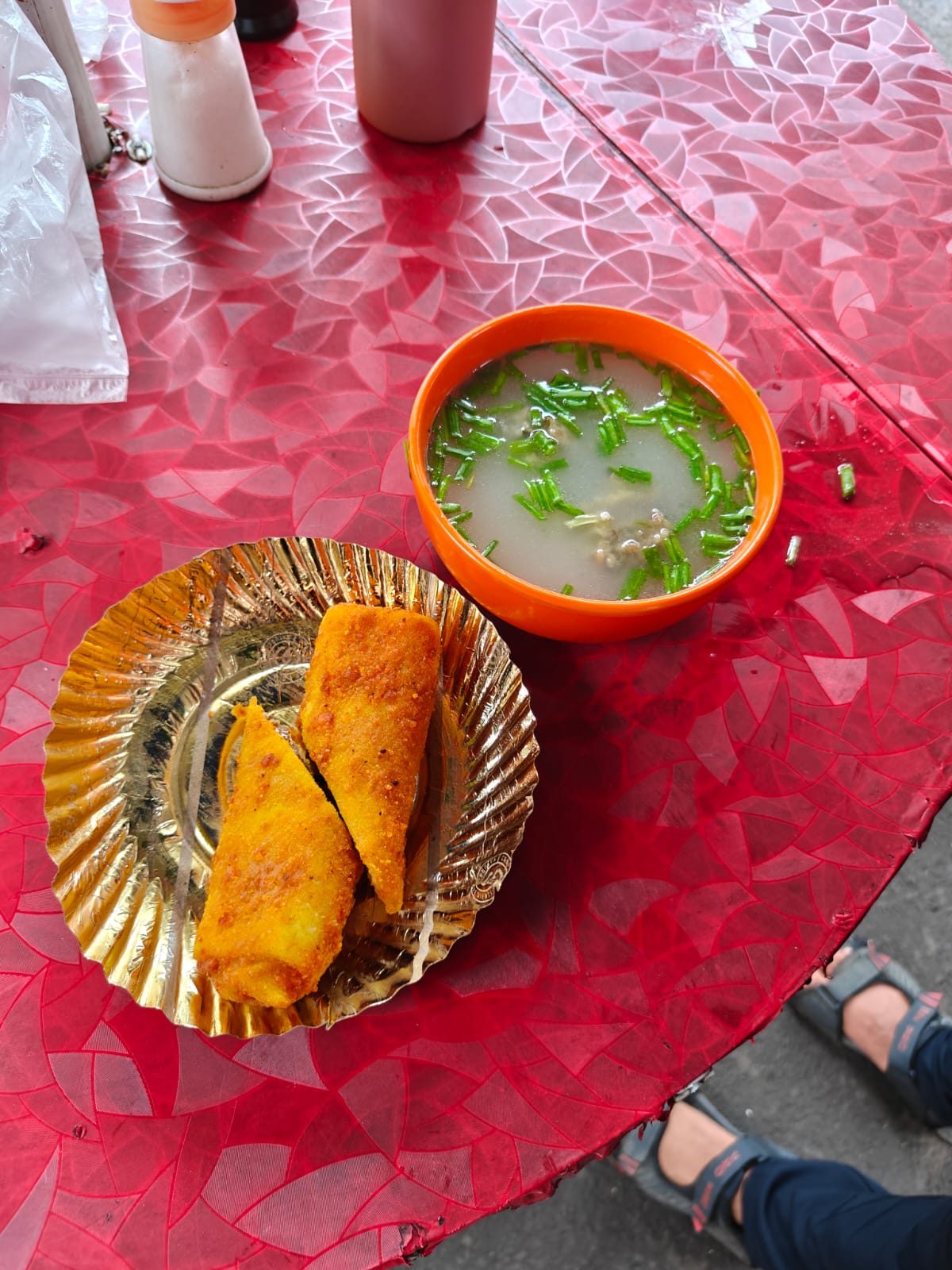
Witnessing the idol-making process firsthand offers a deeply immersive cultural experience, away from the typical tourist crowds. You can observe artists shaping the clay, adding details, and bringing the deities to life.
3. Experience the sensory explosion of Mallick Ghat Flower Market
Located dramatically under the iconic Howrah Bridge, Mallick Ghat Flower Market is one of Asia’s largest and oldest. It is a true sensory explosion of colours, fragrances, and bustling activity.
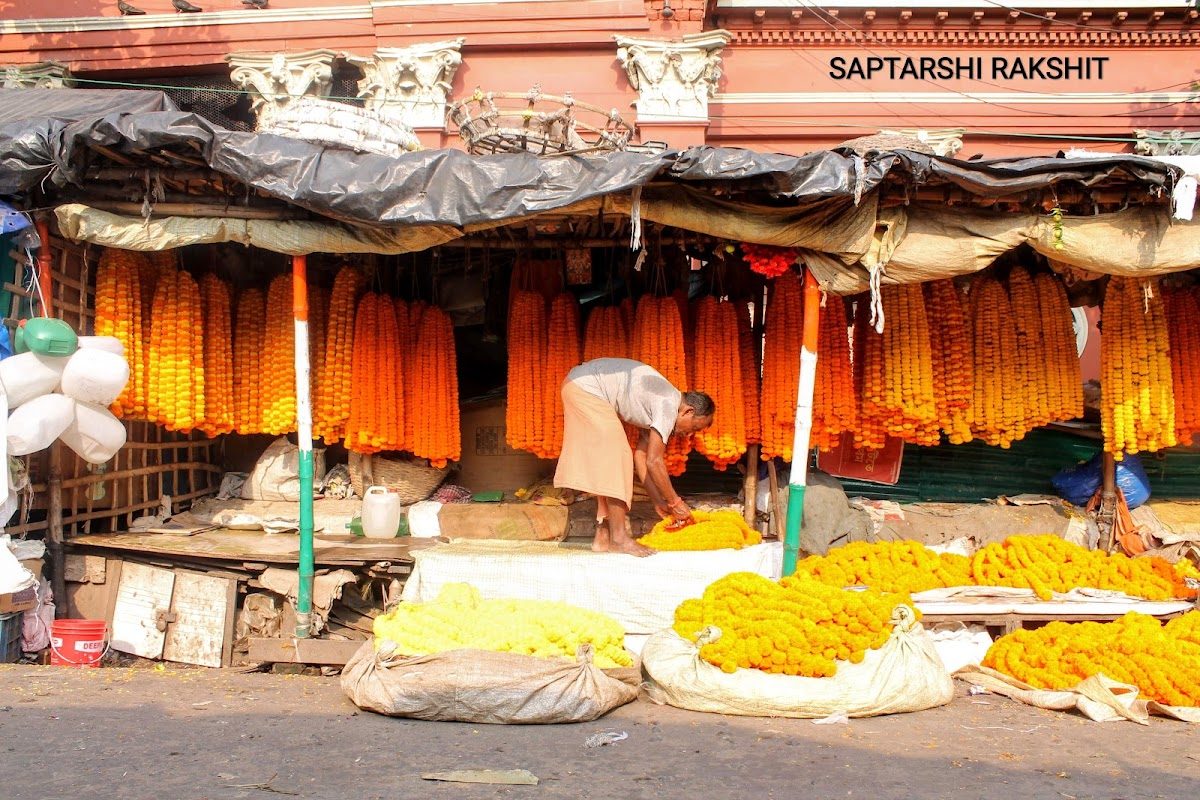
Here, vendors arrange vast piles of marigolds, roses, and other blooms, ready for daily worship and celebrations. The energy and visual chaos offer incredible photography opportunities and a glimpse into daily life.
4. Explore the intellectual hub of College Street and Indian Coffee House
Delve into College Street, Asia’s largest second-hand book market, a labyrinth of stalls offering everything from rare editions to academic texts. It is a place where scholars and students alike hunt for treasures.
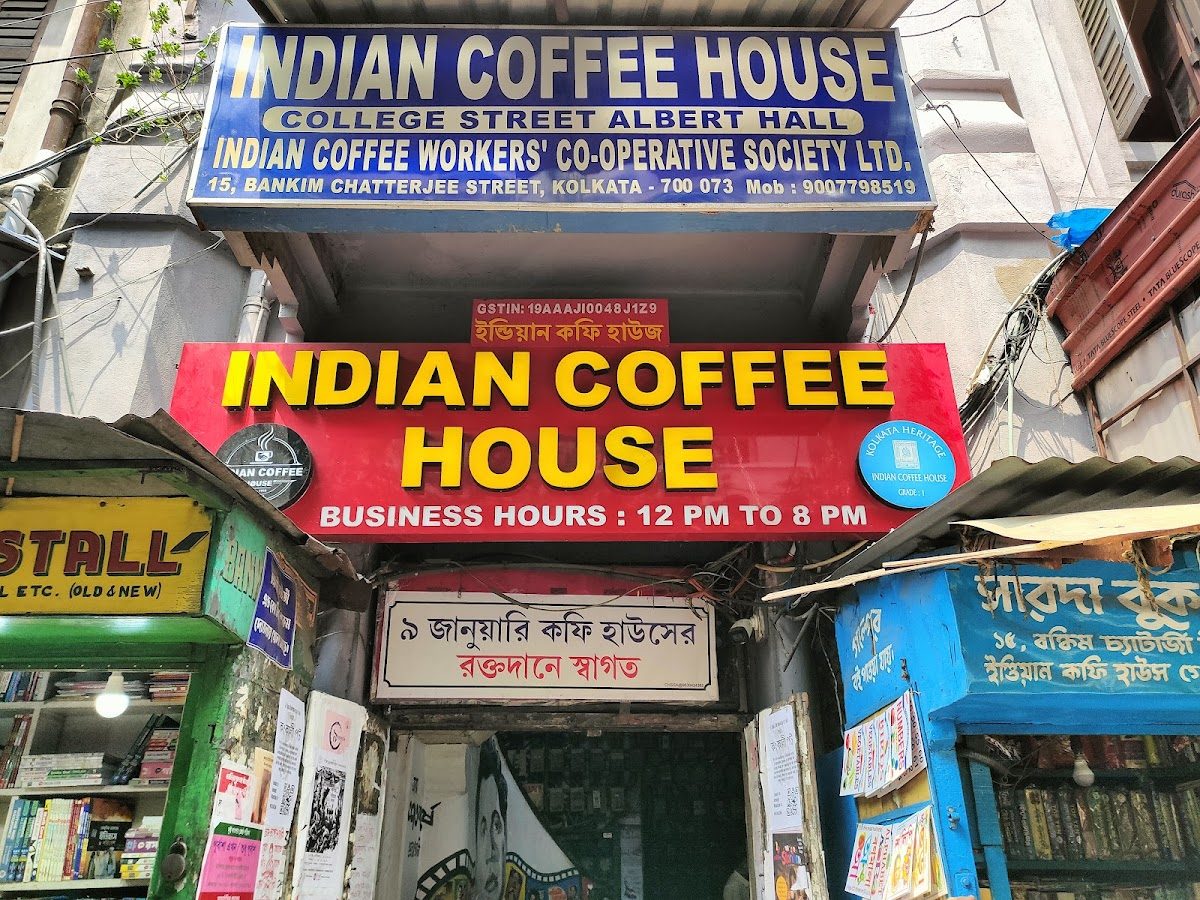
Afterwards, step into the legendary Indian Coffee House, a historic intellectual hub where generations of artists and thinkers have gathered. The high ceilings and worn furniture tell stories of countless debates. Last time I was here, a student was reciting poetry by the window; the atmosphere encourages you to linger.
5. Take a ride on the Kolkata Heritage Tram
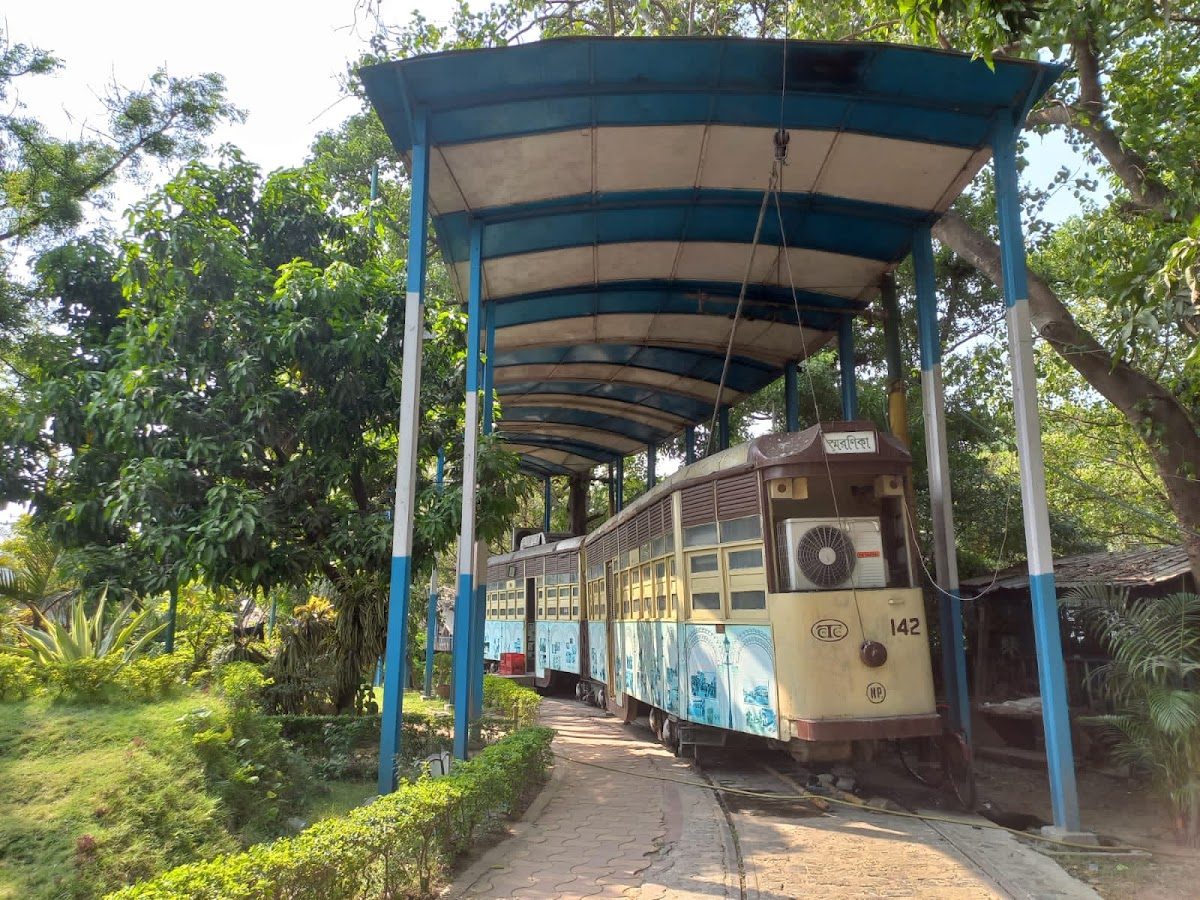
Embark on a journey through time aboard Asia’s oldest operating electric tram system. This slow-paced ride offers a unique perspective of Kolkata’s colonial-era neighbourhoods and bustling markets.
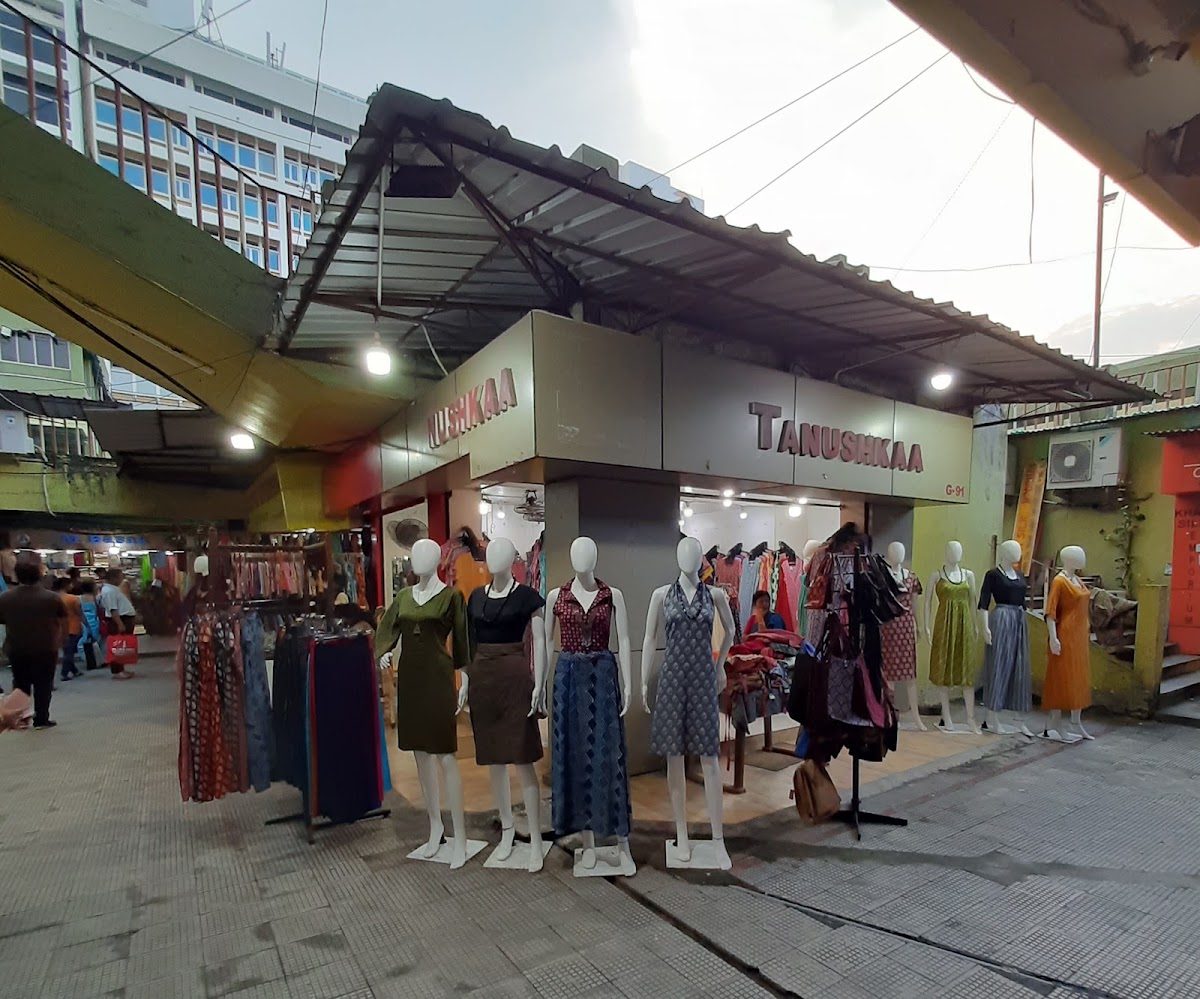
It is an unconventional way to experience the city’s charm, allowing you to observe daily life from a different vantage point. The rhythmic clang and gentle sway of the tram are a calming contrast to the city’s usual pace.
6. Savor authentic Bengali cuisine at Kewpie’s Kitchen
For a taste of refined, homestyle Bengali cuisine, head to Kewpie’s Kitchen. This restaurant is celebrated for its delicately flavoured dishes and offers a true taste of Bengal’s culinary heritage.
The thalis here are a popular way to sample a variety of regional specialties, allowing you to experience different curries, vegetables, and rice preparations in one meal. It is a chance to move beyond street food and appreciate the subtleties of Bengali cooking.
Final word
Kolkata on a layover is not about ticking off landmarks; it is about immersing yourself in the city’s unique rhythms. This city offers a layered cultural experience that feels deeply authentic, connecting you to its past and present in ways that other major hubs often cannot.
All information was verified at the time of writing. Please confirm opening hours and prices before your visit.