
There is a quiet revolution happening in Pakistan’s tourism sector, and Karachi, the sprawling metropolis on the Arabian Sea, is leading the charge with its vibrant food scene and rich cultural tapestry. For too long, travellers have seen Jinnah International Airport (KHI) as a transit point, but recent rising searches for Karachi tourism suggest a growing curiosity about what lies beyond the terminal, especially its famous Burns Road Food Street.
This guide is for those with an 8-hour layover in Karachi who are keen to experience the city’s pulse and step beyond the airport lounge. It is for the traveller who prefers the authentic chaos of a local market and the genuine flavours of street food over polished tourist traps.
Karachi, often called the ‘City of Lights‘, is Pakistan’s largest city, a dynamic blend of colonial history, modern commerce, and diverse coastal culture. Its neighbourhoods, from the bustling bazaars of Saddar to the more genteel Clifton, offer a cross-section of Pakistani urban life.
A personal note on Karachi
I have had my share of layovers in Karachi over the years, mostly as a cabin crew member. The city always felt like a waking giant, especially as the morning light hit the old colonial buildings in Saddar, or the evening rush began, transforming the streets into a symphony of horns and human voices. I remember the pervasive scent of spices and exhaust fumes, the friendly nods from vendors, and how the city seemed to shift gears from the quiet pre-dawn hours to the full-throttle energy of midday, a pattern I came to recognise across many South Asian hubs.
Before you leave the airport
Storing your luggage
For secure and flexible luggage storage, consider Eelway Luggage Storage Network. They partner with various shops and hotels across Karachi, and you can book online. Expect to pay approximately PKR 2800 per bag per day, with most locations offering 24/7 access.
Jinnah International Airport (KHI) also has an official Left-Luggage Facility inside the terminal. While specific daily rates are not clearly published, it is open 24 hours. Porters are available for a fee, typically PKR 100-200.
Do you need cash?
Yes, Karachi operates predominantly as a cash economy, and it is essential for almost all transactions outside of major hotels. You will need cash for street food, local eateries (dhabas), markets like Zainab Market, rickshaws, taxis, and small shops. Even ride-hailing apps like Careem often default to cash payments.
ATMs are widely available and accept international Visa and Mastercard. For currency exchange, licensed money changers such as Habib Qatar or Wall Street Exchange usually offer better rates than banks. It is advisable to carry around PKR 10,000–20,000 for an 8-hour layover to cover food, transport, and a bit of shopping. There are also currency exchange counters in both Arrivals and Departures at KHI.
8 hours in Karachi: what to do
1. Dive into the flavours of Burns Road Food Street
Burns Road Food Street is the culinary heart of Karachi, a place where generations-old recipes are perfected in a vibrant, chaotic atmosphere. This iconic street offers an explosion of authentic Pakistani flavours, from sizzling kebabs to rich nihari.
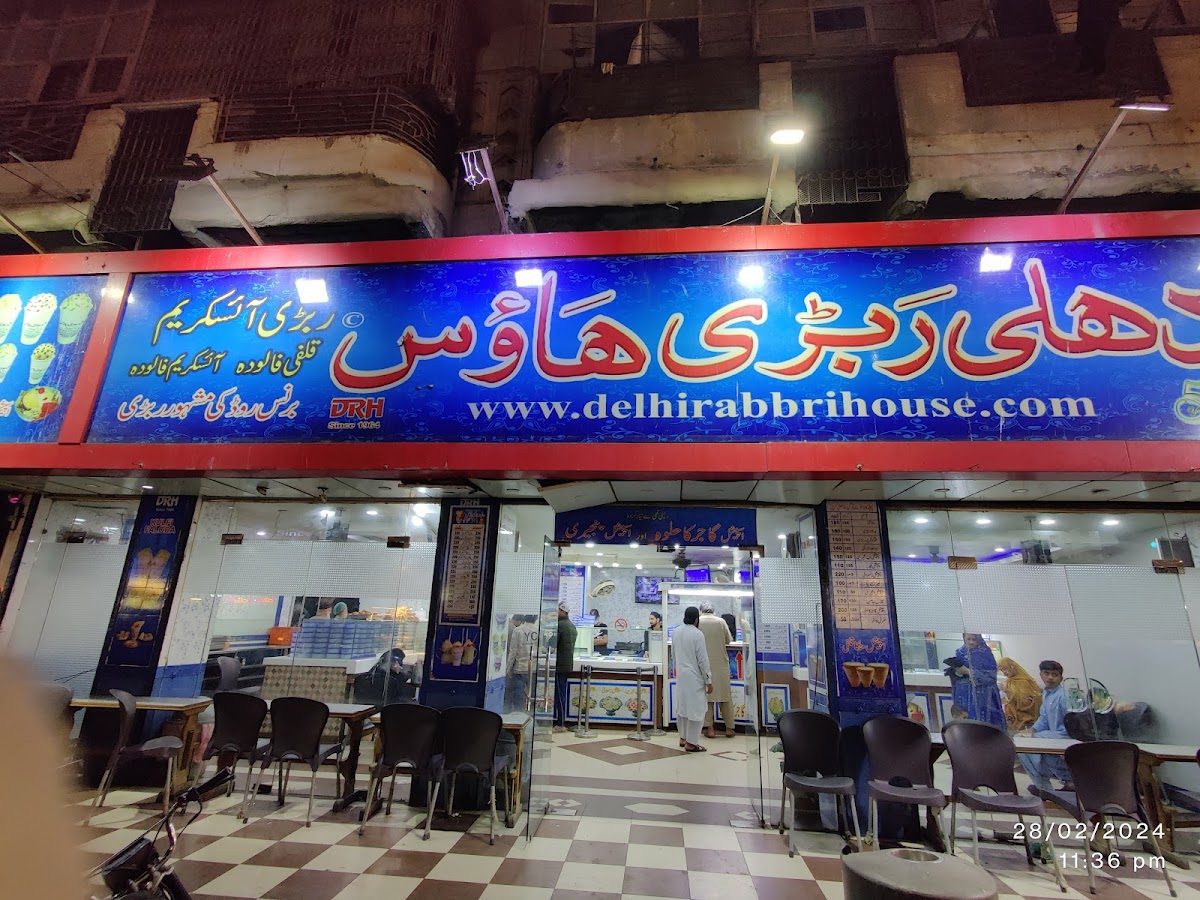
Here, you will find vendors expertly preparing spicy bun kebabs and sweet rabri, dishes that define Karachi’s street food scene. It is a genuine experience, where eating standing or at simple roadside stalls is part of the charm. This is why it is consistently trending in searches for “Karachi food streets.”
This street is a must-visit for a quick and impactful immersion into local culture and taste, delivering a punch of authenticity you won’t find anywhere else.
2. Explore local crafts at Zainab Market
Zainab Market is a bustling hub for local shopping and traditional handicrafts, offering a wide array of products that reflect Pakistan’s diverse craftsmanship. From textiles and apparel to leather goods, jewellery, and souvenirs, there is something for every taste.
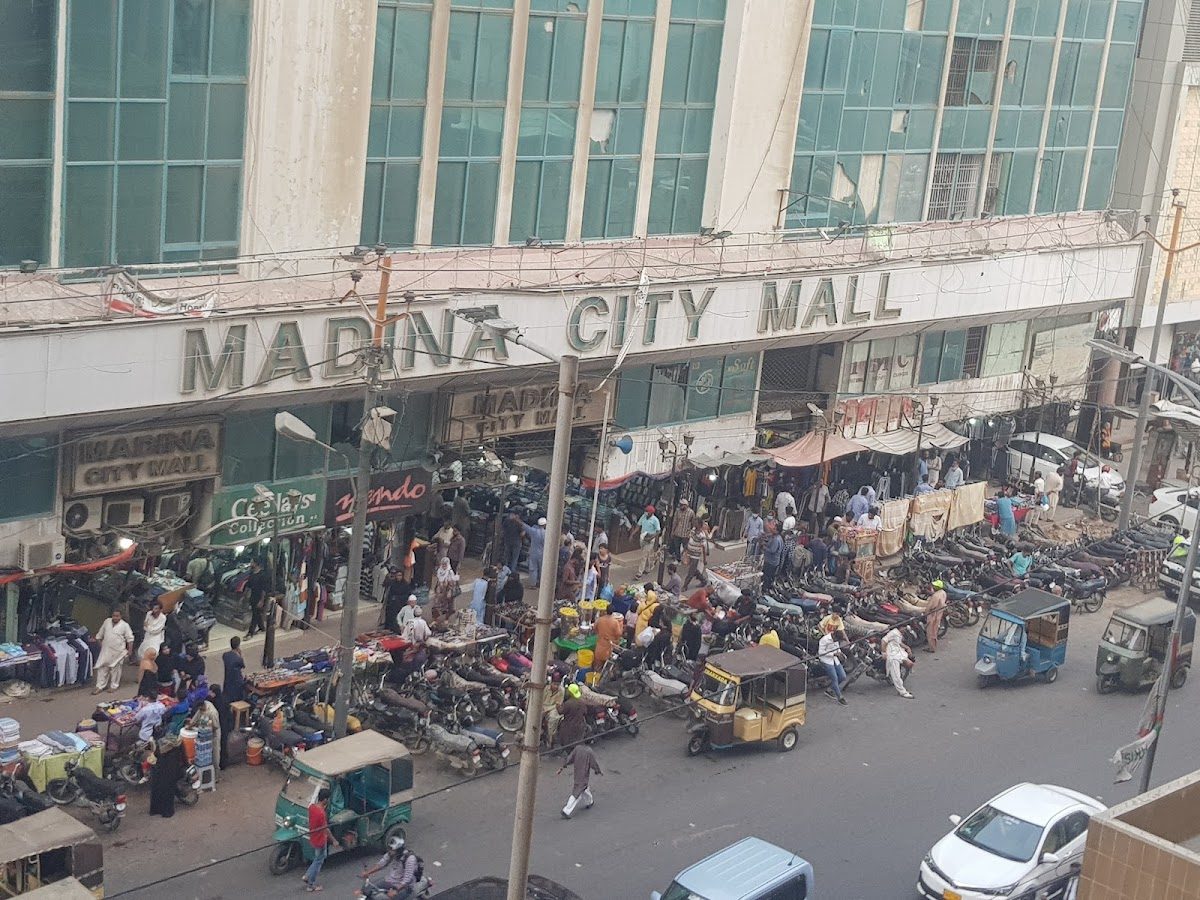
Bargaining is not just expected here; it is part of the experience. You can find unique items like wood, copper, and marble work, making it a great place to pick up authentic gifts. Last time I was here, I spent a good hour just watching a craftsman engrave a copper plate, the precision was incredible.
This market provides a quick insight into Karachi’s local economy and artisan traditions, perfect for a layover where you want to feel the city’s pulse.
3. Step back in time at Mohatta Palace Museum
The Mohatta Palace Museum, built in 1927, is an architectural marvel blending Mughal, Rajasthani, and Islamic styles. Its facade of pink Jodhpur and yellow Gizri stone, intricate carvings, and serene gardens offer a glimpse into a bygone era.
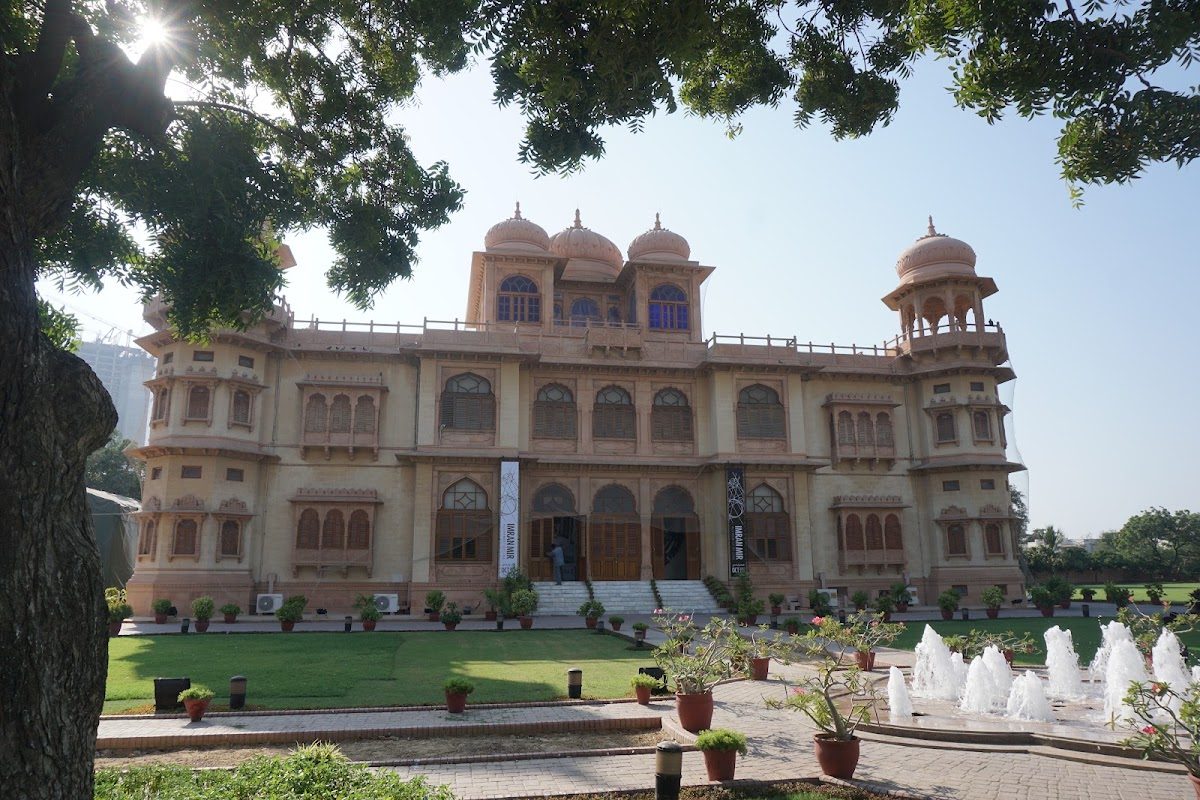
This stunning palace now serves as a museum dedicated to the arts and culture of Pakistan, hosting rotating exhibitions. The quiet elegance here offers a stark contrast to the city’s lively streets, much like some of the heritage spots you find in 6 Hours in Sharjah: Emirati Heritage & Street Food Beyond the Airport.
It is an ideal stop for a moment of calm and cultural appreciation, showcasing Pakistan’s rich artistic legacy within a relatively short visit.
4. Discover history at Wazir Mansion (Quaid-e-Azam Birthplace Museum)
Wazir Mansion is a preserved 19th-century family home revered as the birthplace of Muhammad Ali Jinnah, the founder of Pakistan. Now a museum and national archive, it offers a poignant journey through his early life.
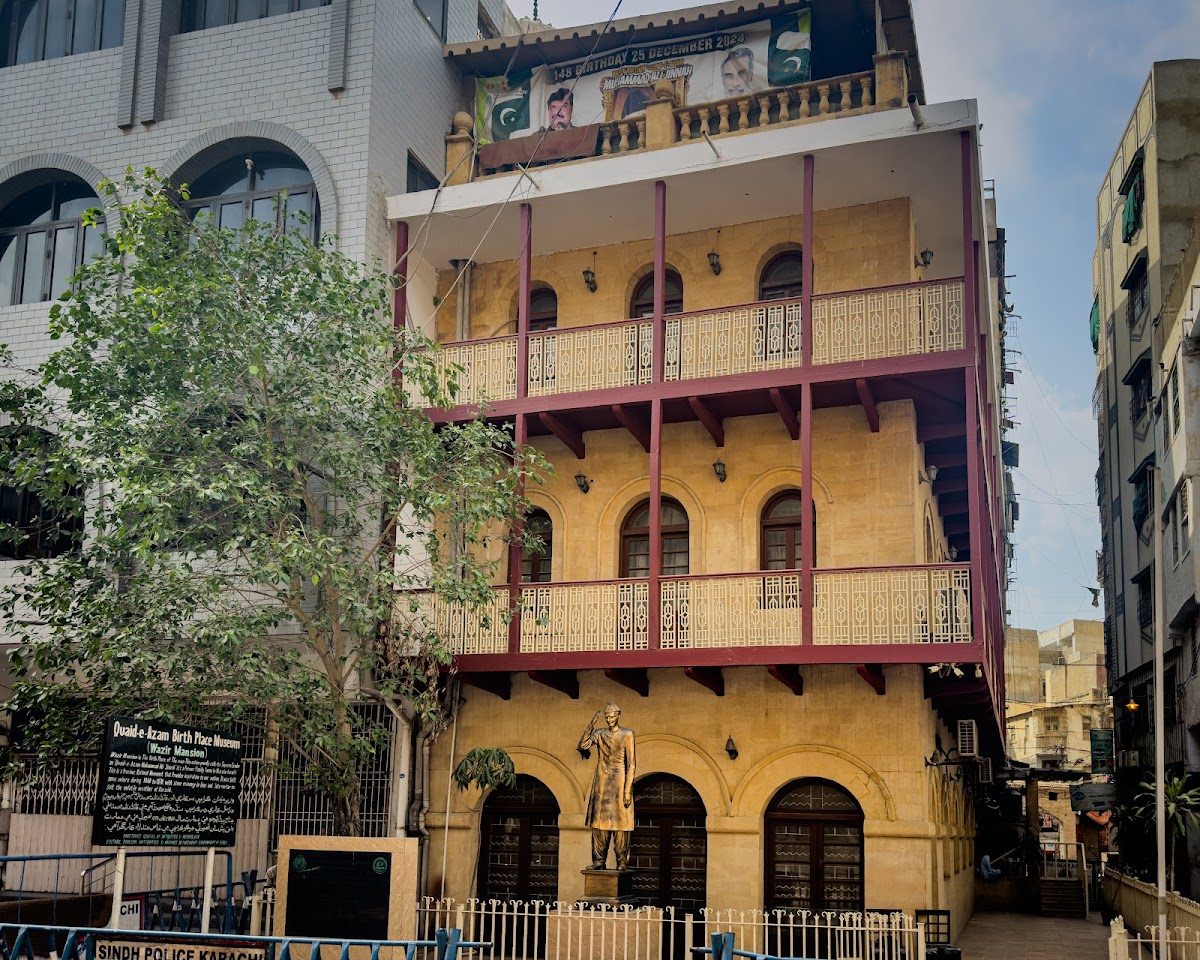
The exhibits include personal artefacts and historical photographs, providing deep insights into the origins of the nation. It is a humble yet profoundly significant site, offering a quiet moment of reflection on Pakistan’s foundation.
This stop provides a crucial historical context for Pakistan, making it a meaningful addition to a layover that seeks more than just surface-level experiences.
5. Find artisan treasures at Karachi Haat Crafts Centre
The Karachi Haat Crafts Centre is an open-air crafts market designed like a rural bazaar, showcasing indigenous Sindhi art and heritage. It provides a vital platform for artisans from across Sindh to display and sell traditional crafts.
Here, you can find authentic Ajrak textiles, Hala pottery, Sindhi caps, and hand-woven baskets, connecting directly with the craftspeople. This focus on traditional craftsmanship is similar to what you might find in 12 Hours in Tashkent: Silk Road Flavors & Hands-On Uzbek Culture.
This market offers a unique shopping experience where you can support local artisans and take home a piece of Pakistan’s rich cultural heritage.
Final word
Karachi on an 8-hour layover is not about seeing everything, but about feeling the city’s pulse — the organised chaos, the warmth of its people, and the explosion of flavours. This guide helps you peel back the layers of this often-overlooked hub, offering a taste of authentic Pakistan that most travellers miss.
Please note: All information on hours and prices was verified at the time of writing. Confirm details before your visit.