
This guide is for independent travellers with a 12-hour layover in Dubai, looking to step beyond the airport’s luxury and experience the city’s blend of heritage and modern life. It focuses on cultural immersion and authentic local experiences, steering clear of typical tourist traps.
Dubai International Airport (DXB) is one of the world’s busiest international hubs, making layovers here a common reality for those connecting between Europe, Asia, and Africa. Instead of staying within the terminal, a 12-hour window offers enough time to dip into the city’s historic heart and sample its distinct character.
Dubai is a city of striking contrasts. Futuristic skyscrapers rise from ancient desert sands, and traditional souks thrive alongside luxury malls. It’s a global crossroads that has meticulously preserved its rich Emirati heritage while embracing innovation and diverse cultures, offering a unique blend of old-world charm and cutting-edge modernity.
A personal note
My first few layovers in Dubai were spent mostly in the airport, or on quick, sanitised tours. It was easy to get caught up in the idea of the new, the biggest, the fastest. But after enough trips, a colleague pointed me towards the older parts of the city, away from the glittering towers. I remember finding a small eatery serving Machboos, spiced rice with tender meat, and the simple, crispy Regag crepes from a street vendor. These were the flavours that stayed with me, far more than any truffle-drizzled Fried Fish Sando I might have found in a contemporary café. It was in these smaller moments that Dubai started to feel less like a transit point and more like a city with a story.
Before you leave the airport
Storing your luggage
Leaving your bags at the airport is essential for a comfortable layover. Here are the options available:
- dnata Baggage Services (Terminal 1): Located on the Arrival level, near Boots Pharmacy and Etisalat. AED 40 for standard luggage (up to 12 hours), AED 50 for large/valuable luggage (up to 12 hours). Open 24/7. Standard luggage maximum dimensions: 21 x 24 x 11 inches.
- dnata Baggage Services (Terminal 2): Located on the Arrival level. AED 40 for standard luggage (up to 12 hours), AED 50 for large/valuable luggage (up to 12 hours). Open 24/7. Standard luggage maximum dimensions: 21 x 24 x 11 inches.
- Emirates Left Luggage (Terminal 3): Located on the Arrival level, near Exit 1, behind Boots Pharmacy. AED 35 for standard luggage (up to 12 hours), AED 40 for large/valuable luggage (up to 12 hours). Open 24/7. Terminal 3 primarily serves Emirates airline passengers. Standard luggage maximum dimensions: 21 x 24 x 11 inches.
Do you need cash?
While digital payments are widely accepted in Dubai, carrying AED 100-200 in cash is advisable for a layover. Cash is particularly useful for transactions in traditional markets (souks), small eateries, street food vendors, and for tipping taxi drivers or service staff. ATMs are readily available throughout the city and at the airport. For currency exchange, avoid airport bureaus for large amounts as rates are often less favorable; instead, look for licensed exchange houses like Al Ansari Exchange, UAE Exchange, Lulu Exchange, or Al Fardan Exchange in areas like Deira, Bur Dubai, or major malls. Always pay and tip in UAE Dirhams for the best experience.
12 hours in Dubai: what to do
1. Wander through Dubai’s historical heart at Al Fahidi
Step back in time to Dubai’s oldest heritage site, the Al Fahidi Historical Neighbourhood, also known as Al Bastakiya. This labyrinth of narrow alleyways showcases traditional wind-tower architecture, offering a tangible connection to the city’s past before the rise of the skyscrapers. It is a serene escape, where the quiet courtyards and intricate doorways invite you to slow down and observe.
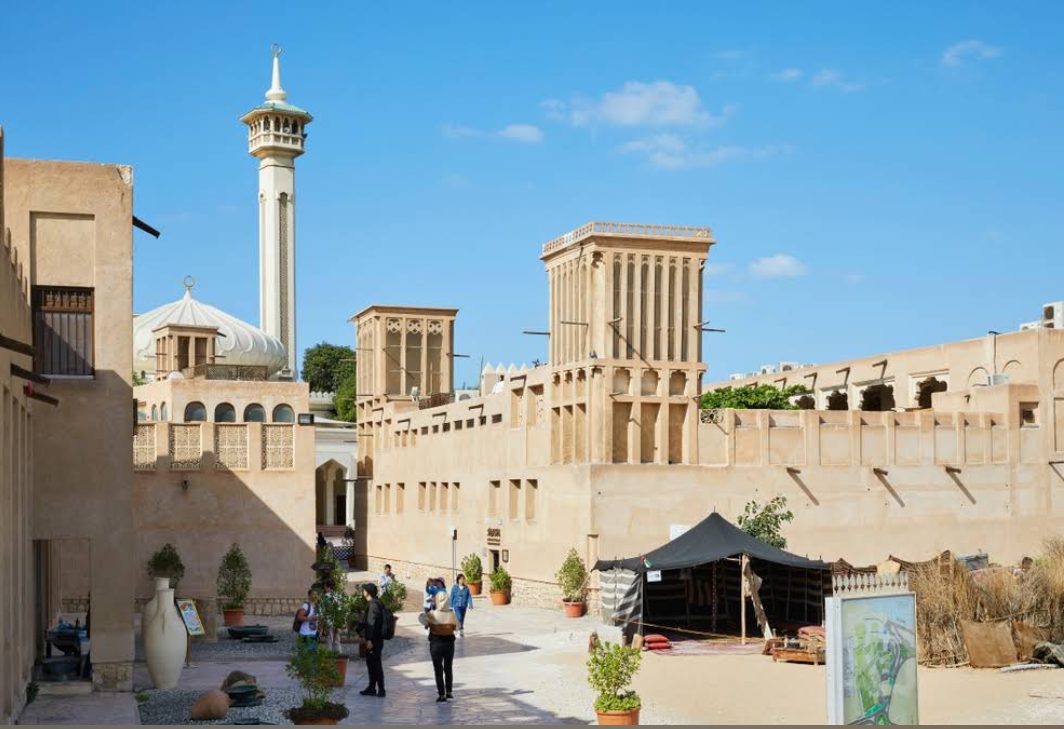
The district houses art galleries, cultural centres, and small shops selling local handicrafts like handmade pottery, calligraphy art, and traditional incense burners. You can often watch artisans at work, a refreshing change from mass-produced souvenirs. It is a place for quiet exploration, away from the modern bustle, allowing you to appreciate the city’s roots.
2. Experience authentic Emirati cuisine at Arabian Tea House
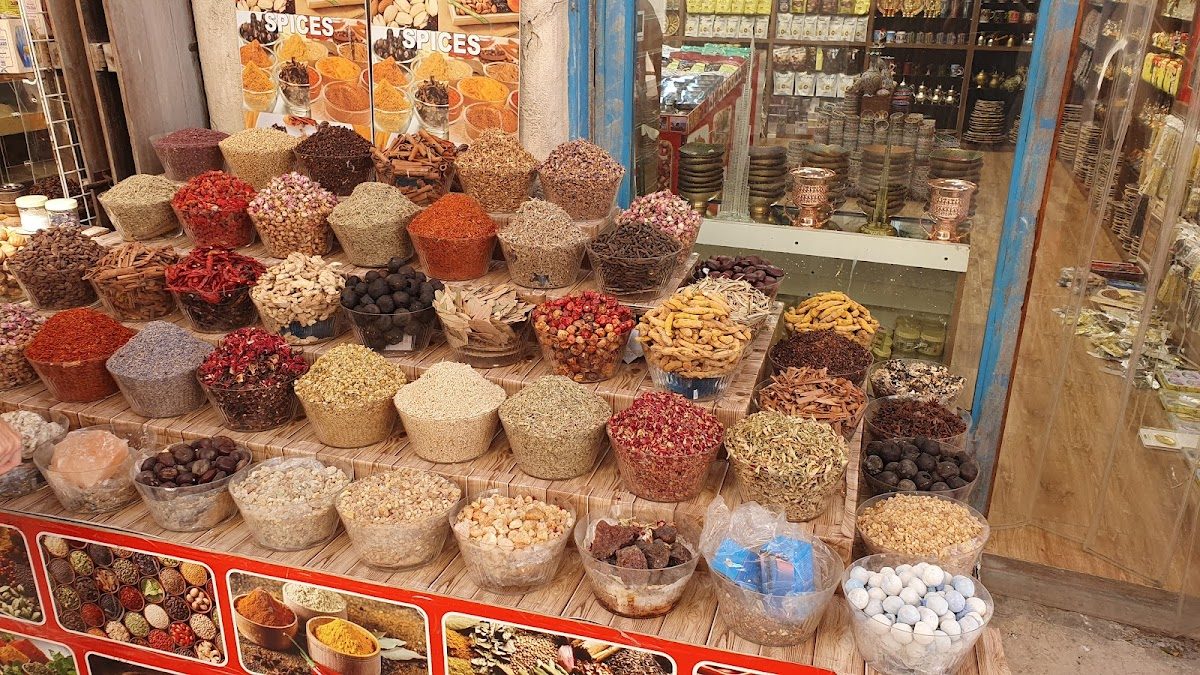
Nestled within the Al Fahidi Historical Neighbourhood, the Arabian Tea House is more than just a café; it is an institution. This charming spot offers an authentic Emirati dining experience in a traditional wind-tower house setting, complete with comfortable majlis-style seating and a lush courtyard. It is a chance to taste the flavours of the region in a setting that feels genuinely local.
Here, you can enjoy traditional Emirati dishes like Machboos (spiced rice with chicken or lamb) or Thareed (a comforting stew), alongside a wide selection of teas and Arabic coffee. It is a popular spot, for good reason, offering a peaceful respite and a taste of local hospitality that is hard to find in the newer parts of the city.
3. Cross Dubai Creek on a traditional Abra boat
No visit to old Dubai is complete without an abra ride. These traditional wooden boats have been ferrying people across Dubai Creek for centuries, connecting the historic districts of Bur Dubai and Deira. It’s a short, scenic journey that offers a unique perspective on the city’s mercantile past, where traditional dhows still line the water’s edge.
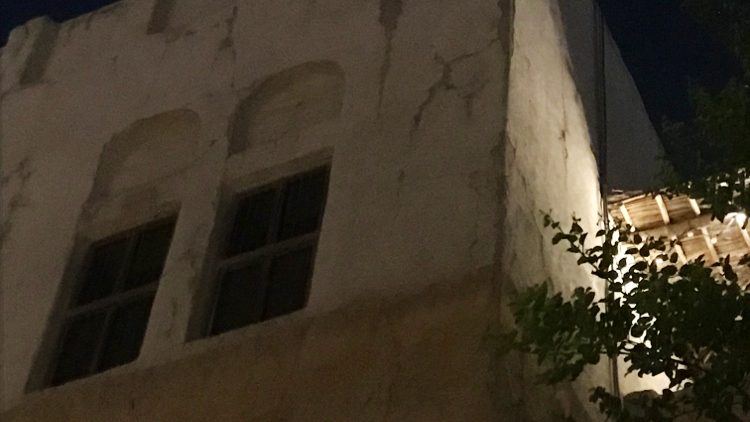
For just AED 1, you get a glimpse of Dubai’s bustling trading ports and the vibrant life along the creek. It is an essential local transport experience, allowing you to observe daily life unfold from the water. The quick ride is efficient and gives you a sense of connection to the city’s heritage as a trading hub.
4. Immerse your senses in the Spice and Gold Souks
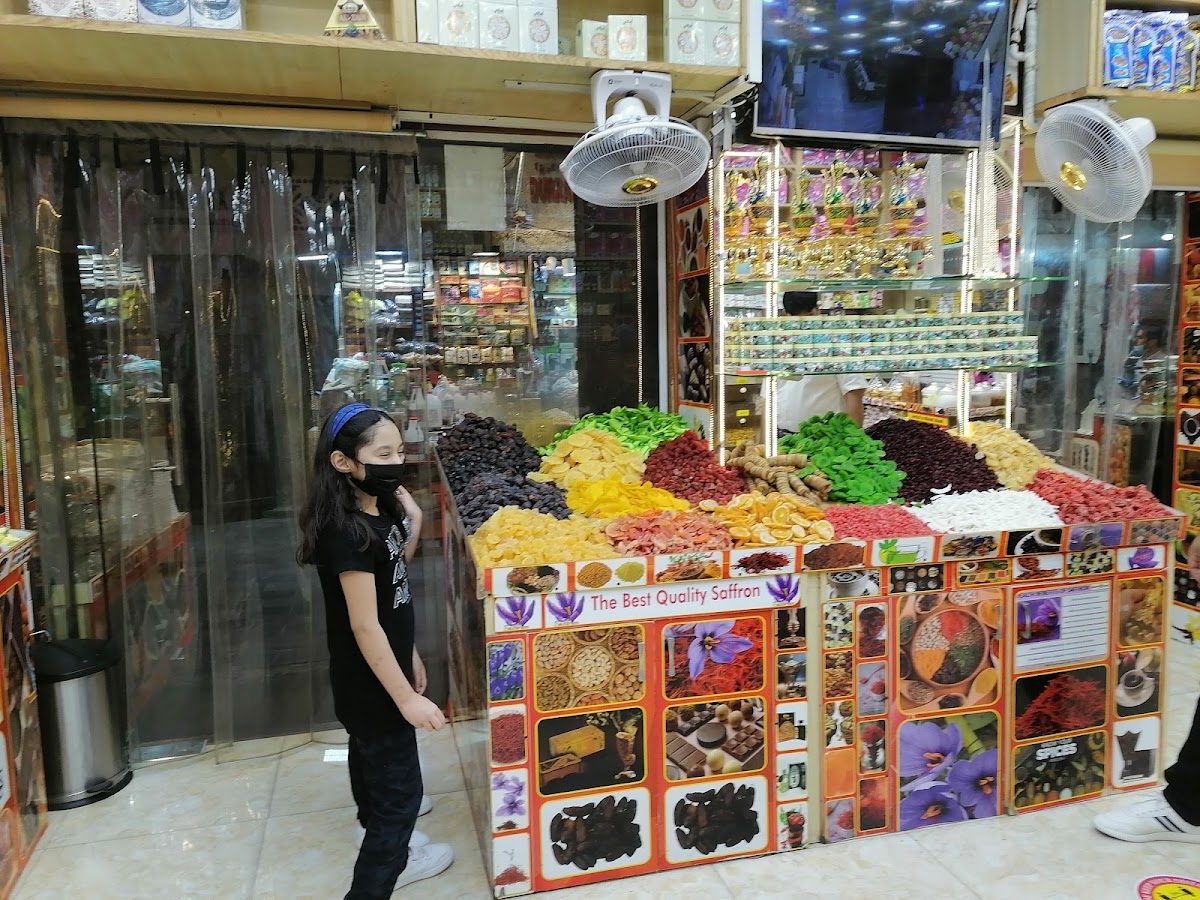
After your abra ride, you will disembark directly into the vicinity of Deira’s traditional souks. First, the Spice Souk, an aromatic labyrinth where the air is thick with the scent of cardamom, saffron, frankincense, and dried fruits. This market offers an unfiltered sensory experience, a stark contrast to the air-conditioned malls.
A short walk away is the Gold Souk, where shop windows dazzle with intricate gold jewelry and precious stones. It is a vibrant hub of trade and culture, showcasing Dubai’s long history as a centre for precious metals. While you might not be buying, the sheer spectacle and the lively atmosphere are worth experiencing. Remember that bargaining is expected here.
5. Enjoy waterfront charm at Al Seef District
For a more contemporary take on heritage, stroll along the waterfront promenade of Al Seef. This district beautifully blends Dubai’s traditional architecture, complete with wind towers and wooden details, with modern amenities like cafes, shops, and art galleries. It is a well-curated space that offers the charm of old Dubai but with all the comforts.
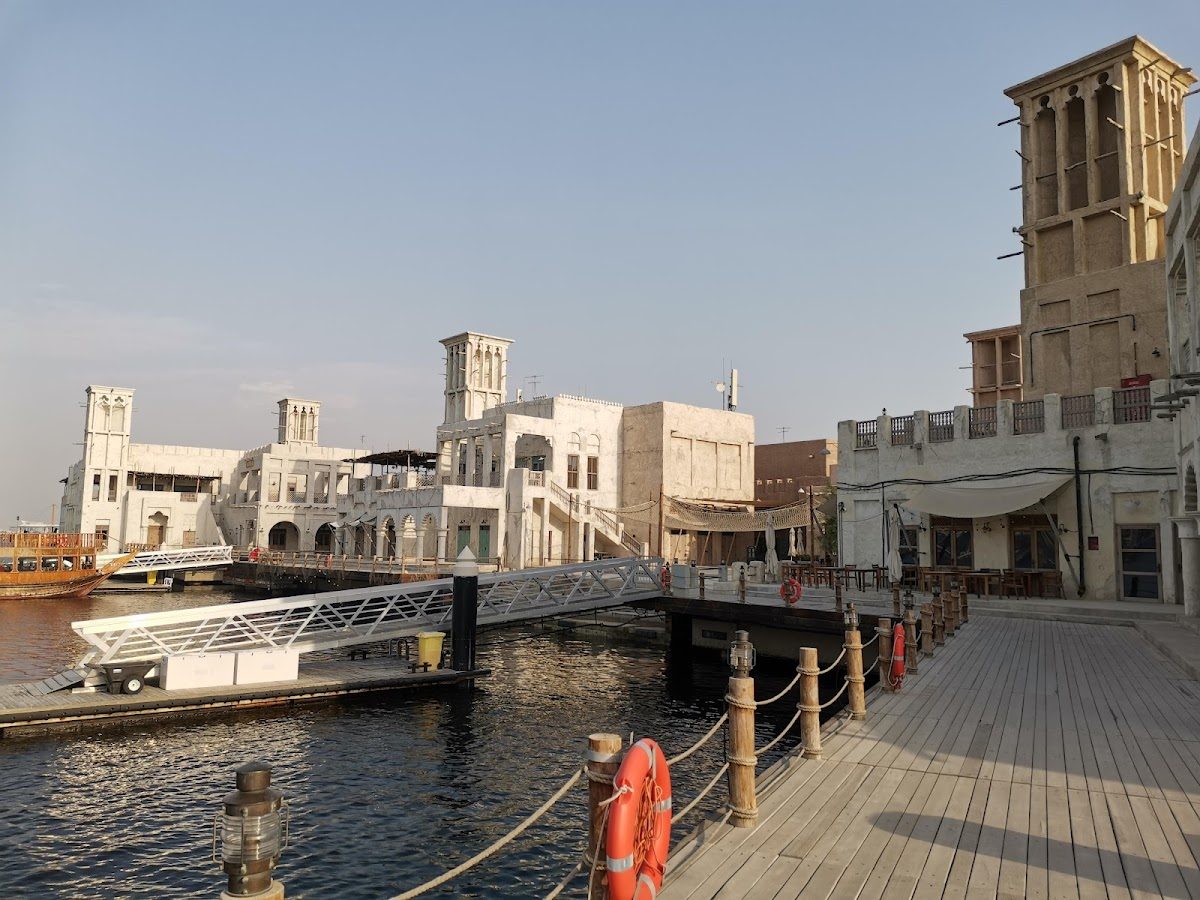
Al Seef is an excellent place to experience the revitalised charm of Dubai Creek, offering great views and a relaxed atmosphere. You can enjoy a cup of karak tea, a local favourite, while watching the traditional dhows sail by. It provides a slightly more polished yet still culturally resonant experience compared to the bustling souks.
6. Indulge in legendary kebabs at Al Ustad Special Kabab
For an authentic and satisfying meal that locals swear by, head to Al Ustad Special Kabab. This legendary, family-owned Iranian restaurant has been serving delicious kebabs for over 40 years. It is an unpretentious spot, far removed from the city’s glamorous dining scene, yet it holds a special place in the hearts of residents and frequent visitors.
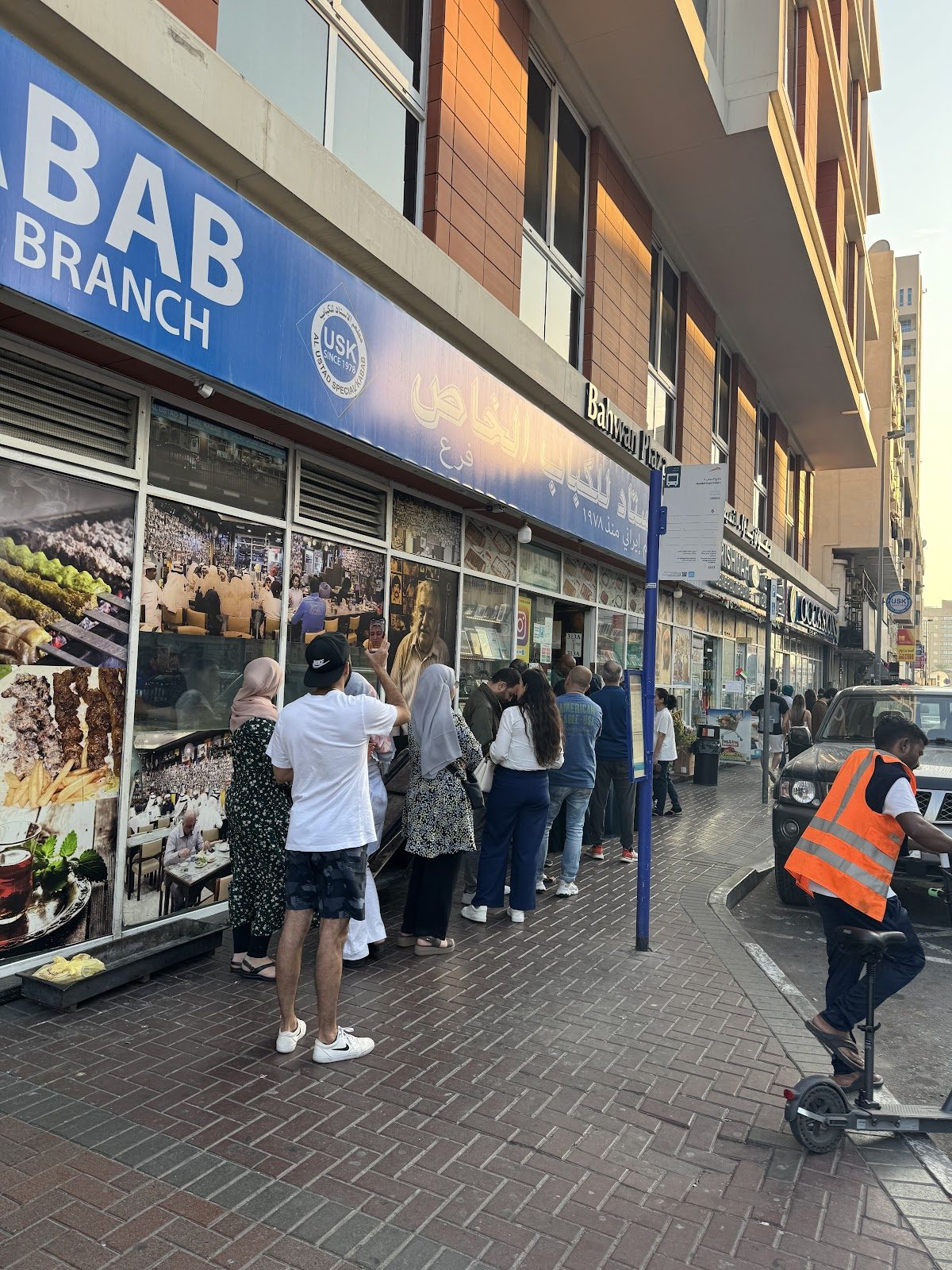
The walls are adorned with vintage memorabilia and photos of famous diners, adding to its unique charm and history. Known for its juicy chicken and mutton kebabs, marinated in yogurt and served simply with rice, it is a taste of old Dubai that has stood the test of time. It is a no-frills experience where the focus is entirely on the quality of the food and the friendly service.
Final word
A 12-hour layover in Dubai is a genuine opportunity to see beyond the modern facade and discover the city’s rich heritage and warm hospitality. By focusing on the historical districts and local culinary spots, you can find a depth that most transient visitors miss. It is a chance to connect with the Dubai that existed before the towers, offering a more grounded and memorable experience.
Practical information verified at time of writing. Please confirm hours and prices before you go.