
When you touch down in Japan, you expect order, politeness, and efficiency. Fukuoka delivers on all counts, but it also offers a delightful, almost rebellious streak in its food culture — a casual, boisterous energy you might not anticipate. This city, often overlooked for its larger counterparts, embodies a distinct spirit of Kyushu.
This guide is for the culturally curious traveller with a 16-hour layover in Fukuoka, looking to step beyond the airport and into the city’s authentic rhythm. It’s about experiencing a different side of Japan, away from the typical tourist routes.
Fukuoka, the vibrant gateway to Kyushu, offers a more relaxed pace than Japan’s larger metropolises, yet boasts a distinct and rich cultural identity. It is renowned for its unique culinary scene, particularly its iconic tonkotsu ramen and lively street food stalls, alongside a deep appreciation for traditional crafts and serene historical sites that reflect its ancient roots as a trading port.
A personal note
I remember one particular Fukuoka layover where the airline put us up in a hotel near Hakata Station. My crewmates headed straight for the familiar izakayas, but I wandered towards the river. That night, the air was cool, carrying the scent of grilled skewers and ramen broth from the yatai stalls. I ended up sharing a small counter with a group of local businessmen, sipping sake and trying to decipher their animated conversation, a world away from the sterile airport lounges.
Earlier that day, I had visited Shofukuji Temple, Japan’s first Zen temple. The quiet contemplation of its raked gravel garden, the soft rustle of leaves, felt like a balm after a long flight. It’s a reminder that even in a bustling city, moments of profound peace are always within reach if you know where to look.
Before you leave the airport
Storing your luggage
Leaving your bags at Hakata Station is the most practical choice, as it is your gateway to the city.
The JR Kyushu Trading Baggage Storage is located in Amu Plaza Hakata, on the 1F near the Hakata Exit. It costs ¥1,000 per piece per day and operates from 10:30 to 18:30. They can store luggage for up to 7 days, but do not accept valuables.
Alternatively, coin lockers are available at Fukuoka Airport International Passenger Terminal Building on the 1F and 3F. Prices vary, but expect them to be higher than city options, potentially twice as much as ¥500 per day. Note that a ‘day’ ends at midnight, and access is limited to terminal operating hours.
Do you need cash?
Yes, cash is essential in Fukuoka, especially for authentic experiences. While credit cards are accepted in larger stores and hotels, many smaller local shops, traditional restaurants, and especially the famous yatai street food stalls operate on cash only. Temples, shrines, and some local transportation may also require it.
It is highly recommended to carry Japanese Yen (JPY). ATMs that accept international cards are widely available at 7-Eleven, Japan Post Bank, and Lawson convenience stores. Currency exchange services are available at Fukuoka Airport and major city banks like MUFG Bank.
16 hours in Fukuoka: what to do
1. Find serenity at the world’s largest reclining Buddha
Journey slightly outside the city centre to discover Nanzoin Temple, a truly monumental spiritual site. Here, you will find the world’s largest bronze reclining Buddha, a serene figure stretching an incredible 41 meters long and 11 meters tall. The complex itself is peaceful, with intricate details across its grounds.
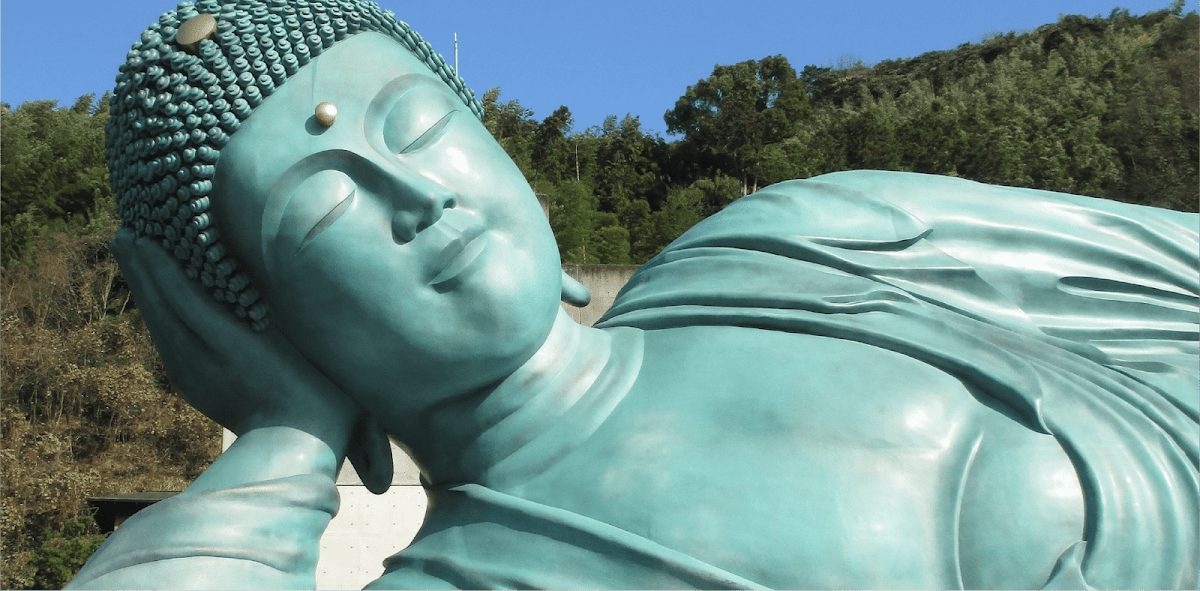
Spend time walking around the statue, noticing the offerings and the quiet reverence of local visitors. While viewing the reclining Buddha is free, you can enter the mausoleum hall for ¥500 if you wish to see more of the temple’s interior. The atmosphere here is a stark contrast to the city’s energy.
This visit offers a profound cultural experience that most layover travellers miss, a glimpse into Japanese Buddhism on a grand scale. It’s a worthwhile detour for its sheer uniqueness and tranquil setting.
2. Wander through Japan’s first Zen temple
Step into history at Shofukuji Temple, founded in 1195 by the monk Eisai. This is Japan’s very first Zen temple, offering a compact yet profoundly tranquil escape right near the city centre. Its traditional Zen architecture and gardens provide a quiet glimpse into early Japanese Buddhism.
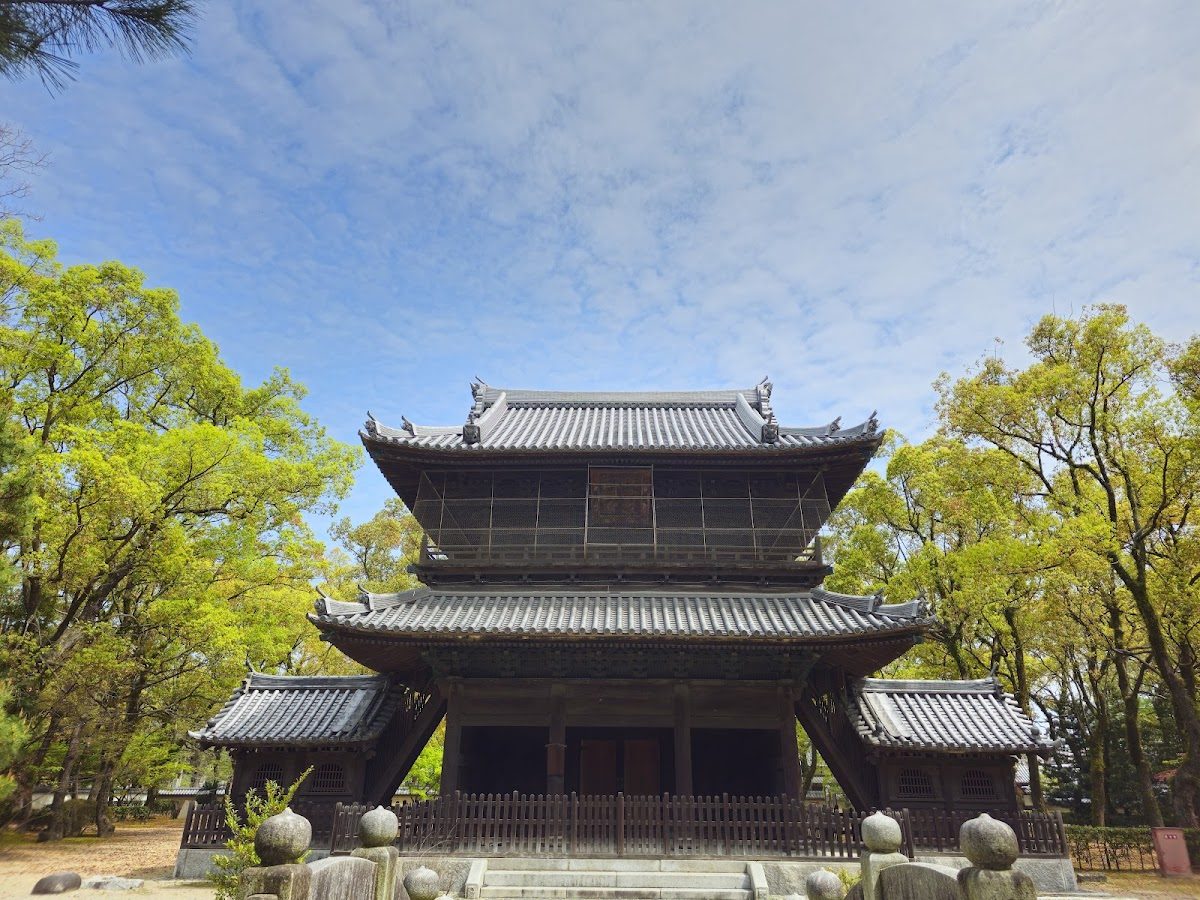
Walk the quiet grounds, appreciating the simplicity and elegance of the design. Though you cannot enter all buildings, the overall atmosphere and the presence of the Sanmon gate are deeply calming. It’s a place for quiet reflection rather than grand spectacle.
This temple provides a historical and spiritual counterpoint to Fukuoka’s modern bustle, easily accessible for a short but meaningful visit. It is often less crowded than other temples, allowing for a more personal experience.
3. Taste Fukuoka’s pantry at Yanagibashi Rengo Market
Immerse yourself in the daily culinary life of Fukuoka at Yanagibashi Rengo Market, known locally as ‘Fukuoka’s pantry’. Operating since 1916, this traditional market is a bustling hub where locals shop for fresh seafood, vegetables, meat, and Japanese snacks. It offers an authentic glimpse into the city’s food culture.
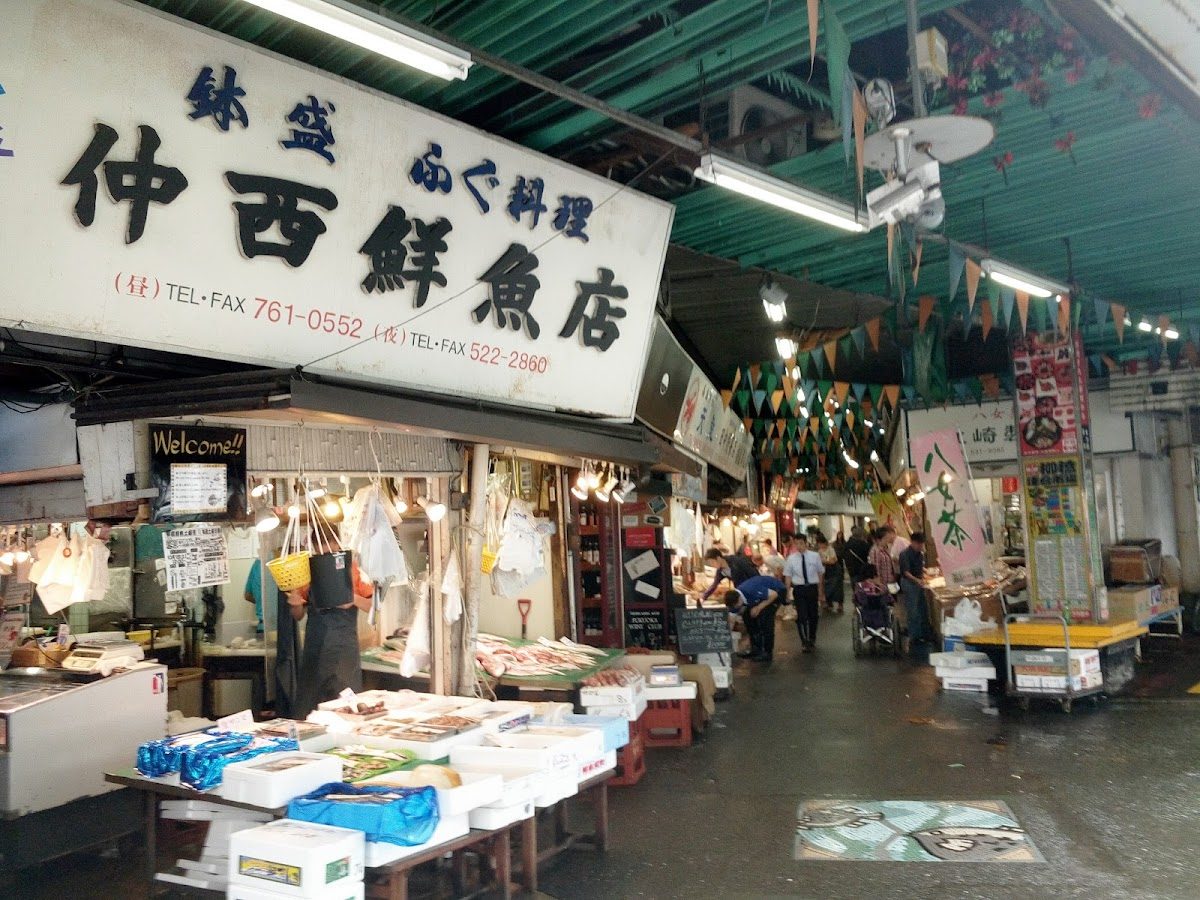
Wander through the narrow aisles, observing the vibrant displays and the interactions between vendors and shoppers. You can find everything from sashimi-grade fish to freshly prepared wagashi (Japanese sweets). Some stalls offer cooked food, perfect for a mid-morning snack or an early lunch.
This market is a sensory experience, a genuine slice of Fukuoka that bypasses the tourist traps. It’s an excellent place to feel the pulse of the city’s food scene and perhaps try something new.
4. Discover local artistry at Hakata Traditional Craft and Design Museum
Delve into Fukuoka’s rich artistic heritage at the Hakata Traditional Craft and Design Museum. This museum offers free admission and showcases local crafts such as Hakata-ori textiles, Hakata Ningyo dolls, and Hakata Magemono (bentwood crafts). You can learn about the history and techniques behind these intricate local arts.
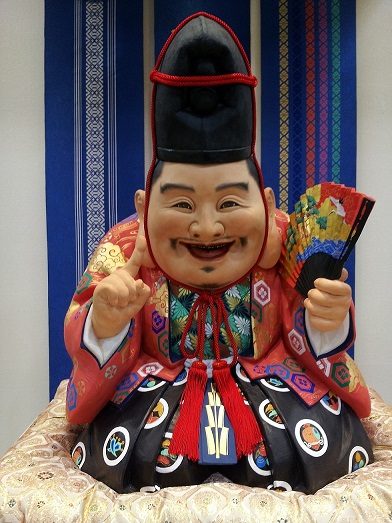
Take your time exploring the detailed displays, appreciating the skill and tradition involved in each craft. The museum provides context for items you might see in local shops, deepening your understanding of Fukuoka’s cultural identity. It’s a quiet, informative stop away from the crowds.
This is an excellent opportunity to connect with Fukuoka’s artistic soul and see how centuries-old traditions are maintained. It offers a tangible sense of place through its unique crafts.
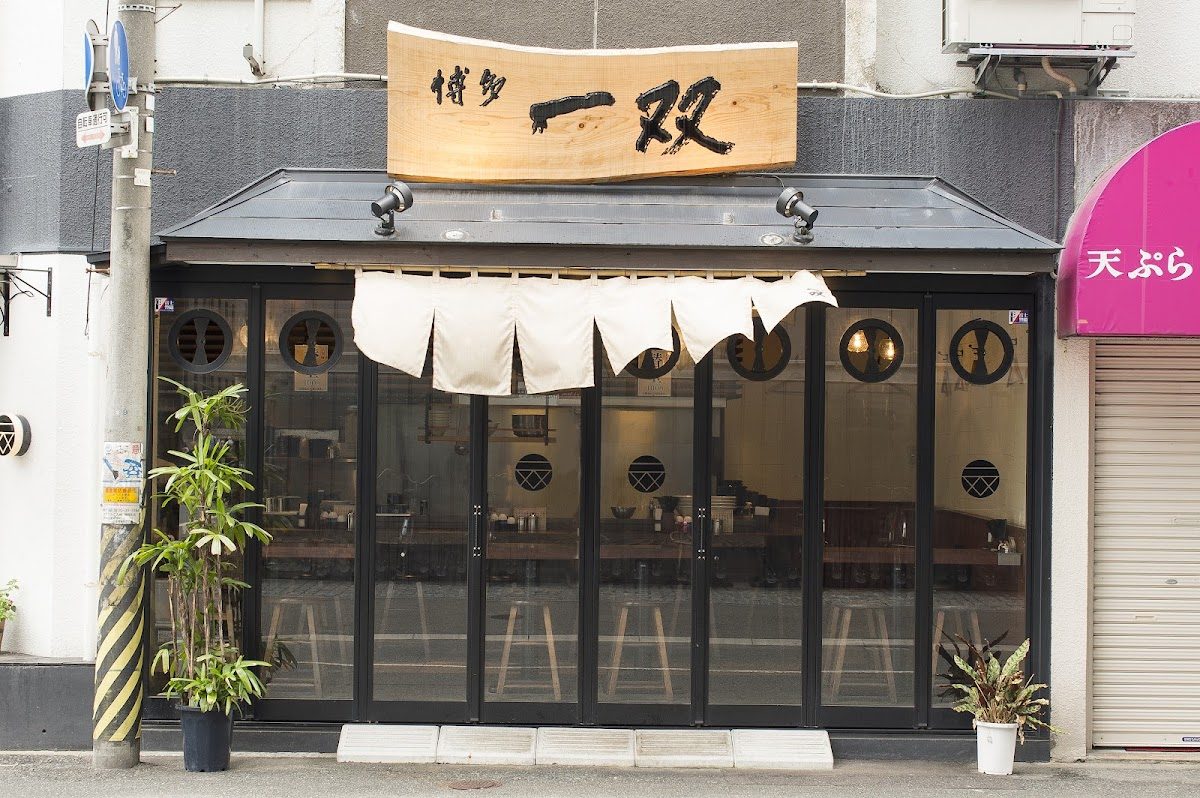
5. Indulge in Fukuoka’s iconic ramen at Hakata Issou
No visit to Fukuoka is complete without experiencing its signature tonkotsu ramen. Hakata Issou Ramen is a local favourite, consistently cited as one of the city’s best ramen shops, renowned for its rich, frothy pork bone broth. Their noodles are firm, and the toppings are classic, offering a deeply satisfying meal.
Prepare for a potential queue, especially during peak lunch or dinner hours, but the wait is usually brief and well worth it. The atmosphere inside is bustling and authentic, with the sounds of slurping noodles and the aroma of simmering broth filling the air. This is the real Fukuoka ramen experience, unpretentious and flavourful.
This stop is a culinary highlight, giving you a true taste of what makes Fukuoka’s food scene so celebrated. It’s a direct, delicious immersion into local culture.
6. Experience street food culture at Nakasu Island’s Yatai
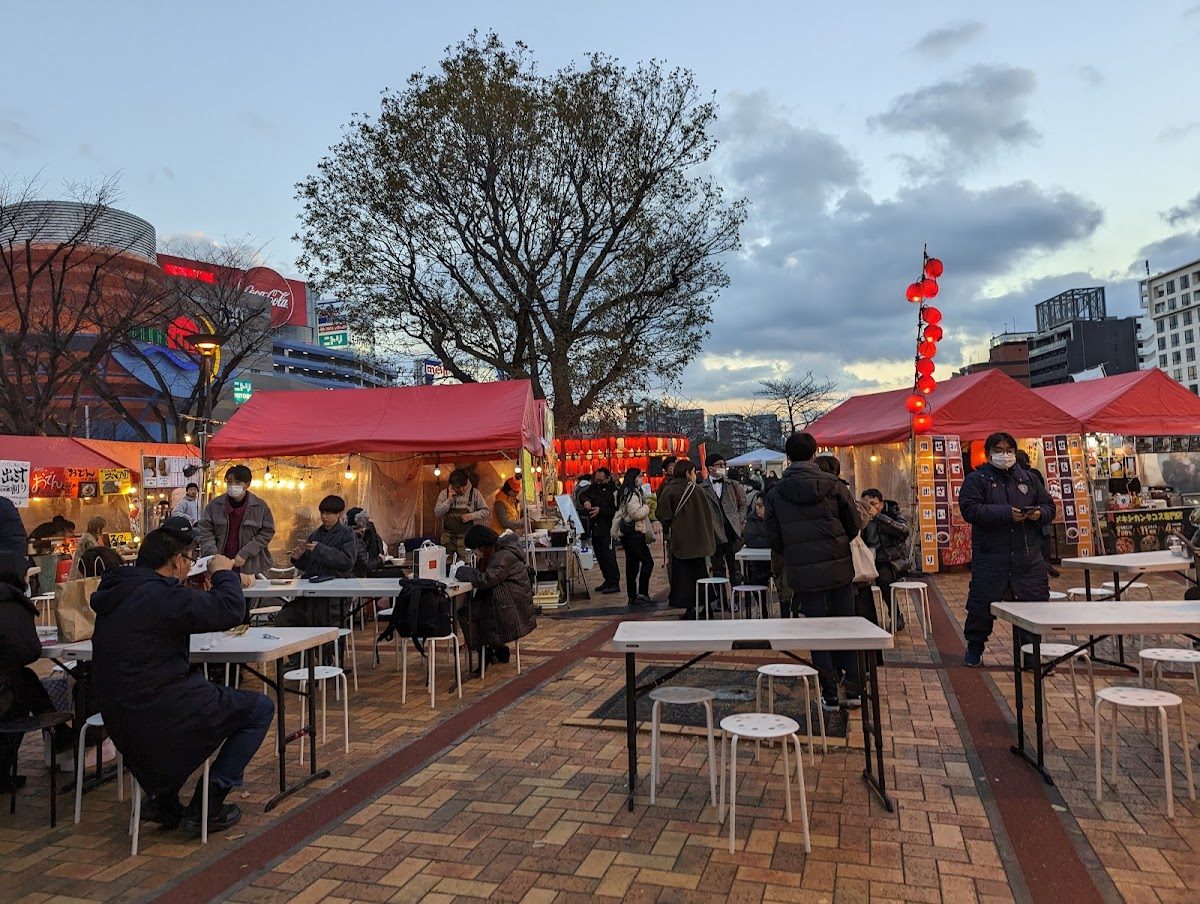
As evening falls, head to Nakasu Island along the Naka River to experience Fukuoka’s iconic yatai (street food stalls). These small, mobile food carts offer an intimate and authentic dining experience, serving local specialties like Hakata ramen, yakitori, and oden. The atmosphere is lively and communal.
Find a seat at one of the open-air counters and order directly from the chef. Many yatai are foreigner-friendly, with some even offering English menus. It’s common to strike up conversations with the chef or other diners, adding to the unique charm of the experience. The stalls typically open around 6 PM and operate until late.
This is a quintessential Fukuoka experience, offering delicious food and a vibrant social scene that’s distinct from other Japanese cities. It’s the perfect way to cap off your layover.
Final word
Fukuoka might not have the flashing neon of Tokyo or the ancient charm of Kyoto, but it offers something equally valuable: an authentic, liveable slice of Japan that’s immensely welcoming. On a layover, you can truly taste its unique culinary culture and find moments of unexpected serenity.
All information verified at time of writing. Please confirm hours and prices before your visit.