
This guide helps you plan a 9-hour layover in Bali, focusing on experiencing local culture near Bali airport (DPS). You can leave the airport, with taxi services costing around Rp 100,000–150,000 for a 15–25 minute ride into nearby areas. Luggage storage is available at the airport for Rp 50,000–100,000 per bag. The itinerary includes visits to traditional markets and artisan villages, offering an authentic glimpse into Balinese life before your next flight.
At a glance
| Label | Value |
|---|---|
| This guide helps you plan a 9-hour layover in Bali, focusing on experiences near Ngurah Rai International Airport (DPS). You can easily leave the airport to explore local culture, with a taxi ride into Denpasar taking around 15–25 minutes and costing Rp 100,000–150,000. Secure luggage storage is available at the airport for Rp 50,000–100,000 per bag. The itinerary includes visits to traditional markets and artisan villages, offering an authentic look into Balinese life before your next flight. |
At a glance
| Label | Value |
|---|---|
| ## Who this is for |
This guide is for travellers with a 9-hour layover in Bali who want to experience authentic local culture beyond the airport. It’s for those interested in traditional crafts, local markets, and Balinese cuisine, rather than popular beach clubs or tourist resorts. This itinerary is suitable for independent adventurers comfortable with navigating local transport or hiring a driver for a few hours.
Paul’s take
Bali is more than just beaches and resorts; it’s a place with a deep spiritual and artistic heart. On a short layover, most people rush to Seminyak or Kuta, but you’ll spend more time in traffic than experiencing anything real. My approach takes you inland, even if only slightly, to places where Balinese culture is still part of daily life. I’ve found that the real magic often lies in the small details — the way a craftsman carves wood, the smell of spices at a market, or the quiet reverence inside a temple. It’s about getting a sense of the place, not just a photo.
Before you leave the airport
Storing your luggage
You can store your luggage at Ngurah Rai International Airport (DPS). The official luggage storage counter is located on the ground floor, near the domestic arrivals exit.
- Cost: Expect to pay around Rp 50,000–100,000 per bag for several hours.
- Location: Ground floor, near Domestic Arrivals.
- Hours: Typically 24/7, but confirm upon arrival.
Do you need cash?
Yes, you will need Indonesian Rupiah (IDR) cash for most transactions outside of major hotels or international restaurants. Many small shops, market stalls, and local eateries prefer cash.
- Currency: Indonesian Rupiah (IDR / Rp)
- ATMs: ATMs are available at the airport (e.g., BNI, Mandiri, BCA). Exchange offices are also present.
- Tip: Withdraw a reasonable amount like Rp 300,000–500,000 to cover food, transport, and small purchases.
Timeline
- Hour 0 (Arrival): Land at DPS.
- Hour 0:15–0:45: Clear immigration, collect bags (if any), store luggage at the airport.
- Hour 0:45–1:15: Arrange taxi and depart for Sukawati Art Market (approx. 30 minutes).
- Hour 1:15–3:45: Explore Sukawati Art Market and have lunch nearby (approx. 2.5 hours).
- Hour 3:45–4:15: Travel to a traditional village like Celuk or Mas (approx. 30 minutes).
- Hour 4:15–5:45: Visit an artisan workshop or gallery (approx. 1.5 hours).
- Hour 5:45–6:15: Begin journey back to DPS (approx. 30 minutes).
- Hour 6:15–6:45: Retrieve luggage, clear security.
- Hour 7:00–9:00: Boarding and departure buffer.
9 hours in Bali: what to do
This itinerary focuses on Balinese arts, crafts, and food in the areas of Gianyar and Denpasar, offering a window into the island’s cultural heart.
1. Where can I find authentic Balinese art and crafts?
Visit the Sukawati Art Market to see and purchase a wide range of Balinese handicrafts, textiles, and traditional paintings directly from local vendors. This market is less polished than tourist-focused areas and offers a more local shopping experience. You’ll find everything from wood carvings to batik clothing, often at better prices than in the southern tourist zones.
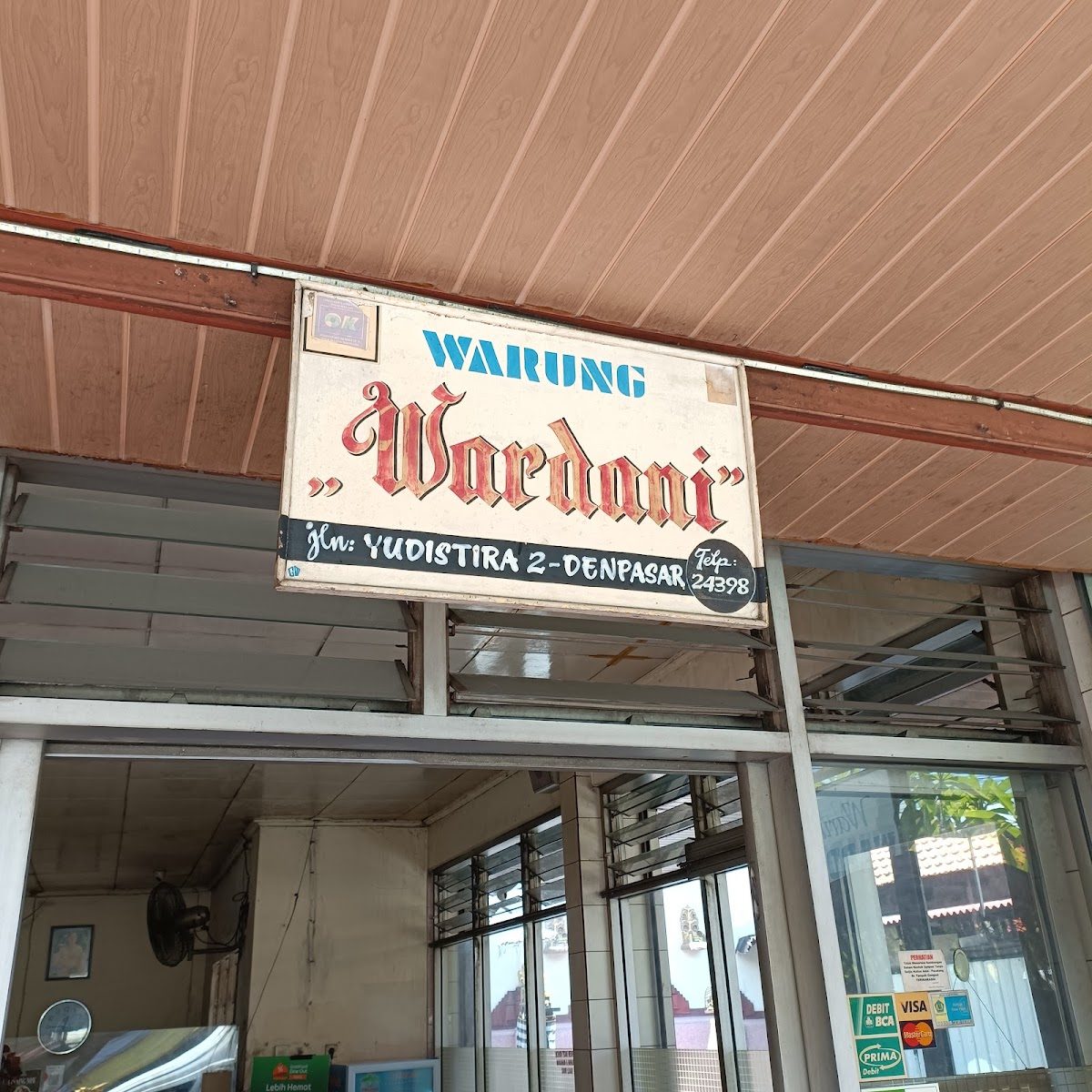
The market is spread across several buildings, with different sections for clothing, artwork, and ceremonial items. Bargaining is expected here. Take your time to walk through the narrow aisles, observing the intricate details of the crafts. I once spent an hour watching a woman meticulously paint batik fabric, the precision in her strokes was something you don’t see in mass-produced items.
This market offers a direct interaction with local artisans and their products, providing a tangible connection to Balinese culture in a short timeframe.
2. Where can I eat traditional Balinese lunch?
For an authentic lunch, look for local warungs (small, family-run eateries) near Sukawati Art Market or on the road towards Celuk. Try Nasi Campur Bali, a plate of rice with small portions of various Balinese dishes, or Babi Guling, roast suckling pig, a Balinese specialty. These spots offer a true taste of local flavors, often prepared with fresh, regional ingredients.
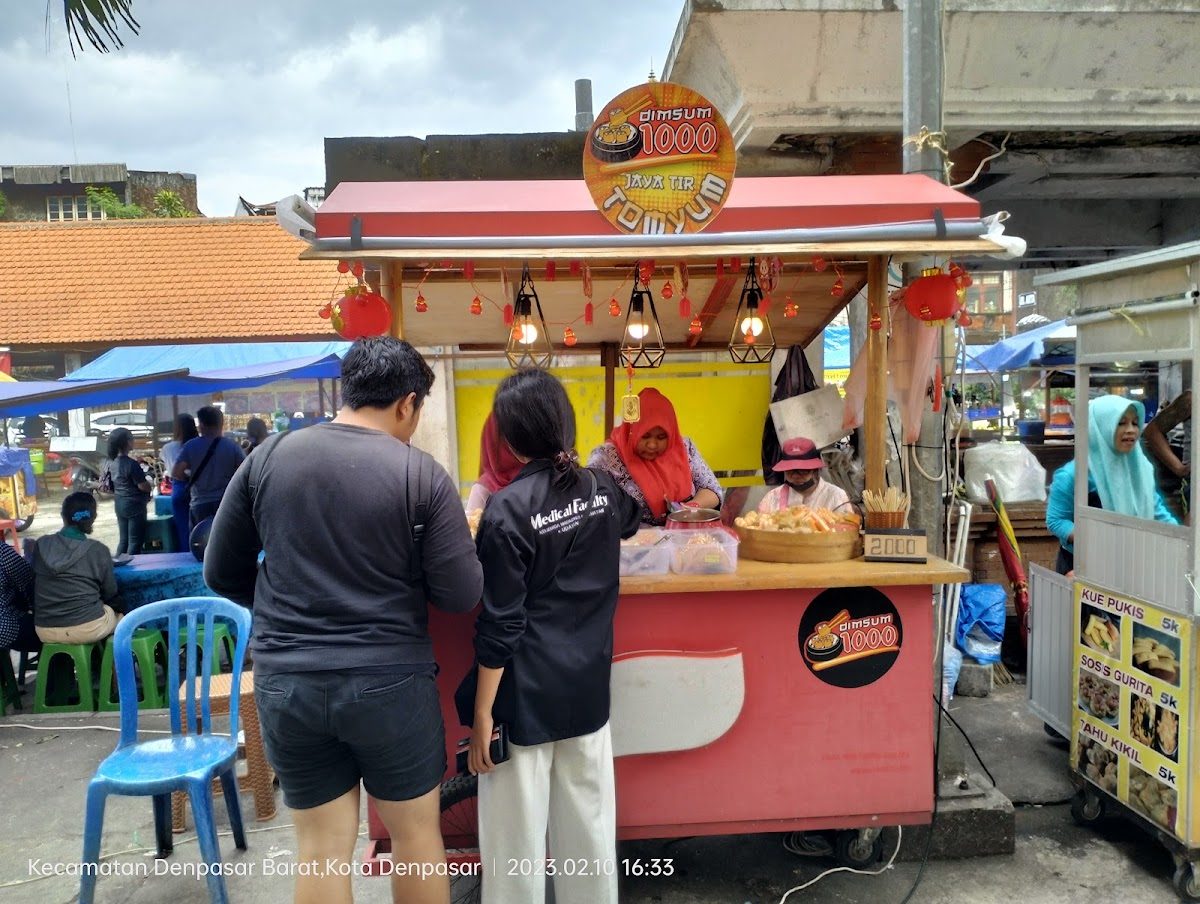
Many warungs have open-air seating and a casual atmosphere. You might point to the dishes you want from a display case, a common way to order. The spices are often robust, reflecting the island’s rich culinary traditions.
Eating at a warung provides a quick, affordable, and culturally immersive dining experience that is far removed from airport food.
3. Can I see Balinese silversmiths or woodcarvers at work?
Visit the artisan villages of Celuk for silversmithing or Mas for woodcarving, where you can see craftsmen at work in their studios. These villages are renowned for preserving traditional Balinese artistry and offer a chance to understand the intricate processes behind the crafts. Many workshops allow visitors to observe and purchase directly.
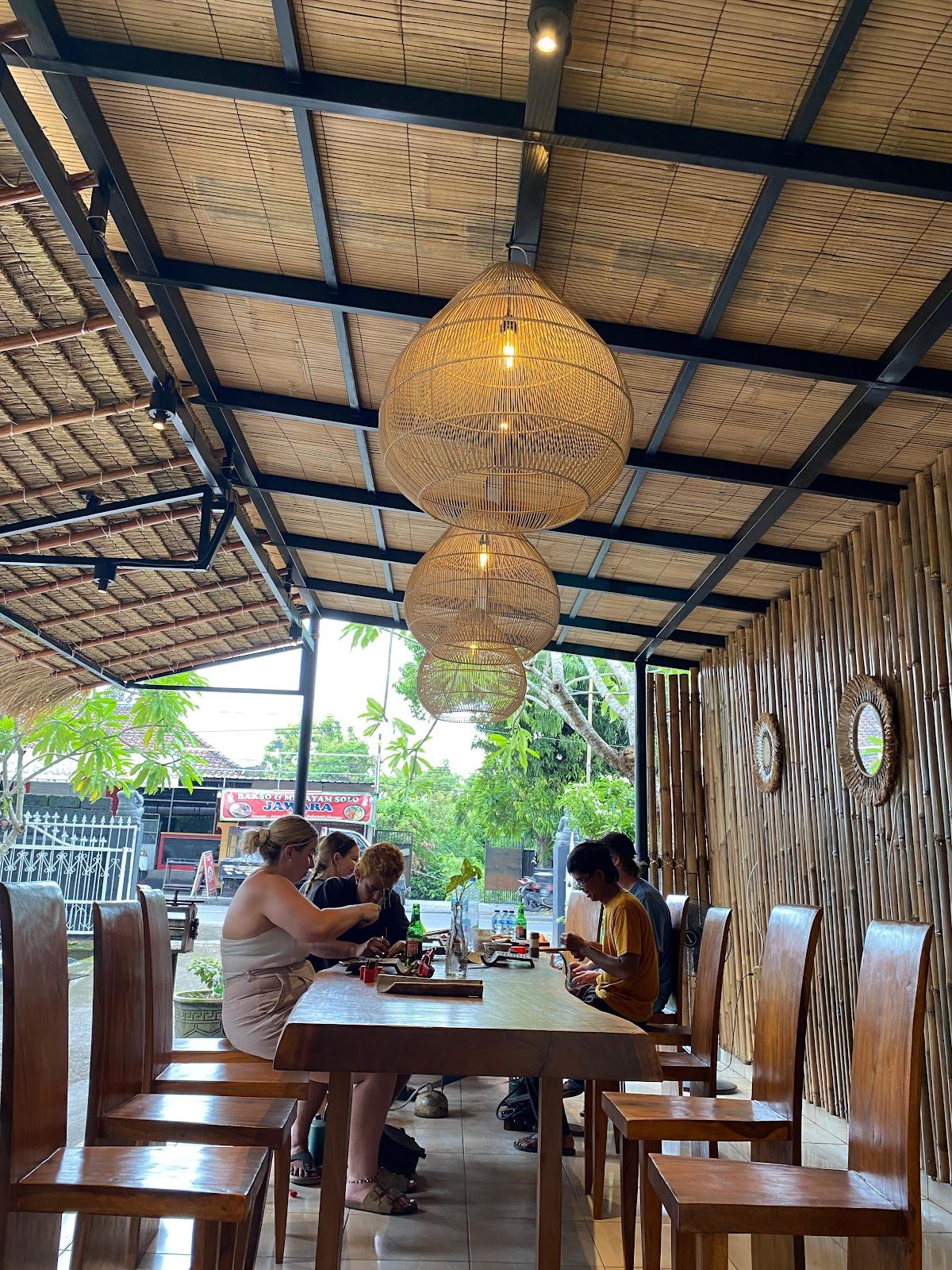
In Celuk, you’ll find numerous silver galleries showcasing delicate filigree and intricate designs. In Mas, watch carvers transform blocks of wood into detailed statues and masks. I’ve spent hours simply watching the focused precision of a carver, his tools making quiet, rhythmic sounds. It’s a quiet process that reveals deep skill.
This experience offers a direct connection to Bali’s artistic heritage, showing you the human skill behind the souvenirs.
Skip these
- Ubud Monkey Forest: While popular, it’s too far inland (over 1 hour drive each way) for a 9-hour layover, leaving insufficient time for other activities or airport return.
- Kuta/Seminyak Beaches: These areas are often crowded and traffic-prone, leading to wasted time on the road rather than cultural immersion.
- Tanah Lot Temple: The temple’s location on the west coast means a significant travel time (1 hour+ each way) and is best enjoyed at sunset, which is unlikely to align with a short layover.
If you only have 6 hours
With a 6-hour layover, focus primarily on Sukawati Art Market and a nearby local warung for lunch. This allows for a quicker taxi turnaround and ensures you have ample time to clear airport procedures. Depart the airport, head directly to Sukawati for 1.5 hours of market exploration and a 45-minute lunch, then immediately return to DPS.
FAQ
Is a visa required for a 9-hour layover in Bali?
Travellers from many countries can enter Indonesia visa-free for up to 30 days, or obtain a Visa on Arrival (VoA) for a fee. Check the latest Indonesian visa regulations for your nationality before travel.
Where can I store my luggage at Ngurah Rai International Airport (DPS)?
Luggage storage is available on the ground floor of the airport, near the domestic arrivals exit. Prices typically range from Rp 50,000–100,000 per bag for several hours.
How much time should I allow to get back to DPS airport?
Allow at least 1.5 to 2 hours to travel back to DPS, retrieve luggage, clear security, and reach your gate. Bali traffic can be unpredictable, especially in the afternoon.
Do I need to exchange money for Indonesian Rupiah (IDR)?
Yes, it is recommended to have some Indonesian Rupiah (IDR) cash for local markets, warungs, and smaller purchases. ATMs and currency exchange counters are available at DPS airport.
Final word
A 9-hour layover in Bali, while short, is enough to experience some of the island’s genuine charm beyond the tourist hotspots. By focusing on local crafts and food in nearby areas like Gianyar, you can connect with Bali’s rich culture. It’s about quality over quantity, taking a moment to appreciate the details that make Bali unique.
Sources checked
- Ngurah Rai International Airport official website
- Indonesian Immigration official website
- [Reputable Bali travel forums and blogs]
This guide provides general information and recommendations for a layover in Bali, Indonesia, verified as of 21 October 2026. Opening hours and prices change — confirm before you go.