
A 6-hour layover in Incheon, South Korea, offers a genuine chance to step beyond the airport. You can make it to the city center and explore its historical areas. The AREX All-Stop train takes about 28 minutes to reach Incheon Station, and you can store your bags at Hanjin Express for around ₩9,800. This itinerary focuses on Incheon’s unique port history and local flavors, giving you a real taste of the city before your next flight.
At a glance
| Label | Value |
|---|---|
| Airport | Incheon International Airport (ICN) |
| Fastest transit | AREX All-Stop train / 28 min / ₩4,150 |
| Luggage storage | Hanjin Express / ₩9,800–₩13,000 |
| Cash needed | Yes (₩30,000–₩50,000) |
| Visa / transit note | Many nationalities visa-free |
| Return buffer | 3 hours |
| Realistic total spend | ₩50,000–₩80,000 |
Who this is for
This layover is for travelers who appreciate history, local food, and a slower pace than the typical Seoul rush. If you are curious about Korea’s past as a port city and enjoy exploring on foot, this itinerary provides a focused and rewarding experience. It’s a great option for those who want a cultural immersion rather than just a quick stop.
Paul’s take
Incheon often gets overlooked for Seoul, but it has its own character, especially around the old port. As cabin crew, I have passed through here countless times. The contrast between the sleek airport and the historical neighborhoods like Chinatown or the Open Port Area is striking. It feels lived-in, with a sense of its own stories, which is refreshing. The food at Sinpo International Market, particularly the dakgangjeong, is always a highlight; it is a straightforward way to get a real taste of the city without venturing too far. This city offers a grounded perspective on Korea’s development, away from the more modern, globalised image.
Before you leave the airport
Storing your luggage
You can store your luggage at Hanjin Express Luggage Storage located on the 3rd Floor behind the check-in counters in both Terminal 1 and Terminal 2. The cost is approximately ₩9,800 for cabin-sized bags and ₩13,000 for cargo-sized bags per day. They operate from 05:00 to 23:00.
Alternatively, Qeepl Luggage Storage offers partner locations near the airport and city center, starting from ₩5,190 per bag per day. This service requires online booking.
Do you need cash?
Yes, it is advisable to carry some South Korean Won (₩). While cards are widely accepted, ₩30,000–₩50,000 in cash is useful for street food, traditional markets, and topping up a T-money card. ATMs supporting international networks are available in the arrivals area of Incheon Airport.
Timeline
- Hour 0: Land, clear immigration, and proceed to luggage storage.
- Hour 0.5: Store bags at Hanjin Express in the terminal.
- Hour 1: Take the AREX All-Stop train from Incheon Airport to Incheon Station (approx. 28 minutes).
- Hour 1.5–3: Explore Incheon Chinatown, Jayu Park, Sinpo International Market, and the Open Port Area.
- Hour 3: Begin your return journey to Incheon Airport from Incheon Station via AREX All-Stop train.
- Hour 3.5: Retrieve bags, clear security, and head to your gate.
6 hours in Incheon: what to do
1. Where can I experience Incheon’s unique historical blend of Chinese and Korean cultures?
You can experience Incheon’s unique cultural blend at Incheon Chinatown, a historical district established in 1883 that showcases a fusion of Chinese and Korean traditions. This area features colorful gates and architecture, offering a look into the past and a taste of local culinary innovation like jajangmyeon. It is a good starting point for understanding Incheon’s role as a port city.
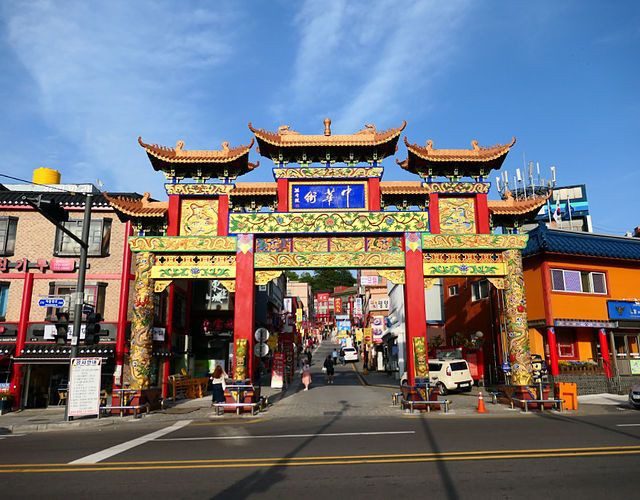
Wander through its main street, lined with shops and restaurants. Many eateries here offer variations of jajangmyeon, a black bean noodle dish with Chinese origins but a distinctly Korean adaptation. The Jajangmyeon Museum provides context on this dish’s history.
This area is compact and easily walkable, making it ideal for a short layover. It gives you a sense of place and history quickly.
2. Is there a park with good views near Chinatown?
Yes, Jayu Park (Freedom Park), located on a hill next to Chinatown, offers panoramic views of Incheon Port and the city. As Korea’s first Western-style park, it provides a quiet escape and a historical perspective with its statue of General Douglas MacArthur. It is a good spot for a brief walk and some fresh air.
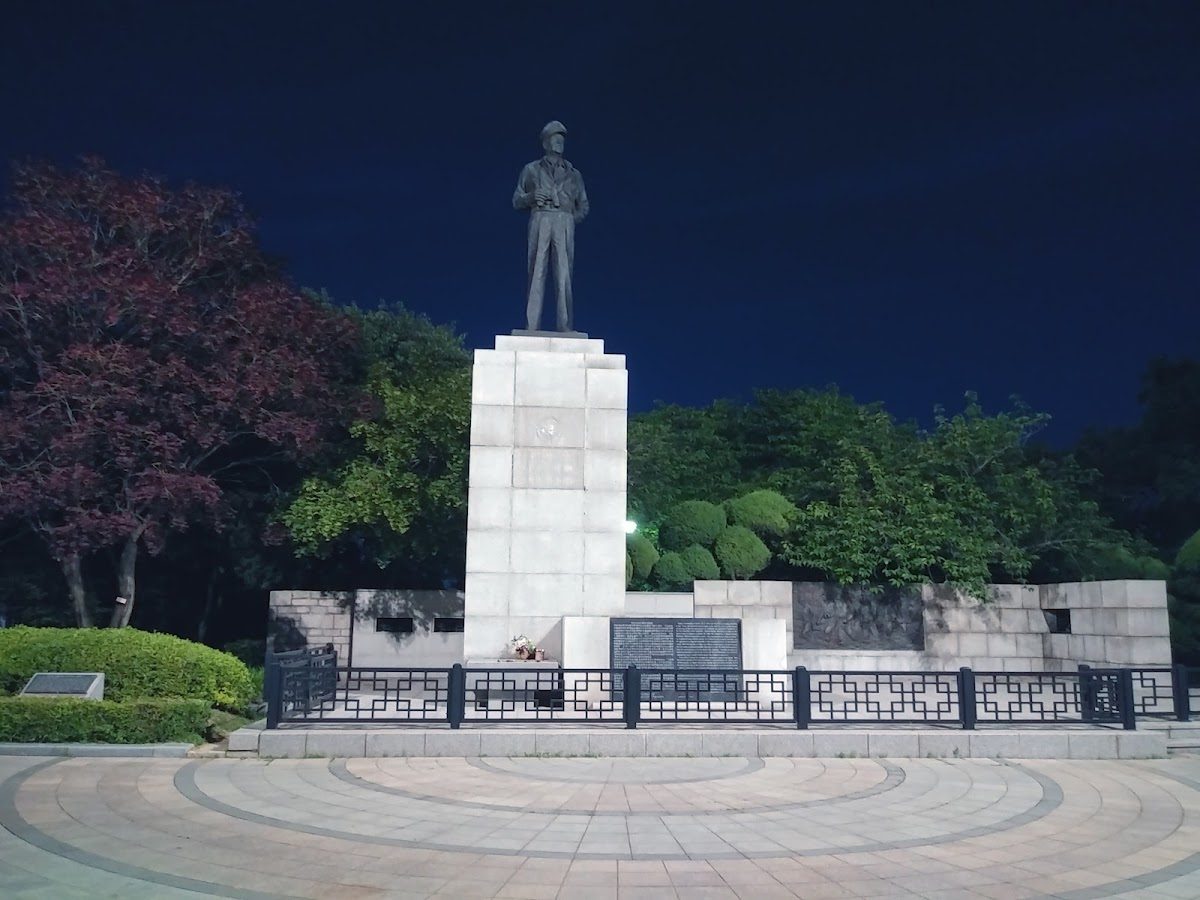
The park is home to the Korea-U.S. 100th Anniversary Memorial Tower, marking a significant historical relationship. The elevated position gives you a clear sense of Incheon’s urban layout and its connection to the sea.
Its proximity to Chinatown makes it a convenient addition to your itinerary. You can transition easily from the streets to a more serene environment.
3. Where can I find authentic local food in Incheon?
You can find authentic local food at Sinpo International Market, Incheon’s oldest permanent market, known for its dakgangjeong (sweet and spicy fried chicken). This market has over a century of history and offers a wide variety of traditional snacks beyond fried chicken, such as gonggal buns and green tea hotteok. It is a place where locals shop and eat.
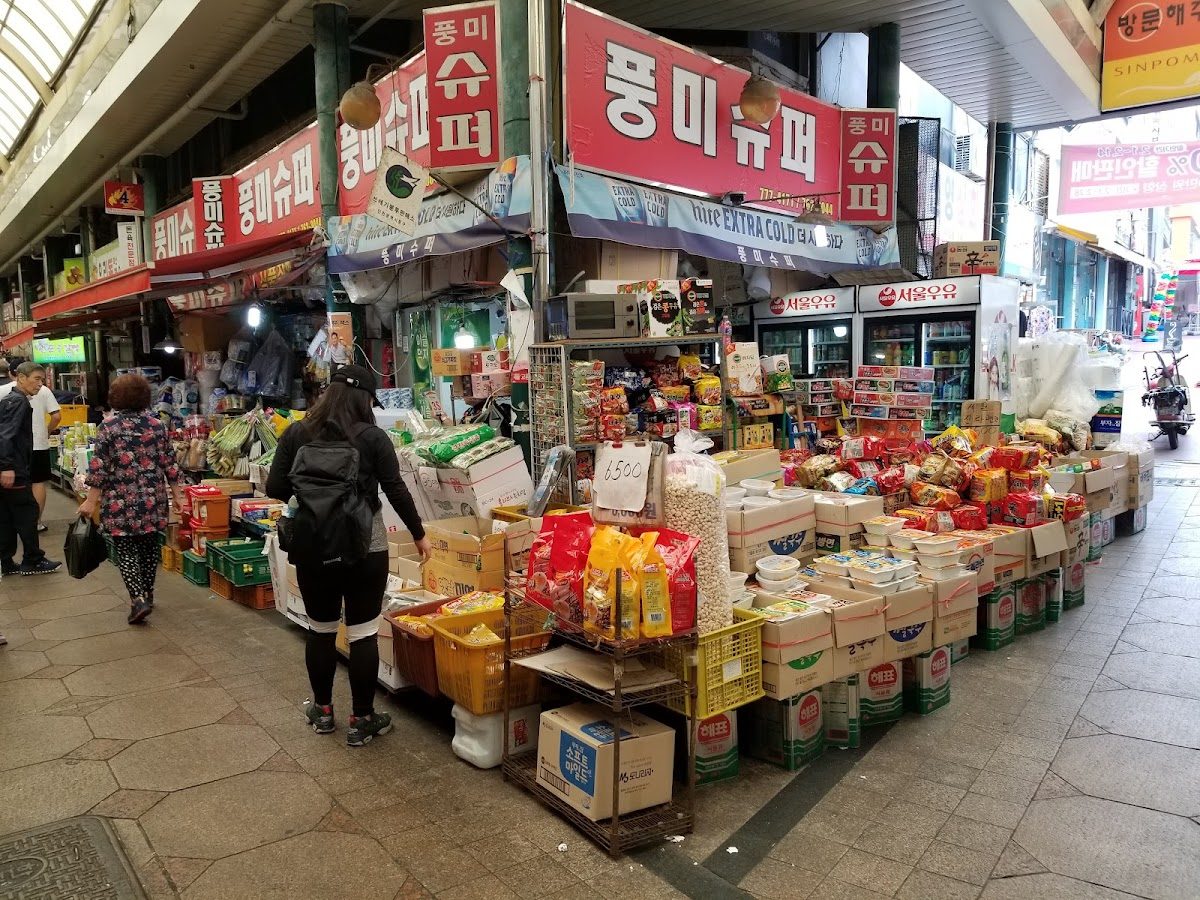
The market stalls are packed with vendors selling fresh produce, seafood, and prepared foods. The aroma of spices and frying food is constant. You will see people queuing for the popular dakgangjeong at stalls like Original Sinpo Dakgangjeong.
This market provides a genuine local experience and a chance to try regional specialties. It is a good place to grab a quick, flavorful meal.
4. Is there a museum that shows Incheon’s past living conditions?
Yes, the Sudoguksan Museum of Housing and Living offers an immersive look into Incheon’s ‘Daldongne’ (moon village) hillside communities from the 1960s and 1970s. This museum recreates the living conditions and daily routines of residents, providing insight into a lesser-known period of Korean history. It is a quiet, reflective experience.
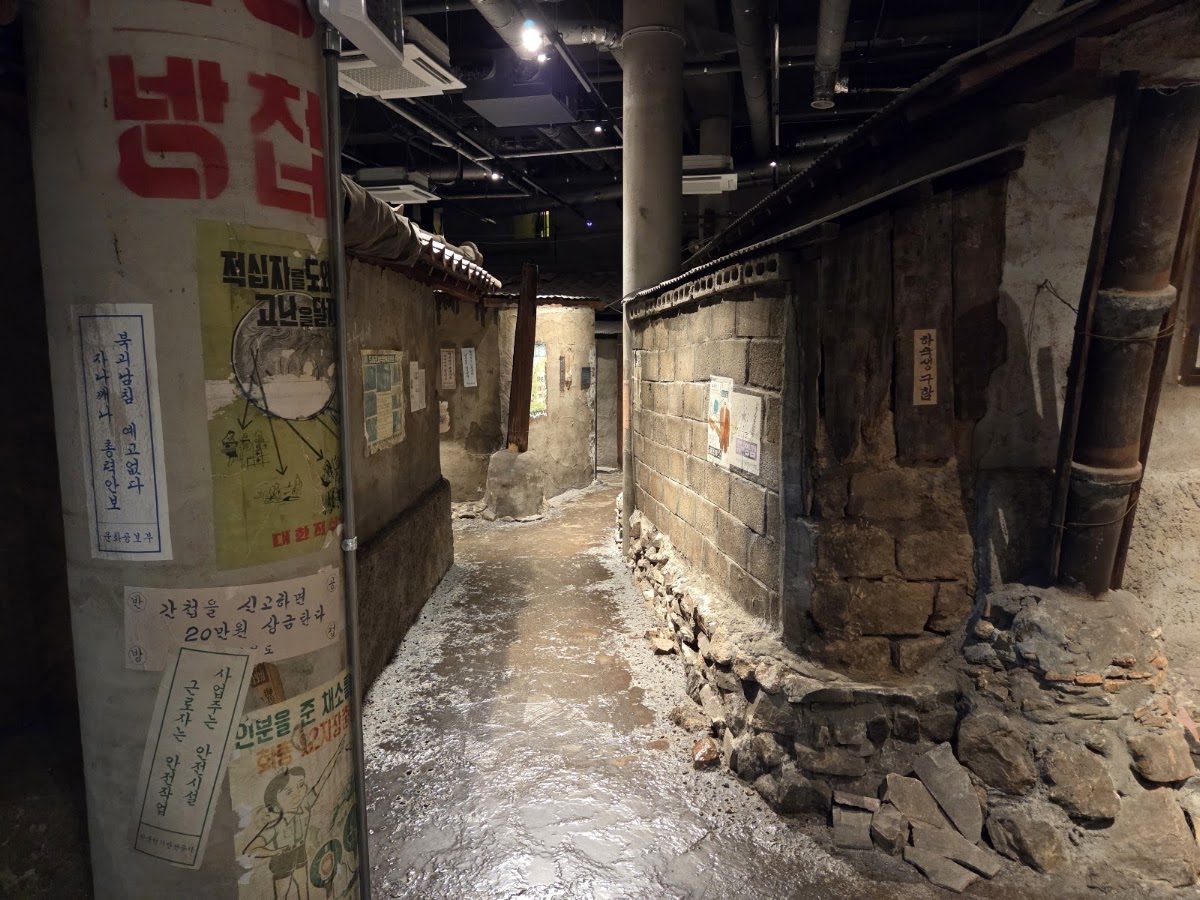
The museum features detailed recreations of narrow alleys, small homes, and shops, complete with period furniture and artifacts. You can walk through these reconstructed spaces, gaining a sense of the resilience and community spirit of the era. It is a unique way to understand the city’s social history.
This spot offers a different perspective on Incheon’s past, focusing on everyday life rather than grand historical events. It is a meaningful addition to an itinerary for those interested in social history.
5. What is the historical significance of Incheon’s old port area?
The Incheon Open Port Area preserves the architecture and atmosphere from when the port first opened to foreign trade in the late 19th century, offering a look into its international heritage. You can wander through streets lined with Japanese and Western-style buildings, many now converted into cafes and galleries. It is a key area for understanding Incheon’s role in Korea’s early modern history.
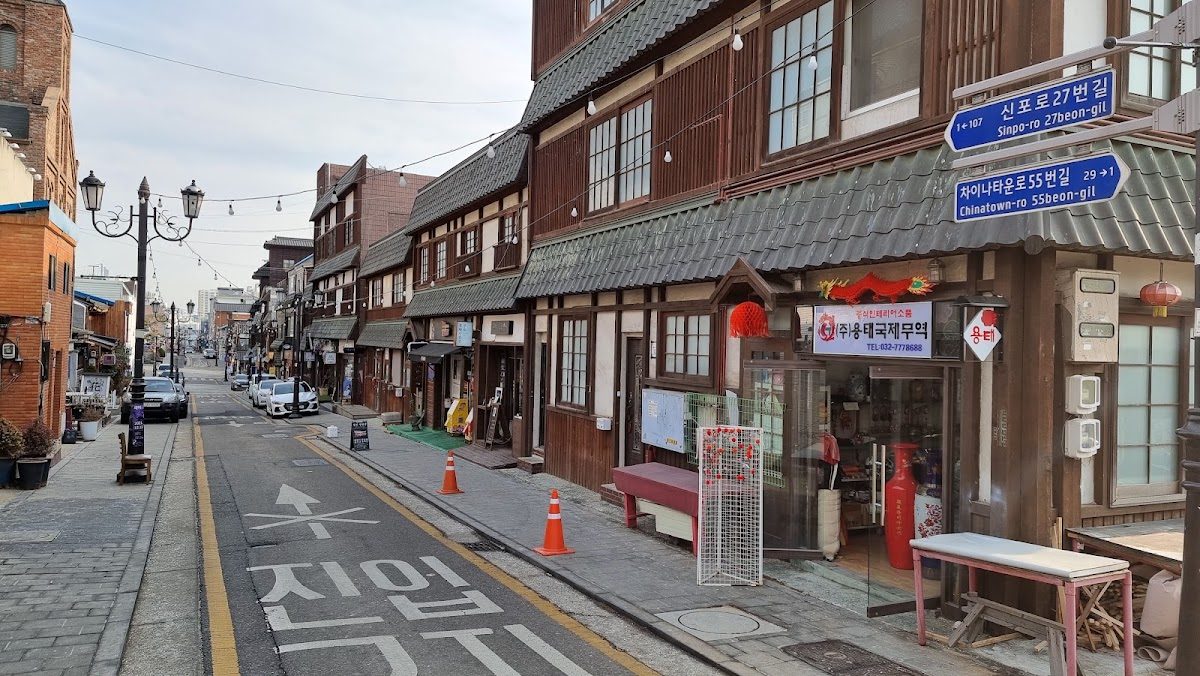
This district reflects the influence of various foreign powers that established presence here after the port opened. You will see a mix of architectural styles. Many of these historical buildings now house independent cafes, small art galleries, and craft shops, creating a pleasant atmosphere for exploration.
The Open Port Area is directly adjacent to Chinatown and Jayu Park, making it easy to combine with other historical sights. It provides a relaxed setting to enjoy a coffee while absorbing the historical surroundings.
Skip these
- Wolmido Island: While pleasant, it requires an additional bus or taxi ride from the main Incheon city center, adding too much transit time for a 6-hour layover.
- Songdo International City: This modern district is far from the historical areas and the airport, making it impractical for a short layover. The focus here is on new developments rather than traditional culture.
- Bupyeong Underground Shopping Mall: While a large shopping area, it is quite a distance from the historical core and would consume too much valuable transit time. Prioritise unique cultural experiences for a short visit.
If you only have 3 hours
With only 3 hours, focus your time on Incheon Chinatown and a quick visit to Jayu Park. Take the AREX All-Stop train to Incheon Station (28 minutes). Explore Chinatown for about 60 minutes, trying some jajangmyeon. Then, walk up to Jayu Park for 30 minutes to get a view of the port. Head back to Incheon Station by Hour 2, allowing ample time for your return to the airport.
FAQ
Can I leave Incheon Airport during a 6-hour layover?
Yes, you can leave Incheon Airport (ICN) during a 6-hour layover, provided you have the necessary visa or are eligible for visa-free entry. The AREX All-Stop train takes approximately 28 minutes to reach Incheon Station.
Where can I store my luggage at Incheon Airport?
Luggage storage is available at Hanjin Express Luggage Storage on the 3rd Floor of both Terminal 1 and Terminal 2 at Incheon Airport. Prices range from ₩9,800 to ₩13,000 per bag per day.
Do I need South Korean Won (KRW) for a layover in Incheon?
While credit cards are widely accepted, it is advisable to carry ₩30,000–₩50,000 in cash. This is useful for street food, traditional markets, and topping up transportation cards. ATMs are readily available at the airport.
How much time should I allow to return to Incheon Airport?
You should allow at least 1 hour for the return journey to Incheon Airport from the city center via AREX All-Stop train, plus another 2 hours for security and boarding. Aim to be back at the airport 3 hours before your scheduled departure.
Final word
Incheon offers a distinct experience from Seoul, a chance to see a different side of Korea focused on its port history and local life. The charm of Chinatown, the views from Jayu Park, and the flavors of Sinpo International Market combine to give you a meaningful layover. It is a grounded, authentic stop that many travelers simply fly over.
Sources checked
- https://vertexaisearch.cloud.google.com/grounding-api-redirect/AUZIYQFJmjWy5jWrUVwSkLHArV5Qt9DhDxOEMRJZu7f_PN1J9SM1HEySQ50kmqbMayZ9ddPJUoq4osyY54FfyOAnGbiPoL75Sg38Yk5laP__KIMYI-wBEXgLGth7mjR3UJb8zAffmVBFvy3z84oUYX479QSVu18uZbSQWskkzBCDAn3VCAYNP03sE16qyE5auelTureyZCYX1zjtNwywKzW_63o2YtJy2Tjd1CbOi1rjpajrg=
- https://vertexaisearch.cloud.google.com/grounding-api-redirect/AUZIYQExJgGJDIlssXR9mOaeLBphjWCIFO1pyCi-_Ly1sdo4r3xIxWzJzFkWldeTVdfUOL7r-JwxSvJX6qNw6soW29ax6doD-TarTqfiGL_uf49uzR08K4dkzygJ5EiV3L3uwAVYi-6UqcpkLvlZSmzczp-P-m1qvyF8XzYDsAAkvFw1TG3puluoORriww=
- https://vertexaisearch.cloud.google.com/grounding-api-redirect/AUZIYQGWgh09wrOOl42QTnFbDLE7ePvHMESj_ZadL-h3IDMnClAcbd-n0xQOi9x65wJWWiYIN3oG9fAj9EcJ_fE9nIIN67ZL8gln-Jx3S8NAHG-hio1kkbrihKJpep63mVEPnL3JjF7TdgSiiqJ7QFN_etLNrr6cpcI=
- https://vertexaisearch.cloud.google.com/grounding-api-redirect/AUZIYQGY5MpaBLyoymdj3ii9Z-CIkvqZS3dr_vRhXOw3WF2NdCNVLZNEjoTfwiEHLFZC4UDPTbr_69yvWZwfCjaLerTb4vz6mxcFvLmu2FzOnuVwGSMuL-imUDBGS3ZihuX1MX8EVZkfmbDKPsXy4eYKKMjj5CVDDXQ=
- https://vertexaisearch.cloud.google.com/grounding-api-redirect/AUZIYQErDTCMz7YdwDXOxn39jbqgTq1fW4yUhJv0Ytmb4pXBOXo9XxL8-AoVziBdEjOYoFSaD_M1-rQIM8w2EmeyxlXTXQx4bkuWnH0oQ_aJzM3n35GShkGJ2BvDcwILiXOa8B3wl2qLv2on239Fo–Bs3sjfQHsvO3F_7y4ff5K
- https://vertexaisearch.cloud.google.com/grounding-api-redirect/AUZIYQExbbiTb89ifmGpMDW3cSy-CbJU5_3pZL08D_6qNWwL8bIYERx7MUFQk7b49sidECY6ipkSo6q1-NQtfUoEO2opFNl27CTK3kaGHv06S2v4YsLWkRfgpaFKyCDhjWYJ6y9idl52NGutjDMQr1tUz_TVp8MApcND6apxzLUrOs=
- https://vertexaisearch.cloud.google.com/grounding-api-redirect/AUZIYQE8-B1WEoQ3T78GgbglskIpK53YZGBAUe6514VaBoftIUjV7TVhxu9rSQAulSne2qplWRJgluez8S3bWDTCV2hrl3ORdBZIbjEgwy7kJevFJURgqKATFT4YGriZ_QFZnJwITnal52Gj9TyzueYl2Fkju5aLBB3infDAOBLhvAqQvD8393G7keG7SO592OA=
- https://vertexaisearch.cloud.google.com/grounding-api-redirect/AUZIYQF83ZVytlaRQiGGyWg33K6AXMgmB8eBCLmkeOOBXcKUNoLn-l5hWcjTrOUcFqNCI-iqYJNH543ew89OIQFxhxr1aUFuk9dz9v7ow9wAo7w7rdUm_NQHgNaYNJteQq3NMZXofG4AhB1x04bvih2lkQ_3h33anhQrVMb158xkBslPFXmEWXWS9leNoRwo-CYsMsPc_GeMFU1O
This guide was researched and verified as of 19 October 2026. Opening hours and prices change — confirm before you go.