
With a 10-hour layover at Haneda airport (HND), Tokyo is accessible and offers a rewarding experience. The city centre is just a 30-minute train ride away, making it feasible to step out and engage with Japanese life. After storing your bags for around ¥1,000, you can explore gardens, historic streets, and food stalls. This itinerary focuses on cultural immersion and local flavours, providing a genuine taste of Tokyo.
At a glance
| Label | Value |
|---|---|
| Airport | Haneda International Airport (HND) |
| Fastest transit | Keikyu Line / 15–20 minutes / ¥300–¥500 |
| Luggage storage | Haneda Airport Official / ¥1,000 (M) per 24 hours |
| Cash needed | Yes, ¥10,000–¥20,000 recommended |
| Visa / transit note | Many nationalities qualify for visa-free transit. Confirm requirements. |
| Return buffer | 3 hours |
| Realistic total spend | ¥5,000–¥8,000 |
Who this is for
This layover is for travellers keen to experience Tokyo’s blend of tradition and understated modernity, moving beyond the usual neon-lit districts. It suits those who appreciate local markets, craft culture, tranquil gardens, and authentic Japanese cuisine, even with limited time.
Paul’s take
Tokyo on a layover is a different beast from a full trip. You’re not trying to conquer the city; you’re looking for moments. I’ve landed at Haneda countless times, and the efficiency of the Keikyu Line or Tokyo Monorail means you’re in the city before you can finish your first onigiri. The key is to pick a neighbourhood or two and really sink into them, whether it’s the quiet craft shops of Kuramae or the old-Tokyo feel of Yanaka Ginza. Don’t underestimate the power of an early morning visit to a garden or a late afternoon in a local izakaya — these are the times when Tokyo feels most real.
Before you leave the airport
Storing your luggage
You have several reliable options for luggage storage at Haneda. The Haneda Airport (HND) Official Temporary Baggage Storage is convenient, located in Terminal 3, 2F Arrival Lobby and 3F Departure Lobby. A medium bag costs ¥1,000 for 24 hours.
Alternatively, consider Coin Lockers at major train stations like Ueno or Shinjuku, costing ¥500–¥800 for a large locker per calendar day. For flexible hourly rates, apps like LuggageHero or Stasher offer locations across Tokyo, often cheaper for shorter periods.
Do you need cash?
Yes, carrying cash is advisable for a Tokyo layover. While cashless payments are growing, many smaller shops, street food stalls, and traditional markets still prefer or require Japanese Yen (JPY). It’s good to have ¥10,000–¥20,000 on hand.
You can find ATMs at Seven Bank and Japan Post Bank locations, which reliably accept international cards, including at the airport and in convenience stores. An IC card like Suica or Pasmo is useful for transport and small purchases, but keep coins for lockers and some vendors.
Timeline
- Hour 0: Land at Haneda Airport (HND) and clear immigration.
- Hour 1: Store your luggage at the airport or a major station.
- Hour 1.5: Take the Keikyu Line or Tokyo Monorail into the city (approx. 15–20 minutes).
- Hour 2–7: Explore Hamarikyu Gardens, Kuramae, Yanaka Ginza, or Tsukiji Outer Market. Consider an izakaya experience if your layover extends into the evening.
- Hour 7: Begin your journey back to Haneda Airport.
- Hour 8.5–10: Clear security and proceed to your gate.
10 hours in Tokyo: what to do
1. How can I find a peaceful garden retreat in the city?
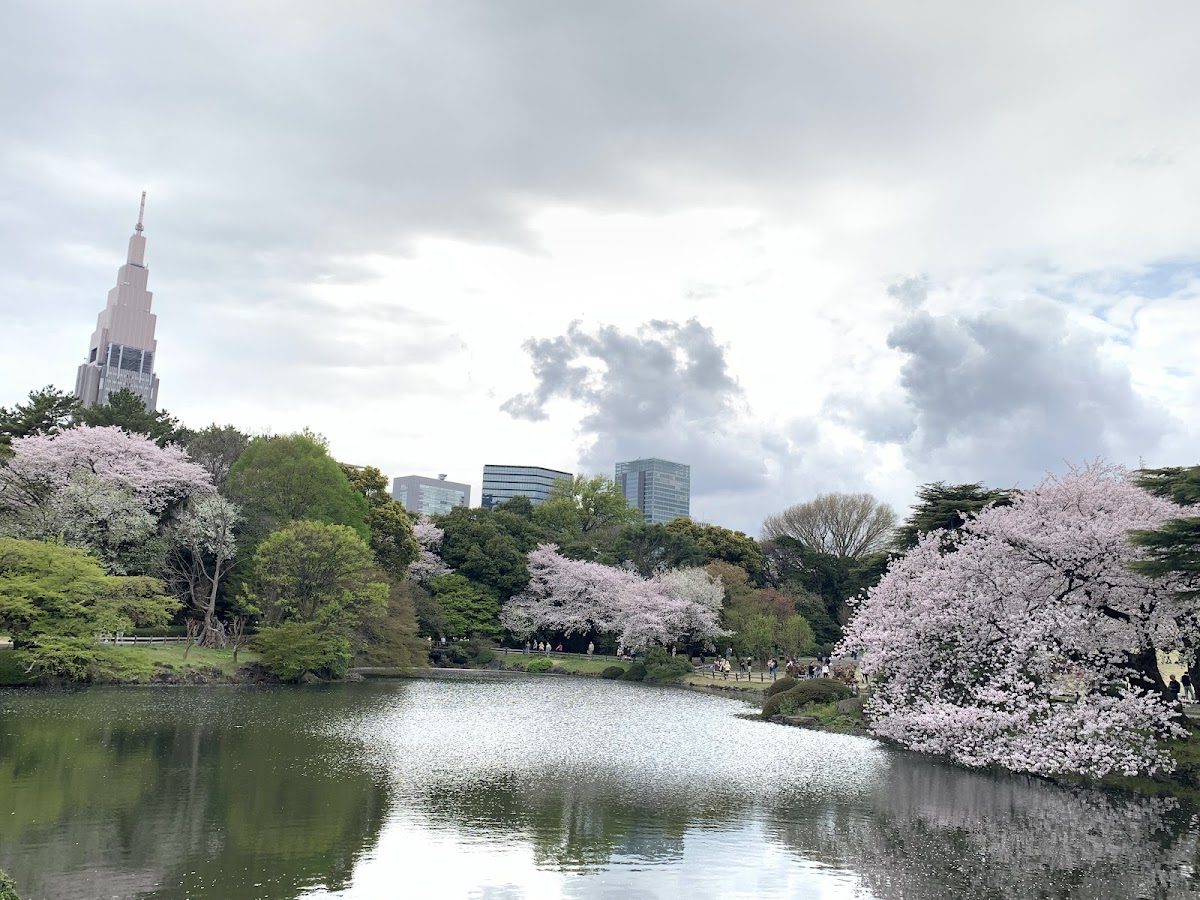
Visit Hamarikyu Gardens to experience a tranquil 17th-century Japanese garden with seawater ponds and a traditional tea house, offering a serene break from Tokyo’s pace. This historic garden was once a duck hunting ground for shoguns, providing insight into Edo-period elegance.
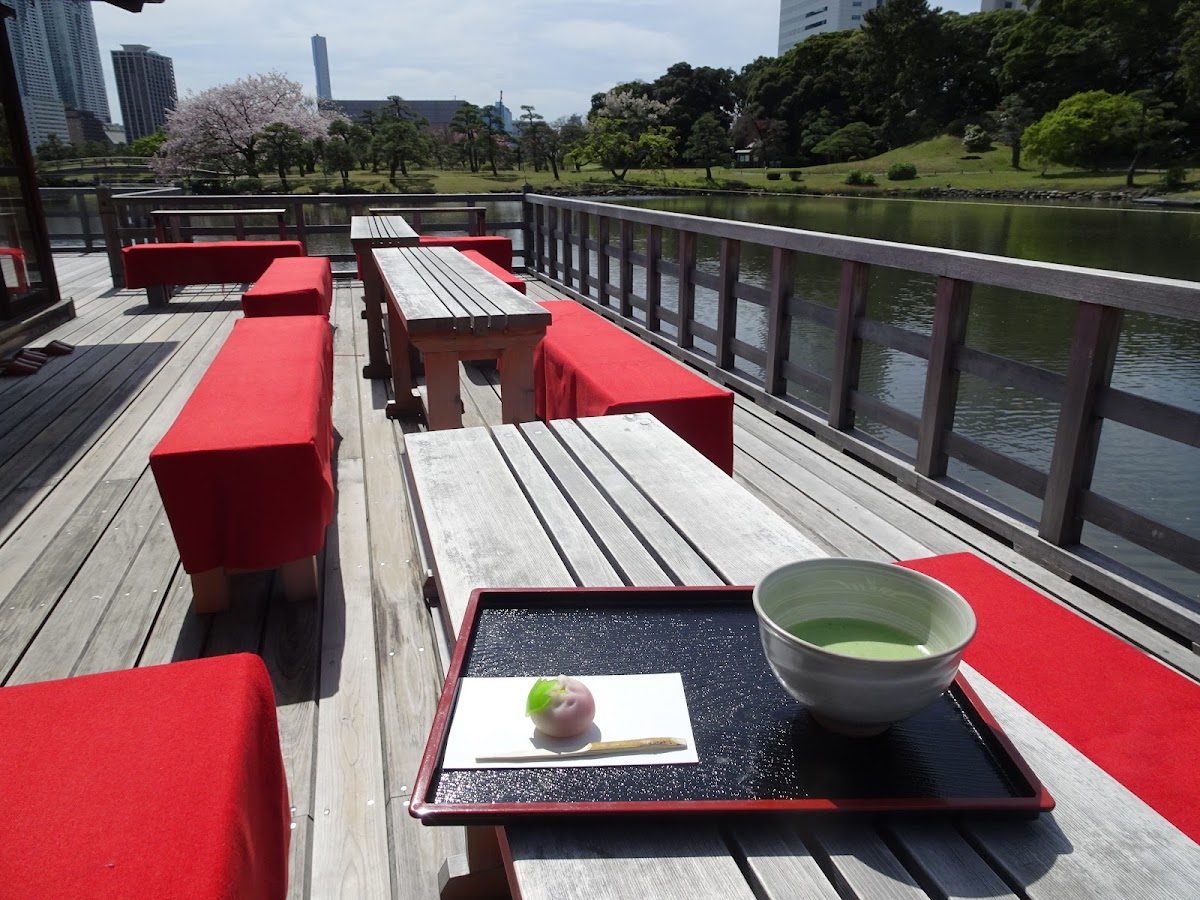
The Nakajima Tea House, situated on an island in the garden, allows you to enjoy matcha while overlooking the scenic landscape. It’s a quiet spot to observe the changing tides and the surrounding modern skyline.
2. Where can I find unique local crafts and independent shops?
Explore Kuramae, often called Tokyo’s ‘Brooklyn,’ a neighbourhood known for its contemporary craft workshops, independent boutiques, and small makers. This area provides a refreshing contrast to the city’s larger commercial districts, focusing on local craftsmanship and community.
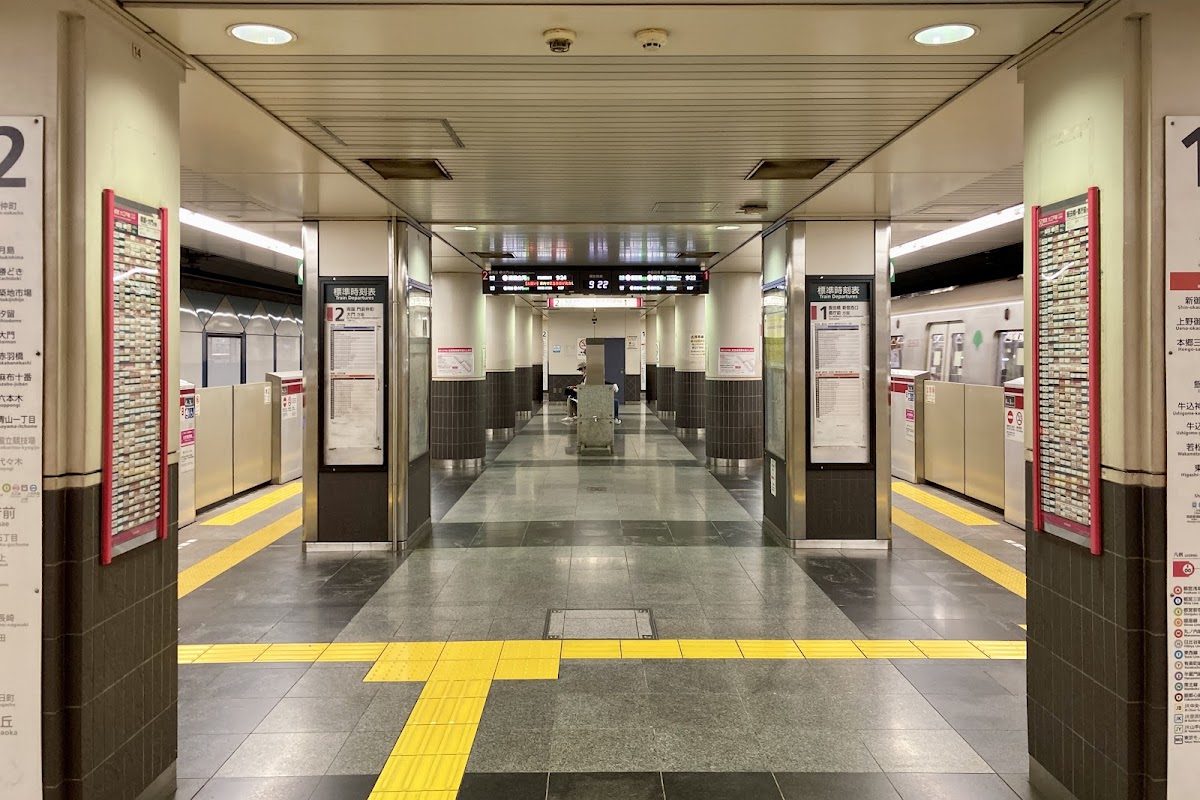
You can discover unique handmade goods, artisanal coffee, and a creative atmosphere here. Look for shops like Nippon Hyakkaten for a curated selection of Japanese products.
3. How can I experience a taste of ‘old Tokyo’ and local street food?
Wander through Yanaka Ginza Shopping Street, a pedestrian street that offers a nostalgic feel of ‘old Tokyo’ with its traditional wooden shops and unhurried atmosphere. This area is perfect for immersing yourself in everyday Japanese life away from the modern skyscrapers.
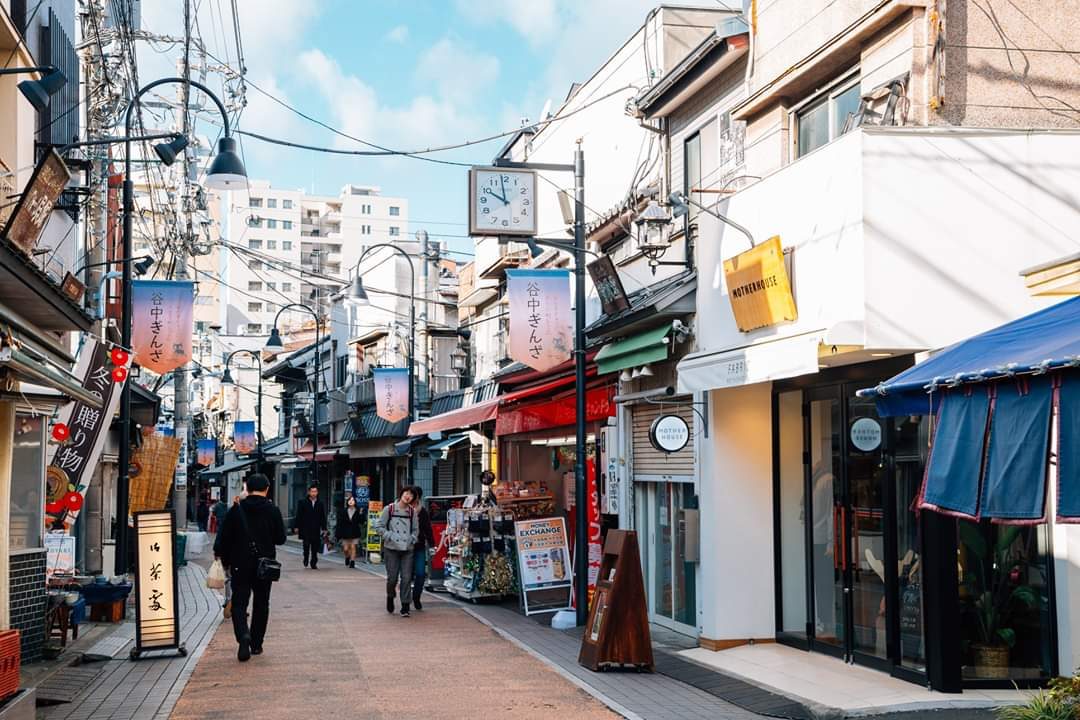
Here you can find authentic street food, handmade crafts, and unique souvenirs. Try local snacks like menchi katsu (fried minced meat cutlet) or taiyaki (fish-shaped cake with sweet filling). The nearby Yanaka Cemetery offers a peaceful stroll.
4. Where can I find the freshest seafood and a lively market atmosphere?
Head to Tsukiji Outer Market, a hub for food lovers that remains active even after the wholesale market moved to Toyosu. It’s an energetic maze of stalls selling fresh seafood, produce, kitchenware, and a wide array of street food.
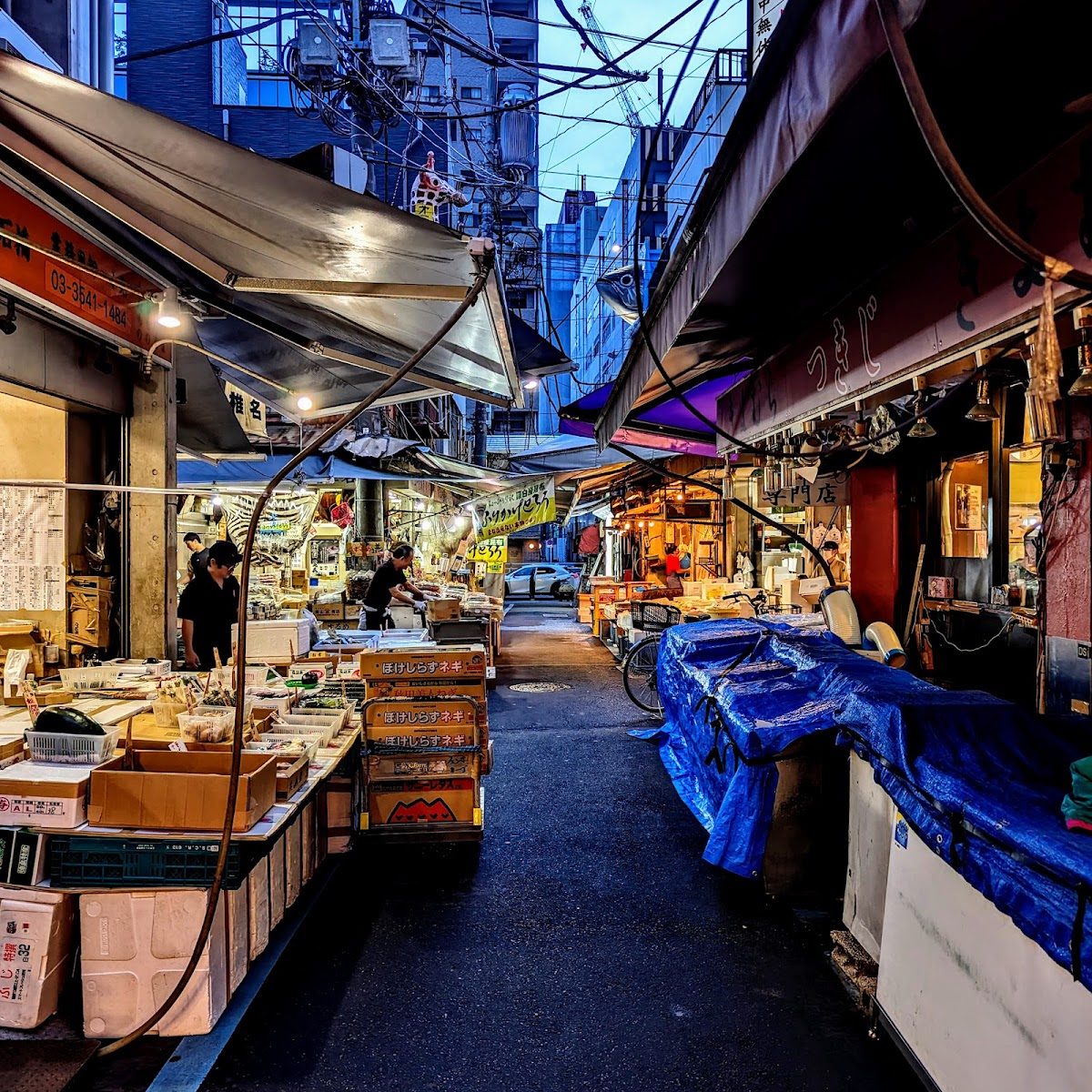
This is the place to savour incredibly fresh sushi, tamagoyaki (sweet egg omelets), and other Japanese delicacies directly from vendors. The market offers a sensory experience with its sights, sounds, and smells.
5. Can I experience traditional Japanese dining in a local setting?
Enjoy a Local Izakaya Experience in areas like Ueno or Ameyoko for an authentic taste of Tokyo’s informal dining culture. These traditional Japanese pubs offer a wide variety of small dishes and drinks in a lively, unpretentious setting.
You can try yakitori, gyoza, sashimi, and karaage, paired with sake or beer. It’s a great way to mingle with locals and experience a genuine slice of Japanese social life.
Skip these
Shibuya Crossing: While iconic, the sheer crowds and transit time to Shibuya for a quick photo opportunity make it less ideal for a short layover. You’ll spend more time navigating than experiencing.
Tokyo Skytree/Tokyo Tower: Views are impressive, but the time spent travelling, queuing, and ascending often outweighs the benefit for a limited layover. Prioritise ground-level experiences instead.
Robot Restaurant: This is a high-energy, tourist-focused show that consumes a significant portion of a layover and is expensive. It offers little in the way of cultural immersion.
If you only have 7 hours
With only 7 hours, focus tightly on a single neighbourhood. Take the Keikyu Line from Haneda Airport to Shinagawa Station, then the JR Yamanote Line to Ueno Station. From there, you can explore Ameyoko Market for street food and browse local shops, then walk over to the nearby Ueno Park for a brief stroll. This compact loop allows for minimal transit time and maximum immersion.
FAQ
Is it possible to leave Haneda Airport during a 10-hour layover?
Yes, it is entirely possible to leave Haneda Airport (HND) during a 10-hour layover, as the city centre is only about 30 minutes away by train.
Where can I store my luggage at Haneda Airport?
You can store your luggage at the Haneda Airport (HND) Official Temporary Baggage Storage located in Terminal 3, 2F Arrival Lobby and 3F Departure Lobby, with prices starting from ¥800 per 24 hours.
Do I need a visa to leave Tokyo Haneda Airport for a layover?
Many nationalities qualify for visa-free transit in Japan, allowing you to leave the airport during a layover. However, it is crucial to confirm the specific visa requirements for your passport before travel.
How much time should I allow to return to Haneda Airport?
You should allow at least 3 hours to return to Haneda Airport (HND), clear security, and reach your boarding gate comfortably. This accounts for transit time, potential delays, and airport procedures.
Is Tokyo expensive for a layover?
Tokyo can be moderate to expensive, but it’s manageable on a layover. Public transport is efficient, and while some attractions have entry fees, you can enjoy many cultural experiences and street food for a reasonable budget, typically ¥5,000–¥8,000.
Final word
Tokyo on a 10-hour layover is not about seeing everything, but about experiencing something genuine. It’s the quiet contemplation in Hamarikyu Gardens, the discovery of a small artisan shop in Kuramae, or the simple pleasure of a fresh tamagoyaki at Tsukiji. These moments offer a true connection to the city’s unique blend of tradition and everyday life, leaving you with a richer sense of Japan.
Sources checked
- https://vertexaisearch.cloud.google.com/grounding-api-redirect/AUZIYQGUuoS0hYlgM2Tjk1xlViE1gFDE2DeK2oNo7Ml5w1-_UQrfpuVoisZOex_zI84Dnd6XNzN5g0PrnUWLAdvodTmiS4KfGlRcaXEQnomR9bt8AFicjl_eXvK2zgEhhnkGcqM51-AzzMAQ
- https://vertexaisearch.cloud.google.com/grounding-api-redirect/AUZIYQFhu_vwVIsrHBhBQCYHtsfLqLRx2Rn2S_WPCOEgymr2soJoSw9lLDQom8T-PM6Cq3ykkaHNM1n0hf4Hm44UmvDqy0ecjijpHd6-IOXAc6qHr9ep8I4wKaJMCcbS8UvH4Vqa1d9CDNN9_8PuCPQd7hy4cVKBeWKrx7ZjlRg=
- https://vertexaisearch.cloud.google.com/grounding-api-redirect/AUZIYQFVHNM-QcHrWGrBZjaIl79tbUoeGqxLOLWLUlegFhVmqTqdWw7rYP38SmmcSLamKsAx8_-ZLdclGD6zbsMbHTK06tr4DcclinhP7TrqR1tG3xiSCKwN2i6FU5FsWKS_J5fuB2QJdZrkYOX_pSwJV9UdzmwN64HWBu_9bZ3hcL91Og4Ouq8XkUn4k-JhyPGchetPgpb5bJfI6g==
- https://vertexaisearch.cloud.google.com/grounding-api-redirect/AUZIYQEttkw2hbTlZU0NN0ZuBqNFaYhc7iGub6LQqYtAAnYKudg_AqIIYnLGu7AoJiKln3X7dXXiAhEdgjP3VsonFGbSQy6sfl3uQyipnw_PjcAOmqVDNzIEr4buUtJVMDhw-jw1BXujS0ffgzn3EBiO-Sn9F1NQ1DOt9IhcFWOmgXxBNvvwlRPClX051R-UZ1Lemk1yolLeRYcQAFbGwTvqGZJfONjbXOXlGuLt3SRQ2wnuiVeWAD8PFow20yTxFUaBAhq3S6pzKF-qabLtAnqn5Q==
- https://vertexaisearch.cloud.google.com/grounding-api-redirect/AUZIYQHcm6bWaNGxsbmV3GWVIgXAtYZkEjVLu3SXUqUNESv324KORqXhbVkxASQPF9wTVdqqUqifvxLjZpKyRahIxTyVCixJnvBGrc4zybRx6bbQ8hUqNzOZbinBoBKIzv5Wfekvrclcxwe5HLEb1V60y33Ud1zeNYvmBfG00w==
- https://vertexaisearch.cloud.google.com/grounding-api-redirect/AUZIYQFnAb2nDm4HhQEU_LyGxotcl0wLHpxf8LMudR_7sErWG_8iH5bYRqWunlPUIWqn5ThYdQVShco-C36iX3SvMHM1G6netCx6spsU4rVJSyOec0pDUQnTaJsBh9zteHM0fQhVIvEoSio5yGf5KYJTQ1DT_QJXQD19lQMpqF1KY5SAahRWv8JeJGuMFJq0Ngdo-R0=
- https://vertexaisearch.cloud.google.com/grounding-api-redirect/AUZIYQHKazbaQYi4HzunaLIzGM2x1MqMWKDKPtqf-r1ZAPezFZABa_PD4BYqYJvjwqLpLO-d-uDhBv86YDlb1gSQhxtND-N4TKMVzhBfFf9X7P85URnE7abyd4GpLaPINGD1xxSZvlvTi0GzEMsbapnPihMlnPcc9Tc=
- https://vertexaisearch.cloud.google.com/grounding-api-redirect/AUZIYQGgDal1Az_EYM0iLqL74UESZVKvuwMhsIZ2YCGs4-SO5tR4DfvgWsTJZMplYsP_cGFLUi-4Rzi7kemyu9XoM51qG83_JBcXP3MSCiLutLJiUQzaYJCT9F_z-Eg56u-4jnWukdM0DZjkHaYI55dnkeuNa6_k99sJNTeU
This guide was researched and verified as of 18 October 2026. Opening hours and prices change — confirm before you go.