
Yogyakarta is seeing a surge in interest for its vibrant street food night market and the unique Kopi Joss, drawing more visitors to Indonesia’s cultural heart. For those with a short layover, this city offers a genuine taste of Javanese heritage beyond the airport lounge.
This guide is for the pragmatic traveller with 6 hours in Yogyakarta who wants to leave the airport and experience the city’s unique charm, from traditional crafts to local culinary gems. If you have a longer layover, you might also find useful insights from my guide to 8 Hours in Medan: Heritage, Crafts, and Culinary Gems.
Yogyakarta, or Jogja, is Indonesia’s only royal city, a living testament to Javanese arts and culture. It’s a place where classical traditions meet a relaxed, budget-friendly atmosphere, offering a stark contrast to Indonesia’s more frenetic urban centres.
A personal note: I have passed through Yogyakarta multiple times as cabin crew. Even with limited hours, the city always felt accessible, a stark contrast to the sprawling chaos of some other Southeast Asian hubs. My clearest memories are of the shifting rhythm of Malioboro Street – quiet in the early morning, then building to a crescendo of street food and vendors as evening fell. The smells of gudeg and charcoal coffee, the constant hum of conversation, and the intricate batik patterns were always a welcome sensory anchor, even on the shortest of visits. You quickly learn to navigate the ebb and flow.
Before you leave the airport
Storing your luggage
For a short layover, keeping your luggage secure is essential.
Yogyakarta International Airport (YIA) Luggage Storage
– Location: Departure Level, Yogyakarta International Airport (YIA)
– Price: 70,000 – 100,000 IDR per 24 hours
– Hours: Typically airport operating hours (check upon arrival)
– Notes: Price varies by luggage size.
LuggageHero (City Center)
– Location: Various partner shops and businesses in Yogyakarta city center
– Price: From $1.49 USD per hour or $4.90 USD per day (plus $1.60 USD service fee per bag)
– Hours: Varies by location (check on booking platform)
– Notes: Book online, pay later. Includes a bag guarantee.
Do you need cash?
Yes, cash is widely used and essential in Yogyakarta, especially for smaller establishments, markets, and street food. While some larger places accept cards, a 3% surcharge is common.
ATMs are available at the airport and throughout the city. It is advisable to withdraw Indonesian Rupiah (IDR) upon arrival using an international travel debit card for better exchange rates. Carry smaller denominations for convenience.
6 hours in Yogyakarta: what to do
1. Immerse yourself in the energy of Malioboro Street
Walk the length of Malioboro Street, the vibrant artery of Yogyakarta, where local life unfolds. The street is a sensory experience, with the scent of spices and street food mixing with the chatter of vendors and the distant clang of becak bells.
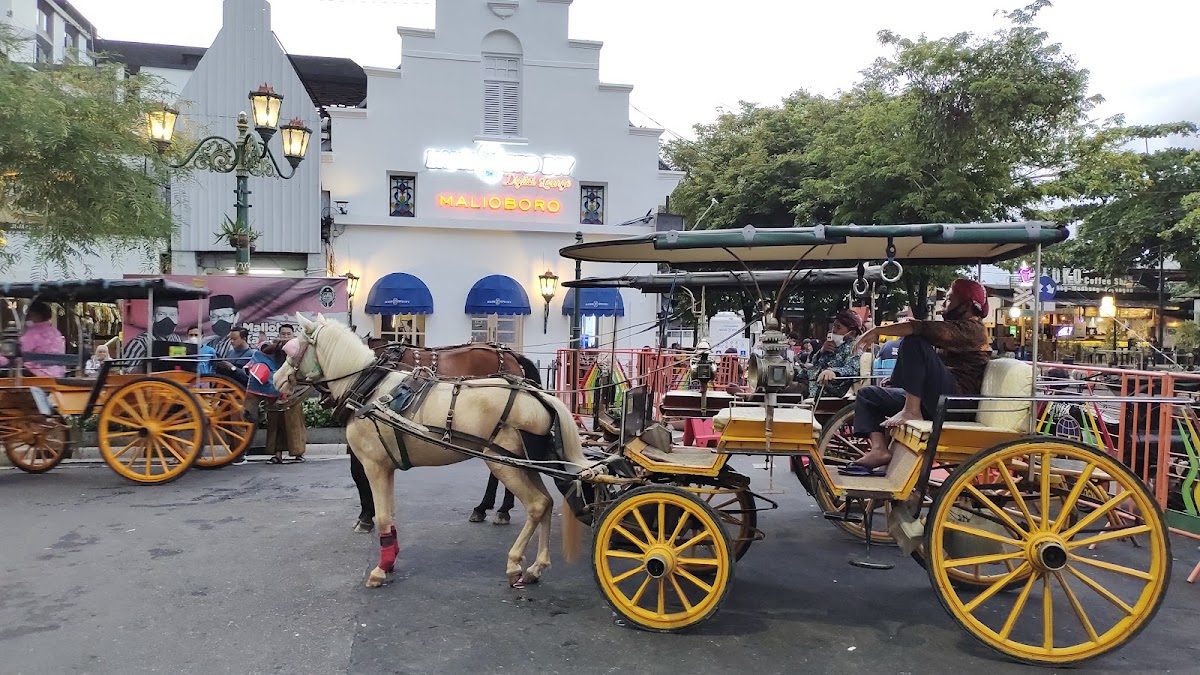
Browse the stalls for traditional crafts, textiles, and souvenirs. In the evenings, it truly comes alive as a bustling night market, offering everything from intricate batik to small wooden carvings. It’s a perfect spot to observe local commerce and soak in the city’s atmosphere.
2. Discover authentic crafts at Mirota Batik (Hamzah Batik)
Step into Mirota Batik, also known as Hamzah Batik, a multi-story emporium on Malioboro Street that’s a cornerstone of Yogyakarta’s craft scene. This is where you can find high-quality batik, traditional textiles, and a vast array of Javanese curios.
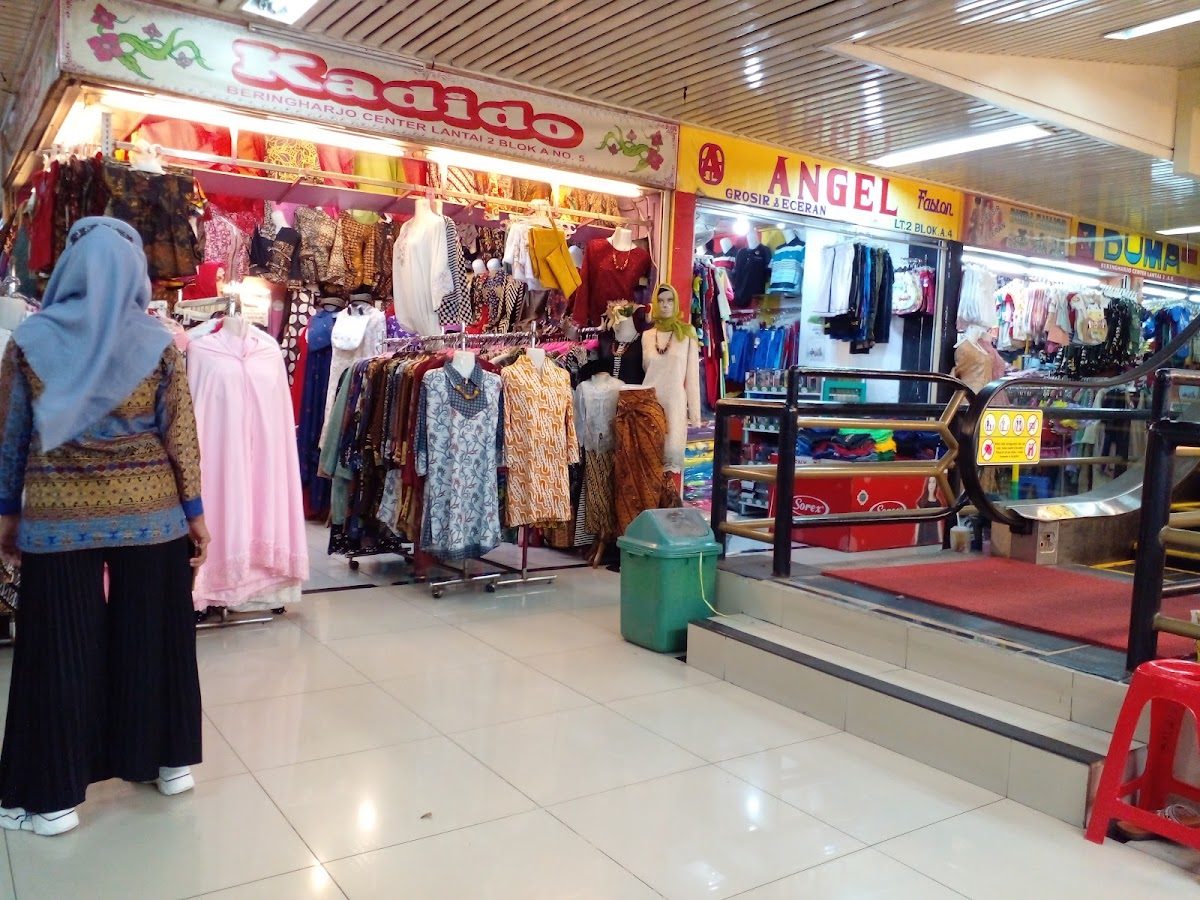
The store offers a comprehensive look at local artistry, from intricate fabric patterns to leather goods and wooden crafts. It is a fantastic place to find authentic souvenirs and gifts, allowing you to appreciate the skill of local artisans without needing to travel to specific villages.
3. Taste the iconic Gudeg at Gudeg Yu Djum (Dagen)
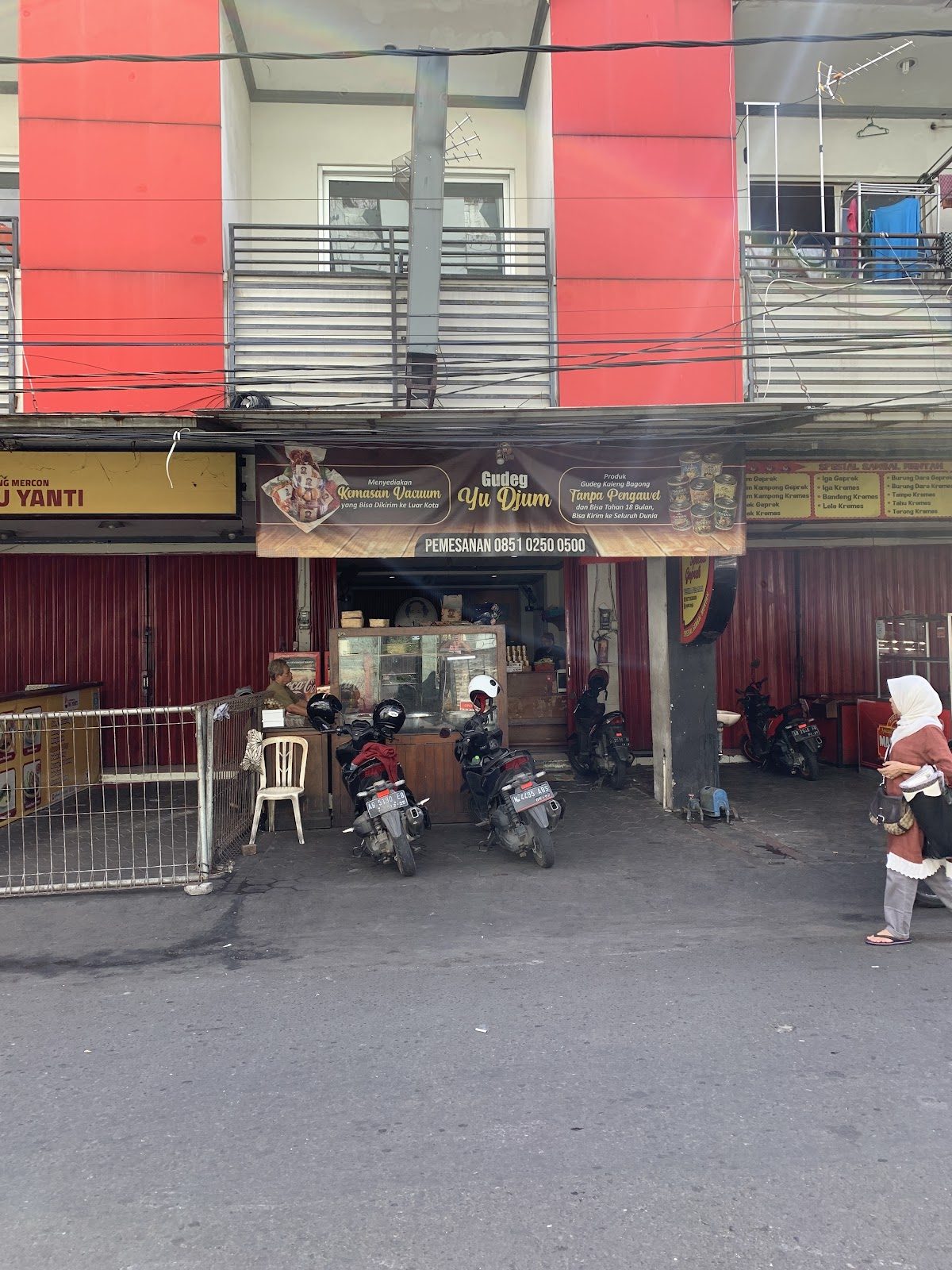
No visit to Yogyakarta is complete without trying Gudeg, the city’s signature dish, and Gudeg Yu Djum (Dagen) is a legendary spot to do so. This branch is conveniently located near Malioboro, making it an easy stop for a quick, authentic meal.
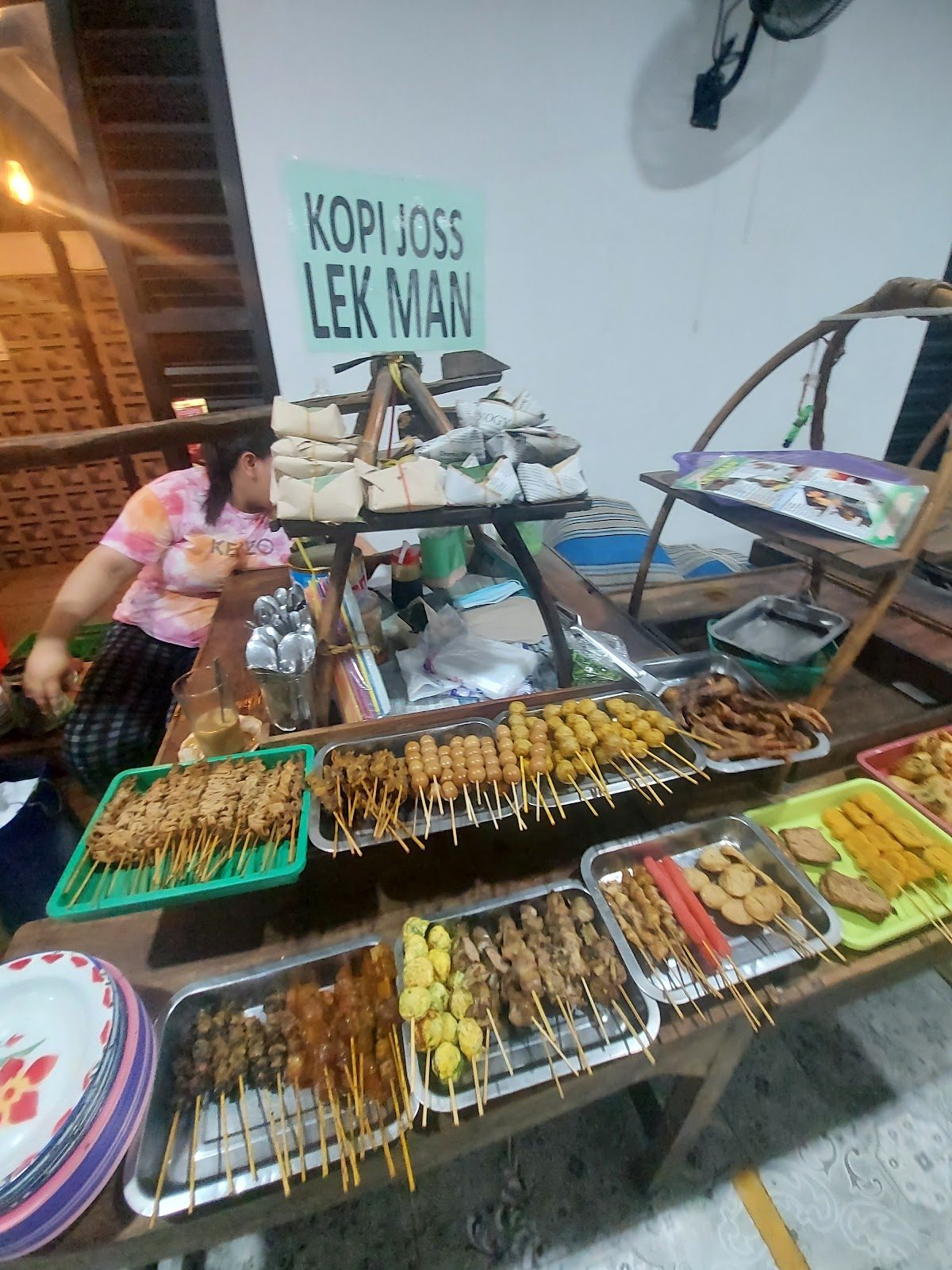
Gudeg is a sweet and savory young jackfruit stewed in coconut milk and spices, often served with fried chicken, eggs, and krecek (spicy cow skin crackers). It offers a deep dive into traditional Javanese flavours, distinct from other Indonesian cuisines.
4. Experience the unique Kopi Joss at Angkringan Lik Man
Seek out Angkringan Lik Man to try Kopi Joss, a unique black coffee served with a glowing hot charcoal piece dropped directly into the cup. This traditional preparation is said to neutralize acidity and impart a distinct smoky flavour.
This spot offers a quintessential local evening experience, providing a glimpse into Yogyakarta’s casual street food culture. It is more than just coffee; it is a social ritual, a quiet moment in the heart of the city. Last time I was here, the charcoal seemed to hiss louder than usual, drawing curious glances from other patrons.
Final word
Yogyakarta might be a quick stop, but even 6 hours allows you to taste its distinct culinary identity and feel its warm, unhurried pulse. It offers a genuine connection to Javanese culture that many other cities miss, even if it is just a walk down Malioboro or a cup of charcoal coffee.
All information was verified at the time of writing. Please confirm opening hours and prices before your visit.