
Dar es Salaam is often seen as a transit city, but its vibrant pulse demands a closer look. For those with a layover, skipping the city for the airport lounge means missing the authentic rhythm of East Africa — a unique blend of Swahili culture and dynamic urban life. The buzz around Kariakoo Market street food and Mwenge Woodcarvers Market shows a growing interest in stepping out of the terminal.
This guide is for the pragmatic traveller with 8 hours in Dar es Salaam who wants to dive headfirst into local life, beyond the typical tourist paths. It’s about experiencing the city’s heart, not just its airport.
Dar es Salaam, Tanzania’s largest city, pulses with the energy of a major East African port. It’s a place where the scent of spices from Kariakoo Market mingles with the sea air, creating a truly distinct atmosphere.
A personal note
Over many layovers through Dar es Salaam as cabin crew, the city always felt like a living organism. Stepping out of the airport, the air changes — hotter, thicker, filled with the distant sounds of dala-dalas and the smell of roasting maize. I’ve watched the city wake up at dawn, the fish market coming alive, and seen the late afternoon sun cast long shadows over the bustling streets of Kariakoo. It’s a city that never stops moving, always offering something new to observe, even if it’s just the way people interact over a cup of chai.
Before you leave the airport
Storing your luggage
Getting out of Julius Nyerere International Airport (DAR) for a layover means you will need to shed your bags. While there are no official lockers inside the terminal, a couple of reliable off-site options exist. Just like an 8-hour layover in Nanjing, efficient luggage storage is key.
- Wakah Logistics Tanzania: Located at Ilala Boma, this offers short-term transit storage. It’s best to contact them directly for the most current pricing and operating hours, as 24/7 access may be available for specific services.
- LuggageHero (Partner Locations): This service uses various partner locations throughout Dar es Salaam. Book online via their app; payment is made upon pickup. Expect to pay approximately 4,000 TZS per hour or 13,000 TZS per day, plus a 4,250 TZS service fee per bag.
Do you need cash?
Yes, cash is highly necessary for an authentic Dar es Salaam experience. For markets like Kariakoo, local transport, and smaller eateries, Tanzanian Shillings (TZS) are essential. Carry crisp, post-2013 US Dollars for larger, tourist-facing payments, but be prepared for potential 3-5% surcharges if using cards in larger establishments.
Avoid exchanging money at the airport due to unfavorable rates. Instead, head to major bank branches like CRDB, NMB, or Exim Bank in the city for better exchange rates and reliable ATMs. For security, keep only a small amount of spending cash accessible in a separate wallet.
8 hours in Dar es Salaam: what to do
1. Immerse yourself in the chaos of Kariakoo Market
Step into Kariakoo Market, Dar es Salaam’s sprawling nerve centre, where the city truly reveals its character. This vibrant maze is a sensory overload, with everything from fresh produce and spices to textiles and traditional crafts spilling into narrow lanes. It is a fantastic spot to simply observe local life unfolding.
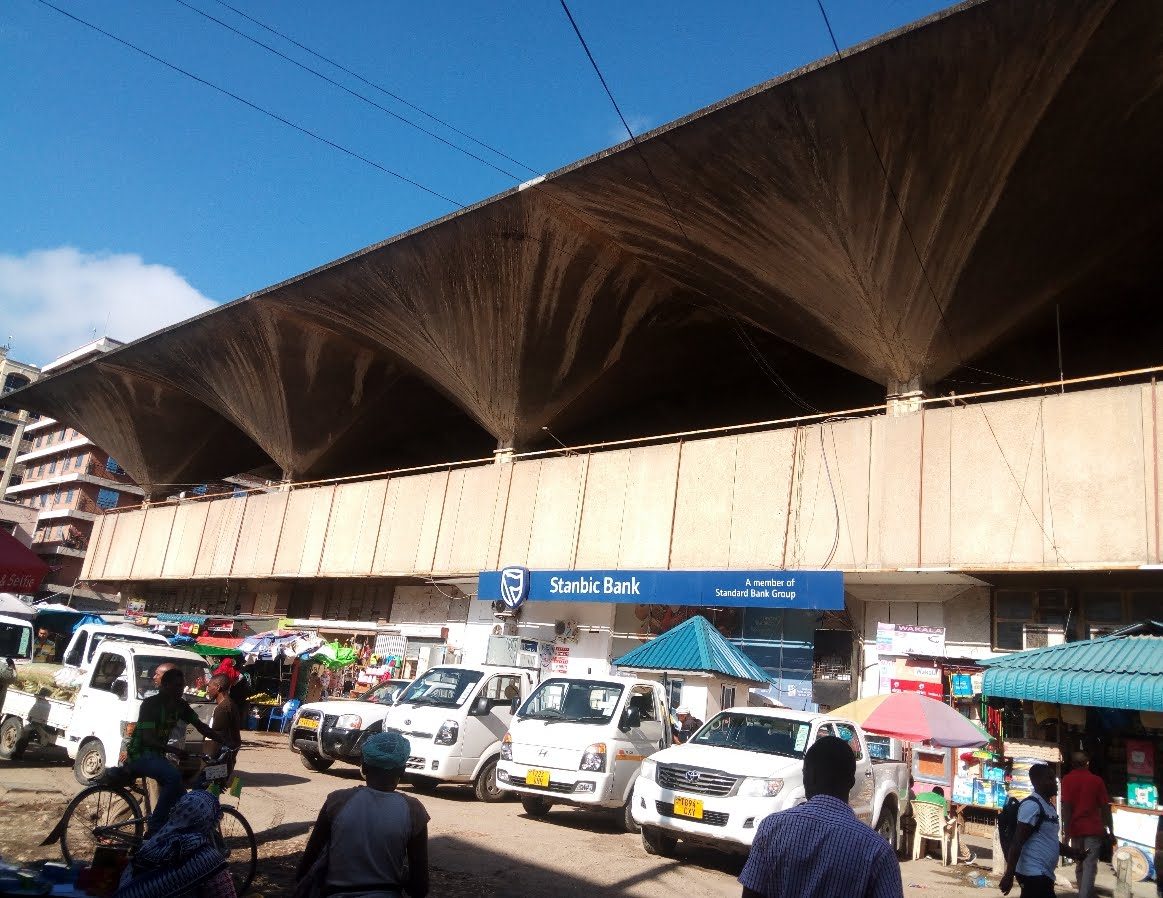
Here, you will find authentic pilau and mishkaki vendors, offering flavours that have not been adjusted for any foreign palate. It’s a place where the art of bargaining is still very much alive.
2. Witness the dawn at Kivukoni Fish Market
Experience the raw energy of Dar es Salaam at the Kivukoni Fish Market, a vital pulse point of the city’s coastal economy. Fishermen bring in their morning catch, and lively auctions erupt, showcasing a captivating glimpse into local interactions.
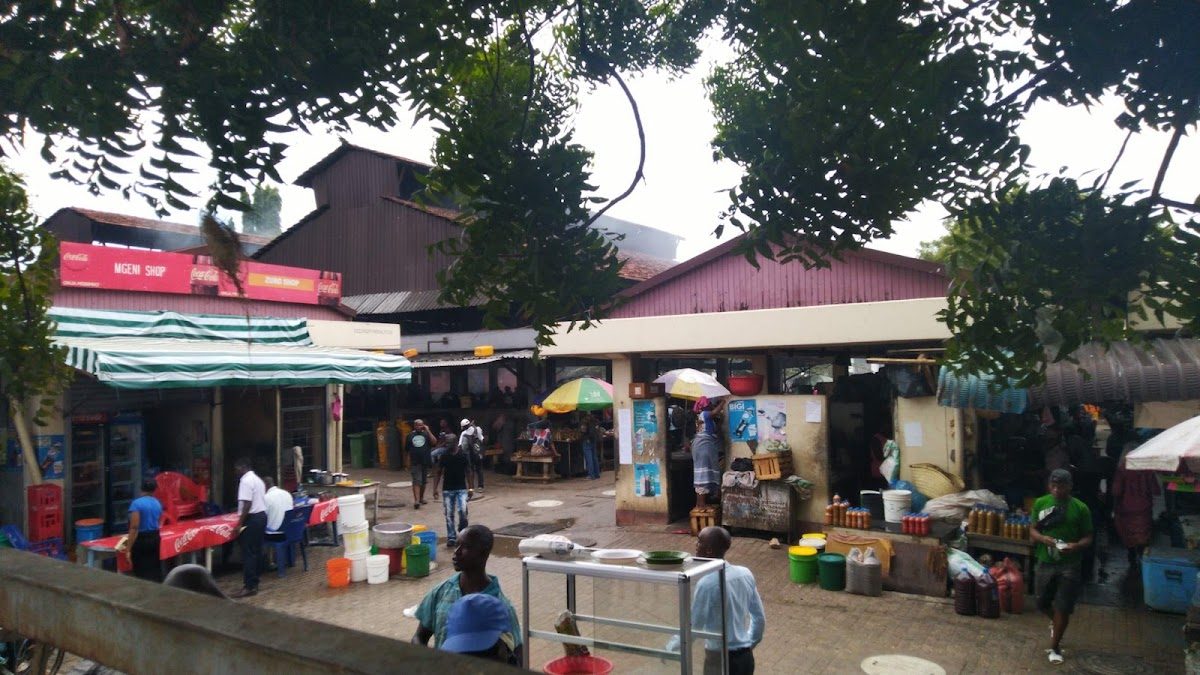
Beyond the auctions, you can find stalls offering freshly fried or grilled seafood. I remember the smell of the charcoal grills mixing with the salty air, a potent reminder of the city’s connection to the ocean. You can climb the stairs to the official offices for a panoramic view of the market’s activity below.
3. Delve into history at the National Museum and House of Culture
Uncover Tanzania’s rich history and diverse cultural heritage at the National Museum and House of Culture. The museum houses significant archaeological finds, including early human fossils, a testament to the country’s profound historical depth.
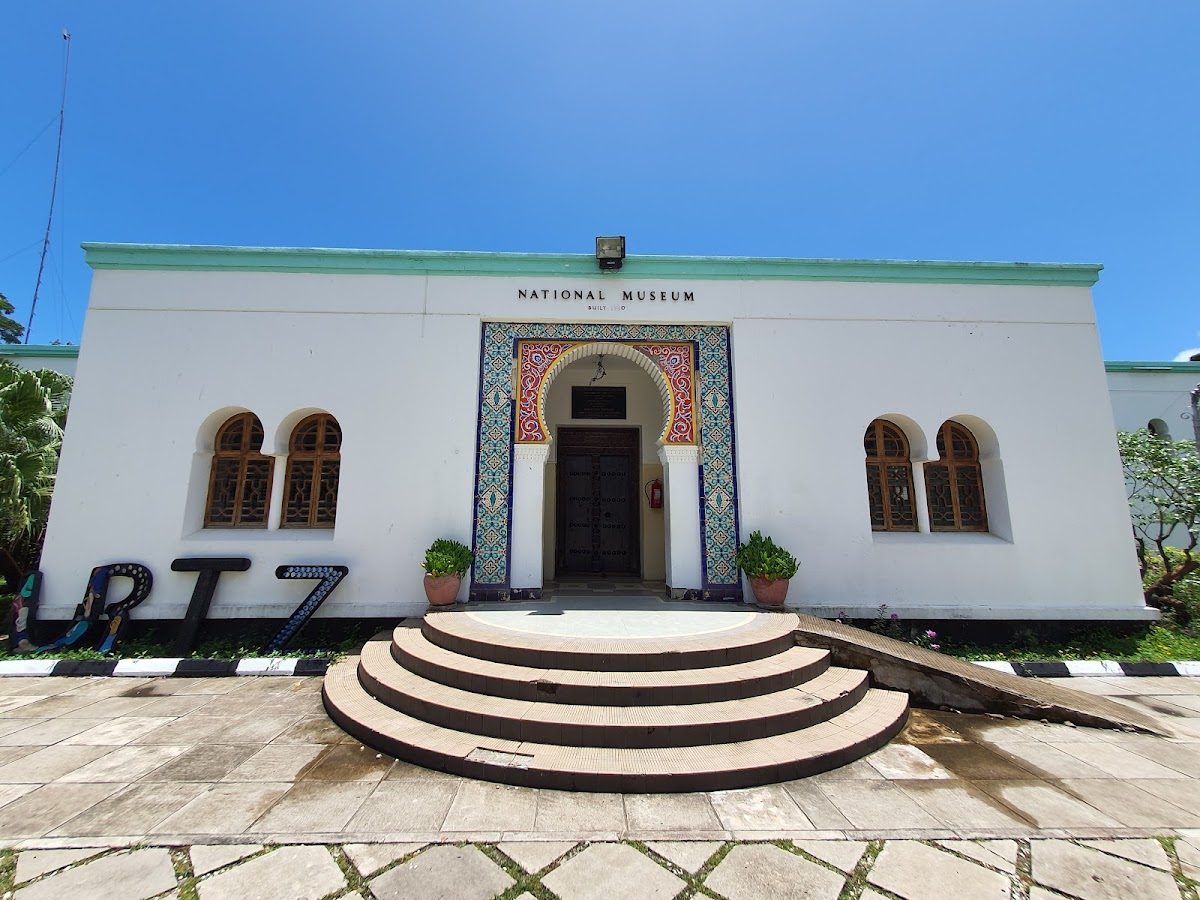
Exhibits on Tanzania’s colonial past sit alongside displays of traditional artifacts, offering insights into the country’s ethnic groups and their customs. Pay particular attention to the exhibits on the “cradle of humankind” and the first hominid skull, which are particularly significant.
4. Engage with artists at the Tinga Tinga Art Centre
Discover the unique and colourful Tinga Tinga painting style, which originated right here in Dar es Salaam in the 1960s. This cooperative showcases the work of numerous artists, characterized by bold colours, naive perspectives, and repetitive dot patterns.
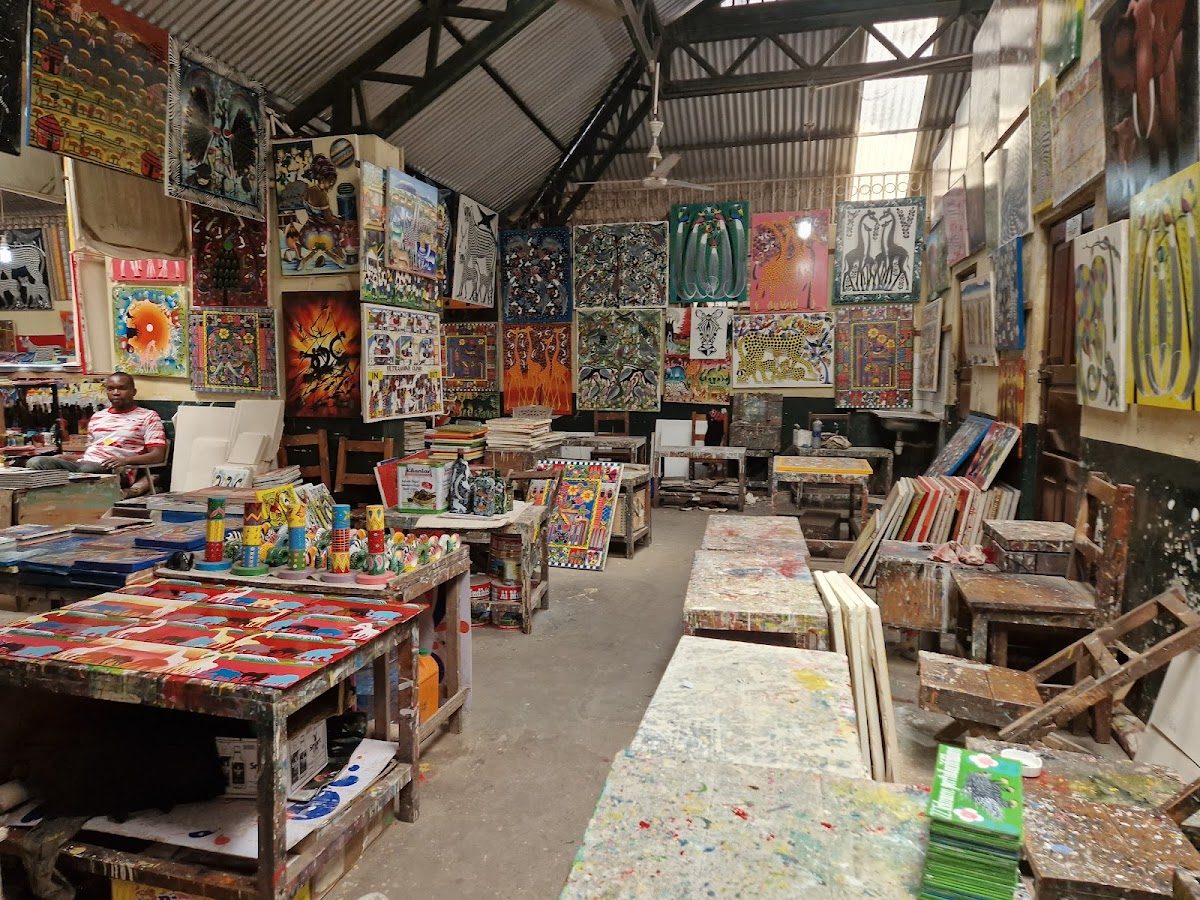
Many artists are happy to share the stories behind their work and the Tinga Tinga tradition. This is a great place to meet them directly and purchase authentic, ethically sourced art, a more meaningful souvenir than airport trinkets.
Final word
Dar es Salaam on an 8-hour layover is not about ticking off landmarks; it’s about feeling the city’s pulse. This layover offers a genuine taste of Swahili life, from bustling markets to meaningful art, a far richer experience than any transit lounge. Just like a layover in Islamabad, it’s a chance to immerse yourself in heritage and local crafts.
All information verified at time of writing. Please confirm opening hours and prices before your visit.