
Makassar is more than just a transit point for Eastern Indonesia; it’s a city that keeps its identity close, a place where maritime history and culinary traditions are not just relics but living, breathing parts of daily life. With recent interest in Paotere Harbour’s Pinisi ships and the unique Rammang-Rammang karst village, visitors are starting to look beyond the airport. This guide cuts through the noise, showing you how to experience the real Makassar in a short window.
This guide is for the layover traveller with 8 hours in Makassar who wants to genuinely experience the city’s unique culture, food, and history, rather than just waiting at the airport. You’re looking to dive into an authentic slice of South Sulawesi.
Makassar, the capital of South Sulawesi, pulses with the energy of a historic trading port. Its character is deeply shaped by its Bugis and Makassarese heritage, manifest in its bustling markets, waterfront, and a food scene that is fiercely proud and distinct.
I’ve passed through Makassar countless times as cabin crew, watching the city evolve with each visit. What always strikes me is how the rhythm of life here stays tied to the sea and its traditions, even as modern developments emerge. The air always carries a mix of spices, diesel, and salt, a smell that becomes synonymous with the city. You see it in the way the becaks weave through traffic, the casual ease of bargaining in the markets, and the genuine warmth of the people. It’s a city that asks you to slow down and observe, even if you only have a few hours.
Before you leave the airport
Storing your luggage
If you’re planning to explore, lighten your load. Baggage Handling Makassar by IAS Hospitality offers secure storage right at Sultan Hasanuddin International Airport (UPG).
The service is bookable via Traveloka and starts from IDR 43,000 per bag. Just be mindful that their operational hours are 05:00-19:00, so plan your return to the airport accordingly.
Do you need cash?
Yes, you will definitely need Indonesian Rupiah (IDR). While larger hotels and modern malls accept credit cards, cash is essential for the authentic experiences in Makassar. This includes street food vendors, traditional markets, and smaller transport options like local taxis or becaks.
ATMs are readily available at the airport and throughout the city. Mandiri Bank is a reliable option for both withdrawals and currency exchange. Carry smaller denominations for easier transactions.
8 hours in Makassar: what to do
1. Explore Makassar’s historic colonial past at Fort Rotterdam
Step into the robust walls of Fort Rotterdam, a 17th-century Dutch colonial fort that tells Makassar’s complex history. Originally built by the Gowa Sultanate, its architecture is a tangible link to centuries of power shifts and trade. Take your time to walk along the well-preserved battlements and imagine the port it once protected.
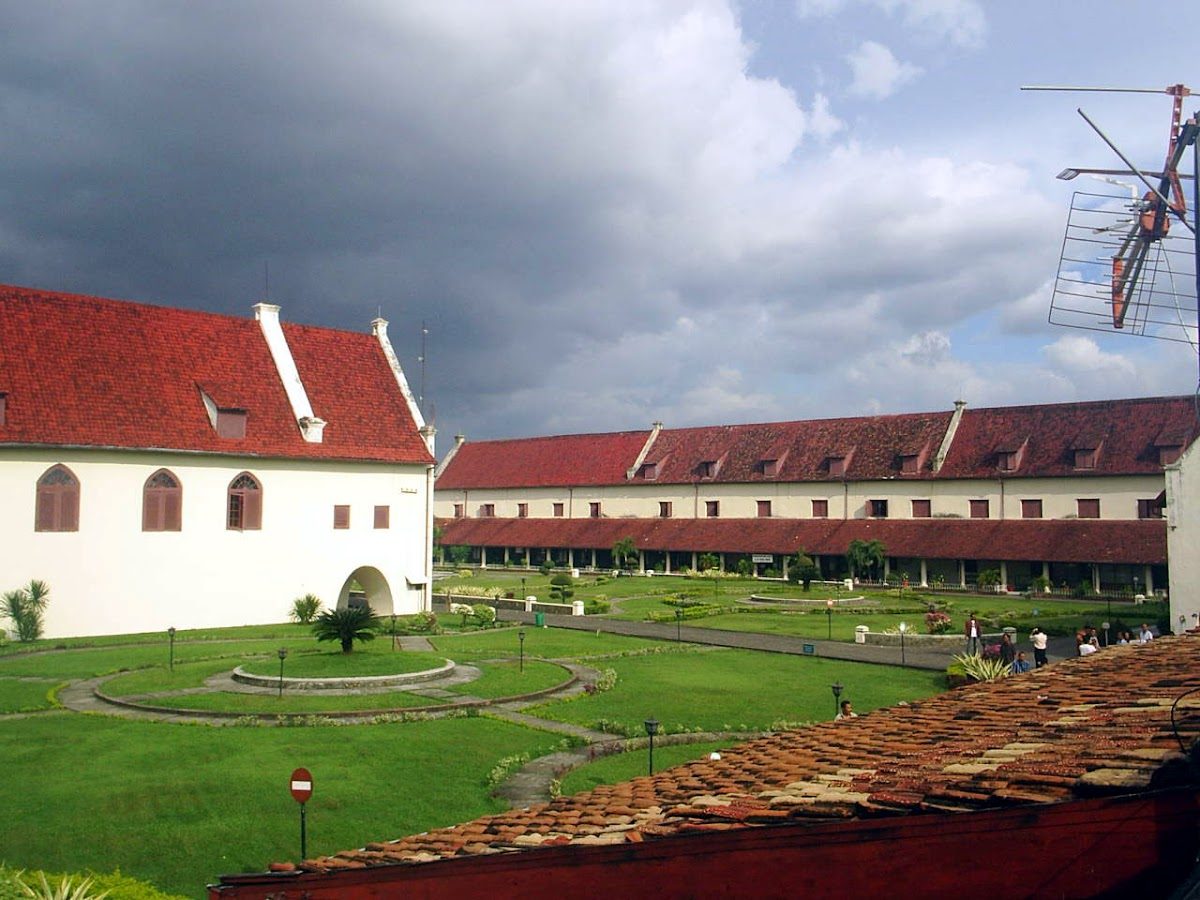
Inside, the La Galigo Museum offers a deeper look into the region’s cultural tapestry, displaying ethnic costumes, ceramics, and ancient ornaments. This visit offers a concentrated dose of history and context for the city you’re in.
2. Witness traditional Pinisi schooners at Paotere Harbour
Head to Paotere Harbour, the city’s oldest port, to experience Makassar’s enduring maritime heritage firsthand. Here, you’ll see the magnificent Bugis Pinisi schooners — UNESCO-recognized traditional wooden sailing ships. They stand tall, loading and unloading goods just as they have for centuries.
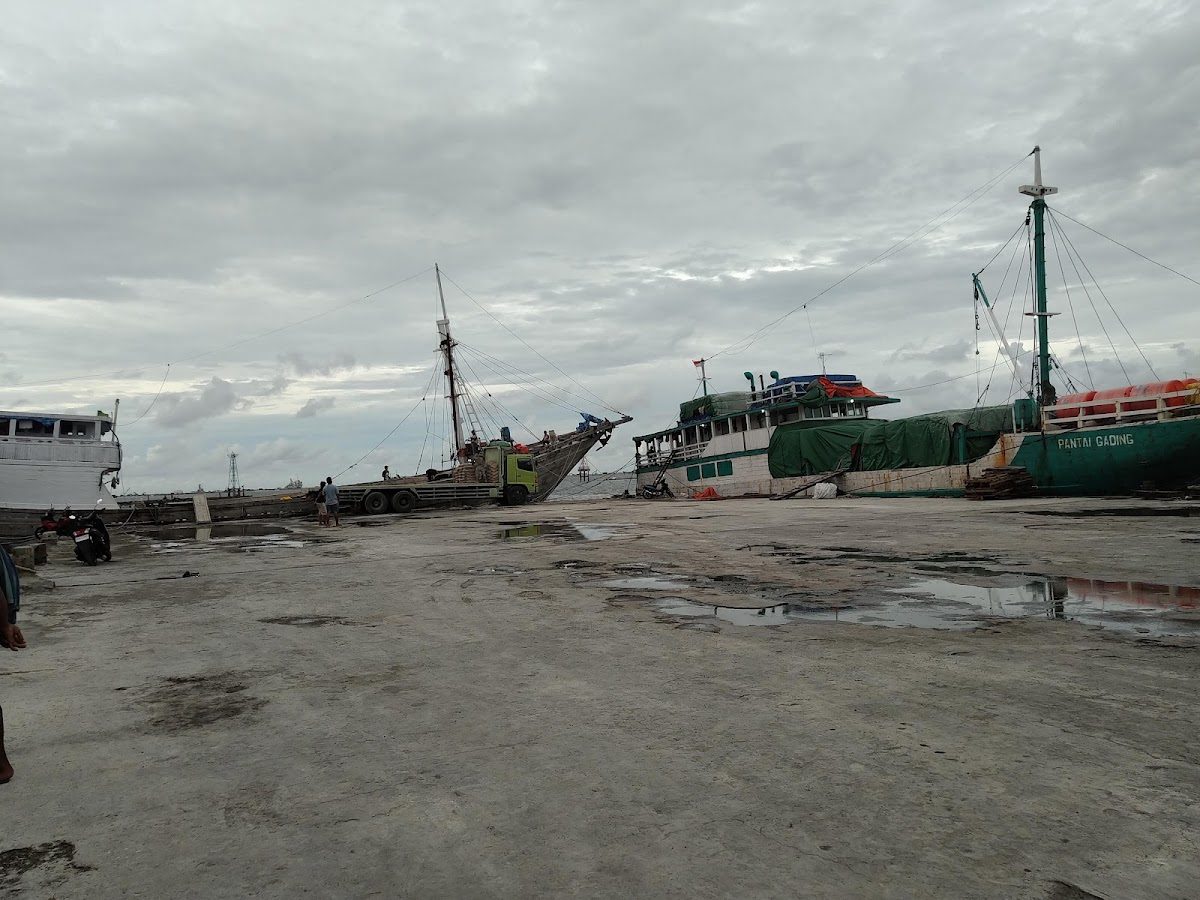
This is a vibrant, authentic working harbour, not a tourist attraction. The scene offers a raw glimpse into local life and the vital role of these ships in regional trade, a stark contrast to the modern container ports you might see elsewhere.
3. Savour street food and sunset views at Losari Beach
Losari Beach is Makassar’s iconic waterfront promenade, famous for its lively atmosphere and, if your timing is right, spectacular sunsets. While not a sandy beach, it transforms into a bustling street food haven in the late afternoon and evening. This is where locals come to relax and eat.
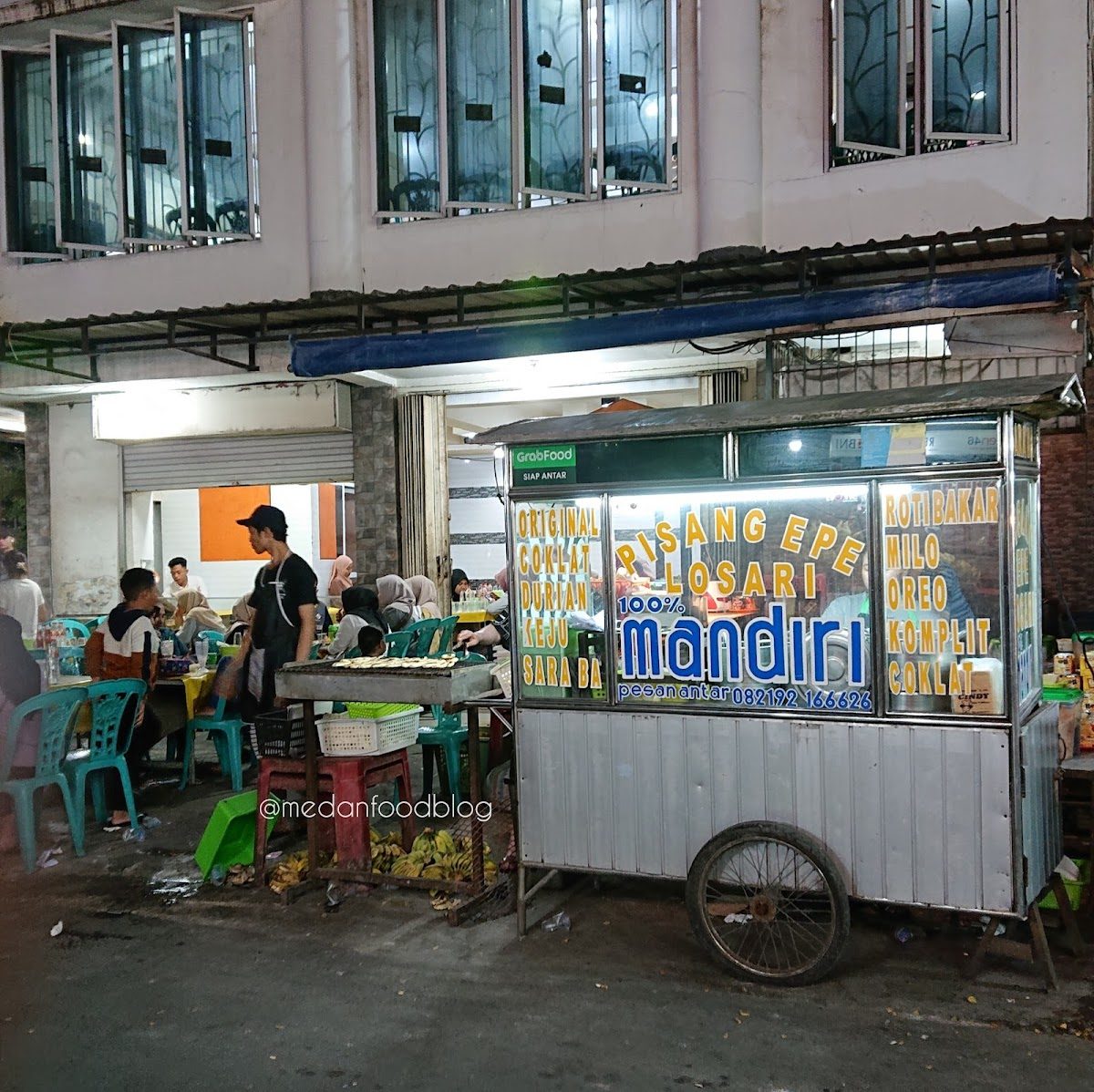
You’ll find local delicacies like Pisang Epe (grilled banana with palm sugar syrup) and a wide array of grilled seafood. It’s a sensory experience, with the smells of grilling food mixing with the sea breeze.
4. Discover traditional crafts on Jalan Somba Opu
Just a short walk from Losari Beach, Jalan Somba Opu is Makassar’s famous street for traditional crafts and souvenirs. This is where you can find authentic Indonesian treasures, far from the airport gift shops.
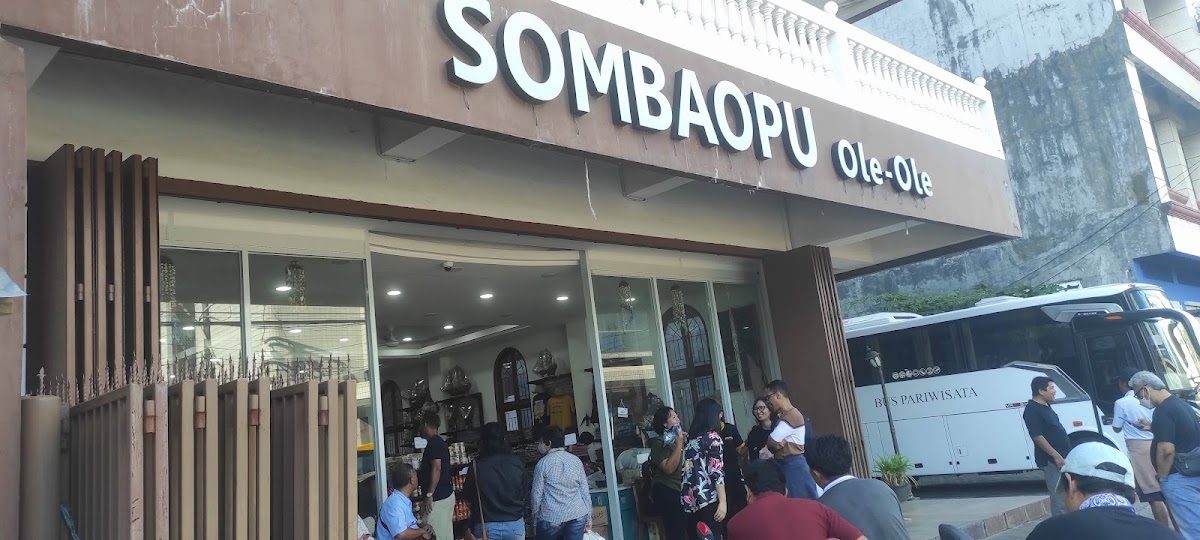
Look for intricate gold and silver filigree jewellery, locally produced silk fabrics, and traditional Buginese sarongs. It’s a great place to pick up a meaningful souvenir that supports local artisans. You can find similar experiences seeking out local crafts in places like 8 Hours in Gdansk: Street Art, Market Bites & Milk Bar Culture.
5. Indulge in an authentic Coto Makassar or Pallubasa Experience
No visit to Makassar is complete without trying its signature culinary delights: Coto Makassar or Pallubasa. These hearty beef stews are deeply rooted in Bugis-Makassar traditions and offer an authentic taste of the city’s soul. Last time I was here I opted for a Coto Makassar at a small stall where the broth was so rich it coated the spoon.
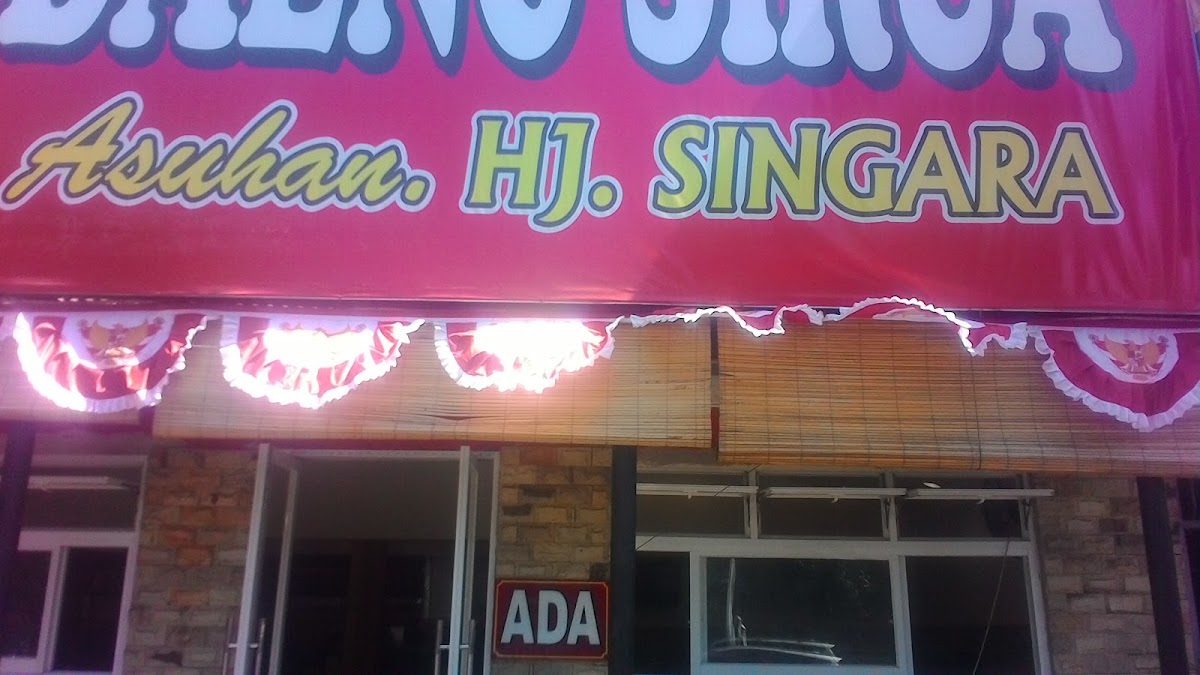
Coto Makassar is a rich beef soup with a blend of spices, often served with ketupat (rice cakes). Pallubasa is a thicker, richer version, often with grated coconut and an egg yolk mixed in. Both are essential experiences for any food enthusiast.
Final word
An 8-hour layover in Makassar is enough time to shed the airport’s anonymity and connect with a city that truly embodies its maritime heritage and culinary pride. You won’t see everything, but you will leave with a genuine taste of South Sulawesi. It’s a rewarding stop for those who value authenticity over air-conditioned lounges.
Please note: All information regarding hours, prices, and transit was verified at the time of writing. Confirm details before your visit as they are subject to change.