
Macau is more than just its glittering casinos; it is a fascinating collision of cultures, a place where Portuguese heritage truly intertwines with Chinese tradition. While many visitors flock to the gaming tables, a deeper exploration reveals centuries of history and a unique cultural identity that is drawing increasing interest, with “Macau cultural hotspots beyond casinos” trending in recent searches.
This guide is for those with an 8-hour layover in Macau who want to step beyond the airport and the Cotai Strip to experience the city’s authentic character. You are here to taste the local cuisine, explore UNESCO World Heritage sites, and discover the quiet beauty of its traditional neighbourhoods.
Macau, a Special Administrative Region of China, offers a captivating blend of East and West. Its compact size means the historic core and cultural gems are surprisingly accessible, providing a distinct experience unlike any other.
A personal note
Over the years, passing through Macau as cabin crew, I have watched the city transform. The Cotai Strip grew taller, more dazzling, but the soul of Old Macau remained. I remember the smell of incense mixing with strong coffee near the A-Ma Temple in the early mornings, or the specific texture of almond cookies from a small bakery in Taipa Village after a long flight. It is this duality, the quiet corners against the bright lights, that truly defines Macau for me.
Before you leave the airport
Storing your luggage
To make the most of your 8 hours in Macau, shedding your luggage is key.
- Macau International Airport (MFM) Left Luggage: Located on the Departure Level, Landside. Expect to pay MOP 10 per hour or MOP 80 per day. Luggage must pass through a screening device.
- Wynn Palace Bell Service: This option is free if you register for Wynn Rewards (present valid passport, must be 18+). Take a free shuttle from MFM to Wynn Palace, a journey of approximately 15-20 minutes. This is a great starting point if you plan to explore Taipa Village.
Do you need cash?
Yes, cash is highly recommended for an authentic Macau experience. While major establishments accept cards, smaller local spots, street food vendors, and public buses primarily operate on cash. Hong Kong Dollars (HKD) are widely accepted at a 1:1 rate, but change will typically be given in Macanese Pataca (MOP). ATMs are readily available for MOP withdrawals.
8 hours in Macau: what to do
1. Drop your bags and ride the shuttle to Wynn Palace
Start your exploration by taking advantage of the Wynn Palace’s free luggage service. This allows for a hands-free journey into Macau’s cultural heart, leaving behind the airport’s confines. It is a convenient way to transition from transit to exploration.
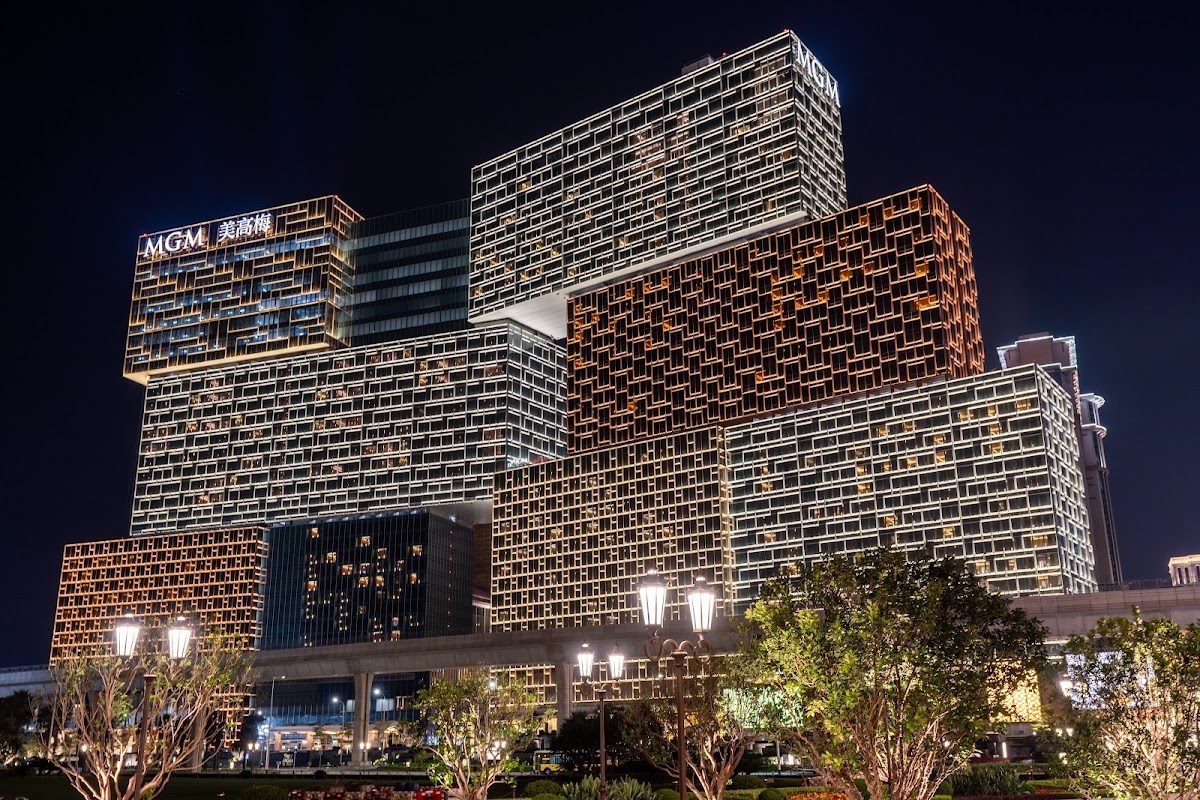
Registering for the free Wynn Rewards program is straightforward and grants you access to this valuable service. This initial step sets the stage for a seamless cultural immersion, much like setting off to explore the markets on an 8 Hours in Thessaloniki layover.
2. Wander the charming lanes of Taipa Village
Escape the glitz of Cotai and step into Taipa Village, a serene enclave where Portuguese and Chinese architecture blend harmoniously. This charming district, a trending destination for cultural exploration, offers narrow cobblestone streets and a vibrant local atmosphere that feels worlds away from the casinos.
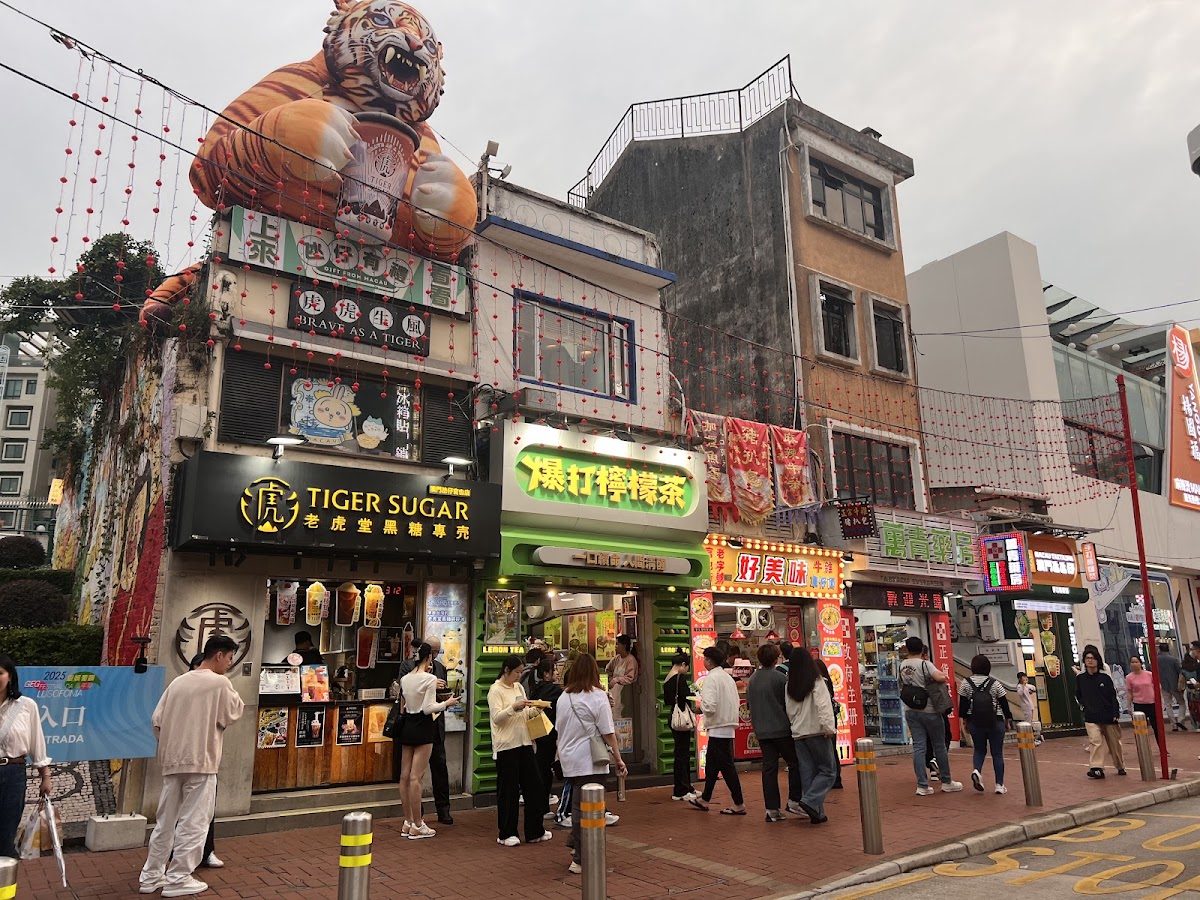
Rua do Cunha, often called “Food Street,” is particularly famous for its traditional eateries and snack shops. Here, you can taste authentic Macanese flavors and observe daily life unfold at a slower pace.
3. Indulge in traditional Macanese pastries at Pastelaria Fong Kei
While in Taipa Village, make a point to visit Pastelaria Fong Kei, Taipa’s oldest bakery. This Michelin-recognized spot preserves the rare “front shop, back factory” tradition, meaning everything is baked fresh on site.
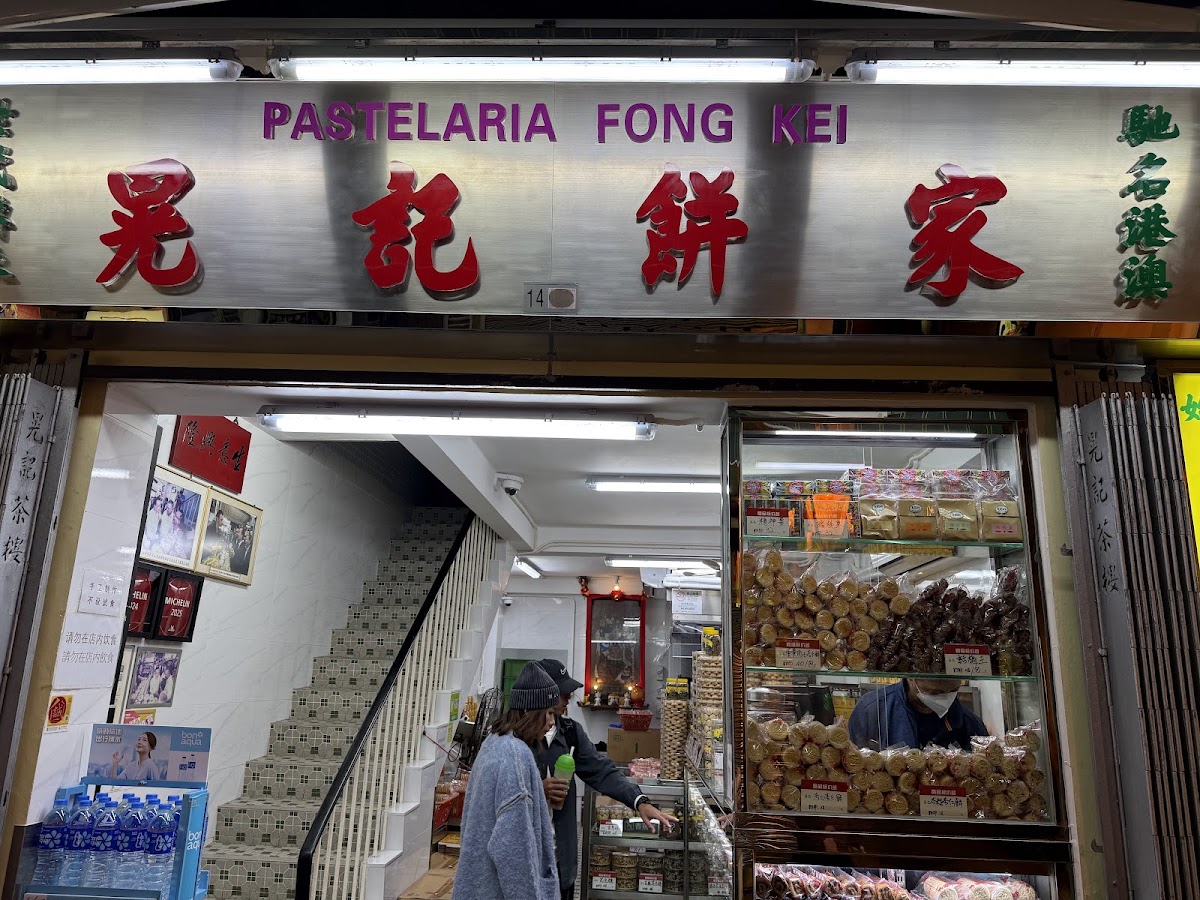
Their specialty is almond cookies, alongside phoenix cookies and other classic Macanese snacks. I remember the specific, slightly rough texture and less-sweet taste of their almond cookies; they are distinctly different from the mass-produced versions.
4. Discover spiritual heritage at A-Ma Temple
Journey to A-Ma Temple, Macau’s oldest temple, dating back to 1488. Dedicated to the sea goddess Mazu, this serene complex of prayer halls and pavilions is nestled into a hillside, offering profound insight into local folk beliefs.
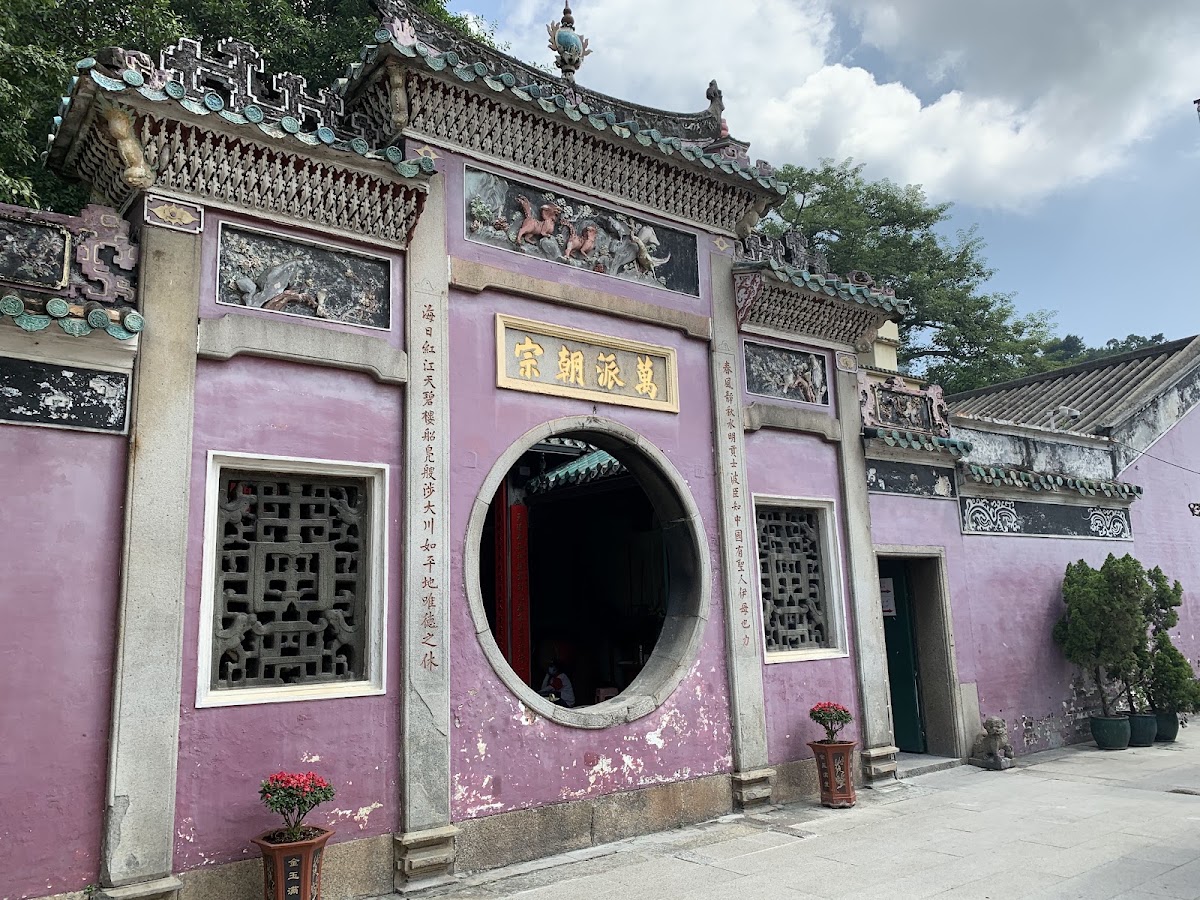
It is widely believed that Macau got its name from this very temple, and observing the intricate carvings and burning incense coils offers a glimpse into a spiritual world. The air here, thick with the scent of incense, grounds you.
5. Explore the architectural fusion of Mandarin’s House
A trending destination and UNESCO World Heritage site, Mandarin’s House is a sprawling traditional Chinese compound with significant Portuguese architectural influences. It offers a fascinating glimpse into the life of Zheng Guanying, a prominent Chinese literary figure.
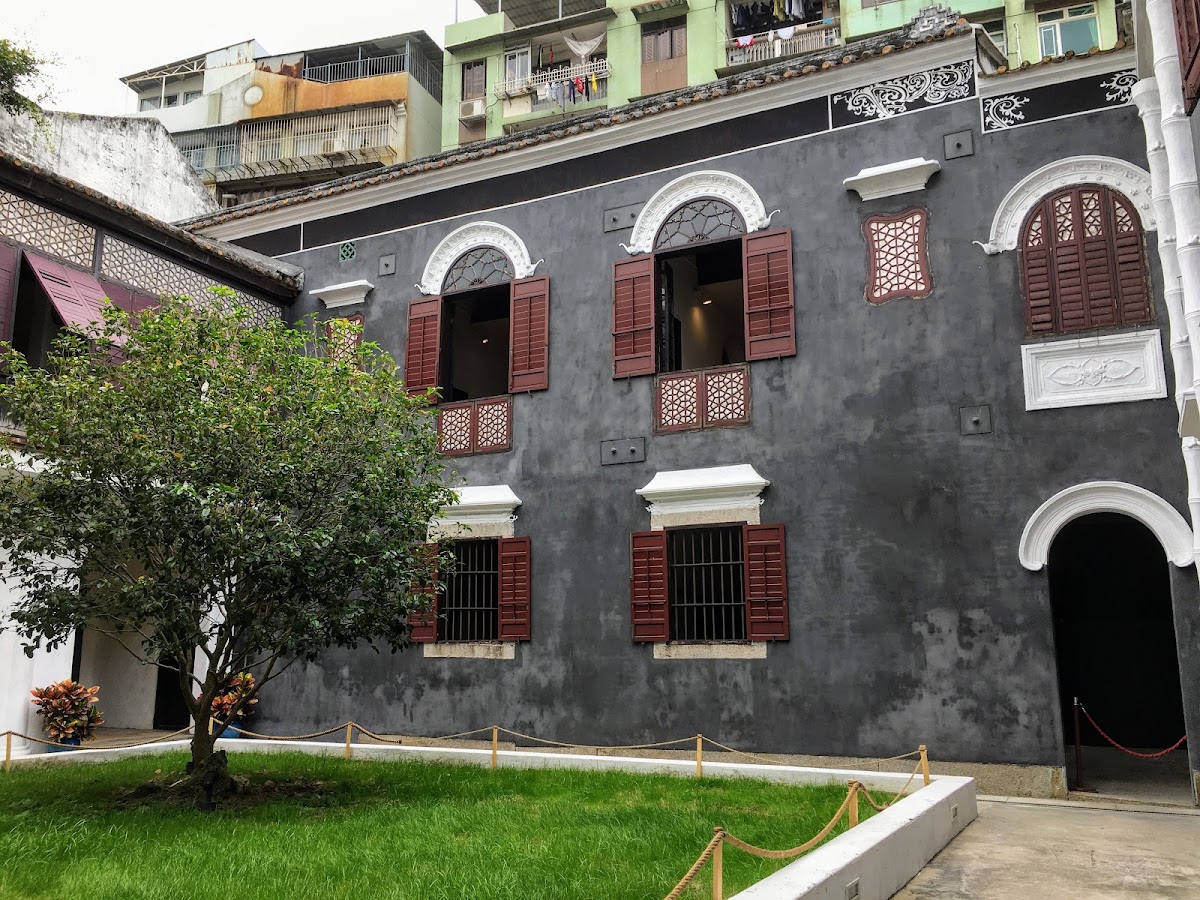
Its courtyards, intricate woodwork, and unique blend of Eastern and Western design elements make it a compelling cultural exploration. Look closely for the subtle European details woven into the traditional Chinese design, like the window frames.
6. Savor a classic pork chop bun at Sei Kee Cafe
Experience a quintessential Macanese snack at Sei Kee Cafe, a beloved local institution. This cafe is famous for its charcoal-grilled pork chop buns and retains a nostalgic, old-school diner vibe.
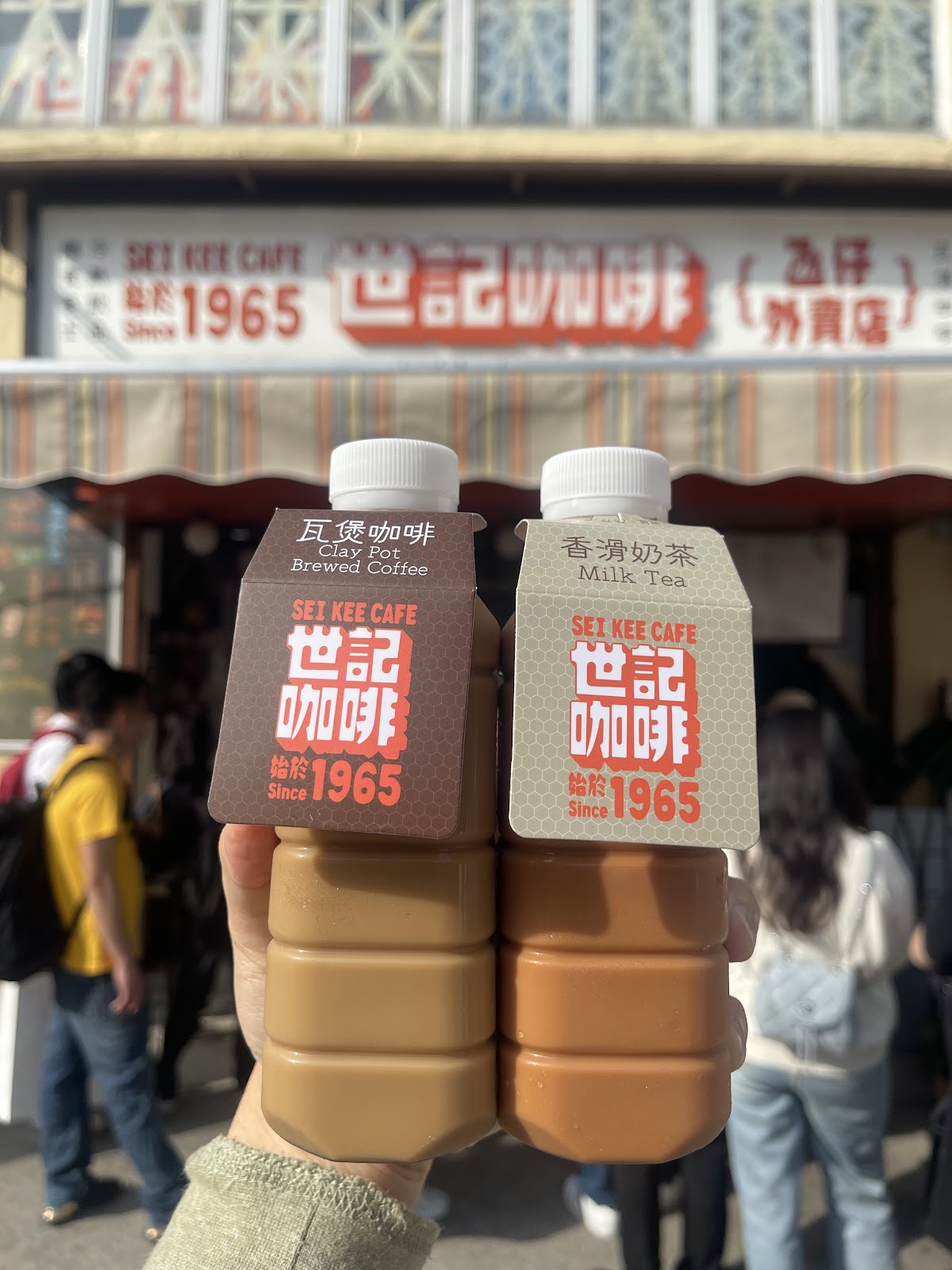
It is the kind of place where locals grab a quick bite and a strong, charcoal-brewed coffee or milk tea. Finding it tucked away in an alley adds to the authentic, unpretentious charm.
7. Appreciate the craft at Master Lu Ban Woodwork Museum
Another trending cultural hotspot is the Master Lu Ban Woodwork Museum, which celebrates the intricate art of traditional Chinese woodworking. This museum honors Lu Ban, the legendary master craftsman, through exquisite examples of wooden artifacts and tools.
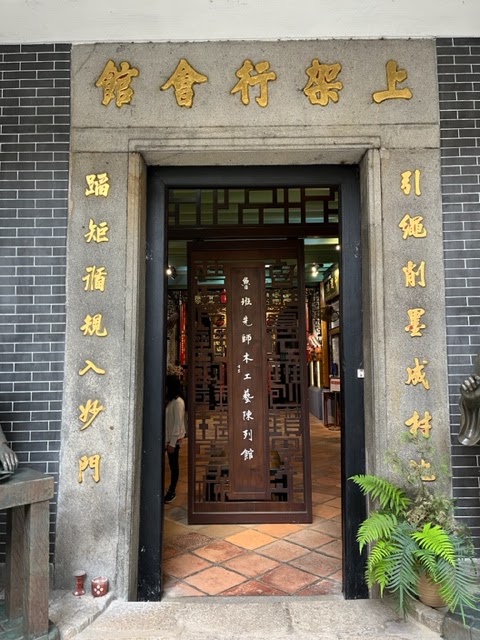
It offers a deep dive into a significant aspect of Chinese craftsmanship and cultural heritage, showcasing the precision and artistry involved. It is a quiet contrast to the city’s more modern aspects.
Final word
Macau, even on an 8-hour layover, offers far more than its reputation suggests. By looking beyond the casinos, you uncover a rich blend of Portuguese and Chinese history, a vibrant culinary scene, and a genuine sense of place that many miss. It is a compact city that truly rewards the curious traveller.
All information verified at time of writing. Please confirm opening hours and prices before your visit.