
If your layover lands you in Paro, Bhutan, you have landed somewhere truly special, not just a transit hub. The ongoing Drukgyel Dzong restoration and increasing interest in authentic Bhutanese craft workshops mean this valley offers far more than a quick stopover; it is an invitation to step into a living, vibrant culture. This is your chance to really leave the airport and experience a slice of the Himalayan Kingdom.
This guide is for independent travellers with 8 hours in Paro who want to experience the authentic pulse of Bhutanese culture beyond the airport lounge. You are looking for a genuine immersion, not just a quick photo stop.
Paro is the cultural heart of Bhutan, a serene valley defined by ancient fortress-monasteries and a deep commitment to its unique Buddhist heritage. Its charm lies in its untouched landscapes and the quiet dignity of its people, where Gross National Happiness is more than just a phrase.
A personal note
Over the years, passing through Paro International Airport as cabin crew, I have seen the valley shift from the quiet, misty mornings to the vibrant afternoons. The rhythm of Paro is unlike any other airport town. You can step out of the terminal and, within minutes, be walking among fields, hearing the murmur of prayers from a distant temple, or finding yourself in a local eatery where the ema datshi is prepared with generations of family tradition. It is a place that reminds you travel is about connection, not just destination.
Before you leave the airport
Storing your luggage
Paro International Airport (PBH) does not offer dedicated luggage storage facilities. For an 8-hour layover, consider checking if your airline can gate-check your carry-on luggage through to your next destination. Otherwise, you will need to keep your bags with you. A taxi driver might offer to hold them for a fee, but this is at your own risk.
Do you need cash?
Yes, cash is highly recommended for your time in Paro. Many local markets, smaller shops, and street food vendors operate on cash only. While the official currency is the Bhutanese Ngultrum (BTN), Indian Rupees (INR 50, INR 100, INR 500 notes) are widely accepted. You will find ATMs in Paro town if you need to withdraw BTN.
8 hours in Paro: what to do
1. Immerse yourself in the grandeur of Rinpung Dzong
Begin your layover at Rinpung Dzong, a majestic fortress-monastery that defines the Paro valley skyline. This dzong (fortress) is both an administrative and monastic centre, its intricate architecture and stunning murals telling centuries of Bhutanese stories.
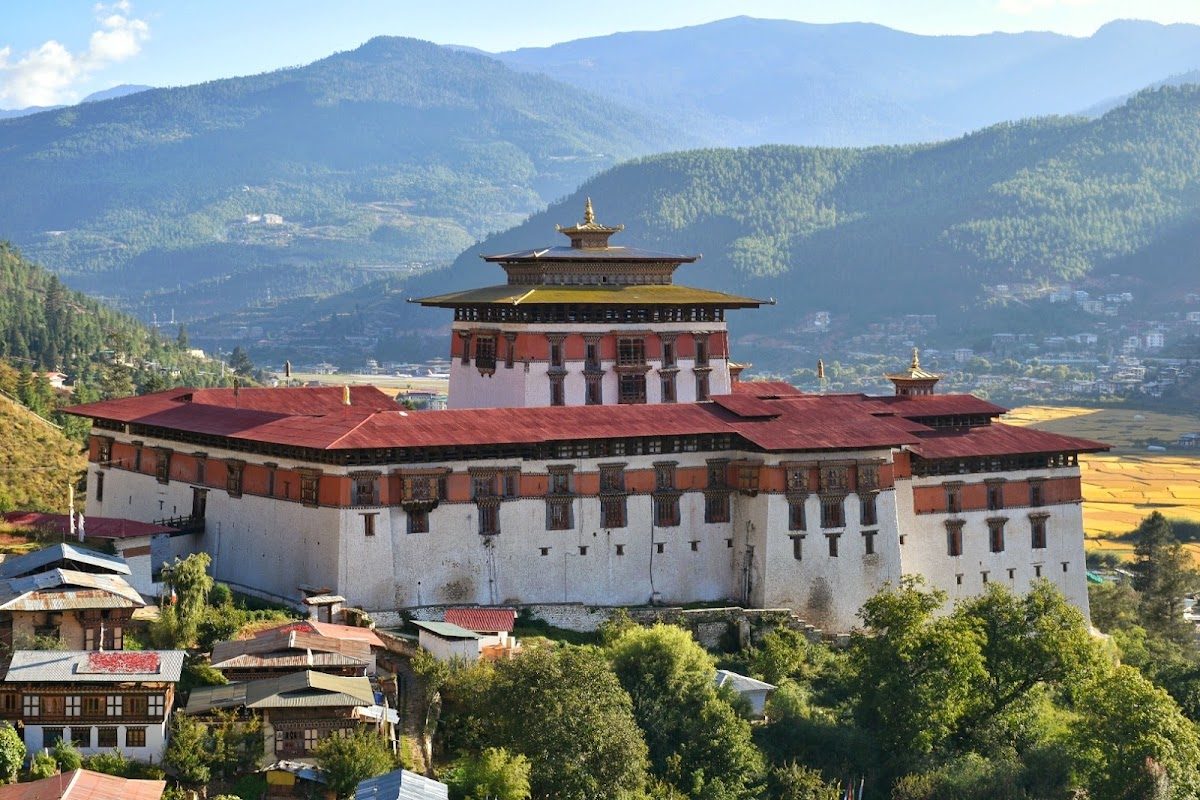
Cross the traditional cantilever bridge, Nyamai Zam, for iconic views of the dzong and the Paro Valley before you enter. Inside, look for the ancient murals that depict Buddhist legends, offering a profound glimpse into the spiritual heritage that shapes this country.
This visit offers a powerful cultural immersion right at the start of your layover, setting the tone for your Bhutanese experience. It is a working monastery, so respect is key.
2. Explore Bhutan’s heritage at the National Museum of Bhutan
Perched above Rinpung Dzong in a former circular watchtower, the National Museum of Bhutan (Ta Dzong) provides a comprehensive overview of the Kingdom’s rich history. Its collections span sacred relics, traditional costumes, weapons, and thangka paintings.
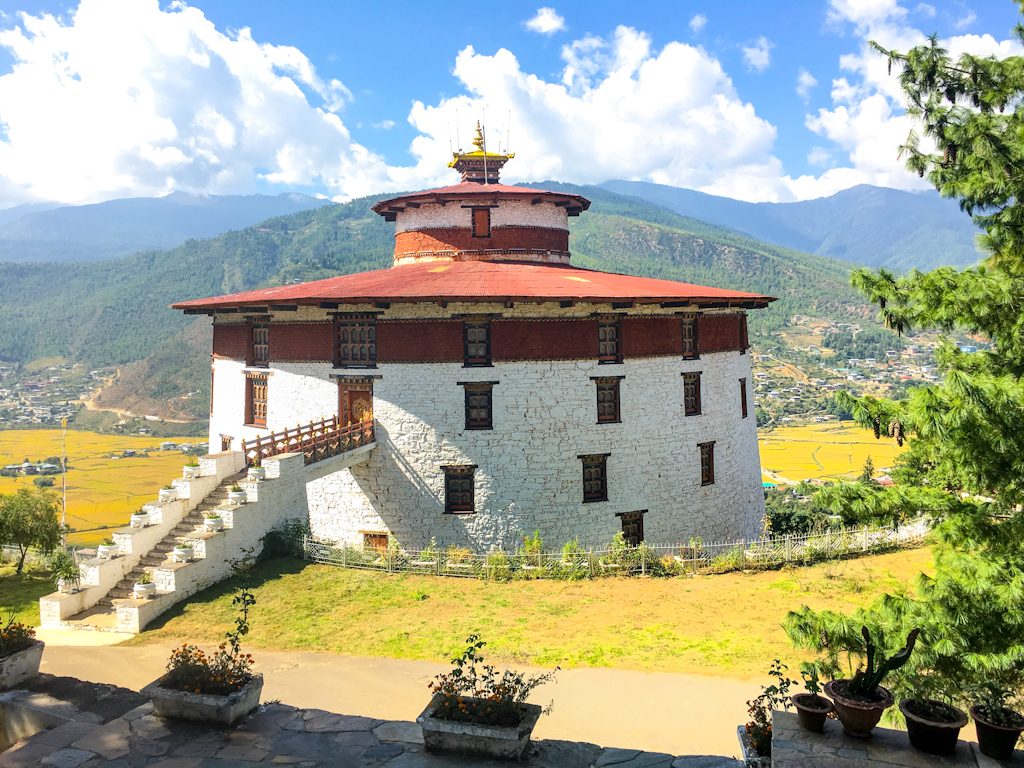
The views from the watchtower itself are spectacular, offering a panoramic perspective of the Paro Valley and the nearby dzong. Inside, you will find well-curated exhibits that trace the natural and cultural evolution of Bhutan.
This museum offers vital context to the spiritual and historical sites you will see, making your understanding of Bhutan much deeper.
3. Discover local crafts along Paro’s Main Street
Stroll through Paro’s main street, a charming stretch lined with traditional whitewashed Bhutanese buildings. Here, small, individually owned shops offer a range of authentic local crafts, reflecting the country’s rich artisanal traditions.
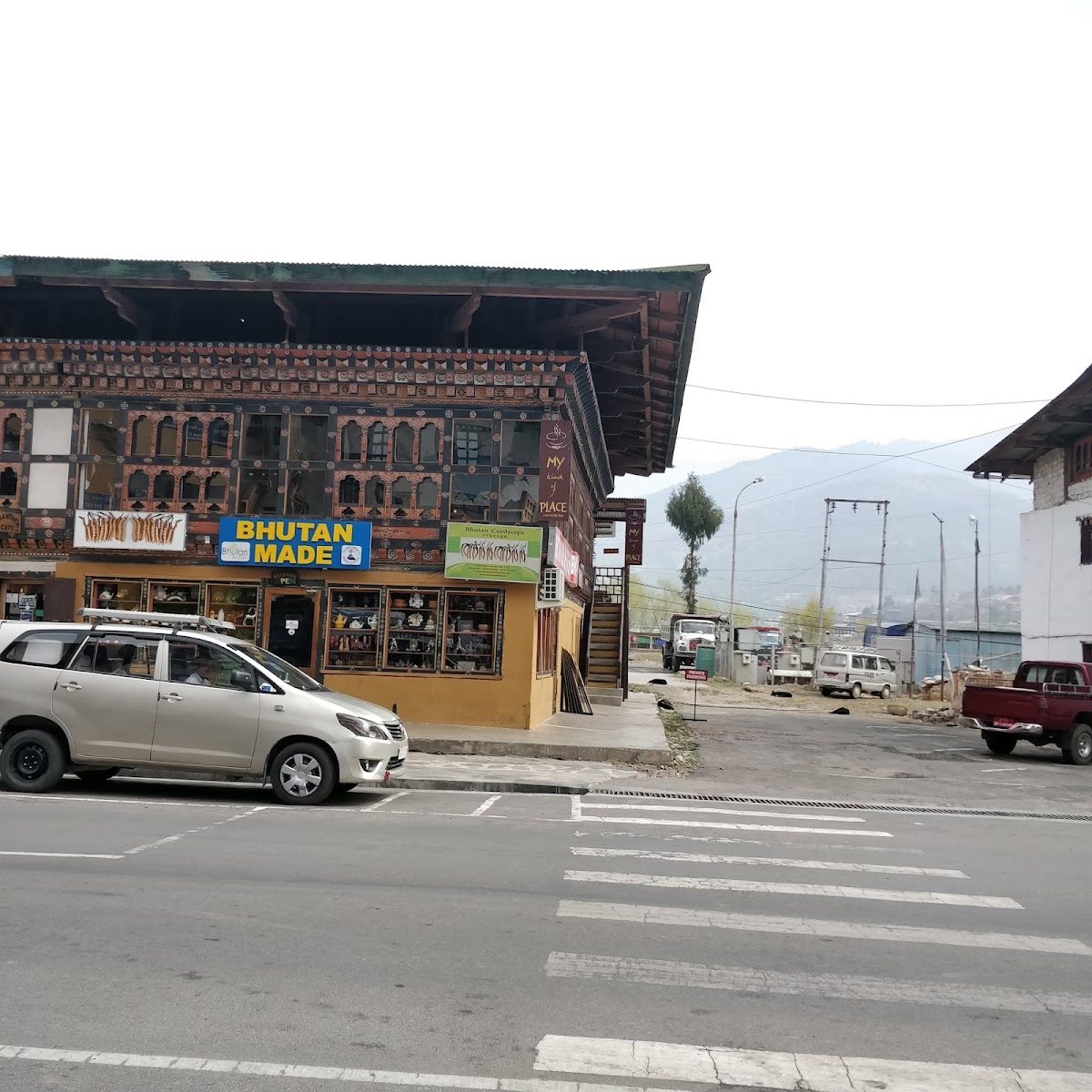
You can find high-quality handwoven textiles like Yathra scarves, intricate wood-carved masks, and Buddhist ritual objects. Chencho Handicrafts is a good stop for quality items. This is where you connect with the hands that shape Bhutanese art.
This is a relaxed way to experience local life and find meaningful souvenirs that support local artisans, rather than mass-produced items.
4. Savor authentic Bhutanese flavors at Sonam Trophel Restaurant
For a genuine taste of Bhutanese cuisine, head to Sonam Trophel Restaurant, a family-owned establishment since 1993. This unassuming spot is a local favourite, known for serving up traditional dishes that have not been adjusted for tourist palates.
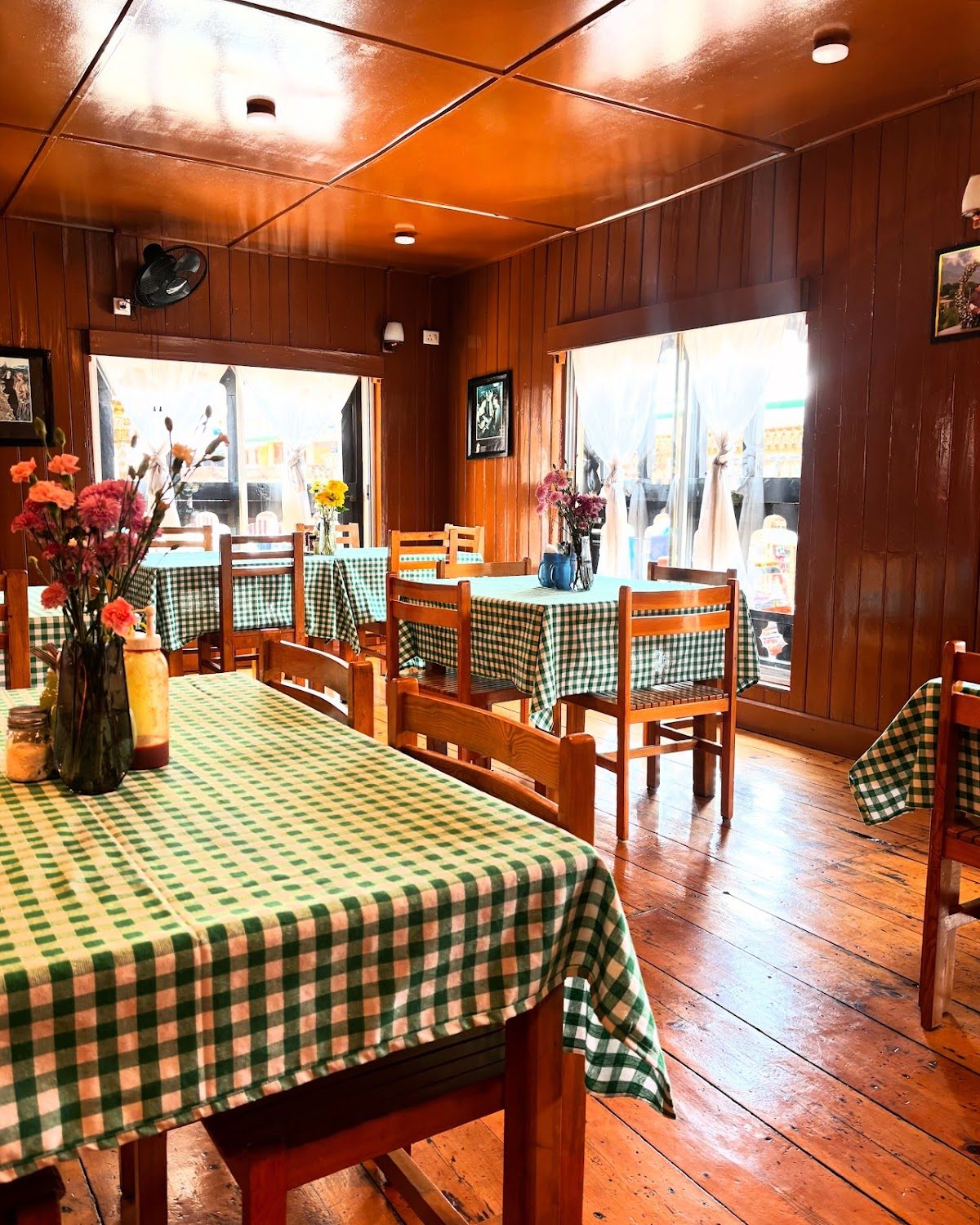
Be sure to try the fiery Ema Datshi (chili and cheese stew), a staple dish, or their comforting momos. They also offer some Chinese-inspired options. This is where you get to experience the true flavour profile of Bhutan.
Eating here is an authentic culinary experience that offers a true taste of the country’s comfort food, much like how a local would eat.
5. [Trending] Witness history at Drukgyel Dzong Ruins
The Drukgyel Dzong Ruins offer a unique blend of historical significance and panoramic views of the upper Paro Valley. This fortress, built in 1649 to commemorate a victory over Tibetan invaders, is currently undergoing a significant restoration.
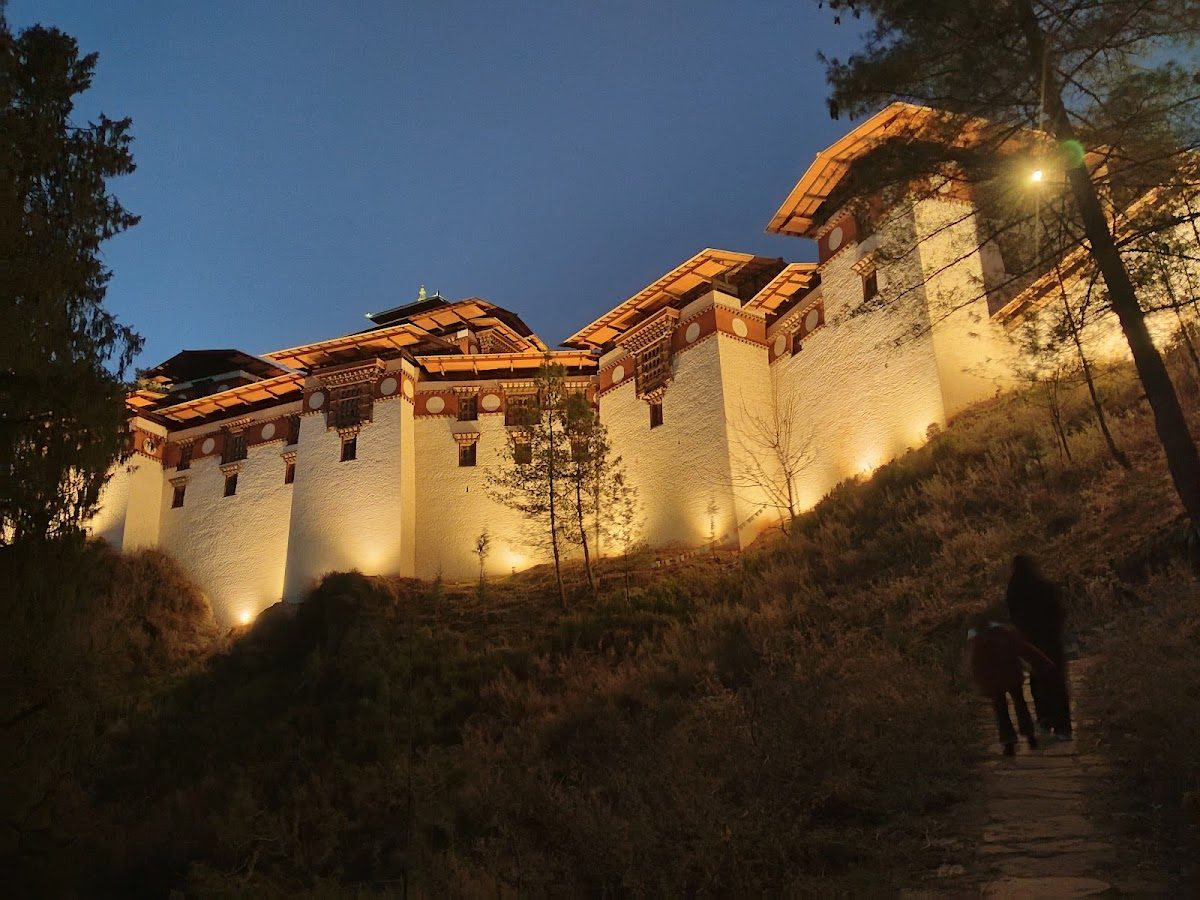
While largely destroyed by fire in 1951, the ongoing restoration, expected to be completed by the end of 2024, has made it a site of renewed interest. On clear days, you can even catch a glimpse of Mount Chomolhari from here.
Visiting here offers insight into Bhutan’s resilience and its commitment to preserving its heritage, appealing to those interested in the Drukgyel Dzong restoration progress.
Final word
An 8-hour layover in Paro is not just a stop; it is a precious window into a land of profound spiritual beauty and cultural depth. You will leave with more than just passport stamps — you will carry a sense of peace and a deeper understanding of a truly unique corner of the world.
All practical information verified at time of writing. Always confirm hours and prices before you go.