
Kuching, the quiet capital of Sarawak, is often overlooked for its flashier Malaysian counterparts, but its charm lies in a different kind of richness. As more travellers seek out authentic cultural immersion and experiential travel on shorter trips, Kuching’s status as a UNESCO Creative City of Gastronomy and a hub for traditional crafts is drawing increasing interest. It is a city that rewards those who step beyond the usual tourist trail, even for just a few hours.
This guide is for you if you have 6 hours in Kuching and want to experience the city’s unique cultural tapestry, from its food to its crafts, rather than just waiting at the airport. It is about getting a genuine taste of Bornean heritage in a short, focused window.
Kuching, meaning “Cat City”, offers a distinct blend of indigenous, Chinese, and Malay cultures. Its vibrant riverfront, historic shophouses, and diverse culinary scene make it a unique gateway to the cultural heart of Borneo.
A personal note
Over the years, passing through Kuching on layovers as cabin crew, I have found that its true character unfolds slowly, often in the early mornings or late afternoons. It is in the way the scent of laksa mixes with river air, or the quiet focus of an artisan in a shophouse along Main Bazaar. The city always felt more grounded, less hurried than other hubs; a place where traditions are still actively lived, not just preserved for display.
Before you leave the airport
Storing your luggage
For a 6-hour layover, you will want to be unburdened. The most convenient option is right at the airport.
- Luggage Lockers PLT (Kuching International Airport) offers self-service lockers. You will find them in Yellow Zone Car Park 1 and near the washrooms closest to the supermarket.
- Prices are RM20 for a medium locker and RM30 for a large locker, both for up to 6 hours.
Do you need cash?
Yes, cash is essential in Kuching. Many local markets, street food stalls, and smaller eateries operate on a cash-only basis.
It is best to carry smaller denominations like RM1, RM5, and RM10. You can find ATMs in shopping malls and banks throughout the city; stick to these for security. While cards are accepted at larger establishments, your most authentic experiences will likely be cash-only.
6 hours in Kuching: what to do
1. Start your day with authentic Sarawak Laksa at Choon Hui Cafe
Step into the bustling, open-air atmosphere of Choon Hui Cafe for a taste of Kuching’s most famous breakfast. This legendary spot serves up Sarawak Laksa, a fragrant and subtly spicy noodle soup that is a local institution. You will find locals starting their day here alongside you, amidst the chatter and the clatter of bowls.
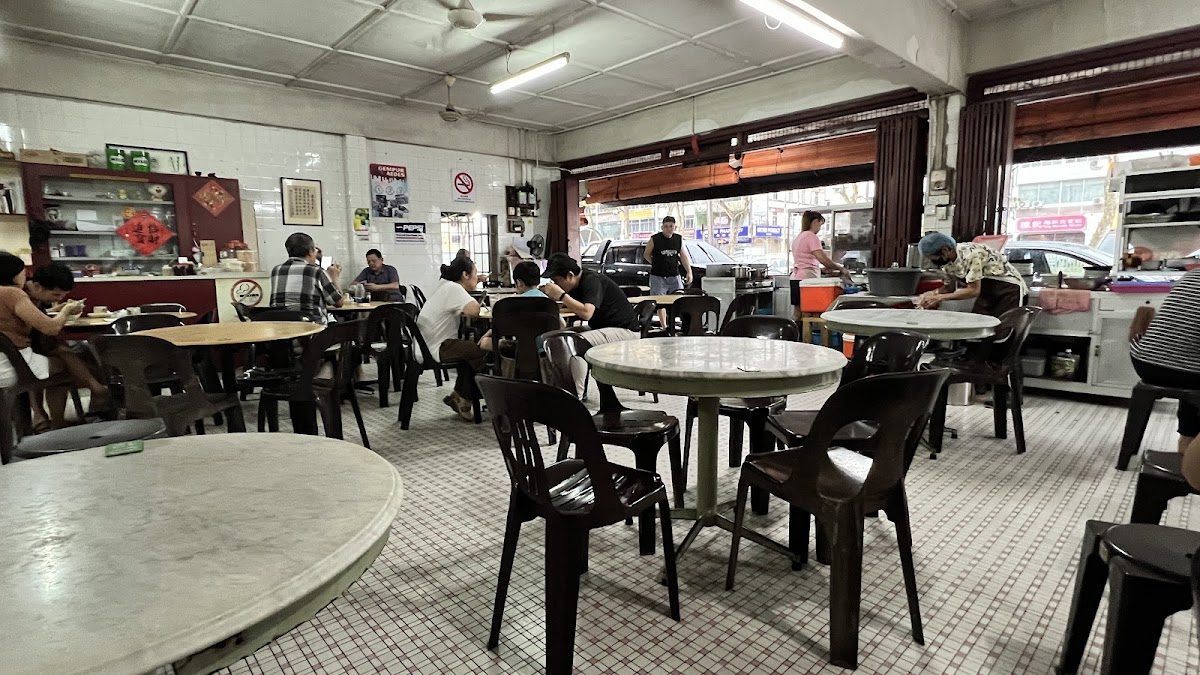
Beyond the laksa, you can also try Kolo Mee, another Sarawakian noodle dish. The energy of this place is infectious, offering a genuine glimpse into the city’s morning rhythm. I still remember the first time I had their laksa; the rich broth was unlike any other I had tasted. – Getting there: Take a Grab or taxi from Kuching International Airport (KCH) (approx. 20-30 minutes, RM25-35). The cafe is centrally located.
– Time needed: 45 minutes
– Cost: RM8-12 per dish
– Tip: Go early, ideally before 9:00 AM, to avoid the longest queues for the famous laksa stall, which can sell out.
2. Explore the historic shophouses of Main Bazaar & Kuching Waterfront
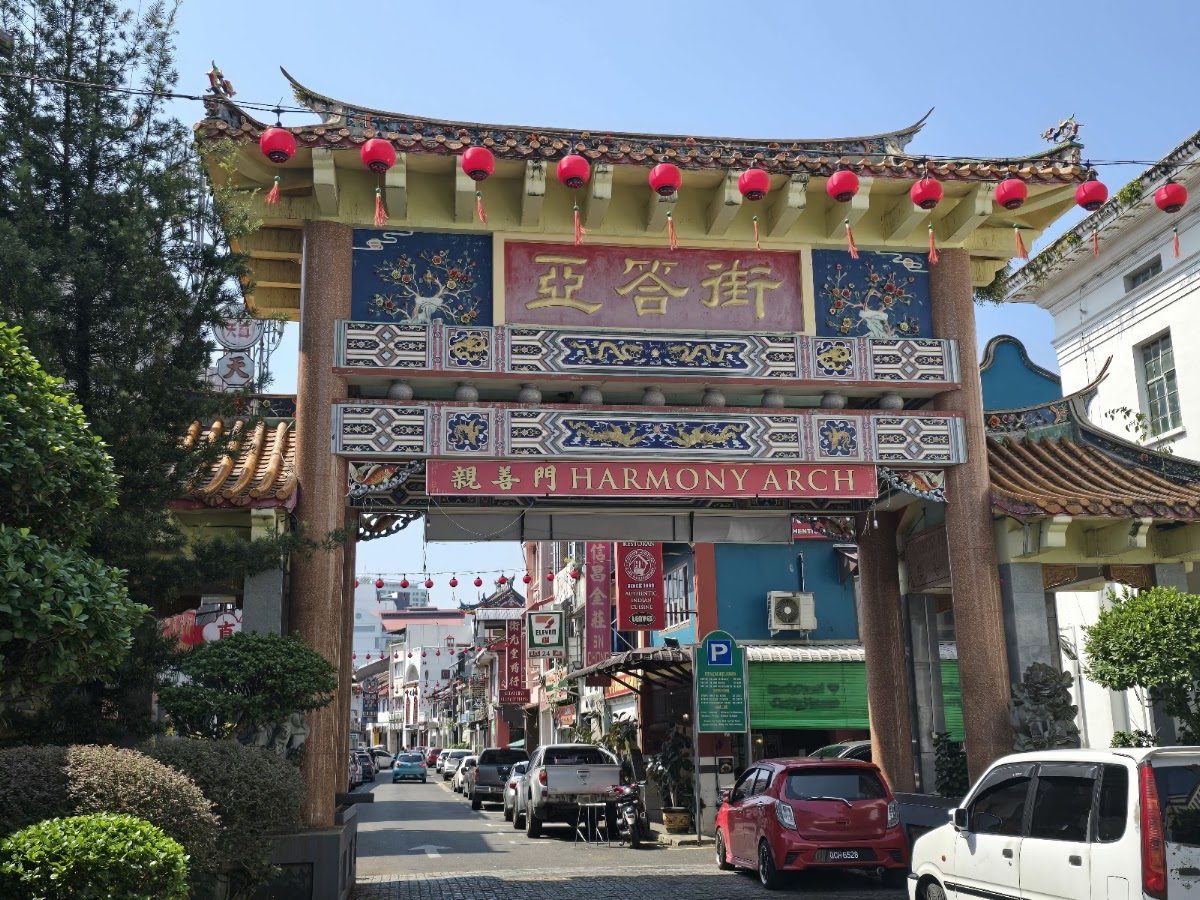
Walk off breakfast by exploring Main Bazaar, Kuching’s oldest street, which dates back to 1864. This thoroughfare is lined with beautifully preserved Chinese shophouses, many still run by families practicing traditional trades. It is the best place to find authentic Sarawakian handicrafts, antiques, and souvenirs.
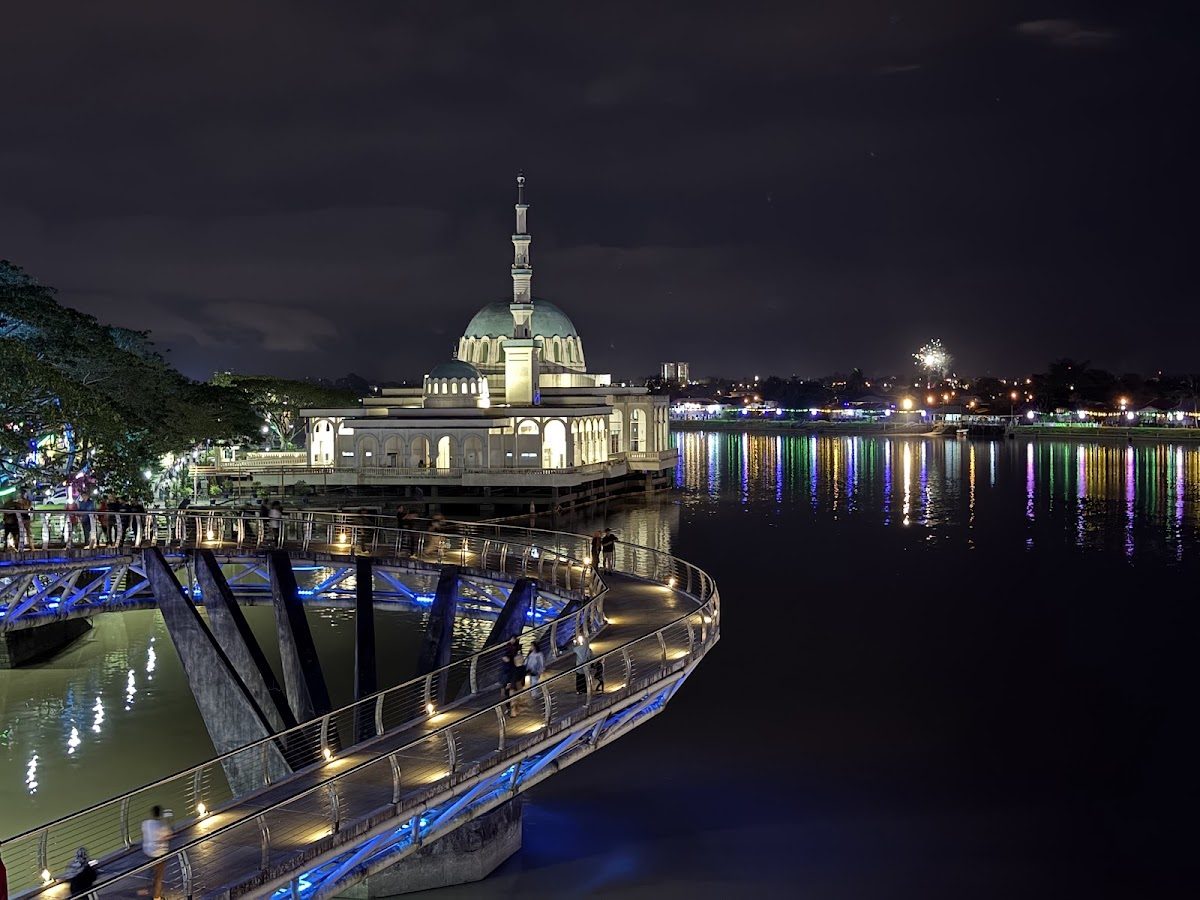
Directly opposite the bazaar is the scenic Kuching Waterfront, offering views of the Sarawak River and the Astana. Take a moment to watch the river life, or simply enjoy the breeze.
3. Discover Borneo’s artistic heritage at the Sarawak Craft Council
For truly high-quality and authentic Bornean crafts, head to the Sarawak Craft Council. This center showcases the exquisite artistry of Sarawak’s diverse indigenous communities, from intricate beadwork to hand-woven textiles. It is an opportunity to appreciate the skill and cultural significance behind each piece.
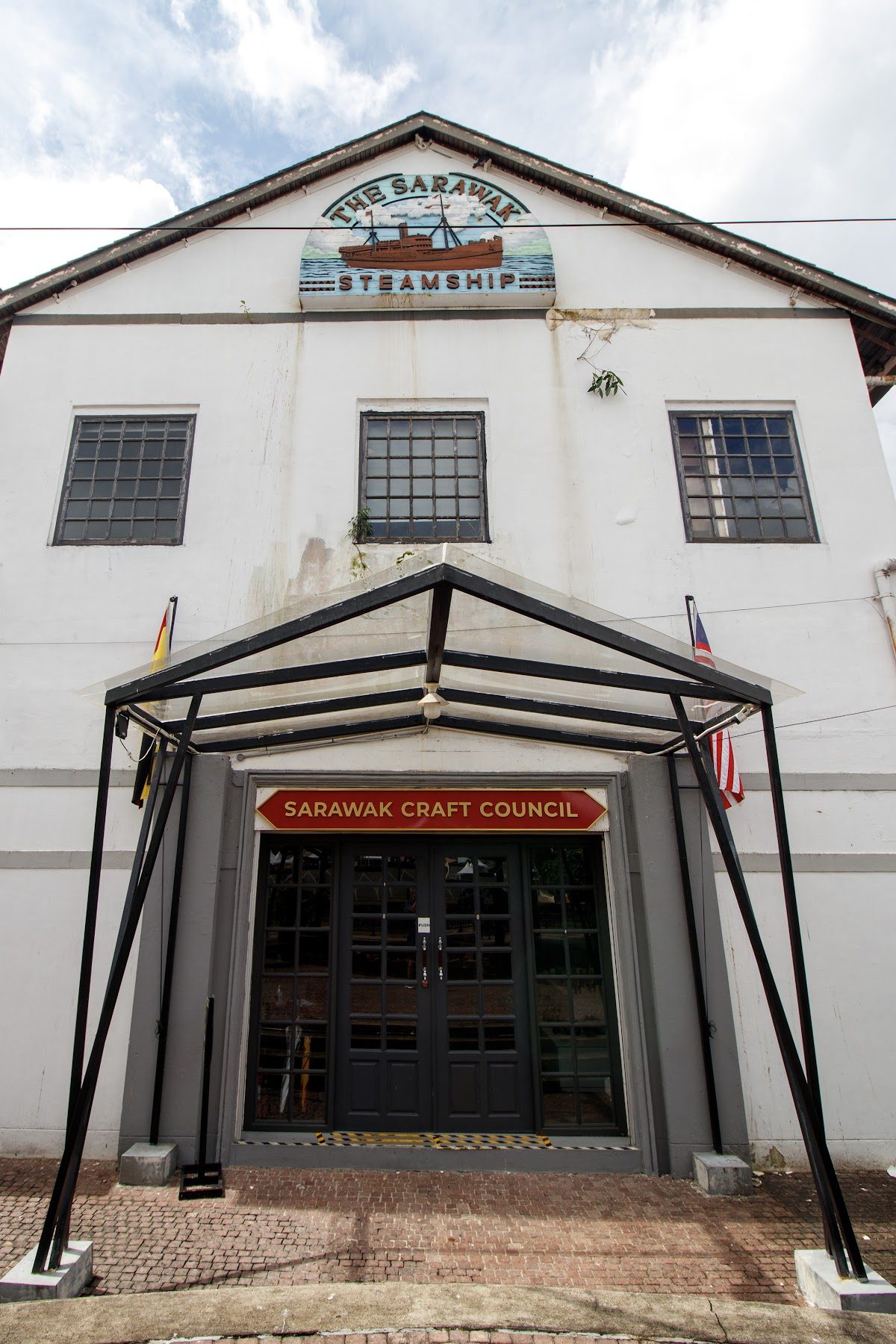
The council also provides insights into Sarawak’s rich heritage, sometimes even featuring live demonstrations or workshops like batik painting. While prices reflect the quality and artistry, you are buying a genuine piece of local culture.
4. Witness history and spirituality at Tua Pek Kong Temple
Just a short distance from the craft council, you will find the Tua Pek Kong Temple, the oldest Chinese temple in Kuching. Believed to date back to 1843, its ornate carvings, vibrant figurines, and intricate dragon columns are a visual feast. It is a significant cultural and spiritual landmark for the local Chinese community.
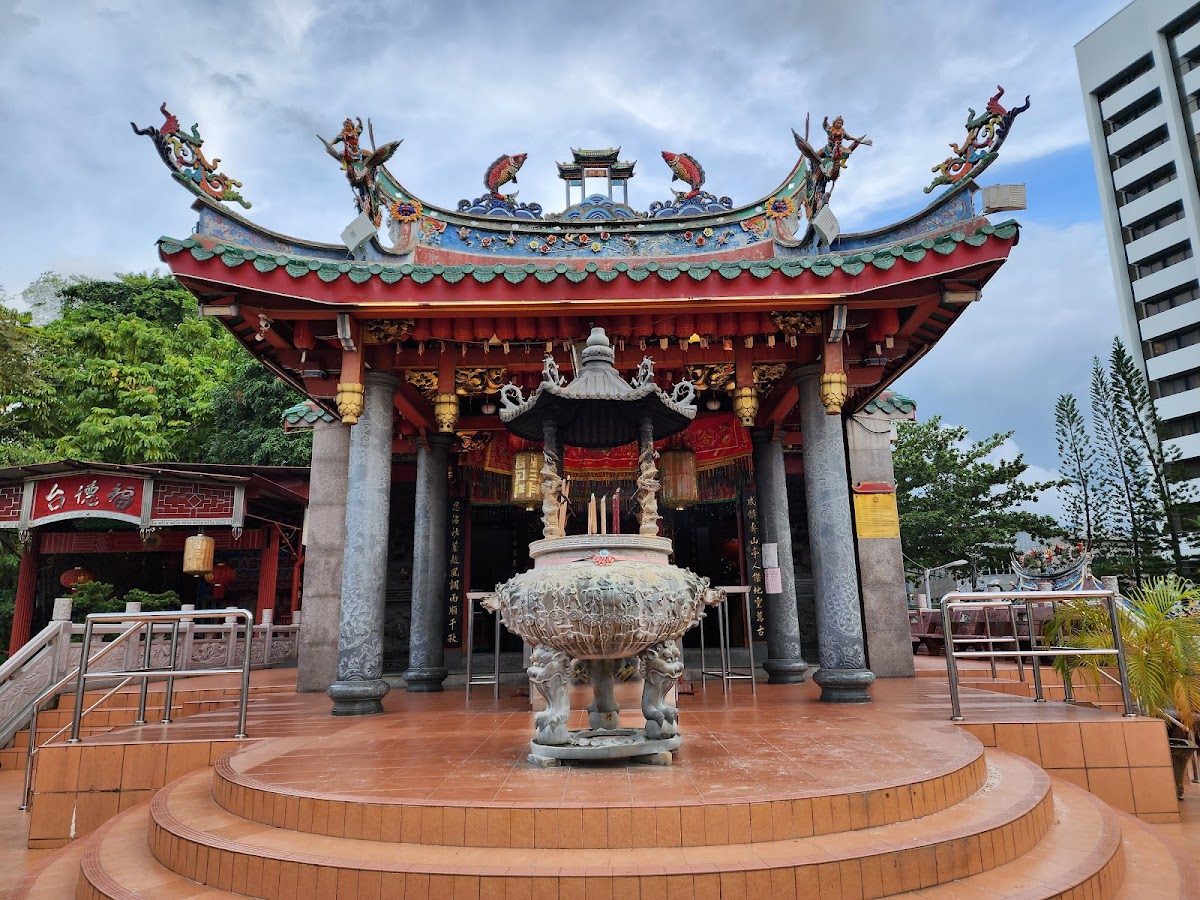
Visitors are welcome to observe the daily rituals and appreciate the detailed artistry. The temple offers a peaceful contrast to the bustling streets, a place of quiet contemplation amidst the city’s energy.
5. Taste Sarawak’s famous Kek Lapis (Layer Cake)
No visit to Kuching is complete without sampling Kek Lapis Sarawak, the region’s famous layer cake. These visually stunning cakes, with their vibrant colours and intricate patterns, are a significant part of local culture, often prepared for special occasions. Many shops around Main Bazaar and Carpenter Street offer tastings.
Each slice is a work of art and a burst of flavour. You will find various bakeries, like Mira Cake House or Dayang Salhah Kek Lapis, where you can try different designs and flavours before deciding on your favourites to take home.
Final word
Kuching, even on a brief 6-hour layover, offers a window into a Malaysia that is distinct and deeply rooted in its Bornean heritage. It is a city that invites you to slow down, engage with local traditions, and savour flavours found nowhere else. You leave not just with souvenirs, but with stories.
All information verified at time of writing. Confirm hours and prices before you go.