
Bangkok often feels like a transit point for other adventures, a city experienced in fleeting glimpses through taxi windows on the way to Suvarnabhumi Airport. But with 12 hours on a layover, especially with the growing interest in Bangkok’s historic neighborhoods and authentic cultural experiences, there is a genuine opportunity to dive into its vibrant heart beyond the usual tourist circuit. This guide helps you navigate the real city, a world away from the airport’s sterile corridors.
This guide is for the curious traveller with a 12-hour layover in Bangkok, eager to leave the airport and experience the city’s authentic pulse, from local markets to heritage streets, rather than just passing through. It is for those who value cultural immersion and real-world encounters over curated tourist attractions, seeking to understand the city through its food and communities.
Bangkok is a sensory overload, where ancient traditions mix with modern life, defined by its intricate network of canals and the majestic Chao Phraya River. It is a city that rewards those who look beyond the surface, offering deep cultural insights from serene Buddhist practices to its famous street food scene.
A personal note
Over my years flying through Bangkok, I’ve seen the city transform, yet its core charm remains in its local markets and the rhythm of river life. Each layover offered a chance to peel back another layer – from the early morning quiet of a temple before the crowds, to the organised chaos of a tuk-tuk ride through a neighbourhood I hadn’t explored before. It’s always been about finding those pockets where daily life unfolds, away from the glitzy malls and well-trodden paths.
Before you leave the airport
Storing your luggage
You will want to be unencumbered. Suvarnabhumi Airport (BKK) offers several reliable options for luggage storage, all located conveniently within the terminal.
AIRPORTELs on B Floor, Airport Rail Link zone, charges ฿100 per bag per day and is open 24 hours. Every bag is screened and insured. Another option is Bellugg, with counters on the 4th Floor (Departures, near Gate 7) and 2nd Floor (Arrivals, near Exit 4), also open 24/7. Their rates range from ฿150-200 per bag per day depending on size. SmileLugg on B Floor (next to FedEx) offers a flat rate of ฿100 per bag per day for all sizes.
Do you need cash?
Yes, Thai Baht is essential. While major malls and ride-hailing apps accept cards, most authentic experiences, especially street food and local markets, operate on cash. You will also need cash for tuk-tuks and temple donations.
ATMs are widely available. Expect a standard ฿220 fee for foreign cards, so withdraw a larger amount like ฿2,000–฿3,000 to minimise fees. Always choose “Without Conversion” when prompted at the ATM to ensure your own bank handles the exchange rate.
12 hours in Bangkok: what to do
1. Immerse yourself in local life at Wang Lang Market
This bustling riverside market offers a genuine glimpse into local life, far removed from the more tourist-centric areas. It is known for its authentic Thai street food, fresh produce, and a variety of local goods, making it a trending destination for culturally curious travellers.
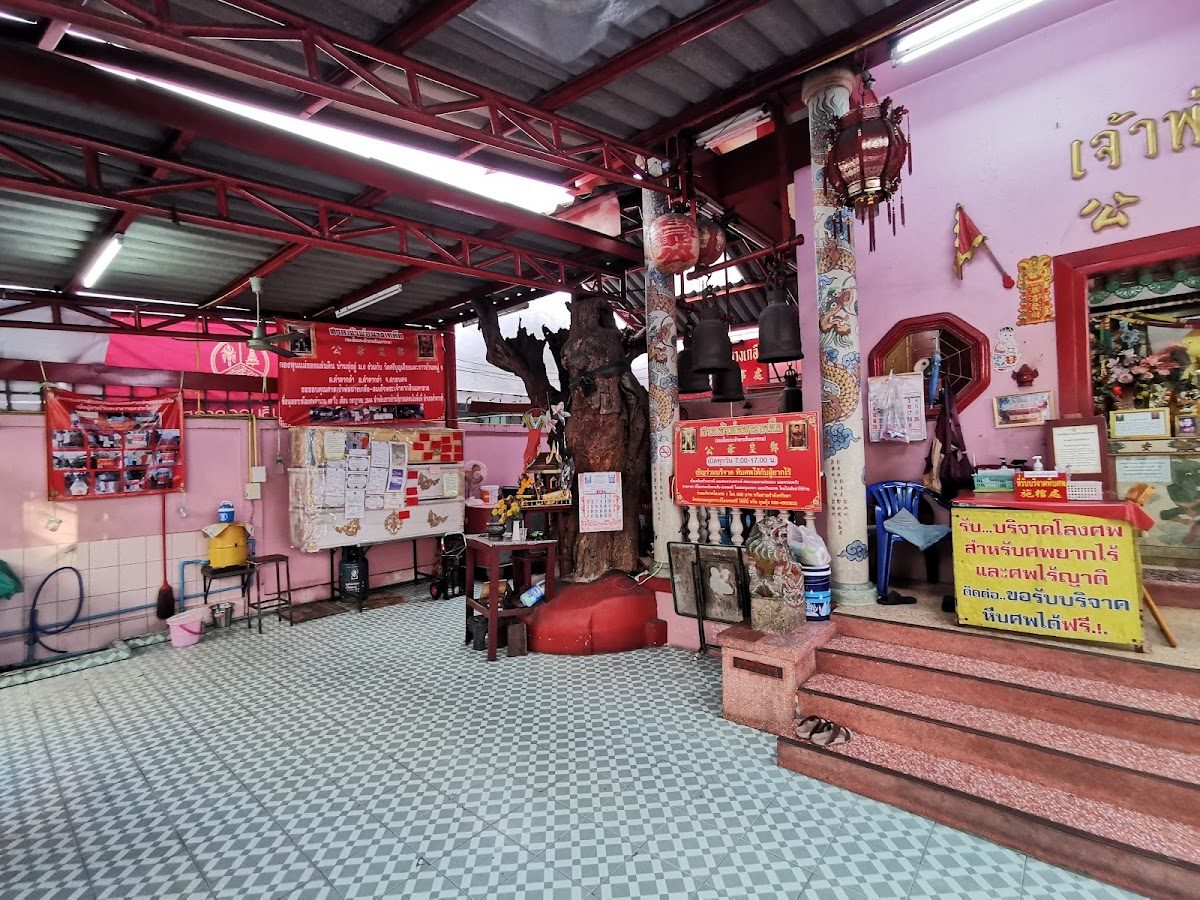
Go hungry and be prepared to try a variety of snacks and dishes; look for stalls with long queues of locals for the freshest food. You will find everything from grilled seafood to traditional kanom (desserts) and aromatic curries. This is where you get a true taste of Bangkok.
The market provides a real sense of the city’s rhythm, away from the gloss. It is a place to observe, taste, and experience how daily life unfolds for Bangkok residents.
2. Discover the historic alleys of Talat Noi
This historic riverside neighbourhood, often called a “small Chinatown,” is a maze of narrow alleys filled with old shophouses, street art, and traditional workshops. It is a living museum showcasing Bangkok’s industrial heritage and local community life, offering a truly off-the-beaten-path cultural experience. Its rising popularity is partly due to shows like “Running Man Thailand” highlighting Bangkok’s historic neighborhoods.
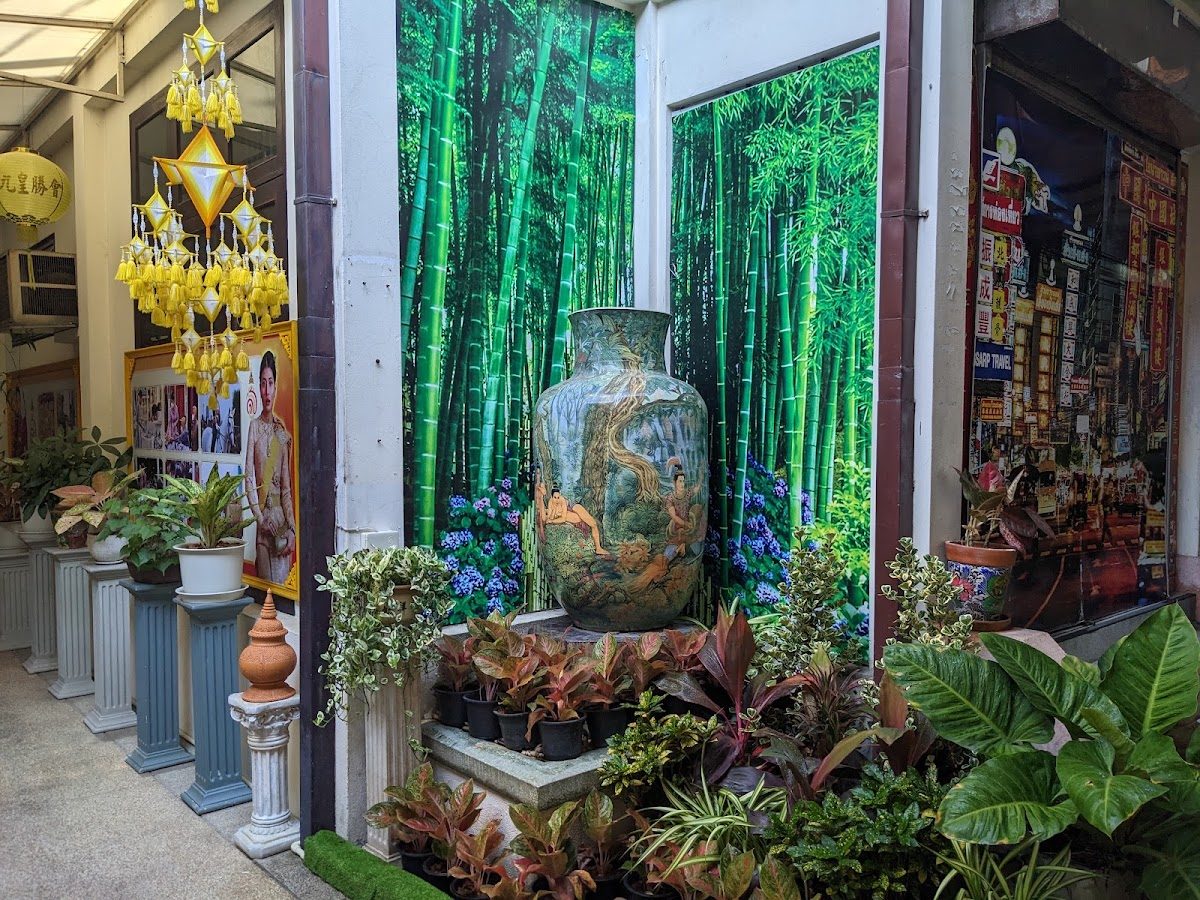
Take your time to explore the hidden alleys and look for the old car parts shops and vibrant street art murals. You will find small, family-run cafes and noodle stalls tucked away, offering delicious Thai-Chinese snacks. I remember once finding a small shrine tucked between two garages, unexpected and deeply authentic.
Talat Noi provides a stark contrast to Bangkok’s modern skyline, connecting you to the city’s past. This district is a reminder of the city’s enduring traditions, a place that feels untouched by time despite its proximity to the urban sprawl.
3. Support local artisans at Fatima Self Help Centre
This centre supports various local craft groups, with all proceeds funding the Good Shepherd Sisters Ministry. It is an excellent place to find ethically sourced traditional Thai handicrafts, including textiles, ceramics, and unique souvenirs. This offers a meaningful shopping experience that directly benefits the community, aligning with responsible tourism.
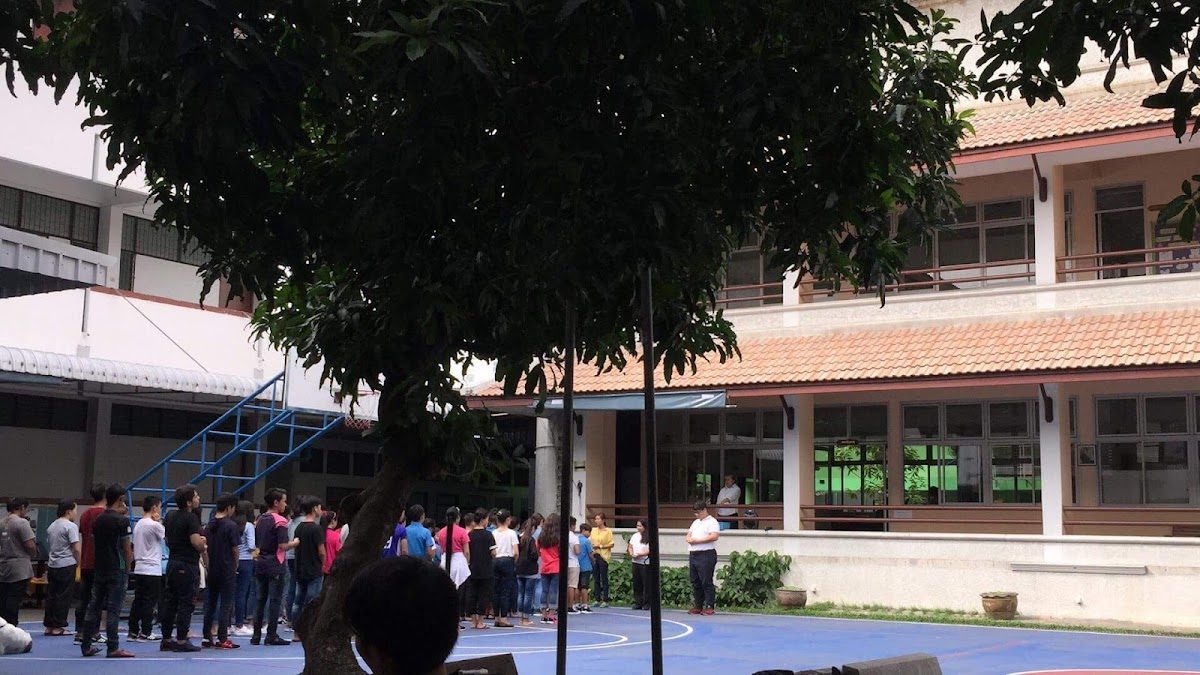
Engage with the staff to learn about the artisans and the stories behind the crafts; it adds to the experience. You will find high-quality items that serve as genuine mementos, knowing your purchase makes a difference to local families.
This stop offers a quiet moment away from the chaos, allowing for mindful shopping. It is a place where you can connect with the human element behind the crafts, supporting social enterprise over mass-produced goods.
4. Taste iconic roasted duck at Prachak Pet Yang
A century-old institution in the Bangrak neighbourhood, Prachak Pet Yang is famous for its exquisite Chinese-style roasted duck. Served with rice or egg noodles, this family-run spot offers an authentic and beloved local culinary experience, often bustling with locals.
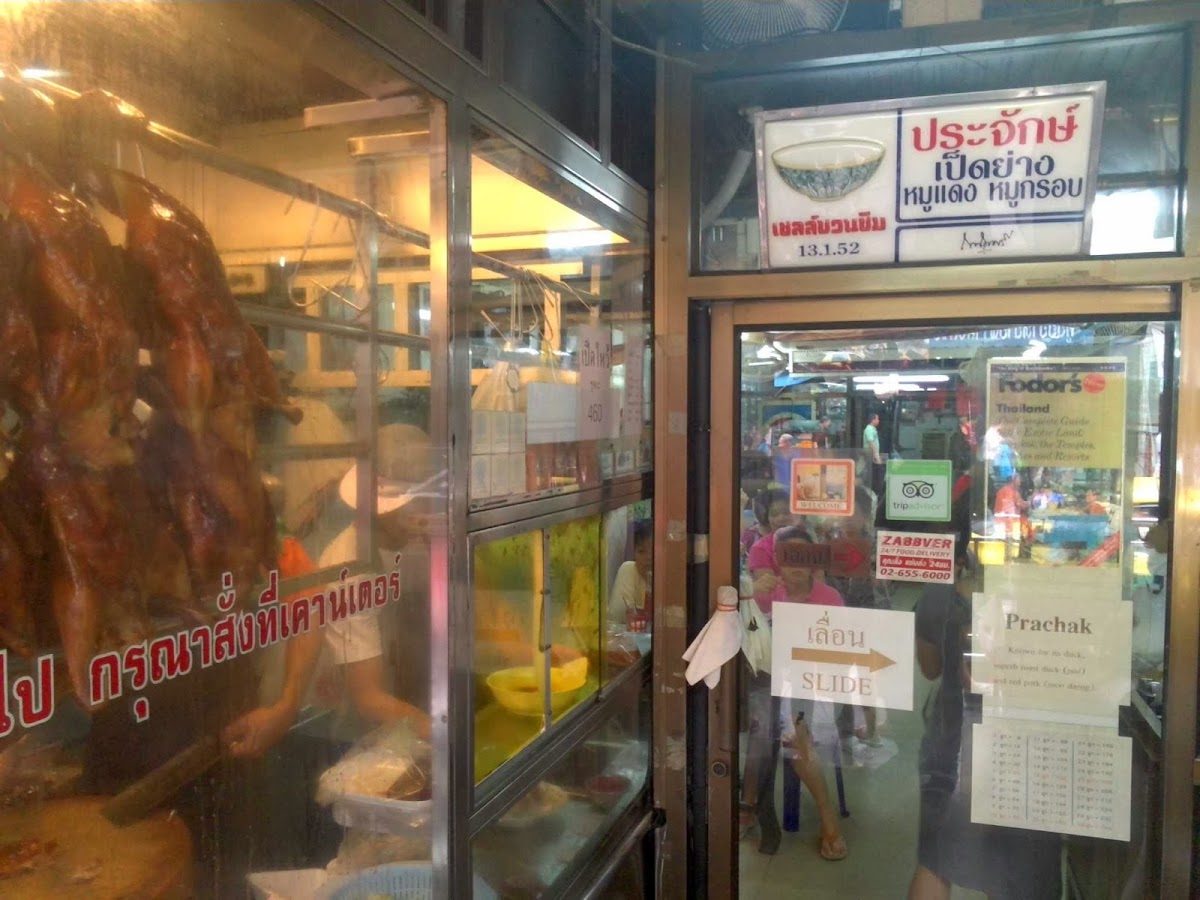
Do not be intimidated by the crowd; there is often an upstairs air-conditioned dining room if the ground floor is full. While the duck is the star, also consider trying their roasted pork and dim sum. I always make it a point to stop here for a bowl of their noodles.
This is a chance to experience a piece of Bangkok’s culinary history, a restaurant that has consistently delivered quality for generations. It is a taste of the city that is deeply rooted in local tradition.
5. Engage your senses at Pak Khlong Talat (Flower Market)
Bangkok’s vibrant 24-hour wholesale flower market is a sensory delight of colours and fragrances. It is a historic institution where locals come to buy fresh garlands and flowers for temples and homes, offering a unique cultural insight into Thai traditions and daily life.
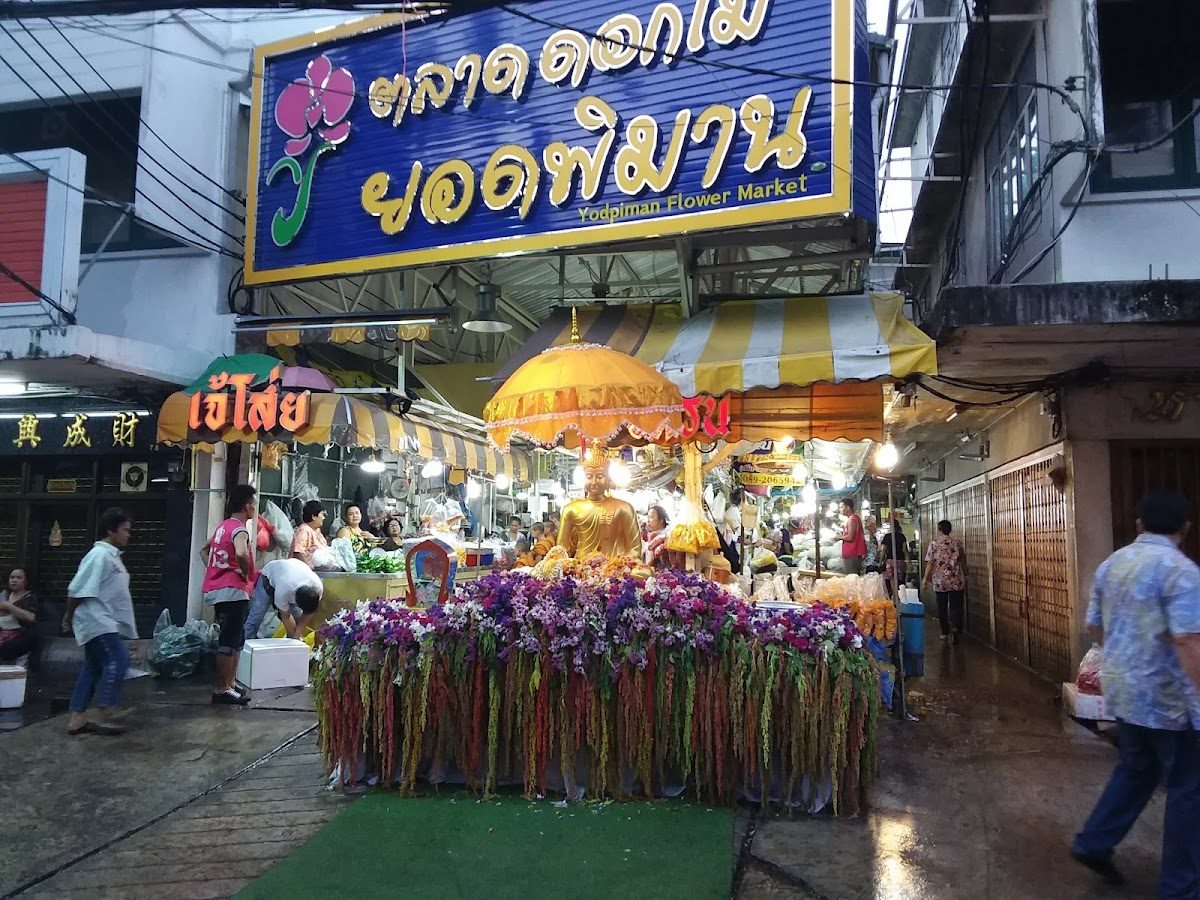
Visit in the late afternoon or early evening when new deliveries arrive and the market is bustling with activity, but before the peak night hours. Observe the intricate process of garland making, a meditative craft that is central to Thai spiritual life.
The market provides a beautiful, aromatic contrast to the city’s concrete. It is a place where beauty and commerce intertwine, a quiet testament to the enduring role of tradition in a modern city.
6. Rejuvenate with a Traditional Thai Massage
A deeply relaxing and therapeutic experience, traditional Thai massage combines acupressure, Indian Ayurvedic principles, and assisted yoga postures. It is a fundamental part of Thai wellness culture, offering rejuvenation after travel and aligning with the rising interest in ‘wellness retreats’ and ‘healing is the new luxury’ trends.
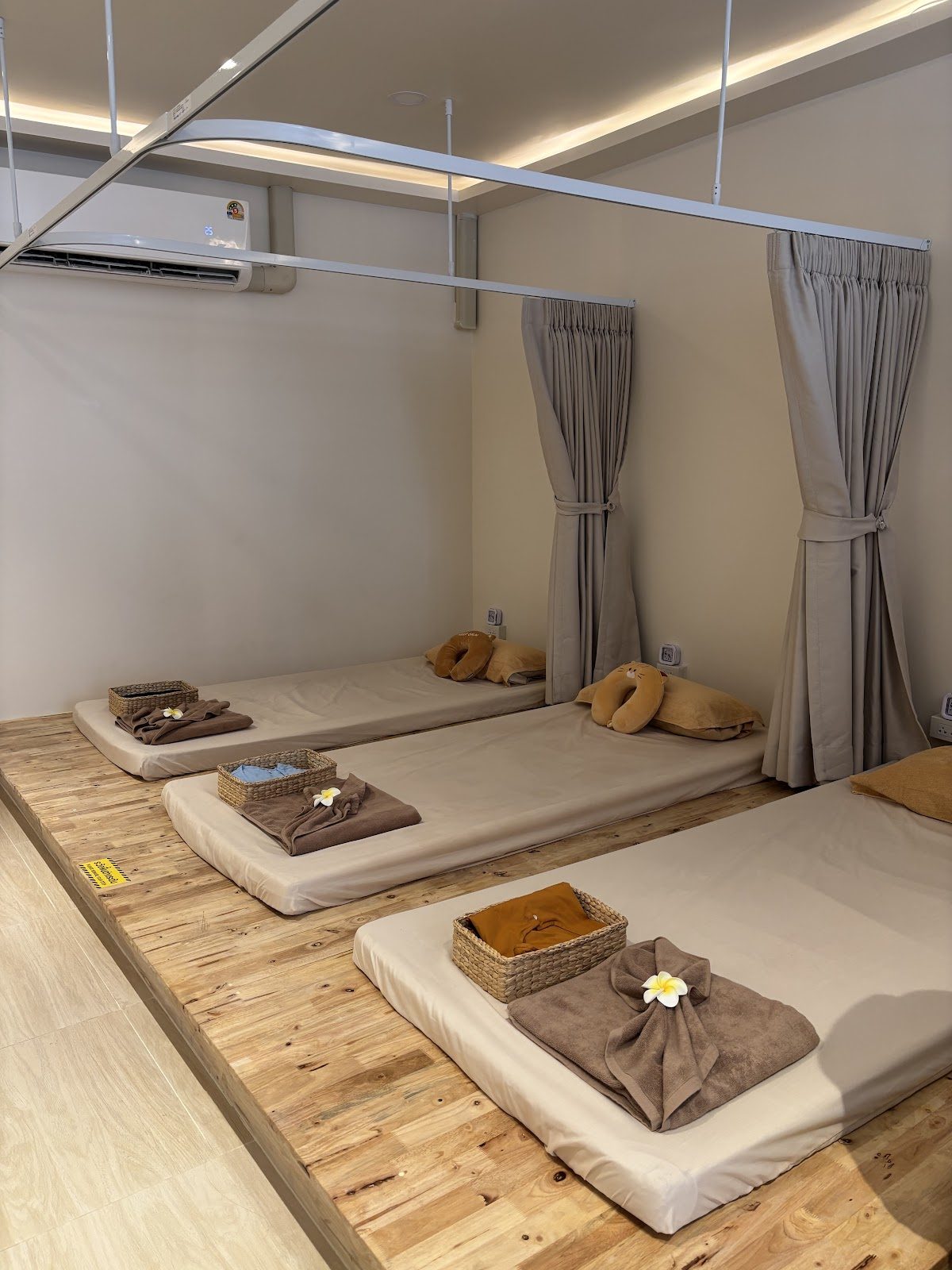
Communicate your pressure preferences clearly to the masseuse to ensure a comfortable and effective experience. Look for clean, well-regarded local establishments rather than flashy tourist traps; many excellent small spas exist in central areas.
This is a perfect way to unwind and refresh before heading back to the airport. It offers a cultural experience that directly contributes to your well-being, leaving you more relaxed than when you arrived.
Final word
Bangkok on a 12-hour layover is not just possible, it is rewarding. By focusing on its historic neighbourhoods, vibrant local markets, and authentic culinary experiences, you can truly connect with the city’s spirit. You will leave with a genuine sense of its character, not just a blurred memory of airport transit.
All practical information verified at time of writing. Please confirm hours and prices before you go.