
When people think of Milan, they often picture high fashion and luxury boutiques, but this city offers a much richer, more complex narrative if you know where to look. Recent interest in Milan’s off-the-beaten-path architecture and authentic Milanese food experiences shows a growing desire to move beyond the catwalks and discover its hidden layers. Forget the designer labels; this is about Milan’s working heart, its quiet corners, and the unexpected beauty of its everyday life.
This guide is for the pragmatic traveller with a 12-hour layover in Milan who wants to experience the city beyond the airport. You are curious about local life, unique heritage, and the kind of places locals frequent, rather than just checking off tourist boxes.
Milan, Italy’s financial and fashion capital, is a city defined by its contrasts — ancient grandeur meeting modern design, quiet courtyards tucked behind busy boulevards. It’s a place where design, manufacturing, and a cosmopolitan culinary scene blend seamlessly.
A personal note on Milan
I have spent more layovers than I can count passing through Milan, and over the years, I have seen it transform and yet stay fundamentally the same. The rhythm of the city from the early morning quiet, when the only sounds are the trams rattling and the first bar opening for coffee, to the evening aperitivo rush in Navigli or Brera, tells a story. What always strikes me is how much of the city’s true character — its intricate Art Nouveau facades, the unassuming trattorias, the quiet craft workshops — often goes unnoticed by those rushing between the Duomo and the fashion district. Milan, for me, has always been about these small discoveries, the details that reveal themselves when you slow down and look beyond the obvious.
Before you leave the airport
Storing your luggage
If you are coming from Malpensa Airport (MXP), Nannybag offers convenient storage at partner locations near the terminals, with prices starting from €3.50 per item for 24 hours. For those arriving at or passing through Milano Centrale Railway Station, KiPoint provides lockers on the ground floor, from €2.49 per locker. If you are heading straight to the city centre, Radical Storage has verified locations near key districts like Duomo and Brera, costing €3.90 per bag per day.
Do you need cash?
While Milan is largely cashless, it is always wise to carry some Euro for smaller purchases. You might need cash for market stalls, public toilets, or if you stumble upon a charming, smaller trattoria that prefers cash. ATMs (Bancomat) are easy to find at train stations and in the city. A single public transport ride costs around €2.20, with a daily cap of about €7.60.
12 hours in Milan: what to do
1. Discover Milan’s eccentric architecture at Palazzo Berri-Meregalli
Step back into the early 20th century with a visit to Palazzo Berri-Meregalli, an architectural anomaly that defies easy categorisation. This building is a fascinating fusion of Gothic, Renaissance, and Liberty (Art Nouveau) styles, adorned with sculpted beasts and whimsical grotesques. It is a genuine visual feast, offering an unexpected experience away from Milan’s more conventional sights.
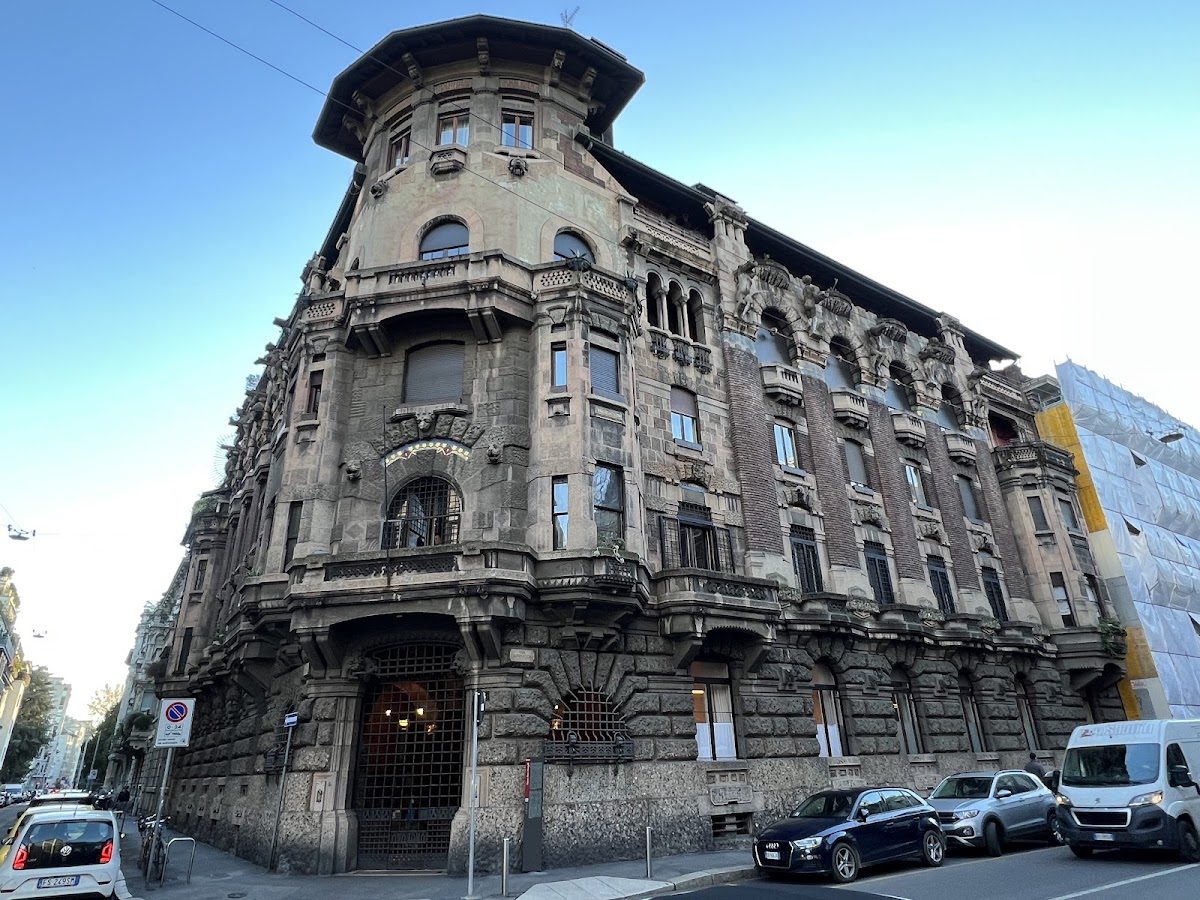
Spend some time studying the intricate details of the exterior. The blend of historical references and imaginative flourishes makes it a standout example of Milan’s unique architectural landscape. It is a testament to the city’s ability to surprise, even for those who think they know it well.
2. Uncover a hidden Art Deco relic at Albergo Diurno Venezia
Descend beneath Piazza Oberdan to find the Albergo Diurno Venezia, a remarkably preserved Art Deco public bath and beauty centre from 1926. This underground complex is a true time capsule, offering a rare glimpse into the daily life and aesthetic of Milan’s dolce vita era. It is one of the most unique Milan layover unusual things to do.
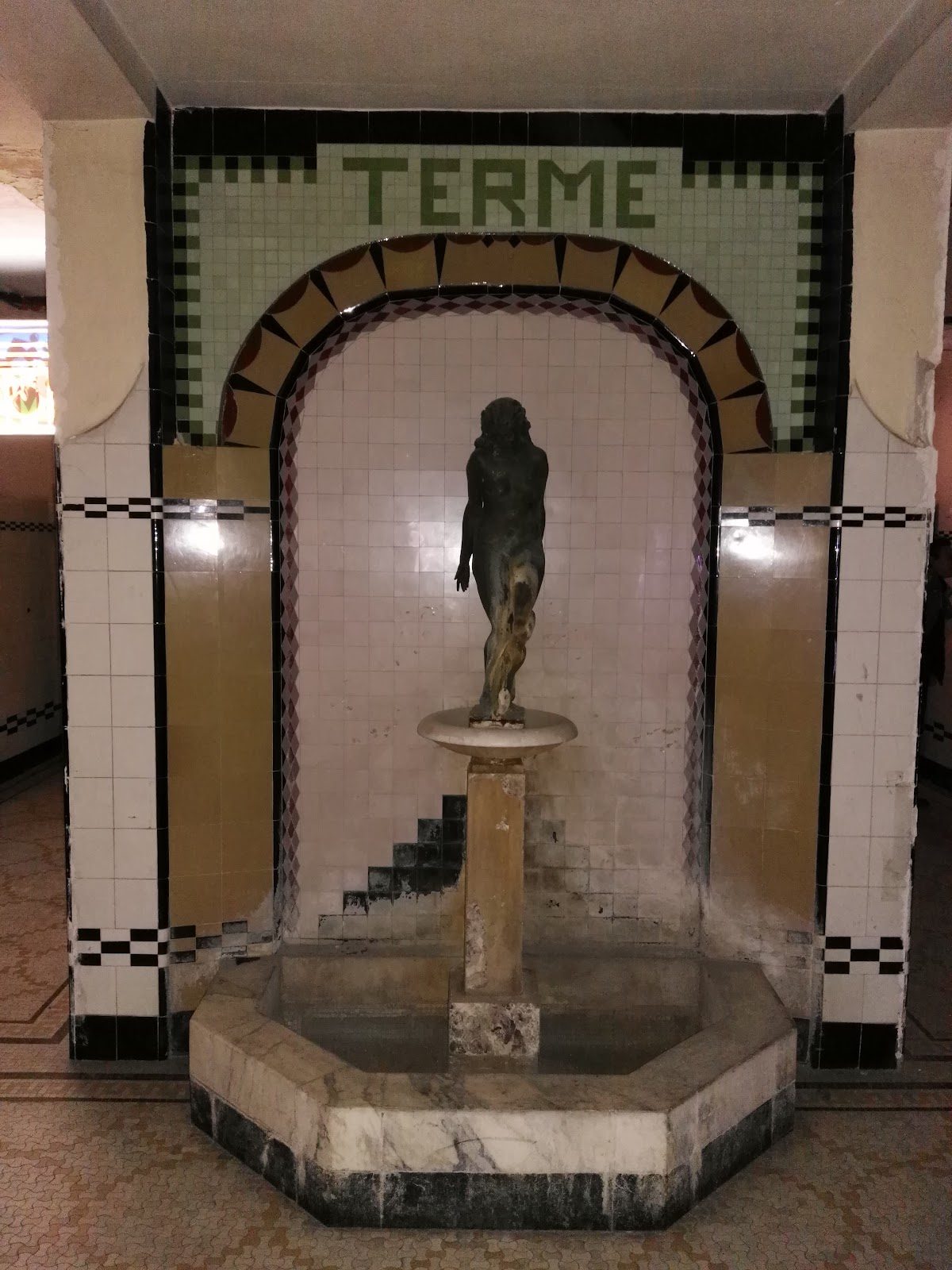
The marble, mosaics, and original fixtures tell a story of a bygone era of public services and elegance. This trending destination often hosts special tours and art exhibitions, giving the public a chance to explore its opulent spaces.
3. Explore the creative energy of the Isola District
Venture into the Isola District, a neighbourhood that has blossomed from its industrial roots into a dynamic hub of contemporary design and independent culture. This area retains an “old-school soul” while showcasing Milan’s innovative spirit through its modern architecture and vibrant street art.
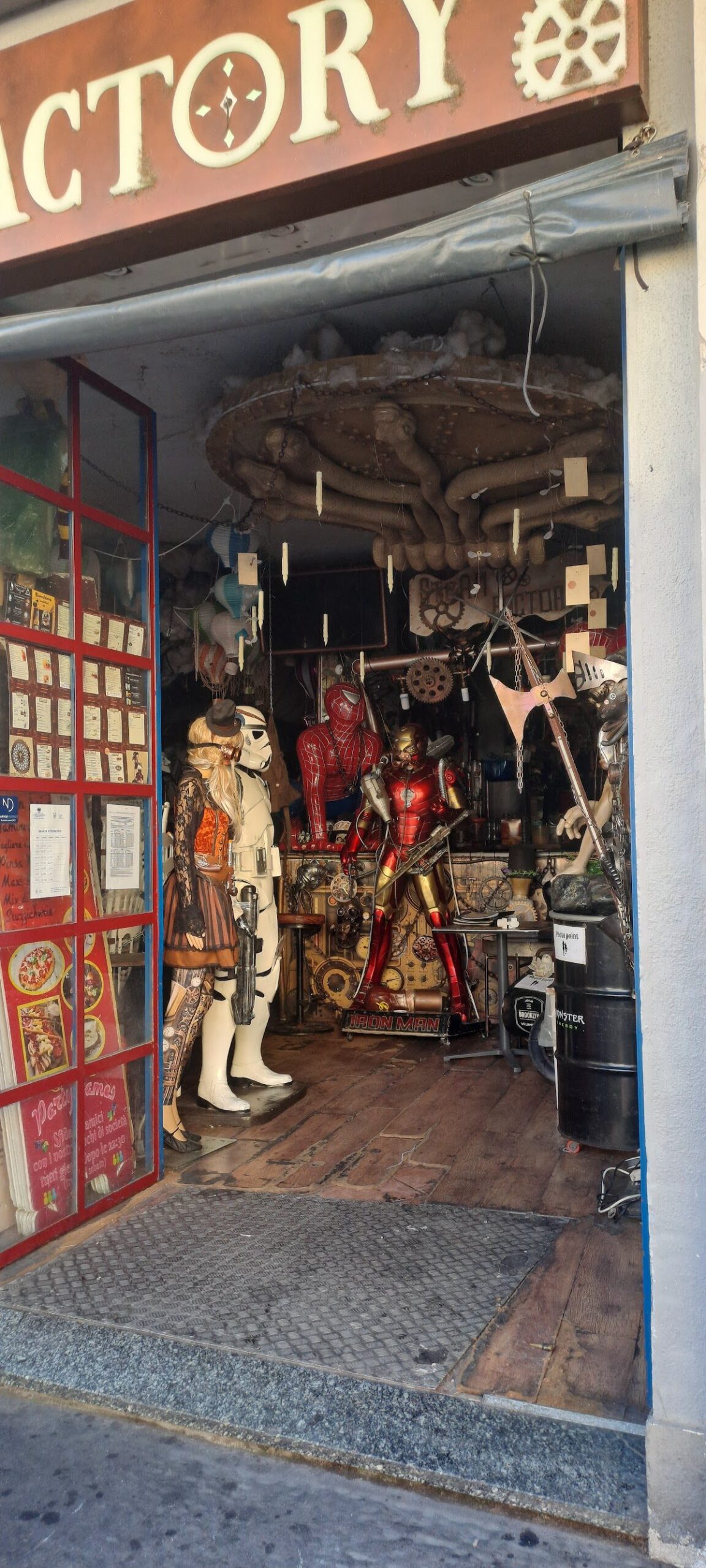
Wander through its streets to discover trendy eateries, artisan workshops, and striking architectural projects like the Bosco Verticale (Vertical Forest). The blend of traditional Milanese buildings and cutting-edge design makes for a compelling urban exploration.
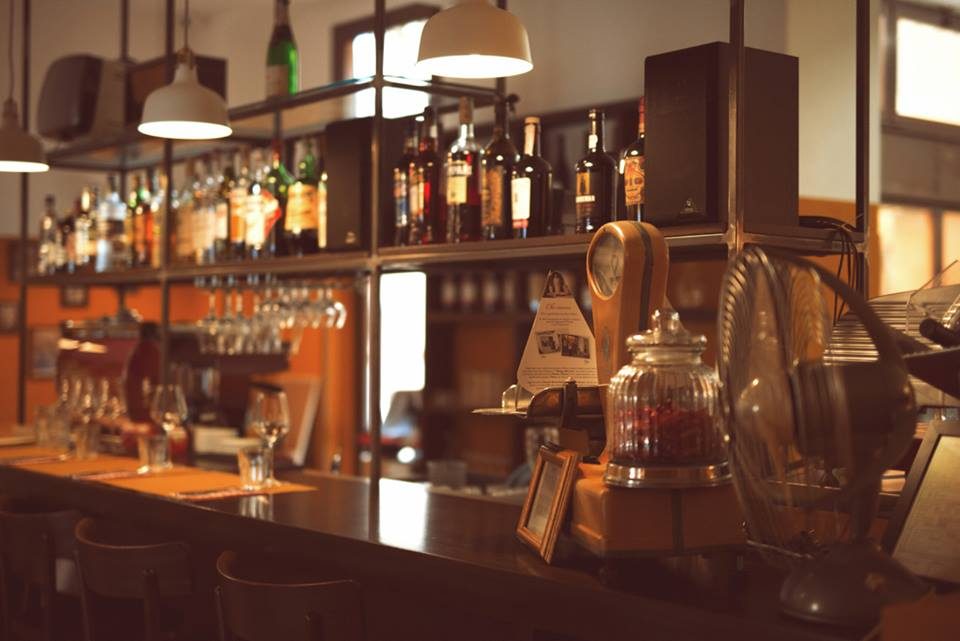
4. Seek out authentic Milanese flavours at Trattoria Trippa
For a truly local culinary experience, head to Trattoria Trippa in the Porta Romana neighbourhood. This restaurant offers a modern take on traditional Italian dishes, with Chef Diego Rossi championing seasonal ingredients and classic meat preparations. It is a true example of authentic Milanese food experiences.
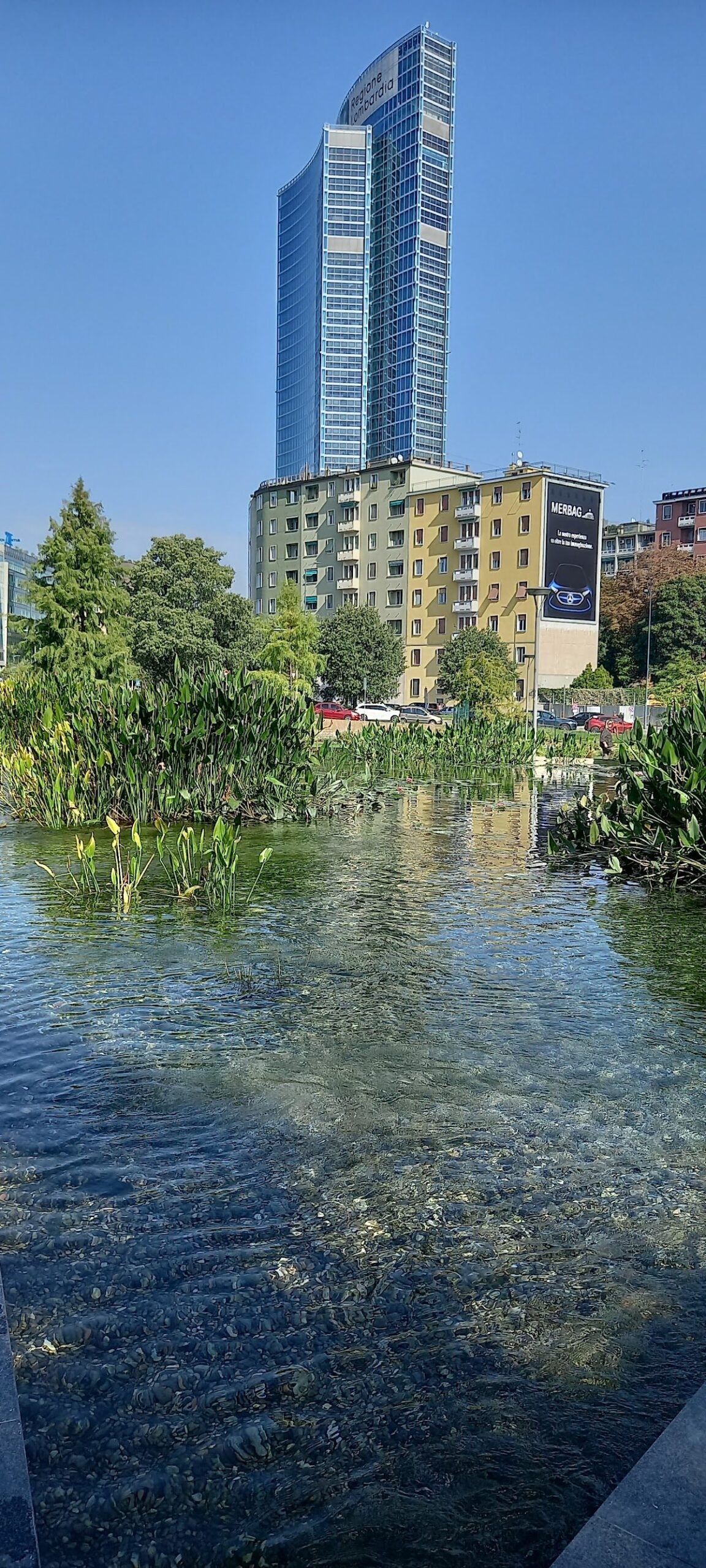
The menu is focused and changes frequently, ensuring the freshest ingredients are always on offer. This is the place to taste Milanese specialities prepared with care and creativity, in a setting that feels genuinely local.
5. Find unique handcrafted ceramics at Laboratorio Paravicini
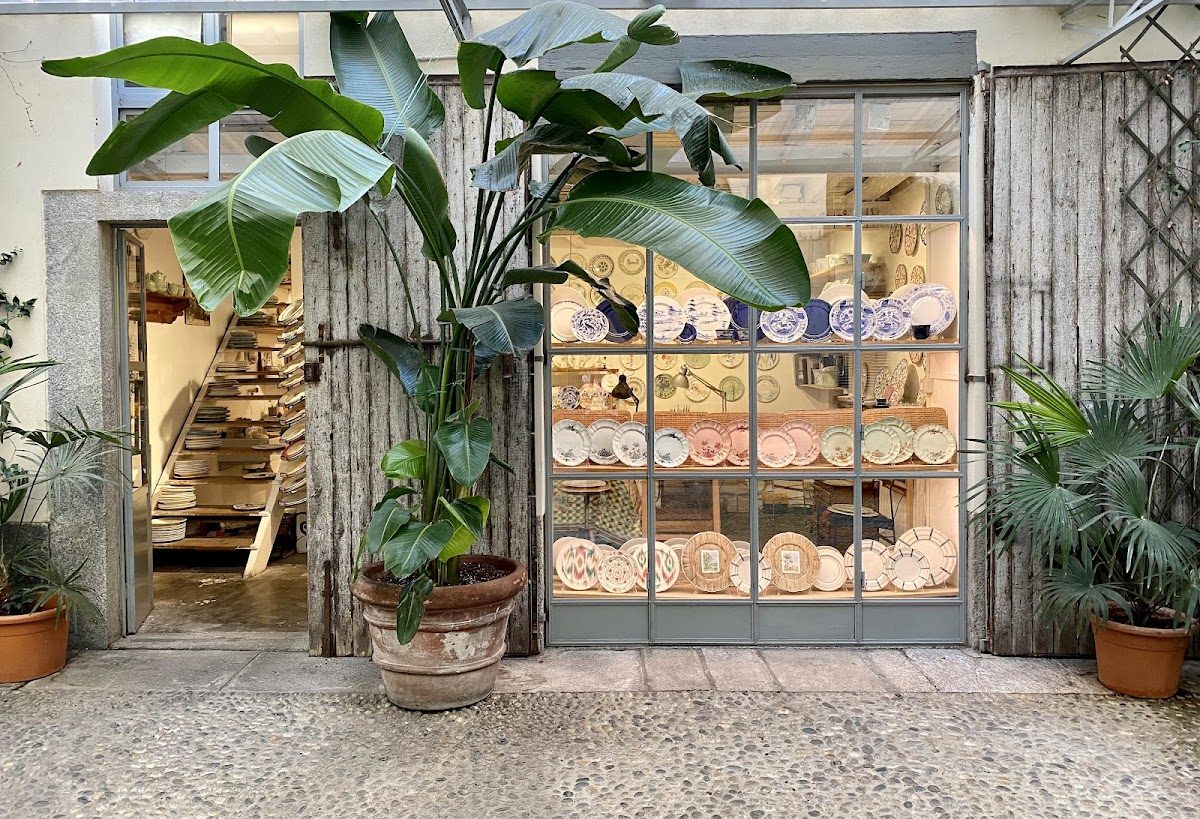
Discover a place where art and tradition merge at Laboratorio Paravicini, an atelier renowned for its exquisite hand-decorated ceramic plates. Inspired by historic Italian tableware, each piece is meticulously hand-painted. This is a perfect example of Milan’s artisan crafts.
Visiting this working studio offers a chance to see artisans at work, continuing a deep tradition of ceramic craftsmanship. It is a wonderful opportunity to find a distinctive, high-quality souvenir that truly reflects Milanese artistry and passion.
6. Contemplate history at Chiesa di San Bernardino alle Ossa
For a truly unique and somewhat macabre experience, visit the Chiesa di San Bernardino alle Ossa. This church is famed for its ossuary, a small chapel where human skulls and bones are intricately arranged in decorative patterns. It offers a fascinating, if sombre, glimpse into a historical practice.
The quiet reverence of the ossuary provides a stark contrast to the bustling city outside, inviting contemplation on history and mortality. It is a profoundly memorable cultural experience, far from the typical tourist trail.
Final word
Milan on a layover is not just about the fashion houses or the grandeur of the Duomo; it is about discovering the city’s quieter, more authentic narratives. These experiences offer a glimpse into the design, craftsmanship, and historical layers that truly define this Italian metropolis, leaving you with a deeper appreciation for its character.
All practical information, including prices and opening hours, was verified at the time of writing. Always confirm details before your visit.