
Hong Kong does not just have a pulse; it has an entire orchestra playing at full volume, all the time. For years, I have seen people rush through Hong Kong International Airport (HKG), missing the real city that thrives beyond its gates. With 8 hours on a layover, you can actually step into the authentic rhythm of Hong Kong, especially if you are interested in the newly revitalized Temple Street Night Market or local Hong Kong crafts.
This guide is for the pragmatic traveller with an 8-hour layover in Hong Kong who wants to experience its genuine street life and culture, moving efficiently beyond the airport. You are here to taste the city, not just pass through it.
Hong Kong is a study in contrasts: a place where the scent of incense from an ancient temple mixes with the exhaust fumes of a double-decker bus. From its towering skyscrapers to its vibrant wet markets and serene Taoist sanctuaries, it is a city that demands you engage with its specific, energetic character.
A personal note
Over countless layovers as an air steward, Hong Kong became less a destination and more a second home. I learned to navigate its MTR lines by heart and to anticipate the rhythmic clatter of shutters rising over street stalls as dawn broke. It is a city that shifts its character hour by hour; the frenetic energy of Central during rush hour gives way to the quiet hum of a wet market in Sham Shui Po as vendors prepare for the afternoon. I always found myself drawn to the small details: the precise way a hawker folds a banana leaf for a snack, the worn steps leading up to an old temple hidden amidst glass towers, or the sheer resilience of local artisans keeping traditions alive in PMQ.
Before you leave the airport
Storing your luggage
For peace of mind and easier movement, drop your bags at S.F. Express Baggage Storage at Hong Kong International Airport. It is located in Terminal 1, Arrivals Level (L5), in the non-restricted area, making it accessible before you clear immigration.
- Location: Terminal 1, Arrivals Level (L5), Non-restricted area, Hong Kong International Airport
- Price: HK$14 per hour or HK$165 per day (whichever is lower within 24 hours) for standard items
- Hours: 05:30 AM – 01:30 AM daily
- Notes: Payment upon collection. Accepts cash, Visa, Mastercard, UnionPay, Alipay, WeChat Pay, Apple Pay, Samsung Pay.
Do you need cash?
Yes, cash is still important in Hong Kong. While larger establishments take cards, many smaller local shops, traditional wet markets, and street food stalls prefer or even require cash. An Octopus Card is highly recommended for seamless transport and convenience store purchases; you can top it up with cash. ATMs are available in the airport arrivals hall if you need to withdraw Hong Kong Dollars (HKD).
8 hours in Hong Kong: what to do
1. Step into the quiet ritual of Man Mo Temple
Escape the city’s relentless pace and find a pocket of calm at this historic Taoist temple on Hollywood Road. The air inside is thick with the scent of large, spiraling incense coils hanging from the ceiling, creating an almost otherworldly atmosphere. This is a place of active worship, dating back to 1847.
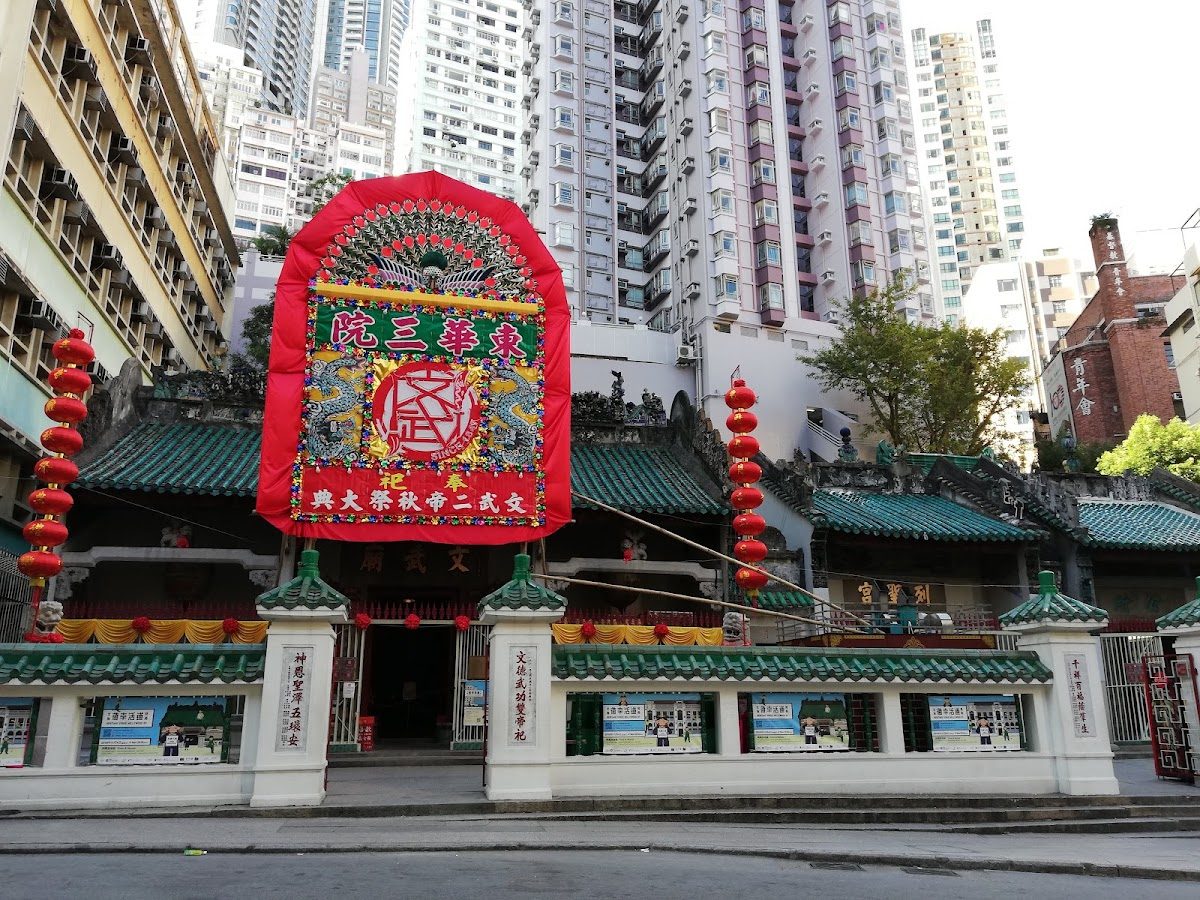
You will see intricate altars dedicated to the Gods of Literature and War, alongside local worshippers performing their rituals. Take your time to observe the details of the architecture and the quiet sincerity of the people. It is a glimpse into Hong Kong‘s spiritual heart, away from the commercial noise.
2. Witness daily life at Graham Street Market
Immerse yourself in one of Hong Kong‘s oldest surviving open-air wet markets, a truly authentic slice of local life. The narrow streets of Graham Street and its neighbours are a vibrant maze of vendors selling everything from fresh produce and seafood to cuts of meat and local snacks.
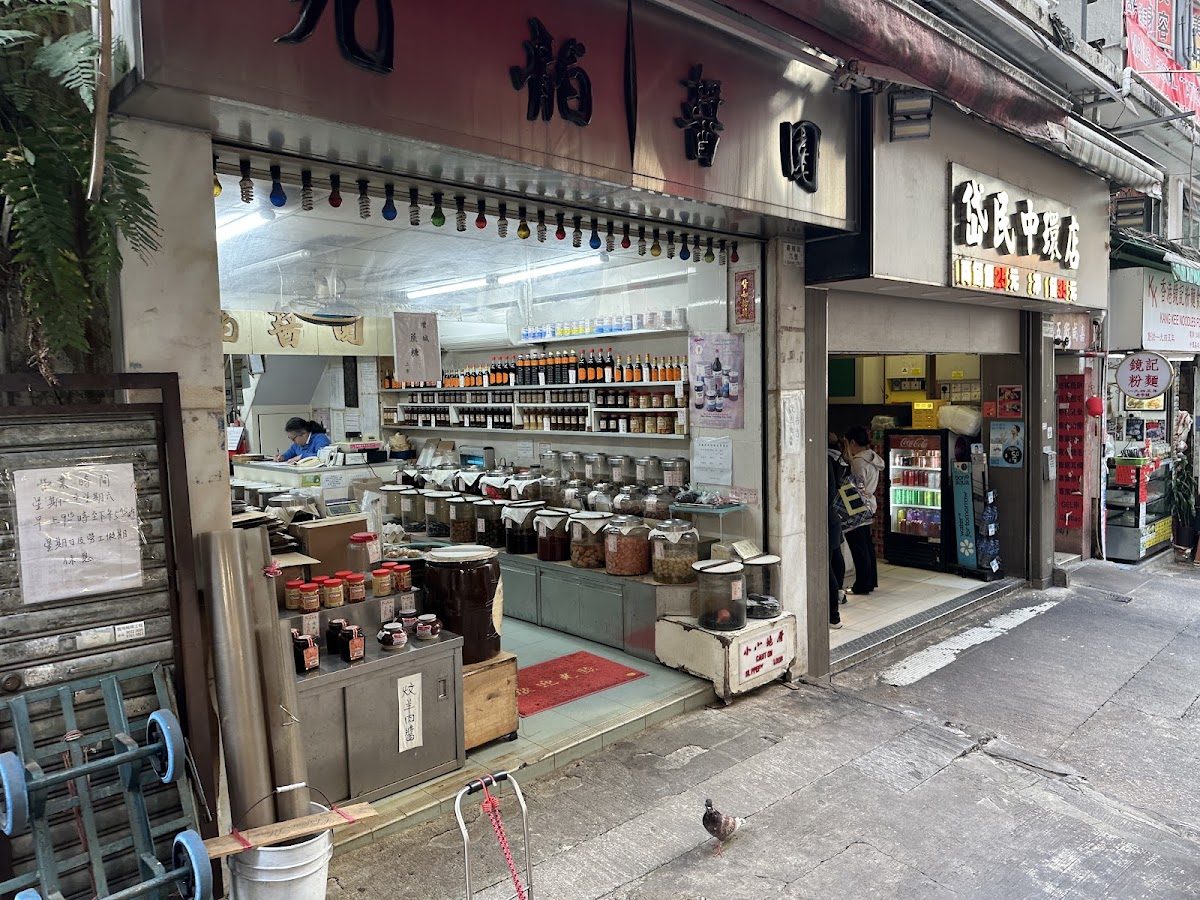
It is a sensory experience, with the sounds of haggling, the calls of vendors, and the specific smells of fresh ingredients. This market offers a genuine look at daily commerce for locals, often spanning generations of family businesses. I found that observing the efficient flow of goods and people here tells you more about the city than any skyscraper view.
3. Explore local design and crafts at PMQ
Discover Hong Kong‘s burgeoning creative scene at PMQ, a revitalized historic building that once housed police married quarters. Now, it is home to over 100 local design studios and shops, showcasing unique fashion, accessories, homeware, and art. This is where you find a different kind of local souvenir.
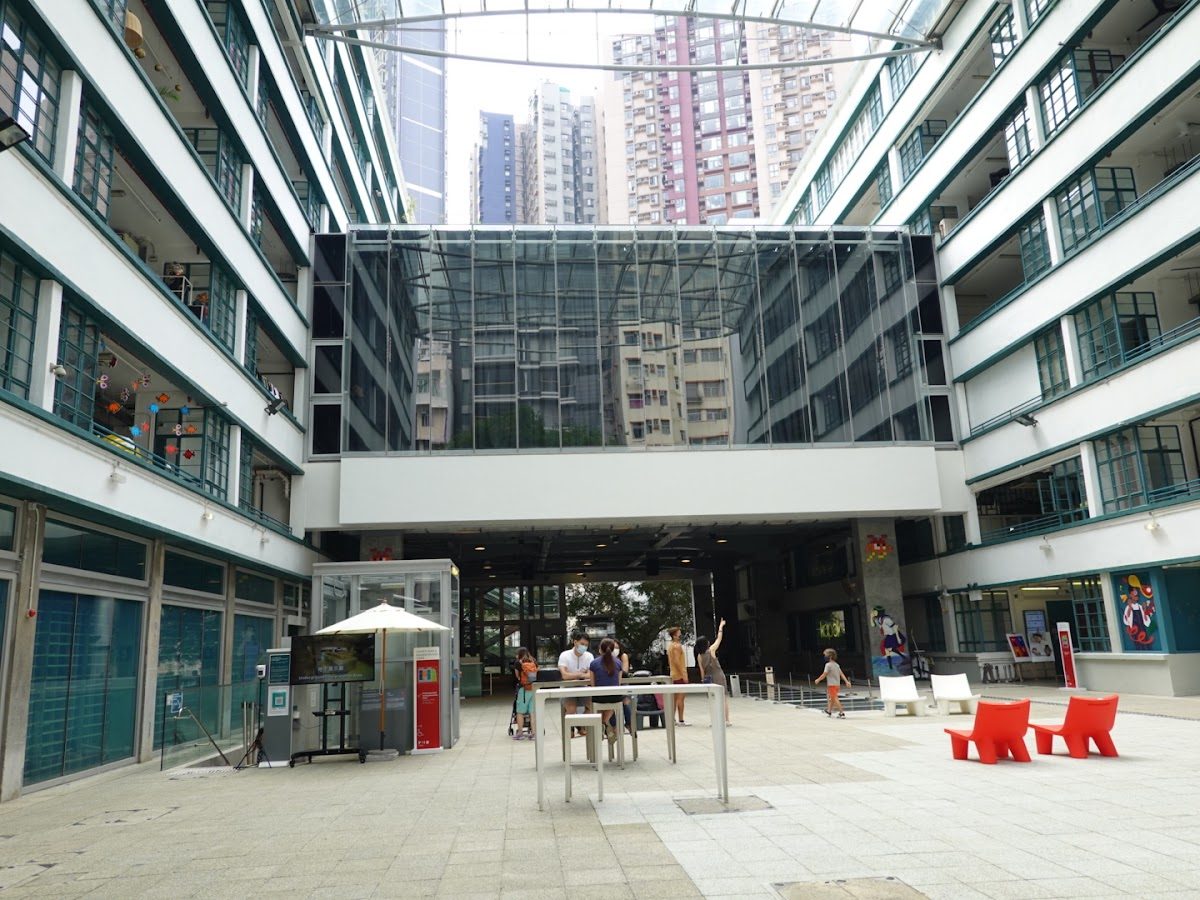
Wander through the floors to find handcrafted items by Hong Kong’s creative entrepreneurs. It offers a counterpoint to the city’s global brands, highlighting the innovation within its local community. Many studios offer free demonstrations or tastings, especially towards evening.
4. Savor Michelin-starred dim sum at Tim Ho Wan (Sham Shui Po)
Indulge in authentic, Michelin-starred dim sum at incredibly affordable prices at this renowned local eatery. Tim Ho Wan is famous for its baked char siu bao (BBQ pork buns), steamed egg cake, and pan-fried turnip cake. Every dish is steamed to order, ensuring freshness and quality.
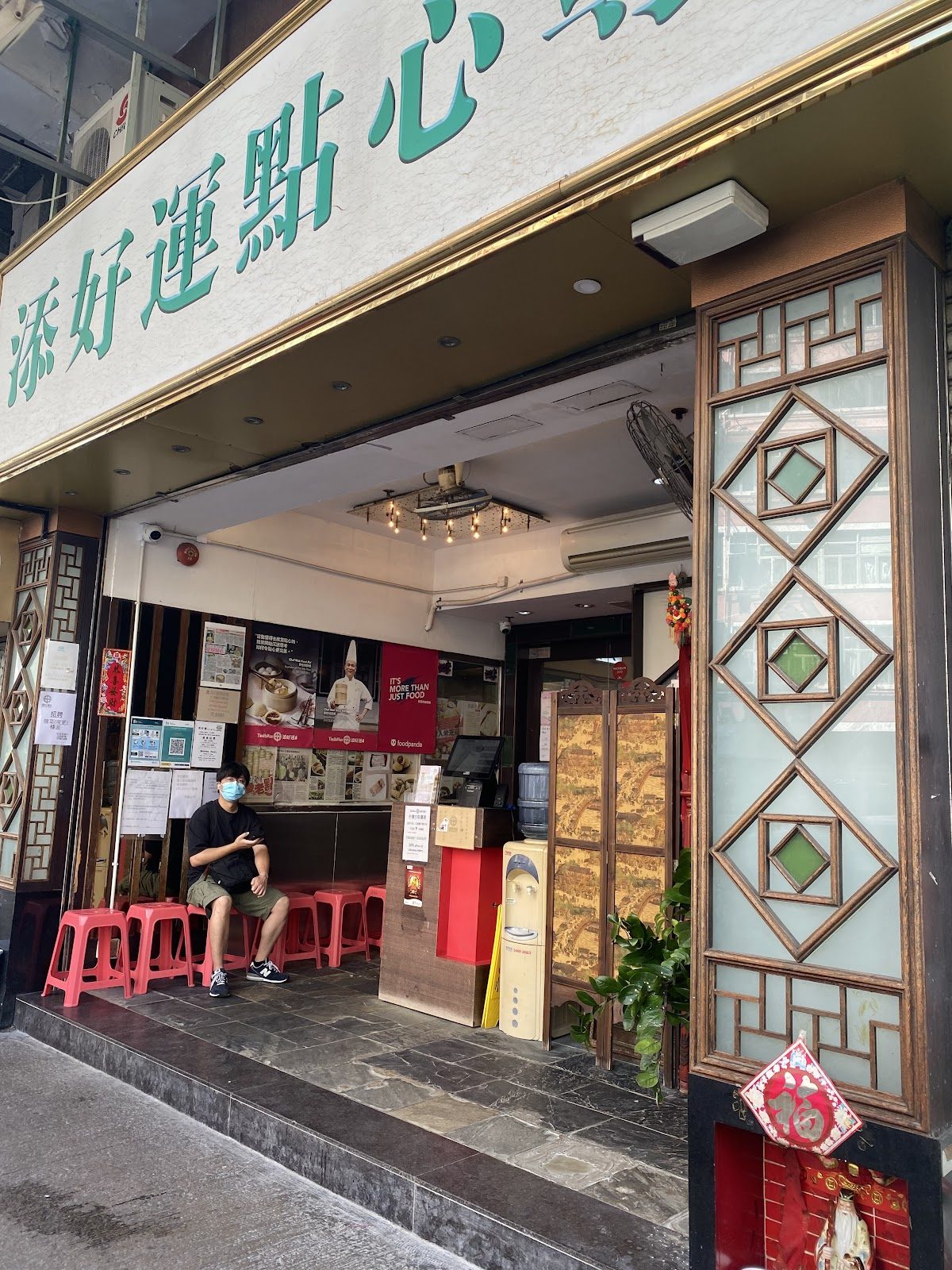
This is a quintessential Hong Kong culinary experience, one that many visitors specifically seek out. Expect a queue, especially during peak hours, but the wait is part of the experience and usually moves quickly. I always make sure to try a variety of dishes; the menu is extensive and rarely disappoints.
5. Immerse yourself in the Night Vibes of Temple Street Night Market
Experience the lively atmosphere of Temple Street Night Market, a classic Hong Kong experience that has seen recent revitalization efforts, making it a current point of interest for those seeking “Night Vibes Hong Kong”. As dusk settles, the street transforms, coming alive with stalls selling everything from electronics and clothing to souvenirs and traditional crafts.
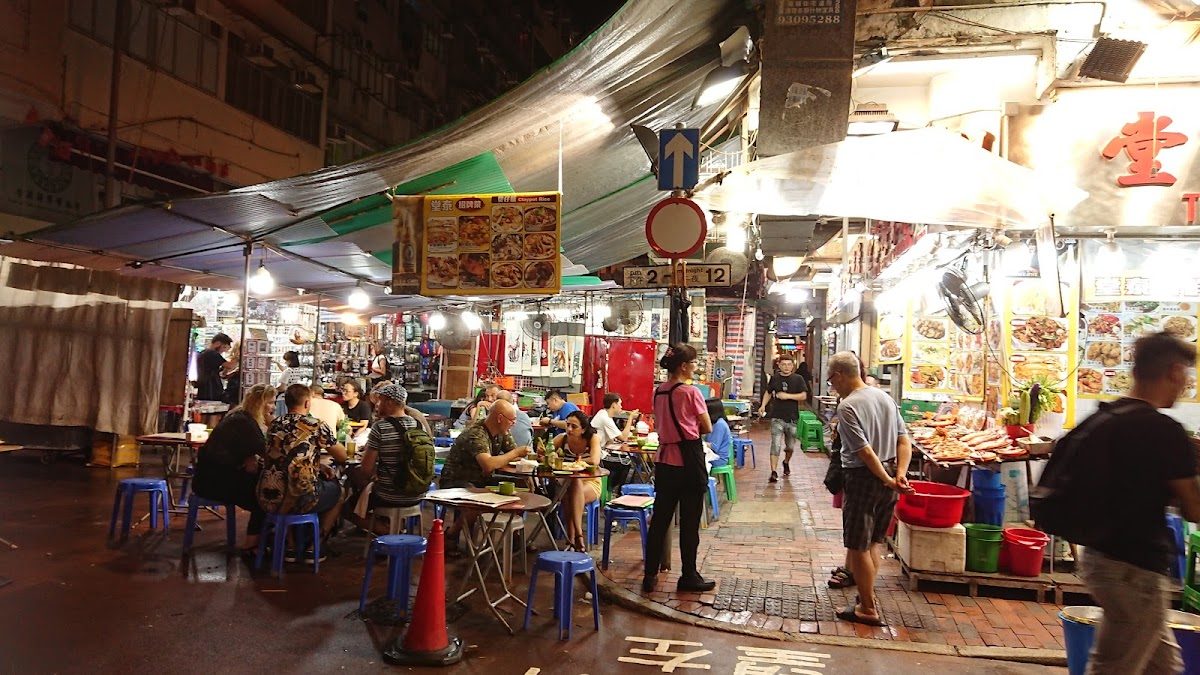
Beyond shopping, it is a hub for street food, fortune tellers, and even impromptu Cantonese opera singers, offering a vibrant glimpse into local culture. This market is a true reflection of Hong Kong’s enduring street life. Haggling is expected and part of the fun, especially for souvenirs.
Final word
An 8-hour layover in Hong Kong is not just enough time to stretch your legs; it is an opportunity to truly engage with a city that pulsates with unique character. Leave the airport, embrace the chaos and the calm, and you will find an authentic experience that most layover travellers miss entirely.
All practical information was verified at the time of writing. Please confirm hours and prices before you go.