
Guangzhou might be a transit point for many, but to dismiss it as just an airport hub is to miss its heart. As more travellers search for Guangzhou Intangible Cultural Heritage Street and Yongqing Fang Wharf, the city’s rich Cantonese culture and culinary heritage are finally getting the attention they deserve beyond the airport gates. This is a city that rewards those willing to look a little deeper.
This guide is for anyone with a 12-hour layover in Guangzhou who wants to experience the authentic city beyond the airport lounge. If you are keen to leave the airport, explore historic districts, and taste real Cantonese food, this itinerary is for you.
Guangzhou, also known as Canton, is a sprawling megacity in Southern China that deftly mixes 2,000 years of maritime trade history with a soaring, futuristic skyline. It is the undisputed birthplace of Cantonese cuisine, offering a distinct cultural flavour compared to other major Chinese cities.
A personal note on Guangzhou layovers
Over the years, Guangzhou became a recurring fixture in my layover schedule. The initial impression was always its sheer scale, but with each return, specific neighbourhoods started to stand out. I remember the consistent evening haze that would soften the city lights, and the persistent hum of electric scooters weaving through the older districts. The food stalls along Shangxiajiu always smelled of something promising, even at odd hours.
One consistent memory is the journey from the airport; it always felt like a transition from a modern, almost sterile environment into a city with a pulse, especially as you approached areas like Liwan District. There’s a particular kind of energy in Guangzhou that feels both ancient and rapidly evolving, a city comfortable in its own skin, focused on its own rhythm, rather than performing for tourists. It’s a place where the tea ceremony culture is still very much alive, even amidst the skyscrapers.
Before you leave the airport
Storing your luggage
You will want to travel light. Guangzhou Baiyun International Airport (CAN) has reliable options at both terminals.
At Terminal 1, luggage storage is available in the Domestic Departure Hall near Door 16 and the Arrivals Hall near Door B3. At Terminal 2, look for it in the Departure Hall near Door 47 and the Arrivals Hall near Door 53. The cost is around ¥55 per 24 hours, with pricing adjusted for size and duration. The departure hall locations are 24/7, while arrival hall services operate from 05:30 to 23:30.
If you prefer city-centre storage, services like Qeepl or LuggageHero offer spots near metro stations, such as 50 meters south of Beijing Road Metro Station Exit A. Expect to pay around ¥10 per day for backpacks and ¥20 per day for suitcases. It is best to book these online for precise addresses and hours.
Do you need cash?
While Alipay and WeChat Pay are the dominant payment methods in Guangzhou, carrying some Chinese Yuan (CNY) cash is a good idea. Many smaller local establishments, street vendors, and public transport (especially buses if you use them) still accept cash, particularly ¥10 and ¥20 notes.
You can withdraw RMB from ATMs at banks like ICBC, which typically accept foreign cards. Expect withdrawal limits around ¥2,500 per transaction. For the smoothest experience, it is highly recommended to link your international credit card to Alipay or WeChat Pay before you arrive.
12 hours in Guangzhou: what to do
1. Discover the artistry of Chen Clan Ancestral Hall
Step into the Chen Clan Ancestral Hall, a remarkable example of Lingnan architecture. This complex is a visual feast, boasting intricate wood, brick, and stone carvings, alongside vibrant ceramic sculptures that tell stories of folklore and history. It stands as a testament to the region’s rich artistic traditions.
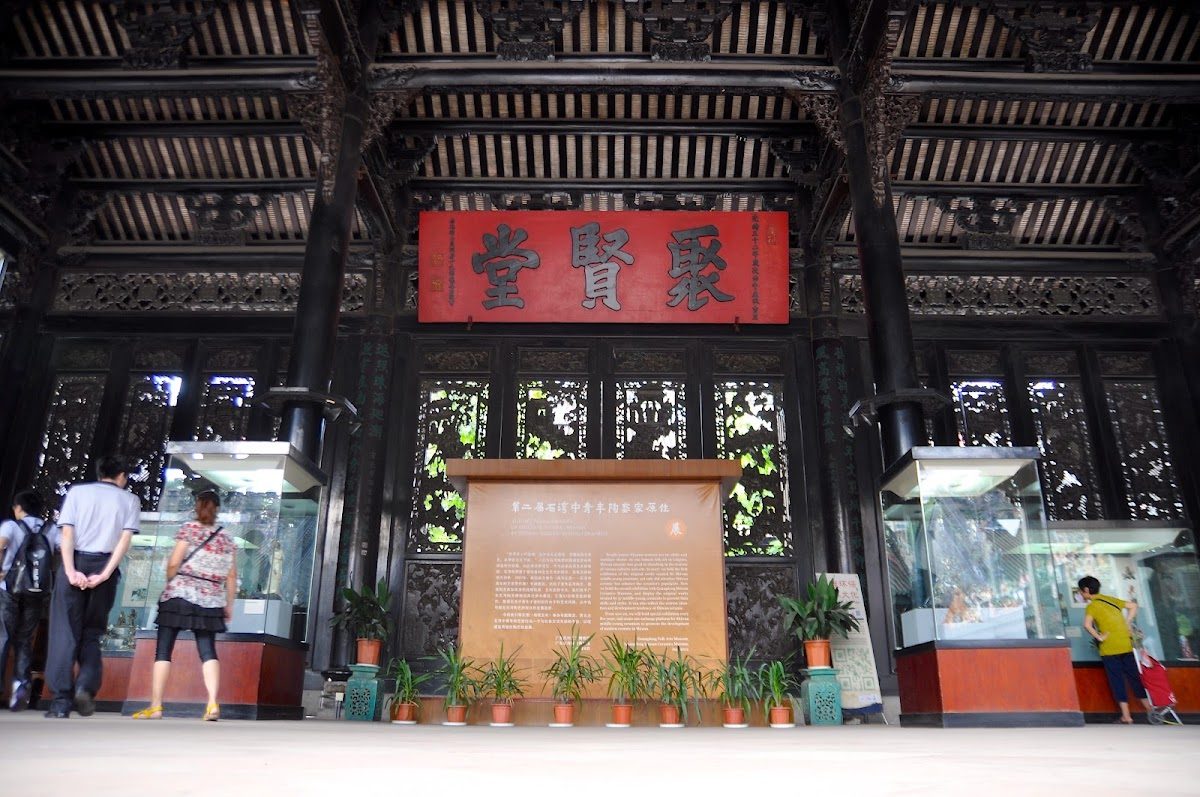
The hall also houses a folk art museum, offering a deeper look into Guangdong’s traditional handicrafts. You can spend time appreciating the detailed miniature carvings and the exquisite ceramics. This is also a good spot to find unique, locally made crafts that support artisans directly.
2. Wander through Yuansheng Ceramic and Jade Craft Street
Explore the bustling lanes of Yuansheng Ceramic and Jade Craft Street, South China’s largest hub for these traditional materials. Here, hundreds of sellers display everything from fine Jingdezhen porcelain and intricate tea ceremony equipment to jade jewellery and carvings. It is a genuine market experience.
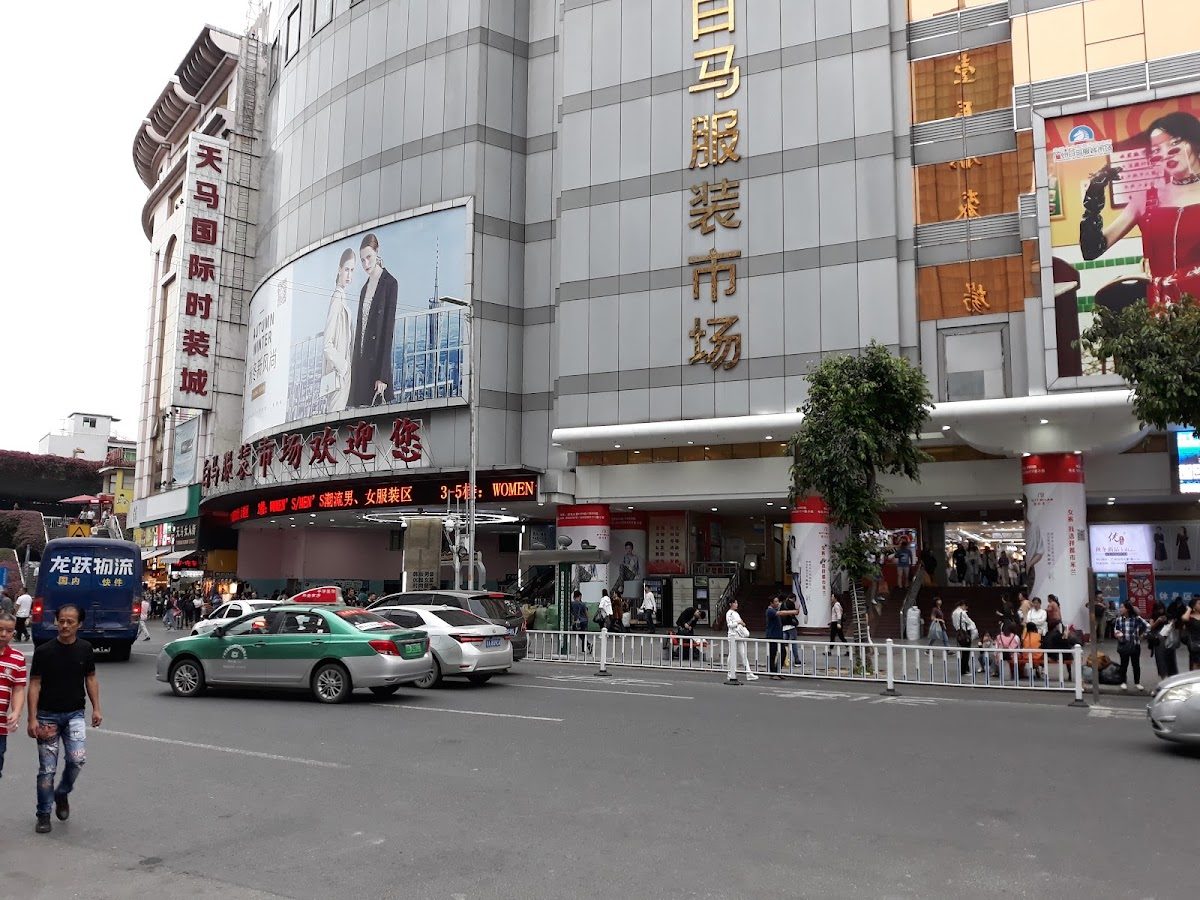
This is the place to find unique souvenirs, observe the traditional trade in action, and perhaps even bargain for a piece of jade. Small jade stones can be found for as little as ¥10, offering a simple, authentic keepsake. Remember that bargaining is an expected part of the transaction, especially for larger items.
3. Immerse yourself in Yongqing Fang & Intangible Cultural Heritage Street
Head to Yongqing Fang, a beautifully revitalized historic area that perfectly blends traditional Lingnan architecture with contemporary cafes and cultural spaces. This neighbourhood is a direct answer to the growing interest in Guangzhou’s intangible cultural heritage.
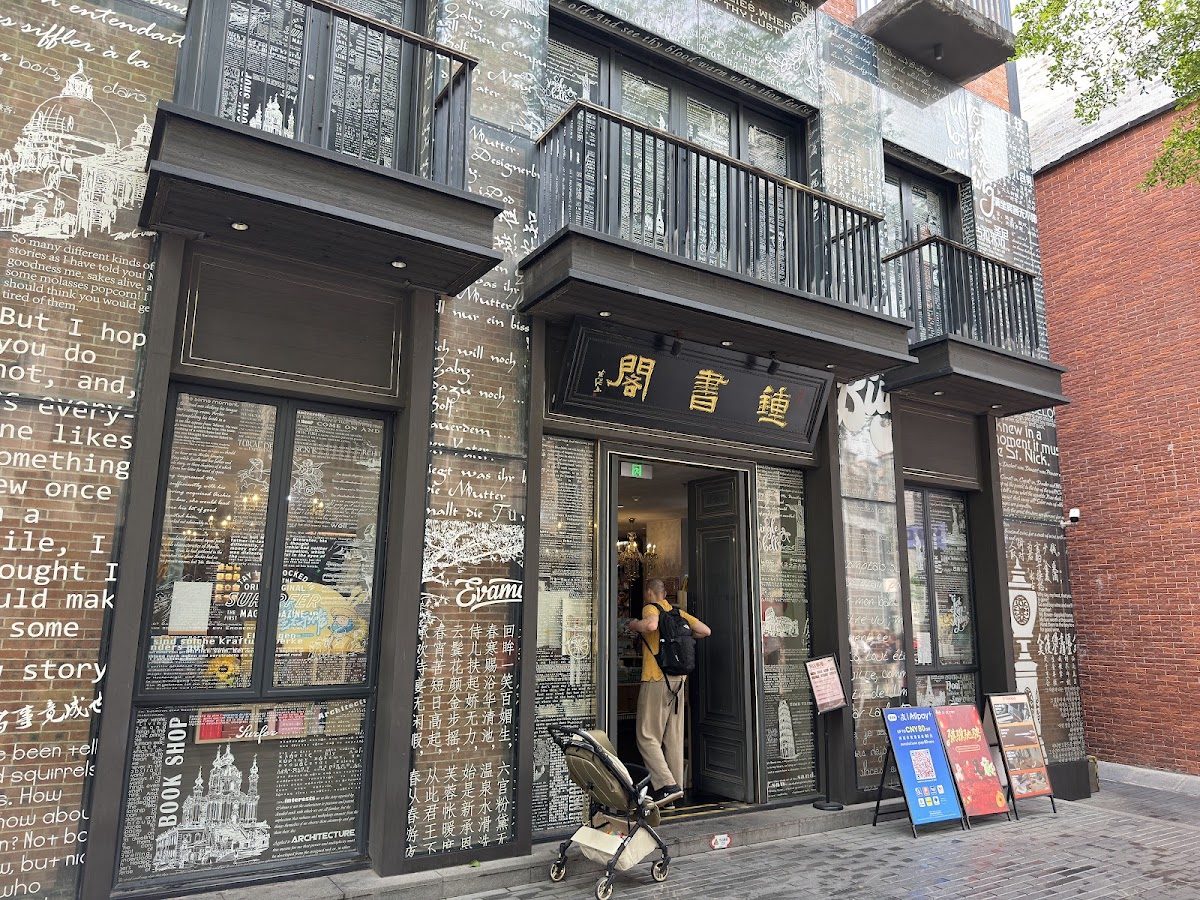
Within Yongqing Fang, the Intangible Cultural Heritage Street allows you to witness master artisans at work. You might see traditional embroidery, learn about lion dance preparations, or even try your hand at a craft. Keep an eye out for Bruce Lee’s former residence here, and explore the quiet courtyards tucked away from the main thoroughfare.
4. Step back in time on Shamian Island
Escape the urban rush with a stroll on Shamian Island, a serene sandbank distinguished by its tree-lined streets and more than 150 well-preserved European colonial-era buildings. This peaceful enclave offers a stark, refreshing contrast to the bustling city just across the bridge.
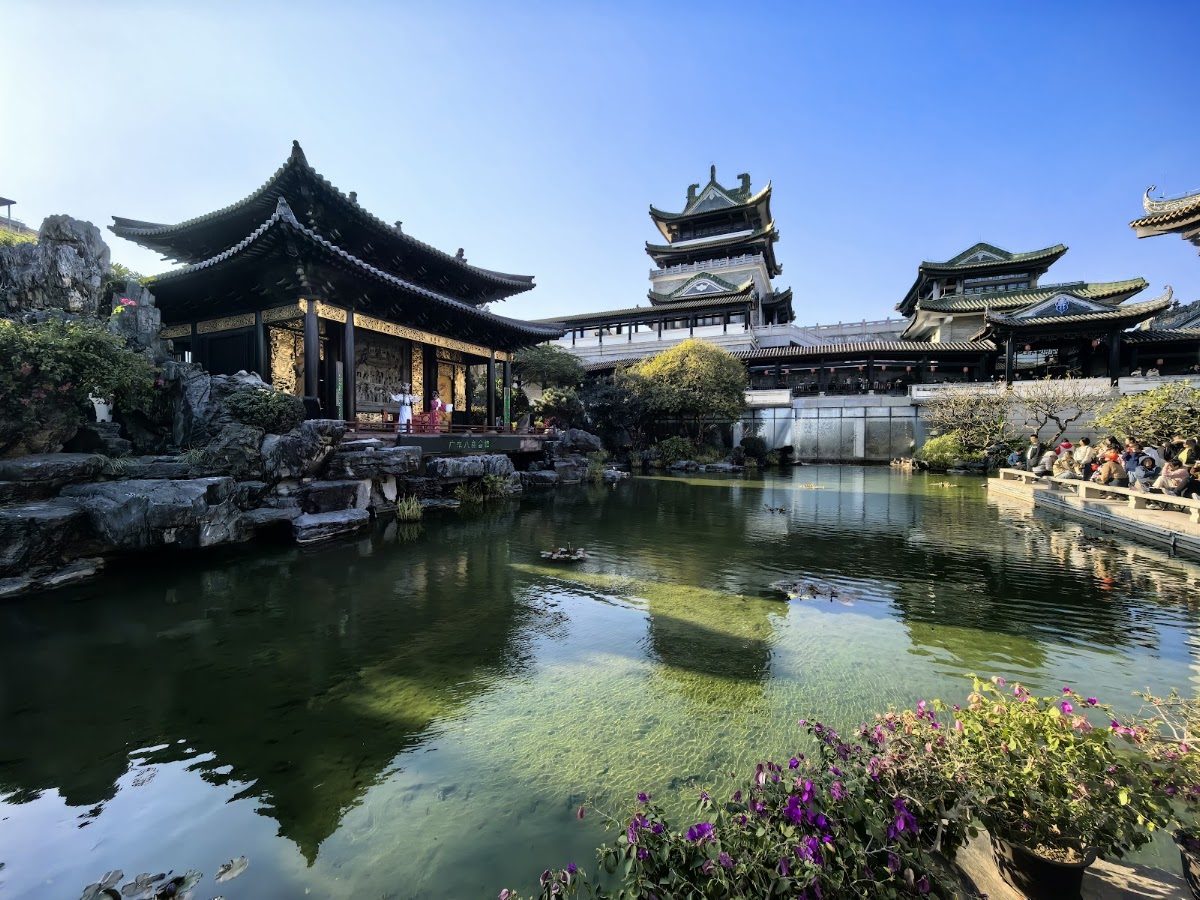
It’s an ideal spot for a relaxing walk, photography, and enjoying the tranquil riverside views of the Pearl River. Look out for the former consulates and churches, each building telling a story of Guangzhou’s international past. You can also find charming cafes overlooking the water, perfect for a short break.
5. Savor authentic Cantonese street food on Shangxiajiu Pedestrian Street
Immerse yourself in the lively atmosphere of Shangxiajiu Pedestrian Street, one of Guangzhou’s oldest and most famous thoroughfares. This street is renowned for its traditional Tong Lau architecture and an incredible variety of authentic Cantonese street food, making it a culinary landmark.
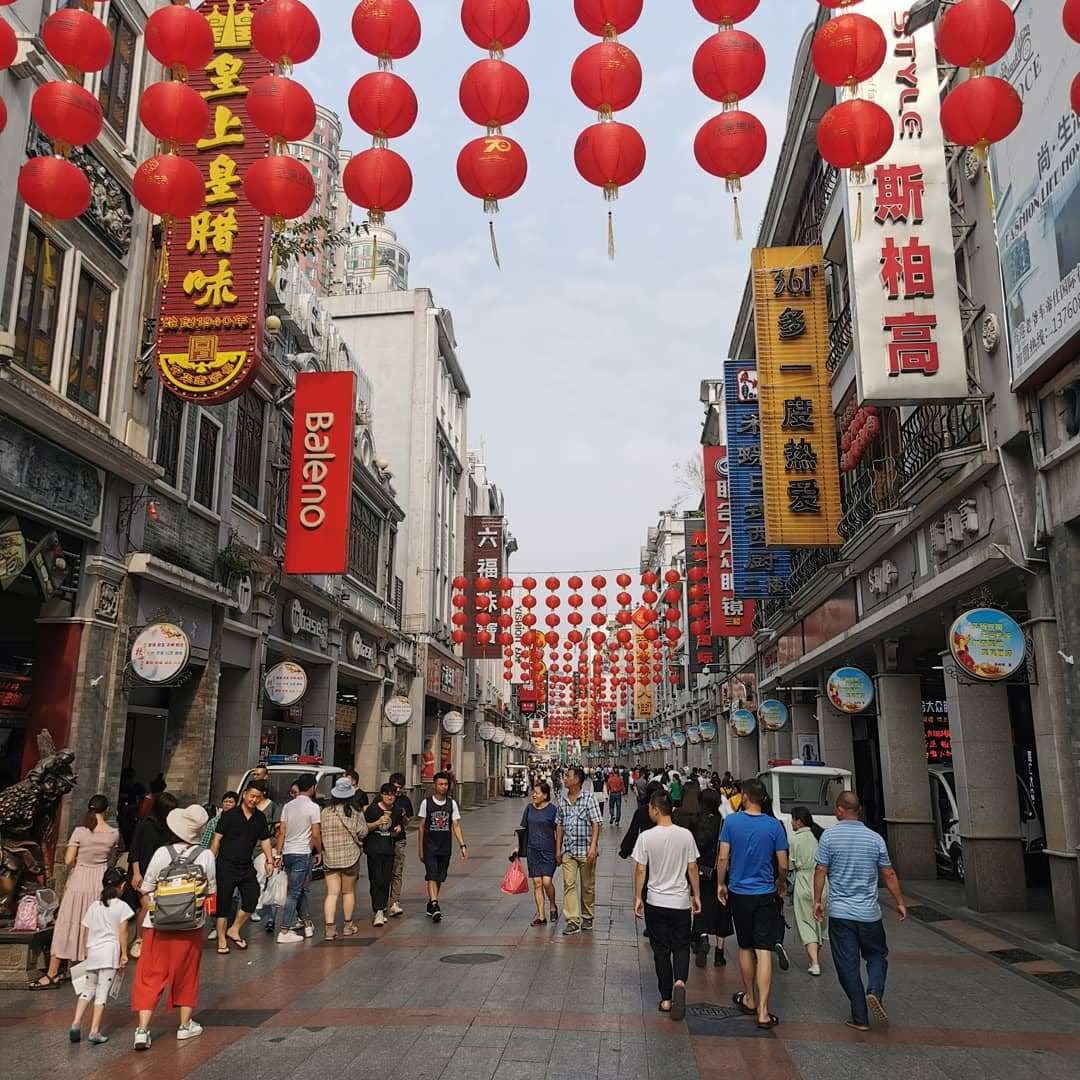
This is the perfect place to sample classic local snacks and truly experience the city’s culinary heritage firsthand. Do not miss trying the classic wonton noodles, silky rice noodle rolls, and the famous double-skin milk pudding from local institutions like Nanxin Dessert Store. Last time I was here I ended up at a corner stall eating char kway teow at 7am with a group of road workers — the best version I have had in the city.
6. Indulge in Min Ji’s famous Claypot Rice
Seek out Min Ji Claypot Rice, a small, unassuming eatery celebrated for its authentic Cantonese claypot rice (bao zai fan). Each dish here is cooked individually in traditional clay pots, ensuring a comforting, flavourful meal with that coveted crispy rice crust at the bottom.
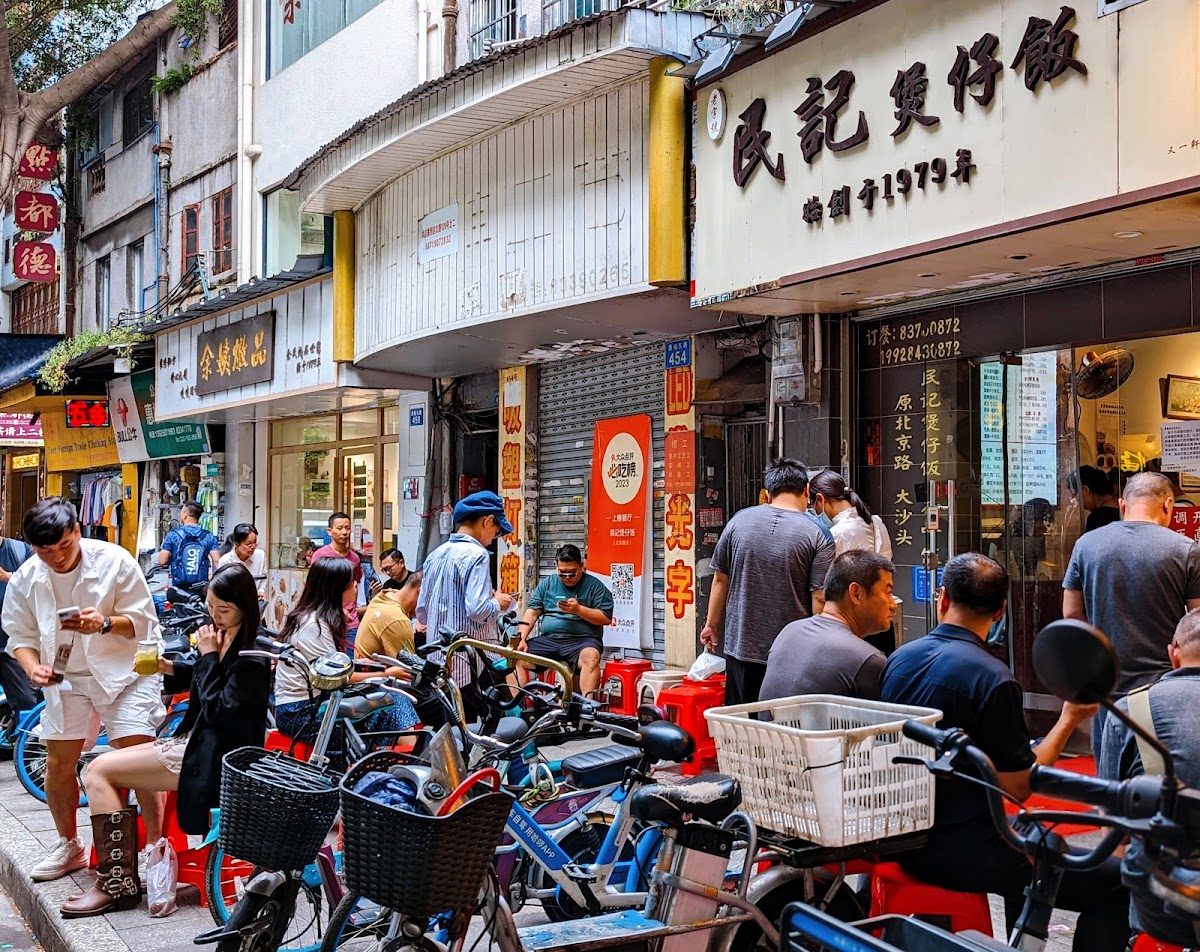
This is a true local culinary delight, far removed from tourist traps. Try the classic ‘lap cheong’ (Chinese sausage) claypot rice, a local favorite. Make sure to scrape the crispy, flavourful rice from the bottom of the pot – it is considered the best part.
Final word
Guangzhou offers a rich, layered experience for those willing to venture beyond the airport for a 12-hour layover. It is a city of genuine cultural depth and incredible food, a place that gives you a real taste of Southern China without needing an extended stay. You will leave with more than just a transit stamp.
All practical information was verified at the time of writing. Please confirm opening hours and prices before your visit.