
Cairo is often seen as a quick stopover on the way to the Pyramids, but with 18 hours on the ground, you can dive into the city’s living history. Forget the airport lounge; trending searches for the National Museum of Egyptian Civilization (NMEC) and Souq El Fustat show a growing interest in Cairo beyond the ancient pharaohs. This guide focuses on experiencing the authentic pulse of Old and Islamic Cairo.
This guide is for the pragmatic traveller with 18 hours in Cairo who wants to experience the city’s rich culture and history, stepping beyond typical tourist routes and into its local markets and historic neighbourhoods.
Cairo is a sprawling metropolis where ancient history collides with vibrant modern life. Its unique character lies in the seamless blend of Pharaonic, Islamic, and Coptic heritage, creating a dynamic urban tapestry unlike any other.
A personal note from Paul
Having flown through Cairo countless times, I’ve seen the city transform from the plane’s window, from the back of a taxi, and on foot through its winding streets. It’s a city that asks you to lean in, to embrace the chaos and the quiet moments alike. The smell of koshary and car exhaust, the call to prayer echoing off ancient walls, the relentless energy of the souks — these are the constants that draw me back, even for a short layover. Each visit reveals another layer, another hidden courtyard or a particularly good cup of mint tea. It is a city that never stops moving, but always offers a corner of peace if you know where to look.
Before you leave the airport
Storing your luggage
For secure luggage storage outside the airport, Stasher offers convenient options. You can book online and drop your bags at various partner locations, including local shops and hostels, near Cairo Airport and city-wide. Prices start from EGP 70 per day, and insurance is included.
Do you need cash?
Yes, cash is highly recommended in Cairo. While larger establishments accept cards, you’ll need Egyptian Pounds (EGP) for bargaining in traditional markets like Khan el-Khalili, for street food, and many local transport options. ATMs are readily available at Cairo International Airport and throughout the city. Always carry smaller denominations. Uber is reliable for transport and often allows in-app card payments, but cash for local taxis or unexpected situations is wise.
18 hours in Cairo: what to do
1. Wander through the historic maze of Khan el-Khalili Bazaar
Step into Khan el-Khalili Bazaar, a historic market established in 1382 CE, where centuries of commerce come alive. This labyrinth of narrow streets is filled with shops selling handcrafted jewellery, aromatic spices, intricate textiles, and traditional Egyptian crafts. It is a living museum, offering a glimpse of artisans at work amidst the bustling energy.
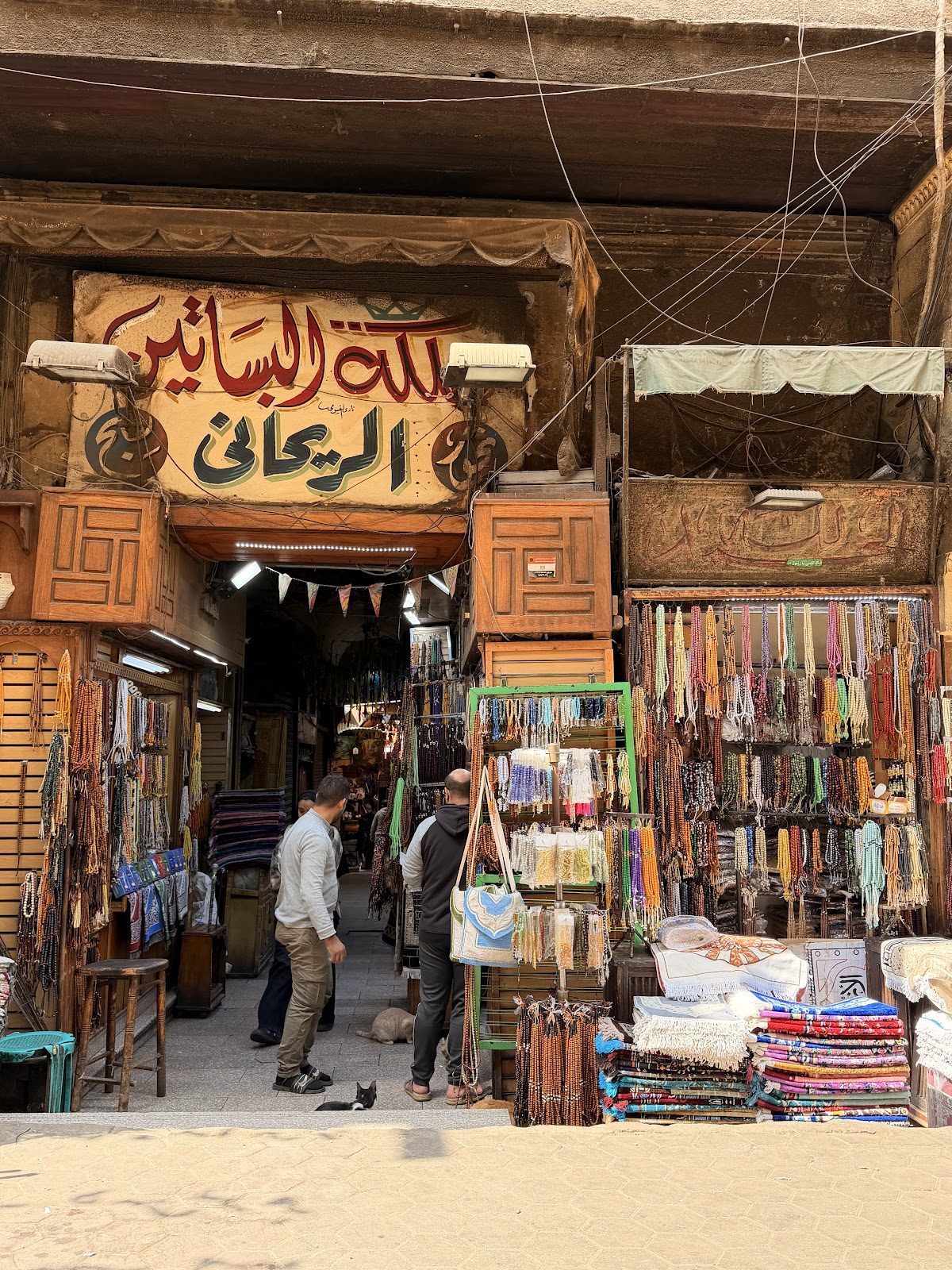
Spend time observing the interactions between vendors and locals, absorbing the vibrant atmosphere. You might find a unique hand-hammered copper piece in Coppersmith Alley or a carefully embroidered scarf. This is the place to engage with local craftsmanship.
The bazaar provides an authentic sensory experience of Islamic Cairo, connecting you directly to its deep mercantile history. It is an essential stop for anyone wanting to feel the city’s pulse beyond the typical sights.
2. Take a timeless break at El Fishawy Café
Tucked within the vibrant Khan el-Khalili Bazaar is El Fishawy Café, Cairo’s oldest café, founded in 1773. Known as ‘The Mirror Café’ for its ornate, reflective walls, it is a timeless spot to enjoy strong Arabic coffee, refreshing mint tea, or shisha. This café has hosted everyone from local storytellers to Nobel laureate Naguib Mahfouz.
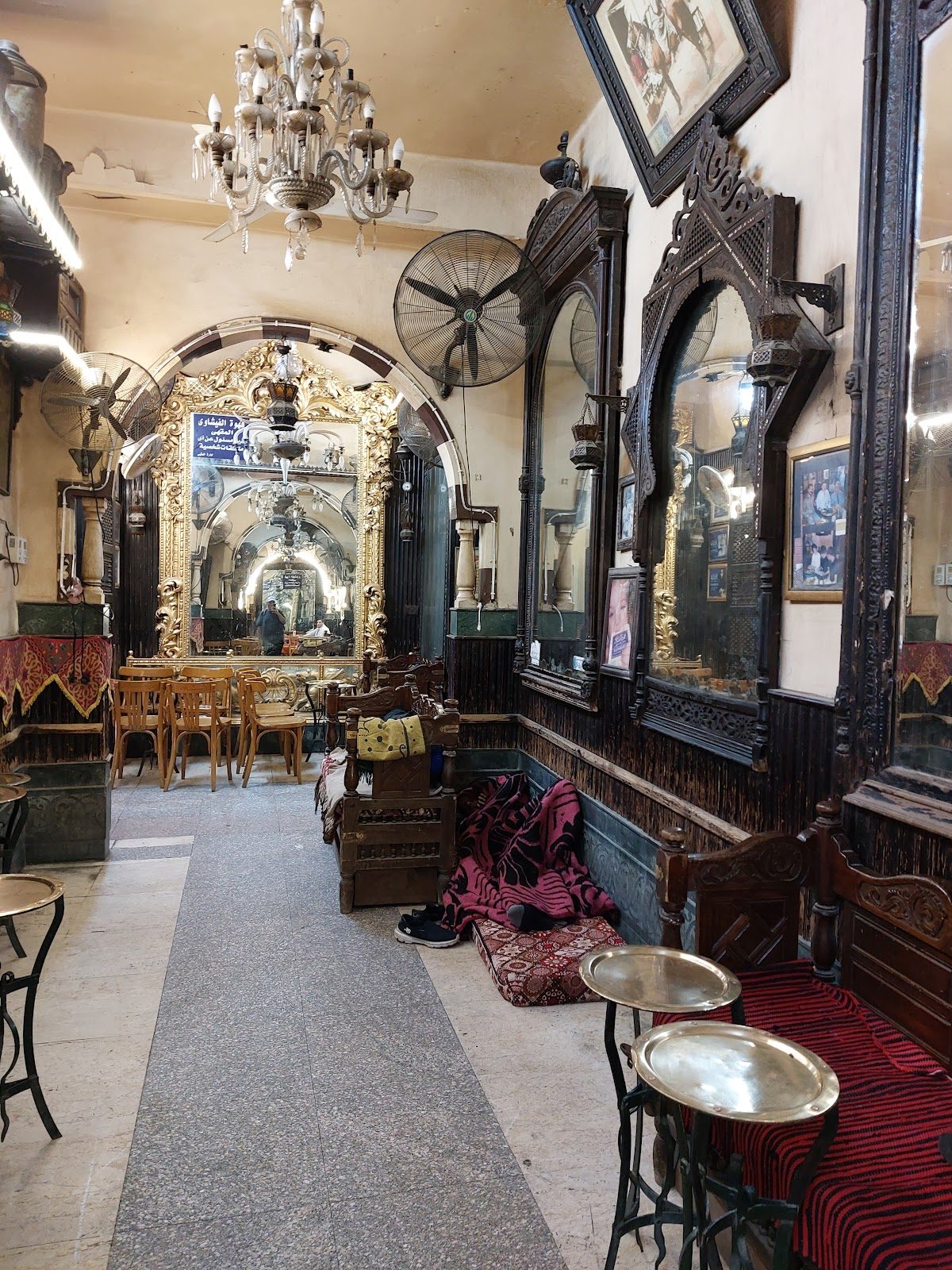
Find a small table amidst the eclectic decor and soak in the atmosphere. It is the perfect place to pause, watch the world go by, and imagine the conversations that have filled these walls over centuries. The tea here is robust, and the coffee even more so.
Visiting El Fishawy is less about the drink and more about experiencing a piece of Cairo’s living history. It offers a quiet moment of reflection in the midst of the bazaar’s energy.
3. Stroll through the open-air museum of Al-Muizz Street
Al-Muizz Street is an extraordinary open-air museum of medieval Islamic architecture, stretching nearly a kilometer through Islamic Cairo. It is lined with mosques, madrasas (religious schools), mausoleums, and palaces from various Islamic periods. Walking this street is a journey through a thousand years of history, with structures dating back to the Fatimid and Mamluk eras.
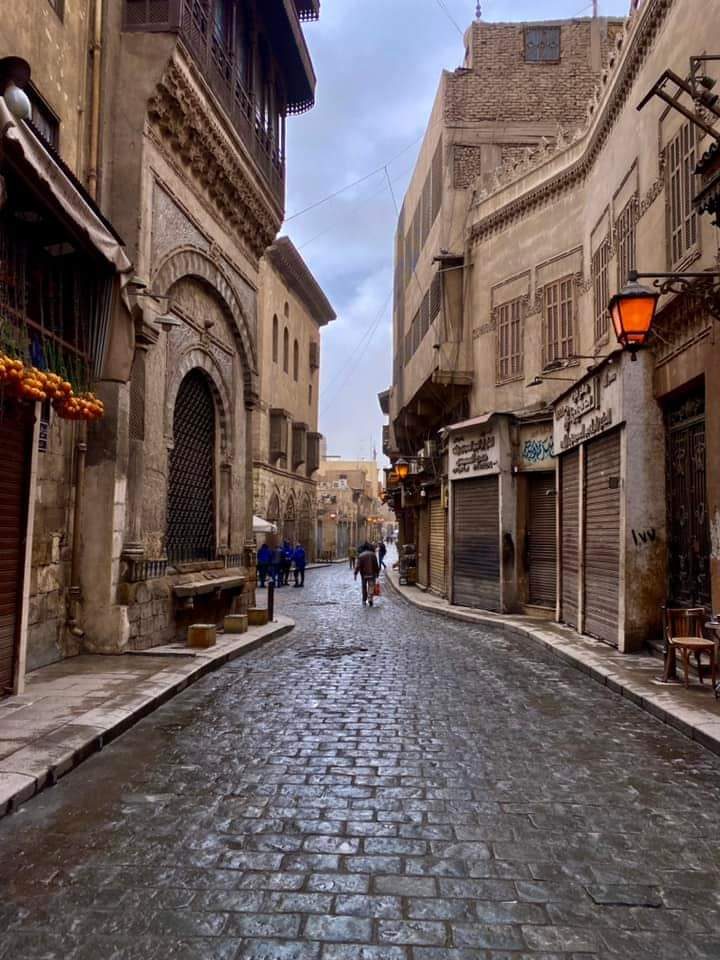
Notice the intricate stone carvings, the towering minarets, and the preserved wooden mashrabiyas (latticework windows) that adorn these buildings. While street access is free, you can pay a small fee to enter specific monuments like Bayt al-Suhaymi for a closer look at their interiors. I remember once just sitting on a bench, watching the shadows lengthen and the streetlights flicker on, transforming the ancient facades.
This street offers a profound sense of continuity, where daily life unfolds against a backdrop of architectural grandeur. It provides a deeper understanding of Cairo’s Islamic heritage away from purely religious sites.
4. Savor authentic Koshary at Abou Tarek
Experience Koshary, the quintessential Egyptian staple, at Abou Tarek, a humble yet famous restaurant in Downtown Cairo. This hearty and delicious dish is a unique blend of pasta, rice, lentils, chickpeas, and fried onions, all topped with a flavourful tomato sauce. It is comfort food for the masses, served quickly and efficiently.
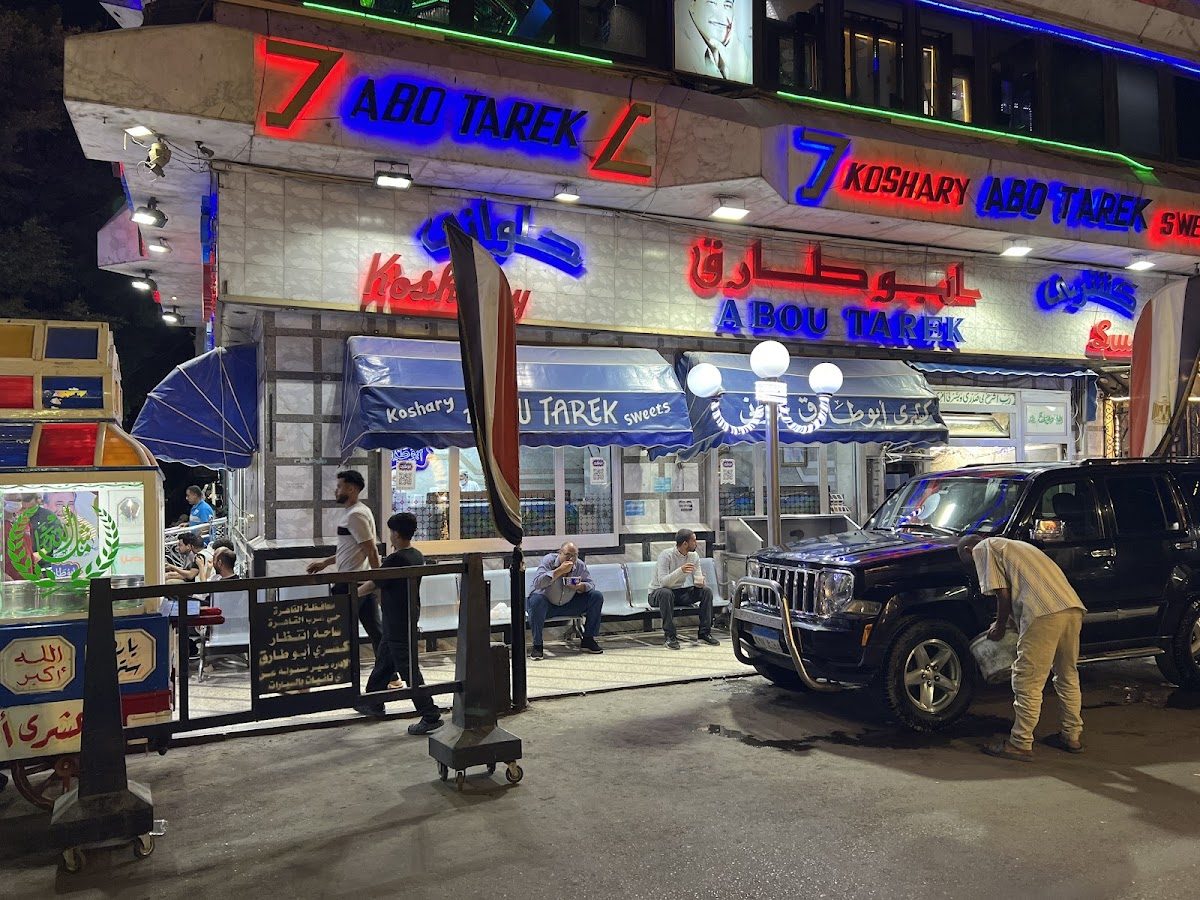
The experience at Abou Tarek is all about the koshary. Find a seat, order your size, and then customize it to your liking with the chili sauce and da’a (garlic vinegar) provided on the side. It is a simple meal, but profoundly satisfying and deeply local.
Eating koshary here is more than just a meal; it is an immersion into Egyptian culinary culture. It is a taste of everyday Cairo, unpretentious and genuinely delicious.
5. Delve into history at the National Museum of Egyptian Civilization (NMEC)
For a comprehensive journey through Egyptian history, visit the National Museum of Egyptian Civilization (NMEC). This modern museum, a trending destination, offers a full-spectrum timeline from prehistory to the present day, with clear, well-curated exhibits. Its most famous draw is the Royal Mummies Gallery, where you can respectfully view ancient pharaohs.
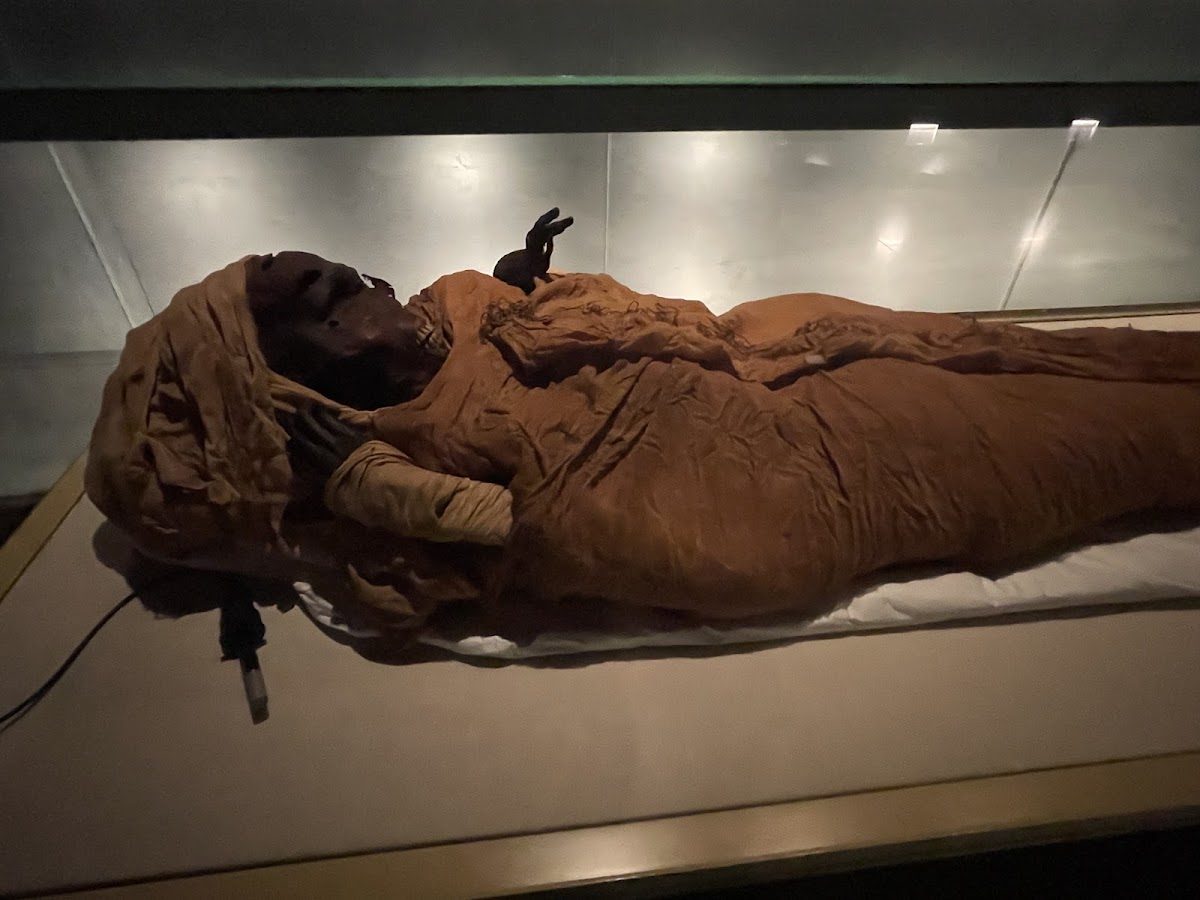
Allocate most of your time to the Royal Mummies Gallery, a uniquely presented experience that highlights the grandeur of ancient Egypt’s rulers. The museum also provides excellent context on various historical periods, moving beyond just the Pharaonic. It offers a different, more structured historical perspective than the older Egyptian Museum.
This museum is a significant new draw for visitors, offering a fresh, well-organized look at Egypt’s rich heritage. It is particularly valuable for those interested in the broader sweep of the country’s past.
6. Discover authentic crafts at Souq El Fustat
Near NMEC in Old Cairo lies Souq El Fustat, a market known for its high-quality handmade crafts. This trending location is a “carefully kept secret” for those seeking authentic artisan work, offering everything from pottery and embroidered textiles to leather goods and unique Bedouin jewellery. It is a refreshing contrast to the more tourist-focused bazaars.
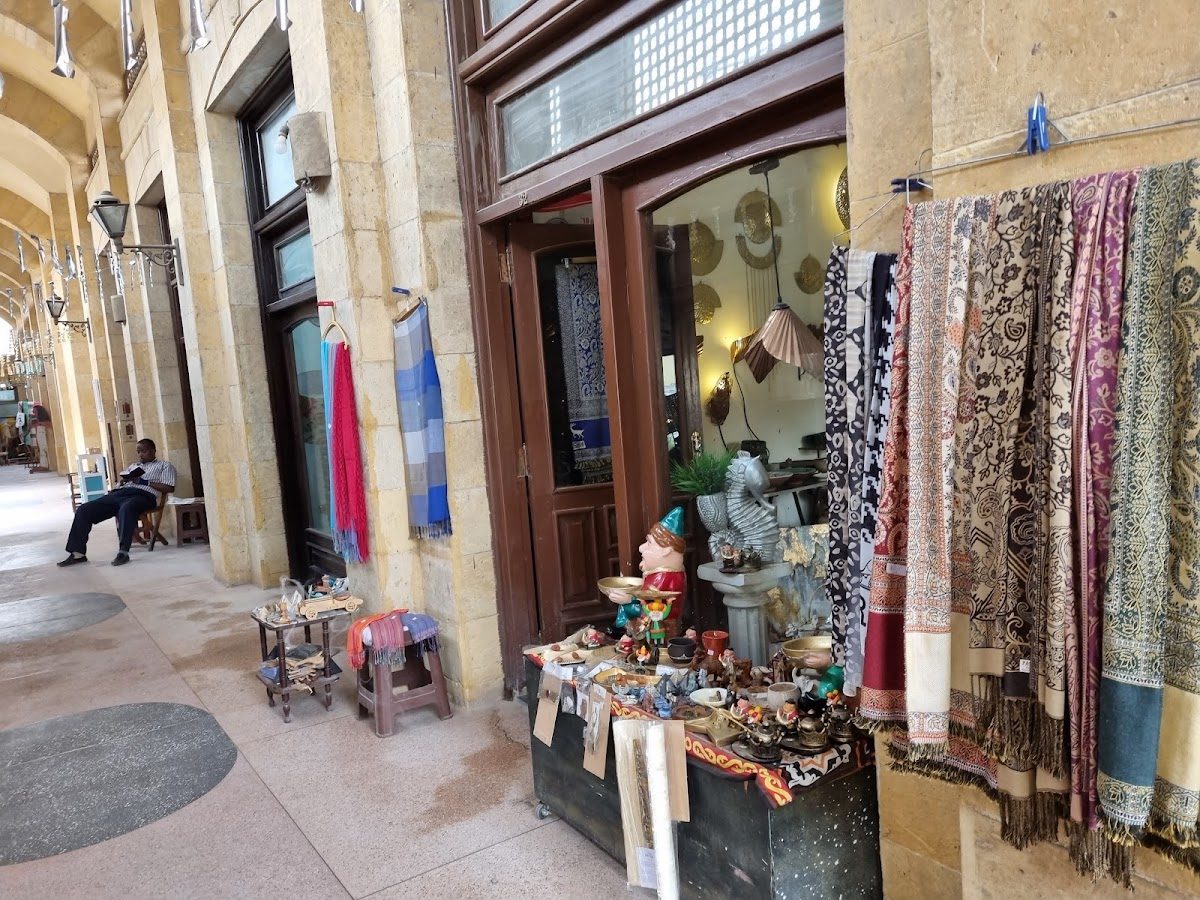
Look for distinctive blown glass lamps and vases, and items made by women from the Zabaleen community, which often support local social enterprises. The crafts here feel more genuine, reflecting traditional techniques and local materials. I have found some truly unique pieces here that I have not seen anywhere else in Cairo.
Souq El Fustat provides an opportunity to purchase meaningful souvenirs that directly support local artisans and community initiatives. It is a quieter, more curated shopping experience focused on quality.
7. Catch sunset views from Al-Azhar Park
Escape the city’s hustle at Al-Azhar Park, a 30-hectare landscaped oasis on a hilltop in Old Cairo. This green space offers panoramic views of the Citadel, the majestic Sultan Hassan Mosque, Al-Azhar, and the entire medieval city. It is considered one of the world’s best public spaces, providing a tranquil respite.
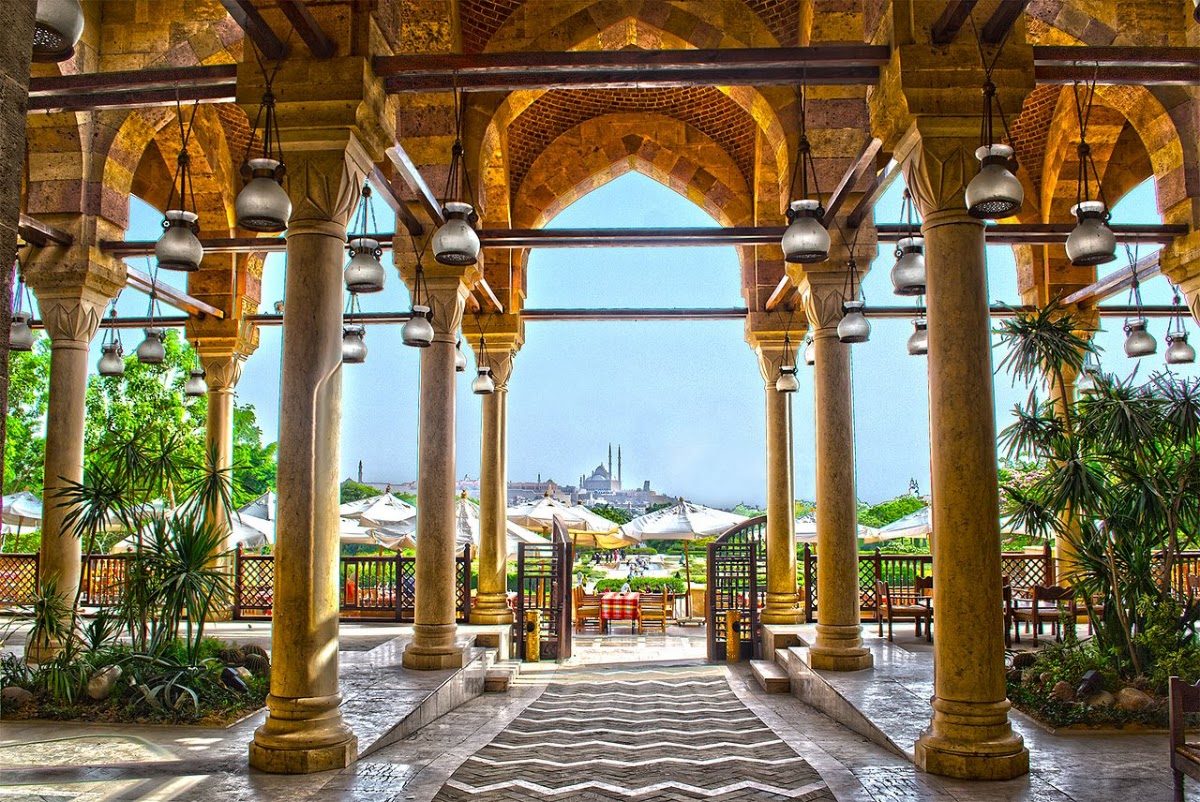
Find a spot on one of the terraces and watch as the city stretches out before you, a sea of ancient rooftops and minarets. The park’s design thoughtfully integrates Islamic garden traditions with modern landscaping. As the sun dips below the horizon, the city lights begin to twinkle, offering a different perspective of Cairo.
This park provides a moment of calm and a stunning visual overview of Islamic Cairo, allowing you to appreciate the scale and historical density of the area you have just explored.
Final word
Cairo on an 18-hour layover is an immersion into a city that wears its history with an undeniable energy. It offers a chance to connect with its genuine pulse, far removed from the airport’s sterile environment. You will leave with more than just snapshots, but a real sense of its enduring character.
All information verified at time of writing. Please confirm hours and prices before you go.