
Lima often gets overlooked as merely a transit point to Cusco or the Amazon, but with a growing buzz around its authentic culinary experiences and bohemian districts, it is a destination in itself. More travellers are looking to immerse themselves in local culture even on short stops, making the case for stepping out of Jorge Chávez International Airport on a layover.
This guide is for those with 8 hours in Lima who want to experience the city’s vibrant culture and renowned food scene without getting caught in tourist traps. It focuses on accessible, genuinely local experiences outside the airport.
Lima is a sprawling coastal city where pre-Columbian history meets colonial elegance and a thriving contemporary arts scene. Its unique position, a desert capital overlooking the Pacific, shapes its distinct character and world-class gastronomy.
A personal note
Over years of layovers as cabin crew, I have watched Lima evolve, yet some things remain constant. The way the Pacific mist rolls in over the malecón in the mornings still feels unique, and the smell of ceviche and anticuchos from street stalls is a constant draw. I always found myself drawn away from the more manicured parts of Miraflores, seeking out the grittier, more lived-in corners where the city’s true pulse beats — whether that was an early morning market or a quiet street in Barranco. The traffic here is legendary, so planning for transit is paramount, but the rewards are always worth the effort.
Before you leave the airport
Storing your luggage
Left Luggage (Guardianía de Equipaje) is located in Jorge Chávez International Airport (LIM), landside, on Level 1 in the public arrivals area. Prices are around S/48 for a small bag and S/96 for a large bag per 24 hours, with hourly rates also available from S/8-S/20. Payment is often quoted in cash, accepting USD and PEN. Remember to bring your ID or passport.
Do you need cash?
Yes, cash is essential for many authentic experiences in Lima. While cards are accepted in larger establishments, you will need Peruvian Soles (PEN) for local markets, street food, smaller tiendas, and taxis. Carry small denominations like 10 and 20 PEN notes. For withdrawals, Banco de la Nación (MultiRed) ATMs typically have zero local fees for international cards, with a limit of S/400 per session. Always choose to be charged in local currency (PEN). Avoid airport exchange rates; use authorized cambistas or casas de cambio in the city for better rates.
8 hours in Lima: what to do
1. Dive into local life at Mercado de Surquillo N°1
Step into the Mercado de Surquillo N°1, a bustling local market where many of Lima’s celebrated chefs source their ingredients. This market offers a raw, unfiltered glimpse into Peruvian daily life and its rich culinary heart. The sights and sounds are a true sensory experience, far from any tourist-oriented polish.
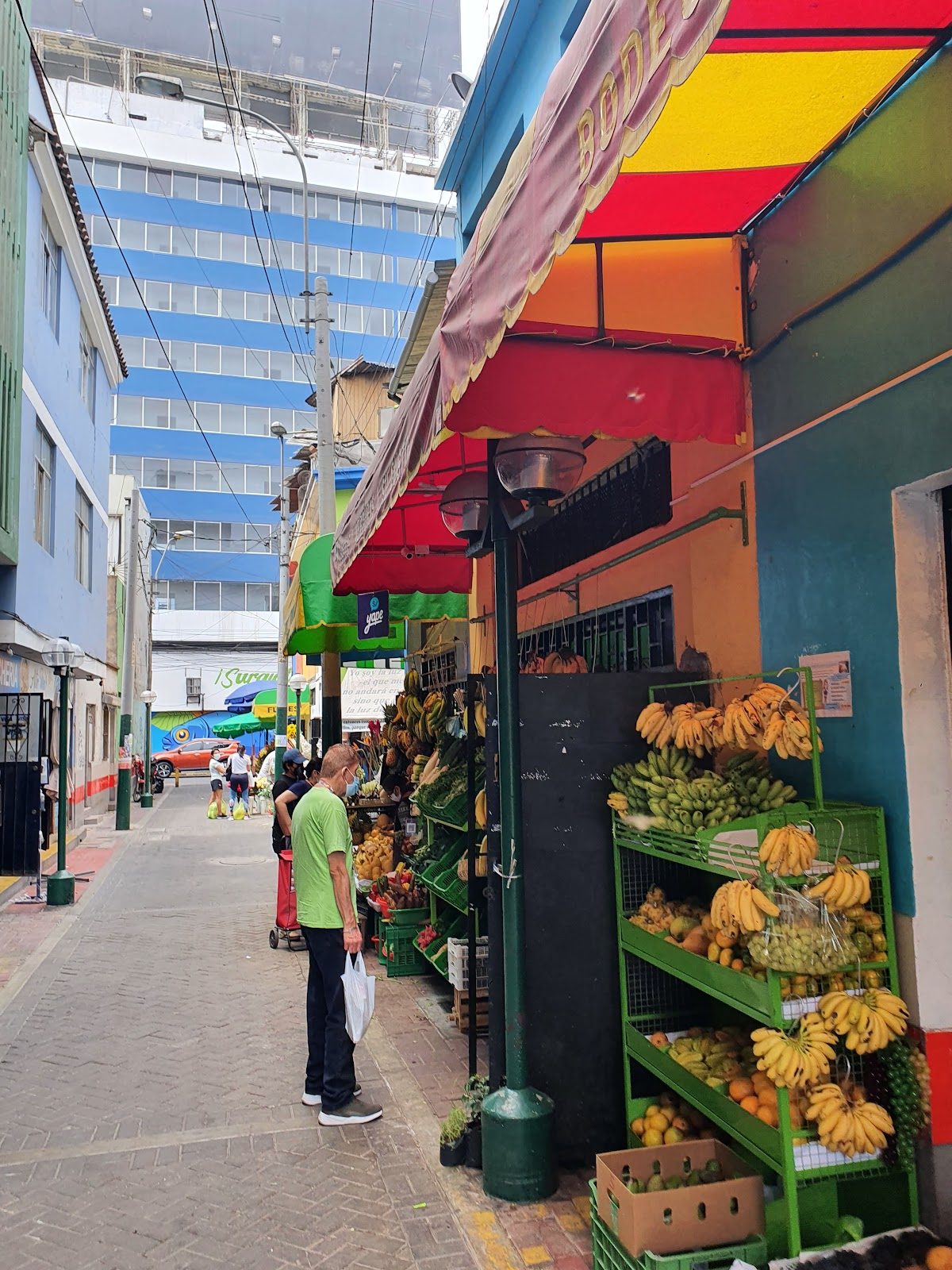
Wander through stalls piled high with exotic fruits, vibrant vegetables, and fresh seafood, much of it unique to Peru. Head upstairs to the small, unassuming food stalls for affordable and genuinely local dishes; these often serve regional specialties that are not on any English menu. This is where you find the food that locals eat, unpretentious and flavourful.
2. Wander through Barranco’s artistic streets
Explore Barranco, Lima’s bohemian and artistic district, known for its colourful colonial architecture and vibrant street art. This neighbourhood has a distinct, relaxed atmosphere that feels a world away from the city’s commercial hubs, reflecting Peru’s creative spirit on every corner. It’s no wonder that “Barranco street art and local food” is a trending search.
[PHOTO_PLACEER_2]
Stroll through its charming streets, discovering murals and graffiti that tell stories of Peruvian culture and social issues. Cross the romantic Puente de los Suspiros (Bridge of Sighs), a classic Barranco landmark, and explore the nearby artisan shops. The visual storytelling here is captivating.
3. Savour authentic ceviche at Canta Rana
No trip to Lima is complete without trying ceviche, and Canta Rana in Barranco offers an authentic, no-frills experience. This highly-regarded spot is a local favourite, serving up the national dish with just-caught fish, red onion, aji limo, and a perfect balance of citrus and spice.
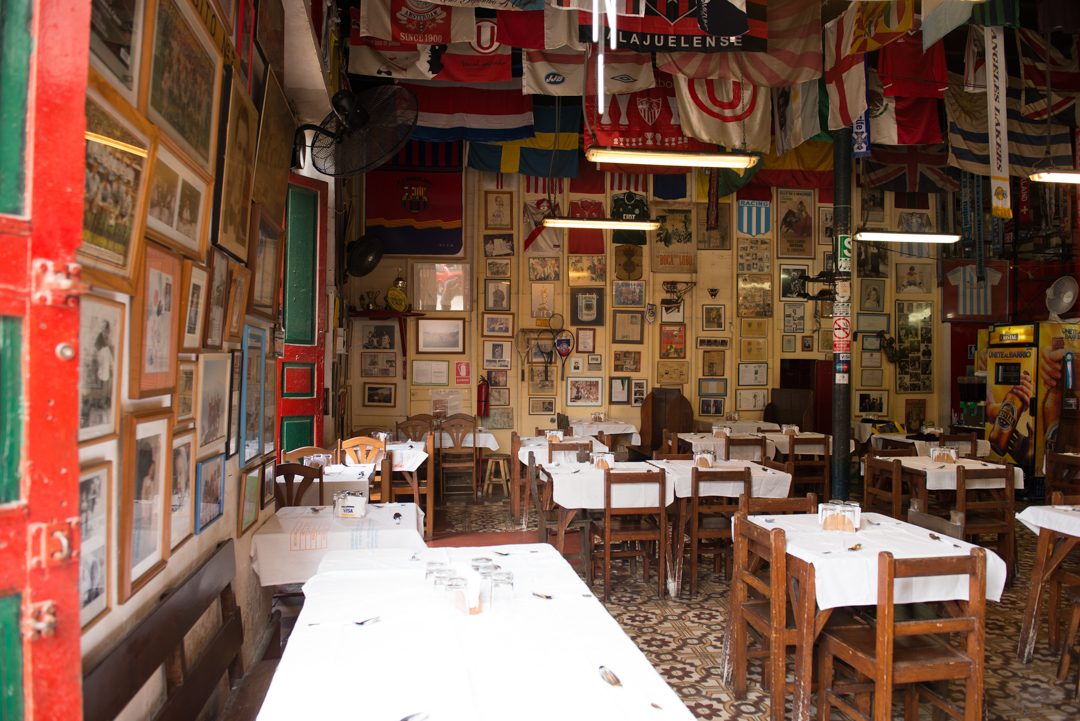
The atmosphere here is lively and unpretentious, reflecting the true spirit of a Peruvian cebichería. It is the kind of place where the focus is entirely on the food, and the freshness of the ingredients shines through. I still remember the sharp, clean taste of the leche de tigre here — it is a wake-up call for the senses.
4. Discover Peruvian crafts at Miraflores Handicraft Market
Explore the extensive strip of artisan stalls along Avenida Petit Thouars in Miraflores, a genuine treasure trove for traditional Peruvian crafts. This market offers a chance to take home a piece of Peruvian culture directly from local artisans, moving beyond generic souvenirs.
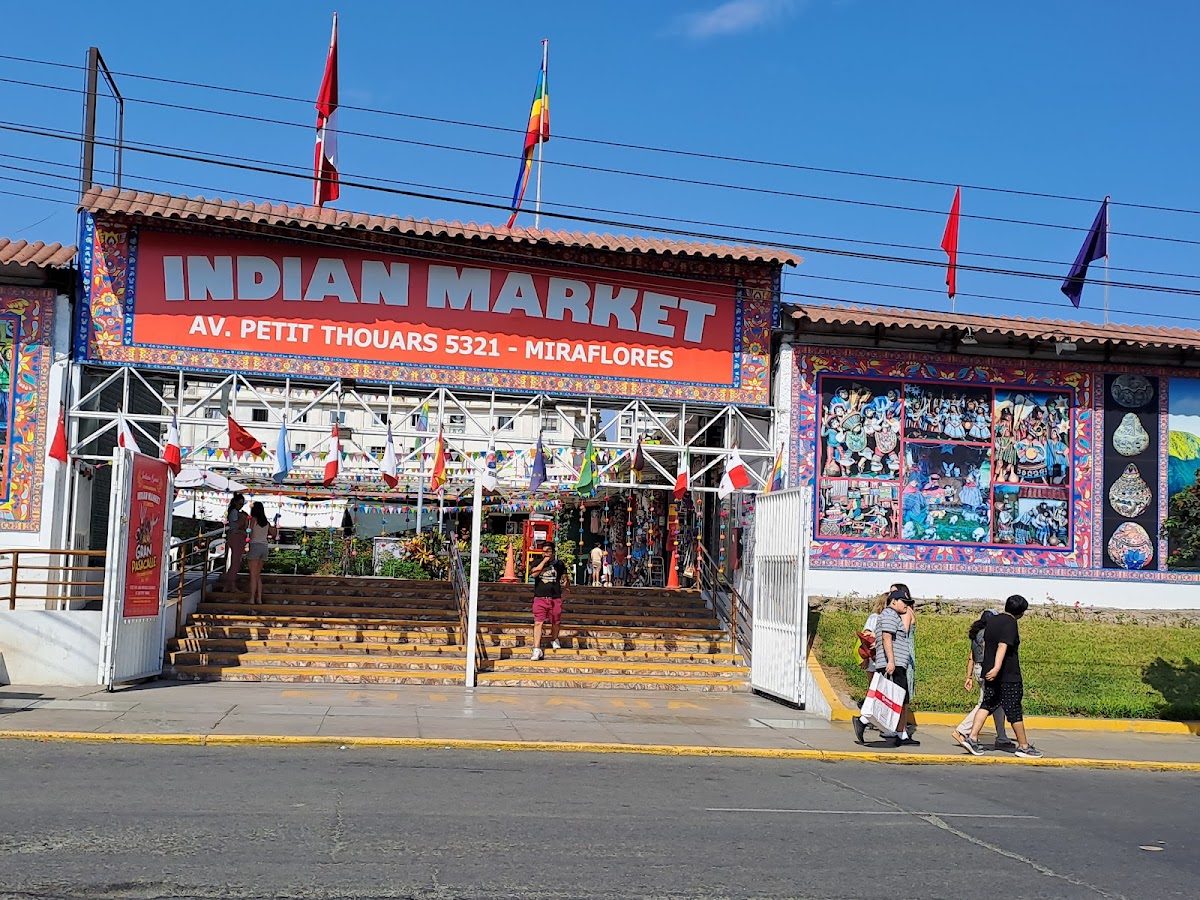
You will find high-quality alpaca wool products, intricate ceramics, beautiful silver jewellery, and traditional textiles. Look for unique items like frazadas (Andean textiles) and burilados (engraved gourds) that showcase the country’s rich artistic heritage. Bargaining is expected here, especially if you are buying multiple items.
Final word
An 8-hour layover in Lima is enough to get a true taste of the city’s character beyond the airport, especially if you focus on its celebrated food and bohemian art scene. The warmth of the people and the vibrant street life offer a memorable experience that goes far beyond what most travellers expect.
Verified at time of writing. Please confirm hours and prices before you go.