
Nagoya often gets overlooked, a city many simply pass through on the Shinkansen between Tokyo and Osaka. But to label it merely a transit hub misses the point entirely. This is Central Japan’s industrial heartland, where authentic local life thrives, and a distinct culinary culture, Nagoya Meshi, is a point of immense civic pride. If you are curious about off-the-beaten-path Japan and want to experience something beyond the typical tourist trail, Nagoya offers a rewarding detour.
This guide is for travellers with a 6-hour layover at Chubu Centrair International Airport (NGO) or Nagoya Station, keen to leave the airport and dive into the city’s unpretentious charm. It focuses on Nagoya’s hidden gems and local experiences, far from the crowds.
Nagoya is a city of contrasts: a place where ancient samurai heritage meets modern innovation, and where quiet Edo-period streets give way to bustling markets. It is known for its distinctive regional cuisine and a strong sense of local identity, providing a refreshing glimpse into everyday Japanese life.
A personal note
I have had more layovers than I can count through Nagoya over the years as cabin crew. It is the kind of city that slowly reveals itself, not with grand gestures, but with quiet details: the way the light hits the red-brick buildings in Noritake Garden in the late afternoon, the rhythmic call of vendors in Yanagibashi Central Market before sunrise, or the unexpected calm you find in a back alley of Shike-michi. It is a city that feels honest, lived-in, and full of small discoveries if you are willing to look.
Before you leave the airport
Storing your luggage
If you are coming directly from Chubu Centrair International Airport (NGO), luggage storage is available. At Terminal 1, look for the storage counter on the 3rd floor behind the central escalator, open 7:00-21:00. In Terminal 2, it is on the 2nd floor in the departure lobby, open 11:00-18:00. Expect to pay ¥550 per day for suitcases.
For those arriving at Nagoya Station, coin lockers are widely available, especially near the JR Expressway bus ticket office and in the ESCA shopping mall underground. Prices range from ¥300-¥700 per day depending on size. These can fill quickly during peak times. Alternatively, online services like Radical Storage or Bounce offer various partner locations around Nagoya Station from ¥500 per day, which can be booked in advance.
Do you need cash?
Yes, cash is still very useful in Nagoya. While larger stores and department stores accept credit cards and IC cards, many smaller local restaurants, street food stalls, markets, temples, and coin lockers often operate on cash only. I always make sure to carry some yen.
It is advisable to have around ¥5,000-¥10,000 for a short layover to cover food, small purchases, and transit. ATMs that accept foreign cards are easy to find at 7-Eleven convenience stores and Japan Post offices throughout the city.
6 hours in Nagoya: what to do
1. Immerse yourself in local life at Yanagibashi Central Market
Step into the heart of Nagoya’s culinary scene at Yanagibashi Central Market, a true working market where local restaurant owners source their daily ingredients. This isn’t a tourist attraction; it’s a bustling hub of authentic activity, offering a genuine glimpse into the city’s food culture. You will find everything from incredibly fresh seafood to seasonal produce and specialty ingredients.
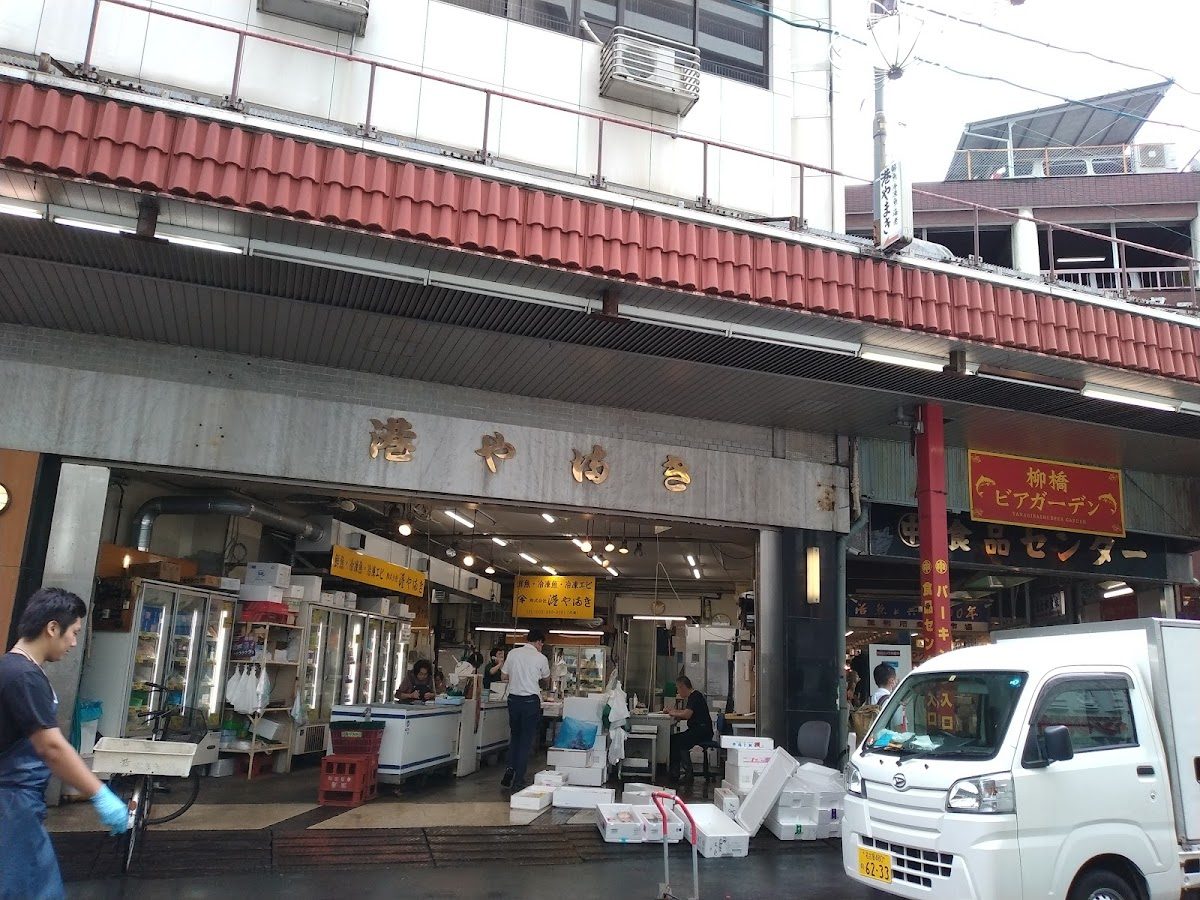
Wander through the narrow aisles, observing the vendors and the daily rhythm of trade. This is an excellent spot to try fresh seafood directly from the stalls, like a plump oyster or a piece of sashimi. It is a sensory experience, with the smells of the ocean and the sounds of vendors calling out their wares.
2. Step back in time in the Shike-michi Townscape Preservation District
Just a short walk from the modern city, the Shike-michi Townscape Preservation District offers a quiet escape into Edo-period Japan. This charming, off-the-beaten-path area is lined with traditional merchant houses, some dating back to the 17th century. It feels worlds away from the urban sprawl, with its narrow stone alleys and whitewashed kura (storehouses).
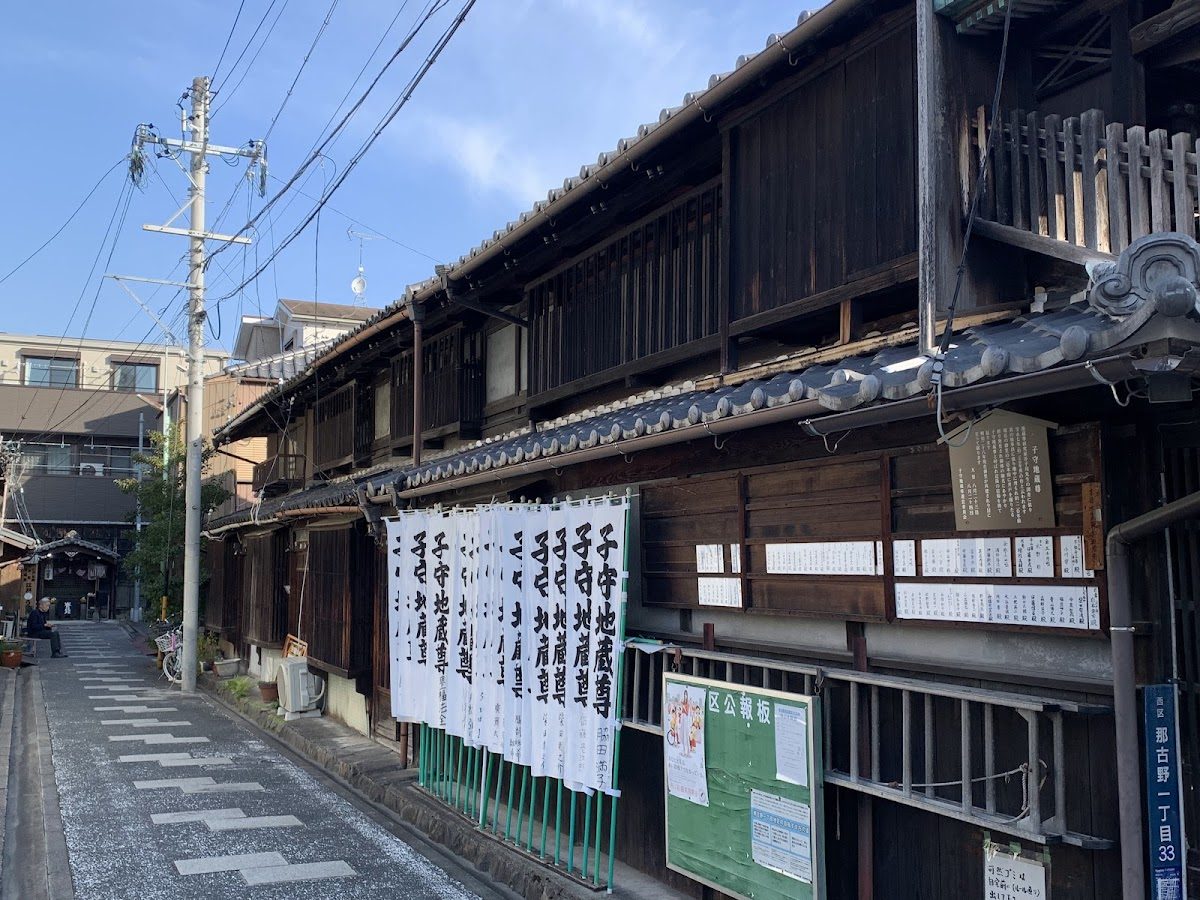
Many of the old machiya (traditional townhouses) have been lovingly converted into small cafes, artisan shops, and intimate restaurants. Take your time to explore, noticing the intricate architectural details and the quiet residential feel. The adjacent Endoji Shotengai offers a glimpse into a traditional Showa-era shopping street, preserving a nostalgic atmosphere.
3. Explore the eclectic Osu Shopping District and Osu Kannon Temple
For a vibrant mix of tradition and modern subcultures, head to the Osu Shopping District. This sprawling area is a fascinating blend of old and new, where centuries-old temples stand alongside vintage clothing stores, anime shops, and an abundance of street food stalls. It is a lively, energetic neighbourhood that truly captures Nagoya’s diverse character.
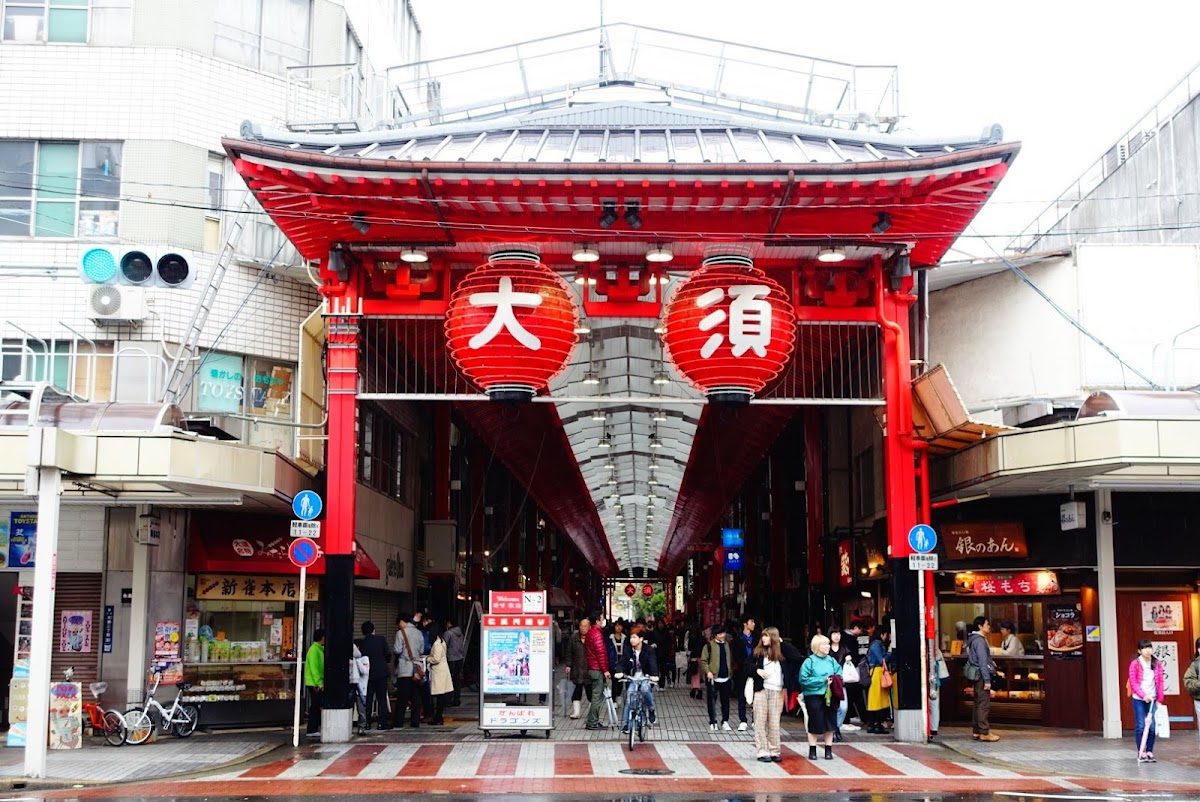
At the heart of the district is Osu Kannon Temple, a significant Buddhist temple that houses a large collection of ancient Japanese and Chinese texts. After exploring the temple, lose yourself in the arcades of the shopping street. This is an excellent place to sample Nagoya Meshi street food like Miso Kushi Katsu (fried pork skewers with miso sauce) or Doteni Donburi (stewed beef tendon and offal over rice).
4. Discover ceramic heritage at Noritake Garden and Craft Center
Escape the urban rush at Noritake Garden, a peaceful oasis built on the former factory grounds of the renowned Noritake ceramic company. This beautifully maintained garden features red-brick warehouses, lush greenery, and a museum dedicated to the company’s long history and exquisite craftsmanship. It is a tranquil spot that showcases Nagoya’s artistic and industrial legacy.
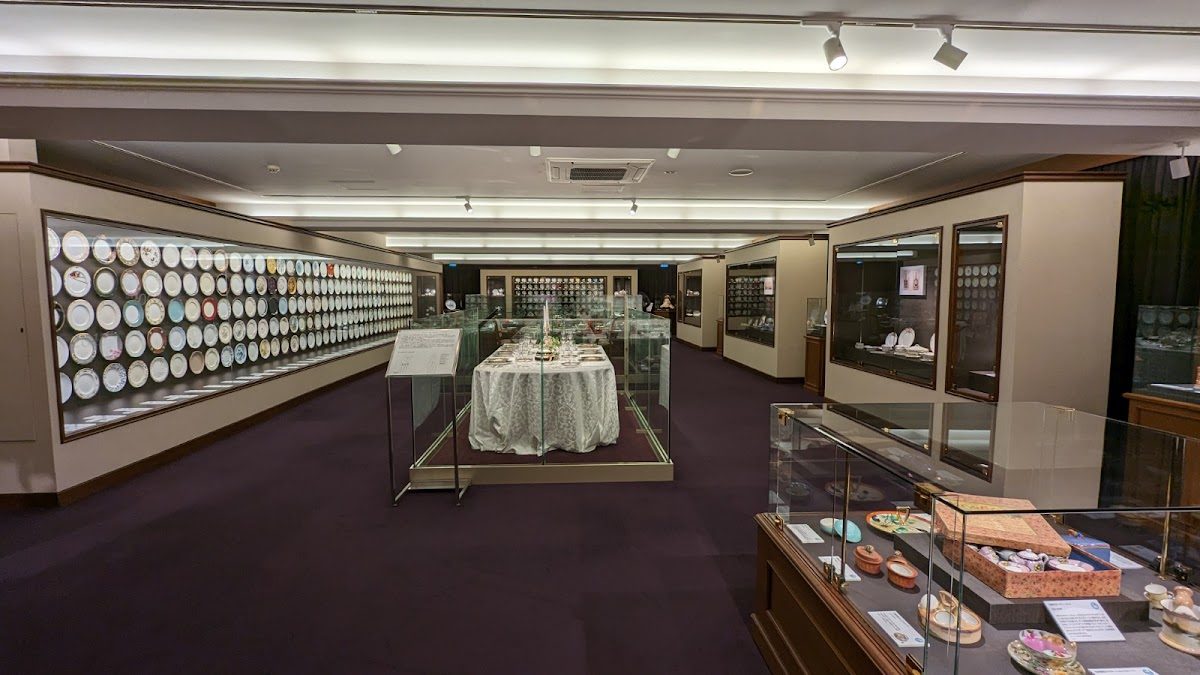
The Craft Center and Museum offers a deep dive into traditional Japanese pottery techniques, with displays of intricate porcelain and glasswork. You can even watch master craftsmen at work, painting delicate designs by hand. For those interested, some workshops allow you to try your hand at decorating a ceramic piece, making for a unique souvenir.
Final word
Nagoya is more than just a fleeting stop; it is a city with a quiet confidence and a distinct identity that rewards those who linger. In just 6 hours, you can move beyond the airport and discover its culinary heart, historical pockets, and genuine local charm. This city offers an authentic slice of Japan, often missed by those rushing to more famous destinations.
Note: All information, including opening hours and prices, was verified at the time of writing. Please confirm details before your visit.