
This guide is for travellers with a 12-hour layover in Fukuoka, Japan, who want to step out of the airport and experience a slice of this city’s distinct character. It focuses on getting a genuine feel for Fukuoka, balancing cultural immersion with its famed culinary scene, all within a practical timeframe. You won’t find hurried checklists here, but a curated path to understanding what makes Fukuoka tick.
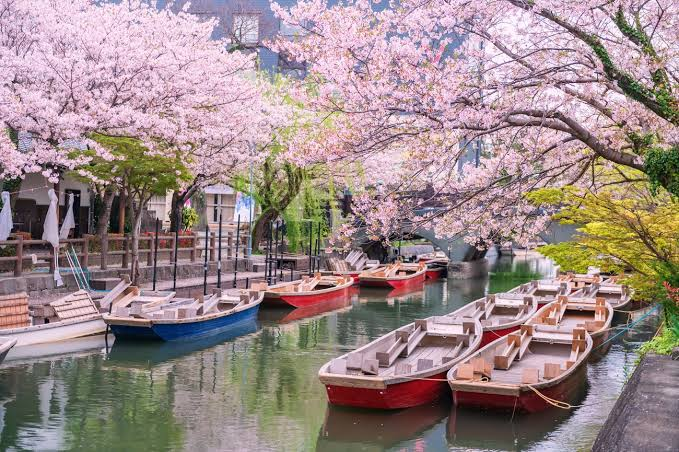
Fukuoka Airport (FUK) is a strategic hub, frequently used for connections across Japan and to major Asian cities like Seoul, Taipei, and Shanghai. It’s common to find yourself with several hours here between flights, and thankfully, the city centre is remarkably close, making an off-airport adventure not just possible, but highly recommended.
Fukuoka, on Japan’s Kyushu island, feels different from Tokyo or Osaka. It has a relaxed energy, a directness that comes from its history as a port city, a gateway to the rest of Asia. It’s famous for its food, particularly tonkotsu ramen, but there’s a quieter, older side to explore too, in its markets and temples. It’s a city that blends urban convenience with a strong sense of local identity, where traditions are lived, not just displayed.
A personal note
I remember one layover where I was looking for a quiet drink after a day of walking. I stumbled upon this small bar, almost hidden next to a 7-Eleven. It was integrated so seamlessly, you could walk from buying a snack straight into this warmly lit space. The bartender poured a perfectly balanced cocktail, and I spent an hour just watching people pass by on the street, the gentle hum of conversation around me. It wasn’t anything grand, but it was Fukuoka — understated, welcoming, and a place where you could find a moment of peace in plain sight.
Before you leave the airport
Storing your luggage
You won’t want to drag your bags around the city. Here are your best options:
- Fukuoka Airport Coin Lockers: Available in the International Terminal (1F, 3F) and Domestic Terminal (B2F). Prices range from ¥300-¥700 per day, depending on size. A ‘day’ ends at midnight. Maximum storage is 7 days.
- JR Kyushu Trading Baggage Storage: Located at Hakata Station (near Hakata Exit, sometimes relocated to Amu Plaza Hakata 1F). Costs ¥1,000 per piece per day (normal) or ¥1,500 (peak). Open 10:30 – 18:30. Good for larger bags.
- Bounce / LuggageHero: These online services partner with local shops and businesses near Hakata Station, Fukuoka Airport, and Tenjin. Prices for Bounce start from ¥275 per day, while LuggageHero is from $1.49 per hour or $4.90 per day (plus a service fee). Many locations are 24 hours. Book online for convenience.
Do you need cash?
Yes, you will. While major department stores and hotels accept credit cards, cash (Japanese Yen) is essential for many places in Fukuoka, especially for smaller shops, traditional restaurants, market stalls, and particularly the famous yatai (food stalls).
You can get cash from ATMs at 7-Eleven, Japan Post Bank, and Lawson convenience stores, which generally accept international cards. Currency exchange services are available at Fukuoka Airport and major city banks like The Bank of Fukuoka. Aim to carry a decent amount of cash to avoid being caught out.
12 hours in Fukuoka: what to do
1. Find spiritual calm at the colossal Nanzoin Temple
Step away from the urban bustle into the tranquil, forested grounds of Nanzoin Temple, a site often missed by first-time visitors but deeply significant. This temple isn’t just another shrine; it’s home to the world’s largest bronze reclining Buddha, an astonishing 41 meters long and 11 meters tall. The sheer scale is humbling, encouraging a moment of quiet contemplation as you walk around it, the air thick with incense.
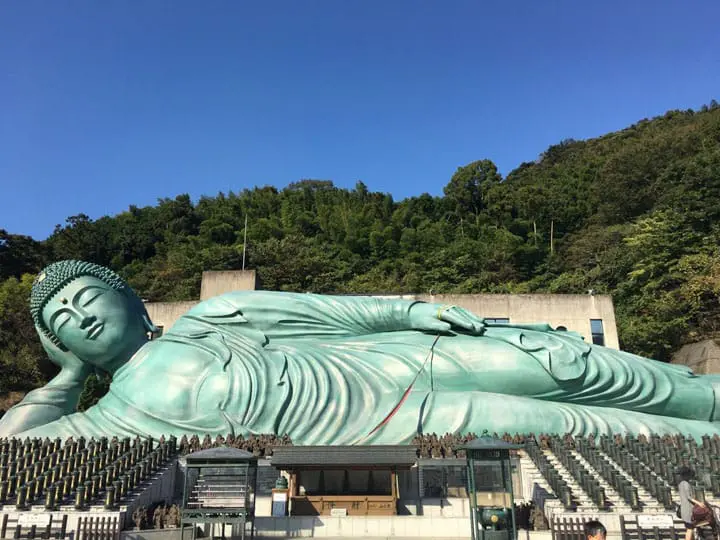
The atmosphere here is one of genuine spirituality, used by locals for pilgrimage and reflection, rather than simply a tourist attraction. Take your time to explore the various smaller shrines and statues scattered around the hillside, each with its own quiet story, before making your way to the main attraction. It’s a powerful experience that puts the pace of layover travel into perspective.
2. Dive into local life at Yanagibashi Rengo Market
Known affectionately as Fukuoka no Daidokoro — ‘Fukuoka’s Pantry’ — Yanagibashi Rengo Market offers a vibrant, unfiltered glimpse into the city’s culinary heart. This traditional covered market is a sensory delight, with the chatter of vendors, the aroma of fresh seafood, and stalls overflowing with local produce. It’s where Fukuoka locals come to buy their daily ingredients, making it an authentic experience.
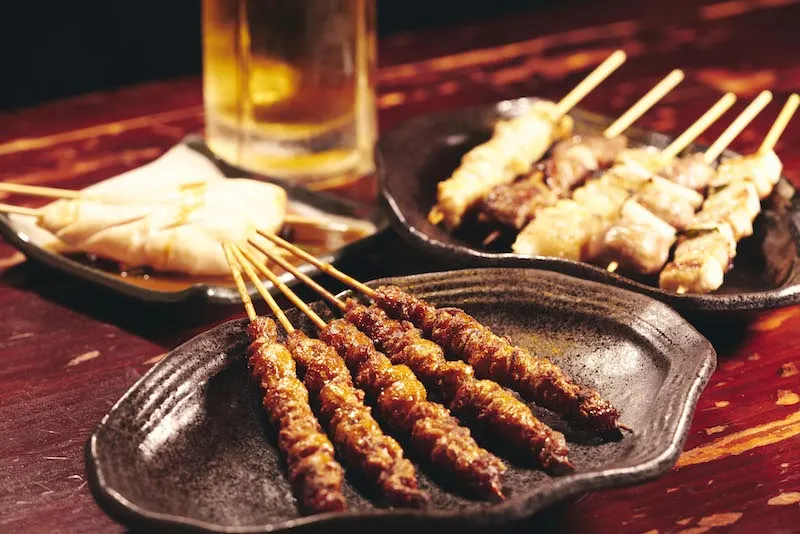
Wander through dozens of stalls selling everything from glistening fresh fish and pungent karashi mentaiko (spicy cod roe) to seasonal vegetables and unique Japanese snacks. Don’t be shy; many vendors offer samples. You’ll find small shops preparing fresh food on the spot – a fantastic opportunity to try local delicacies like freshly fried fish cakes (kamaboko) that taste nothing like the supermarket versions. It’s an immersive, edible journey.
3. Appreciate Hakata’s traditional crafts at a dedicated center
To understand a city, sometimes you need to look at what its hands create. The Hakata Traditional Craft Center is a quiet, thoughtful space dedicated to preserving and showcasing the artistic heritage of Fukuoka. This isn’t just a shop; it’s an educational experience, offering insight into the meticulous craftsmanship that has defined Hakata for centuries.
Here, you can admire intricate Hakata-ori textiles, known for their distinctive weaving patterns, and the delicate beauty of Hakata dolls (Hakata ningyo), often depicting geisha or samurai figures. You’ll also find examples of Koishiwara-yaki pottery, celebrated for its rustic charm. The center often hosts rotating exhibitions and even live demonstrations by local artisans, giving you a chance to see these traditional techniques brought to life. It’s a peaceful contrast to the city’s energy.
4. Experience Fukuoka’s spiritual heart at Kushida Shrine
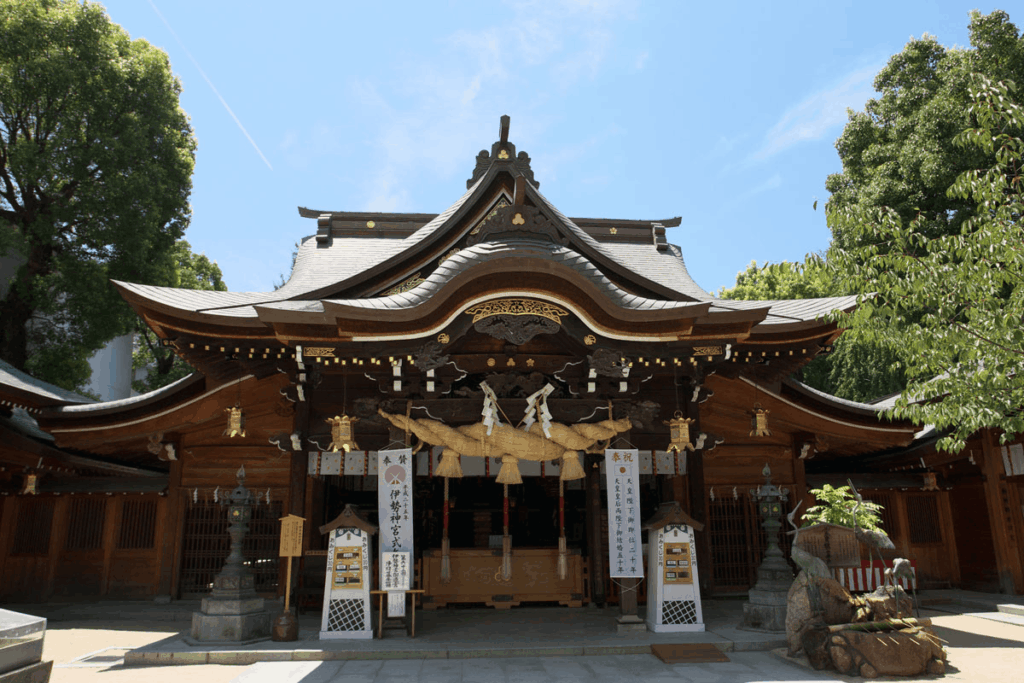
Kushida Shrine isn’t just the oldest Shinto shrine in Fukuoka; it’s considered the spiritual anchor of the entire Hakata area. Stepping through its gates, you immediately feel a sense of history and devotion. It’s less about grand architecture and more about the quiet rituals and everyday reverence of the locals who visit.

The shrine is particularly famous for its central role in the Hakata Gion Yamakasa festival, and you’ll find a magnificent decorative float (Kazari Yamakasa) on permanent display, towering over the grounds. Don’t miss the sacred well, believed to grant longevity and eternal youth, where visitors drink a symbolic sip. Take a moment to observe the local customs, the prayers offered, and the way this shrine remains a vital part of the community’s rhythm.
5. Stroll through the tranquil Ohori Park
After exploring the city’s cultural depth, a visit to Ohori Park offers a refreshing change of pace. This large, serene city park is built around a picturesque lake, which historically formed part of the Fukuoka Castle moat. It’s a beloved local spot for exercise and relaxation, offering a green oasis in the urban landscape.
You can take a leisurely walk along the expansive paths that circle the lake, crossing three charming interconnected islands. On a clear day, the reflections on the water are beautiful. While not a dramatic sight, it’s a chance to see how Fukuoka locals unwind, whether they’re jogging, picnicking, or simply enjoying the peaceful atmosphere. It’s a quiet moment, letting you experience the city’s softer side.
6. Experience Fukuoka’s famed Yatai food stalls at Nakasu Island
No layover in Fukuoka is complete without experiencing its iconic yatai (food stalls). As evening approaches, the banks of the Naka River on Nakasu Island come alive with dozens of these open-air stalls, creating a vibrant, convivial atmosphere that is uniquely Fukuoka. This is where the city’s culinary heart beats loudest.
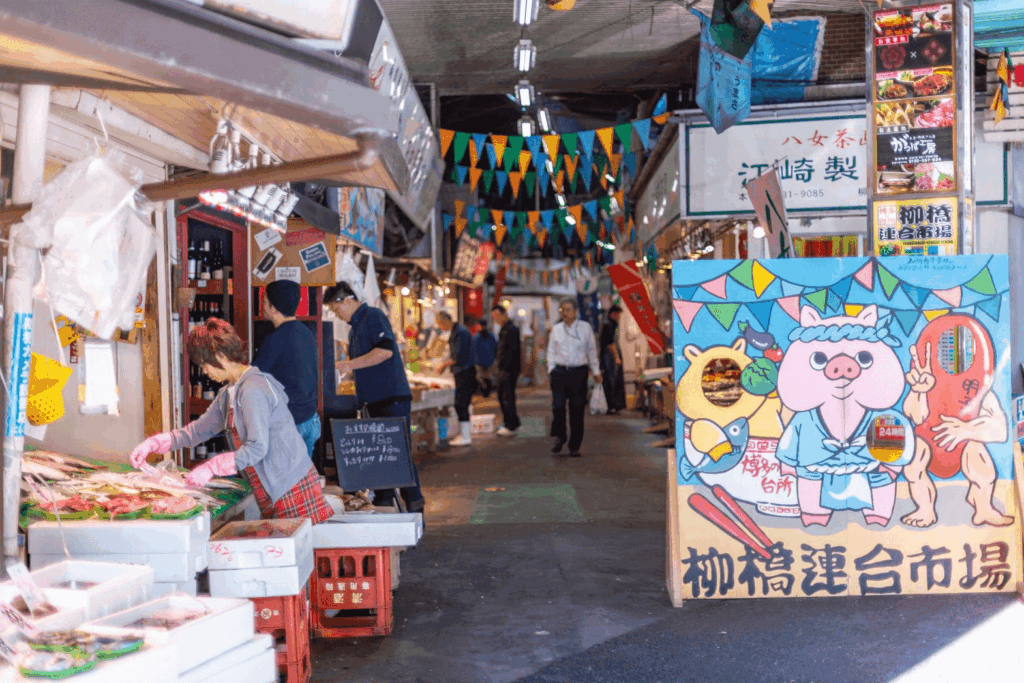
Pull up a stool at one of the many yatai and immerse yourself in an authentic street food experience. This is the birthplace of tonkotsu ramen, so trying a bowl here is essential. Beyond ramen, you’ll find other local specialties like yaki ramen (fried ramen noodles), crispy tempura, and skewers of yakitori. It’s a place for good food, warm sake, and friendly conversation with both locals and fellow travellers, often crowded but always welcoming.
Final word
Fukuoka on a layover is a city that rewards curiosity. It’s not about ticking off grand monuments, but about engaging with its authentic culinary traditions, feeling the quiet reverence of its spiritual sites, and experiencing the warm, unpretentious rhythm of daily life. Even with limited hours, Fukuoka offers a genuine taste of Japan’s Kyushu island that most travellers simply rush past.
All practical information verified at the time of writing. Please confirm opening hours and prices before your visit.