
Chiang Mai, the Rose of the North, might just be Thailand’s most misunderstood layover destination. While most travellers rush to the islands or Bangkok, this city offers a genuine cultural connection and authentic local experiences that are increasingly trending, far beyond generic tourist trails. It is a place that rewards those willing to leave the airport and look a little deeper.
This guide is for you if you have 8 hours in Chiang Mai and want to experience the city’s unique Lanna heritage and culinary depth without feeling rushed. It is about stepping away from the typical tourist path and finding genuine local rhythm.
Chiang Mai is a city where ancient traditions thrive amidst a laid-back pace, distinct from the clamour of the south. Its mountain setting and deep spiritual roots are palpable, offering a glimpse into a different side of Thailand.
A personal note on Chiang Mai
After many layovers through Chiang Mai as cabin crew, I have watched this city evolve, yet its core remains steadfast. I have seen the early mornings at Warorot Market, the quiet contemplation within the forest temples outside the moat, and the consistent excellence of its regional cuisine. It is a place that feels lived-in, not just visited; a city that slowly reveals itself, rather than demanding attention.
Before you leave the airport
Storing your luggage
For peace of mind, store your bags right at Chiang Mai International Airport (CNX).
AIRPORTELs Luggage Storage is located inside the terminal, offering secure storage for 150 THB per piece per day for normal luggage. They are open daily from 6:00 AM to 12:00 AM, providing plenty of flexibility for your layover.
Do you need cash?
Yes, cash is highly necessary in Chiang Mai. Many street food vendors, local markets like Warorot, and smaller shops operate on a cash-only basis. While larger establishments might accept cards, you will miss out on the most authentic experiences without Thai Baht (THB).
ATMs are readily available, including at the airport, but be aware of a typical 220 THB fee for foreign card withdrawals. It is wise to withdraw a sufficient amount upon arrival to cover transport and smaller purchases.
8 hours in Chiang Mai: what to do
1. Taste Chiang Mai’s iconic Khao Soi at Maesai
Start your culinary exploration with a bowl of Khao Soi, the quintessential Northern Thai noodle soup. Khao Soi Maesai is a local institution, renowned for its rich, creamy coconut curry broth, offering a truly authentic taste of Chiang Mai. This humble eatery serves a version that locals consistently return for.
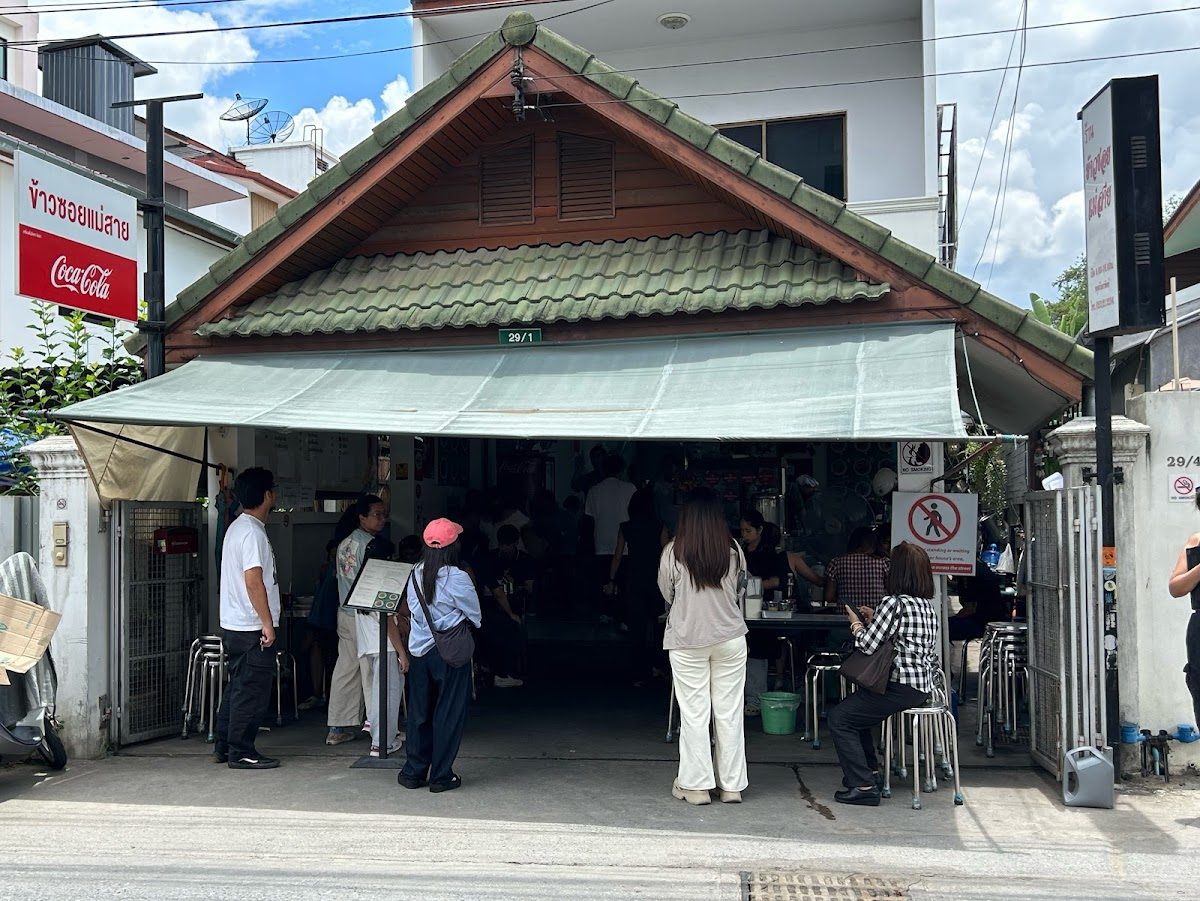
The soup arrives with both soft and crispy egg noodles, tender chicken or beef, and a side of pickled mustard greens, shallots, and lime for you to customise. It is a complex flavour profile that perfectly balances sweet, spicy, and savoury notes. I recall eating a bowl here after a red-eye flight, and the warmth was exactly what I needed.
2. Dive into local life at Warorot Market (Kad Luang)
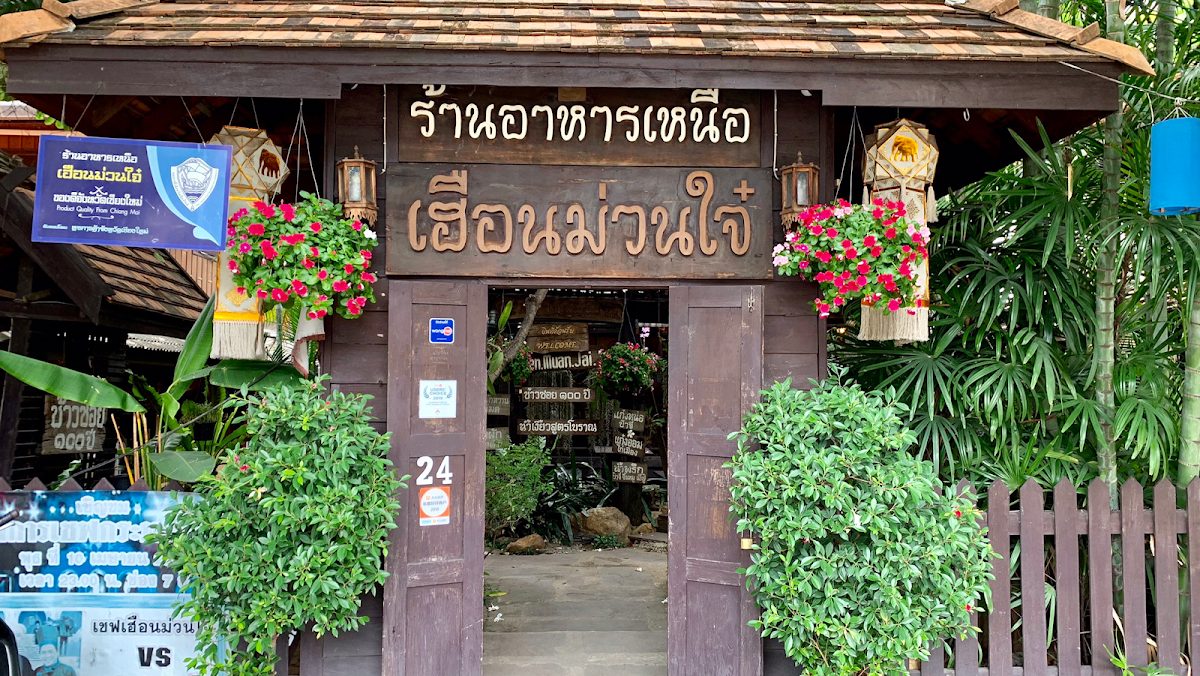
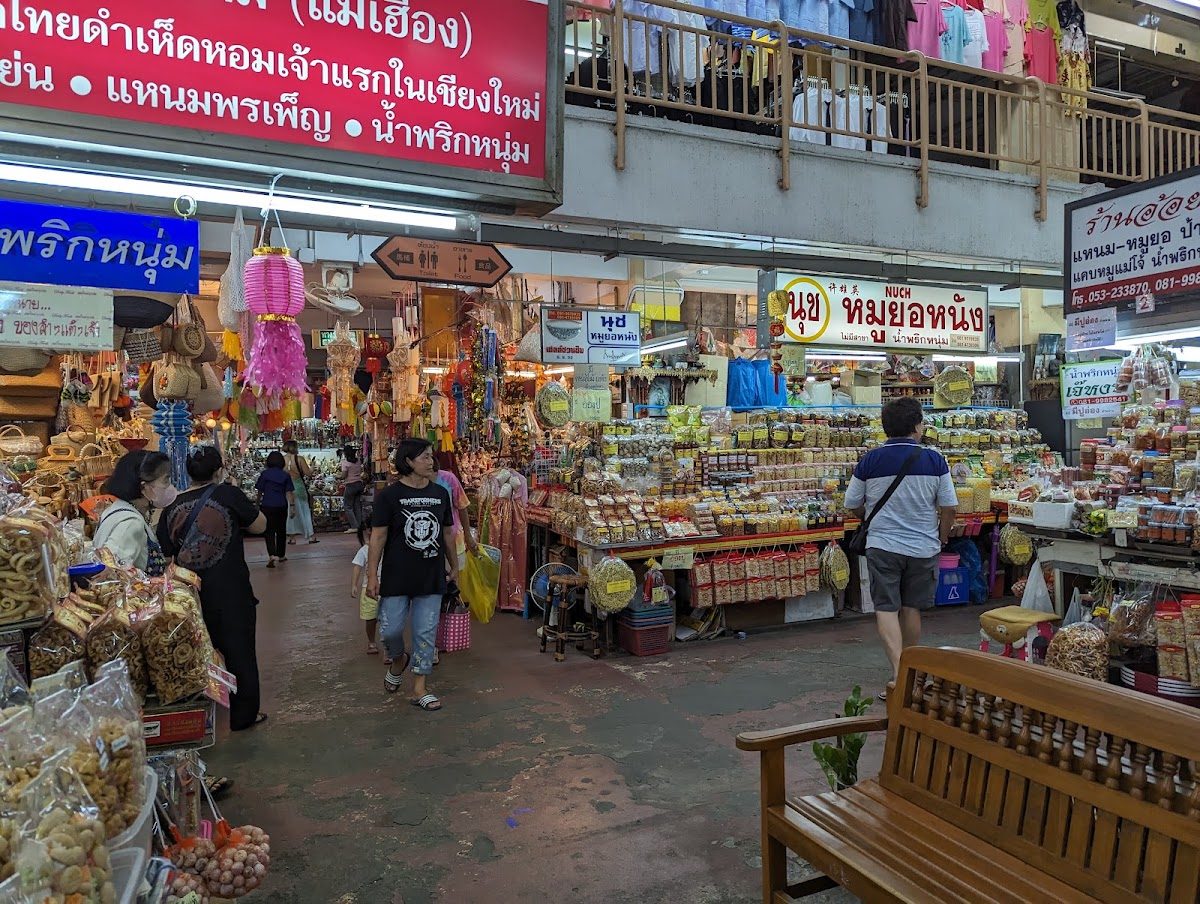
Warorot Market, or Kad Luang as locals call it, is Chiang Mai’s oldest and most authentic market. This bustling hub is where residents truly shop, offering a vibrant sensory experience of fresh produce, flowers, textiles, and an incredible array of local street food and snacks. It is a genuine glimpse into daily Chiang Mai life, far from any tourist performances.
Wander through the aisles, past vendors selling everything from exotic fruits and spices to traditional Thai sweets and household goods. Do not hesitate to sample dried fruits or local delicacies. The market’s energy is infectious, and you will find regional specialities not easily found elsewhere.
3. Seek tranquility at Wat Umong (Forest Temple)
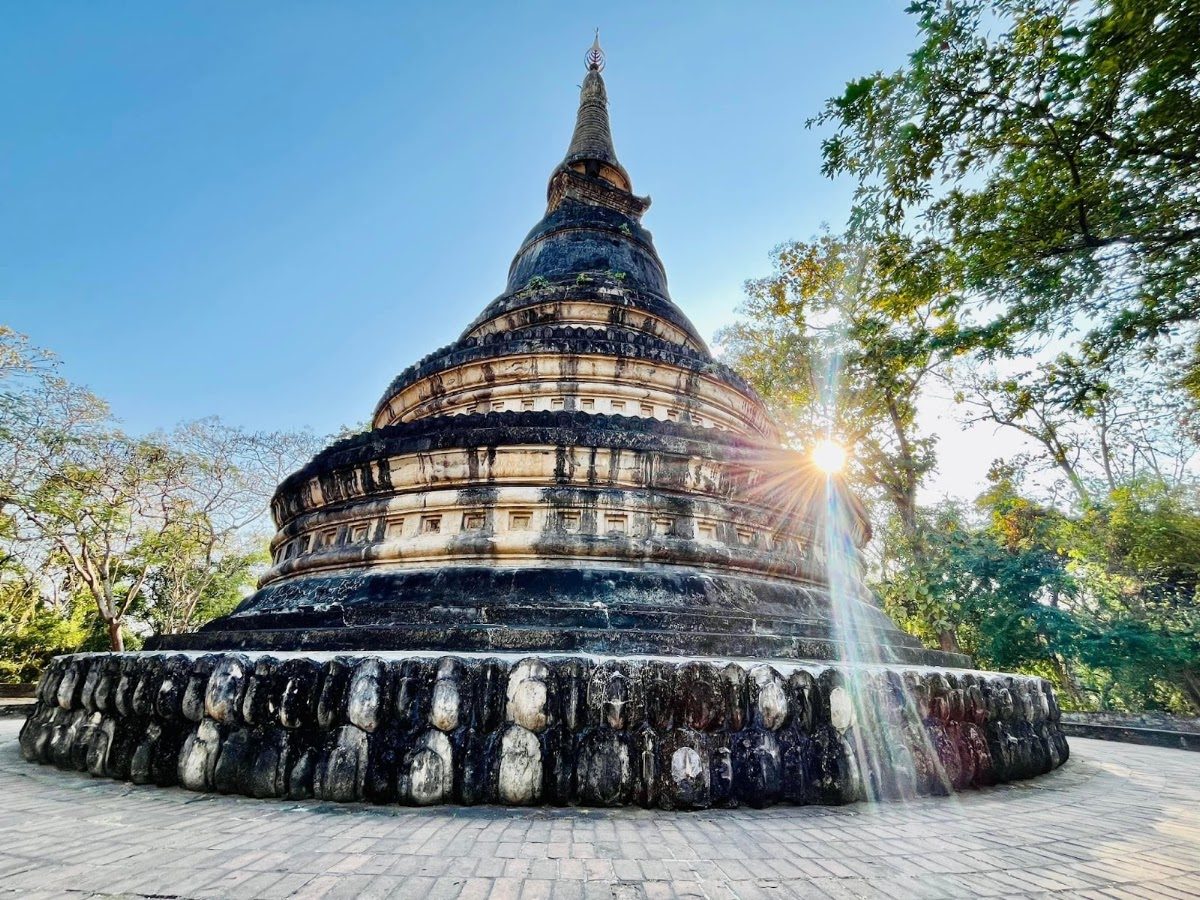
Escape the city’s bustle at Wat Umong, a unique 14th-century Buddhist temple set within a serene forest. Its most distinctive feature is a network of ancient tunnels, adorned with Buddha images, that offer a quiet, meditative spiritual experience. It is a true forest temple, providing a stark contrast to the city’s urban temples.
Beyond the tunnels, explore the expansive grounds, which include a working meditation centre, a large pond with fish and turtles, and a collection of dharma proverbs scattered throughout the trees. The atmosphere here is one of profound peace, a welcome respite.
4. Connect with artisans at Baan Kang Wat (Artist Village)
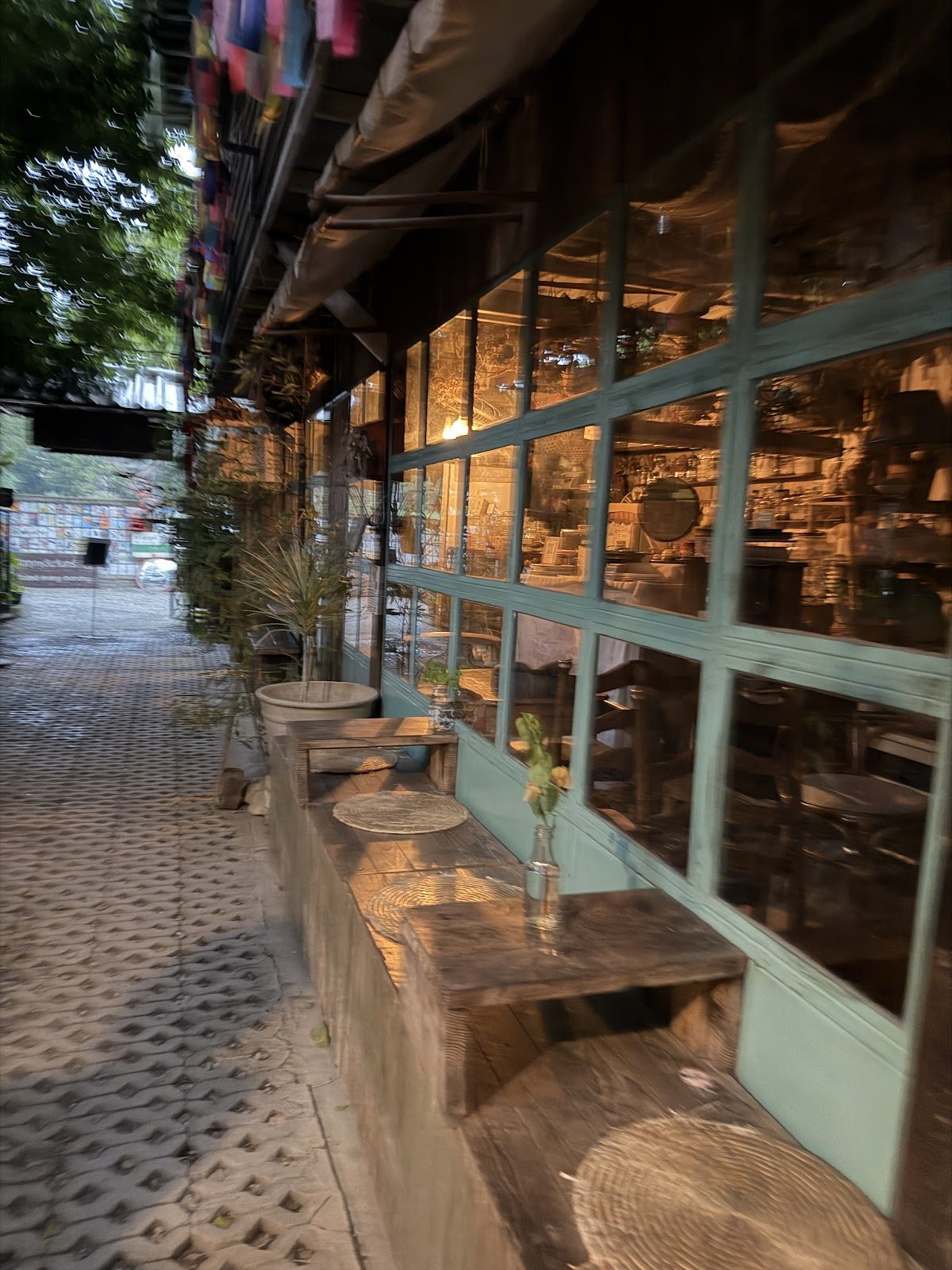
Baan Kang Wat is a charming artisan village, a community of independent shops and studios dedicated to traditional crafts and sustainable living. This trending destination offers a slower, more creative side of Chiang Mai, where you can find unique handmade products and interact directly with local artists. It is a perfect spot for those seeking cultural connection.
Stroll through the narrow lanes, browse the ceramics, handmade paper, textiles, and independent cafes. It is a place built on community, where each shop has a distinct personality. Many of the artisans are often present, ready to share the stories behind their craft.
5. Discover the ‘Secret Jungle Temple’ of Wat Pha Lat
Venture further into the jungle on the slopes of Doi Suthep to find Wat Pha Lat, a serene and less-visited temple. It offers stunning Lanna architecture, intricate carvings, and peaceful waterfalls, all nestled within a lush natural setting. This is a tranquil, spiritual experience away from the main tourist crowds.
The path to the temple itself feels like a pilgrimage, leading you through verdant forest. Once there, you will find a quiet sanctuary with ancient Buddha images, a flowing stream, and panoramic views of the surrounding mountains. It is a place for quiet contemplation.
Final word
Chiang Mai on an 8-hour layover is not just possible; it is an opportunity to truly connect with a city often overlooked by transit passengers. You can step away from the airport’s predictability and find genuine Lanna culture, from its unique flavours to its serene forest temples. It shows you a different side of Thailand, one that lingers long after you have departed.
All information was verified at the time of writing. Please confirm opening hours and prices before your visit.