
Yangon, with its glittering pagodas and crumbling colonial charm, offers a starkly different layover experience than its more polished Southeast Asian neighbours. Many travellers are increasingly looking for a Yangon local tea shop experience or the authentic Yangon Circular Train ride, searching for genuine immersion rather than curated tourist zones. This guide helps you navigate that unique blend of tradition and everyday life, even with limited time.
This guide is for those with an 8-hour layover in Yangon, Myanmar, who want to leave the airport and experience the city’s authentic rhythm. It’s for the curious traveller who values cultural immersion over ticking off major landmarks, ready to step into a place where life unfolds visibly on the streets.
Yangon is Myanmar’s largest city, a place where ancient traditions and colonial history converge amidst a vibrant street culture. Its character is defined by the coexistence of sacred golden stupas and the tangible echoes of its past as a British port city.
A personal note
Over many years, my layovers through Yangon as cabin crew became less about rushing through a checklist and more about observing the patterns of life. I’ve seen the city wake up, with vendors setting out their wares and the smell of mohinga filling the air, and I’ve watched the evening markets come alive under bare bulbs. Each visit reaffirmed the city’s unique charm: a place that moves at its own pace, where people are genuinely welcoming, and the rhythms of daily life are a spectacle in themselves. It’s these smaller, recurring observations that make Yangon feel lived-in, not just visited.
Before you leave the airport
Storing your luggage
Yangon International Airport offers convenient baggage storage for layovers.
The Yangon International Airport Left Baggage Service is located in the public area near Exit 7, Terminal 1. It’s open 24/7, with prices ranging from 3,000–15,000 MMK per piece, depending on size. For smaller bags, the Information Desk in the International Arrivals Hall, Terminal 1, reportedly offers storage for around 2,000 MMK per bag.
Do you need cash?
Yes, Myanmar is very much a cash-based economy. You will need Myanmar Kyat (MMK) for almost everything outside of major hotels.
ATMs are available at the airport, but it’s wise to withdraw around K20,000–50,000 for your layover. Local taxis, market stalls, street food, and the Circular Train primarily accept cash.
8 hours in Yangon: what to do
1. Ride the Yangon Circular Train for local insights
This slow, commuter train offers an unparalleled glimpse into the daily lives of Yangon residents, passing through bustling neighbourhoods and rural villages. It’s a truly immersive way to observe local culture and scenery, reflecting the rising interest in Yangon’s authentic local life train.
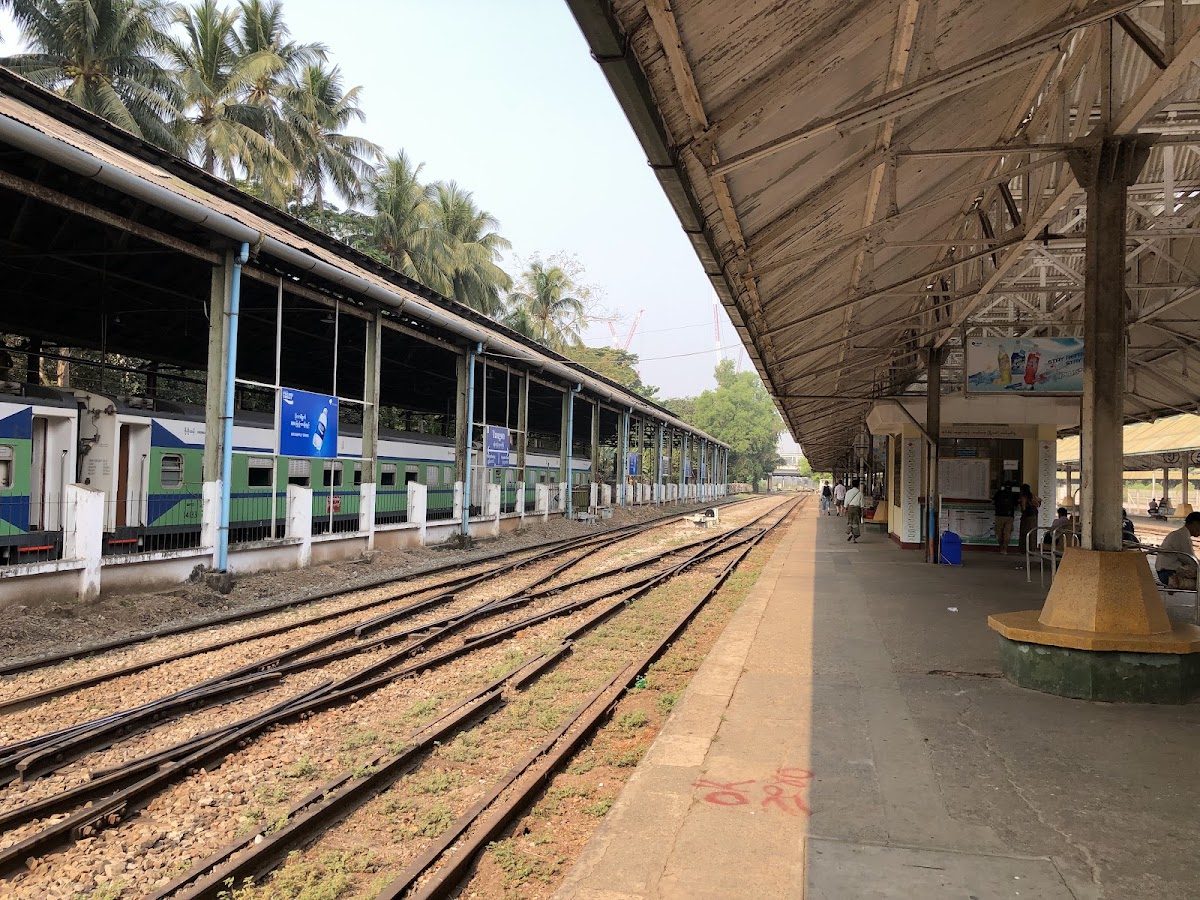
You’ll see commuters, vendors, and everyday life unfold outside your window. Sitting by an open window provides the best views, and you might even find local vendors selling snacks on board.
This experience quickly grounds you in the rhythm of the city beyond the airport.
2. Explore traditional crafts at Bogyoke Aung San Market
Bogyoke Aung San Market, also known as Scott Market, is a historic colonial-era covered market. It’s a treasure trove of traditional Burmese handicrafts, from intricate lacquerware to vibrant textiles and precious gemstones.
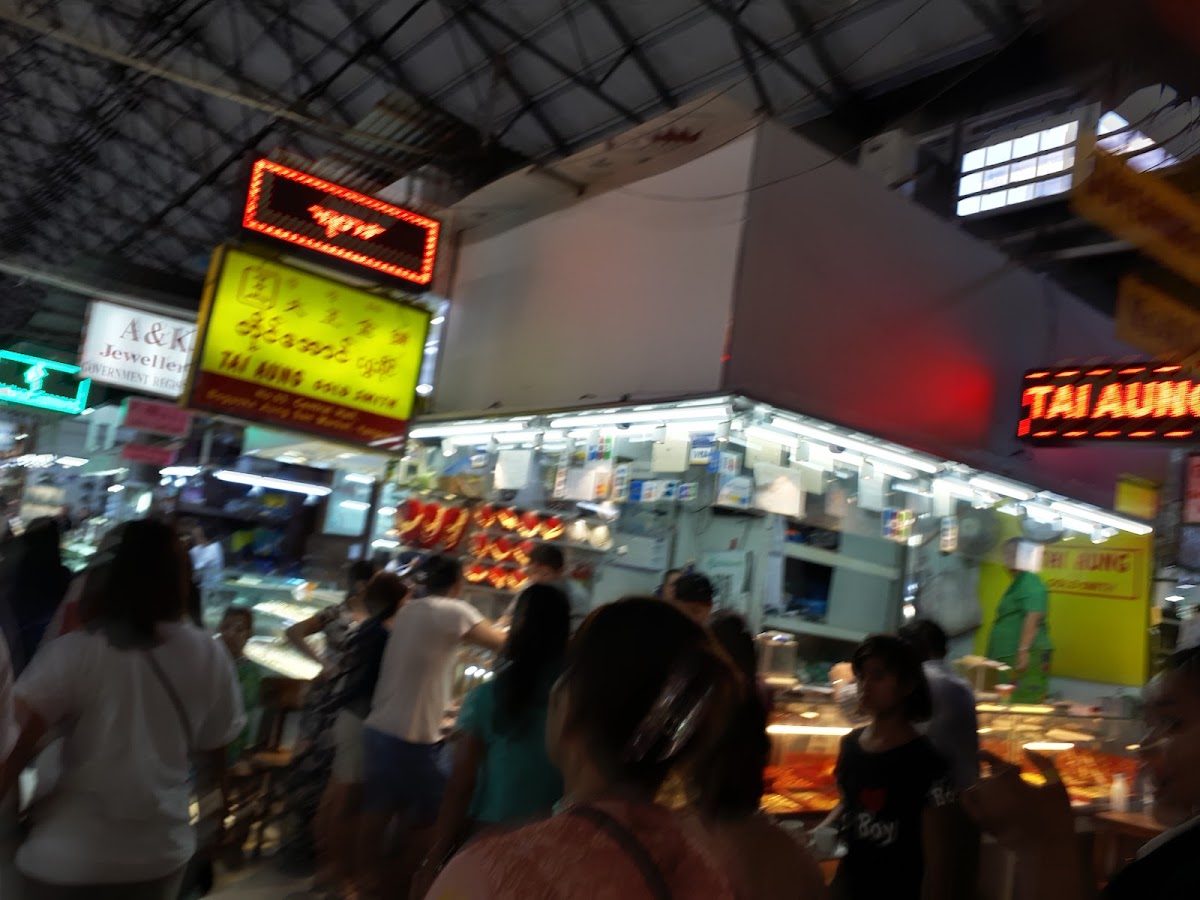
This is an excellent place to witness local artisan work and engage with vendors. Look specifically for quality lacquerware from Bagan, known for its multiple coats and hand-engraved designs. Bargaining is expected, especially for crafts and jewellery.
It’s a compact way to see a wide range of local products and support traditional artisans.
3. Immerse yourself in tea culture at Lucky Seven Tea House
A quintessential Burmese tea house, Lucky Seven offers an authentic local experience where residents gather to socialize over strong, sweet milk tea. It’s a perfect spot to immerse yourself in Yangon’s vibrant tea culture, a popular search for travellers wanting a Yangon local tea shop experience.
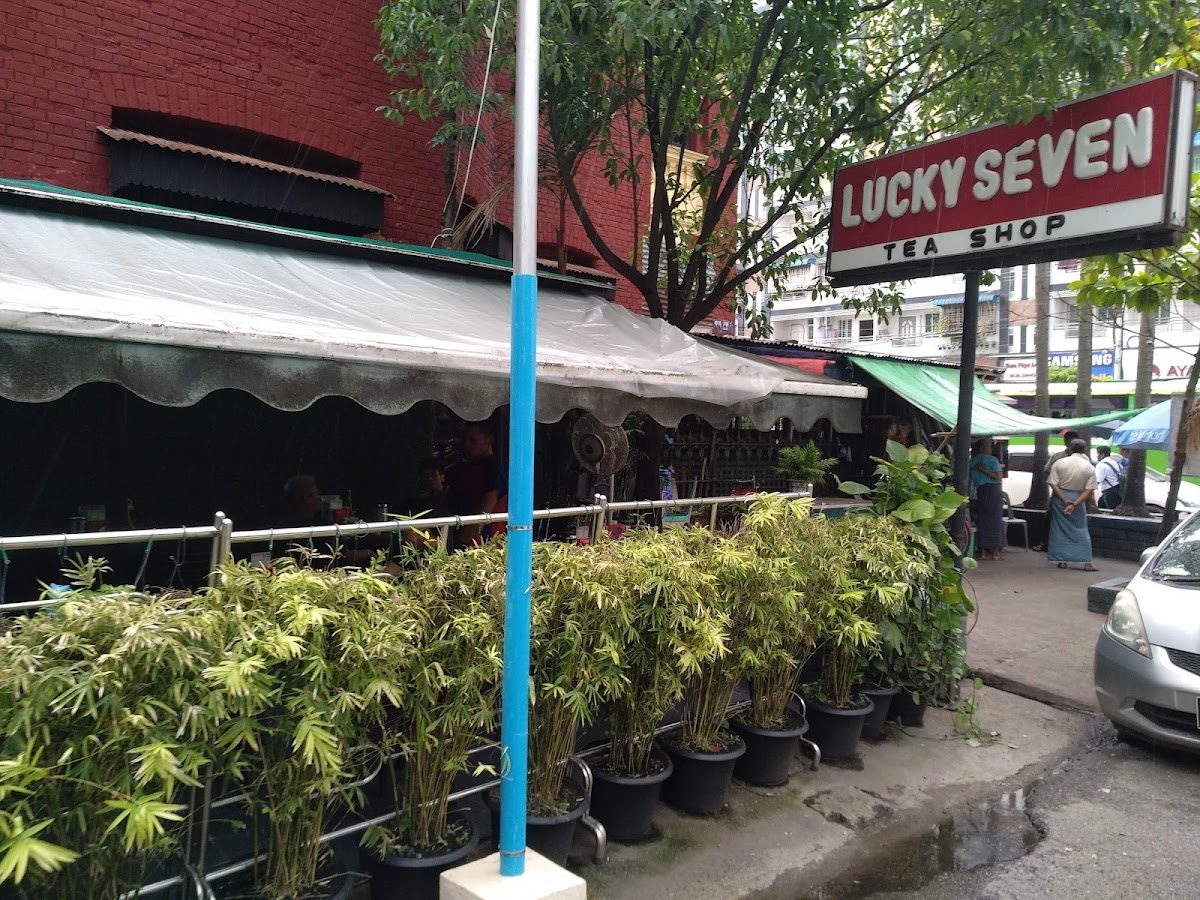
Try the traditional Burmese milk tea, known as laphet yay, a rich, sweet concoction. You can also sample some mohinga (fish noodle soup) or samosa thoke (samosa salad) for an authentic taste of local breakfast or snack items.
This stop provides a genuine window into local daily life and culinary traditions.
4. Sample street food in Chinatown (19th Street)
Yangon’s Chinatown comes alive in the evenings, especially along 19th Street, transforming into a bustling open-air food market. Here, you can sample an incredible array of authentic Burmese and Chinese street food.
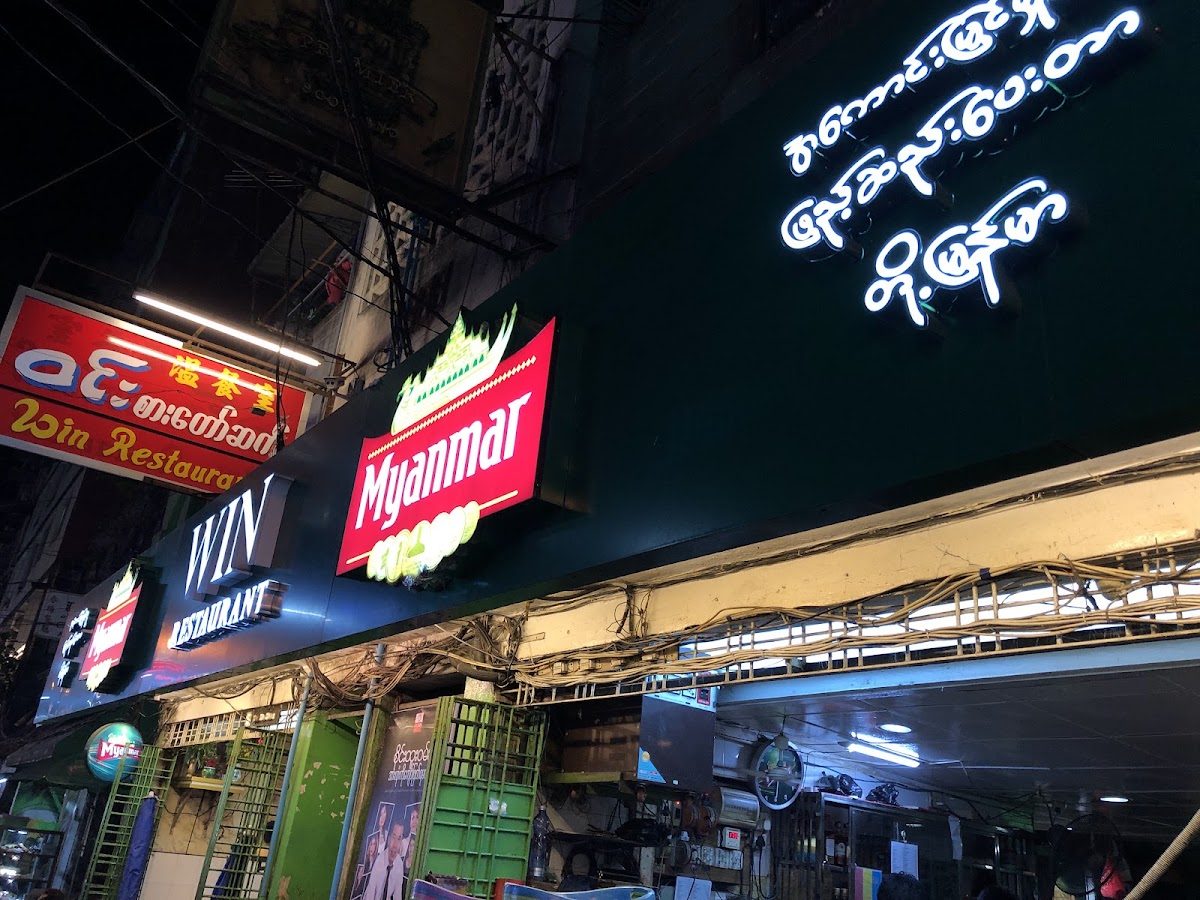
You’ll find everything from grilled skewers and fresh seafood to various noodle dishes and exotic fruits. Don’t be afraid to try new things; many stalls offer bespoke dishes where you can point to your desired ingredients. I almost walked past it the first time I visited Chinatown years ago, only to be drawn in by the aroma of grilling meats and bustling energy.
This is a vibrant sensory experience that encapsulates the city’s diverse culinary scene.
Final word
An 8-hour layover in Yangon isn’t just a stopover; it’s an opportunity to experience a city that moves to its own drum. While you won’t see everything, these authentic glimpses into local life, from the communal tea houses to the bustling markets, offer a genuine connection that most visitors miss. It’s a chance to feel the pulse of Myanmar without rushing, leaving you with a richer understanding of this compelling corner of Southeast Asia.
Practical information verified at time of writing; always confirm hours and prices before you go.