
Muscat, often overlooked for its flashier Gulf neighbours, is steadily gaining traction as a cultural tourism destination and an alternative aviation hub, especially with recent shifts in regional air traffic. For those with a limited window, the city offers a genuine taste of Omani heritage and hospitality that is distinct and deeply rooted. It is a welcome change from the usual layover rush, promising a calmer, more reflective experience.
This guide is for travellers with 8 hours in Muscat who want to step out of the airport and experience the city’s authentic culture and history, rather than just its modern facade. It is designed to navigate Oman’s capital efficiently, focusing on immersive experiences that are genuinely possible in a short timeframe.
Muscat is a city defined by its elegant white architecture, dramatic mountain backdrop, and serene coastline. It offers a unique blend of ancient traditions and understated modernity, fostering a laid-back atmosphere unlike any other capital in the region.
A personal note
My years as cabin crew meant countless layovers through Muscat. What always struck me was the city’s quiet rhythm compared to other hubs. There is a palpable sense of history, from the scent of frankincense in the souqs to the call to prayer echoing from the mosques. I’ve walked the Muttrah Corniche at dawn when the fishermen are just returning, and again at dusk as families gather, seeing the city transform with the light. It is a place that rewards observation, where the details of everyday life reveal the true character of Oman.
Before you leave the airport
Storing your luggage
Muscat International Airport (MCT) offers luggage storage facilities in the Arrivals Hall. This is essential if you plan to explore the city without the burden of your carry-on bags. Enquire about current pricing and operating hours upon arrival.
Do you need cash?
Yes, cash is necessary in Muscat. While credit cards are accepted in larger establishments, you will need Omani Rial (OMR) for taxis, purchases at the Muttrah Souq, and smaller local cafes. Look for Bank Muscat ATMs in the airport or any shopping mall, and always choose to be debited in OMR.
8 hours in Muscat: what to do
1. Experience the serenity of the Sultan Qaboos Grand Mosque
As Muscat continues to attract travellers for cultural tourism, the Sultan Qaboos Grand Mosque stands out as a must-visit. Its sheer scale and intricate details make it an architectural marvel, offering a profound sense of peace.
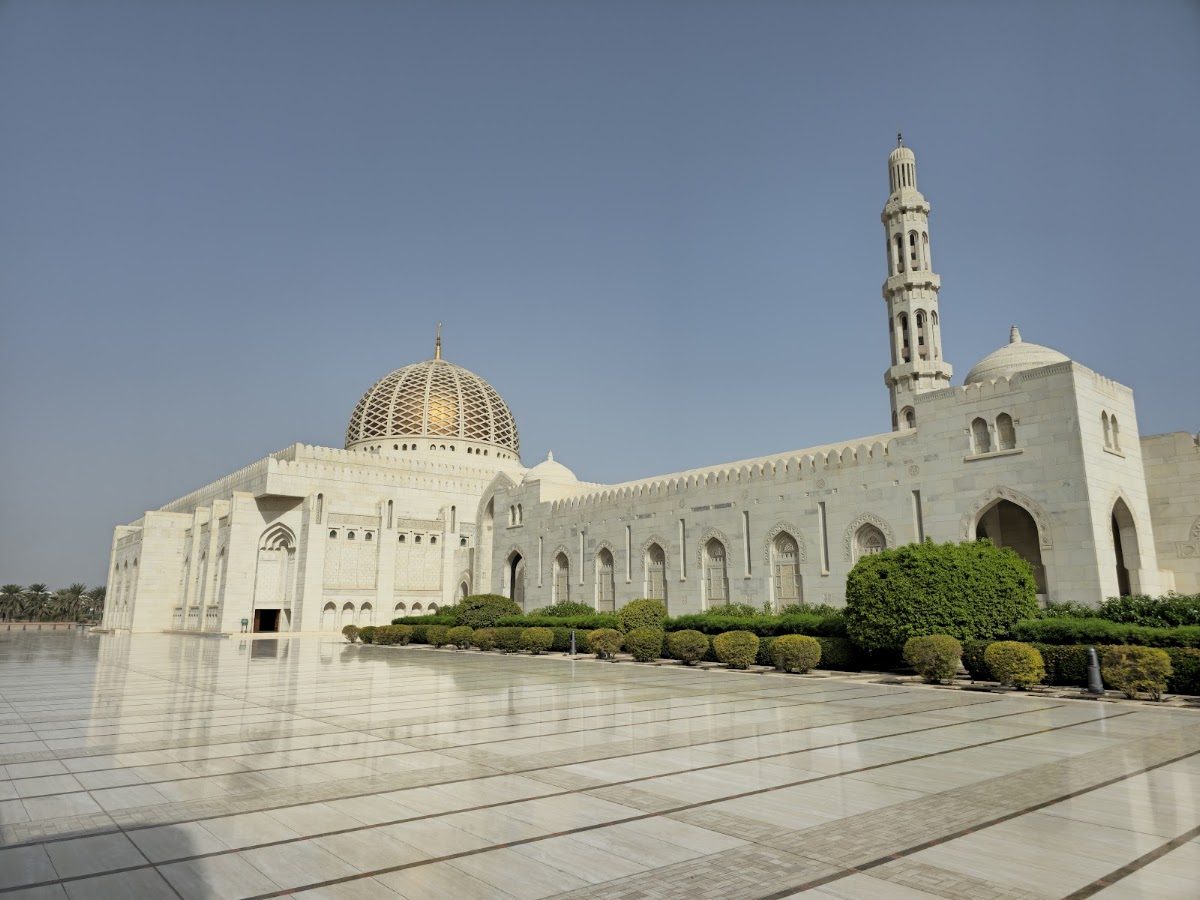
Spend time admiring the main prayer hall, home to one of the world’s largest hand-woven carpets and a magnificent Swarovski chandelier. Observe the quiet reverence, a stark contrast to the city’s exterior bustle.
This visit provides a respectful immersion into Omani religious culture, manageable within your layover hours and essential for understanding the city’s heart.
2. Wander through the ancient alleys of Muttrah Souq
With Muscat’s growing profile, the Muttrah Souq offers a journey into Oman’s oldest traditional market. It is a labyrinth of narrow pathways, rich with the scents of frankincense and exotic spices.
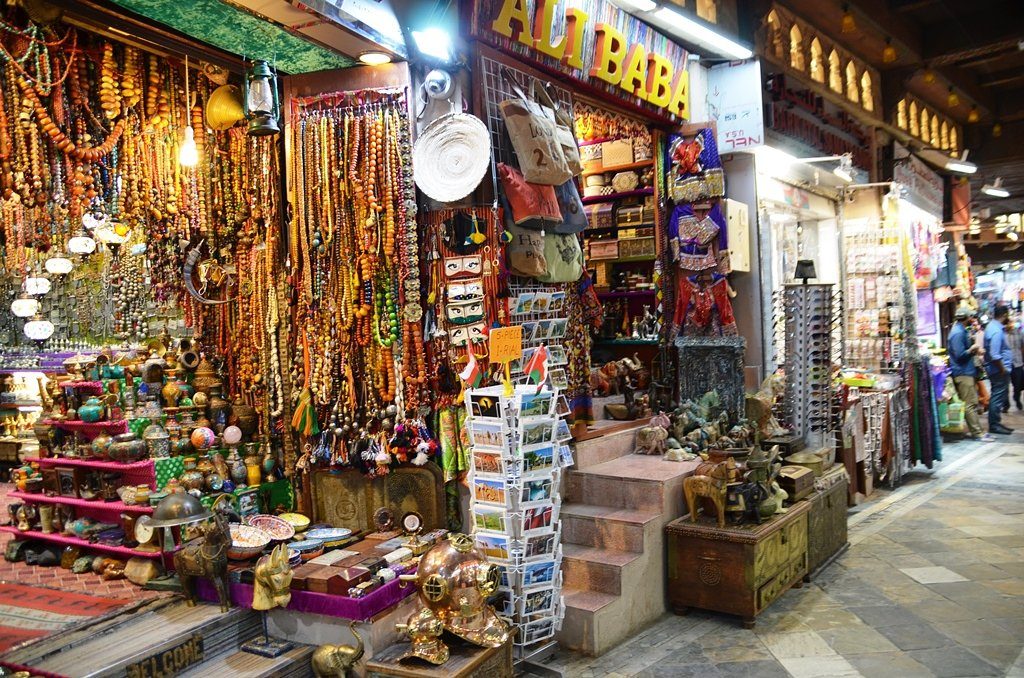
Here you can browse for authentic Omani silver jewelry, textiles, and local handicrafts. Engaging in some friendly haggling is part of the experience and can lead to unique finds. I always enjoy seeing the old men drinking kahwa in the back alleys, watching the world go by.
This market provides a genuine glimpse into local commerce and culture, a sensory experience that feels far removed from an airport terminal.
3. Stroll along the scenic Muttrah Corniche
Directly adjacent to the souq, the Muttrah Corniche is a beautiful waterfront promenade. It stretches along Muscat’s old harbour, offering expansive views of the Gulf of Oman.
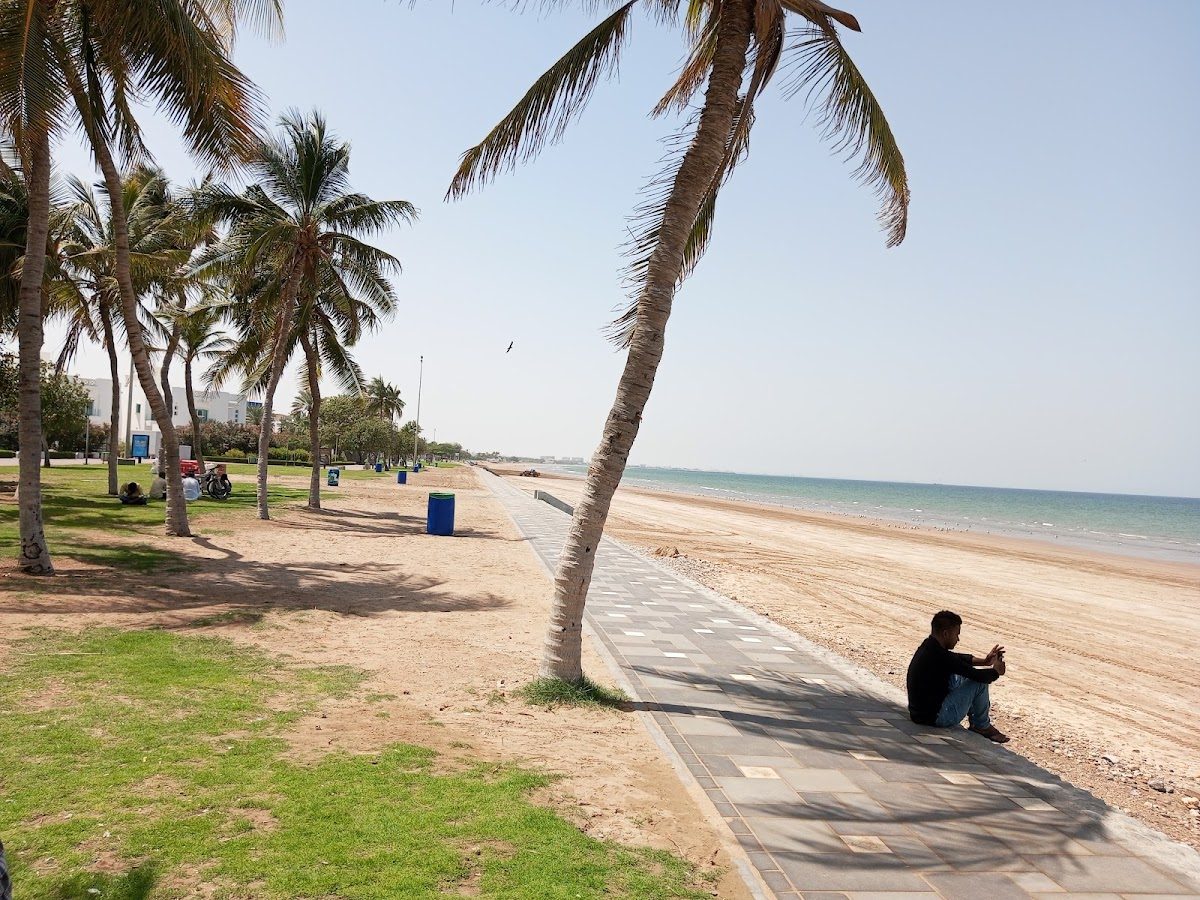
Observe traditional dhows in the harbour and the dramatic mountainous backdrop. It’s a place where locals gather for evening walks and where you can feel the city’s unhurried pace. Keep an eye out for the Riyam Censer, the giant incense burner monument on the hilltop.
This leisurely walk offers a refreshing change of pace and an opportunity to witness daily life against a picturesque setting, easily combined with your souq visit.
4. Discover Omani heritage at Bait Al Zubair Museum
For a deeper understanding of Omani culture and history, the Bait Al Zubair Museum offers a thoughtfully curated collection. It showcases traditional weapons, jewelry, costumes, and household items.
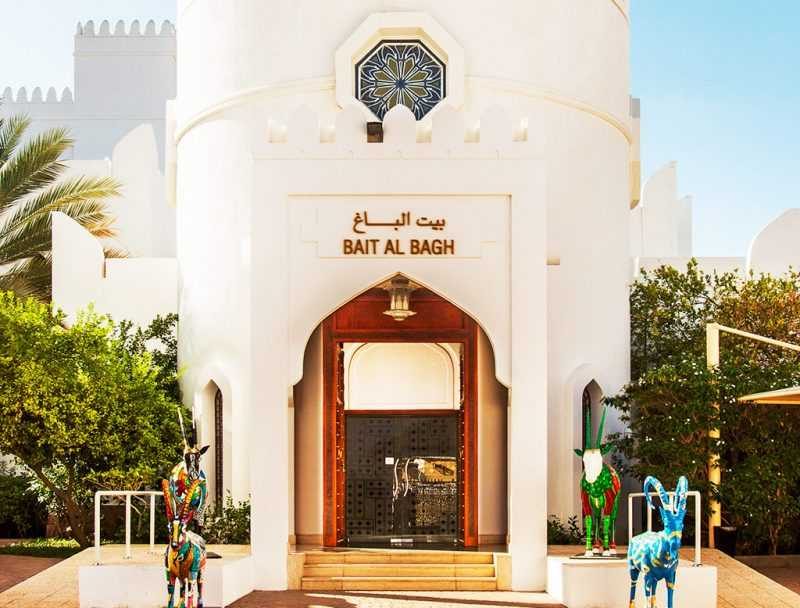
The museum provides valuable context to the sights you’ve already seen, explaining the traditions and lifestyle of the Omani people. Do not miss the outdoor exhibits, featuring traditional Omani houses and a falaj irrigation system model.
This stop is a quiet, enriching experience that adds layers to your understanding of Muscat beyond its surface beauty.
5. Taste authentic Omani cuisine at Bait Al Luban
Before heading back to the airport, indulge in a traditional Omani meal at Bait Al Luban, located conveniently near the Muttrah Corniche. The restaurant provides an authentic setting and menu.
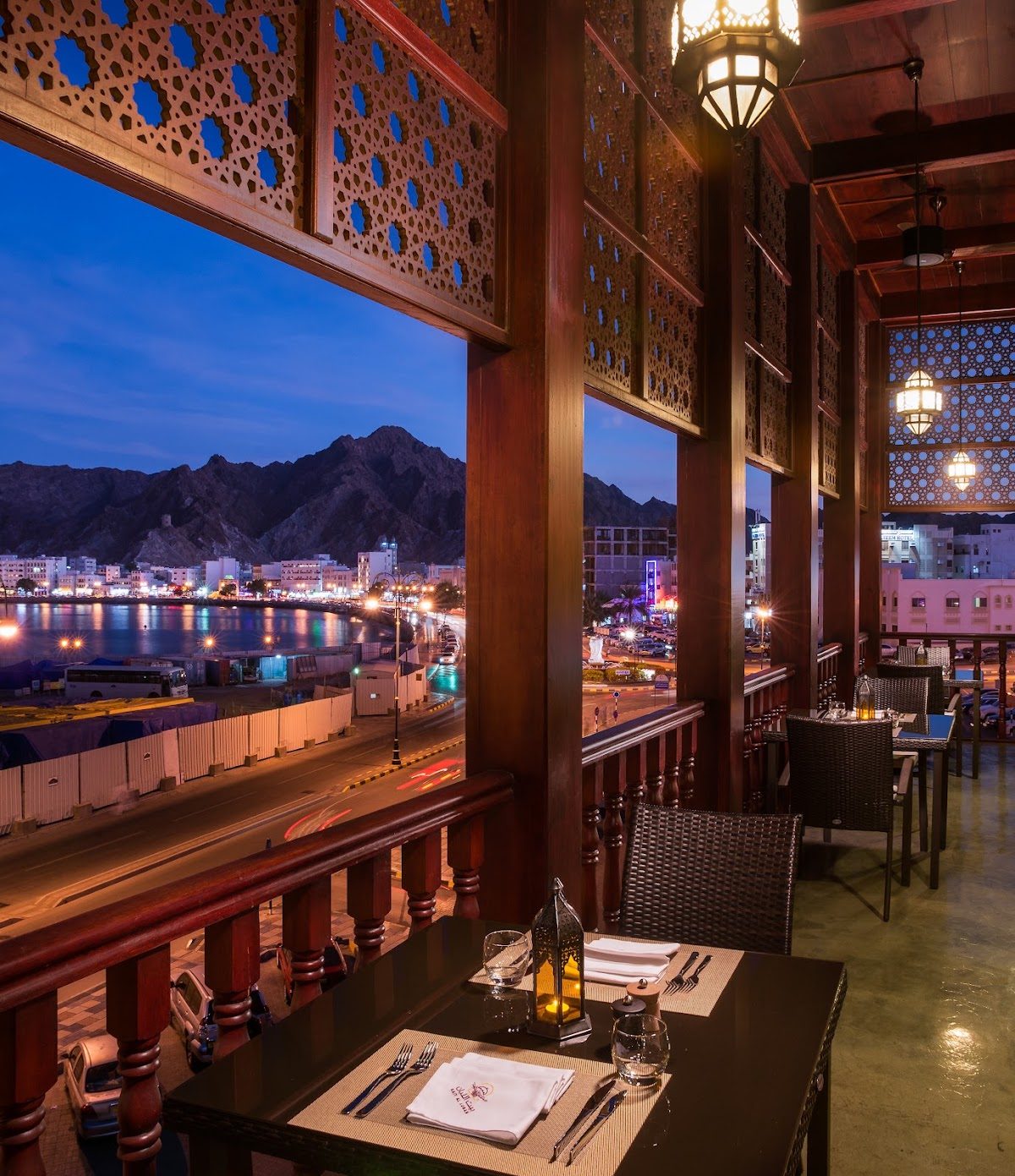
Sample classic dishes like Shuwa (slow-cooked marinated lamb) or Machboos (spiced rice with meat). This is your chance to experience the true flavours of Oman, far from airport food. My first time trying Shuwa here, the meat practically melted off the bone.
Concluding your layover with a local meal offers a satisfying and memorable taste of Muscat’s renowned hospitality.
Final word
Muscat offers a surprisingly rich and calm layover experience, allowing you to genuinely connect with Oman’s unique culture and heritage. It is a city that rewards those who step beyond the airport, promising a tranquil yet informative glimpse into the heart of the Sultanate.
Practical information verified at time of writing; confirm hours and prices before you go.