
Seoul is a city of constant, quiet reinvention. While many guides point you towards the flash and future, South Korea’s capital still thrives with layers of history and local life, particularly in its traditional markets and evolving art districts. Recent searches for areas like Mangwon-dong and Mullae-dong show a growing interest in experiences beyond the usual tourist circuit, and for good reason.
This guide is for those with a 12-hour layover in Seoul who want to experience the city’s authentic pulse. You want to leave the airport, explore real neighbourhoods, and taste genuine flavours, not just scratch the surface.
Seoul is a captivating metropolis where ancient dynasties blend seamlessly with cutting-edge innovation. It is a city that constantly reinvents itself, from its historic palaces to the vibrant pop culture and serene hanok villages that stand firm amidst modern skyscrapers.
A personal note on Seoul layovers
Across years of flying into Incheon (ICN), I have seen Seoul shift. It is a city that rewards those who look beyond the main thoroughfares. My most memorable layovers were never about checking off the grand palaces, but about the quiet mornings at a local tteokbokki stand or getting lost in the rhythm of a market. The transit system is remarkably efficient, allowing you to dive deep into a neighbourhood and then surface again to catch your connecting flight, often feeling like you have stepped into a different city entirely.
Before you leave the airport
Storing your luggage
Zimzero Luggage Storage is your best bet right inside Incheon International Airport.
- Location: Terminal 1 (1F Arrival Hall), Terminal 2 (1F Arrival Hall)
- Price: Carry-on: ₩10,000/day, Checked: ₩15,000/day, Extra Large: ₩19,000/day
- Hours: Typically 06:00 – 22:00
- Tip: Prices are per bag per day. They offer secure storage with CCTV and insurance, so you can explore Seoul worry-free.
Do you need cash?
Yes, carrying some South Korean Won (KRW) is essential. While credit cards are widely accepted in major shops, smaller vendors, traditional markets, and especially street food stalls often prefer or only accept cash.
Crucially, you will need physical Korean Won banknotes to reload your T-money or tourist Climate Card for public transportation at subway kiosks, as international credit cards are often rejected. Aim to carry ₩20,000 to ₩50,000 in smaller denominations. Avoid airport currency exchanges if possible, as their rates are usually unfavourable.
12 hours in Seoul: what to do
1. Immerse yourself in the flavours of Gwangjang Market
Gwangjang Market is one of South Korea’s oldest and largest traditional markets, offering a full sensory experience. It is a vibrant hub for authentic Korean street food, textiles, and handicrafts, famously featured on Netflix’s Street Food: Asia.
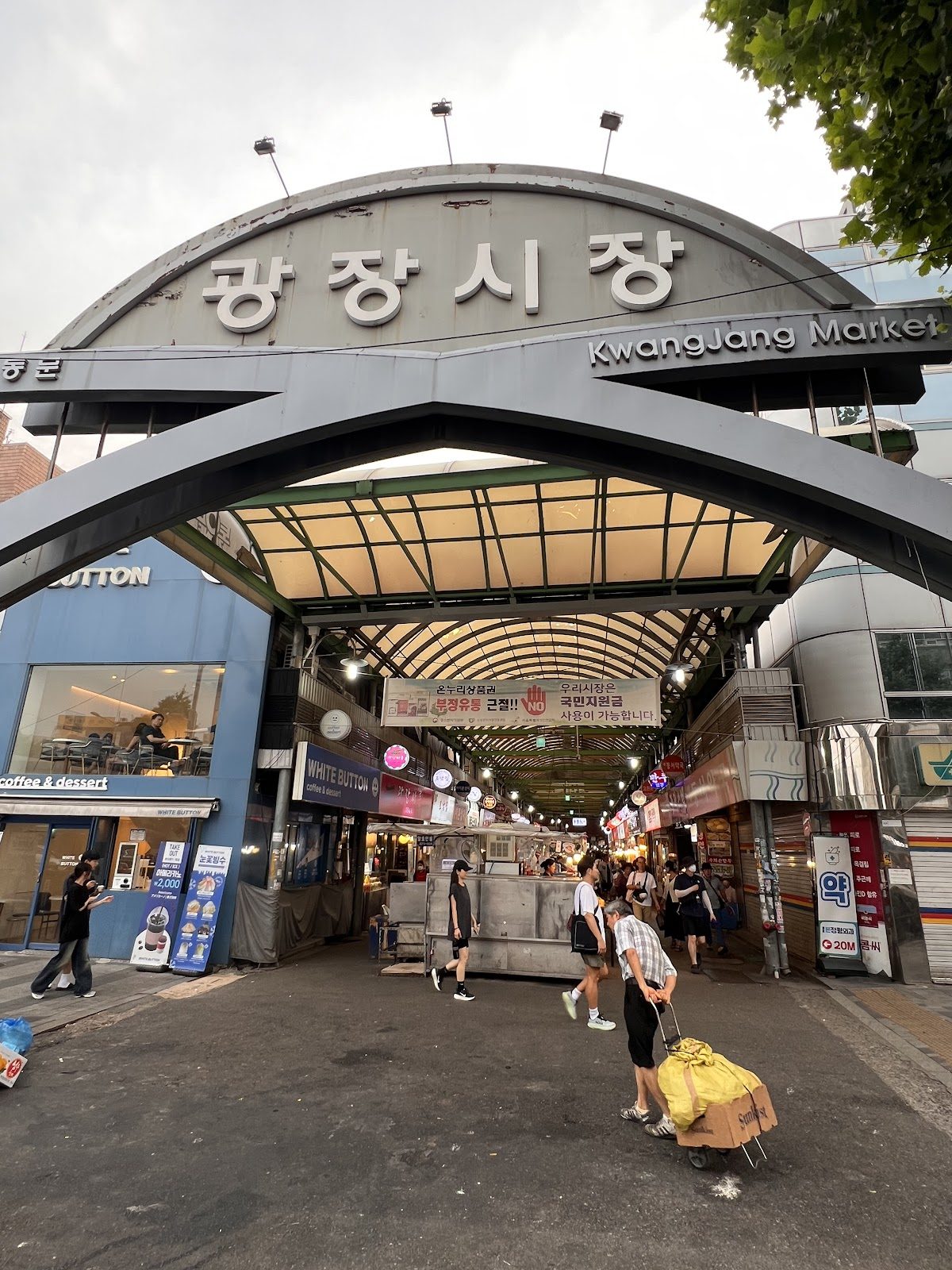
Head straight to the central food stalls for the freshest bindaetteok (mung bean pancakes) and mayak gimbap. Do not hesitate to try different vendors and embrace the lively atmosphere. The market buzzes with locals and visitors sharing communal tables.
2. Wander through the revitalised Ikseon-dong Hanok Village
Ikseon-dong is a revitalised traditional hanok village that has transformed into a trendy hotspot. It seamlessly blends traditional Korean architecture with modern cafes, boutiques, and restaurants. Its narrow, maze-like alleyways offer a charming and highly photogenic experience, appealing to those seeking a unique blend of old and new.
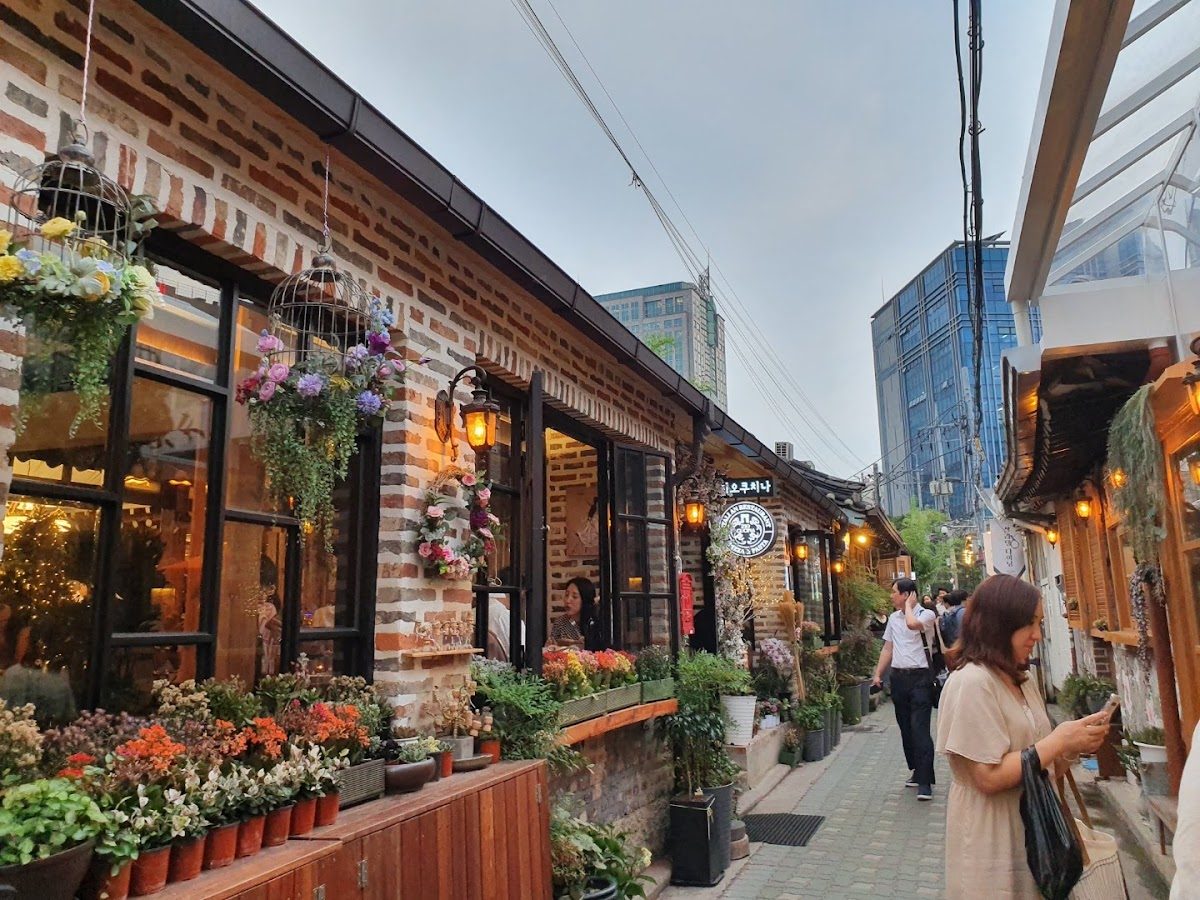
Explore the hidden cafes and unique shops tucked away in the winding alleys. Many establishments are housed in beautifully restored hanoks, offering a cozy and authentic atmosphere that feels worlds away from the city’s high-rises.
3. Discover traditional crafts at Seoul Folk Flea Market
The Seoul Folk Flea Market is a treasure trove of traditional Korean items, everyday goods, and souvenirs. It offers a glimpse into a simpler lifestyle. The Traditional Arts & Crafts Studio within the market provides a unique opportunity for both locals and international visitors to experience traditional Korean arts firsthand.
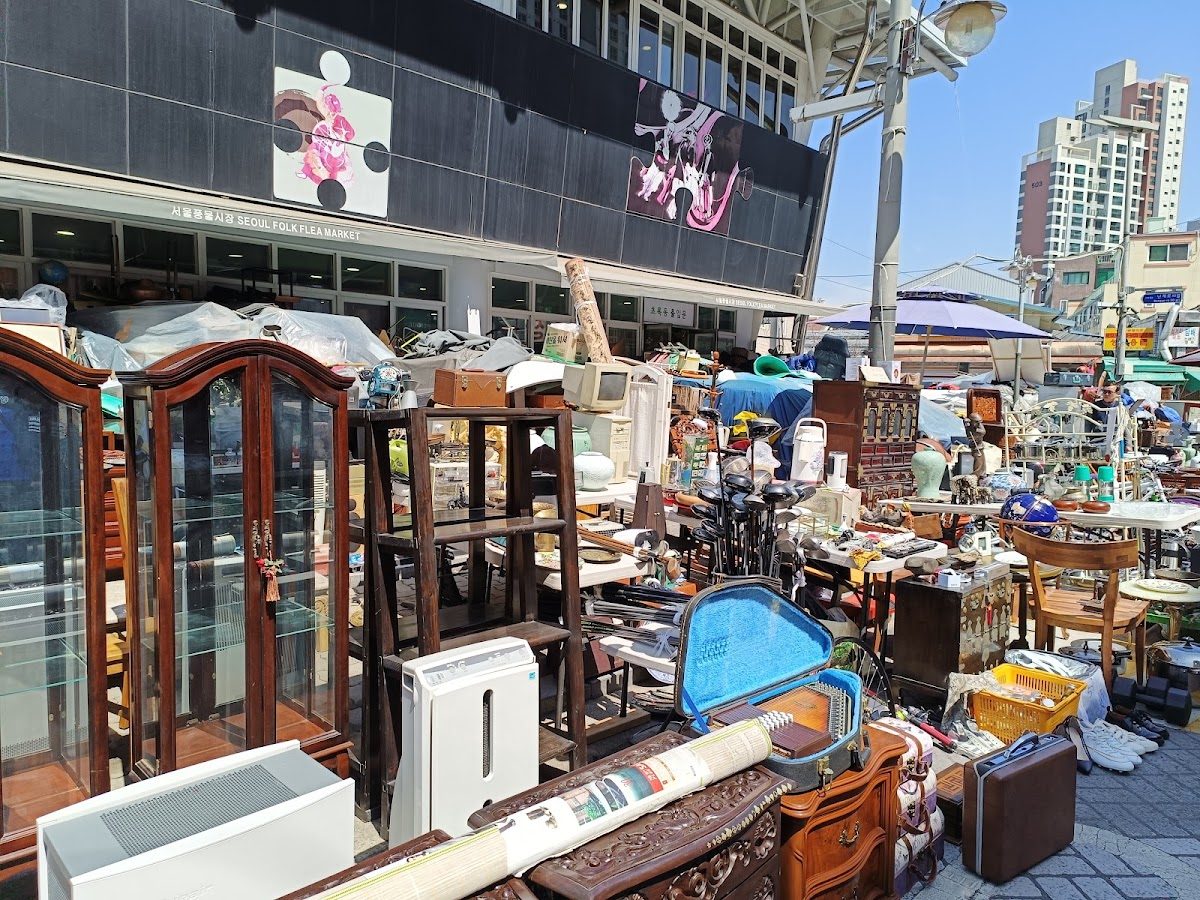
Beyond the crafts studio, explore the market’s seven zones, each dedicated to different goods. You will find everything from regional specialties and antiques to clothing and hanji (traditional handmade Korean paper). I once found a collection of old Korean postage stamps here, a small piece of history.
4. Explore Mullae-dong Art Village’s industrial charm
Mullae-dong is a truly off-the-beaten-path destination. It is a working industrial district where old metalwork factories now coexist with independent art studios, craft beer pubs, and unique bakeries. The striking contrast between heavy machinery and delicate art creates a distinctive, raw, and authentic atmosphere, perfect for the culturally curious.
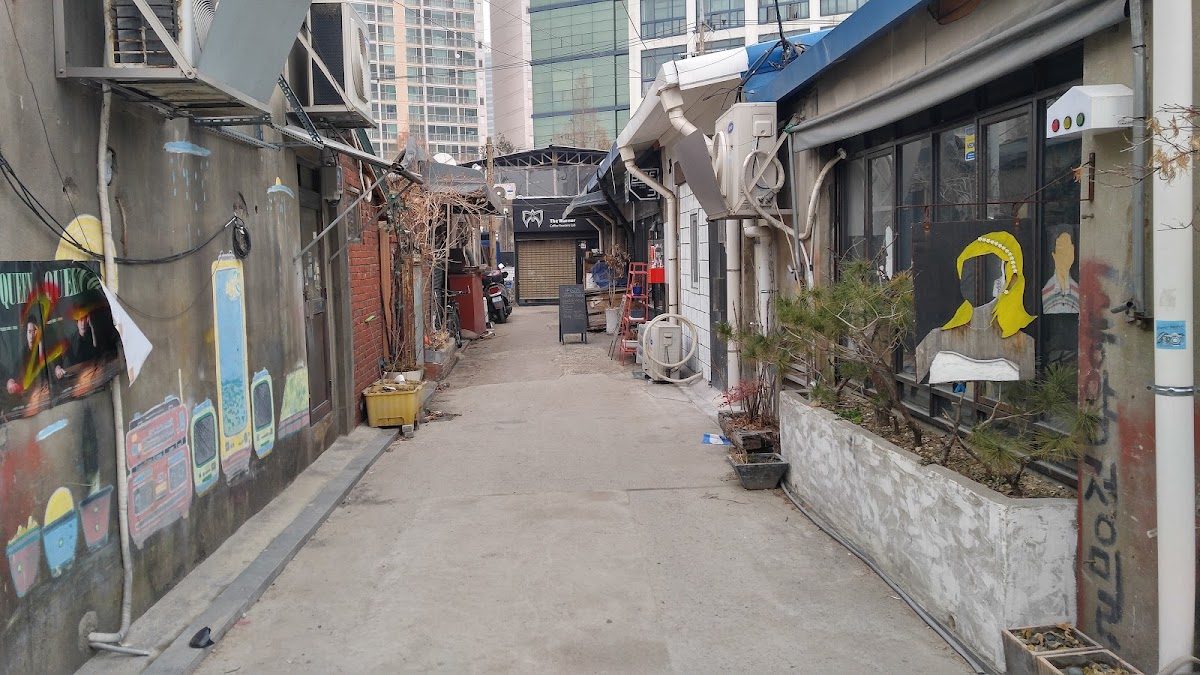
Wander through the alleys to discover vibrant street art and murals hidden among the industrial buildings. Visit Ip-heojeon bakery for a local treat and explore the craft beer pubs that come alive in the afternoon. This neighbourhood captures a unique side of Seoul that few visitors see.
Final word
A 12-hour layover in Seoul is enough time to truly step out of the airport and experience a different side of the city. You will find that beyond the efficient transit and modern facade, Seoul offers genuine cultural immersion and culinary discoveries for those willing to look a little deeper.
All information verified at time of writing. Please confirm opening hours and prices before your visit.