
A 12-hour layover in Casablanca is not just a transit stop; it is an invitation to experience Morocco’s economic heartbeat. Many travellers only see the airport, but step out, and you find a city deeply rooted in tradition while embracing a modern skyline that is increasingly drawing attention. This guide shows you how to navigate its unique blend of Art Deco grandeur and authentic culinary experiences, especially in areas like Derb Sultan, which are now trending for typical Moroccan dishes.
This guide is for anyone with a 12-hour layover in Casablanca who wants to go beyond the airport lounge. You will not just see the city; you will experience its street life, its markets, and its unique blend of French colonial charm and Moroccan tradition. It is a chance to leave the airport and taste a different side of Morocco.
Casablanca, Morocco’s largest city, often surprises with its dynamism. It is a city of contrasts, where the majestic Hassan II Mosque stands against the Atlantic, and bustling souks coexist with elegant Art Deco boulevards. This is a city that moves at its own pace, reflecting a pragmatic yet soulful Moroccan identity.
A personal note on Casablanca
Over my years flying through Casablanca, I have seen it transform, yet its core remains. I remember the persistent hum of the petit taxis, the way the morning light catches the intricate details on the Hassan II Mosque, and the unexpected quiet inside the Habous Quarter before the midday rush. It is a city that gradually reveals its layers, from the organised chaos of the markets to the quieter moments over a glass of atay (mint tea). Many pass through CMN without a glance, but there is always a glimpse of something unique if you just step out.
Before you leave the airport
Storing your luggage
Casablanca Mohammed V International Airport (CMN) currently has no official luggage storage facilities. Plan to store your bags in the city.
Bounce offers secure storage at various locations, including near Casa Port Station and the Old Medina. Prices start from 43 MAD per day, with many locations offering 24/7 or extended hours. Bookings are made through their app or website, and include €10,000 bag protection.
Nannybag is another reliable option, with locations near major attractions and train stations. Prices start from 41 MAD per day, also booked via their app or website. Both services include coverage and free cancellation.
Do you need cash?
Yes, cash is essential for an authentic Casablanca experience. While larger hotels and upscale restaurants accept cards, you will need Moroccan Dirhams (MAD) for street food, local souks, small cafes, and petit taxis.
ATMs are available at the airport and throughout the city. Always choose to be charged in MAD at ATMs to avoid poor exchange rates. Carry small denominations like 20, 50, or 100 MAD notes, as change can be hard to come by for larger bills.
12 hours in Casablanca: what to do
1. Stand in awe at the Hassan II Mosque
This iconic mosque commands attention on the Atlantic coast, its minaret soaring into the sky as the tallest in the world. It is one of the rare mosques in Morocco that welcomes non-Muslim visitors, offering guided tours to explore its vast prayer hall and intricate Moroccan artistry. The sheer scale and detail inside, from the carved wood ceilings to the elaborate mosaic work, are truly remarkable.
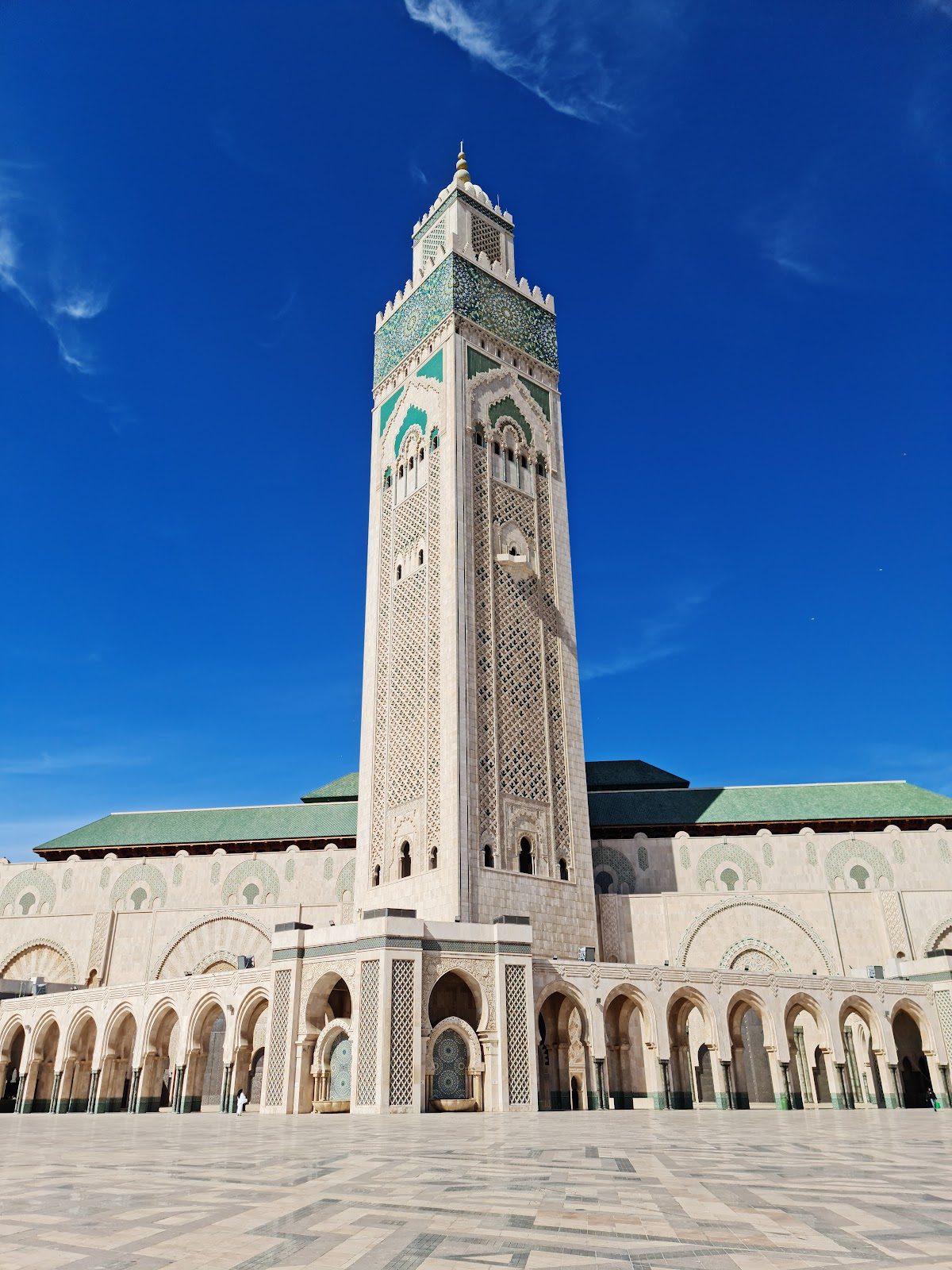
The guided tours are the only way for non-Muslims to enter, providing context to the architecture and religious significance. You will see artisans still at work on repairs and learn about the unique retractable roof, designed to open to the sky on clear days. This visit is a profound cultural experience that grounds you in the spiritual heart of the city.
2. Wander through the organised charm of Quartier Habous (New Medina)
Built during the French protectorate, the Quartier Habous offers a cleaner, more structured take on the traditional Moroccan medina. Here, the lanes are wider, the shops are often within arcaded passages, and the overall atmosphere is calmer than the older city sections. It is an ideal spot for high-quality Moroccan crafts without the intense pressure of other markets.
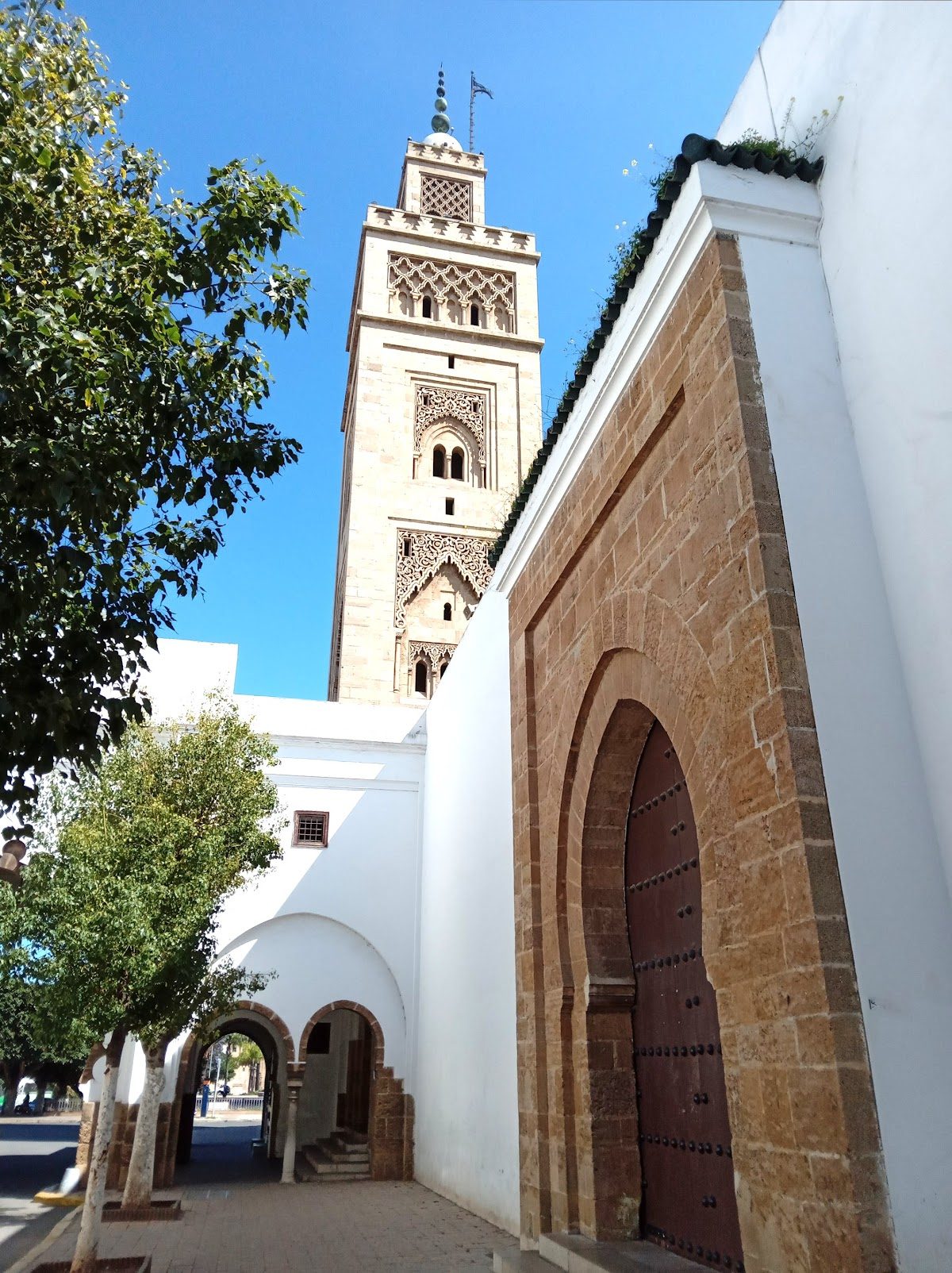
You can find exquisite leather goods, traditional babouches (slippers), unique jewellery, and beautifully woven carpets. Look out for the small, quiet bookstores and traditional bakeries, especially Patisserie Bennis Habous for authentic Moroccan sweets. The blend of French and Moroccan architectural styles is subtle but noticeable in the details.
3. Dive into local flavours with a culinary exploration in Derb Sultan
For a truly authentic food experience, head to Derb Sultan, one of Casablanca’s oldest and most traditional neighbourhoods. This area is a local’s paradise for fresh produce and unique culinary finds, including the famous Camel Souk. It is a bustling, no-frills district that embodies the growing interest in typical Moroccan dishes and local food culture.
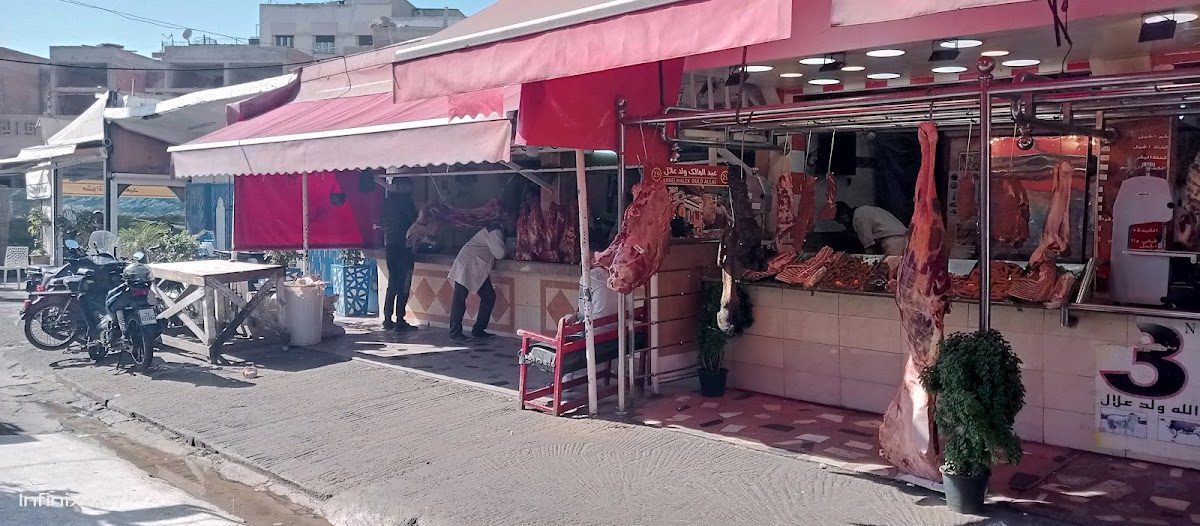
Here, you can try local comfort foods like Rfissa (lentils, chicken, and shredded msemen) or freshly fried Sfenj (Moroccan doughnuts) from street vendors. If you are adventurous, the Camel Souk offers freshly prepared camel meat, which you can buy from a butcher and have grilled at a nearby cafe. Last time I was here, the tea served alongside it was impossibly strong, just the way I like it.
4. Experience daily life at Marché Central (Central Market)
The Marché Central in downtown Casablanca is a sensory explosion, showcasing the city’s daily rhythm. Stalls overflow with everything from fresh fish and seafood to vibrant spices, seasonal produce, and colourful flowers. It is less about tourist shopping and more about observing where locals get their daily provisions.
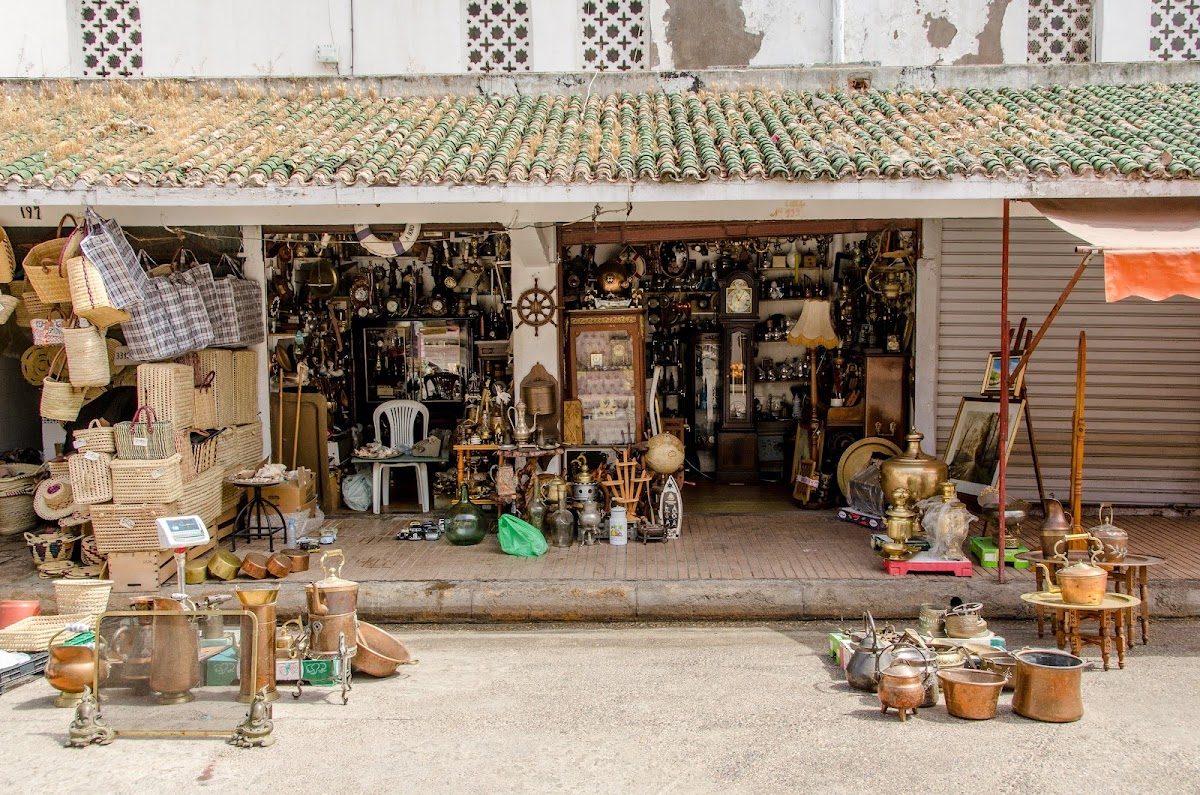
This is a great place to sample street food like Sfenj or have freshly chosen seafood cooked on the spot at one of the small surrounding restaurants. The market offers a genuine glimpse into local life and the country’s diverse culinary ingredients.
5. Support local artisans at Marché Solidaire de l’Oasis
This market stands out for its focus on ethical trade, ensuring that your purchases directly benefit the local makers and farmers. It is a calmer, more curated experience than the traditional souks, offering high-quality traditional Moroccan crafts. This market appeals to those interested in supporting local communities and finding authentic, responsibly sourced souvenirs.
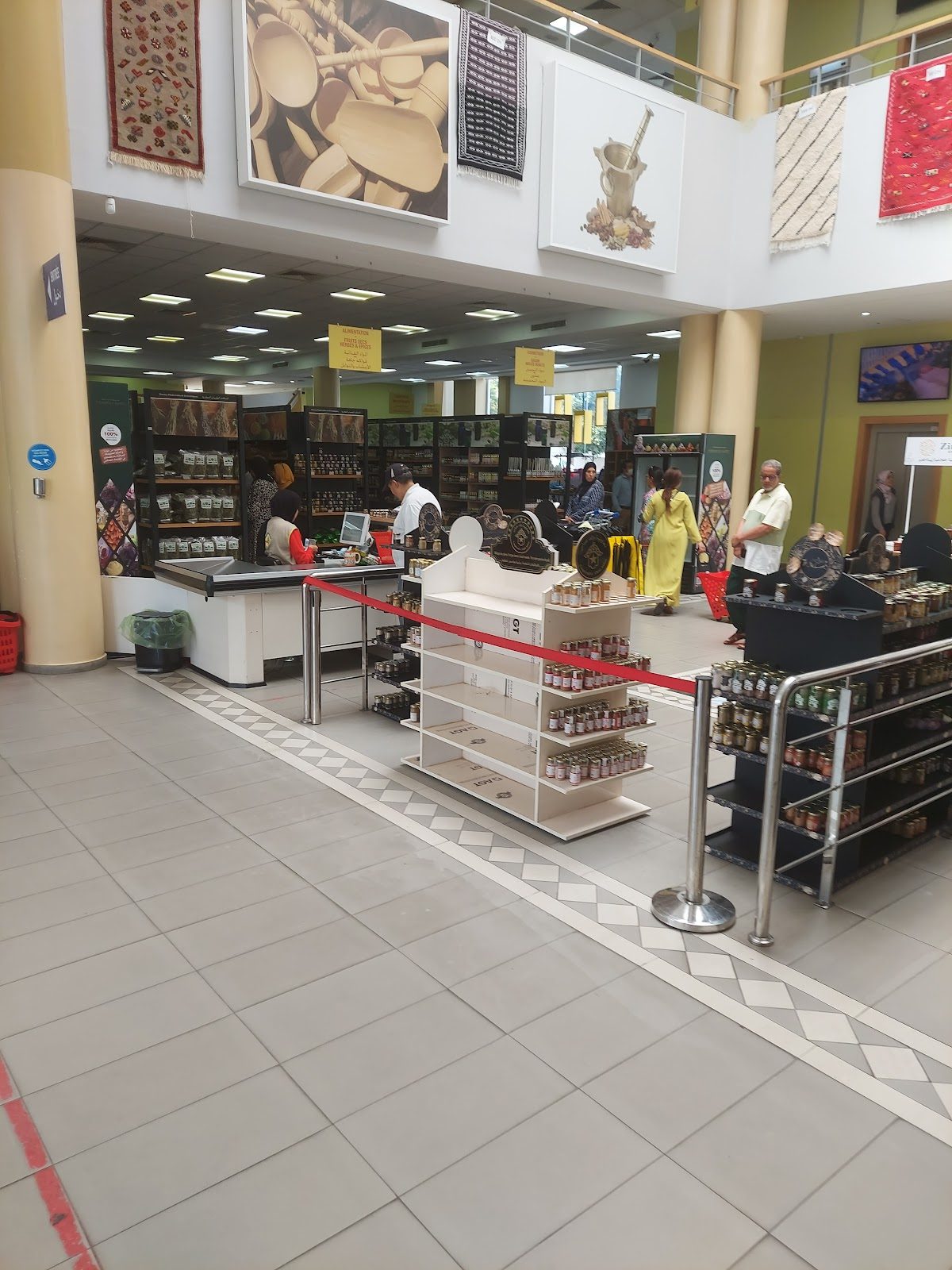
Here you will find beautiful Argan oil products, handmade pottery, unique woven items, and authentic rugs. The atmosphere encourages browsing and appreciation for the craftsmanship, without the intense haggling often found elsewhere. It is a fantastic place to find unique, meaningful gifts.
6. Stroll through Casablanca’s Art Deco heritage at Mohammed V Square
Casablanca’s unique architectural landscape, a legacy of the French colonial era, is best appreciated around Mohammed V Square. This administrative heart of the city showcases stunning examples of Art Deco buildings, including the majestic Palais de Justice and the historic Grande Poste. It is a testament to the city’s cosmopolitan spirit and its often-overlooked modern history.
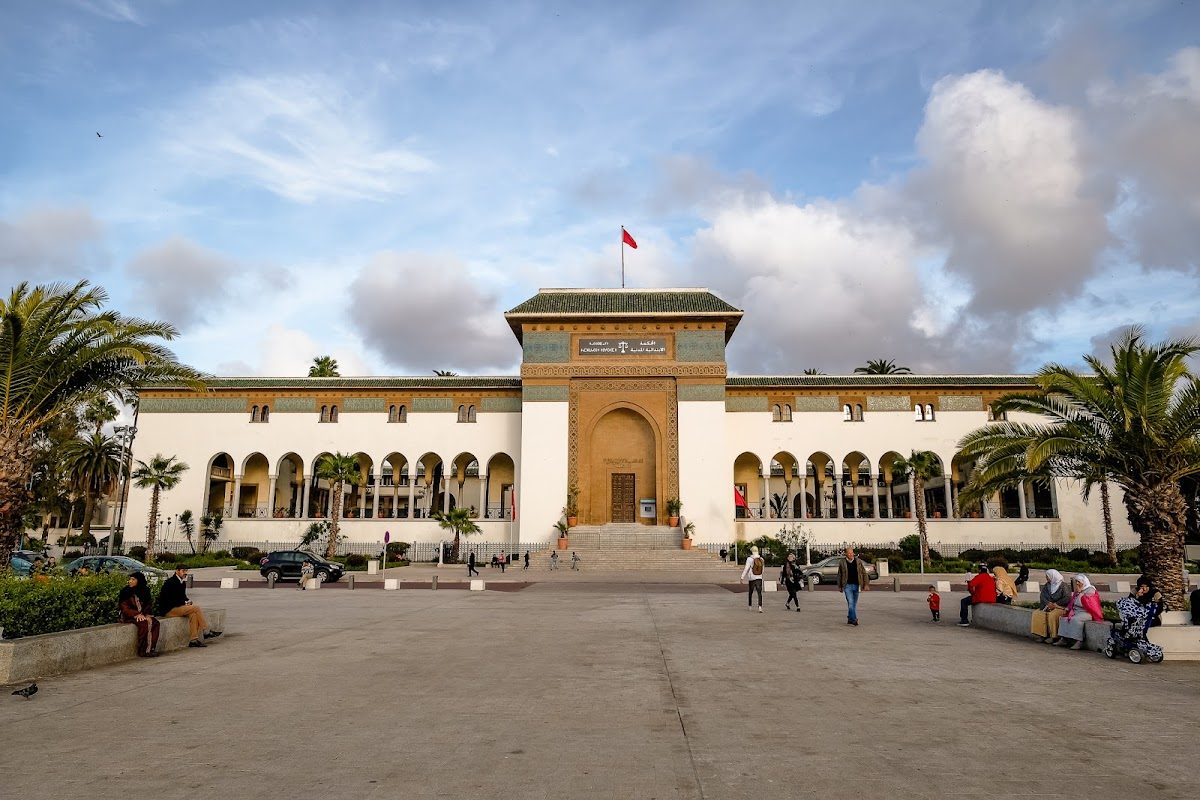
Take time to look up and appreciate the intricate details, geometric patterns, and the subtle blend of Moroccan and European architectural styles. The square itself, with its fountains and numerous pigeons, offers a pleasant spot for people-watching. It is a different kind of beauty than the ancient imperial cities, highlighting a unique facet of Morocco’s identity.
Final word
A 12-hour layover in Casablanca is a chance to move beyond transit and touch the vibrant pulse of Morocco’s largest city. It is not the ancient imperial cities, but a dynamic blend of heritage and modernity, offering unique culinary and cultural insights. Do not just pass through; step out and let Casablanca surprise you.
Please note: All information was verified at the time of writing. Always confirm opening hours, prices, and transit details before your visit.