
Brussels often gets labelled as just the capital of the European Union, but that misses the point entirely. With new cultural openings like Kanal – Centre Pompidou and a trending comic strip route, the city is evolving beyond its bureaucratic facade, revealing a layered character that is both historic and refreshingly modern. This is not just a city for diplomats; it is a place where street art meets centuries-old beer traditions.
This guide is for anyone with a 12-hour layover in Brussels who wants to experience the city’s genuine pulse, moving beyond the usual tourist circuit. You will discover a side of Belgium’s capital that most visitors, even those staying longer, often overlook. It is about understanding the city, not just seeing it.
Brussels blends grand architecture with unexpected, quirky details. From the intricate guildhalls of the Grand Place to the quiet charm of the Marolles district, the city is a study in contrasts, always revealing something new if you look closely. It feels like a small town that happens to host major international institutions.
A personal note: I have passed through Brussels countless times over the years as cabin crew. Each visit, the city reveals another layer. It is a place that feels different at 6 AM, with bakeries just opening, compared to the afternoon crowds around the Grand Place. I have always appreciated how quickly you can leave the official districts behind and find yourself in a neighbourhood like Saint-Gilles or the Marolles, where local life unfolds unhurriedly. It is in these moments, walking past quiet antique shops or trying a local gueuze, that Brussels truly shows its character.
Before you leave the airport
Storing your luggage
For 12 hours, you will want to be free of your bags. Brussels Airport (BRU) offers secure options right in the terminal.
The Brussels Airport Lockers are located in the Arrival Hall exit, near the bus stops. Prices range from €10 to €16 per 24 hours depending on size, with hourly rates for extensions. For oversized items like bikes, a staff member can store them for €12 per 24 hours for up to three items.
Alternatively, consider Nannybag or Bounce for more flexibility. Nannybag has multiple locations near the airport, train stations, and city attractions, with prices starting from €2.50 per day. Bounce offers over 57 locations, including Brussels Midi and Brussels Central Station, from €1.95 per day. Both services offer bag protection and 24/7 support, typically requiring online booking.
Do you need cash?
While card payments are common in Brussels, it is wise to carry some Euros. Cash is useful for smaller purchases, market vendors at places like the Marolles Flea Market, street food (like waffles or frites), and in some smaller independent shops.
You can withdraw cash from ATMs like CASH Point or Bancontact, KBC, Argenta, Belfius, Beobank, and ING. Always choose to be charged in EUR to avoid poor conversion rates. Skip the airport currency exchange bureaus as their rates are rarely favourable.
12 hours in Brussels: what to do
1. Explore Brussels’ new cultural hub at Kanal – Centre Pompidou
Step inside the massive former Citroën garage, now home to the highly anticipated Kanal – Centre Pompidou, a significant new cultural institution for the city. This space blends raw industrial architecture with cutting-edge modern and contemporary art, reflecting Brussels’ growing artistic ambition. It is a bold statement, and a breakout destination for those seeking something new.
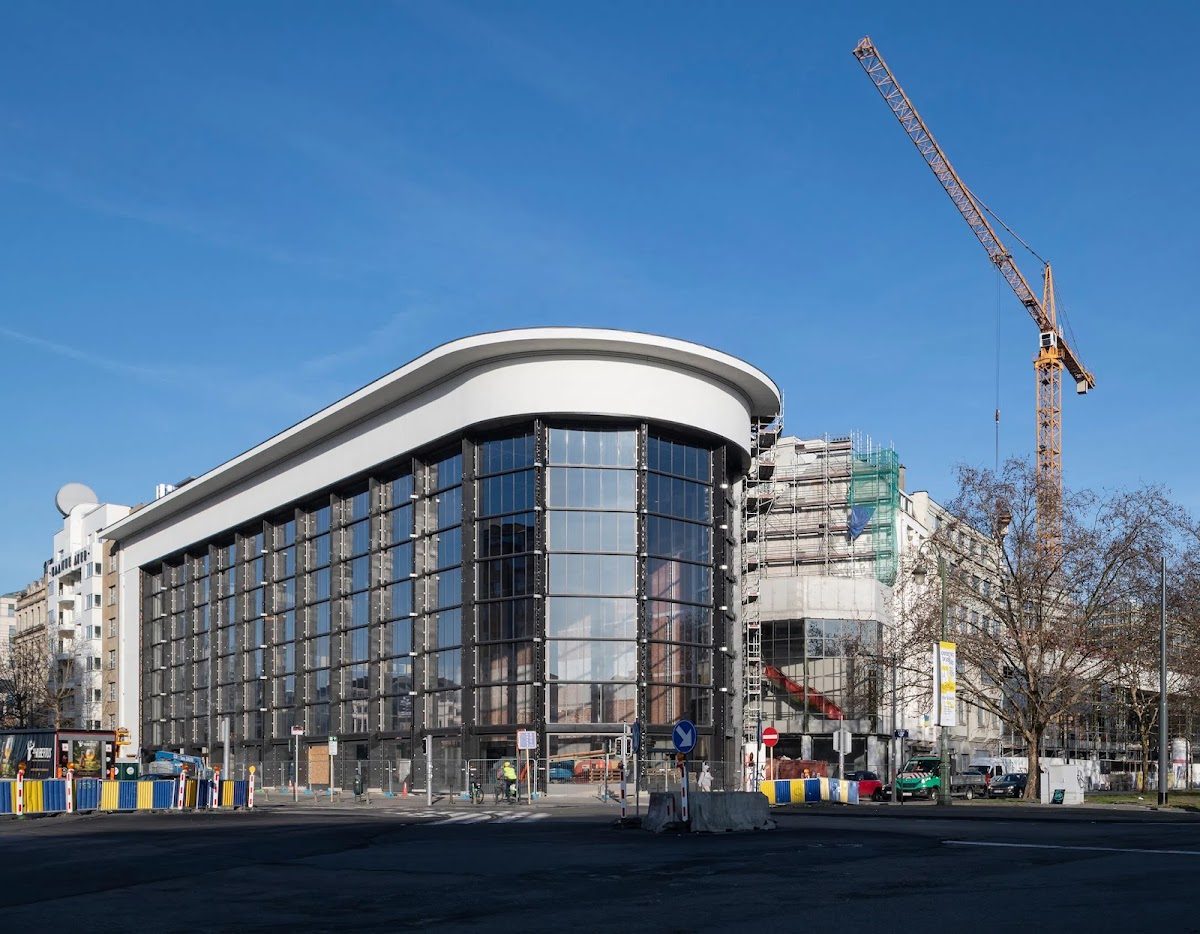
Spend time exploring the vast exhibition halls and the building’s unique structure itself. The scale is impressive, and the programming often features local Belgian artists alongside international names, giving a true sense of the city’s creative scene. The sheer size of the space allows for immersive installations that few other galleries can accommodate.
2. Hunt for street art on the Brussels Comic Strip Route
Discover Brussels’ unique appreciation for the bande dessinée by following the Comic Strip Route, a series of vibrant murals scattered throughout the city. This trending experience showcases iconic Belgian characters like Tintin and the Smurfs, turning city streets into an open-air gallery. It is a playful way to see different neighbourhoods.
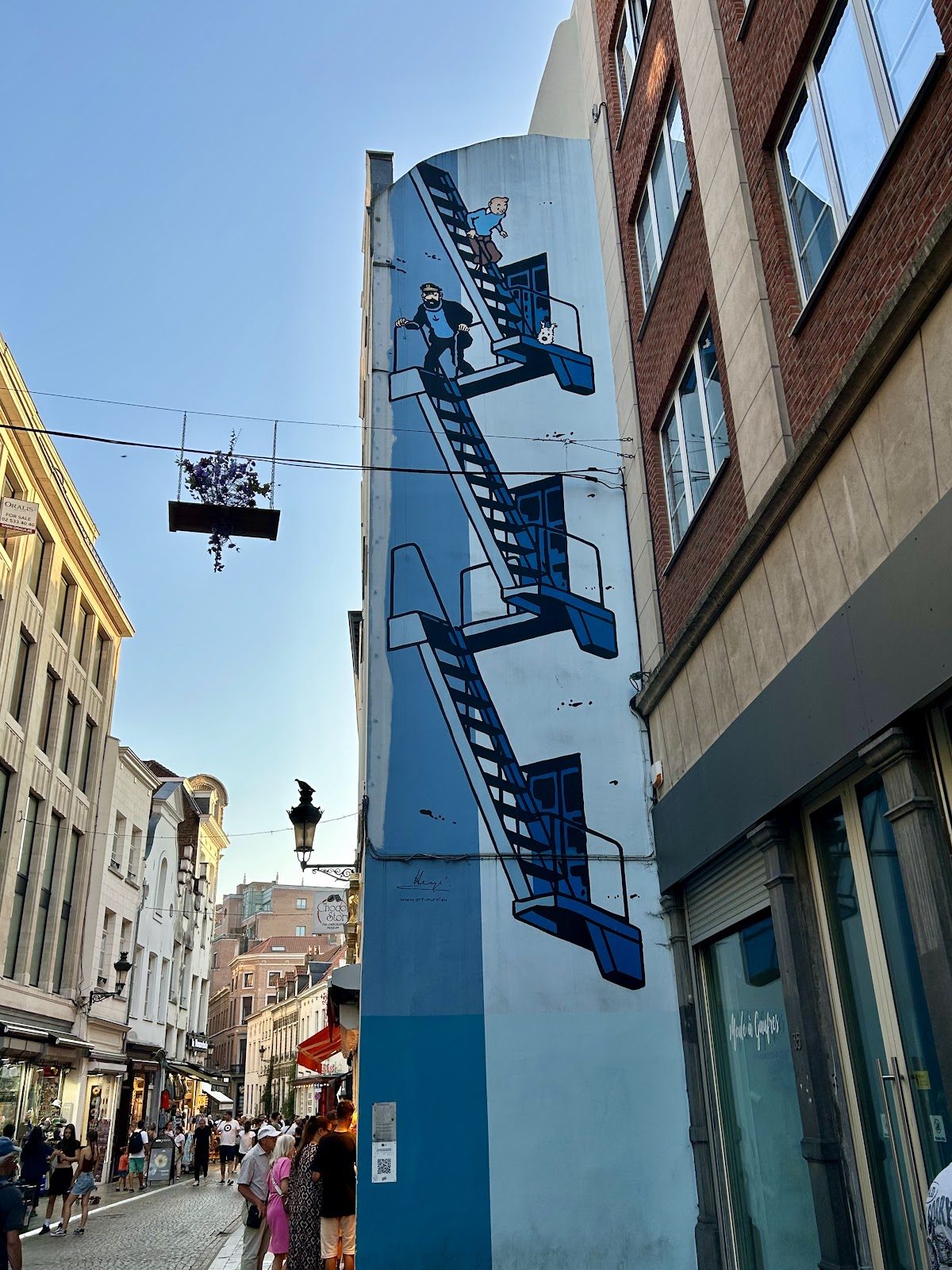
Start your exploration near the Belgian Comic Strip Center and venture outwards, using a map to find murals in unexpected corners. You will see detailed, large-scale artworks that bring the city’s rich graphic novel heritage to life. Keep an eye out for the Zinneke Pis statue, a small peeing dog, which is part of Brussels’ quirky ‘pis’ family of statues.
3. Step into Art Nouveau elegance at the Horta Museum
Immerse yourself in the opulent Art Nouveau world of Victor Horta, a pioneering Belgian architect, at his former home and studio. The Horta Museum, a UNESCO World Heritage site, is a masterclass in design, showcasing intricate ironwork, stained glass, and innovative use of natural light. It is a breakout destination for architecture enthusiasts.
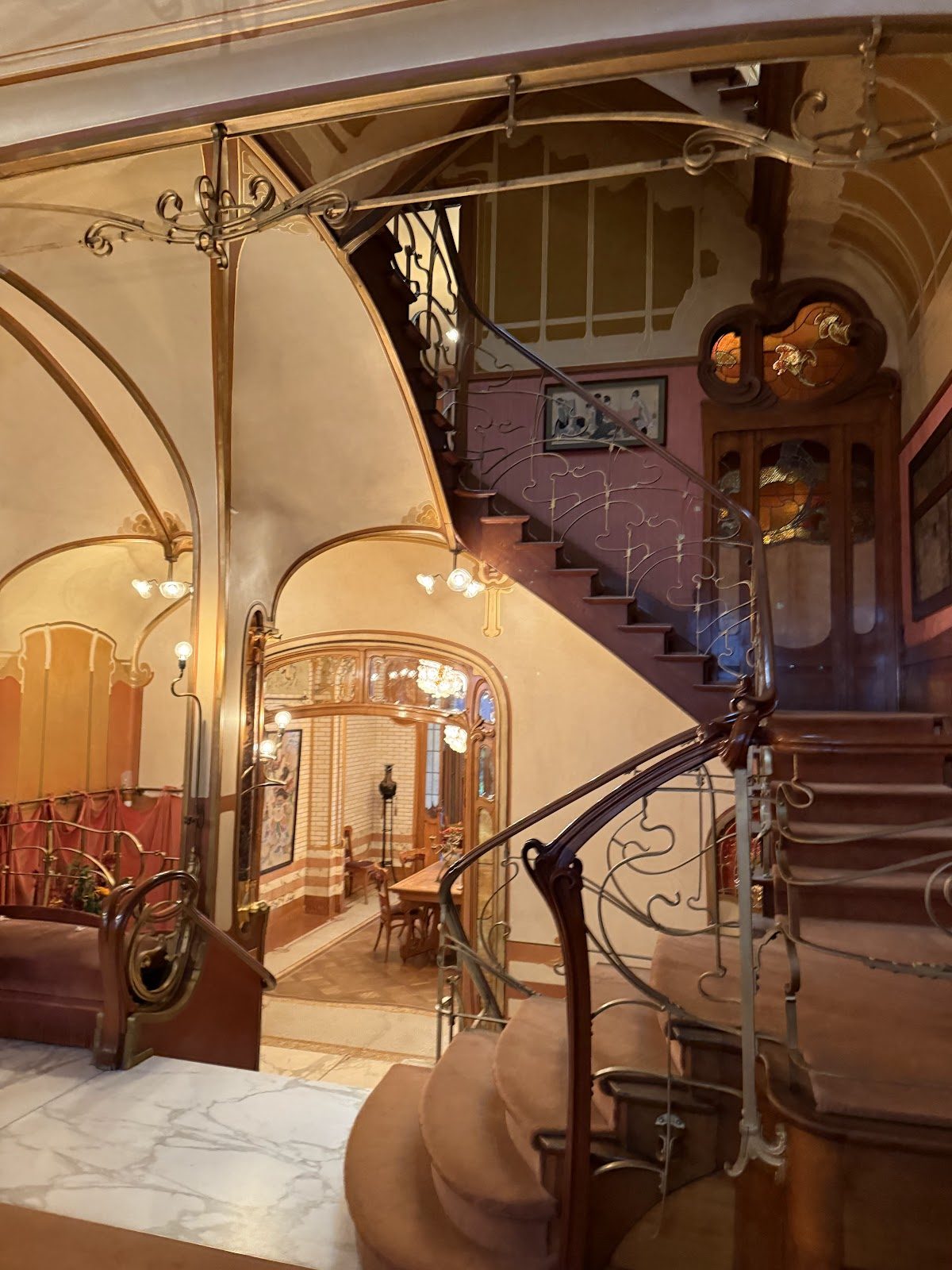
Take your time exploring the interconnected rooms, from the grand staircase to the delicate mosaics and custom-designed furniture. Every detail reflects Horta’s vision of a harmonious living space. I always notice the way the light shifts through the glass ceilings and windows, illuminating different textures throughout the day.
4. Witness traditional beer making at Cantillon Brewery
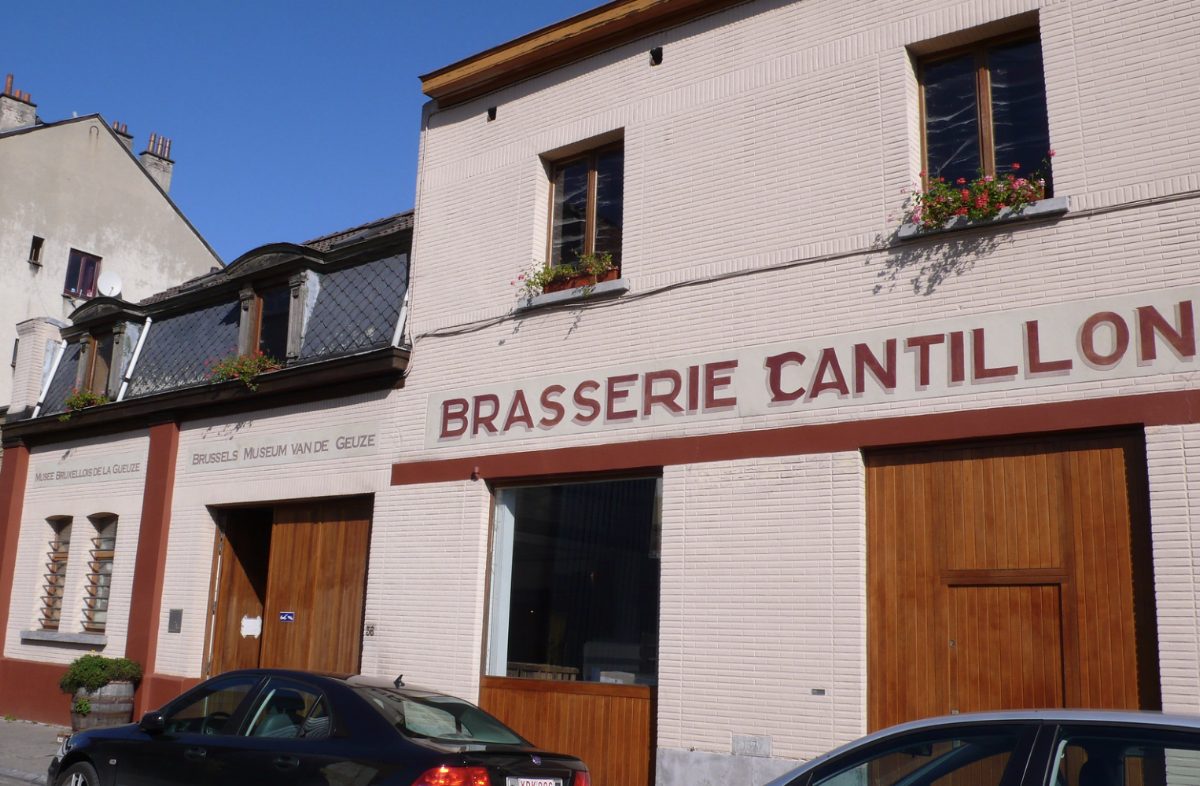
Visit the Cantillon Brewery (Musée bruxellois de la gueuze), a working museum where you can witness the traditional art of Lambic beer brewing. This authentic, family-run operation is one of the last places to produce Lambic, Gueuze, and Kriek beers using centuries-old techniques unique to the Brussels region. Expect a rustic, honest experience.
Walk through the various stages of the brewing process, from the open-air coolship where wild yeasts settle, to the massive wooden barrels where the beer ferments for years. Your entry includes a tasting of their distinctive, naturally sour beers. The smell of fermenting beer is an integral part of the experience.
5. Taste authentic Belgian comfort food at Fin de Siècle
Dine at Fin de Siècle, a beloved local institution near Place Sainte-Catherine, known for its authentic Belgian comfort food. This restaurant offers a no-fuss, genuinely local atmosphere with communal tables and a handwritten blackboard menu. It is where locals go for hearty, traditional meals.
Order classics like carbonnade flamande (beef stew in beer), stoemp (mashed potatoes with vegetables), or a generous portion of mussels. The food here is unpretentious and deeply satisfying, providing a real taste of regional cuisine. Pair your meal with a traditional Belgian ale like a Leffe or Tripel for the full experience.
6. Browse for treasures at the Marolles Flea Market
Immerse yourself in the vibrant atmosphere of the Marolles Flea Market at Place du Jeu de Balle. This daily market is a local favourite for hunting unique souvenirs, vintage finds, and antiques. It is a fantastic place to observe local life and discover hidden treasures away from the main tourist crowds, a true breakout destination for those seeking authentic markets.
Spend an hour or so rummaging through stalls filled with everything from old records and quirky trinkets to vintage clothing and furniture. The market is busiest in the mornings, offering a lively spectacle of negotiation and discovery. The surrounding Marolles neighbourhood is also worth exploring for its independent shops and cafes.
Final word
Brussels on a layover is far more than just a transit point or a bureaucratic capital. It is a city that rewards curiosity with authentic experiences, from groundbreaking art to timeless beer traditions and bustling local markets. Take the opportunity to step out of the airport and let this engaging city reveal its true, multifaceted character.
All information was verified at time of writing. Confirm hours and prices before you go.