
Panama City often gets reduced to its canal, but its true pulse lies in the contrasting rhythms of its historic heart and modern skyline. With growing interest in Casco Viejo’s gastronomy and authentic Panamanian coffee, there is more to explore than just transit gates. This city rewards those who step out of the airport and into its streets.
This guide is for the traveller with 12 hours in Panama City who wants to dive beyond the typical tourist spots. You will explore local markets, historic streets, and authentic flavours that show the city’s true character. This is about experiencing Panama, not just passing through it.
Panama City is where skyscrapers meet colonial alleys, framed by a tropical rainforest. It is a dynamic crossroads, a place of constant movement and rich layers of history and culture. You can feel the blend of old and new everywhere you turn.
A personal note
I have had more layovers in Panama City than I can count, often spending a few hours stretching my legs between flights. What struck me, time and again, was the palpable energy shift between the gleaming towers and the crumbling charm of Casco Viejo. The way the air fills with the smell of exhaust and then, just a short walk later, with the scent of fresh seafood from Mercado de Mariscos or strong coffee from a small fonda, always pulled me back. The city has a way of revealing itself in layers, from its quiet mornings to its lively evenings, a constant dance between history and modern life.
Before you leave the airport
Storing your luggage
For a 12-hour layover, you will want to be free of your bags. Qeepl Luggage Storage offers options around Tocumen Airport and within the city, starting from $3.59 per bag per day, with many locations open 24/7. Alternatively, LuggageHero provides hourly storage from $1.49 per hour or $5.90 per day, plus a $1.99 service fee per bag, at various verified shops. Book online for both services and check specific location hours and addresses.
Do you need cash?
Yes, you will need US Dollars in Panama City, especially small denominations. While major establishments in Casco Viejo accept cards, cash is essential for local experiences like buses, fondas, street food, and artisan markets. ATMs are available at banks like Banco General or MultiBank, but expect withdrawal fees of $5.16–$6.38. It is practical to withdraw a larger sum once and carry smaller bills to avoid change issues.
12 hours in Panama City: what to do
1. Wander through the historic streets of Casco Viejo
Begin your exploration in Casco Viejo, a UNESCO World Heritage site where colonial architecture lines cobblestone streets. This quarter is a living museum, blending old-world charm with the daily rhythm of local life. You will find vibrant plazas and historic churches around every corner.
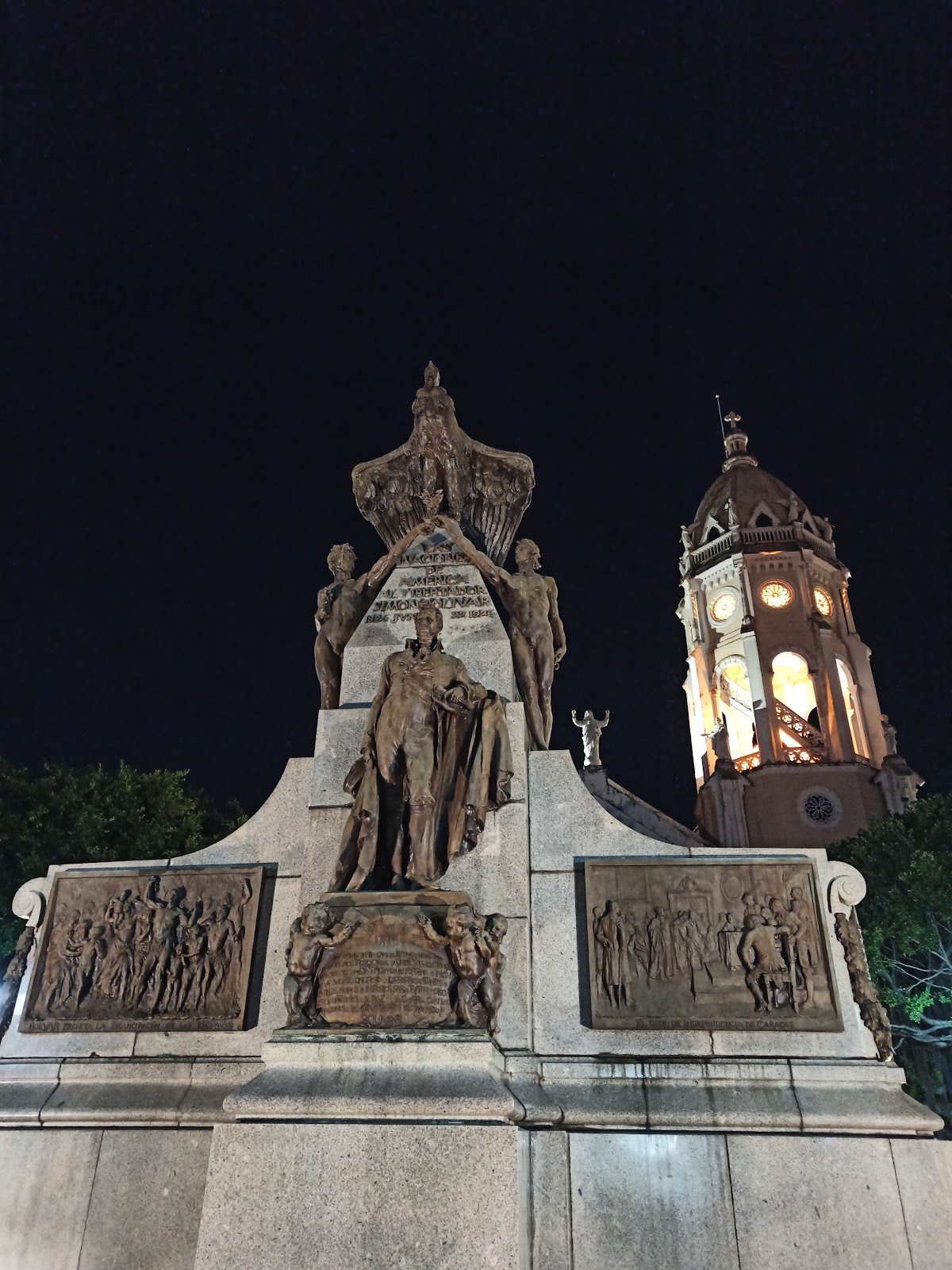
Spend time simply walking, noticing the details in the restored facades and the unexpected street art. Look for the quiet courtyards tucked behind main streets and soak in the atmosphere before the area gets too busy. This is where Panama City’s story feels most alive.
2. Savor fresh ceviche at Mercado de Mariscos
Just a short walk from Casco Viejo is the Mercado de Mariscos, Panama City’s bustling seafood market. Here, local fishermen bring in their daily catch, creating a lively scene of commerce and fresh produce. Head to the back where informal stands offer incredibly fresh and affordable seafood.
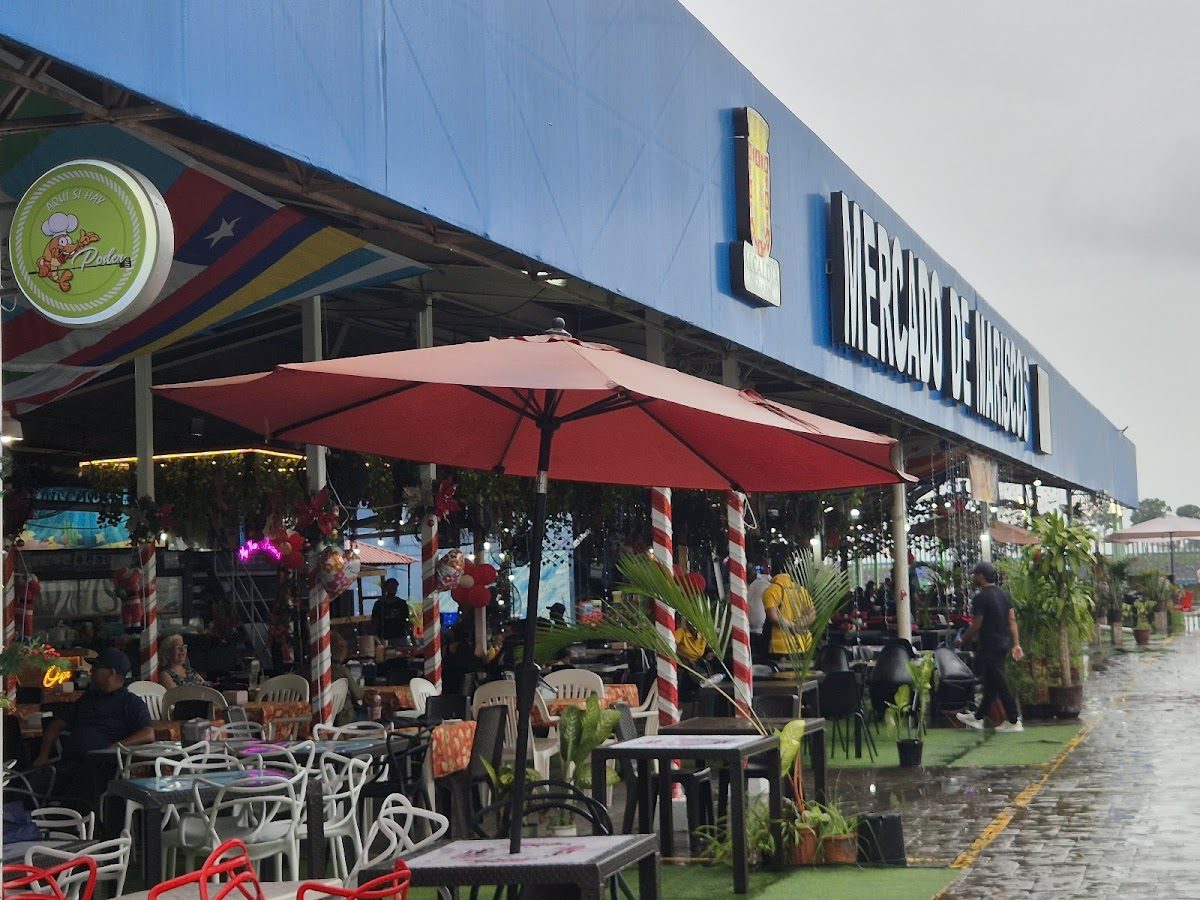
This is the place to try ceviche de corvina (sea bass), prepared fresh before your eyes. Pair it with crispy patacones (fried plantains) for an authentic local meal. It is a genuine taste of Panamanian street food culture, far from any tourist trap.
3. Taste Panama’s renowned Geisha coffee
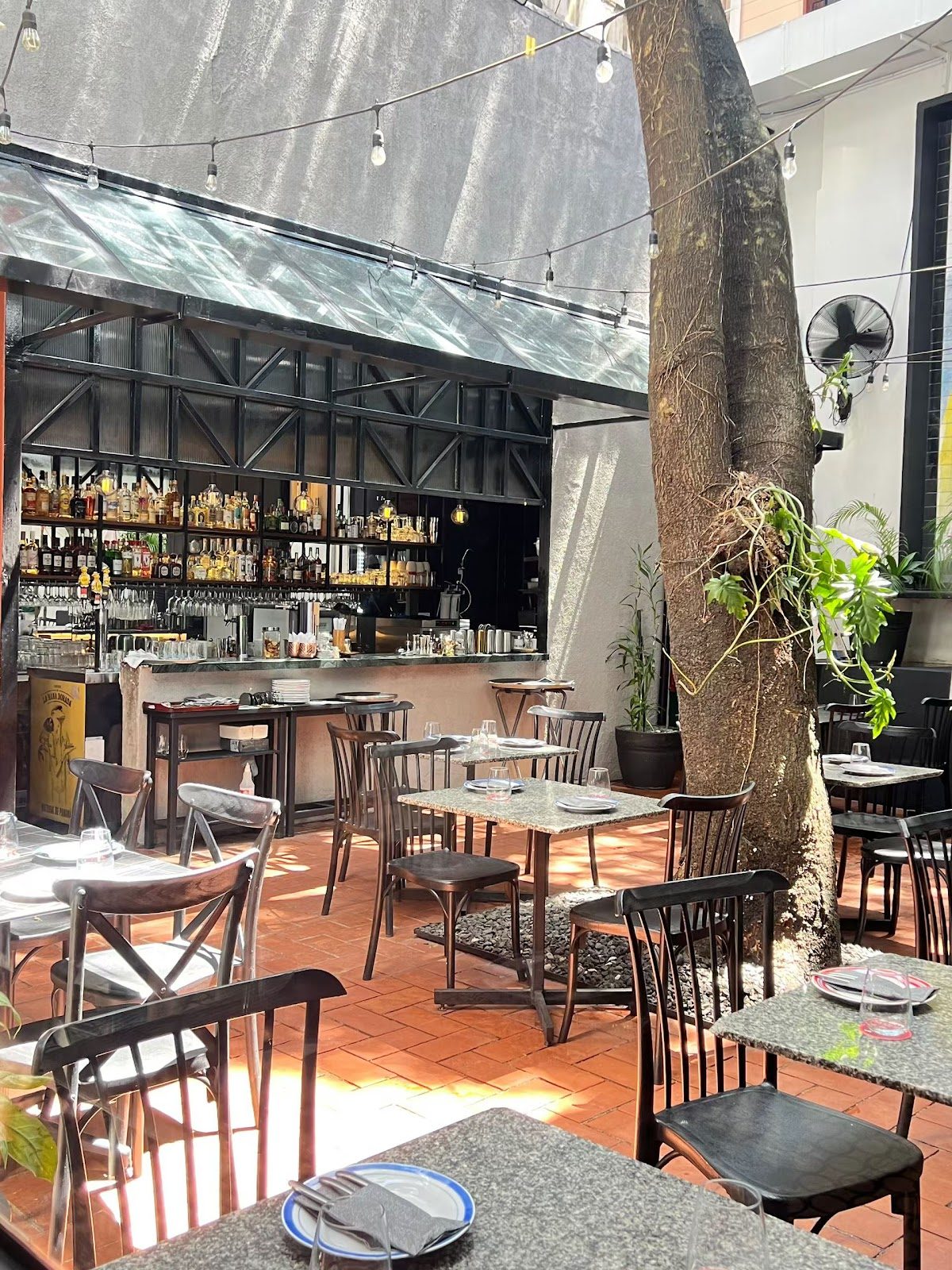
Aligning with the rising interest in refined gastronomic experiences, a Geisha coffee tasting is a must-do in Casco Viejo. Panama’s Geisha beans are world-renowned for their exceptional aroma and complex flavours. Several specialty coffee shops offer curated tasting experiences.
Seek out a place like Sisu Coffee Studio on Calle 10 for an authentic experience. Take your time to appreciate the subtle notes and the story behind this high-value, locally grown product. It’s a small luxury that connects you deeply to the country’s agricultural heritage.
4. Discover indigenous artistry at Museo de la Mola
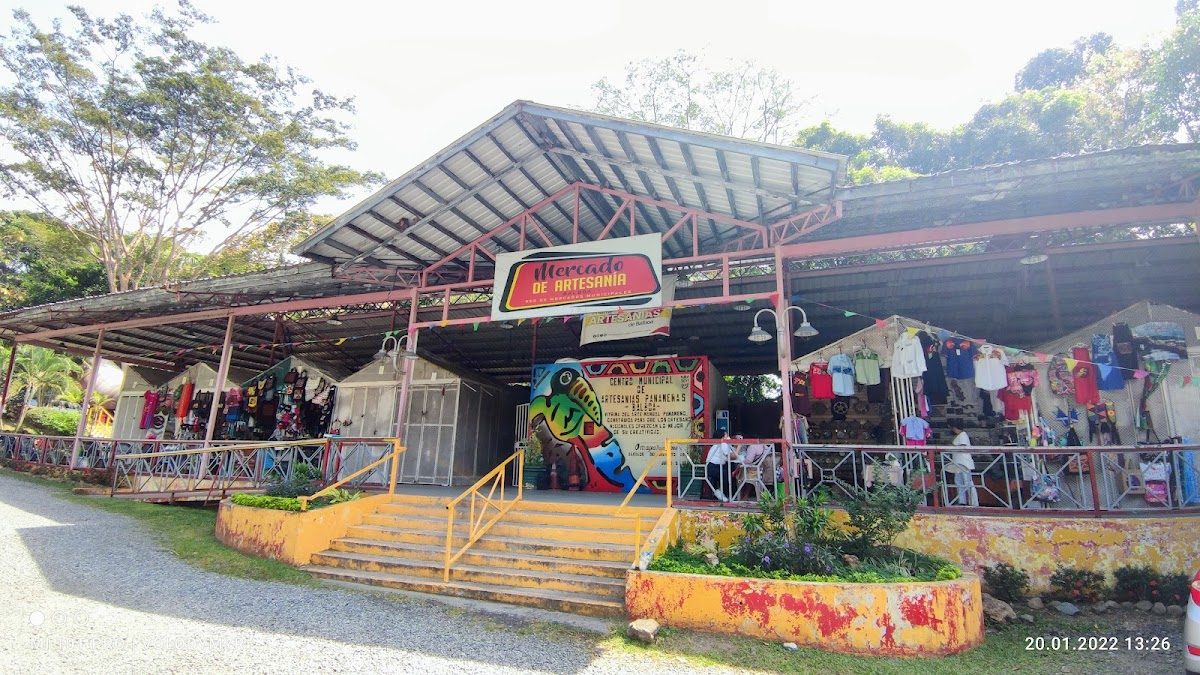
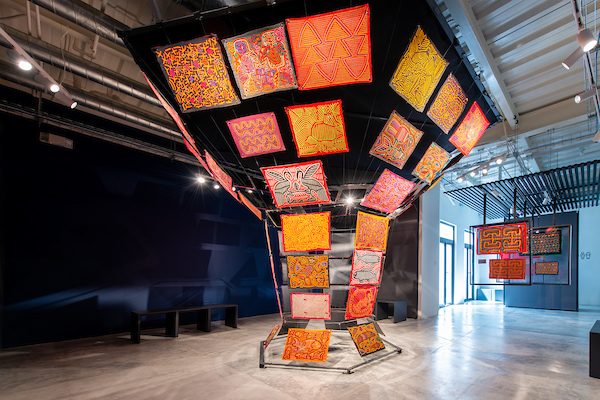
Dive into the vibrant textile art of the indigenous Guna people at the Museo de la Mola. This small but impactful museum offers a deep insight into the cultural significance and intricate craftsmanship of molas, a distinctive art form unique to Panama. It is a quiet escape within the busy district.
Each mola tells a story, often depicting Guna narratives, beliefs, and the natural world. Observing the detailed layers of fabric reveals the immense skill involved. It is a chance to connect with an enduring part of Panama’s indigenous heritage.
5. Explore the ruins of Panamá Viejo
Step back in time at Panamá Viejo, the archaeological site of the original Panama City, founded in 1519. This UNESCO World Heritage site offers a poignant glimpse into the city’s early history, featuring remnants of its cathedral, convents, and colonial buildings. The contrast with the modern skyline is striking.
Wander among the ruins, imagining the bustling city that once stood here before its destruction by pirate Henry Morgan in 1671. The site provides essential context for understanding the growth and resilience of Panama City. It’s a quiet reflection on history’s cycles.
Final word
Panama City, on a layover, offers more than just a glimpse of its famous canal. It presents a rich tapestry of history, flavour, and art, particularly in its vibrant Casco Viejo and bustling markets. Stepping out of the airport means discovering a city alive with its own distinct rhythm and enduring cultural depth.
Please note: All information regarding hours, prices, and transit was verified at the time of writing. Confirm details before your visit.