
Chengdu manages to be both a major Chinese hub and a city that moves at its own unhurried pace. Despite its size, a layover here offers a genuine chance to lean into that relaxed Sichuan rhythm, a refreshing contrast to the usual airport rush. For those tracking trending destinations like Eastern Suburbs Memory or the Tibetan district, Chengdu is proving that tradition and contemporary cool can thrive side-by-side.
This guide is for anyone with 12 hours in Chengdu, looking to step beyond the airport’s glass walls and experience a slice of authentic Sichuan culture — whether you are a first-timer or returning for another taste. It is about understanding the city’s unique slow life rather than just ticking off sights.
Chengdu, the capital of Sichuan province, is known for its famously spicy cuisine, vibrant tea culture, and surprisingly laid-back lifestyle. Beyond the iconic pandas, the city blends ancient traditions with modern artistic expression, inviting you to experience an authentic pace of Chinese urban life.
A personal note on Chengdu
Over my years flying, Chengdu was a frequent stop, and each time, it felt like a reset button. I remember the consistent hum of conversation in the teahouses, the fragrant steam from street-side mala tang stalls, and the way locals moved through their days with a deliberate slowness you rarely find in other major Chinese cities. Even with just a few hours, you could always find that pocket of calm or a new flavour to discover; the city always seemed to offer a quiet invitation to just be.
Before you leave the airport
Storing your luggage
If you are flying into Chengdu Tianfu International Airport (TFU), there are options at both terminals. For Terminal 1, find the luggage storage in the Departures Lounge, Check-in B. At Terminal 2, it is in the Departures Hall, Check-in G. Prices range from ¥18-40 per item for 24 hours, with smaller bags costing around ¥18-20 for a 7-12 hour period.
For those at Chengdu Shuangliu International Airport (CTU), head to Terminal 2, specifically behind Check-in Islands N and P. Prices for 7-12 hours are ¥13 for small bags, ¥20 for medium, and ¥30 for large.
Do you need cash?
Yes, absolutely. While China is largely a mobile payment society, carrying some Chinese Yuan (CNY) is highly recommended. Cash is useful for older vendors in traditional markets, small local snack stalls, and public restrooms.
You can exchange foreign currency at banks or use ATMs at the airport and in the city; Bank of China ATMs are generally reliable for foreign cards. Aim for smaller denominations like ¥10, ¥20, ¥50 as some vendors may not have change for large notes.
12 hours in Chengdu: what to do
1. Immerse yourself in Chengdu’s ‘slow life’ at People’s Park
Step into People’s Park (Renmin Park) and immediately feel the city’s famous laid-back pace. You will see locals practicing Tai Chi, playing mahjong, dancing, and singing, all under the shade of ancient trees. It is a living snapshot of daily Chengdu life.
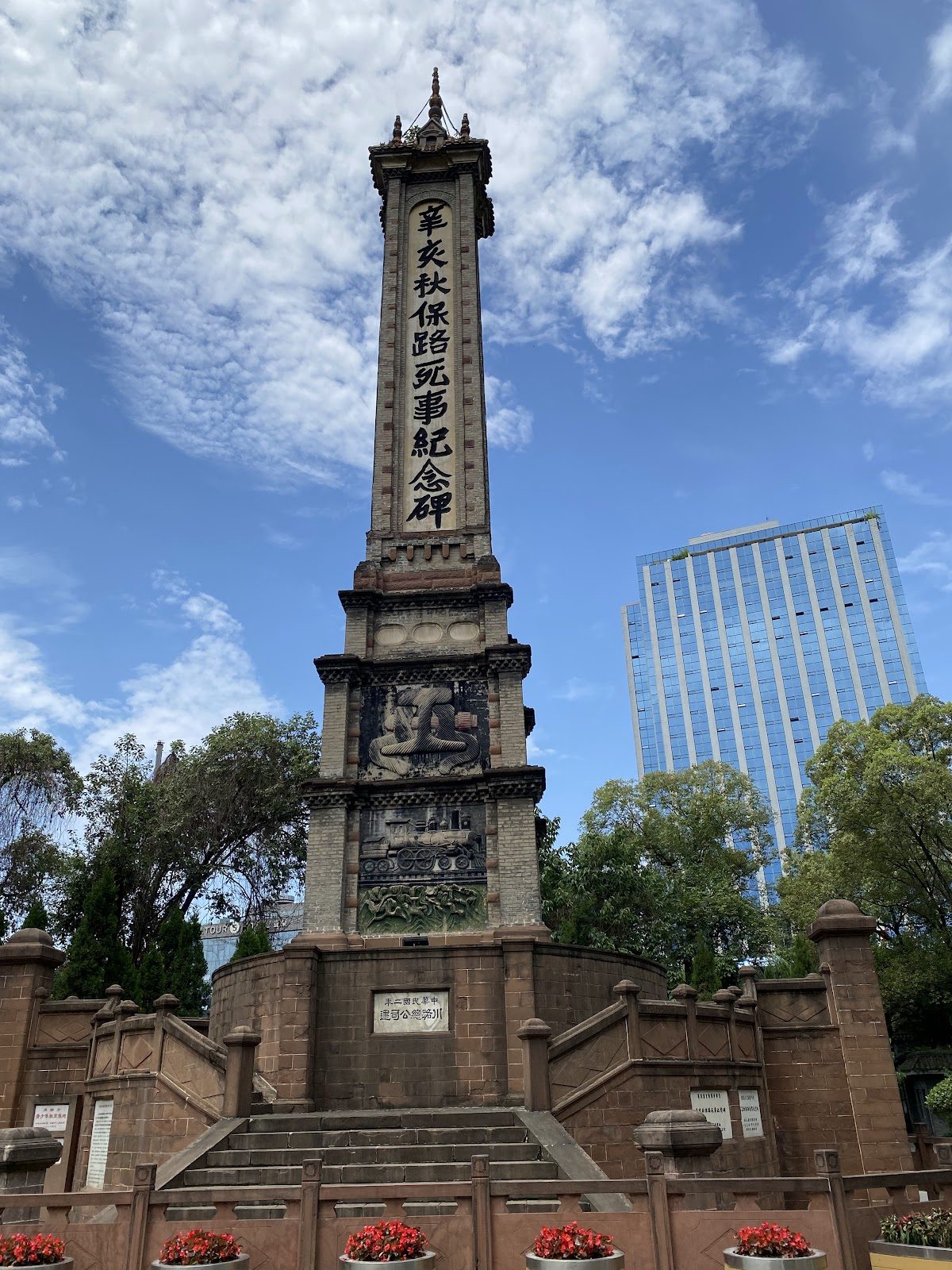
Settle into a traditional teahouse, order a cup of local tea, and simply observe. You can even try an ear-cleaning service, a unique local tradition that offers a moment of pure, quirky relaxation. I always found it fascinating how openly daily life unfolded here, no pretenses.
2. Find tranquility at Wenshu Monastery
Escape the urban buzz at Wenshu Monastery (Wenshu Yuan), an active Buddhist monastery offering a serene retreat. Wander through its beautiful halls, peaceful courtyards, and well-maintained gardens, feeling a distinct calm wash over you.
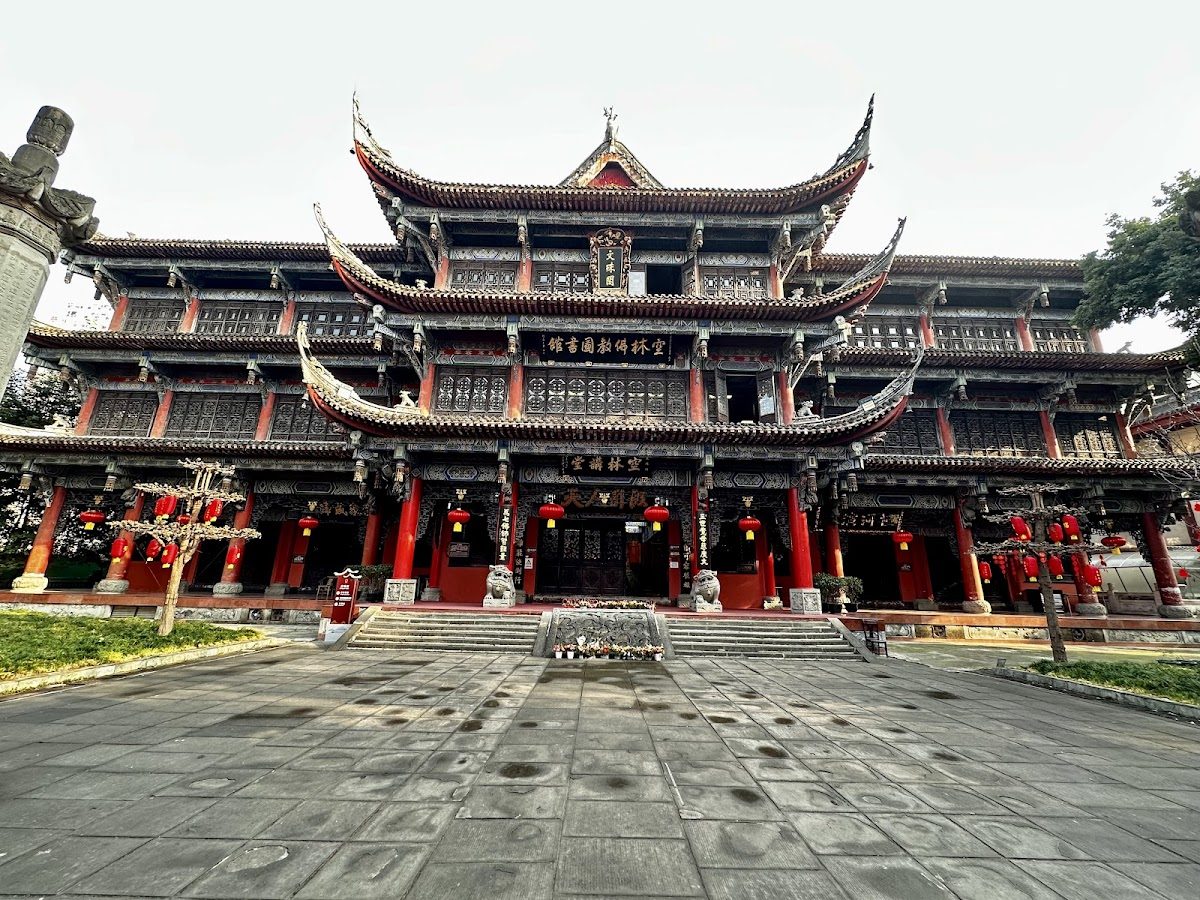
The monastery is also known for its vegetarian restaurant and tea house. It is an excellent place to experience authentic Buddhist culture through a peaceful dining experience, trying their famous vegetarian noodles or dim sum.
3. Delve into history and local crafts at Jinli Ancient Street & Wuhou Shrine
Explore Jinli Ancient Street, a lively pedestrian area that buzzes with traditional Sichuan folk customs and architecture. While it can be popular, focusing on the artisan shops and diverse food stalls offers a rich cultural experience.
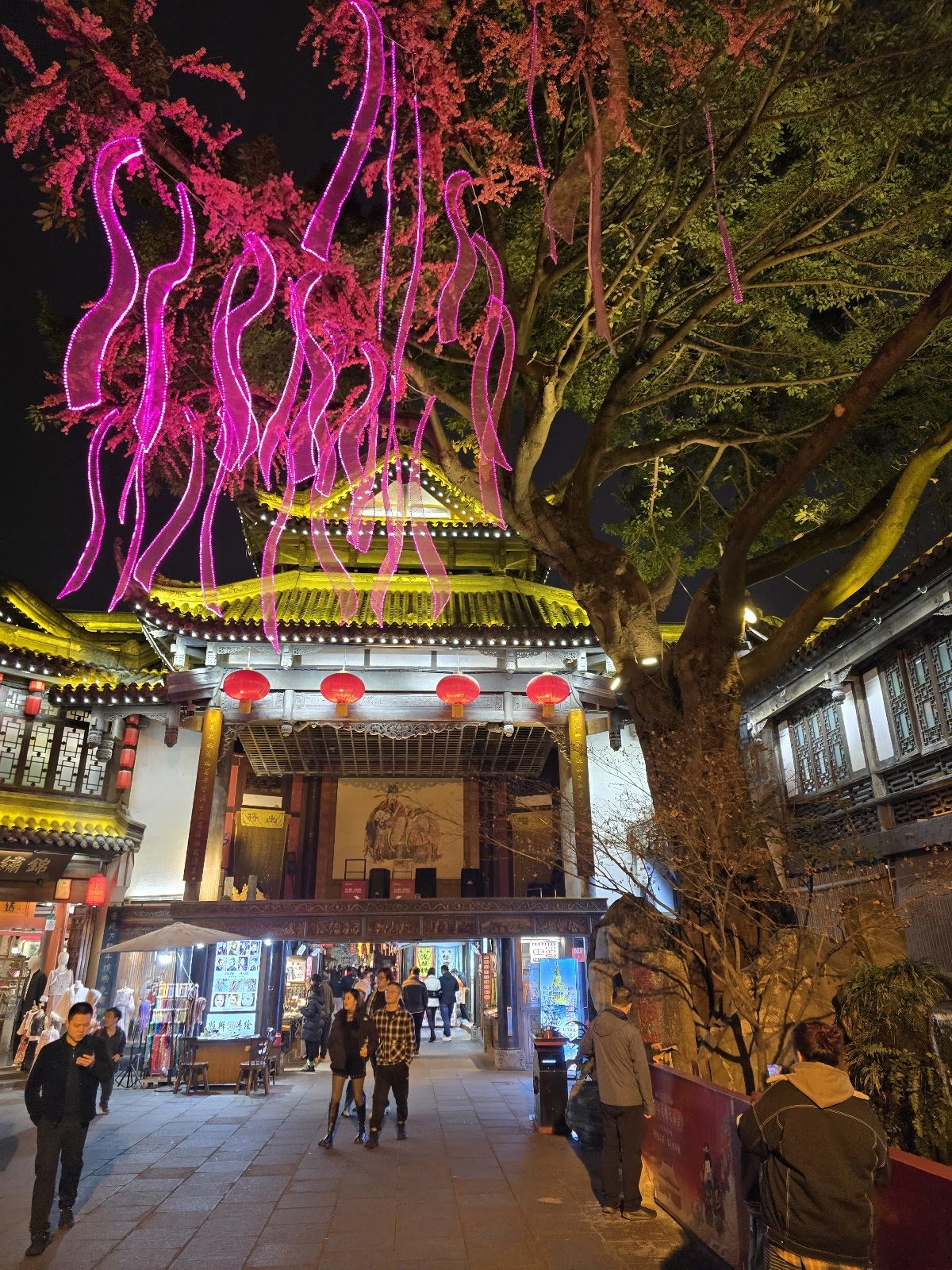
Adjacent to Jinli, the Wuhou Shrine provides a quieter, historical journey into the Three Kingdoms period. It is a good contrast to Jinli’s energy, offering a chance for contemplative exploration. The way the light falls through the ancient trees at Wuhou Shrine always made me linger a little longer.
4. Discover contemporary culture at Eastern Suburbs Memory (Dongjiao Jiyi)
Eastern Suburbs Memory, a former industrial factory complex, has been transformed into a trending cultural and artistic park. Its red brick buildings, retro locomotives, and graffiti walls create a unique blend of industrial heritage and contemporary Chengdu art. This is a great spot to see where Chengdu is heading creatively.
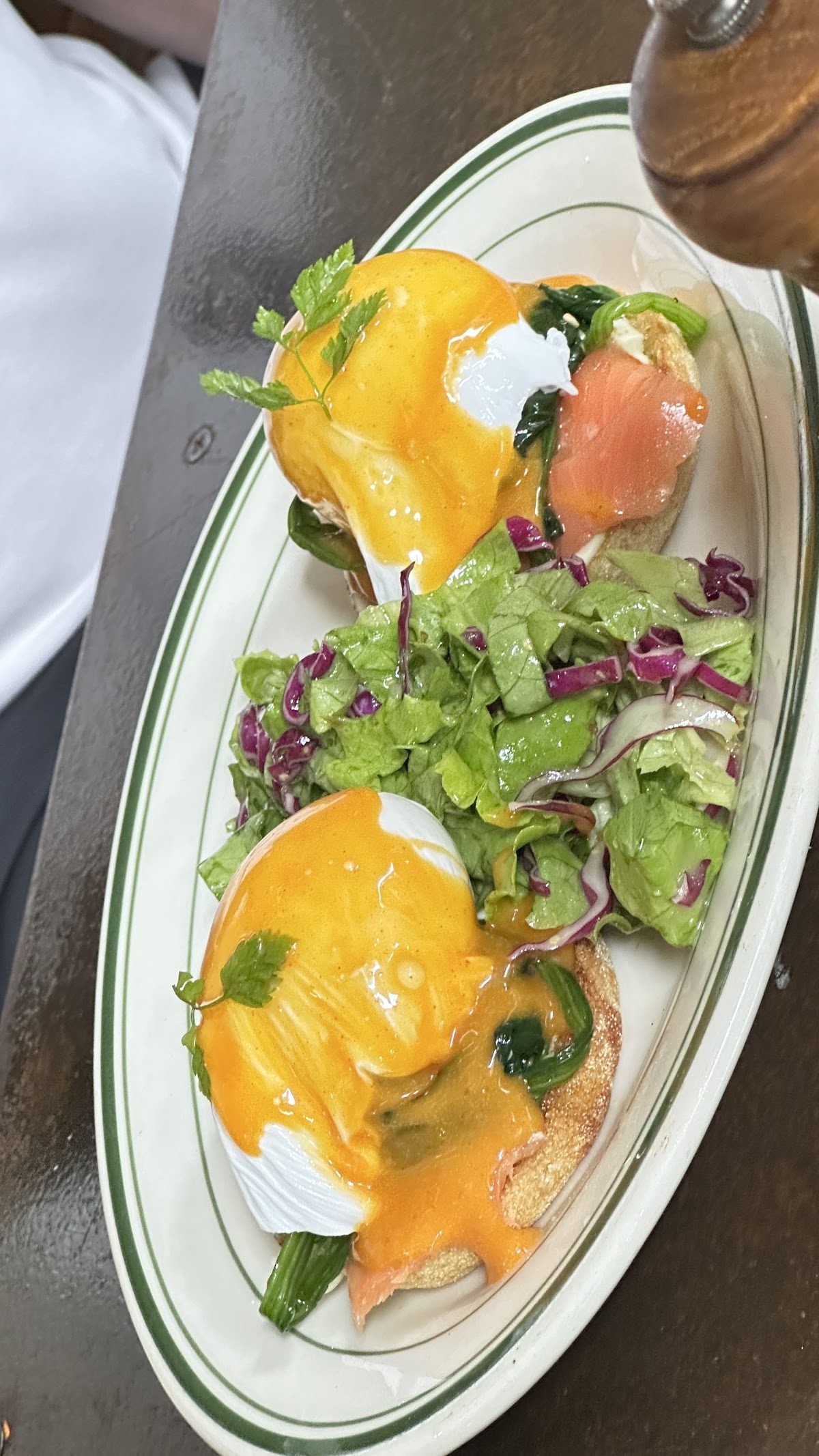
You will find independent designer studios, cafes, bars, and live music venues here. It is a vibrant space that truly reflects a unique facet of Chengdu’s modern cultural scene, often highlighted in local conversations.
5. Step into a different world at Wuhouci Cross Street North Crossing (Tibetan District)
Experience an authentic slice of Chengdu’s Tibetan community in this vibrant district, a rising interest for culturally curious travelers. The street is lined with shops offering traditional Tibetan crafts such as prayer wheels, Thangka paintings, and intricate jewelry.
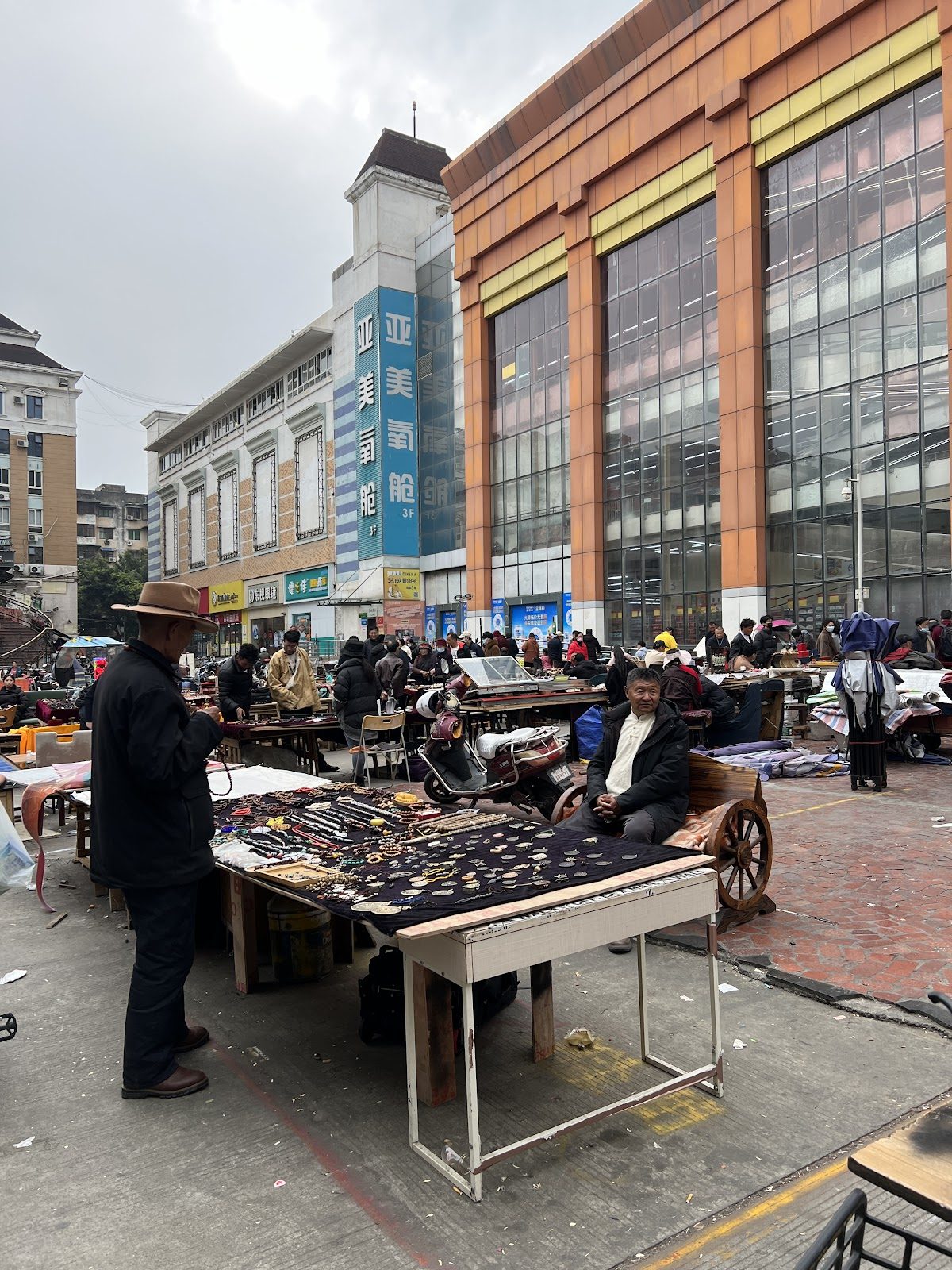
This is also an excellent place to sample authentic Tibetan cuisine, providing a unique cultural immersion that feels a world away from the rest of the city. I often found myself drawn to the smell of yak butter tea wafting from the small eateries here.
Final word
Chengdu, even for just 12 hours, offers a chance to experience a truly distinctive part of China that often gets overlooked in faster-paced itineraries. It is a city that teaches you to slow down, to observe, and to savour the small, authentic moments that truly make a place.
All practical information verified at time of writing. Please confirm hours and prices before you go.