
Oslo, a city currently drawing attention for its floating saunas and vibrant Grønland district, offers a surprisingly rich experience beyond its reputation for high prices. This guide cuts through the noise to show you how to truly experience a slice of Norway’s capital on a short layover, focusing on genuine local life.
This guide is for travellers with 8 hours in Oslo, eager to step outside the airport and immerse themselves in the city’s unique blend of culture, food, and design. You are looking for a practical, no-nonsense approach to exploring Oslo’s neighbourhoods and local experiences, not just the usual tourist highlights.
Oslo truly is a city defined by its relationship with nature and contemporary design, seamlessly blending its fjord-side location with a strong commitment to sustainability. It’s a place where modern architecture sits comfortably alongside historic streets, all while maintaining an understated Nordic charm.
A personal note
Having passed through Oslo Gardermoen more times than I can count during my years flying, I have seen the city evolve. My layovers often began with a familiar train ride into Oslo S, a chance to stretch my legs and find a quiet corner. I learned to appreciate the city’s rhythm — the early morning quiet broken by the rumble of trams, the specific scent of fresh bread from a bakeri in Grünerløkka, or the buzz of conversation around Grønland’s diverse eateries.
Before you leave the airport
Storing your luggage
For an 8-hour layover, you will want to be free of your bags.
Oslo Airport (OSL) offers convenient luggage storage in the Arrival Hall, near the car rental area. Prices start from 70 NOK per day, varying by bag size, and it is open 24/7.
Alternatively, Oslo Central Station (Oslo S) has lockers, typically costing 40-80 NOK per day. These can fill up during peak times, so have a backup plan. For more flexibility, services like Bounce or Radical Storage partner with shops and hotels across the city center, often starting from 25-50 NOK per day with online booking.
Do you need cash?
While Oslo is largely cashless, it is wise to carry some Norwegian Krone (NOK). Cards are widely accepted, but small vendors, markets, or some local eateries in areas like Grønland might prefer cash or local payment apps unavailable to visitors.
ATMs are readily available if needed. Tipping is not expected but 5-15% is appreciated for good service in restaurants and bars.
8 hours in Oslo: what to do
1. Wander through Grünerløkka and Mathallen Food Market
Dive into Grünerløkka, a neighbourhood known for its independent spirit, street art, and unique boutiques. It offers a glimpse into local Oslo life, away from the more polished city centre.
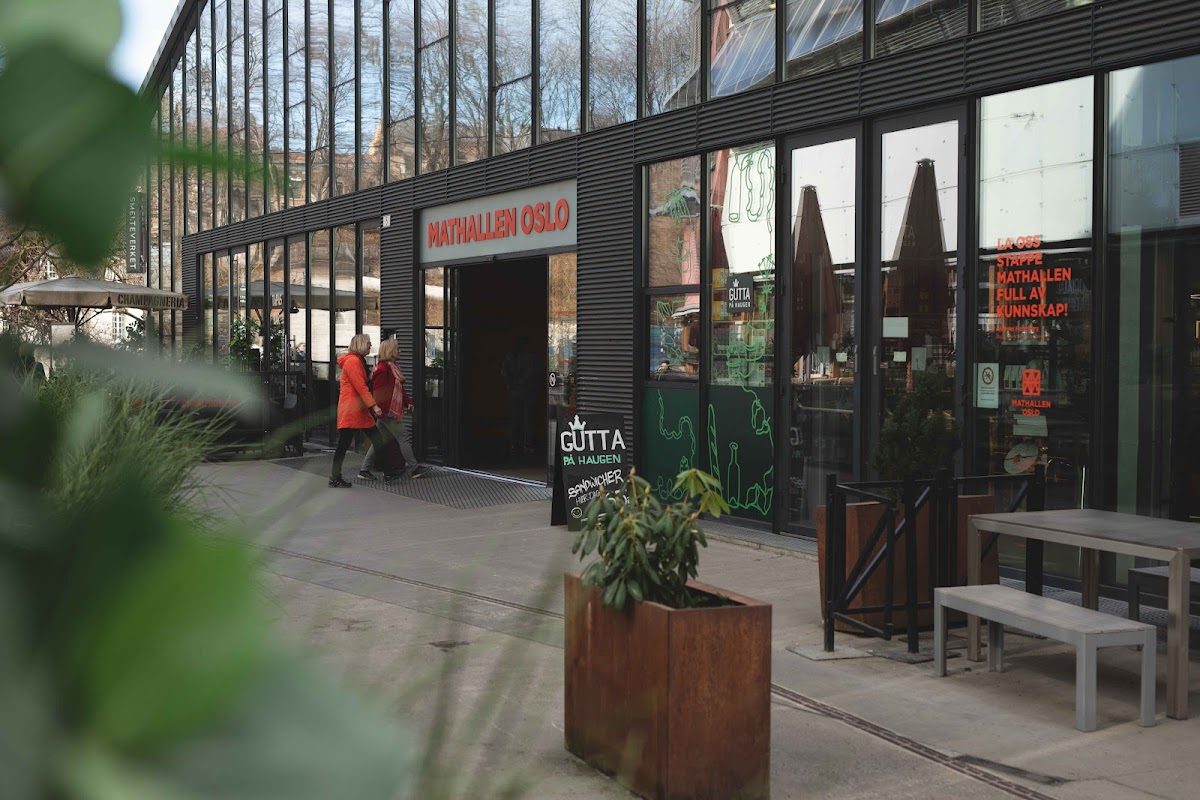
From there, walk to Mathallen Oslo, an indoor food market where you can sample both traditional Norwegian specialities and international flavours. I remember trying a reindeer pølse here years ago — not something you find everywhere. It is a great place to get a feel for the local food scene without committing to a full restaurant meal.
2. Discover diversity in Grønland and the Intercultural Museum
Explore Grønland, a vibrant and historically significant neighbourhood that truly showcases Oslo’s multicultural fabric. This area is less about picture-perfect streets and more about authentic, lived-in energy.
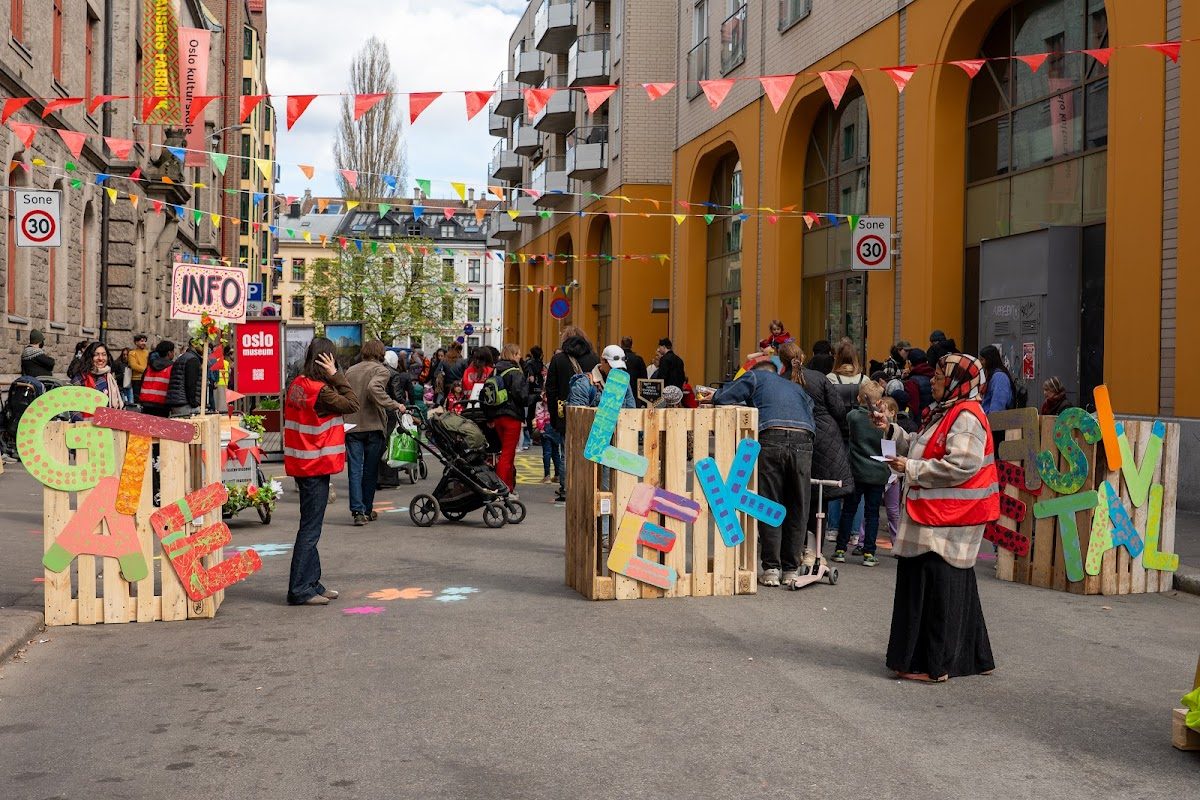
Start at the Intercultural Museum, housed in an old penitentiary, offering a grounded perspective on immigration and cultural diversity in Norway. Afterwards, wander through Grønland’s streets, where you will find a different kind of Oslo — bustling with international eateries, spice shops, and local markets.
3. Experience traditional Norwegian crafts at Heimen Husfliden
Step into Heimen Husfliden to see a curated collection of authentic Norwegian craftsmanship. This shop is not just a souvenir spot; it is a repository of traditional skills.
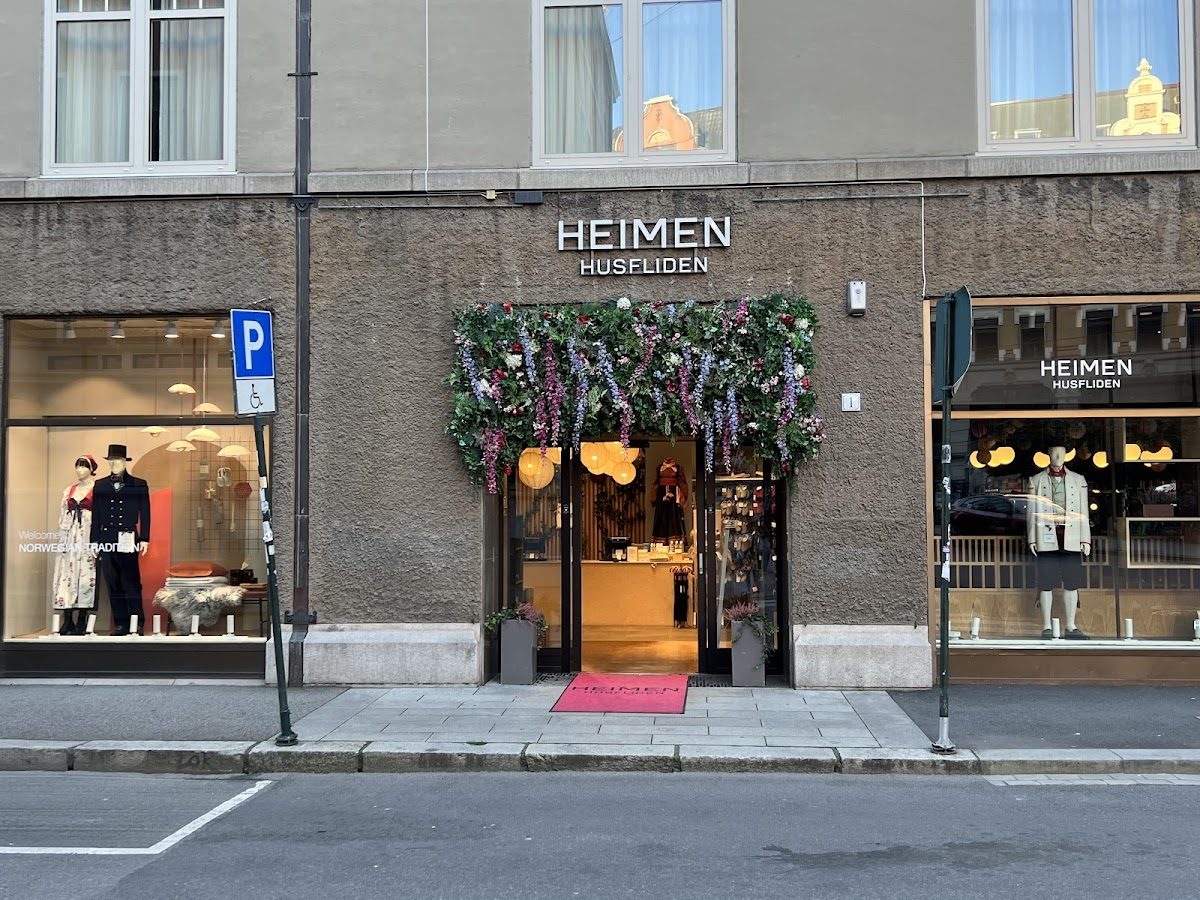
You will find a range of handmade goods, from intricately patterned knitwear to pewter and ceramics. It offers a chance to understand a deeper aspect of Norwegian culture through its artisanal traditions.
Final word
An 8-hour layover in Oslo might seem short, but it is enough time to truly leave the airport and experience the city’s genuine character. From the independent spirit of Grünerløkka to the multicultural heart of Grønland, you will find an Oslo that is both welcoming and refreshingly authentic.
Please note: All practical information was verified at the time of writing. Always confirm opening hours and prices before your visit.