
Shanghai moves at a different pace, a constant hum of reinvention that still respects its past. For 24 hours in this Chinese metropolis, it is not about ticking off landmarks, but about finding pockets of genuine daily life.
This guide is for the traveller with a 24-hour layover in Shanghai who wants to experience the city’s unique blend of tradition and modernity, preferring to leave the airport and dive into local culture rather than just see the famous skyline.
Shanghai is a city of contrasts, where futuristic Pudong skyscrapers loom over the intimate lanes of the Former French Concession and traditional shikumen architecture. It is a financial powerhouse that retains a distinct cultural heartbeat, offering a glimpse into a China unlike any other.
A personal note
My first real layover in Shanghai was a long one, and I spent an entire evening wandering the Bund as the lights came on. There is a moment when the city truly awakens, the neo-classical buildings across the river glittering against the modern giants of Pudong. It was a visceral experience, seeing that skyline explode with light, a feeling of being at the very edge of tomorrow, and it stuck with me.
Before you leave the airport
Storing your luggage
If you are flying into Shanghai Pudong International Airport (PVG), you have several options. Look for the storage counters in Terminal 1 Departures (between Gates 4–5 and 10–11) or Arrivals (between Gates 6–7). In Terminal 2, storage is available near Islands A and M for departures and near the International exit for arrivals. Prices range from ¥20-45 for 10-24 hours per bag, with oversized items costing extra. Remember to bring a valid photo ID and your flight ticket.
For those at Shanghai Hongqiao International Airport (SHA), luggage storage is in the Arrival Hall of Terminal 2. Expect to pay ¥20-50 per bag per day, based on size. These facilities are generally open during airport operating hours, with some third-party services potentially offering 24/7 access.
If you are connecting via train, Shanghai Railway Station and Shanghai South Railway Station also offer storage. Find signs for 行李寄存 (xínglǐ jìcún) in the main halls. Costs are typically ¥15-35 per item per day, and the Shanghai Railway Station storage is open 6:30 AM–11:30 PM.
Do you need cash?
No. No one accepts cash anymore in most of China. Shanghai, like the rest of China, operates largely on mobile payment apps like Alipay and WeChat Pay. I strongly recommend setting up Alipay or WeChat Pay with an international credit card before you land, as Alipay is generally more tourist-friendly.
If you really really need cash, withdraw ¥1,000–¥2,000 (approximately $140–$280 USD) from ATMs at major banks such as Bank of China, ICBC, or HSBC. These usually accept foreign cards.
1. Stroll the historic lanes of Wukang Road & Former French Concession
I always like to wander through the quiet, tree-lined streets of the Former French Concession, where historic European-style villas and distinctive Shikumen architecture tell tales of old Shanghai. This neighbourhood offers a peaceful counterpoint to the city’s modern rush, inviting you to slow down.
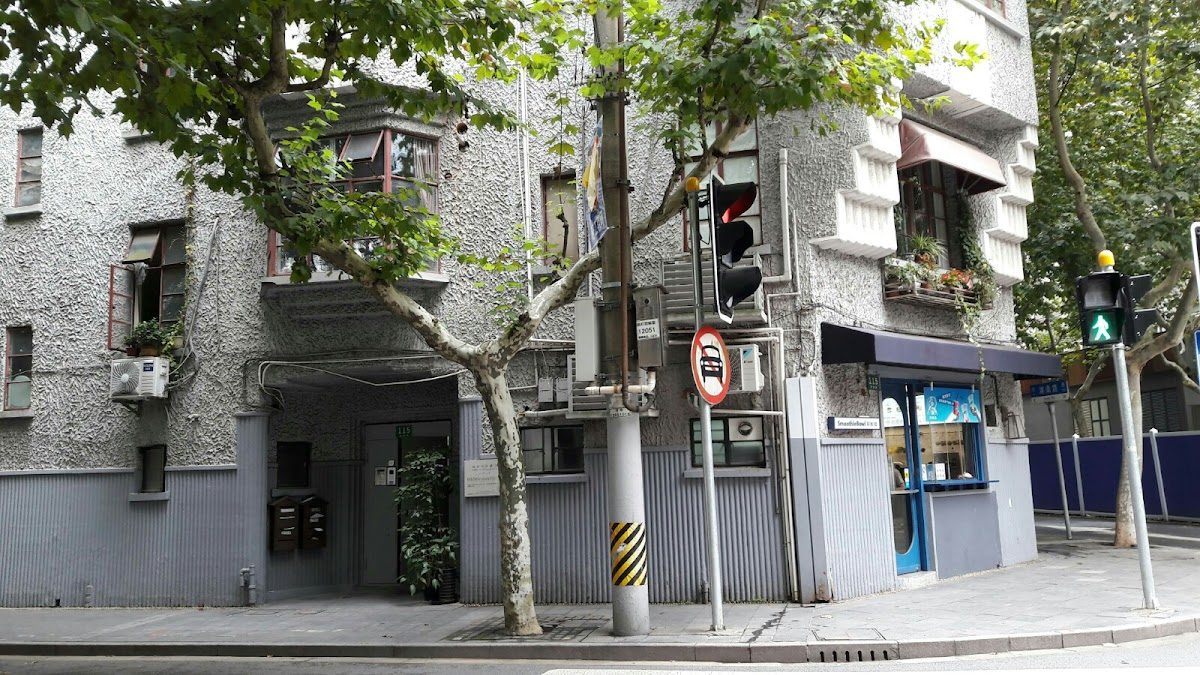
You will find independent boutiques and charming cafes tucked away, providing a quieter, more authentic glimpse into Shanghai’s blend of past and present. Keep an eye out for the iconic Wukang Mansion at the intersection of Wukang Road and Huaihai Middle Road for a classic snapshot of the area. This trending “Local Lifestyle Citywalk” destination offers a different side of the city.
2. Get lost in the artistic alleys of Tianzifang
Dive into the captivating maze of Tianzifang, a district of narrow alleyways brimming with art studios, craft shops, and small restaurants nestled within renovated Shikumen buildings. It is a lively hub where local artists and artisans showcase their work.
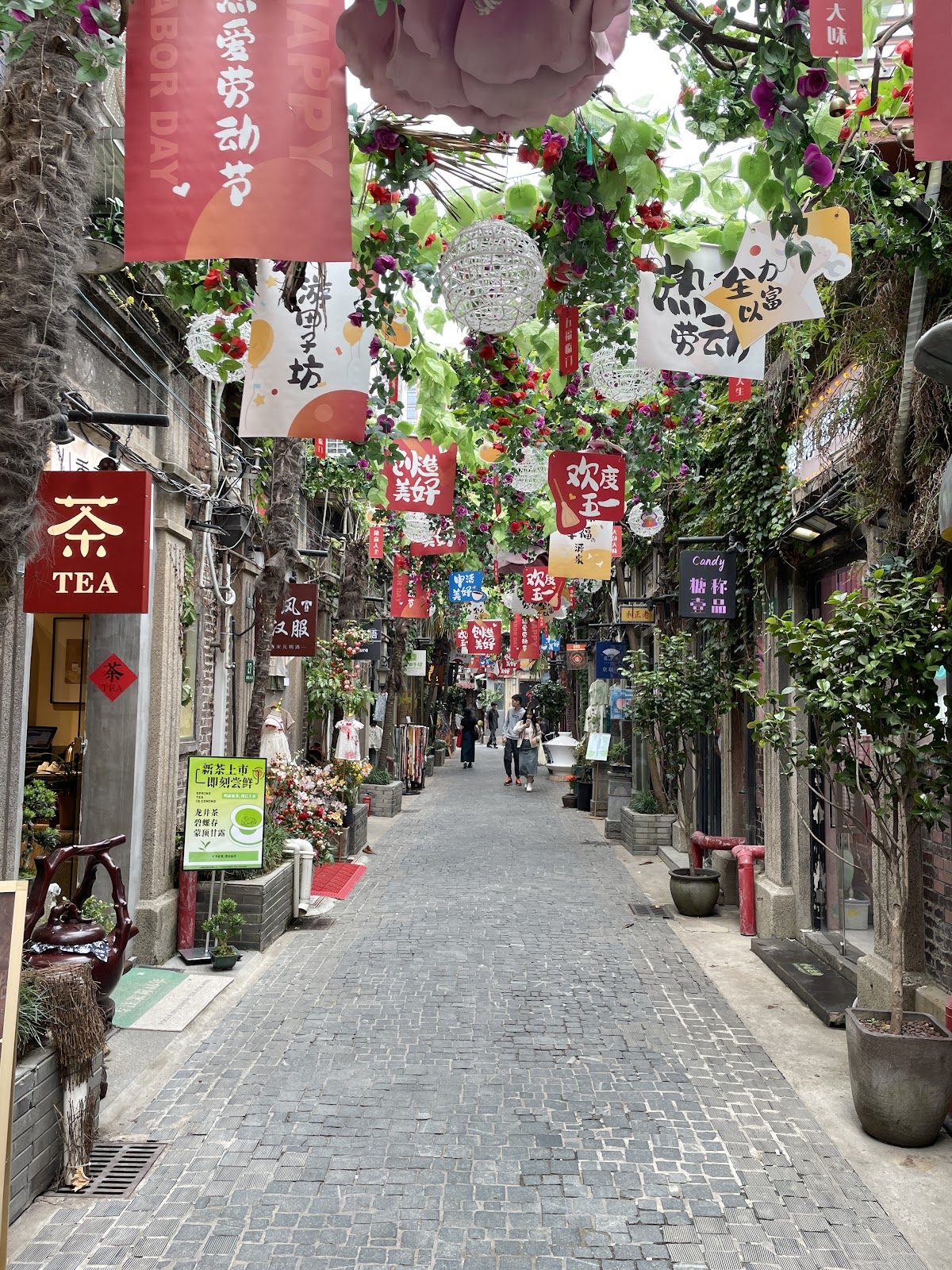
Here, you can browse unique handmade souvenirs, perhaps a silk painting or a custom piece of jewellery. The atmosphere is distinctly bohemian, offering a different artistic pulse than the grand galleries. When I was here the previous time, I got myself a nice box of green tea from Yunnan.
3. Immerse yourself in the tea culture at Tianshan Tea City
Step into Tianshan Tea City, a multi-story tea market that is a genuine immersion into China’s rich tea culture. This sprawling market offers an authentic experience for those curious about traditional Chinese teas.
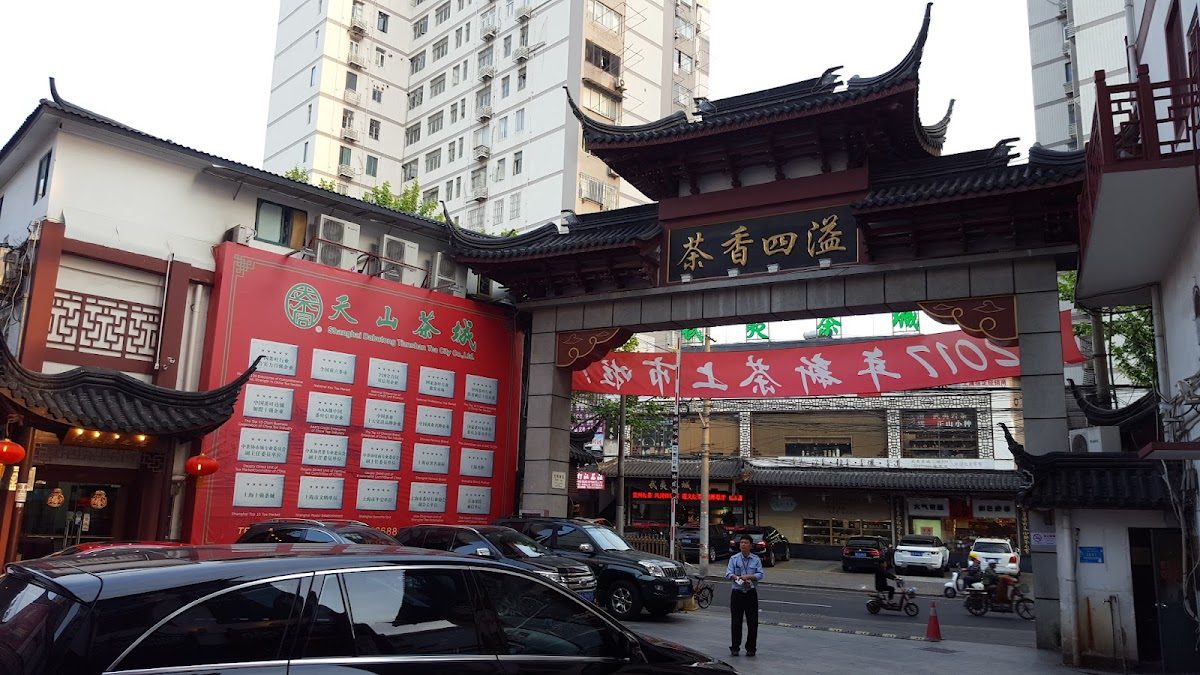
Wander through countless stalls, where friendly vendors often invite you to sample various teas and explain different brewing methods. It is an ideal spot to purchase quality tea leaves or a traditional tea set as a souvenir.
4. Discover the architectural marvel of 1933 Old Millfun
Explore 1933 Old Millfun, a striking architectural marvel that began its life as an abattoir and has been ingeniously repurposed. Its intricate concrete structure and winding ramps create a captivating backdrop for exploration, feeling almost otherworldly.
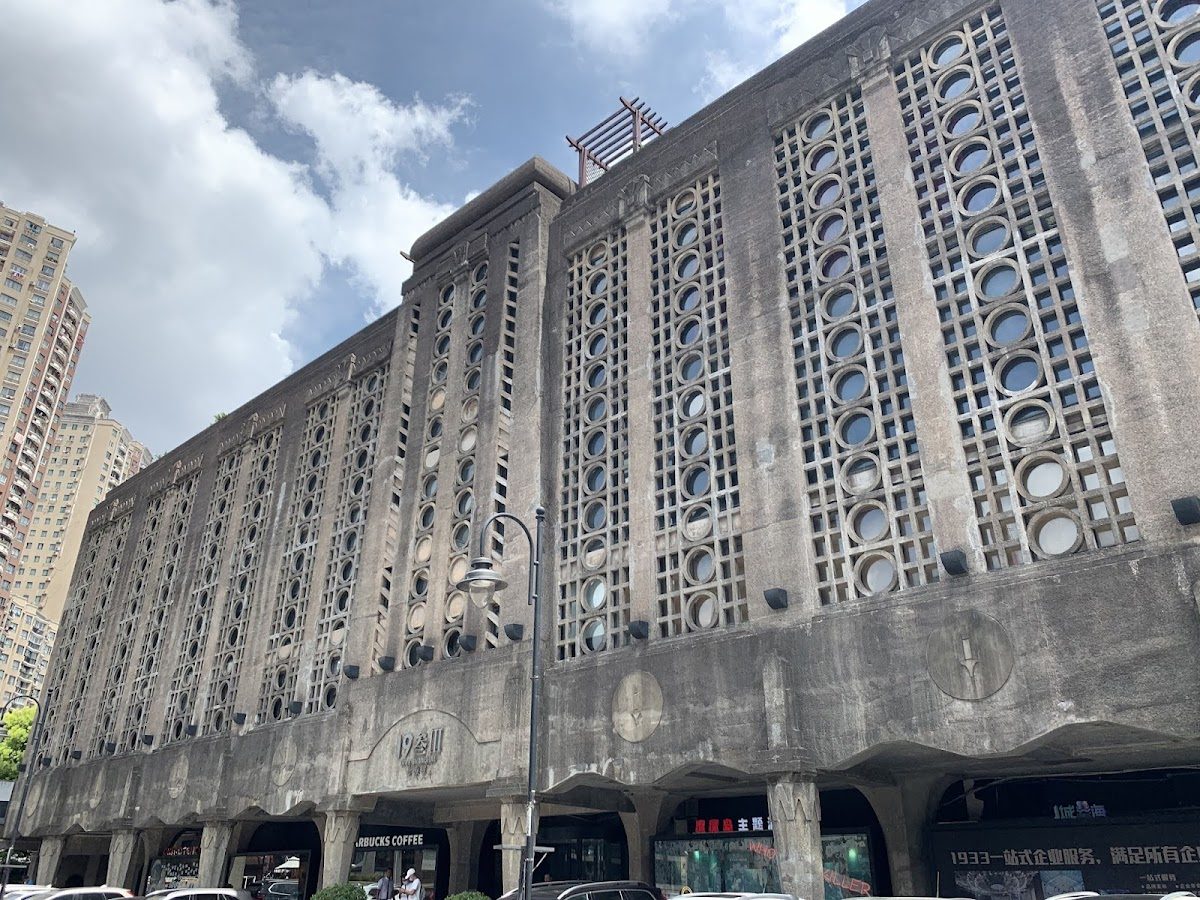
This creative hub now houses art galleries, design studios, and cafes. It is also known for hosting unique events like the “Wonder Market,” where you can find original handmade crafts and vintage collections. To be honest, I’m not sure if this was really worth it, when I was there, there wasn’t any shops open.. maybe it will be busier in the weekends?
5. Hunt for treasures at Fuyou Antiques Market
Delve into the Fuyou Antiques Market, a vibrant hub for collectors and anyone curious about China’s past. This market overflows with Chinese antiques, vintage items, and cultural relics.
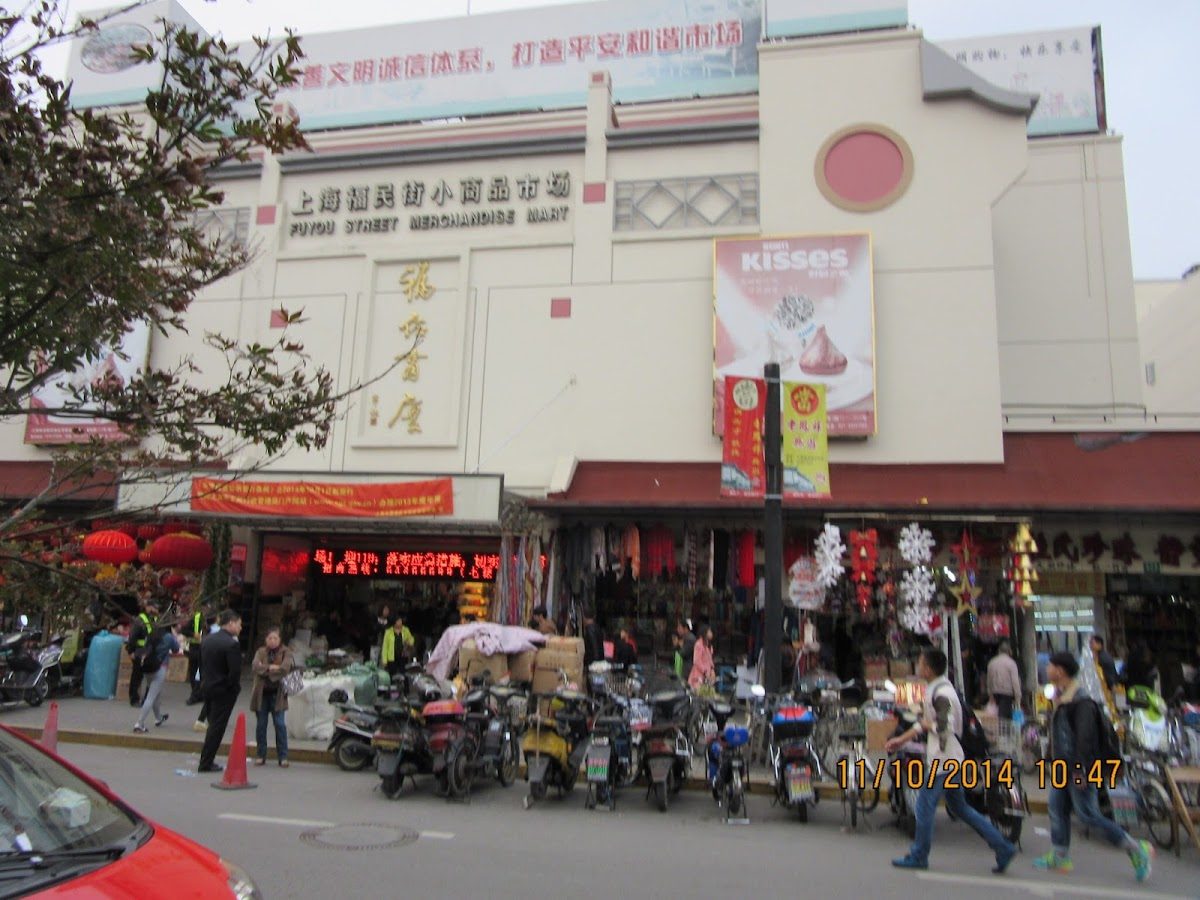
While some items might be reproductions, the market offers a lively atmosphere for haggling over unique finds like Mao-era memorabilia, traditional tea sets, or old coins. It is a genuine experience of local commerce.
6. Savor authentic Shengjian Bao
Experience Shengjian Bao, the quintessential Shanghai street food. These pan-fried soup dumplings, with their crispy bottom and juicy pork filling, are a local obsession and offer an immediate, authentic taste of the city’s culinary scene.
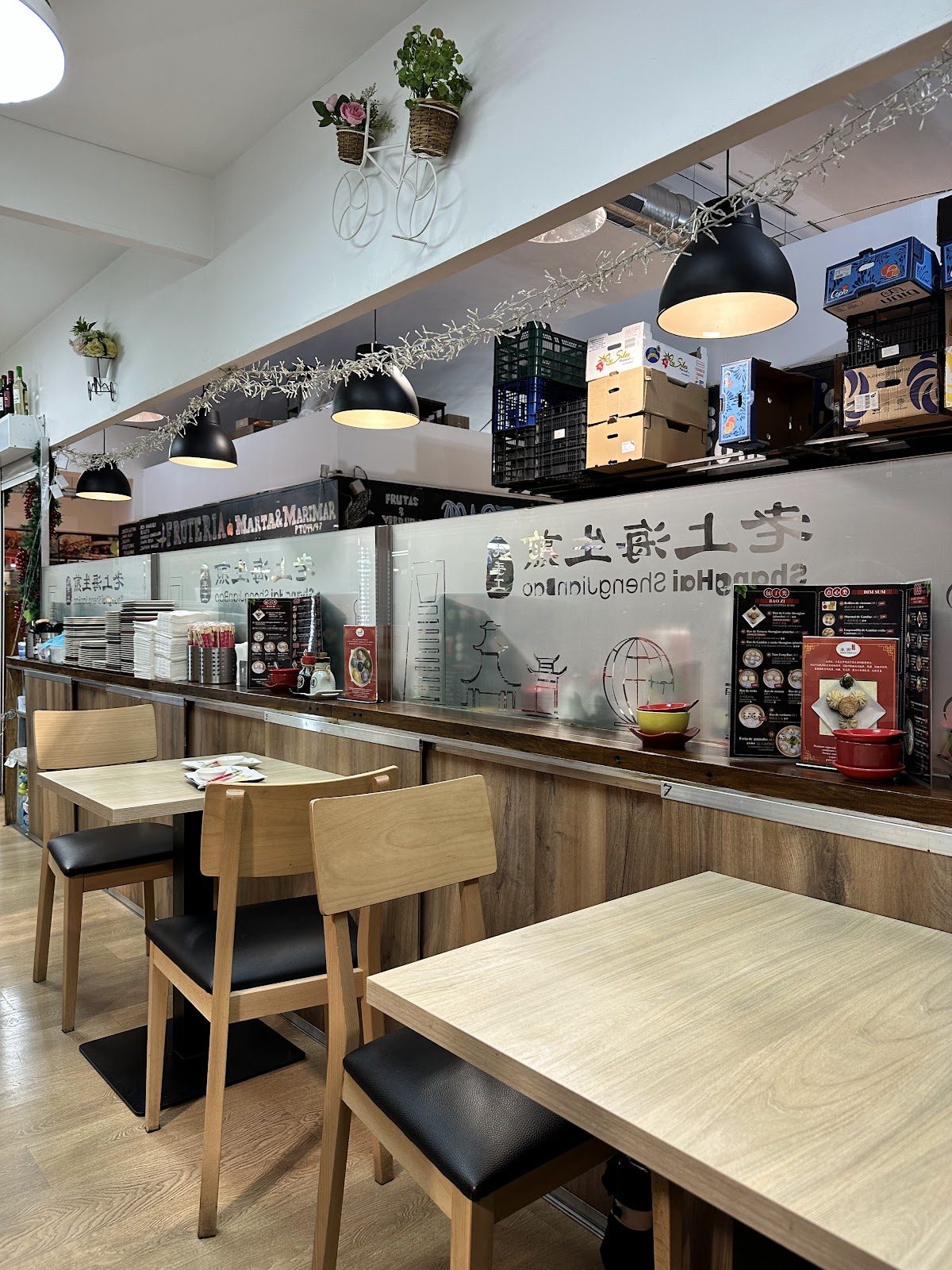
Look for a bustling local eatery; places like Yang’s Fry-Dumpling have multiple locations and are reliably good. Watching them being made is part of the experience.
7. Find serenity at Jing’an Temple
Discover Jing’an Temple, a stunning Buddhist temple with a history tracing back to the 3rd century. It offers a remarkable oasis of calm amidst Shanghai’s towering modern skyscrapers.
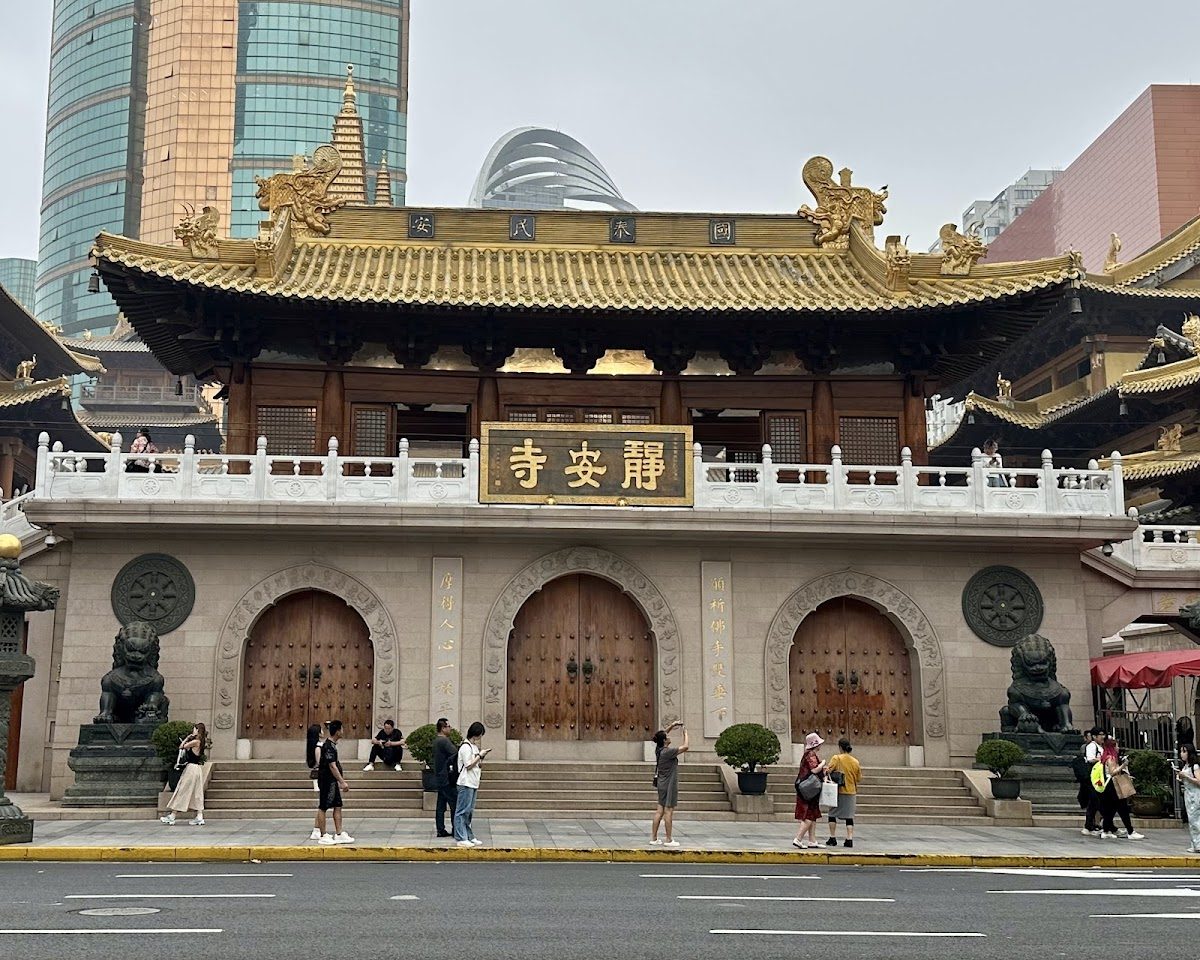
Admire its intricate architecture, the serene golden statues, and the peaceful courtyards. The temple is particularly beautiful when its elaborate structures are illuminated at night.
8. See The Bund from Binjiang Avenue
Head to Binjiang Avenue, the Pudong Riverside Promenade, for panoramic views of the iconic Bund skyline across the Huangpu River. This offers a less crowded and different perspective of Shanghai’s architectural grandeur.
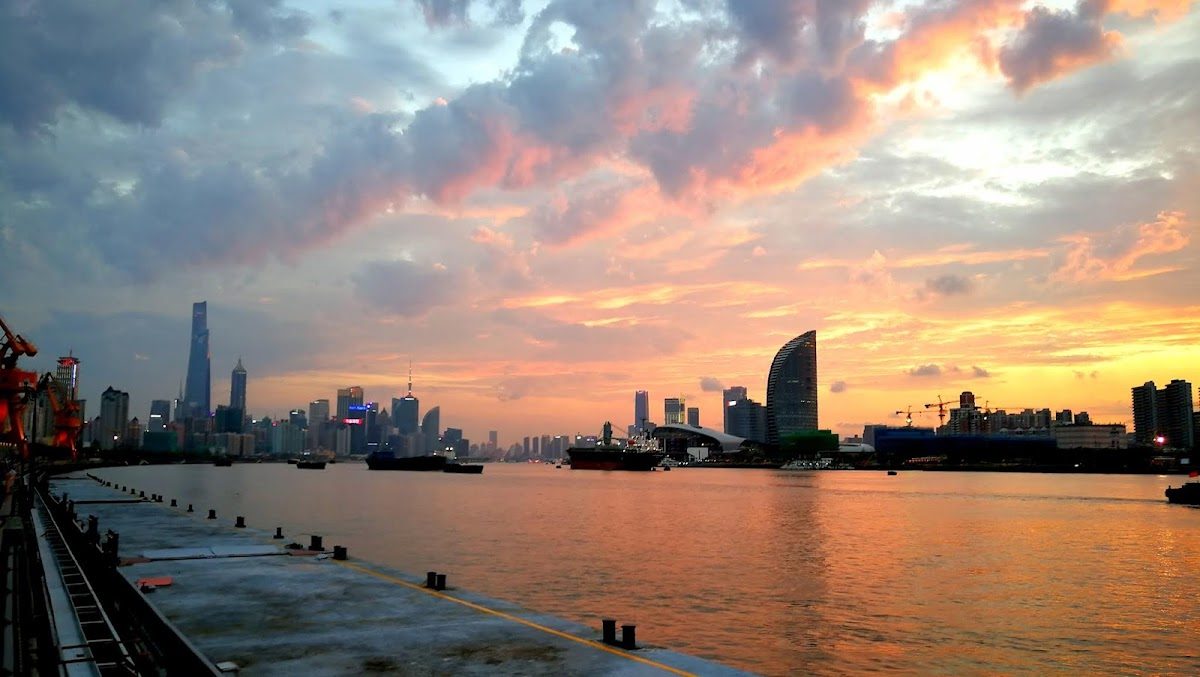
It is a perfect spot for a leisurely stroll and photography, particularly captivating during sunset or after dark when the city lights twinkle to life. This side provides a comprehensive view of the Bund’s historic buildings.
Final word
Shanghai on a 24-hour layover is not just about seeing the famous landmarks; it is about experiencing the rhythm of a city that constantly reinvents itself. From the quiet heritage lanes to the bustling tea markets, there is a distinct energy here that goes far beyond the airport terminal.
All practical information verified at time of writing. Confirm hours and prices before you go.