
Cape Town, South Africa, often feels like two cities at once: the one tourists queue for and the one locals inhabit. Forget the cable car lines up Table Mountain if you only have 24 hours — the real pulse of the city is found in its vibrant neighbourhoods and community-driven initiatives, particularly the Woodstock Street Art District and the Oranjezicht City Farm Market, both trending breakout destinations. This guide shows you how to genuinely experience Cape Town even on a short layover.
This guide is for the pragmatic traveller with 24 hours in Cape Town who wants to experience the city’s unique cultural tapestry and local life beyond the main tourist circuit. We focus on experiences that offer depth and connection, getting you off the airport grounds and into the heart of South Africa.
Cape Town is defined by its dramatic natural setting beneath Table Mountain and its complex social history. It’s a city where colourful Bo-Kaap houses stand as a testament to resilience, and vibrant markets blend diverse culinary and artistic traditions.
A personal note
My most memorable layover in Cape Town wasn’t about scaling mountains; it was about the food. One evening, after a long day of walking, I stumbled into an unpretentious Portuguese restaurant in Green Point. The espetada was simple but perfect, the kind of meal that reminds you of home cooking even thousands of miles away. It’s those unexpected, local encounters that truly define a city for me.
Before you leave the airport
Storing your luggage
You will want to be free of your bags to explore Cape Town.
- Cape Town International Airport (CPT) Left Luggage: Located in Terminal 1, landside, Level 0, near Parkade 2. It operates 24 hours. Expect to pay ZAR 60-100 per item per day.
- Stasher (City Centre locations): Book online for various spots around the CBD and V&A Waterfront. Prices start from ZAR 70 per bag per day, with hours varying by location.
Do you need cash?
Yes, carrying some South African Rand (ZAR) is advisable. While cards are widely accepted, cash is useful for smaller purchases at markets, informal vendors, and for tipping.
ATMs are available at the airport and throughout the city. Be aware that some may charge fees for foreign cards. It’s always best to use official exchange companies if you need to convert currency.
24 hours in Cape Town: what to do
1. Wander the colourful streets of Bo-Kaap
Immerse yourself in the unique atmosphere of Bo-Kaap, a historic neighbourhood famous for its brightly painted houses and rich Cape Malay heritage. This area tells a visual story of freedom and cultural identity, stemming from the abolition of slavery.
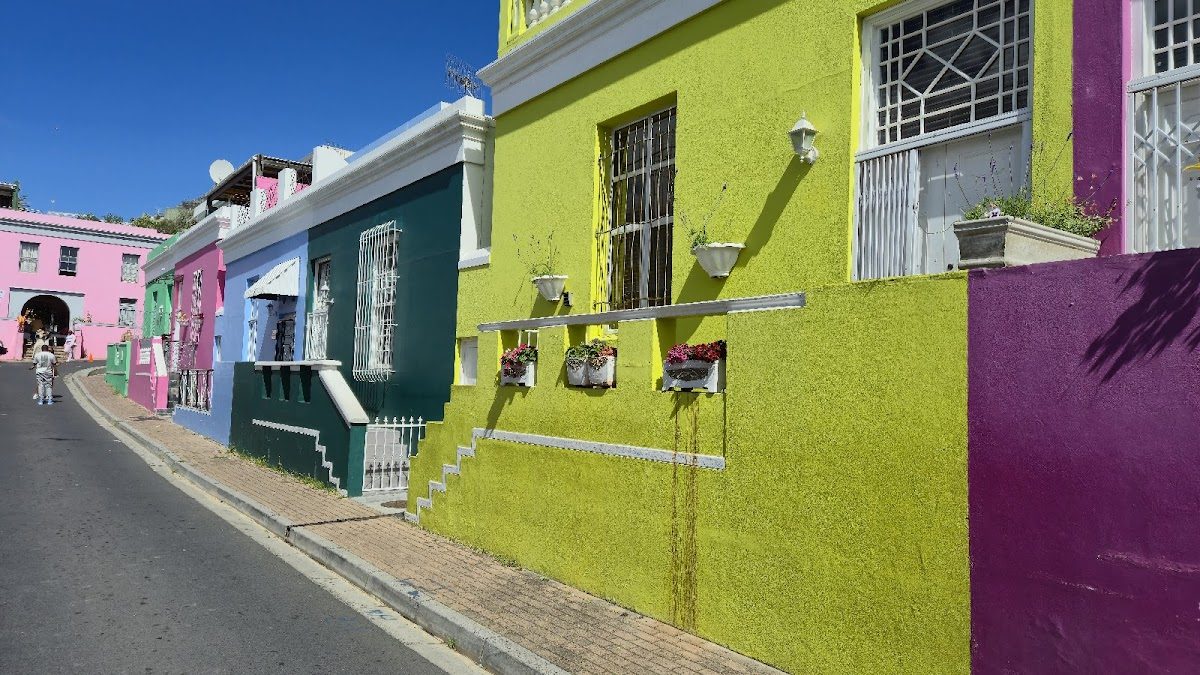
As you walk, notice the distinctive architecture and listen for the call to prayer. Seek out the Auwal Masjid, the first and oldest mosque in South Africa, which stands as a quiet testament to the community’s enduring faith.
2. Reflect on history at the District Six Museum
Step into a powerful narrative at the District Six Museum, a memorial to a vibrant community forcibly removed during the apartheid era. The museum preserves personal stories and artifacts, offering a crucial insight into South Africa’s complex past.
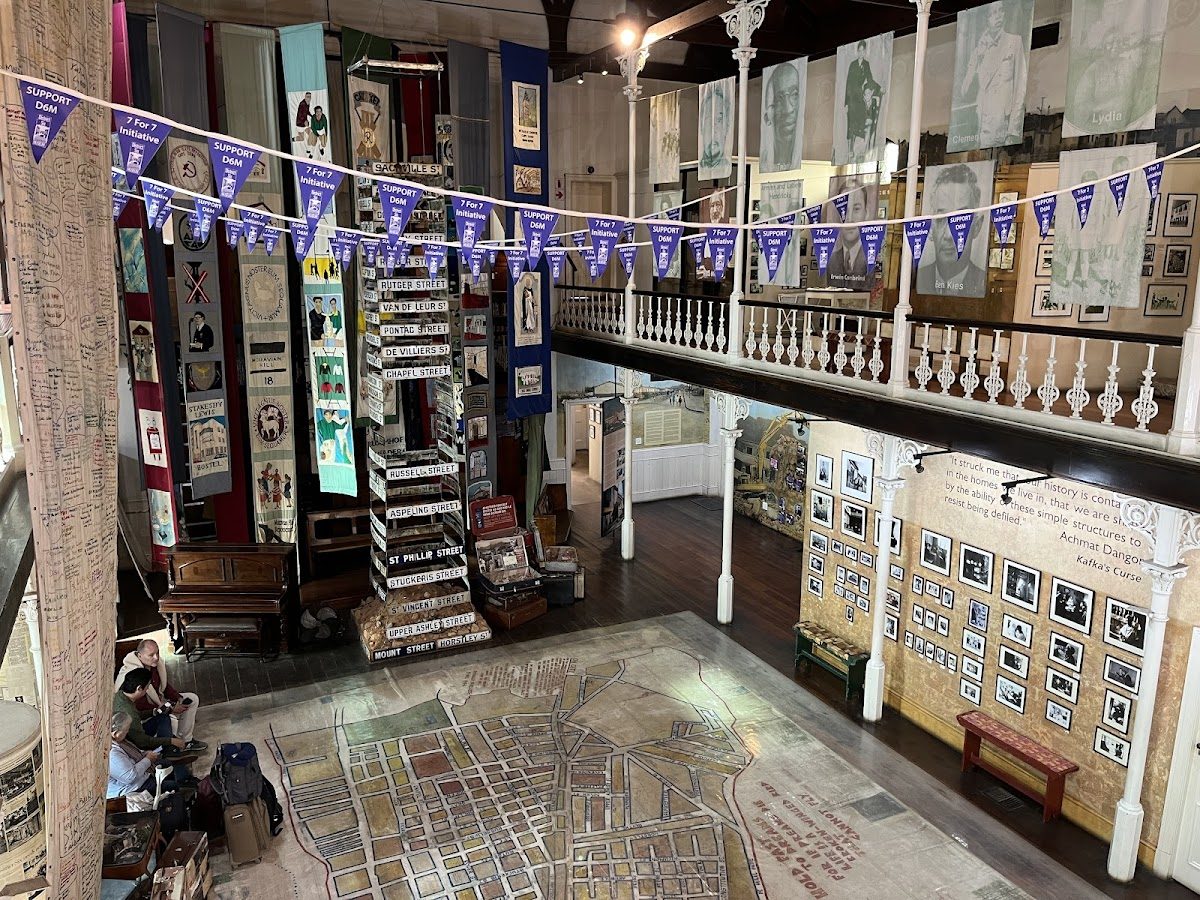
Engage with the ex-residents who often volunteer as guides; their first-hand accounts provide an invaluable and deeply moving perspective. The exhibits thoughtfully convey the resilience and heartbreak of a community displaced.
3. Explore the vibrant Woodstock Street Art District
Discover the dynamic street art scene in Woodstock, a neighbourhood known for its large-scale murals and independent creative spaces. This area showcases Cape Town’s burgeoning youth culture and artistic talent.
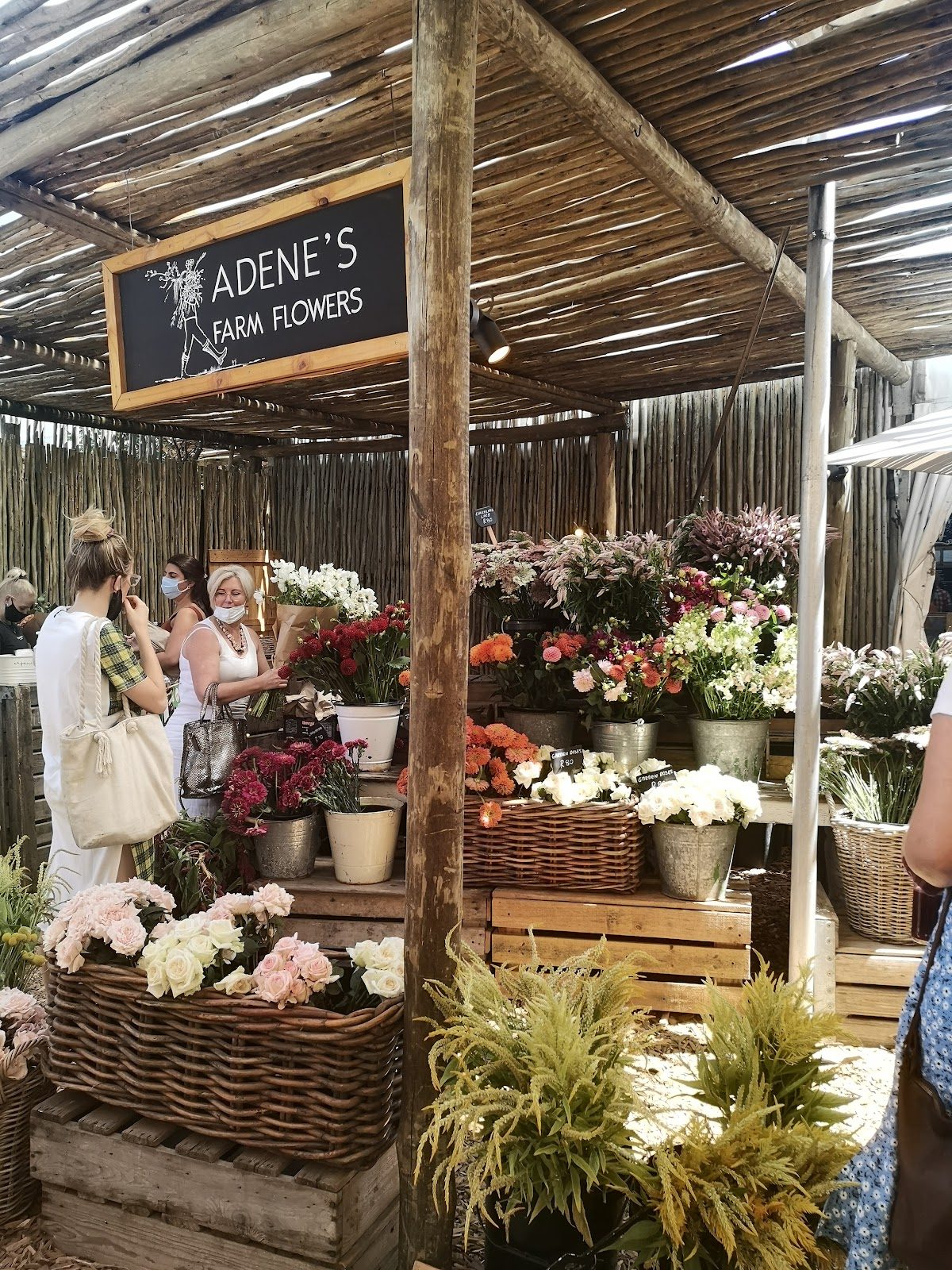
Wander along Albert Road and its surrounding streets to find impressive artworks that transform ordinary walls into canvases. You might find a small cafe or design studio, perfect for a quick coffee.
4. Experience local life at Oranjezicht City Farm Market
Join the locals at the Oranjezicht City Farm Market, a bustling non-profit project that champions urban farming and sustainability. This market offers a vast array of fresh organic produce, artisanal foods, and prepared street eats.
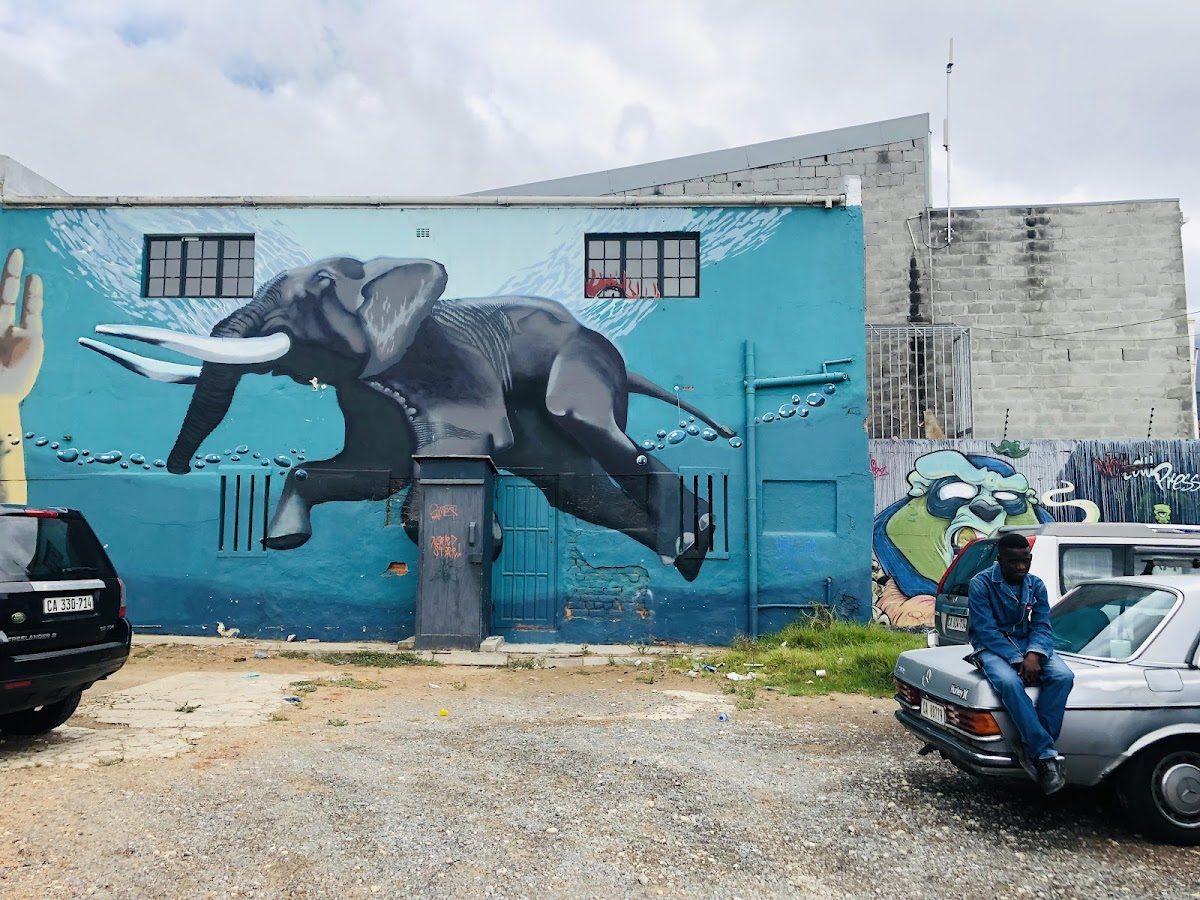
You’ll find everything from fresh Cape Malay curries to gourmet burgers, all with stunning ocean views. It’s a true community hub, especially vibrant on Saturdays and Sundays.
5. Taste authentic Cape Malay food at Faeeza’s Home Kitchen
Seek out Faeeza’s Home Kitchen in Bo-Kaap for a genuine taste of Cape Malay cuisine. This is Faeeza’s actual home, where she serves traditional dishes like samoosas and koesisters in an intimate setting.

Dining here feels like being invited into a local family’s kitchen, providing a warm, authentic culinary experience. It is a world away from tourist traps.
6. Discover African craftsmanship at Pan African Market
Browse a treasure trove of African art and culture at the Pan African Market on historic Long Street. Spread across three floors, this market features over 30 stores and stalls representing at least 14 African countries.
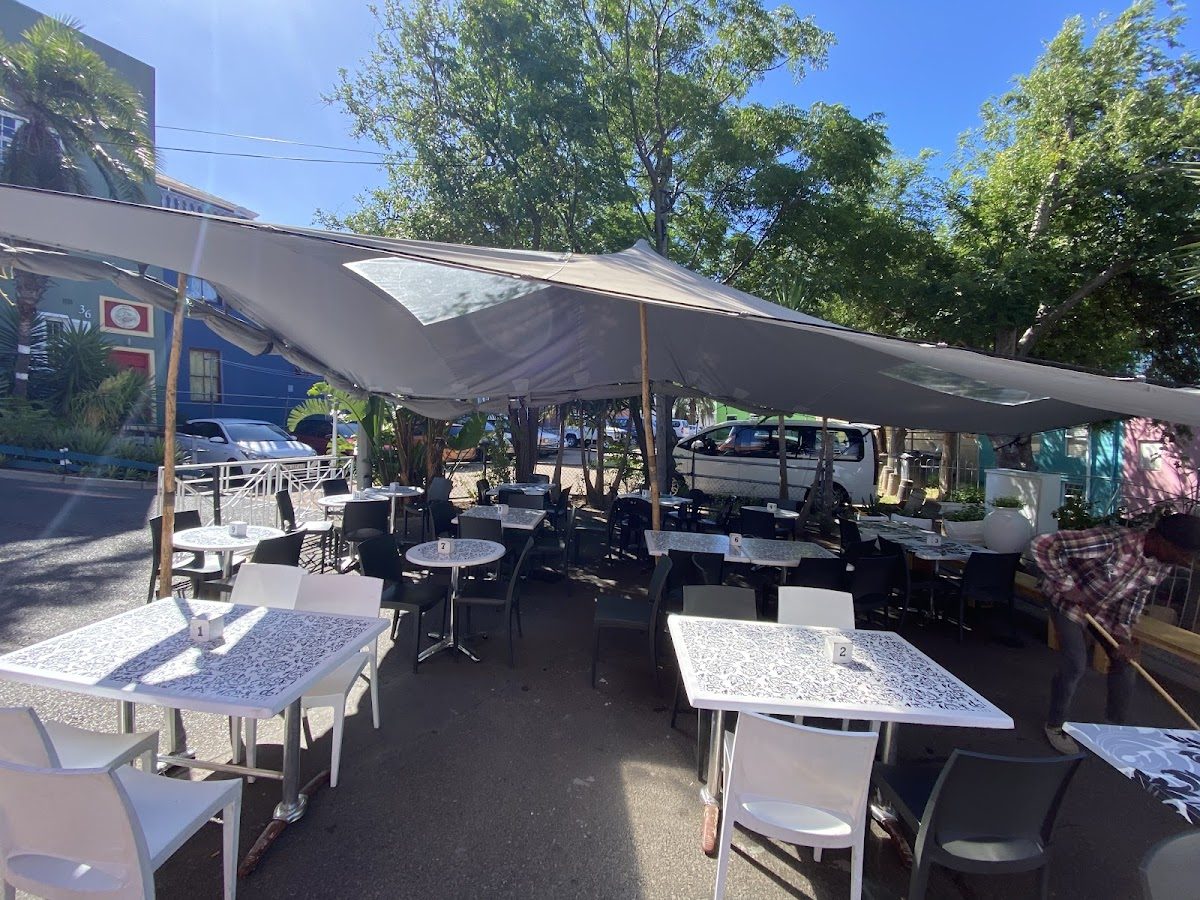
You can find unique gifts and souvenirs here, and interact with traders from across the continent. It’s a vibrant place to learn about the diverse craftsmanship of Africa.
Final word
Cape Town on a 24-hour layover is about choosing depth over breadth. You will not see everything, but you can certainly taste its heart, engage with its complex history, and feel the pulse of its creative energy. It is a city that rewards curiosity and offers profound connections, even in a short window.
Please note: All information was verified at the time of writing. Confirm hours and prices before you go.