
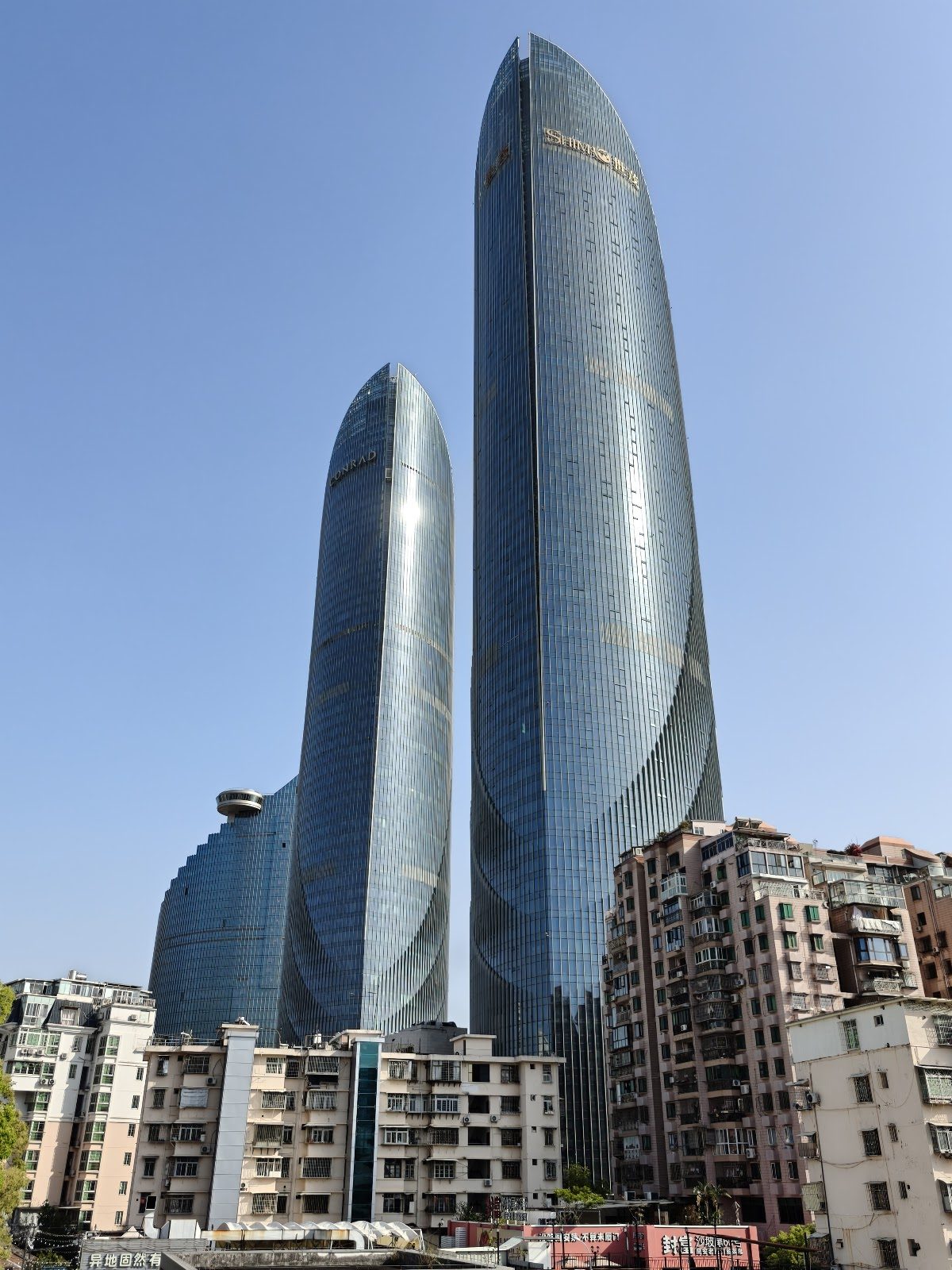
Xiamen, a coastal city in China’s Fujian province, offers a refreshing change of pace from the country’s larger metropolises. With 10 hours between flights at Xiamen airport (XMN), you can experience its laid-back artsy vibe and distinctive Minnan culture. Clearing immigration and getting into the city by taxi takes about 30 minutes and costs ¥50-70. Remember to store your luggage at the airport for ¥20-80 before you head out. This itinerary will guide you through the city’s key cultural and culinary spots, including the Shapowei Art Zone and the authentic Xiamen 8th Market.
At a glance
| Label | Value |
|---|---|
| Airport | Xiamen Gaoqi Airport (XMN) |
| Fastest transit | Taxi / 30 min / ¥50-70 |
| Luggage storage | Airport / ¥20-80 |
| Cash needed | Yes (some vendors) |
| Visa / transit note | 144-hour visa-free transit available |
| Return buffer | 2 hours |
| Realistic total spend | ¥200-400 |
Who this is for
This layover is for travellers interested in local culture, street art, and authentic food markets, who don’t mind navigating public transport or short taxi rides. It’s suitable for those who prefer a slower pace over ticking off major tourist landmarks.
Paul’s take
Xiamen always felt like a breath of fresh air compared to the bigger Chinese cities. It’s got this relaxed atmosphere, probably because of the sea breeze and the slower pace of life. The food here is distinct, full of seafood and a unique Fujian flavour you won’t find just anywhere.
I remember getting lost in the back alleys of Shapowei once, finding a tiny workshop where an old man was carving wooden figurines. That’s the Xiamen I like. It’s not about grand sights, but the small, everyday cultural moments.
Before you leave the airport
Storing your luggage
Luggage storage is available at Xiamen Gaoqi Airport (XMN). Look for the left-luggage service counters in both Terminal 3 and Terminal 4. Prices range from ¥20-80 depending on the size and duration.
Do you need cash?
Yes, it’s wise to carry some Chinese Yuan (CNY). While many places accept mobile payments like WeChat Pay or Alipay, smaller shops, street food vendors, and some local markets, especially in Xiamen 8th Market, still prefer cash. You can find ATMs at the airport and throughout the city.
Timeline
- Hour 0: Land at Xiamen Gaoqi Airport (XMN) and clear immigration.
- Hour 0.5: Store your luggage at the airport.
- Hour 1: Take a taxi into the city center (Shapowei/Zhongshan Road area).
- Hour 1.5 – 6.5: Explore Shapowei Art Zone, Xiamen 8th Market, and Nanputuo Temple. Have lunch and snacks.
- Hour 7: Begin making your way back to the airport.
- Hour 8: Arrive at the airport, retrieve bags, and head to security.
- Hour 10: Board your next flight.
10 hours in Xiamen: what to do
This itinerary focuses on Xiamen’s cultural heart, offering a mix of art, history, and local flavours within a manageable area. You’ll move from modern creativity to traditional markets and a serene temple.
1. How can I see local art and culture?
Head to the Shapowei Art Zone to explore a former fishing port transformed into a creative hub with galleries, cafes, and street art. This area retains its old-world charm with colourful murals and repurposed warehouses.
The narrow alleys here are good for a quiet stroll. You’ll find independent boutiques selling local designs and small coffee shops with outdoor seating. It’s a place where you can see artists at work.
2. Where can I find authentic local food and daily life?
Visit Xiamen 8th Market (第八市场), a bustling local wet market that offers a true glimpse into daily Xiamen life and its culinary scene. This market is famous for its fresh seafood and local snacks.
Walk through the aisles filled with vendors selling everything from exotic fruits to live seafood, and try some shacha noodles or oyster omelette from one of the small eateries. The sounds and smells here are an experience in themselves.
3. What’s a good historical or spiritual site to visit?
Explore Nanputuo Temple (南普陀寺), a Buddhist temple complex nestled at the foot of Wulaofeng Mountain, known for its grand halls and vegetarian restaurant. It’s a peaceful escape from the city’s activity.
The temple grounds are extensive, with intricate carvings and lush gardens. You can climb a short path behind the main halls for views over Xiamen University and the sea. I found a quiet corner here once, listening to the chants.
Skip these
- Gulangyu Island: While famous, it requires a ferry ride and significant time to explore, making it too rushed for a 10-hour layover.
- Xiamen Botanical Garden: It’s extensive and beautiful, but you’d need several hours to appreciate it, which would cut too much into city exploration time.
- Hulishan Fortress: Interesting for history buffs, but its location is a bit out of the way and doesn’t integrate well with the other sites for a short window.
If you only have 7 hours
If your layover is shorter, focus on the Shapowei Art Zone and a quick visit to Xiamen 8th Market. Take a taxi directly from the airport to Shapowei, spend 3 hours there, then walk to the market for 1.5 hours of food and exploration, before heading back to the airport.
FAQ
Is a visa required for a 10-hour layover in Xiamen?
China offers a 144-hour visa-free transit policy for citizens of certain countries at Xiamen Gaoqi Airport. You must have a confirmed onward ticket to a third country or region within 144 hours.
Where can I store my luggage at Xiamen Gaoqi Airport?
Luggage storage services are available at the airport in both Terminal 3 and Terminal 4. Look for the designated left-luggage counters.
How much time should I allow to get back to Xiamen Gaoqi Airport?
Allow at least 2 hours to return to Xiamen Gaoqi Airport, clear security, and reach your gate. Traffic can be unpredictable, especially during peak hours.
Do I need to exchange currency for Chinese Yuan (CNY)?
Yes, it’s advisable to have some CNY cash for smaller purchases and local market vendors, although many larger establishments accept international credit cards or mobile payments.
Final word
Xiamen on a layover is a chance to experience a different side of China — calmer, artier, and deeply rooted in its Fujian heritage. It’s not about rushing, but about taking in the details: the street art, the market sounds, and the quiet temple gardens. Enjoy your unexpected pause in this coastal city.
This information was verified as of 5 November 2026. Opening hours and prices change — confirm before you go.