
It’s easy to think of Hong Kong as just an airport hub or a city of luxury malls, but this couldn’t be further from the truth. In 24 hours, you can peel back the polished layers and discover the city’s real pulse, especially if you’re looking for authentic food and local markets beyond the typical tourist circuit. This guide focuses on where locals go, reflecting a growing trend for off-the-beaten-path Hong Kong layover experiences.
This guide is for the traveller with 24 hours in Hong Kong who wants to dive into the city’s culture, taste its authentic flavours, and see beyond the usual postcard views. You are looking to leave the airport and experience the genuine rhythms of Kowloon and Hong Kong Island, exploring local life rather than just landmarks.
Hong Kong is a city of electric contrasts, where towering high-rises overlook vibrant street markets and serene temples. Its efficiency is legendary, but its true character lies in its neighbourhoods and the enduring traditions that thrive amidst the modernity.
A personal note
My first few layovers in Hong Kong were all about the familiar: chaa chaan tengs for the classic scrambled eggs and milk tea, the crispy perfection of an egg tart, and endless rounds of dim sum. It was easy to stick to the well-trodden paths around Central and Tsim Sha Tsui. But after countless trips, I started venturing deeper, riding the MTR to places like Sham Shui Po and Wong Tai Sin, areas where the city’s heart truly beats. That’s when I found the quiet craftspeople, the bustling local markets, and the temples filled with genuine devotion — the places that tell Hong Kong’s real story.
Before you leave the airport
Storing your luggage
S.F. Express Baggage Storage at Hong Kong International Airport is your best bet.
- Location: Terminal 1, Arrivals Level (L5), Non-restricted area
- Price: HK$14 per hour or HK$165 per day (whichever is lower within a 24-hour period) for standard items.
- Hours: 05:30 – 01:30 daily
- Notes: Staffed counter. Payment on collection (cash, Visa, Mastercard, UnionPay, Alipay, WeChat Pay, Apple Pay, Samsung Pay).
Do you need cash?
Yes, cash is essential for many local experiences in Hong Kong. While credit cards are accepted in major establishments, you will need Hong Kong Dollars (HKD) for street food stalls, smaller shops, wet markets, and some traditional eateries. I highly recommend purchasing an Octopus Card at the airport. You can top it up with cash and use it for the MTR, buses, ferries, and even convenience stores, making daily transactions much smoother. ATMs are readily available throughout the city and at the airport.
24 hours in Hong Kong: what to do
1. Observe local spiritual practices at Wong Tai Sin Temple
Step into the vibrant Wong Tai Sin Temple, a significant Taoist site where the air hums with devotion and the scent of incense. This temple offers a window into local spiritual life, far from the polished tourist trails. You’ll find intricate architecture, colourful altars, and serene gardens, all used by locals for daily prayer.
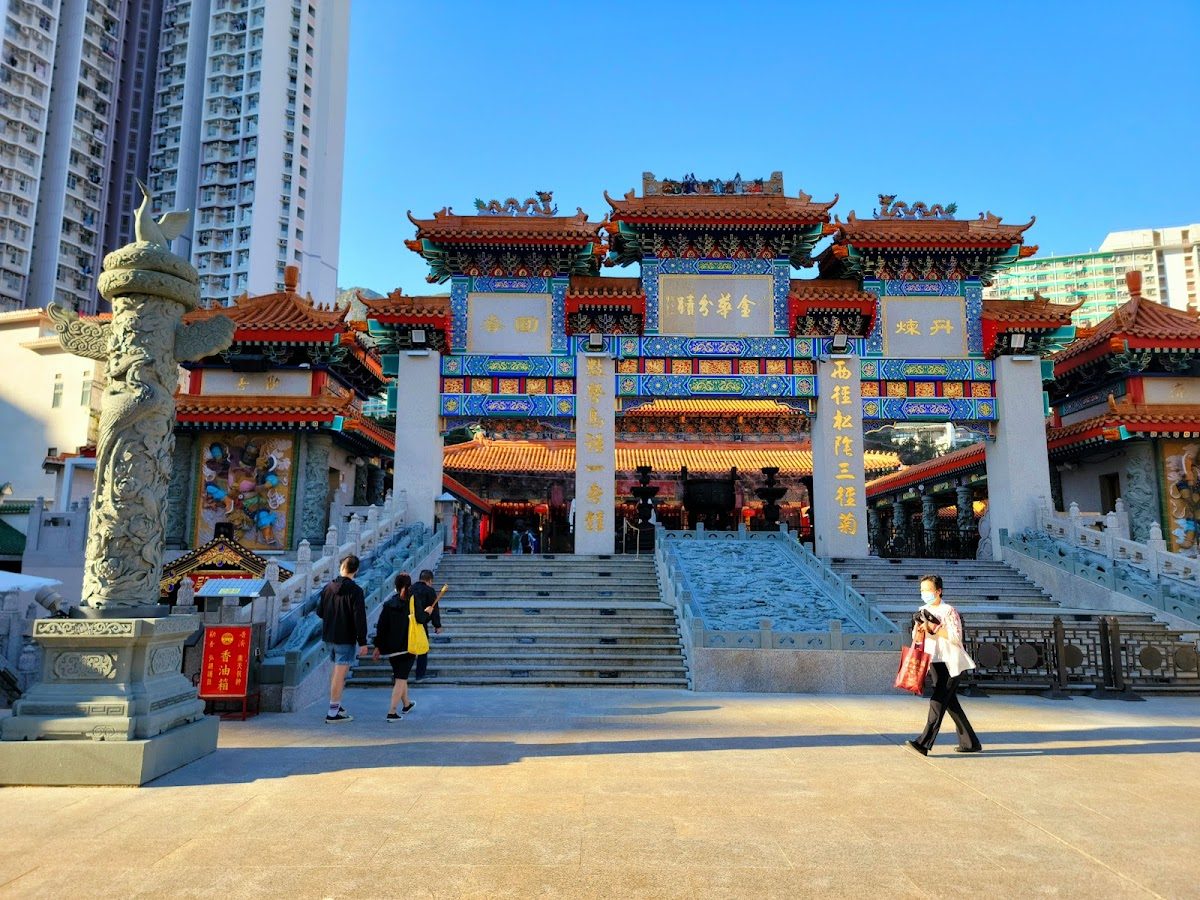
Spend time watching people offer prayers and seek guidance. You might see individuals shaking chim, or fortune sticks, then heading to the adjacent arcade where fortune tellers interpret their fate. It’s a genuine, unvarnished look at local tradition.
This temple is an accessible and culturally rich way to start your layover, providing a sense of Hong Kong’s spiritual foundation without feeling like a staged attraction.
2. Dive into authentic local life in Sham Shui Po
Experience the raw, authentic pulse of Sham Shui Po, a district known for its vibrant street markets and unpretentious local life. This area offers a genuine slice of Hong Kong away from the glitz, with markets selling everything from fabric to electronics on Apliu Street. It’s a fantastic place to observe daily routines.
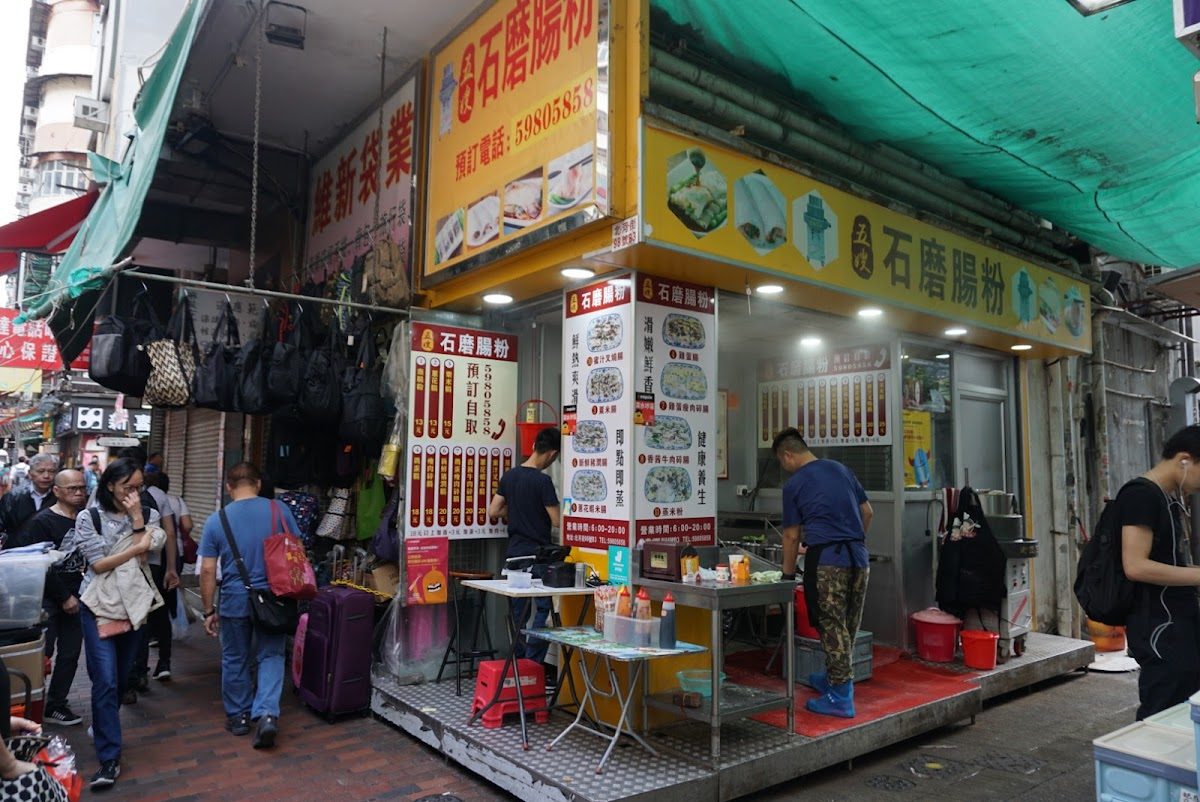
Wander through the narrow streets, taking in the controlled chaos. You can explore the bustling Apliu Street for electronics or delve into the fabric and haberdashery markets. It’s less about buying and more about soaking in the atmosphere and observing the city’s working heart.
This neighbourhood provides a stark contrast to the city’s financial districts, showing you how many Hongkongers live and work. I really enjoyed walking here.
3. Experience a traditional Cha Chaan Teng meal
Immerse yourself in Hong Kong’s unique culinary culture by visiting a traditional Cha Chaan Teng, a local-style cafe that blends Chinese and Western comfort food. These bustling, no-frills establishments are a cornerstone of daily life, offering an authentic meal or a classic milk tea.
Be prepared for fast, efficient service and shared tables, especially during peak hours. Try the iconic scrambled eggs on toast, a bowl of macaroni soup, or a pineapple bun with butter. And, of course, order a strong Hong Kong-style milk tea (hot or cold).
This is more than just a meal; it’s a cultural ritual.
4. Discover the art of hand-embroidered slippers at Sindart 1958
Step into the world of traditional craftsmanship at Sindart 1958, a multi-generational workshop dedicated to hand-embroidered slippers. Run by Miru Wong, the founder’s granddaughter, this shop offers a unique chance to witness and support a beautiful, dying art form. You can admire or purchase slippers with intricate designs.
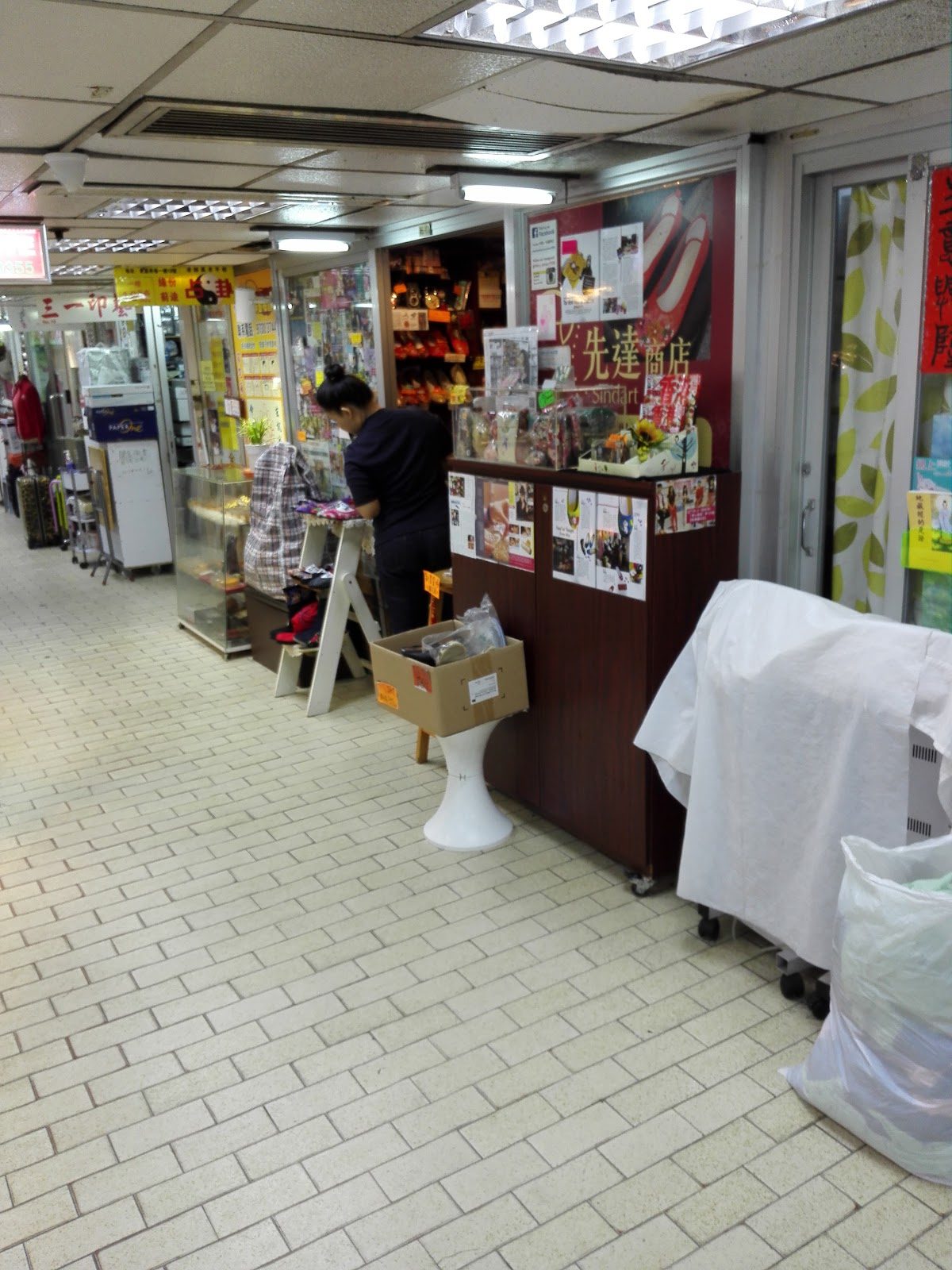
Take your time to appreciate the detailed embroidery and the history embedded in each pair. If Miru is available, she often shares insights into the techniques and stories behind this unique craft, making it a personal and educational experience. It’s a quiet moment in a busy city.
This visit supports a living heritage and provides a glimpse into the dedication required for traditional crafts in modern Hong Kong. It’s a thoughtful break from the city’s speed.
5. Commission a personalised name seal at Man Wa Lane (‘Chop Alley’)
Explore Man Wa Lane, affectionately known as ‘Chop Alley,’ a narrow street in Sheung Wan where master artisans have been carving traditional Chinese name seals for decades. Commissioning a personalised chop is a meaningful cultural experience, a unique piece of art representing your identity.
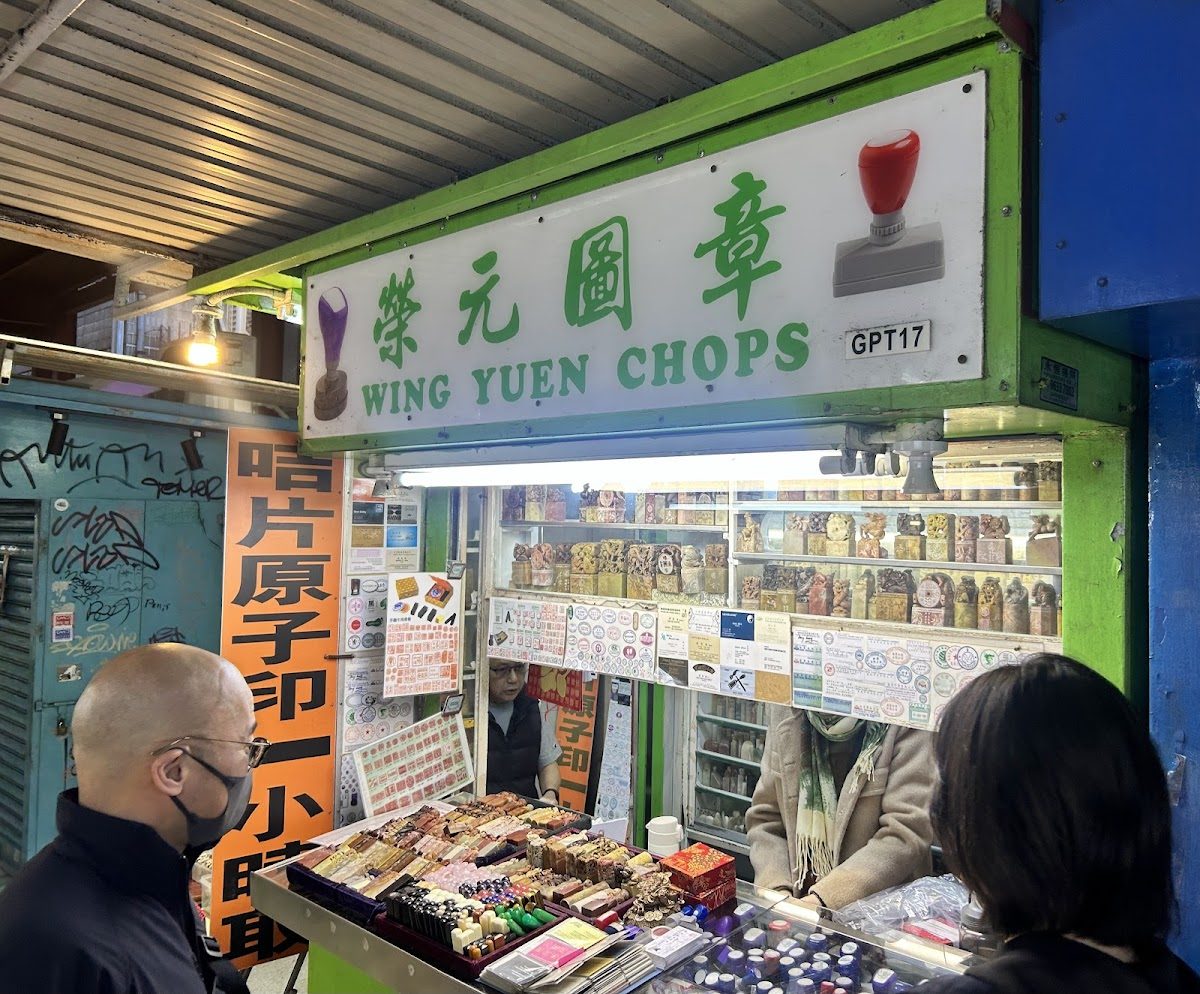
This is a collaborative process with the artisan, offering a deep dive into a cherished tradition. You can discuss materials and styles to create a truly personal piece. Watch as your chosen character or name comes to life under the skilled hand of the carver.
This activity offers a tangible, personal souvenir that connects you directly to Hong Kong’s cultural heritage, far beyond typical tourist trinkets.
6. Experience the sensory overload of Temple Street Night Market
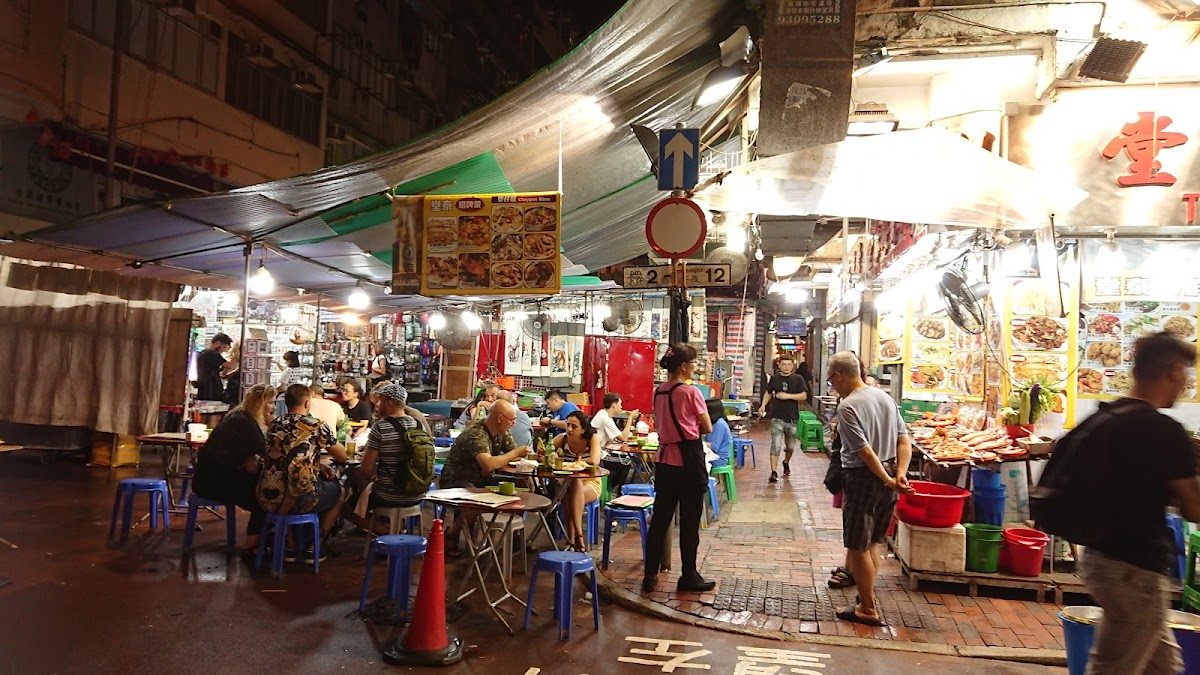
As evening falls, head to the Temple Street Night Market, a quintessential Hong Kong experience that comes alive after dusk. Beyond souvenirs, it’s a hub for authentic street food, fortune tellers, and impromptu Cantonese opera performances. It’s a fantastic place to sample local snacks and soak in the lively atmosphere, a breakout destination for many travellers.
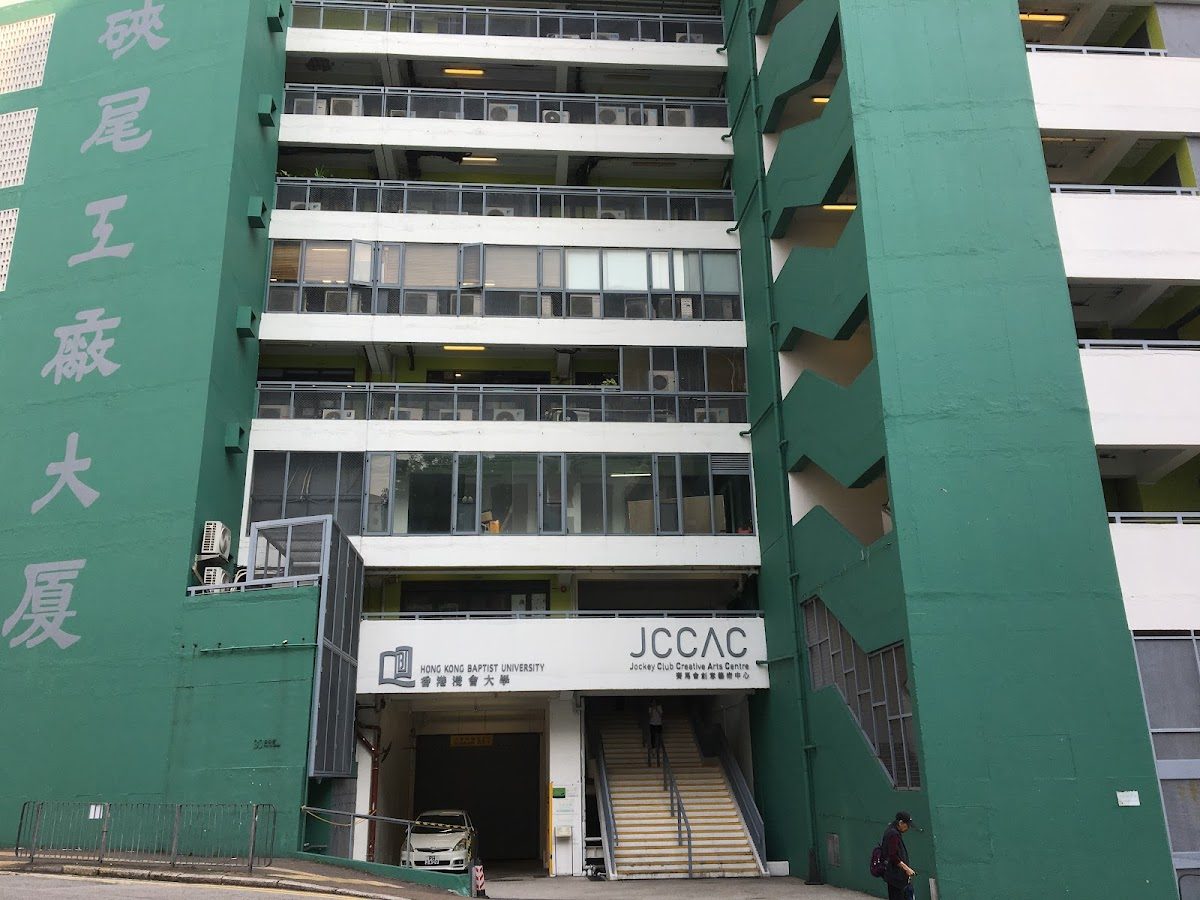
Wander through the stalls, taking in the sights, sounds, and smells. For dinner, head to the dai pai dong (open-air food stalls) and try classic dishes like claypot rice, fresh seafood, or spicy crab. Be prepared to haggle politely if you’re buying souvenirs.
This market offers a vibrant, immersive evening experience that captures the energetic spirit of Kowloon after dark. It’s loud, it’s crowded, and it’s unapologetically Hong Kong.
Final word
Twenty-four hours in Hong Kong allows for much more than just a quick stopover. By stepping away from the immediate airport vicinity, you can connect with the city’s rich cultural fabric and discover the authentic experiences that truly define it. You’ll leave with a deeper appreciation for its traditions and a taste of its genuine local life.
All practical information was verified at the time of writing. Please confirm opening hours and prices before you go.