
Dhaka is a city that never stops, and if you have a 6-hour layover here, you have an opportunity to experience a slice of Old Dhaka that few transit passengers ever consider. With trending interest in Lalbagh Fort and Dhakeshwari Temple as authentic cultural immersion points, this guide focuses on leaving the airport and diving into the city’s historical heart rather than just passing through. It is not about luxury, but about honest engagement with one of South Asia’s most vibrant cities.
This guide is for travellers with a 6-hour layover in Dhaka who are willing to navigate a dynamic city environment to discover its cultural landmarks and authentic local life. It is not for those who prefer airport lounges or structured tours. If you want to see the real Dhaka, this is your chance.
Dhaka pulses with a relentless energy, a city where centuries of history live alongside daily life in a vibrant, sometimes chaotic, symphony. Its Mughal heritage and Bengali culture are etched into every street, offering a unique sensory experience.
A personal note
Over my years flying, I have had more layovers through Dhaka than I can count. Each visit reinforced a particular rhythm to the city: the early morning calm that quickly gives way to the rickshaw chorus, the constant scent of spices and exhaust, and the surprising pockets of quiet devotion in a mosque or temple. It is a city that demands your attention, but rewards it with genuine connection if you are open to it. I have always found something new to observe, from the intricacies of a handicraft market to the specific way a vendor prepares fuchka.
Before you leave the airport
Storing your luggage
LuggageHero provides a convenient option for storing your bags at various partner locations across Dhaka. You can find verified shops and businesses near transportation hubs and attractions via their online platform. Prices start from 178 BDT per hour or 588 BDT per day, plus a one-time service fee of 192 BDT per bag. Booking online is required, and they offer free cancellation.
Do you need cash?
Yes, cash is essential in Dhaka. Bangladesh operates largely as a cash-based economy, particularly for local transport, street food, and markets. While international cards like Visa and Mastercard are accepted in larger hotels and established restaurants, local establishments rely on cash.
ATMs are available at Hazrat Shahjalal International Airport (DAC) and in urban areas. It is advisable to withdraw some Bangladeshi Taka (BDT) upon arrival. ATMs often dispense 1,000 BDT notes, so try to get smaller denominations like 50, 100, and 200 BDT when possible, as change can be scarce.
6 hours in Dhaka: what to do
1. Step back in time at Lalbagh Fort
Begin your exploration at Lalbagh Fort, an unfinished 17th-century Mughal fort complex that offers a peaceful contrast to the city outside. Its impressive architecture, serene gardens, and historical significance provide a deep dive into Bangladesh’s imperial past.
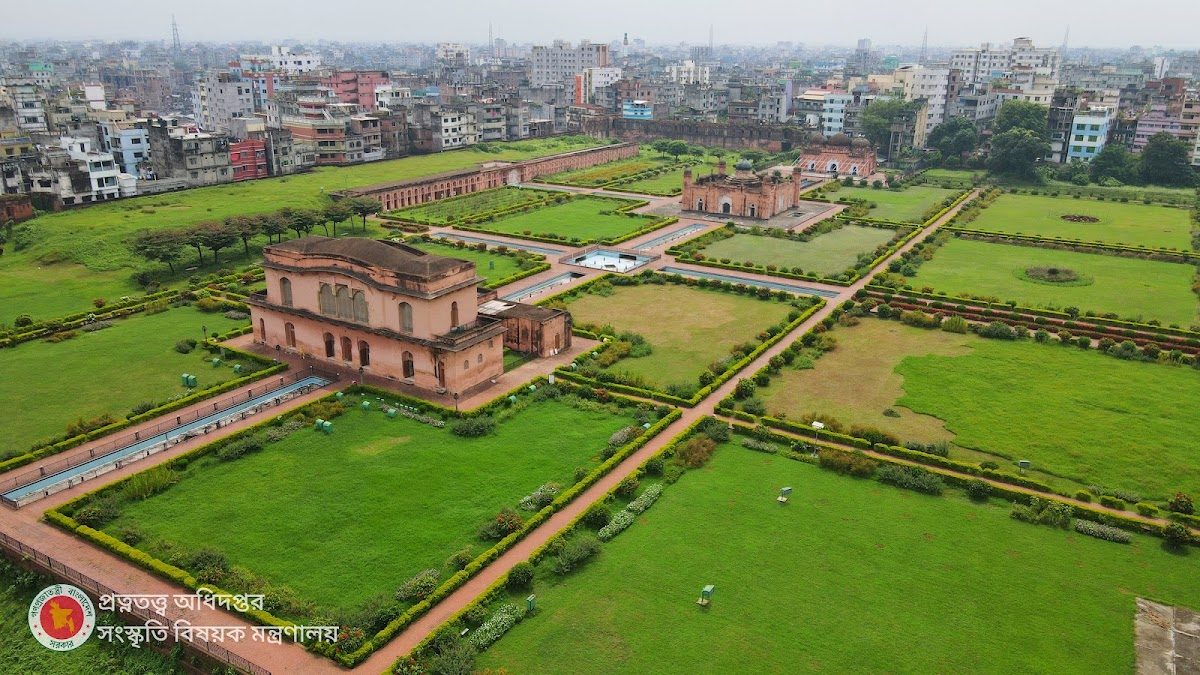
Wander through the grounds, taking in the intricate designs and the quiet atmosphere. Do not miss the small museum within the fort, which adds context to its history and the powerful Mughal era. This is a crucial stop for anyone wanting to understand Dhaka’s rich heritage.
2. Witness devotion at Dhakeshwari National Temple
Just a short distance from the fort, the Dhakeshwari National Temple stands as the most significant Hindu place of worship in Dhaka. Dating back to the 12th century, its distinctive architecture and active spiritual atmosphere offer a profound insight into the country’s diverse religious tapestry.
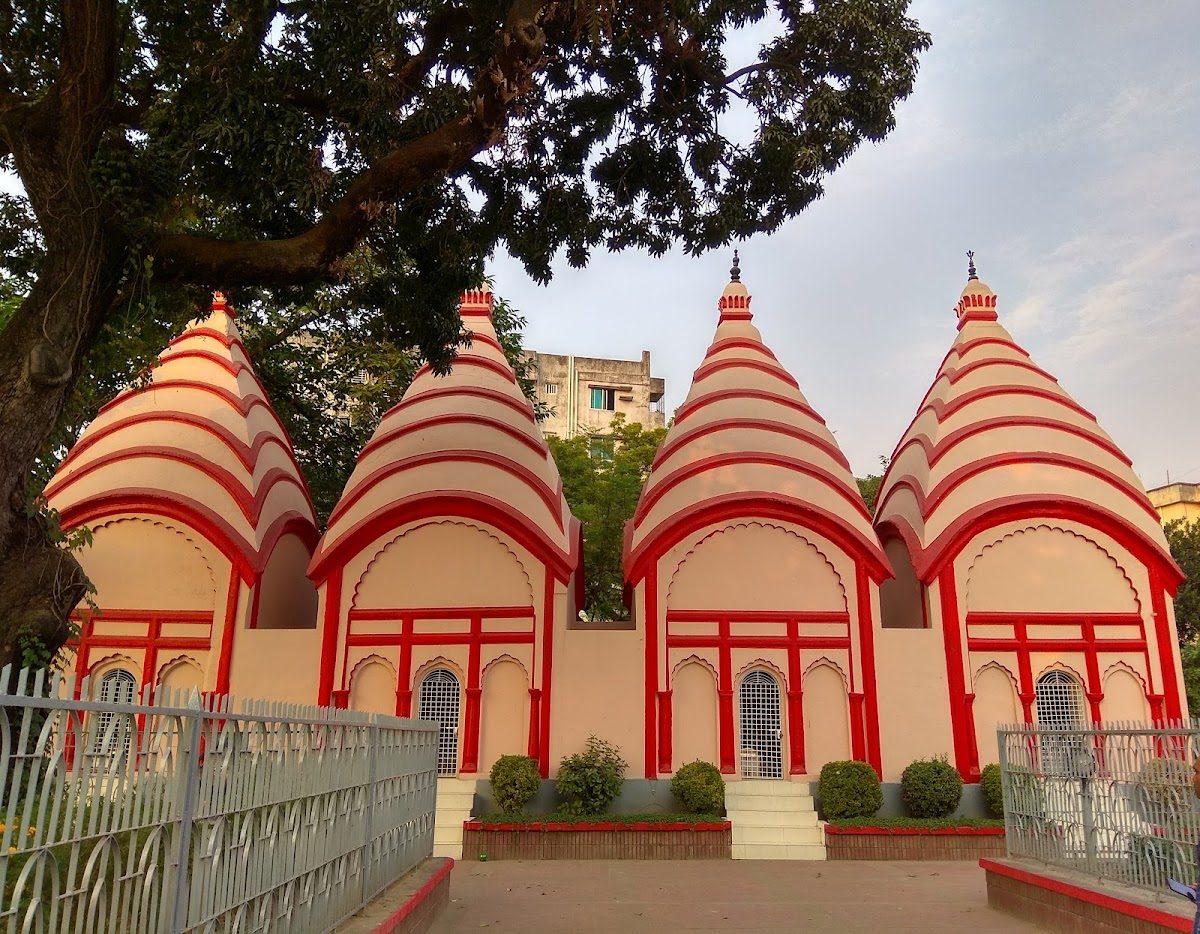
Observe the intricate details of the temple and the quiet rituals of devotees. This site provides a poignant reminder of Dhaka’s multi-religious history, a common thread in many South Asian cities like those explored in our 8 Hours in Medan: Heritage, Crafts, and Culinary Gems guide. Remember to be respectful of the sacred space.
3. Marvel at the mosaics of Star Mosque (Tara Masjid)
Continue your journey through Old Dhaka to the exquisite Star Mosque, also known as Tara Masjid. This early 19th-century mosque is famous for its intricate mosaic decorations, featuring thousands of shimmering stars made from chinitikri (broken pieces of ceramic).
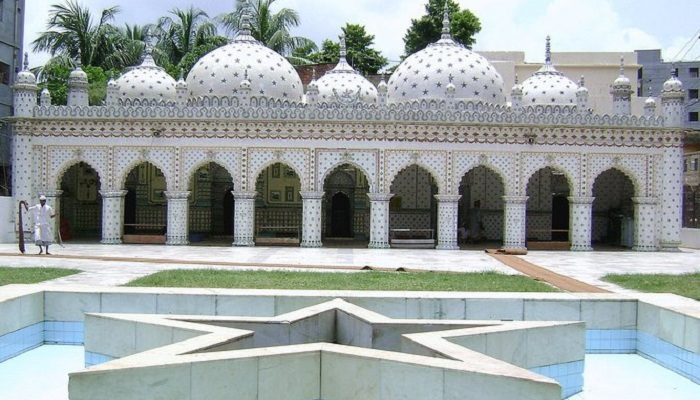
The mosque is an active place of worship and a stunning example of Mughal-influenced Islamic architecture. The sheer detail of the star mosaics is captivating, especially when the sunlight catches them.
4. Taste authentic Old Dhaka Street Food
No visit to Dhaka is complete without diving into its vibrant street food scene. As you explore Old Dhaka, keep an eye out for stalls offering authentic local flavours. This is where the city’s culinary heart truly beats.

Sample popular street foods like Fuchka (crispy shells filled with spiced potatoes and tamarind water) or Jhalmuri (a spicy puffed rice snack). Look for stalls with a high turnover of customers, which typically indicates freshness and popularity.
5. Find traditional crafts at Doel Chattor Handicraft Market
Conclude your layover journey at Doel Chattor Handicraft Market, an open-air market near Dhaka University. This market is a treasure trove of traditional Bangladeshi handicrafts, showcasing the skill of local artisans.
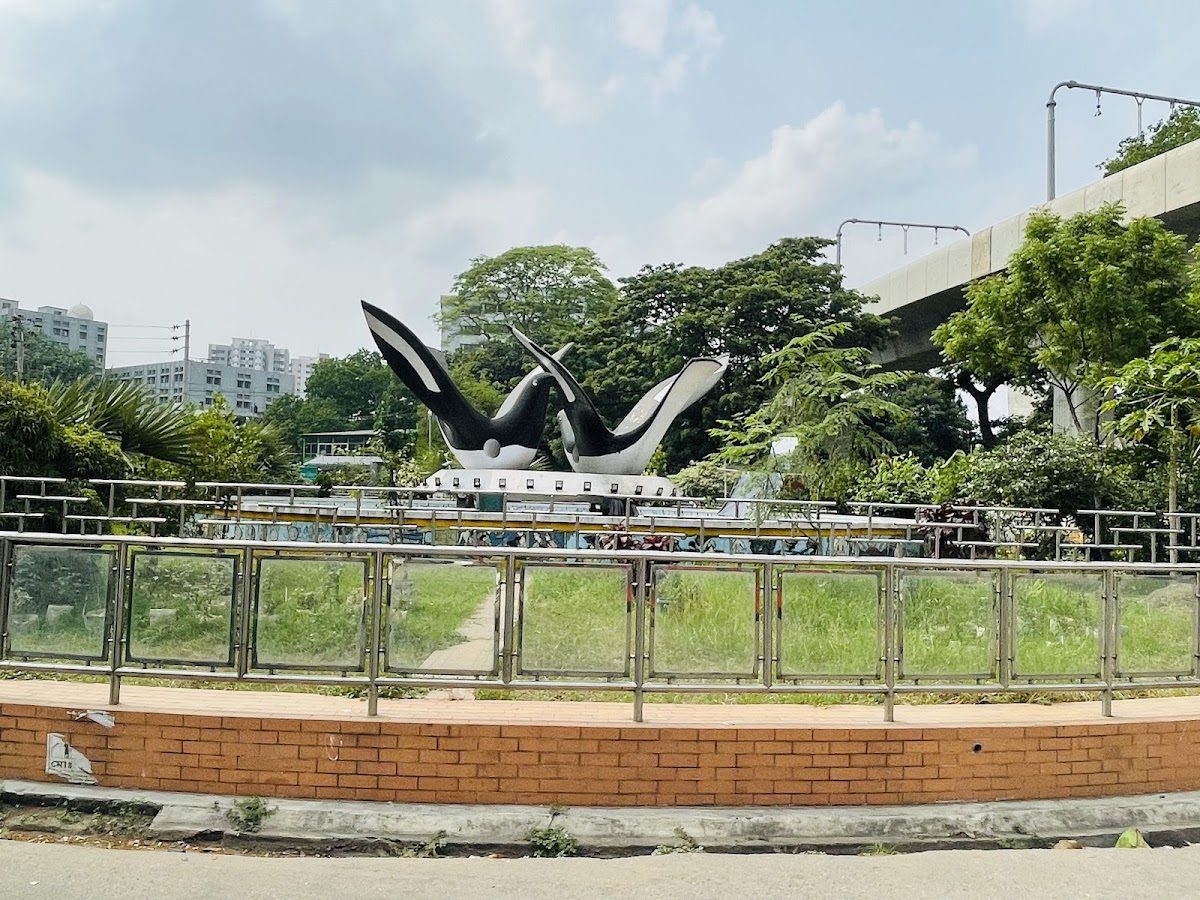
You will find a colourful array of terracotta items, hand-woven textiles, jute products, and intricate wall hangings. Bargaining is expected here and is part of the experience. Look for unique pieces made from natural materials like jute and clay.
Final word
A 6-hour layover in Dhaka is a whirlwind, but it is enough to peel back a layer of this often-misunderstood city. By leaving the airport, you gain a tangible sense of its Mughal past and the unfiltered rhythm of daily life, an experience far richer than any airport lounge could offer, much like exploring the local pulse in 6 Hours in Dakar: Markets, Medina & Senegal’s Authentic Pulse. It is a city that engages all your senses, leaving a lasting impression that transcends its brief encounter.
All information was verified at the time of writing. Please confirm opening hours and prices before you go.