
Dakar is not a city that asks for your attention; it demands it. Its unique energy, a blend of West African rhythm and French colonial echoes, hits you immediately upon leaving the airport. With its surging popularity as a layover destination, driven by searches for Ngor Island and Mamelles Lighthouse, many travellers are now looking to genuinely experience this Senegalese capital, not just pass through.
This guide is for those with 6 hours in Dakar who want to step beyond the airport lounge and taste the city’s authentic pulse. It is for travellers seeking a real cultural experience, even within a tight schedule, focusing on what is genuinely possible.
Dakar is a sprawling port city on the Cap-Vert Peninsula, where traditional teranga (hospitality) meets modern dynamism. It is a place of vivid contrasts, from the quiet dignity of its mosques to the vibrant chaos of its street markets, all set against the backdrop of the Atlantic Ocean.
A personal note on Dakar
Over many years flying through West Africa, Dakar became one of those cities where the airport became less of a gateway and more of a familiar transit point. What always struck me was the sheer density of life just outside the perimeter. The way the light hits the ochre buildings at sunrise, the distinct smell of grilled fish and diesel that follows you, the rhythm of the car rapides weaving through traffic. It is a city that never truly sleeps, always shifting, always alive. The character of its neighbourhoods, from the organised chaos of the Medina to the more residential feel of Ouakam, has a way of leaving a lasting impression, even after only a few hours.
Before you leave the airport
Storing your luggage
Blaise Diagne International Airport (DSS) currently does not offer any luggage storage facilities or lockers. This is a critical point for a short layover. If you have checked luggage, you cannot leave the airport to explore unless you have pre-arranged private storage, which is not a standard service. This guide assumes you are travelling with carry-on only, allowing you the flexibility to explore.
Do you need cash?
Yes, West African CFA francs (XOF) are essential in Dakar. The city operates heavily on a cash-first basis, especially outside of major hotels and upscale areas like Almadies. You will need XOF for taxis, local markets, street food, and smaller shops.
While ATMs are available at the airport, it is often better to withdraw from an ATM inside a bank or hotel in the city for better rates and security. Aim to carry XOF 20,000–30,000 for your layover, and try to break larger bills into smaller denominations whenever possible, as vendors may struggle with change. This is similar to the cash-centric approach you would find in 6 Hours in Algiers: Casbah Labyrinths, Authentic Lunch & Colonial Charm.
6 Hours in Dakar: what to do
1. Immerse yourself in the crafts at Marché Soumbédioune
Head to Marché Soumbédioune for a genuine slice of Dakar life, where the city’s fishing heritage meets its artistic soul. This market is a double-edged sword of experience: a working fishing port vibrant with colourful pirogues and the day’s catch, and an extensive craft market. You will see everything from carved masks and intricate jewellery to vibrant batik fabrics, with many artisans working right in their stalls.
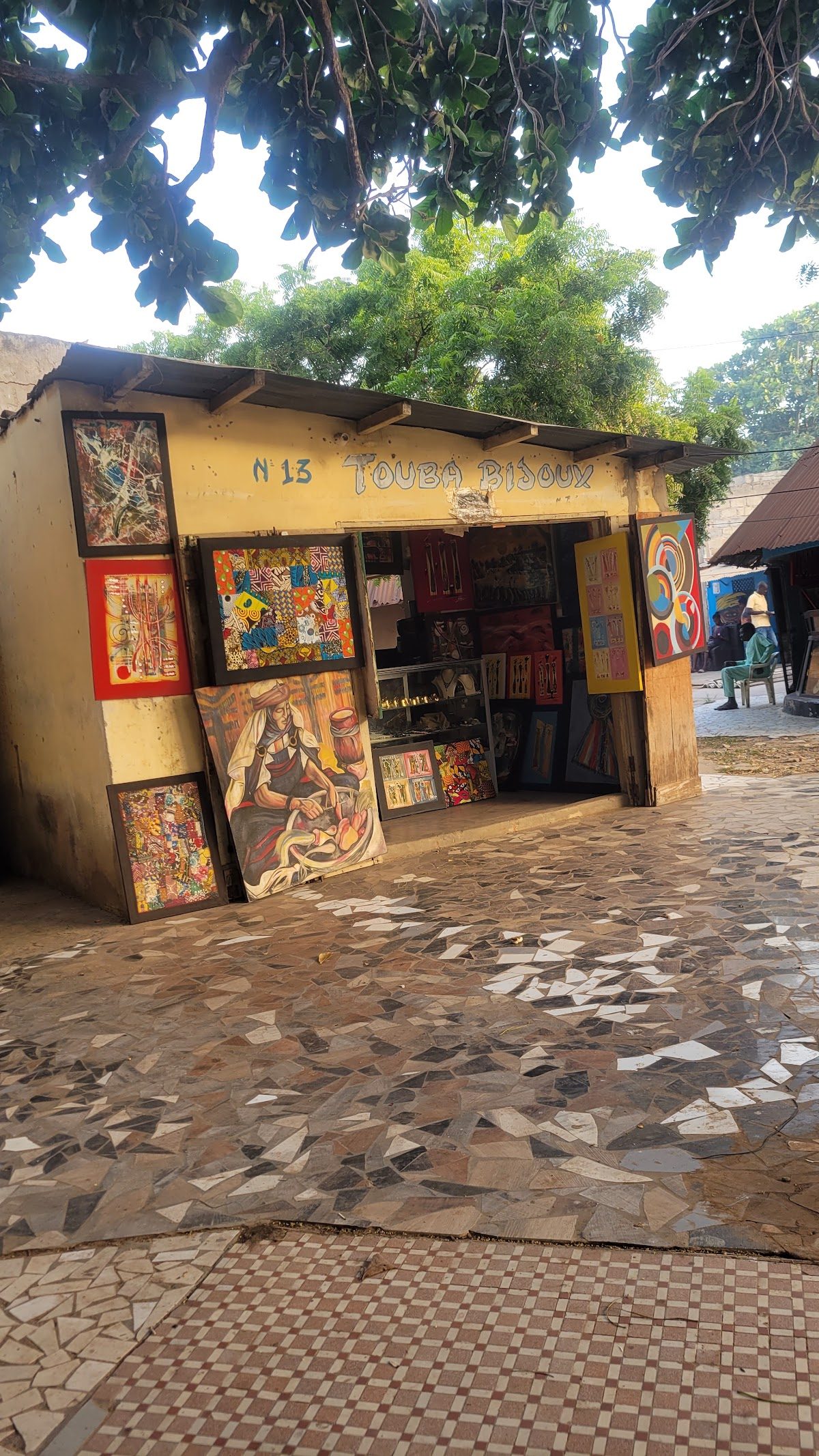
Beyond the initial row of stalls, you will find local craftspeople in the market’s inner sections, often with more unique pieces and better prices. Do not hesitate to engage respectfully in the art of haggling; it is part of the experience here. This is where the city’s artistic traditions are visibly alive, a contrast to the often mass-produced souvenirs found elsewhere.
2. Taste authentic street food in the Médina
After soaking in the sights and sounds of Soumbédioune, dive deeper into the Médina for an authentic Senegalese street food experience. This neighbourhood is the culinary heart of Dakar, offering flavours that cater to local palates, not tourists. Seek out vendors preparing Thieboudienne, Senegal’s national dish of fish, rice, and vegetables, or Dibi, succulent grilled lamb or beef served with onions.
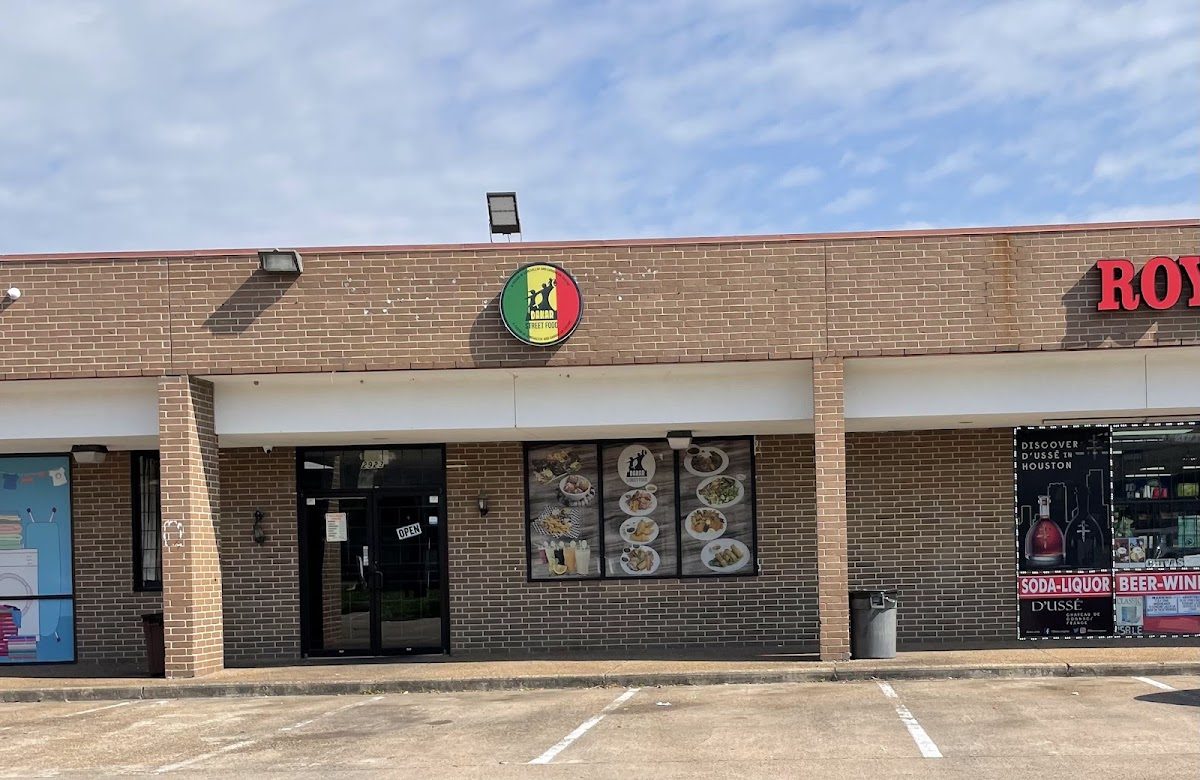
Another popular option is Fataya, delicious fried pastries often filled with fish or meat, perfect for a quick snack. This is where you truly taste the city, with fresh ingredients and generations of cooking tradition. I have had some of the best Thieboudienne from unassuming stalls here, far better than any restaurant.
3. Take in the panoramic views from Phare des Mamelles
For a different perspective on Dakar, head to the Phare des Mamelles (Mamelles Lighthouse). Perched atop one of Dakar’s twin hills, this historic lighthouse, built in 1864, offers 360-degree panoramic views of the entire peninsula and the vast Atlantic Ocean. It is a stunning natural lookout and a popular spot with locals and visitors alike.
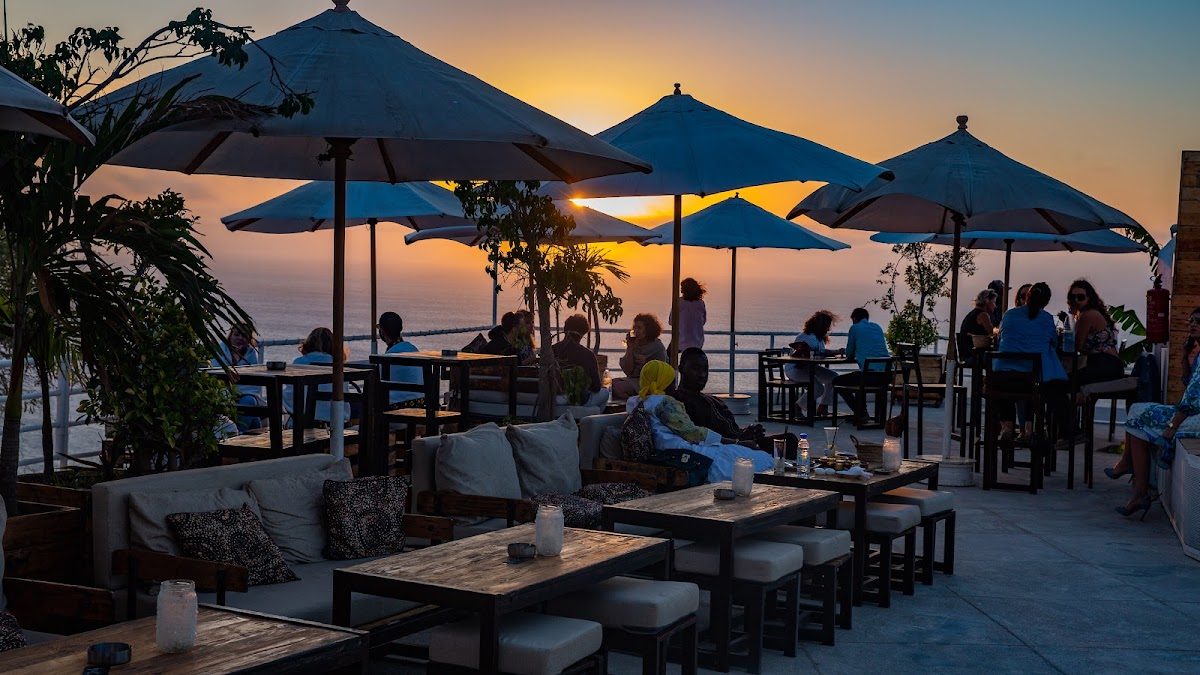
Beyond its historical role, the lighthouse now hosts a trendy restaurant and bar, making it an ideal spot for a refreshing drink with an unparalleled vista. The views of the coastline, the city sprawling below, and the endless ocean are genuinely impressive, especially on a clear day. This is a great way to grasp the geography of the city, much like getting a higher vantage point in 6 Hours in Sofia: Markets, Icons, and Communist Echoes.
4. Engage with artists at Village des Arts
If time allows after the lighthouse, make a quick stop at the Village des Arts, a unique artist community in the Ouakam neighbourhood. This haven for contemporary Senegalese art offers a more intimate cultural experience, moving beyond traditional markets. Here, artists work and display their creations in their studios, ranging from vibrant paintings and intricate sculptures to textiles and mixed media.
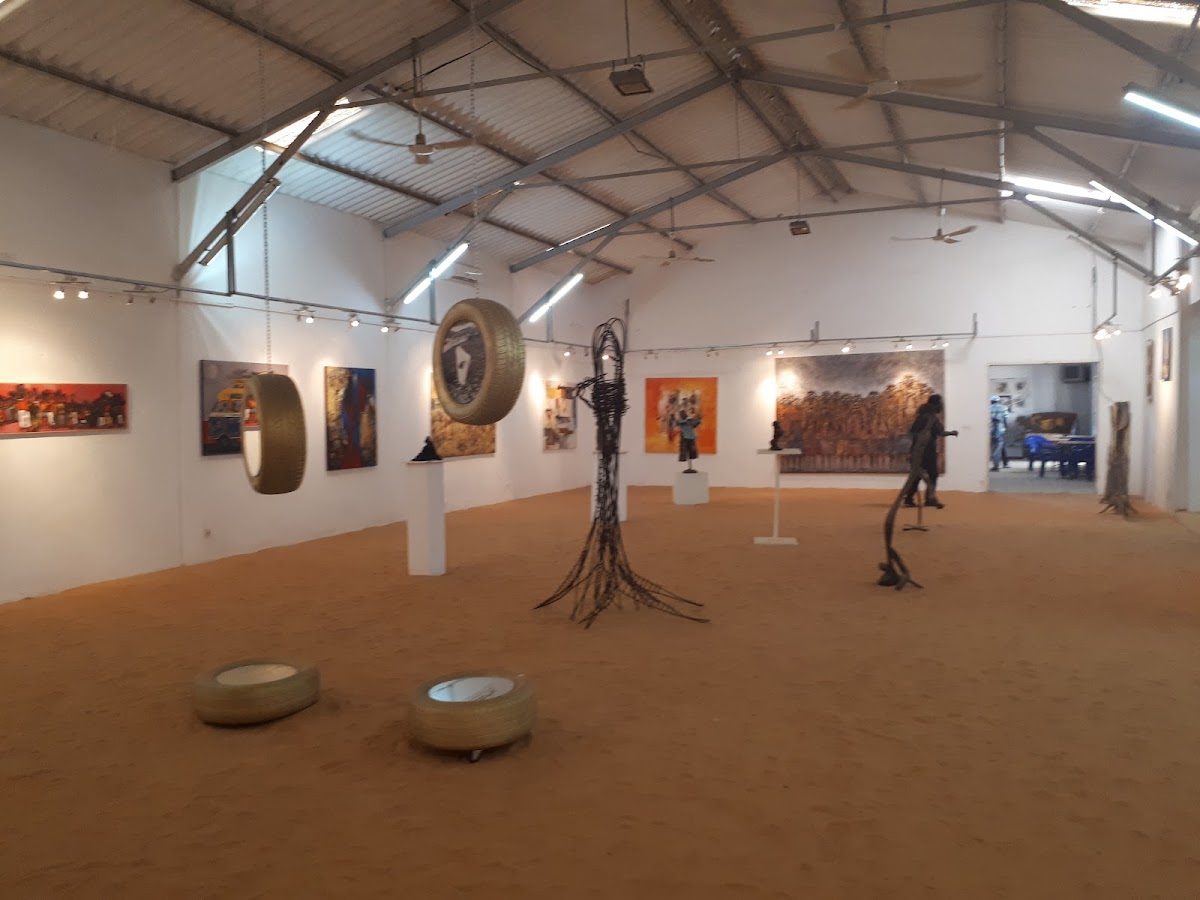
It is an excellent opportunity to interact directly with local artists, observe their creative process, and purchase unique pieces directly from the creators. This communal space fosters a different kind of artistic expression, offering a quiet contrast to the city’s usual hustle. Many artists are open to conversation, even with a language barrier, making it a rich cultural exchange.
5. Absorb the energy of a Médina neighbourhood walk
Even if you have already visited the market, dedicate some time to a simple walk through the Médina. This is often described as the ‘beating heart of local life’ in Dakar, and for good reason. It is a densely populated and authentic neighbourhood that offers a raw, unfiltered glimpse into daily Senegalese urban existence.
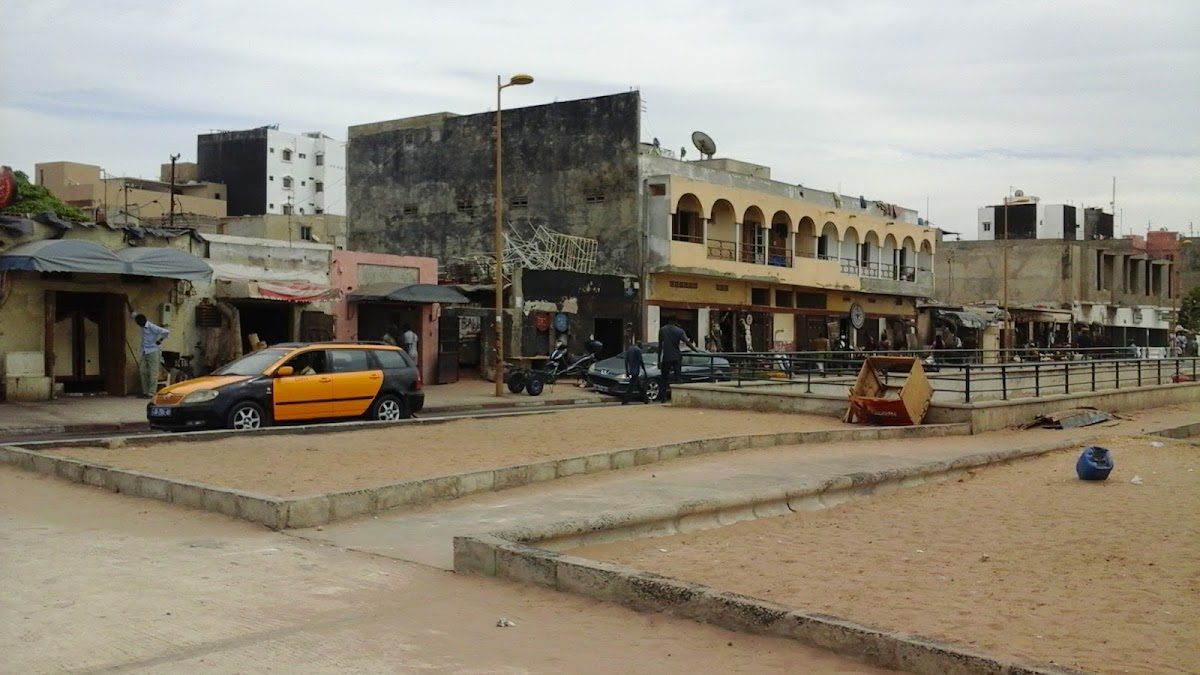
Expect bustling streets, vibrant textiles draped from stalls, lively local commerce, and constant community interactions. This is a neighbourhood that functions for its residents first, far removed from any polished tourist zones. Embrace the sensory overload; the sounds, smells, and sights will give you a profound sense of Dakar’s unique energy.
Final word
Dakar on a 6-hour layover is not about seeing everything; it is about feeling the city’s pulse. It is about understanding its unique blend of tradition and dynamism, tasting its food, and experiencing its warm teranga, even if just for a few hours. This is a city that, despite its chaos, offers genuine connection and a profound sense of place.
All practical information was verified at the time of writing; please confirm hours and prices before you go.