
Belgrade is a city that often gets overlooked, yet it is a place of genuine character, deeply rooted in history but with a clear eye on the future. With Belgrade budget travel and city breaks trending, it’s clear more people are discovering the Serbian capital’s raw appeal beyond the usual European circuits. This is a city that challenges and rewards, especially if you are willing to leave the airport.
This guide is for the pragmatic traveller with an 8-hour layover in Belgrade, keen to experience the city’s pulse and unique blend of influences. It is for those who want to see the real Belgrade, far from the airport’s sterile walls, and engage with its history and contemporary culture.
Belgrade, at the confluence of the Sava and Danube rivers, carries its tumultuous history in its architecture and the spirit of its people. Ottoman, Austro-Hungarian, and socialist influences converge here, creating a distinct blend of old-world charm and dynamic energy.
A personal note
Having passed through Belgrade Nikola Tesla Airport countless times as cabin crew, I have watched the city evolve. My recurring impression is of a place that is constantly reinventing itself, yet never losing its core identity. You can see it in the contrast between the grand, faded Austro-Hungarian buildings and the vibrant street art of Savamala, or the quiet mornings along the Danube before the kafanas truly come alive. It’s a city of layers, best experienced by simply walking its streets and observing the daily rhythm.
Before you leave the airport
Storing your luggage
With only 8 hours, you will want to be light. The most convenient option is Smart Lockers Belgrade, located near the A1 airport shuttle stop.
- Smart Lockers Belgrade (Near A1 Airport Bus Stop):
- Location: Kralja Milana 20, Belgrade (5 min walk from A1 airport shuttle stop)
- Price: Regular Locker: €5 for up to 6 hours. Big Locker: €10 for up to 6 hours.
- Hours: 24/7
- Notes: Self-service PIN lockers. Payment accepted in EUR or RSD cash on arrival.
Do you need cash?
Yes, you will. While major establishments in Belgrade accept cards, cash (Serbian Dinar, RSD) is essential for smaller shops, local markets, bakeries, and some taxis.
ATMs are widespread, but always choose to be charged in RSD to avoid poor conversion rates. For exchanging currency, use licensed exchange offices (menjačnica) in the city, which offer better rates than the airport.
8 hours in Belgrade: what to do
1. Immerse yourself in the street art of Savamala
This former industrial zone has blossomed into Belgrade’s most energetic and creative district, a hub for street art, independent galleries, and cultural venues like KC Grad. It offers a colourful, dynamic atmosphere to explore contemporary local culture, and is a trending destination for those interested in Savamala street art Belgrade.
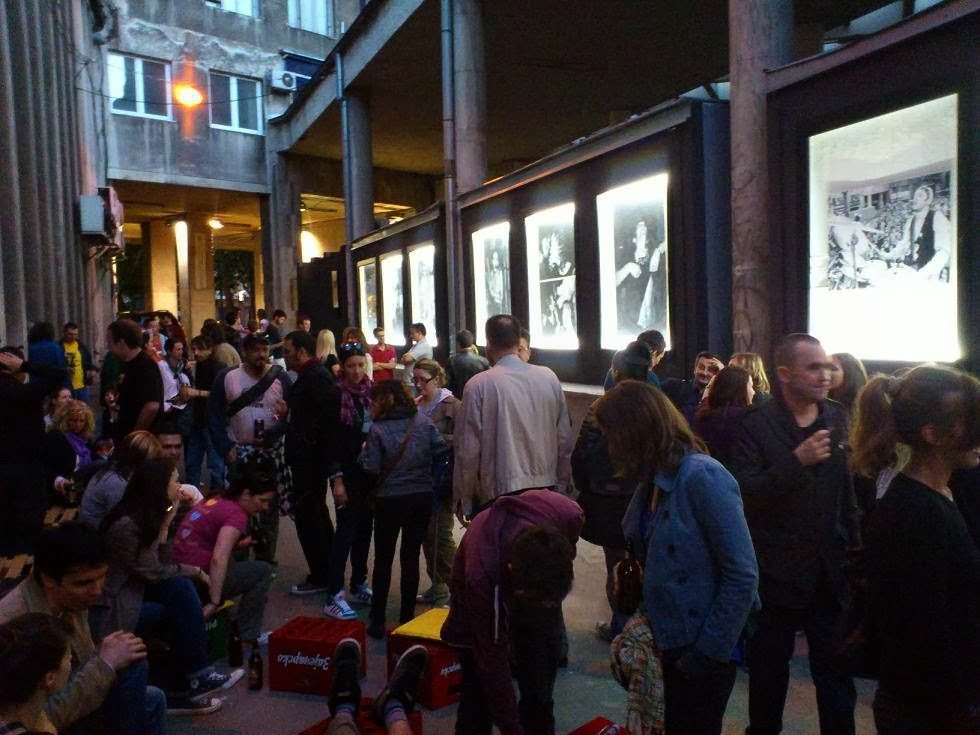
Spend time wandering through the Savamala alleys and courtyards. Some of the most striking murals are not on the main thoroughfares, but tucked away on side streets, revealing themselves as you explore. It is a neighbourhood that feels alive with artistic expression and a forward-thinking spirit.
2. Ascend Zemun’s Millennium Tower for panoramic views
Zemun offers a picturesque escape, a historic town that once belonged to the Austro-Hungarian Empire and is now a charming part of Belgrade. Stroll its cobblestone streets and enjoy the Danube riverfront.
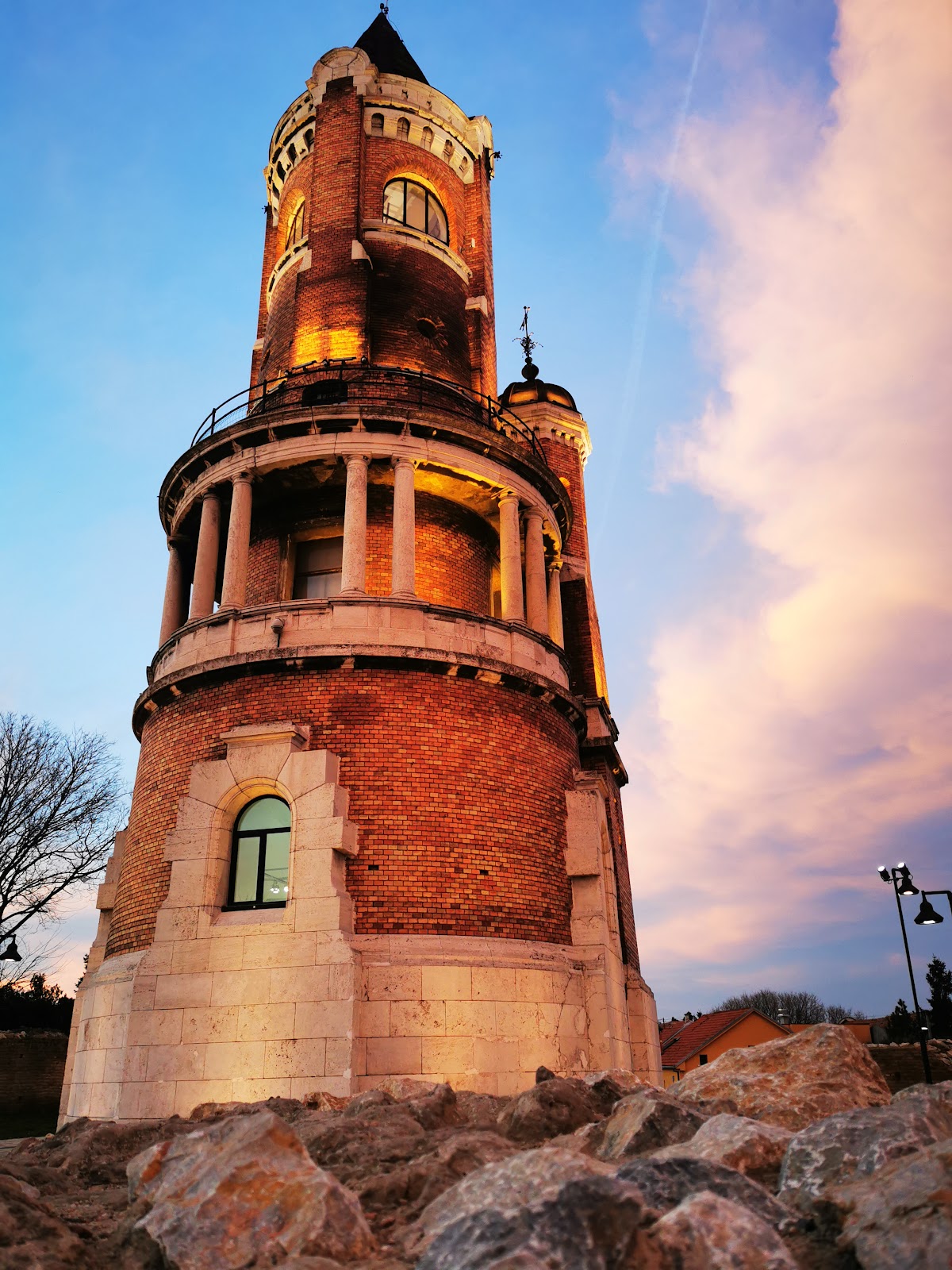
The highlight is the Millennium Tower (also known as Gardoš Tower), where you can climb for sweeping views of Zemun, the Danube, and the wider Belgrade cityscape. It is one of the top trending sights for a “Belgrade city break”. After descending, I always look for a spot along Zemun Kej for some fresh fish.
3. Experience local life at Zeleni Venac Market
Dive into the everyday rhythm of Belgrade at Zeleni Venac Market (Pijaca Zeleni Venac), one of the city’s oldest and busiest open-air markets. This is where locals shop, not tourists.
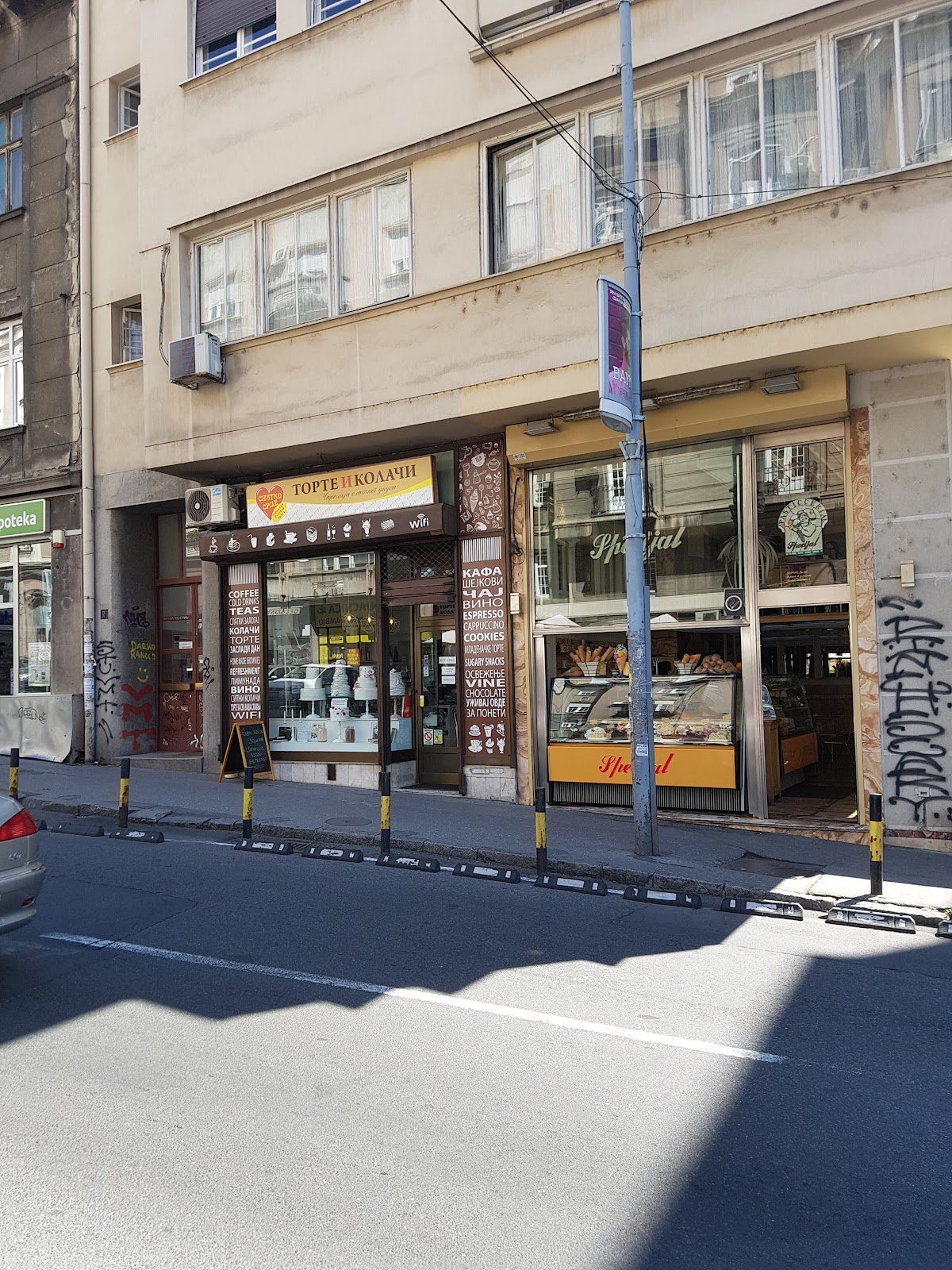
The market is a sensory experience, filled with fresh produce, local cheeses, cured meats, and traditional Serbian sweets. You will hear the lively chatter of vendors and feel the authentic pulse of the city. Before or after, grab a freshly baked burek from a nearby bakery; it is a true local staple.
4. Reflect at the NATO Bombing Ruins
The partially destroyed General Staff Building stands as a stark and powerful testament to the 1999 NATO bombing, a poignant reminder of Belgrade’s recent, difficult past. It is not a typical attraction, but a deeply significant historical site.
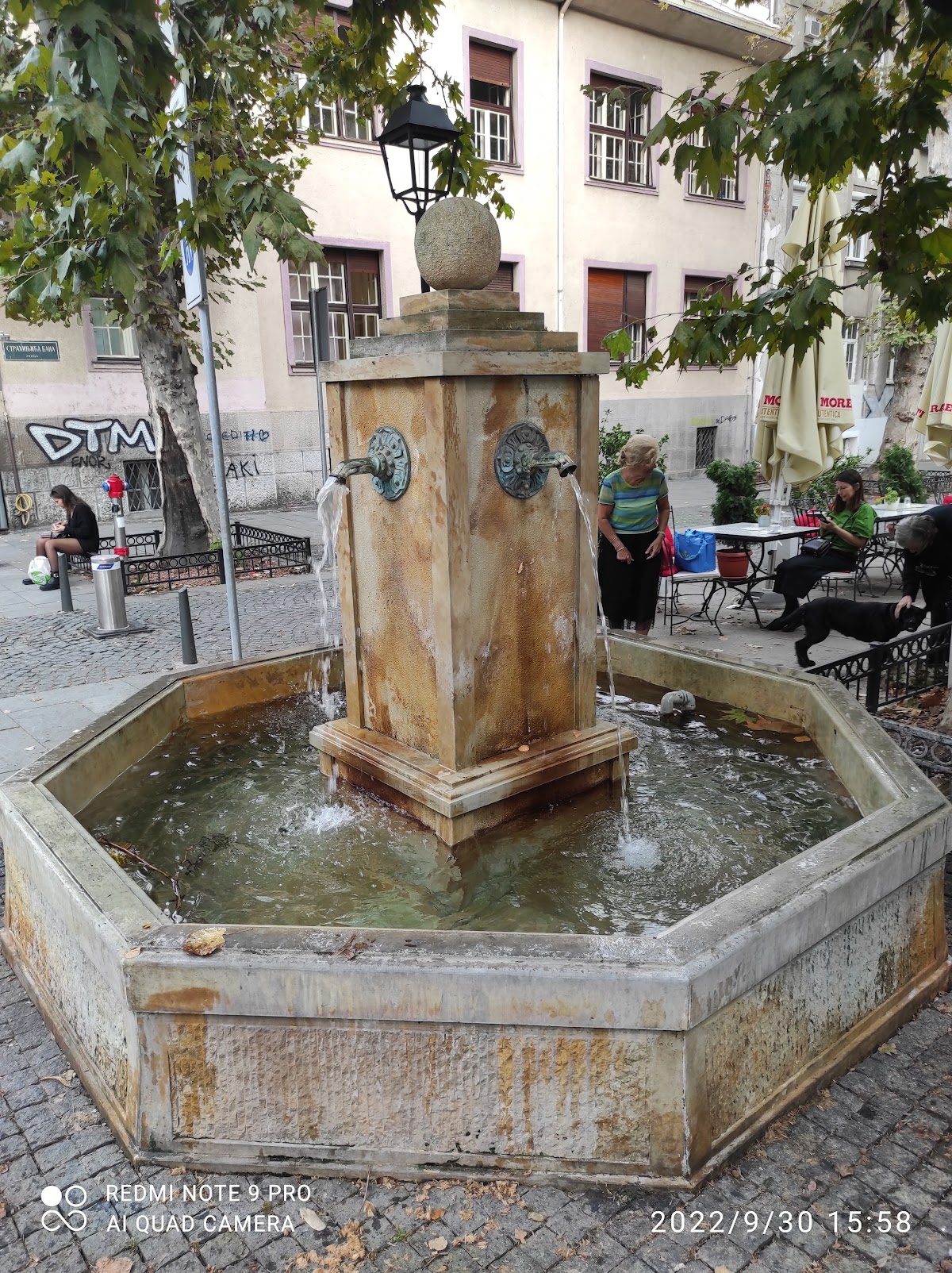
This site prompts quiet reflection on the city’s resilience and enduring spirit. It offers a deeper understanding of the events that shaped modern Belgrade and is often mentioned when people search for “NATO bombed buildings Belgrade”. It is a solemn but necessary stop for a comprehensive view of the city.
5. Taste authentic Serbian cuisine at Kafana “?” (Znak Pitanja)
Experience a quintessential Serbian kafana at Kafana “?” (Znak Pitanja), the oldest tavern in Belgrade. This historic establishment offers a window into traditional Serbian social life and authentic local dishes in a truly old-world setting.
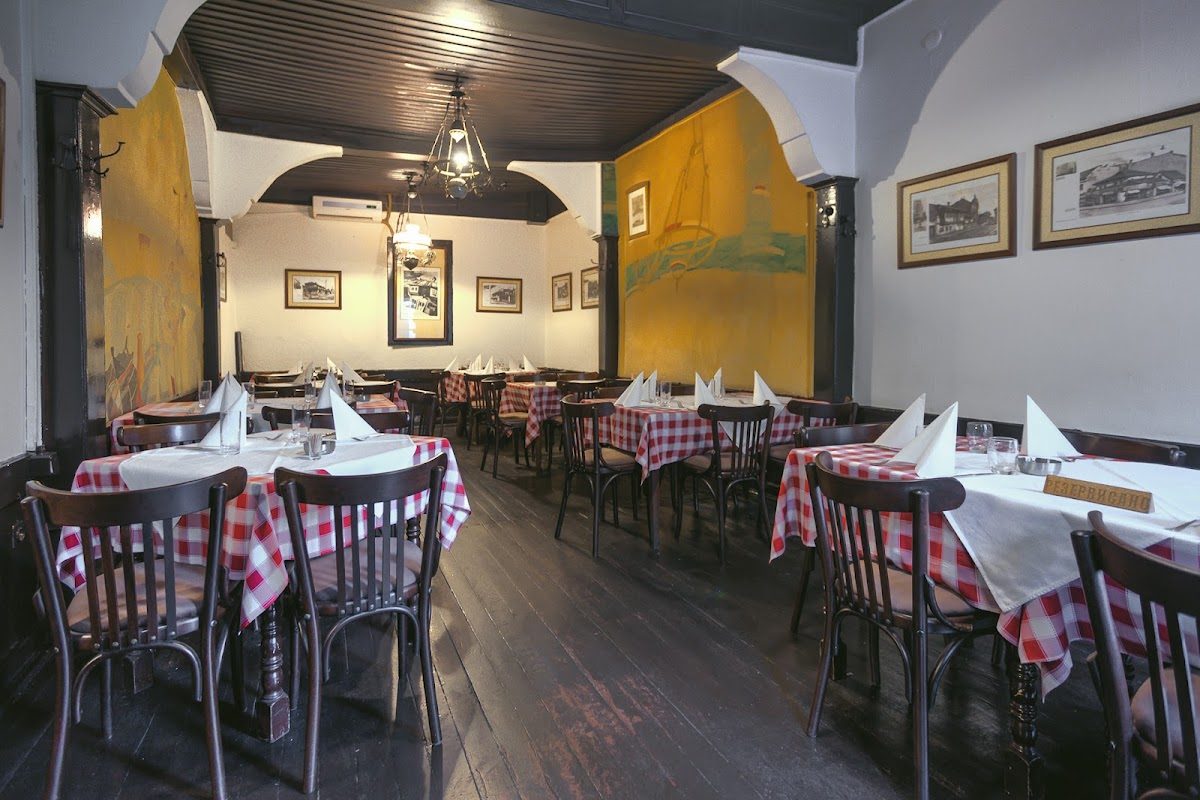
Order traditional dishes like ćevapi (grilled minced meat) or sarma (cabbage rolls), and consider trying a local rakija (fruit brandy) for a full cultural immersion. It is a place where you can feel the layers of history in the wooden tables and the quiet hum of conversation, much like the traditional souks I’ve explored on an 8-hour layover in Zanzibar: Stone Town’s Hidden Alleys & Authentic Local Flavors.
Final word
An 8-hour layover in Belgrade offers a chance to scratch beneath the surface of a truly resilient and vibrant city. It is enough time to feel its pulse, understand its complex history, and taste its authentic flavours, leaving you with a richer understanding than just another airport lounge. Just as I always advise for an 8-hour layover in 8 Hours in Nanjing: Ancient Walls, Laomendong & Duck Blood Soup, embrace the unexpected.
All practical information was verified at the time of writing. Please confirm opening hours and prices before your visit.