
Tehran is more than just a transit point; it’s a city that challenges expectations, offering a deep dive into Persian culture often overlooked by those who only see the headlines. This guide aims to take you beyond the typical tourist circuit, exploring its vibrant bazaars and authentic street food within a 12-hour layover.
This guide is for the culturally curious traveller with 12 hours in Tehran, eager to step out of the airport and experience the city’s unique blend of history and daily life. It’s for those who appreciate authentic encounters over curated experiences. If you’ve enjoyed exploring cities like 6 Hours in Lahore: Walled City Wonders, Crafts & Culinary Journeys or 12 Hours in Bengaluru: Street Food, Crafts & Indiranagar Cafes, you’ll find a similar spirit here.
Tehran is a sprawling metropolis where ancient Persian heritage meets a modern urban pulse, framed by the majestic Alborz Mountains. It’s a city of striking contrasts, from traditional bazaars to contemporary art scenes, offering a unique glimpse into diverse Iranian life.
A personal note
Over many layovers through Tehran as cabin crew, I’ve seen the city peel back its layers at different hours. The early morning calm of the streets before the traffic swells, the aroma of spices and ash in the markets, the rhythm of life around the mosques and tea houses. It’s a city that asks you to look closer, to walk around the corner, to engage. You won’t find a grand monument on every block, but you’ll find a genuine warmth and an intricate tapestry of daily life that’s far more compelling.
Before you leave the airport
Storing your luggage
For secure storage, consider LuggageHero which offers various locations across Tehran. You can book online, with prices from 50,000 IRR per hour or 245,000 IRR per day (approx. $1.49/hour or $4.90/day), plus an 80,000 IRR service fee. Confirm specific hours and locations on their website before you go.
Do you need cash?
Yes, cash is essential in Tehran. Due to international sanctions, foreign credit and debit cards are not accepted. Bring sufficient USD or Euros to exchange into Iranian Rials (IRR) upon arrival. Official exchange offices (Sarrafi) at IKA airport generally offer better rates than informal street exchangers. Remember that prices are often quoted in ‘Toman‘, where 1 Toman equals 10 Rials; always clarify which currency is being used to avoid confusion.
12 hours in Tehran: what to do
1. Dive into traditional craftsmanship at Oudlajan Handicraft Centre
Step into the revitalised Oudlajan neighbourhood, a historic area that now serves as a vibrant hub for traditional Iranian craftsmanship. You can explore numerous shops and workshops where artisans display their skills, offering a glimpse into Iran’s rich artistic heritage. This centre provides an authentic cultural shopping experience, far removed from mass-produced souvenirs.
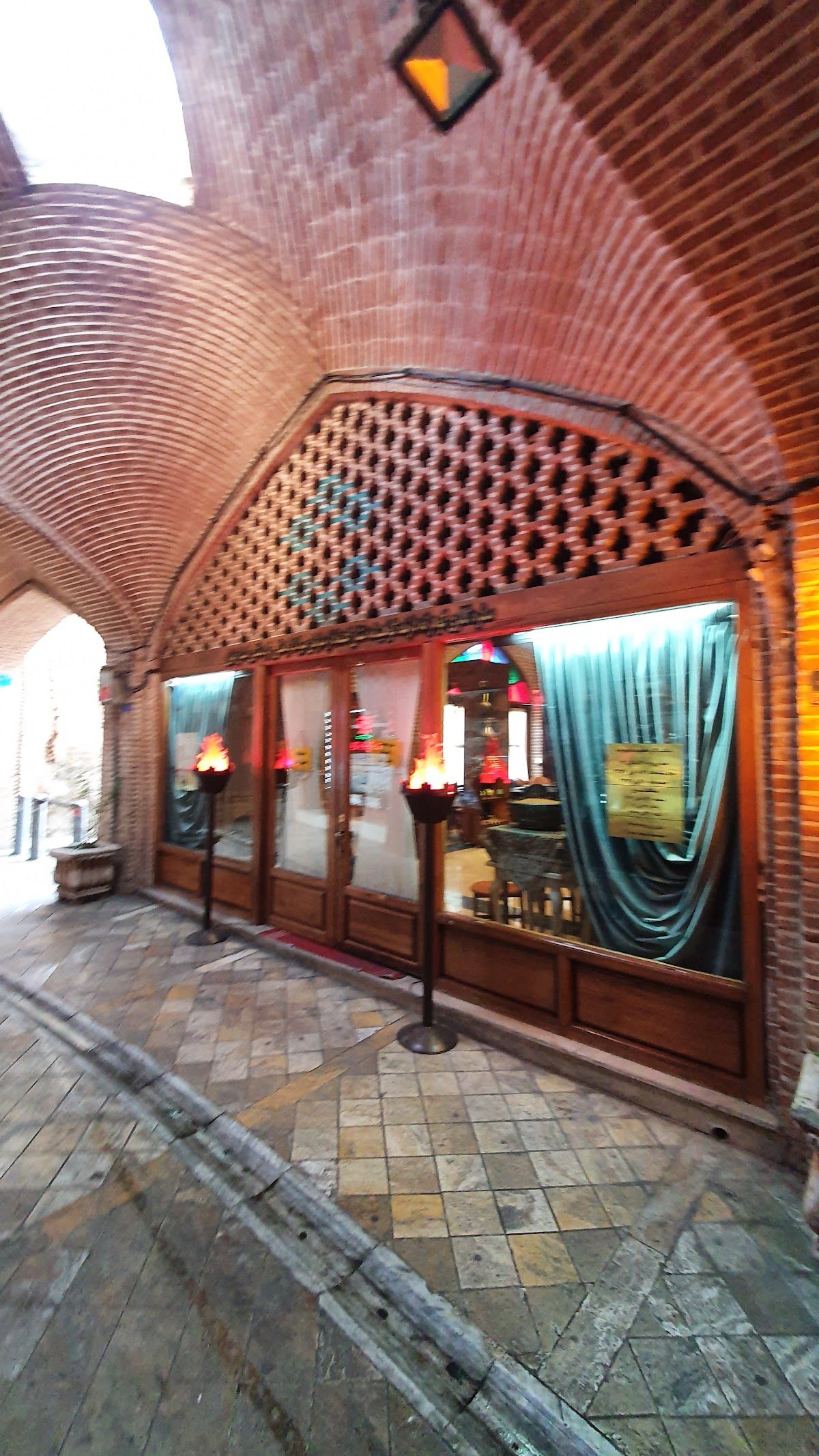
Wander through the alleys, watching weavers at their looms or potters shaping clay. The atmosphere here is one of quiet dedication to craft, a contrast to the bustling markets nearby. It’s a place to find unique, handmade items that tell a story.
2. Navigate the labyrinth of Tehran Grand Bazaar
More than just a market, Tehran’s Grand Bazaar is a sprawling historic labyrinth, a city within a city. To experience its true pulse, bypass the main thoroughfares and seek out Seyed Vali Alley for traditional street food and the Tribal Arts Passage for unique handmade items. It offers a fascinating contrast to the craft centre.
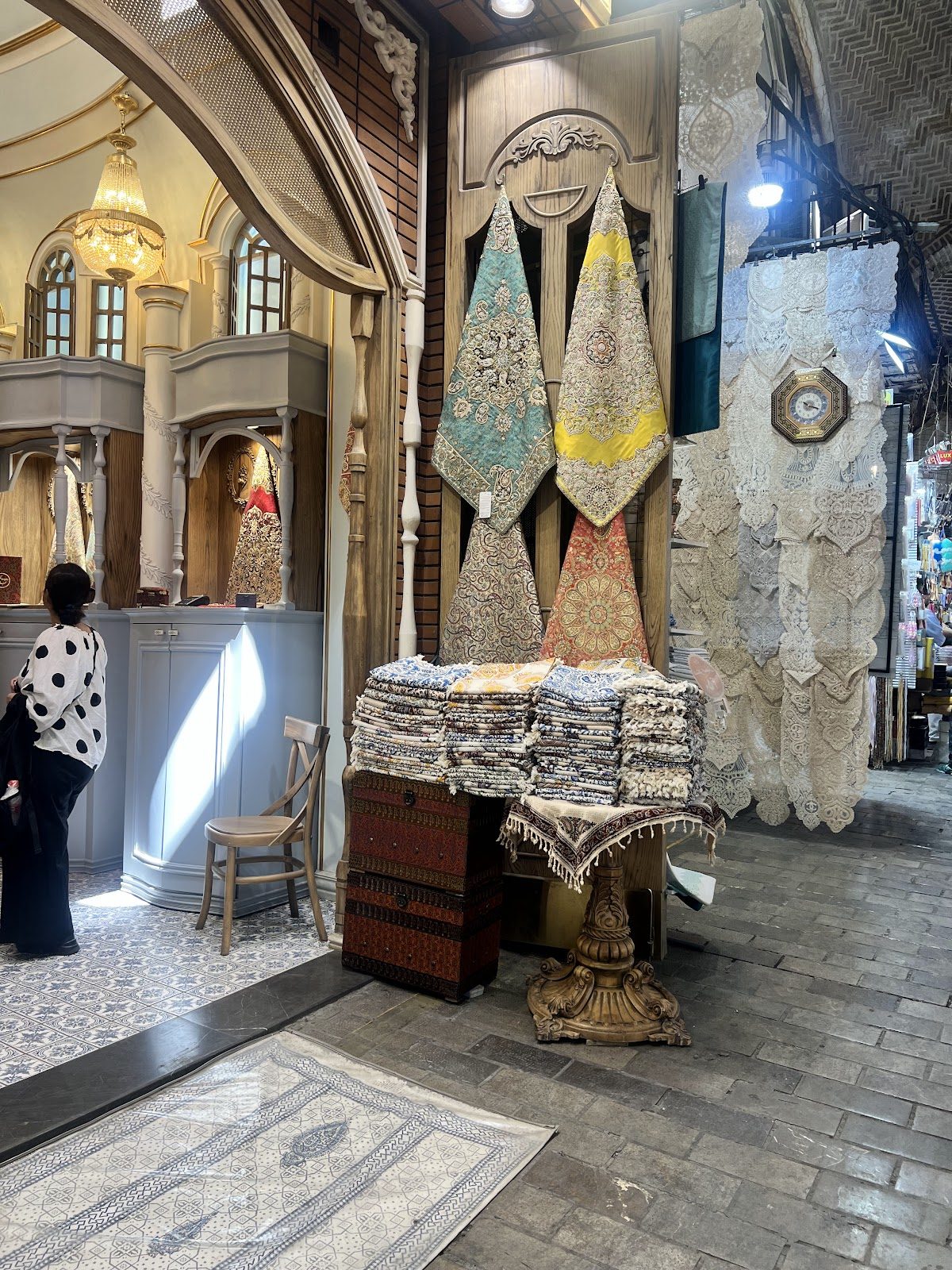
In Seyed Vali Alley, you will find vendors selling bowls of ash and crisp falafel. The Tribal Arts Passage is where you can discover handcrafted kilims, pottery, and jewellery from Iran’s diverse ethnic groups. Bargaining is part of the experience here; do not be afraid to haggle politely.
3. Savour authentic Persian flavours at Moslem Restaurant
Located within the Grand Bazaar itself, Moslem Restaurant is a Tehran institution renowned for its generous portions and authentic Persian flavours. Their famous Tahchin (saffron rice cake with chicken) is a must-try. Despite the constant queue, the efficient service and delicious, traditional dishes make it a highly recommended stop for a true local culinary experience.
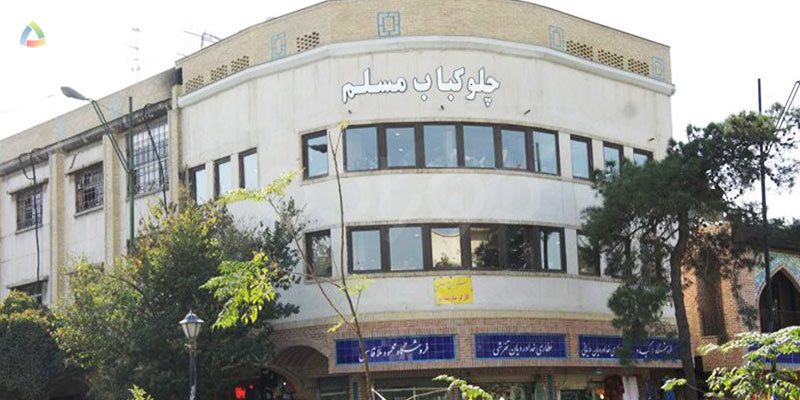
Expect a lively atmosphere and communal tables, a sign of its popularity among locals. The food is rich and hearty, a perfect mid-day meal to refuel after exploring the bazaar. I still remember the crisp bottom of their Tahchin and the perfectly seasoned chicken inside.
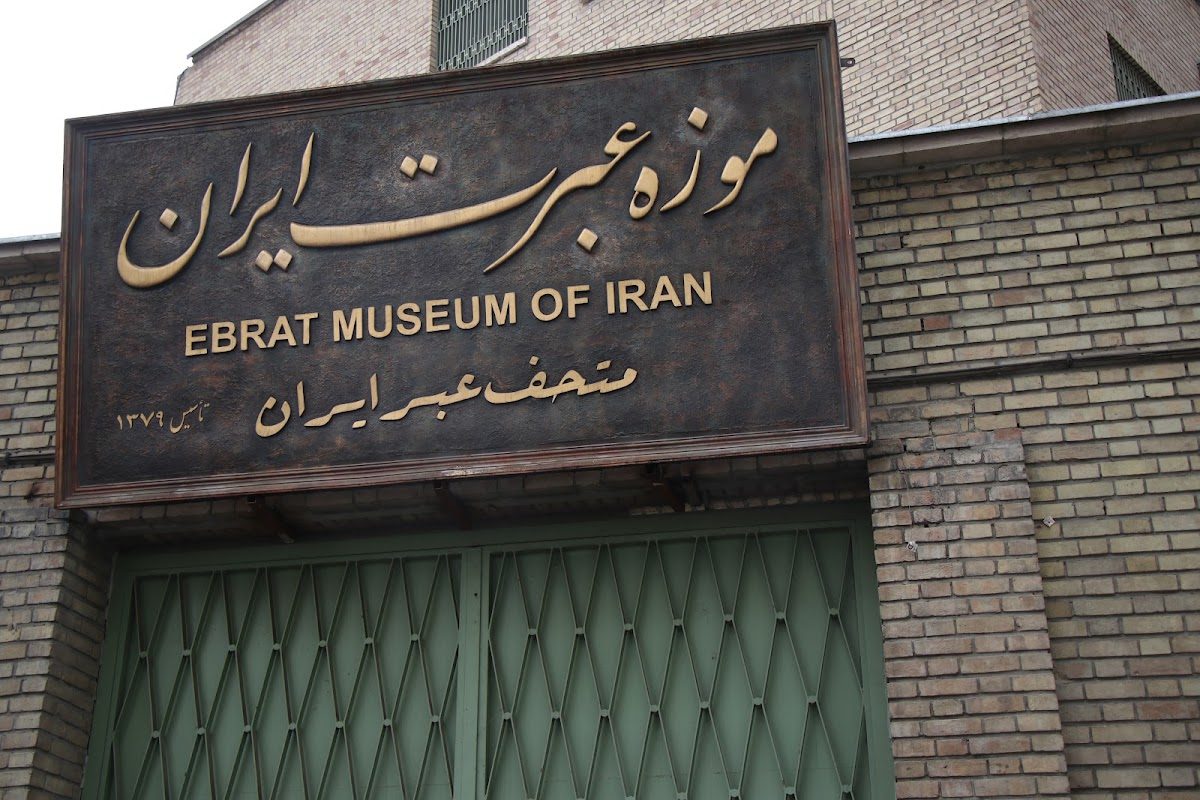
4. Experience history and a stark past at Ebrat Museum
For a poignant and off-the-beaten-path experience, visit the Ebrat Museum, housed in a former political prison. This museum offers a stark and powerful look into a darker, more recent chapter of Iran’s history. It provides insight into the country’s past beyond its ancient heritage.
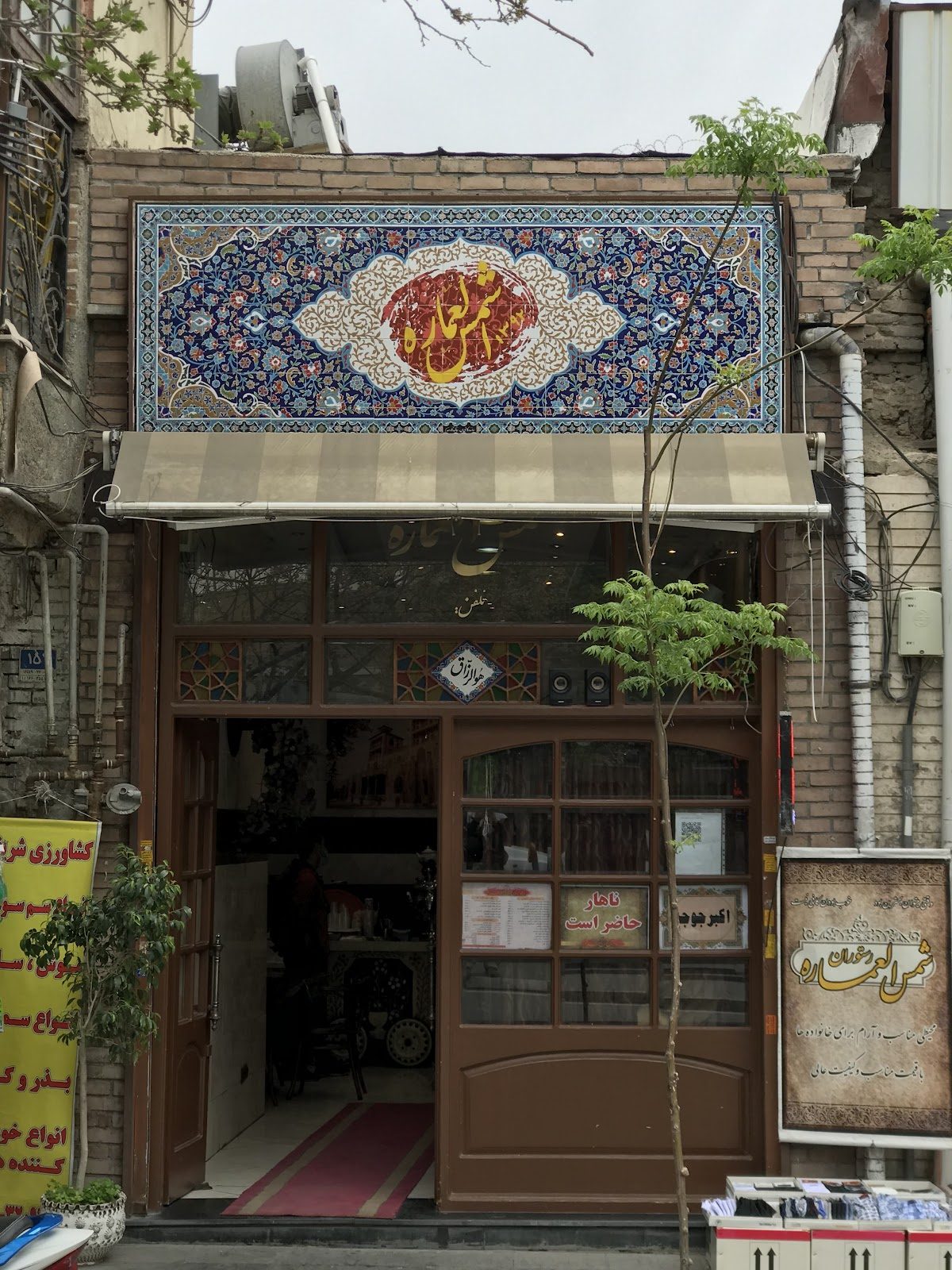
The exhibits are presented with historical accuracy, creating a somber yet historically significant experience. It’s a compelling visit for culturally curious travellers interested in understanding modern Iran. This museum offers a different kind of immersion, one that stays with you.
5. Immerse yourself in the street food scene on Si-e Tir Street
As evening approaches, head to Si-e Tir Street, which transforms into a vibrant pedestrian-only food market. This historic street offers a diverse array of traditional Iranian street food, snacks, and drinks. It’s a lively spot to experience local culture and try various Persian delicacies.
Sample different kinds of Ash, various falafel preparations, and Zereshk Polo from the many stalls. The atmosphere is energetic, with locals gathering to eat and socialise. It’s an ideal way to end your layover with a taste of Tehran’s modern culinary scene.
Final word
Tehran on a layover is an experience of genuine contrasts and unexpected discoveries. It’s a city that rewards curiosity and offers a glimpse into Persian life that goes far beyond the headlines. You won’t just transit through; you’ll get a real taste of its enduring culture.
All practical information verified at time of writing; confirm hours and prices before you go.