
Okinawa, with its distinct Ryukyuan heritage and relaxed island pace, is emerging as a trending destination for travellers seeking cultural depth without the crowds of mainland Japan. Recent data shows a 71% spike in searches for Okinawa travel, pointing to a growing interest in its unique blend of history, nature, and local life. This guide cuts through the noise to show you what is genuinely possible during a short stop.
This guide is for the curious traveller with 8 hours in Okinawa who wants to experience the island’s unique culture beyond the airport, focusing on its history, local crafts, and authentic food. We will explore Naha and its surrounding cultural heartlands.
Okinawa is not mainland Japan; it is a subtropical island prefecture that marches to its own rhythm, blending indigenous Ryukyuan traditions with influences from China and a modern American presence. It offers a refreshing contrast to Japan’s bustling metropolises, a place where history, food, and craft tell a different story.
A personal note on Okinawa layovers
Having flown through Naha more times than I can count over the years as cabin crew, Okinawa has always felt like a quiet secret. I have seen the early morning calm of Shuri Castle Park before the first tourists arrive, watched the fishmongers at Makishi Market set up their vibrant stalls as the city wakes up, and spent quiet hours along Tsuboya Yachimun Street watching potters at work. The city changes its character throughout the day — from the initial quiet hum of local life to the lively evening buzz of its markets and izakayas. It is a place that rewards observation, where you can feel the layers of its distinct history just by walking its streets.
Before you leave the airport
Storing your luggage
You will want to be free of your bags to truly explore Naha. Naha Airport offers several convenient options.
Naha Airport Coin Lockers are available on the 1st, 2nd, and 3rd floors of the Domestic Terminal. Prices start from ¥400 per day, varying by size. They are open roughly 9:00 AM – 8:00 PM, though those near the domestic terminal exit can fill quickly.
Alternatively, the Okinawa Yamato Transport Counter on the 1st Floor of the Domestic Terminal (Arrivals Lobby) offers storage from ¥400 (S) to ¥1,000 (LL) per piece per day. They operate typically 8:00 AM – 8:00 PM and accept non-cash payments.
Do you need cash?
Yes, cash is highly recommended for an authentic Okinawan experience. While major shops and some airport services take cards, many local markets, smaller eateries, and traditional craft shops prefer or require cash.
You can find ATMs on the 1st floor of the Domestic Terminal at Naha Airport and at convenience stores like 7-Eleven throughout Naha. Look for ATMs that support international cards (Plus, Cirrus networks) and withdraw enough yen to cover your day’s expenses upon arrival.
8 hours in Okinawa: what to do
1. Explore Okinawa’s traditional pottery on Tsuboya Yachimun Street
Step onto this historic street, paved with Ryukyu limestone, and you are immediately immersed in Okinawa’s 400-year legacy of yachimun (pottery). Over 40 shops, galleries, and cafes showcase distinct traditional ceramics, each piece telling a story of island craftsmanship. The street itself is a living museum, away from the typical tourist routes.
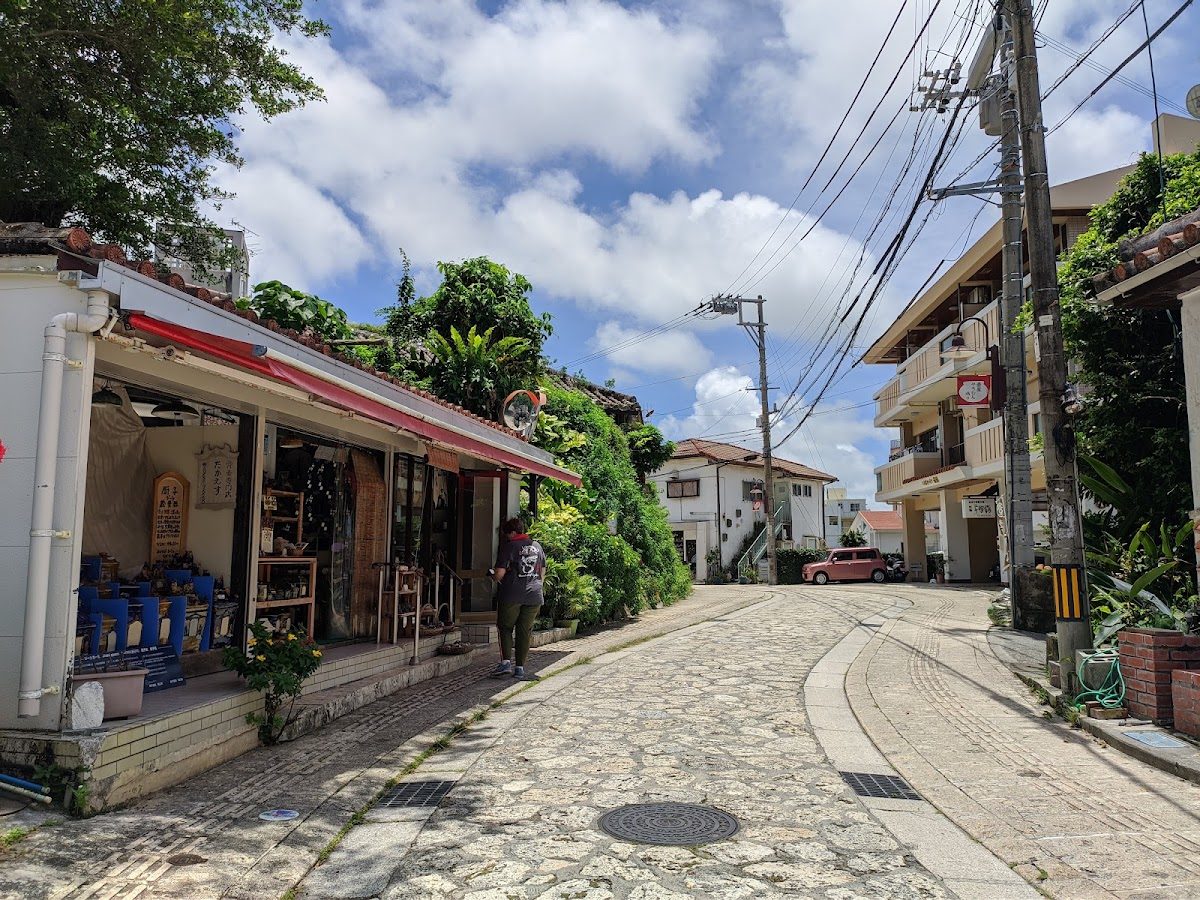
Spend time browsing the unique pieces, from vibrant shisa guardian lions to more understated daily tableware. The Naha Municipal Tsuboya Pottery Museum offers a deeper dive into the history and techniques behind these ceramics, providing context to what you see on the street. It is a quiet corner of Naha that feels truly rooted.
2. Taste local life at Makishi Public Market
Often called “Okinawa’s kitchen,” this two-story market is a vibrant, sensory experience. Downstairs, vendors display a colourful array of fresh seafood, local produce, and meats, a testament to the island’s abundant resources. The energy is palpable, a true slice of local life.
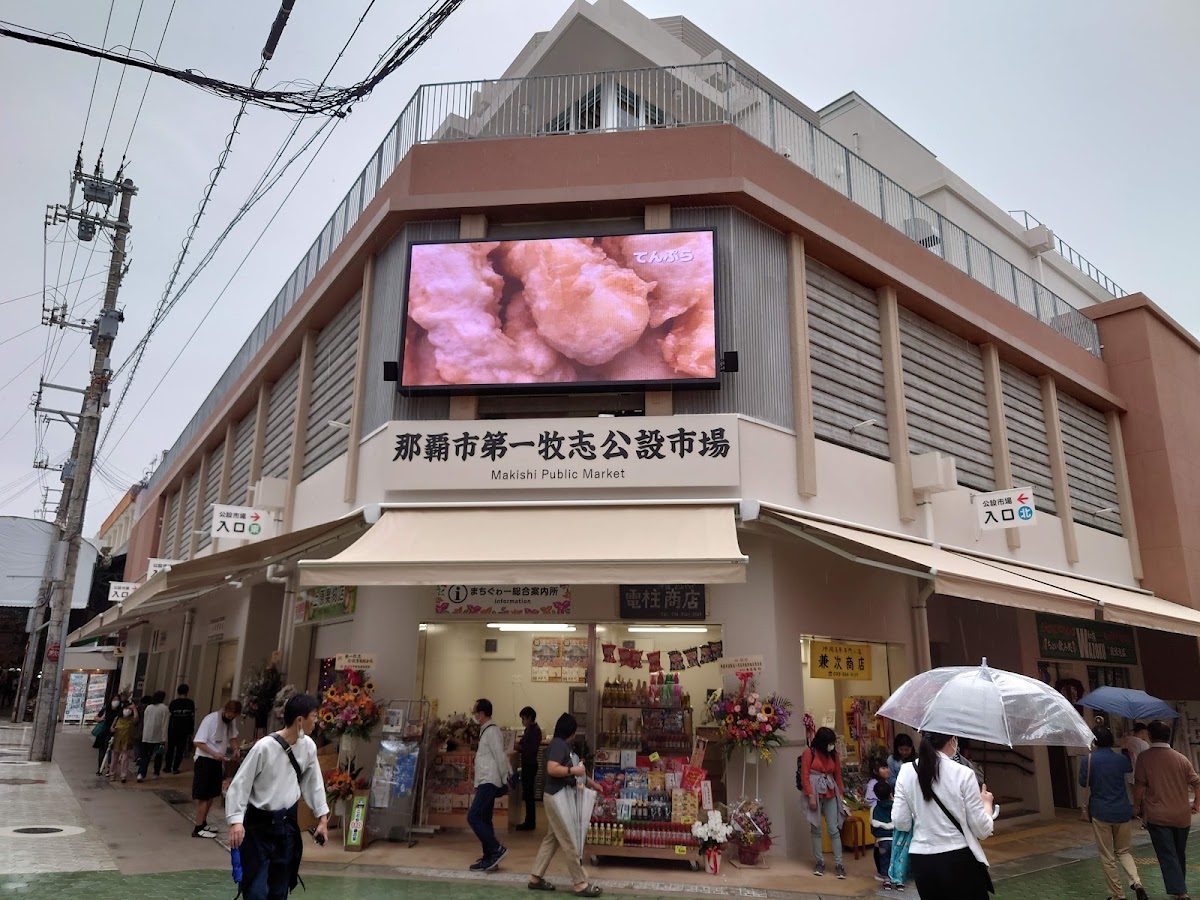
Upstairs, small eateries offer to cook your freshly purchased ingredients on the spot, creating an incredibly authentic and fresh dining experience. Do not hesitate to pick out a particular fish or cut of meat downstairs and have it prepared for you — it is the ultimate local culinary adventure. The market offers a genuine taste of Okinawa that you will not find in hotel restaurants.
3. Delve into Okinawan heritage at Okinawa Prefectural Museum & Art Museum (OKIMYU)
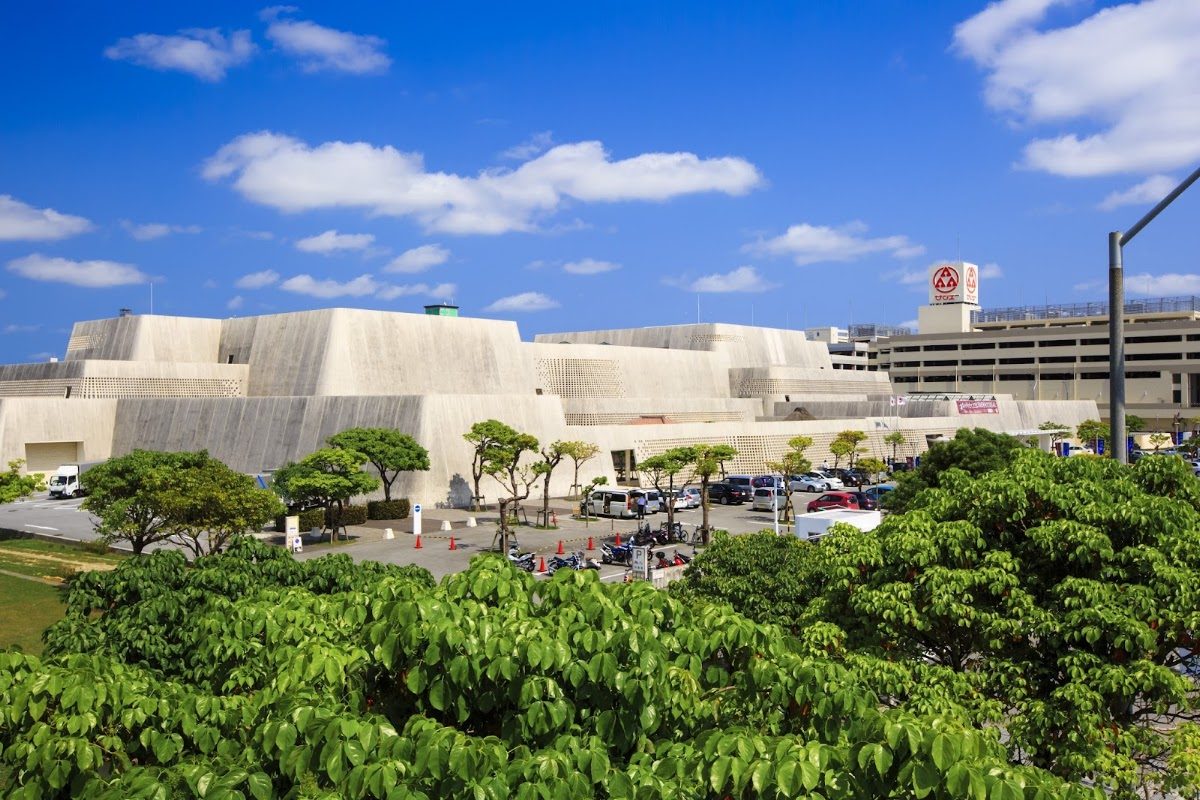
This modern museum complex, known as OKIMYU, offers an insightful and comprehensive overview of Okinawa’s unique natural history, rich cultural heritage, and vibrant art scene. It is a trending destination that provides excellent context for understanding the island’s distinct identity, separate from mainland Japan. The architecture itself is worth observing.
Allocate enough time to explore both the museum and art museum sections, as they offer distinct but complementary perspectives on Okinawa. You will find exhibits on everything from the island’s geology to its distinct Ryukyuan clothing and crafts. It is a quiet way to absorb the deeper story of the island.
4. Witness the enduring spirit of Shuri Castle Park
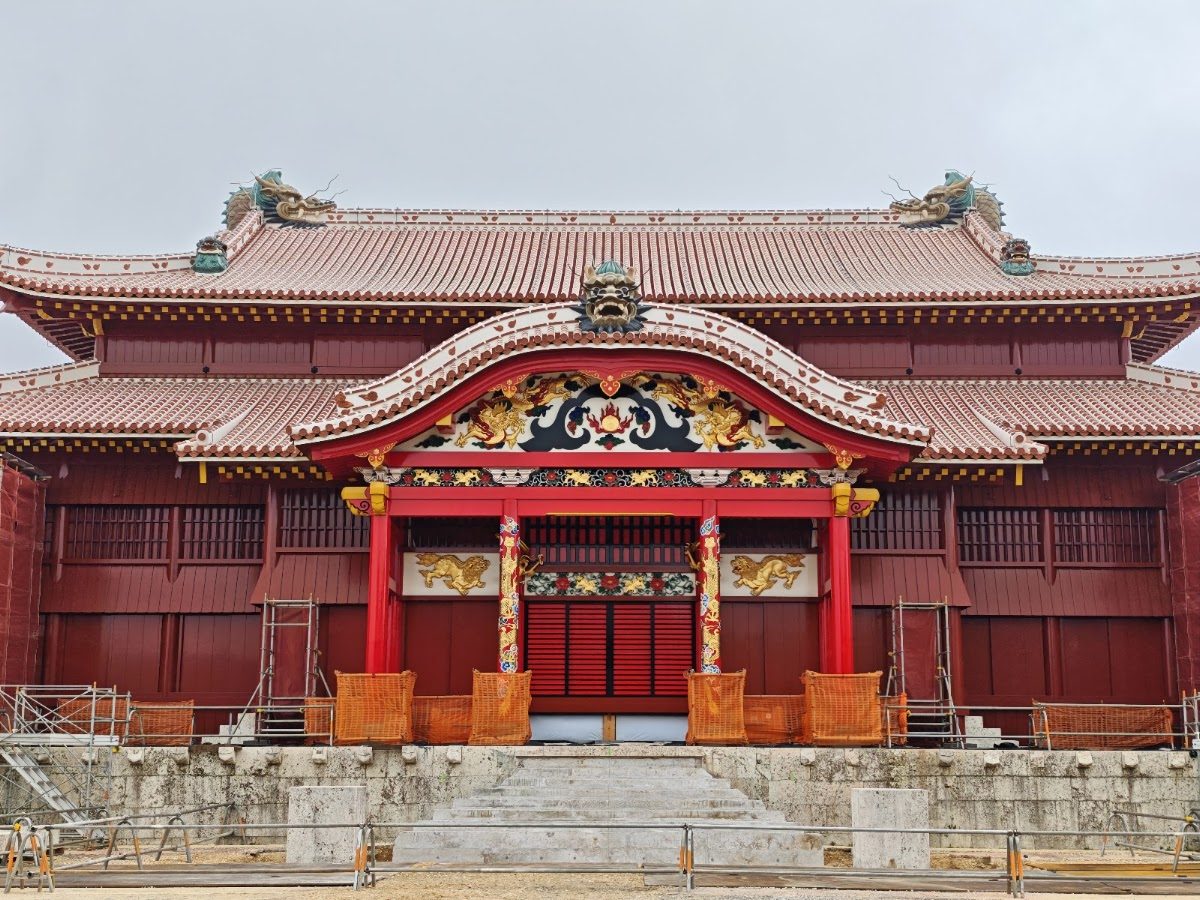
A UNESCO World Heritage site, Shuri Castle was once the royal palace of the Ryukyu Kingdom, symbolizing Okinawa’s rich history. While the main buildings are undergoing restoration after a devastating fire, the surrounding park, impressive gates, and foundational structures still offer significant historical insight. This site is a trending destination for its historical significance and ongoing recovery.
Walk through the various gates and foundational remnants, imagining the grandeur of the former kingdom. From the highest points within the park, you can get expansive, panoramic views of Naha city and the East China Sea stretching out below you. It is a powerful reminder of Okinawa’s resilience and unique heritage.
5. Create a personal souvenir at Shuri Ryusen’s coral dyeing experience
Immerse yourself in Okinawa’s traditional craft of Bingata dyeing at Shuri Ryusen. This workshop offers a unique coral-dyeing experience, allowing you to use agatized coral to create your own patterns on a T-shirt or other items. It is a hands-on way to connect with the island’s artistic traditions and take home a truly personalized memento.
The process is surprisingly intuitive and rewarding, guided by local artisans who keep the Bingata tradition alive. Watching the patterns emerge as you work with the coral and dyes offers a tangible connection to Okinawa’s natural and cultural landscape. This experience is a refreshing break from typical sightseeing.
Final word
Okinawa offers a genuine escape, even on an 8-hour layover. It is a chance to step into a distinct culture, explore unique crafts, and taste food that tells a story far removed from mainland Japan. Do not miss the opportunity to leave the airport and experience this island’s quiet but profound charm.
Please note: All information on hours and prices was verified at the time of writing. Always confirm details before your visit.